You’re going to Castel Sant’Angelo anyway in Rome. The difference here is you get a guide who can take you into the exclusive areas that are typically off-limits, plus the terrace views at the end. It’s a 1–2 hour visit that feels like more than just walking through stone.
What I liked most: first, the guides. Reviewers repeatedly name Alec, Elenora, Evi, Donatella, Claudia, Zanda, and Angnese, and they all point to the same thing—clear explanations, strong pacing, and guides who actually engage you. Second, the sights. You’re not only learning how the fortress evolved, you’re also getting sweeping city panoramas from the top.
One thing to consider: the tour involves stairs to reach the panoramic terrace and it isn’t suitable for wheelchair users. If you’re mobility-limited, this is one you’ll want to think through before booking.
Key things that make this tour worth your time
- Exclusive access to areas generally closed to the public, including the Olearie and historical prison sections
- Expert English guides who explain symbolism and details you’d likely miss on your own
- Stories behind each transformation, from Hadrian’s tomb to pope residence, treasury, prison, and execution site
- Terrace panoramas over Rome, with a strong photo payoff and the right “wow” moment at the end
- Headsets if needed, which helps you hear your guide clearly (and reviewers noticed the audio quality)

👉 See our pick of the Discover 2 Great Tours In Rome
- Key things that make this tour worth your time
- Castel Sant’Angelo Isn’t One Place. It’s Several Eras Stitched Together.
- Meeting Point at Lungotevere Castello: Find the Loving Rome Flag
- The Tour’s Big Promise: Areas Usually Closed Off to the Public
- Olearie and Prison Sections: When You Can Feel the Building’s Past Jobs
- Hadrian’s Tomb to the Popes: How the Fortress Kept Getting Re-Purposed
- Treasury Rooms and Artwork: Seeing More Than Just Walls
- Clemente VII’s Theater: The Part That Makes History Feel Less Abstract
- The Pope’s Apartment and the Execution-Site Reality Check
- Terrace Views: You Earn Them With Stairs, Then You Get the Payoff
- Time, Pace, and Group Size: Why It Doesn’t Feel Rushed
- The Guides: Knowledgeable, Interactive, and Good at Making It Click
- Value Check: What You’re Really Paying For (Not Just the Ticket)
- What to Bring (and What to Leave Behind)
- Accessibility Reality: Stairs and No Wheelchair Access
- When to Go: Time Slots Matter for Views
- Who Should Book This Tour
- FAQ
- How long is the Castel Sant’Angelo guided tour?
- What language is the tour guide?
- Where do we meet the guide?
- What is the cost of admission, and how does it relate to the tour price?
- Do I need to bring ID?
- Are tickets tied to a specific date and time?
- What’s the cancellation policy?
- What should I bring and wear?
- Is the tour wheelchair accessible?
- Should You Book This Castel Sant’Angelo Guided Tour?
- The Best Of Rome!
- More Guided Tours in Rome
- More Tours in Rome
- More Tour Reviews in Rome
Castel Sant’Angelo Isn’t One Place. It’s Several Eras Stitched Together.

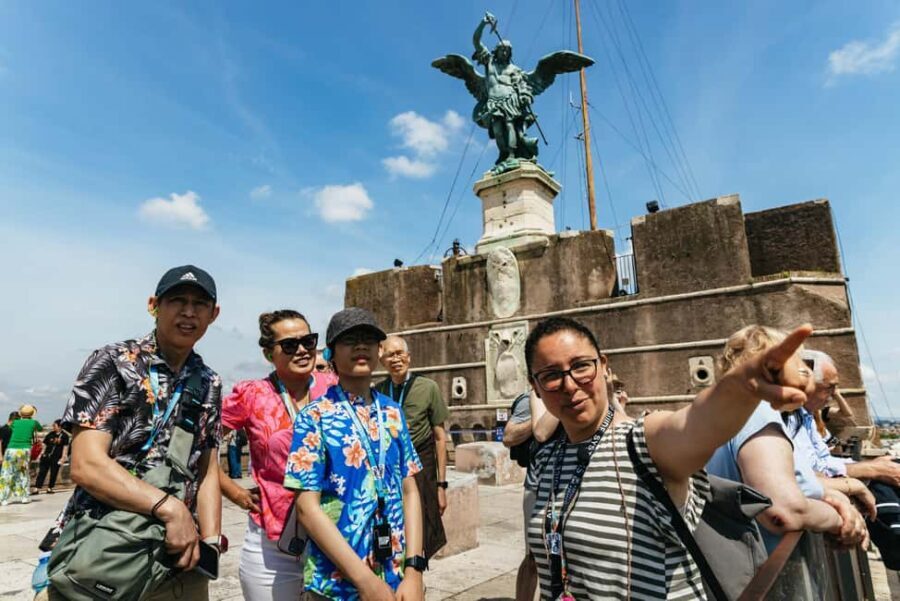
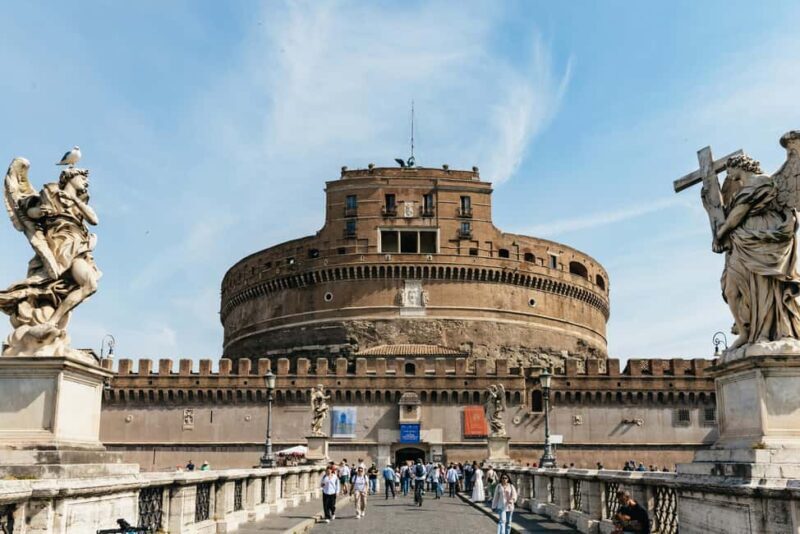
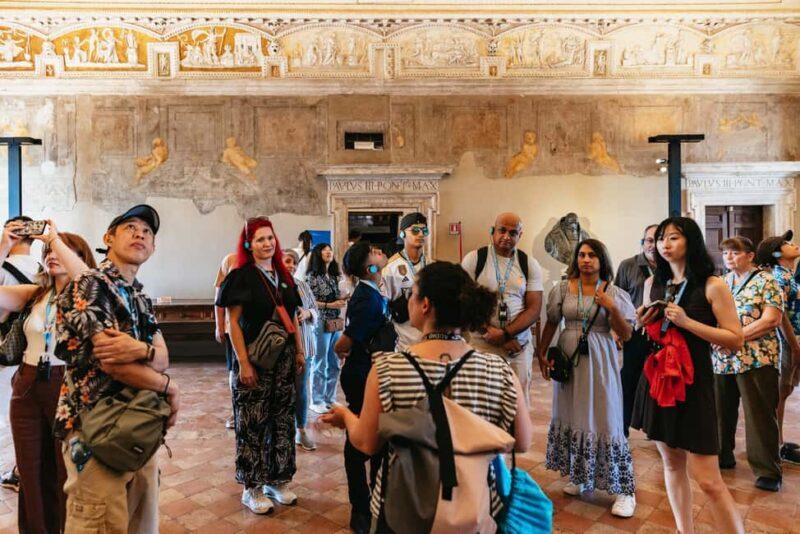

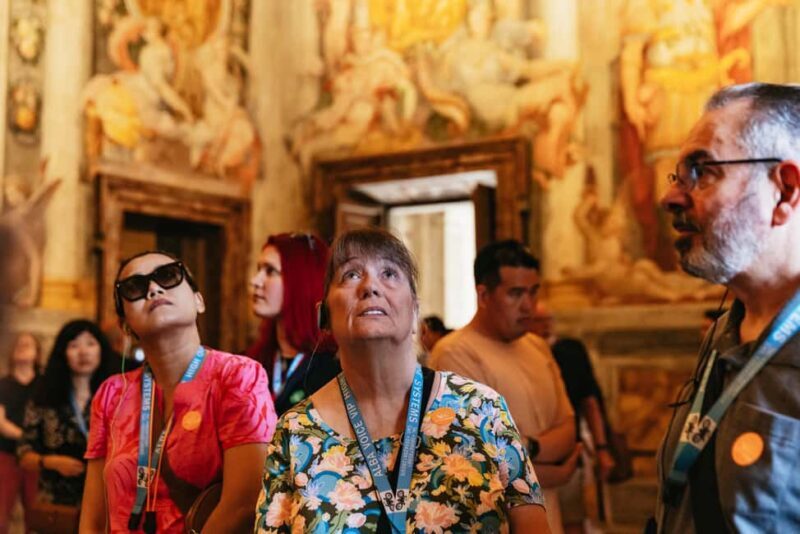
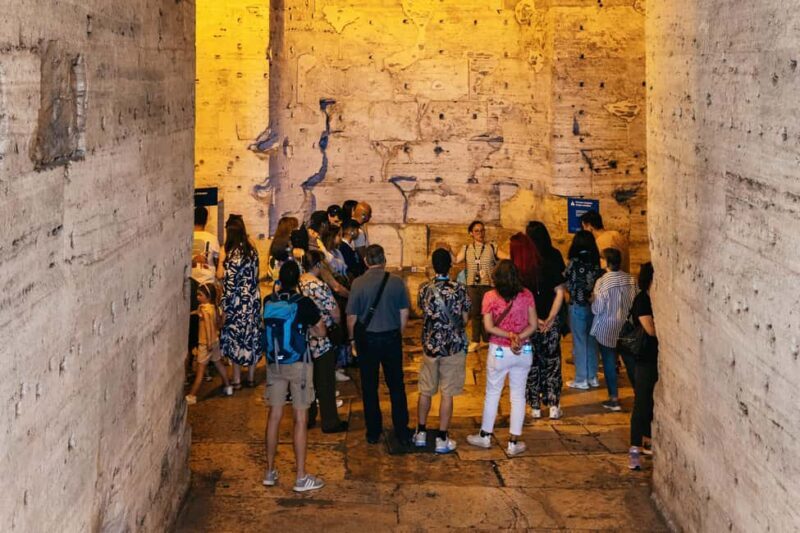
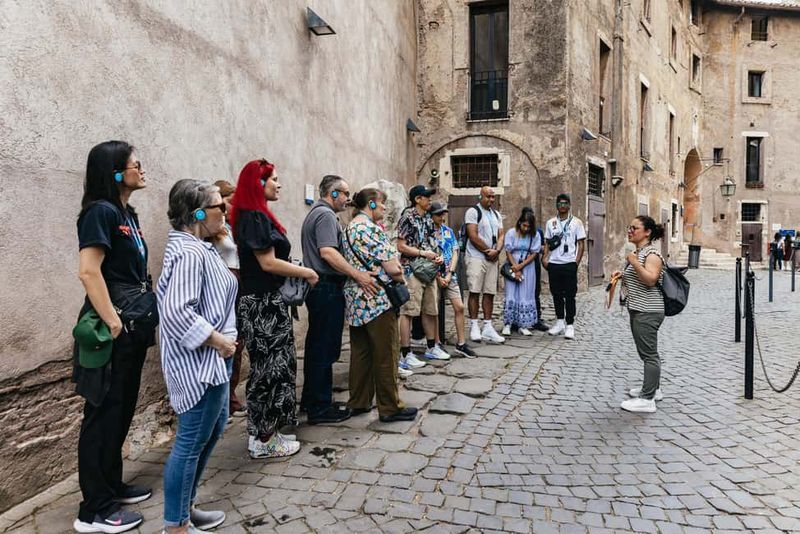
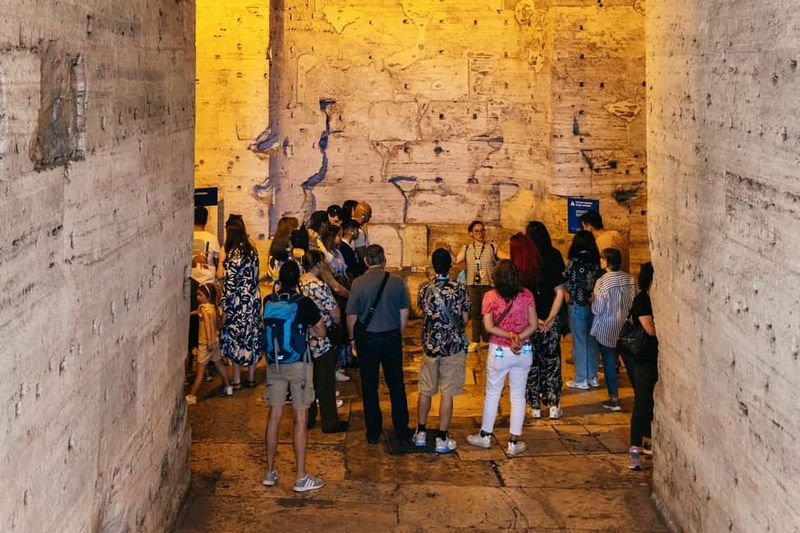
Castel Sant’Angelo starts with a simple idea: it was built by Roman emperor Hadrian as his tomb. But then it keeps changing jobs—private papal residence, state treasury, prison, and even a place for public executions. That means you don’t just see one “look.” You see how power and politics changed the building’s purpose over time.
That’s why a guided visit really helps. Without context, you can wander and just see corridors and rooms. With a good guide, you start noticing why certain spaces exist and how they were used.
You can also read our reviews of more guided tours in Rome



Meeting Point at Lungotevere Castello: Find the Loving Rome Flag
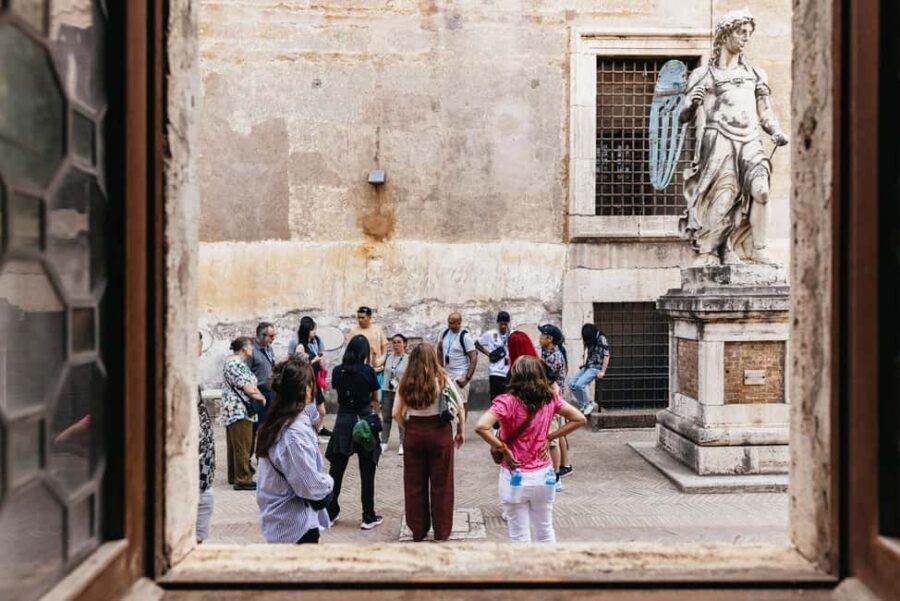
Your meeting spot is in front of the main entrance of the Lungotevere Castello, where staff will be waiting with a Loving Rome flag. It’s a straightforward start, but do yourself a favor: show up a bit early.
Bring your passport or valid ID. The tour requires name verification, and you also need to provide full participant names during booking exactly as they appear on your ID.
The Tour’s Big Promise: Areas Usually Closed Off to the Public
This isn’t a “walk the standard route and go” situation. The tour is designed to show exclusive areas that are generally not open to everyone, including:
- the Olearie
- historical prisons
- the theater of Clemente VII
You’ll also hear how those spaces tie into the castle’s shifting roles. That part matters. These aren’t random side rooms; they’re the sort of places that help explain what kind of place the fortress was at different points in history.
Olearie and Prison Sections: When You Can Feel the Building’s Past Jobs
The Olearie are especially memorable because they connect the fortress to how it functioned day to day (not just grand ceremonies or rulers posing for statues). And the prison areas bring the castle into a darker, more human reality.
If you’ve ever visited a museum and thought, I get the big facts, but I don’t feel the reality—this is the kind of stop that fills that gap. Your guide helps you connect layout to purpose, and that makes the place easier to understand.
More Great Tours NearbyHadrian’s Tomb to the Popes: How the Fortress Kept Getting Re-Purposed
You begin with the origin story: Hadrian’s tomb. Then the tour moves through how the castle became part of papal life—up to and including the pope’s apartment.
One of the reasons reviewers love this tour is that guides don’t just list dates. They explain the logic behind the changes. You’ll learn how a structure meant for one imperial ending got reused for papal authority, then later for state functions, then for punishment.
Expect you’ll talk about the emperor’s burial place and the way the rooms reflect different priorities—privacy and power at one stage, control and confinement at another.


Treasury Rooms and Artwork: Seeing More Than Just Walls
The castle includes stops tied to the treasury room and other sections where you can spot sculptures and paintings. These are the moments where a guide helps you read what you’re seeing.
Several reviewers mention guides explaining Catholic symbolism and “small details” that typical visitors tend to miss. When you hear that kind of comment repeatedly, it’s a sign the tour does more than point. It interprets.
Clemente VII’s Theater: The Part That Makes History Feel Less Abstract
One of the more unusual-sounding highlights is the theater of Clemente VII. Even if you don’t know much about that period before you arrive, your guide should give you the background to understand why entertainment and power could share the same walls.
This stop tends to work for different kinds of travelers: if you love art and architecture, it’s a visual interest point. If you prefer political and human stories, it gives another angle on how rulers lived.
The Pope’s Apartment and the Execution-Site Reality Check
The tour also covers how the castle was used as a prison and as a public execution site. That can make the place feel intense—especially when your guide puts the story into clear context.
This isn’t “scare tactics.” It’s a reminder that buildings in Rome weren’t built only to impress. They were built to control outcomes.
Terrace Views: You Earn Them With Stairs, Then You Get the Payoff
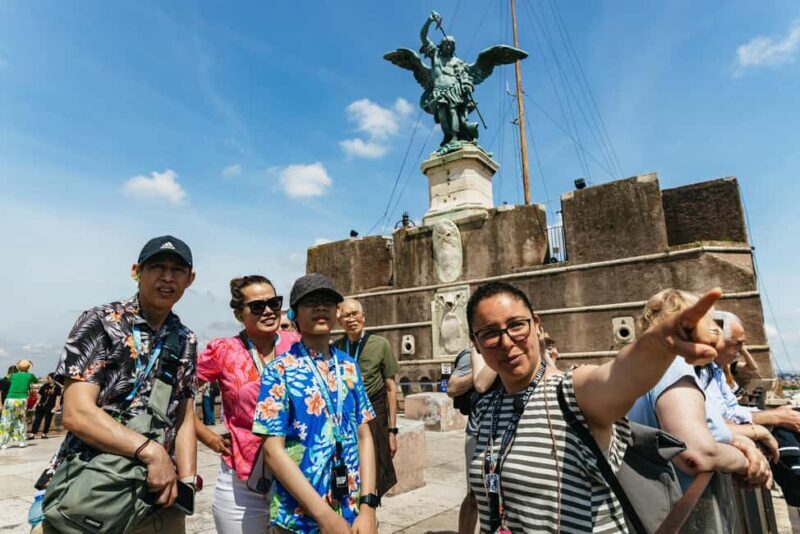
After walking and learning inside, you’ll head to the panoramic terrace. Expect a series of stairs to reach it. One traveler even mentioned a winter session where they could catch gorgeous sunset light over the city, which is exactly the kind of moment you remember later when you look at your photos.
From up there, you get the kind of wide-angle Rome view that helps you mentally “map” where you are. You stop looking at the castle as an isolated stop and start seeing how it sits in the city’s layout.
Time, Pace, and Group Size: Why It Doesn’t Feel Rushed
The official duration is listed as 1–2 hours, and reviewers often echo that it feels like the right length. Some people thought two hours might be too long; they ended up happy with the pace.
Group size can also vary. One review described a tour that effectively felt small and personal when it started with just three people plus the guide. Another reviewer praised how the guide managed the environment to keep the group moving and away from crowd crush.
Translation: this tour is designed to be efficient without making you feel sprinted through.
The Guides: Knowledgeable, Interactive, and Good at Making It Click
This is the part that keeps showing up in reviews. People repeatedly mention guides who were:
- funny and personable
- very knowledgeable
- clear speakers
- interactive, with questions along the way
- good at answering follow-up questions
Named guides stand out across the feedback. Alec is mentioned many times, including one reviewer describing him as passionate and interactive. Evi and Elenora also get strong praise for being knowledgeable and clear. Donatella and Angnese are praised for patience with tricky groups and for keeping everyone engaged.
Also worth noting: at least one reviewer said the headset audio was better quality than on other tours, which matters when you’re in a fortress where sound can bounce.
Value Check: What You’re Really Paying For (Not Just the Ticket)
The tour price is listed at $64 per person. The official ticket price information shows 16 euro for adults (18+) and free entry under 18.
So you’re paying for more than entry. Your money goes toward the guide, the access to the special areas, and the headsets if needed. Reviews also support the idea that the guided format is what unlocks the experience, since people say they wouldn’t have appreciated Castel Sant’Angelo as much without a guide.
In practical terms: if you like history but you also want it explained clearly, this tends to be a strong value. If you just want to wander at your own speed and you’re already a “read every plaque” traveler, you might feel less difference.
What to Bring (and What to Leave Behind)
Bring comfortable shoes. You’ll be walking and climbing stairs to reach the terrace.
Plan to travel light. Food and drinks aren’t allowed, and luggage or large bags aren’t allowed either. Unaccompanied minors aren’t allowed.
One more very practical point: you must give full names during booking exactly as they appear on your passport or valid ID, and you should bring that ID for verification on the day of the visit.
Accessibility Reality: Stairs and No Wheelchair Access
This tour is not suitable for wheelchair users. The terrace requires climbing a series of stairs.
If you have limited mobility, you’ll want to weigh the route carefully before committing. A review mentioned the guide accommodating an elderly person and a kid by taking them to seating areas while still covering the rest, but that doesn’t change the official accessibility note.
When to Go: Time Slots Matter for Views
Your ticket is valid only for the selected date and time slot. Late arrivals or no-shows aren’t accommodated and aren’t refunded, so you’ll want to be on time.
For photo lovers, consider aiming for a session where light will be in your favor. One reviewer specifically praised a winter sunset moment from the terrace, and that’s the kind of difference that can make your pictures look like Rome instead of “dark stone.”
Who Should Book This Tour
Book it if you want:
- an expert to connect the dots between the castle’s changing roles
- the exclusive areas like Olearie and the prisons
- clear English explanations and a guide who handles questions well
- terrace panoramas as the finale
You might skip it if you:
- need full wheelchair access
- want a self-paced stroll with no stairs
- prefer audio-only or no commentary at all
Rome: Castel Sant’Angelo Guided Tour
FAQ
How long is the Castel Sant’Angelo guided tour?
The duration is listed as 1–2 hours.
What language is the tour guide?
The tour includes a live tour guide in English. An optional audio guide in English may also be available.
Where do we meet the guide?
Meet in front of the main entrance of the Lungotevere Castello. Staff will be waiting with a Loving Rome flag.
What is the cost of admission, and how does it relate to the tour price?
The official ticket price information is 16 euro for adults (18+) and free entry for under 18. The tour itself is priced at $64 per person, and the activity includes Castel Sant’Angelo access plus a guide.
Do I need to bring ID?
Yes. For verification, you’ll need your passport or valid ID.
Are tickets tied to a specific date and time?
Yes. Tickets are valid only for the selected date and time slot, and late arrivals or no-shows aren’t refunded.
What’s the cancellation policy?
Free cancellation is available up to 24 hours in advance for a full refund.
What should I bring and wear?
Wear comfortable shoes.
Is the tour wheelchair accessible?
No. It is not suitable for wheelchair users.
Should You Book This Castel Sant’Angelo Guided Tour?
If you want to see Castel Sant’Angelo as more than a viewpoint, I’d book it. The biggest reason is simple: the combination of guides, access to special areas, and that terrace payoff at the end is exactly what turns “I visited” into “I understood.”
Go for it especially if you like asking questions and hearing the story behind what you’re standing in. Just plan around the stairs, be there on time for your slot, and bring your ID—then let the guide do the heavy lifting.
You can check availability for your dates here: