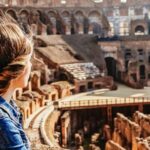
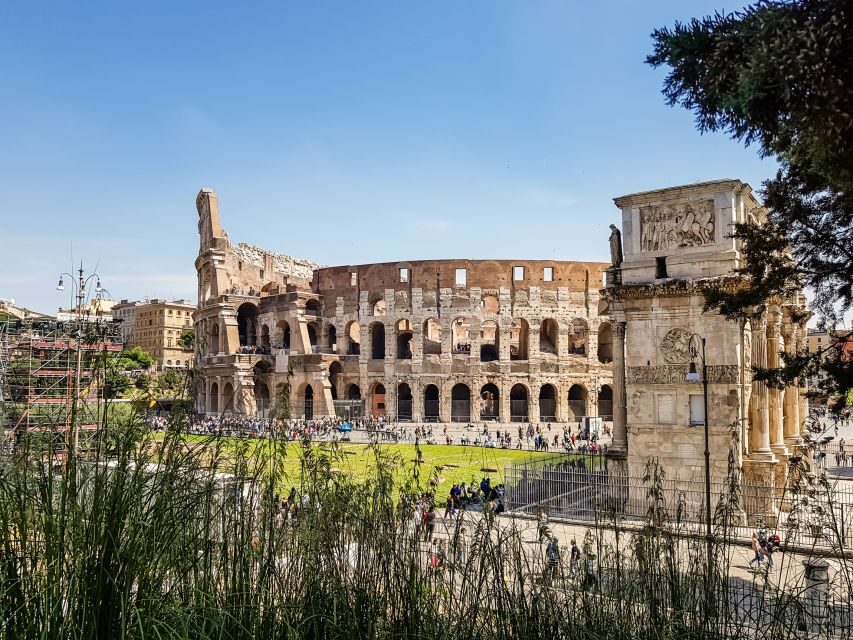
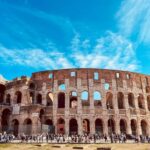
This guided Rome tour is built for people who want the Colosseum to feel real, not just photo-worthy. You enter through the Gladiator’s Gate, stand on the arena level, and may even access a partially reconstructed arena floor if you choose that option.
I especially like two things. First, the official guide explains what you’re seeing at human speed, from senator seating to the trap-door story and the underground pathways. Second, the Roman Forum and Palatine Hill pairing helps you connect the spectacle of the Colosseum with the politics of Ancient Rome.
One drawback to plan around: security checks can be slow at peak times, and that wait has nothing to do with the ticket line.
- Key things to know before you go
- Entering The Colosseum Through The Gladiator’s Gate
- Arena Floor Option: What You See From The Partially Reconstructed Section
- Senator Seats and The Trap Door Story You Can Actually Visualize
- The View Moment: Positioning Around The Arena and Arch of Constantine
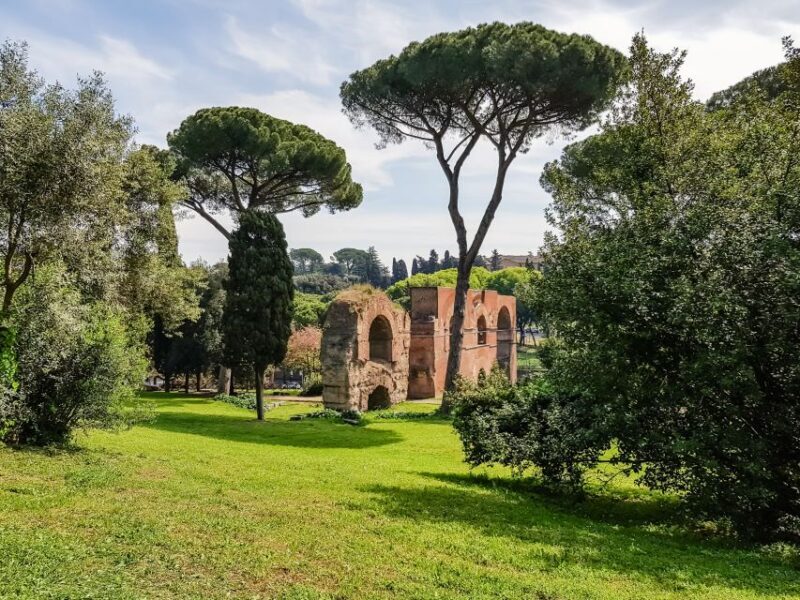
- Palatine Hill in About 30 Minutes: Quick Access to Rome’s Power Center
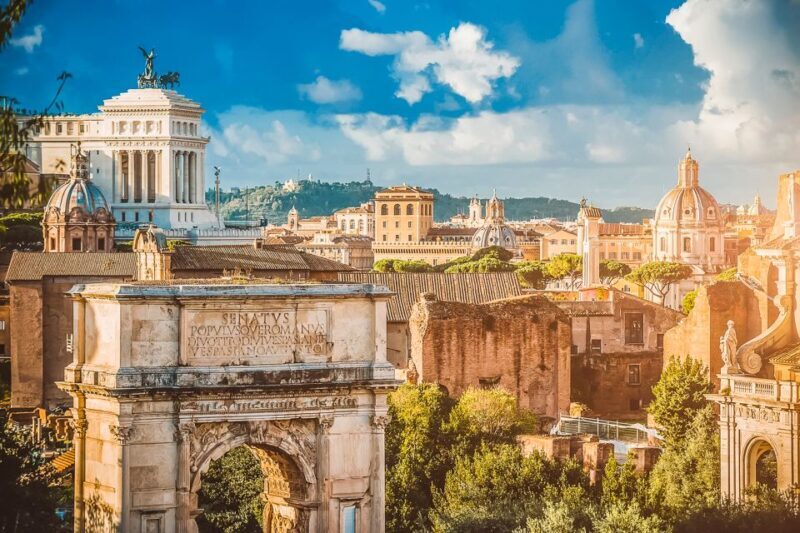
- The Roman Forum: Politics and Daily Life Right After The Games
- How the 2.5–3 Hour Schedule Actually Feels
- Meeting Point and Start Logistics (So You Don’t Lose Time on Day One)
- Guides Are The Difference: Names Travelers Mention Most
- Timing Tips: Security Checks and Peak-Season Reality
- What’s Included (and Why That Matters for Value)
- What’s Not Included: Food and Drinks (Plan Your Tapas Break)
- Crowd Reality: Large Groups vs Staying With Your Guide
- Accessibility Notes: Who This Tour Is Not For
- Rain or Shine: The Weather Rule
- What To Bring (So You Don’t Get Stopped at Security)
- Cancellation and Booking Flexibility
- Should You Book This Colosseum Arena, Palatine Hill & Roman Forum Tour?
- More Guided Tours in Rome
- More Tours in Rome
- More Tour Reviews in Rome
Key things to know before you go
 1 / 10
 2 / 10
 3 / 10
 4 / 10
 5 / 10
 6 / 10
 7 / 10
 8 / 10
 9 / 10
 10 / 10
- Gladiator’s Gate entry makes the start feel like you’re walking into a venue, not a museum
- Arena floor access (optional) lets you stand in the footprint of the action
- Trap door + underground animal chamber are explained from the arena edge
- Arch of Constantine is a memorable landmark moment inside the route
- Roman Forum entry gives context for Rome’s politics right after the games
- Small-group or private options can help you stay close, but crowds still happen
Entering The Colosseum Through The Gladiator’s Gate
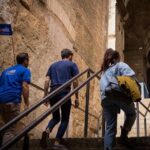
You start right inside the drama. The big moment here is entering the amphitheater via the Gladiator’s Gate, so your first steps feel connected to the show that once took place inside these walls.
The tour is guided end to end, so you’re not left guessing what each section meant. Expect a mix of physical orientation (where you are and what you’re looking at) and straight-up storytelling that connects design choices to how events worked.
And yes, the Colosseum still does what it always does: it turns scale into something you can feel in your legs and neck. You don’t need special effects.
You can also read our reviews of more guided tours in Rome
Arena Floor Option: What You See From The Partially Reconstructed Section
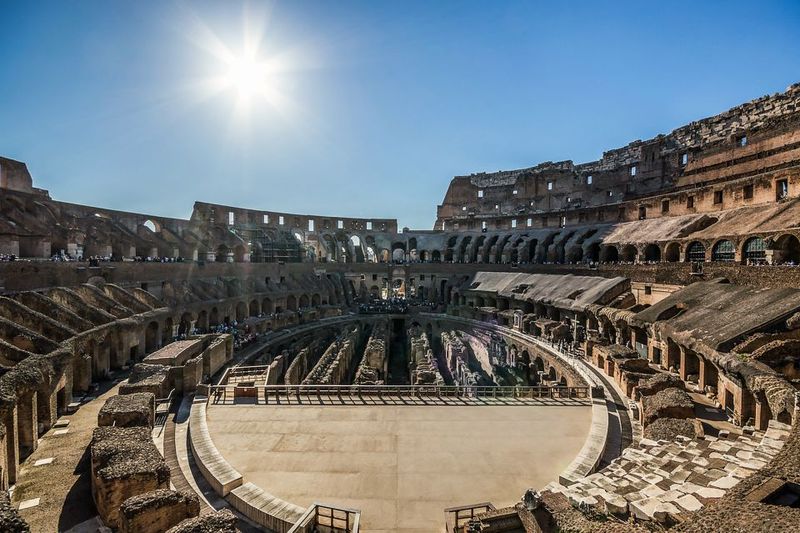
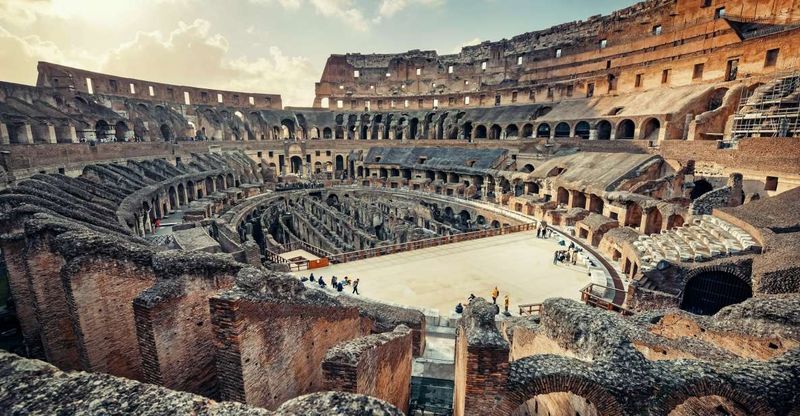
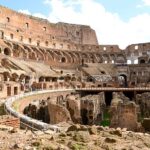
If you pick the option that includes it, you’ll access the Arena floor for about 20 minutes. This isn’t full-time roaming. It’s a focused window where you get to stand on the arena level and view a partially reconstructed section that helps you picture how the floor looked in the Roman Empire.
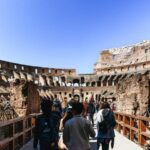
That time matters. From the surrounding levels, the Colosseum can feel like a giant shell. On the arena floor, it becomes a stage. You’ll likely catch why spectators packed in above while fighters, animals, and attendants moved below and through hidden routes.
If you’re debating options, think about what kind of traveler you are. If you want the most “I’m inside it” feeling, choose the arena floor add-on.
Senator Seats and The Trap Door Story You Can Actually Visualize
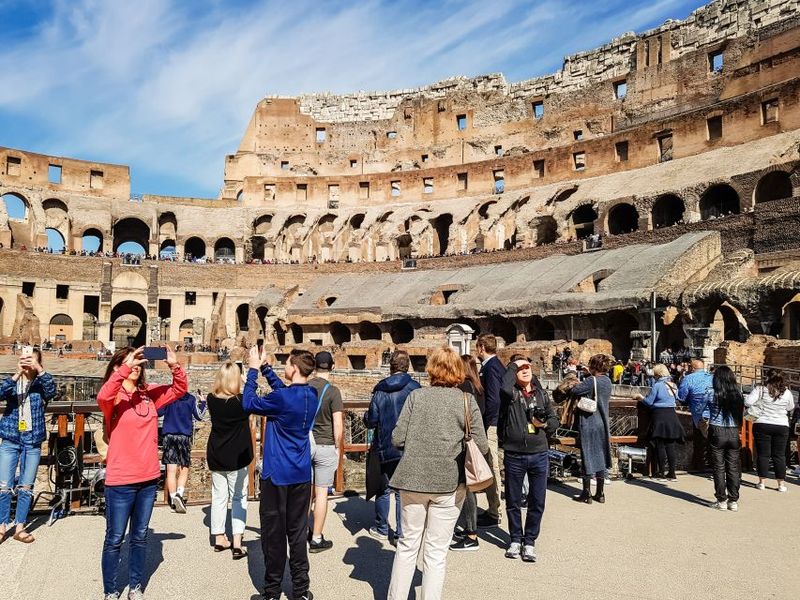
One of the strengths of a guided route is that you don’t just see seating—you understand what it represented. The tour includes close-up time with the senator seats, plus explanations around the trap door where wild animals were released for the entertainment.
The guide’s job here is translation. The Colosseum is full of stone and angles. Without context, it’s easy to miss why things were built where they were. With a good guide, those details click.
From the edge of the arena floor area, you can also look down into the underground zone. You’ll get the gist of the chamber that held wild animals and the pathways used by gladiators—so the building starts telling you how it operated.
The View Moment: Positioning Around The Arena and Arch of Constantine
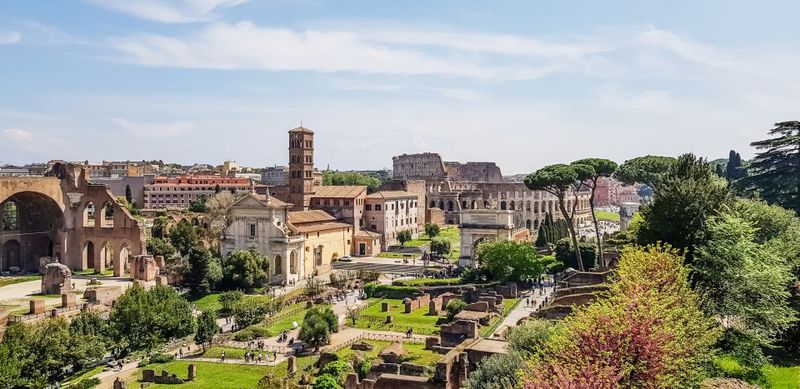
The route includes a standout landmark inside your time here: the Arch of Constantine. It’s not the only thing to see, but it’s the kind of visual anchor that helps you remember where you are in the story of Rome’s public life.
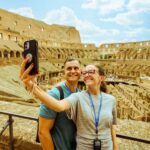
Expect the guide to point out key viewpoints and how to orient yourself for photos without wasting time. In a crowd, that matters. You’ll spend less effort figuring out “which way is which” and more time just enjoying the scene.
If you’re the type who likes architecture, this stop helps. If you’re more into human stories, the guide will keep steering you back to what people came here to experience.
More Great Tours NearbyPalatine Hill in About 30 Minutes: Quick Access to Rome’s Power Center
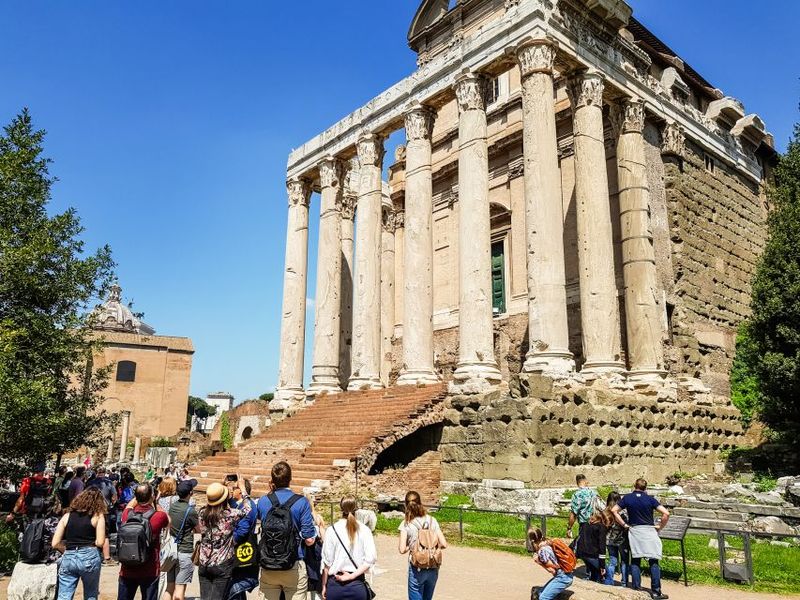
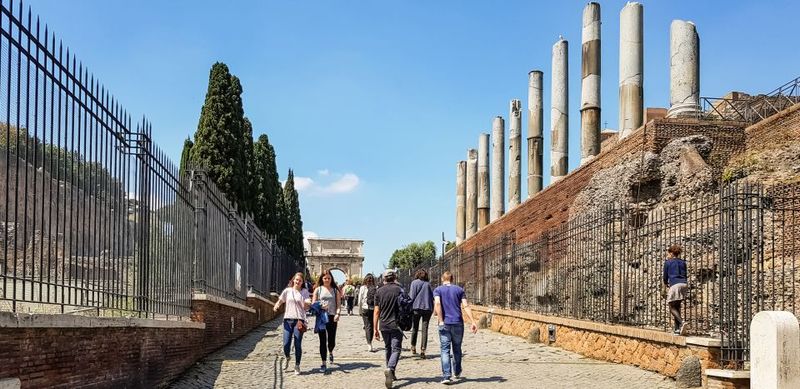
After the Colosseum, you move to Palatine Hill for a guided visit lasting around 30 minutes. This is a shorter stop, so the big value isn’t “see everything.” It’s getting oriented in the right places and learning why this hill mattered.
Palatine Hill is often described as a seat of status, and the tour framing helps you connect that idea to the rest of the day. You start with the arena spectacle, then you head toward the political and social landscape that surrounded the people making decisions.
Practical note: bring comfortable shoes. Even when time is limited, the walk and stone textures mean your feet will do work.
The Roman Forum: Politics and Daily Life Right After The Games
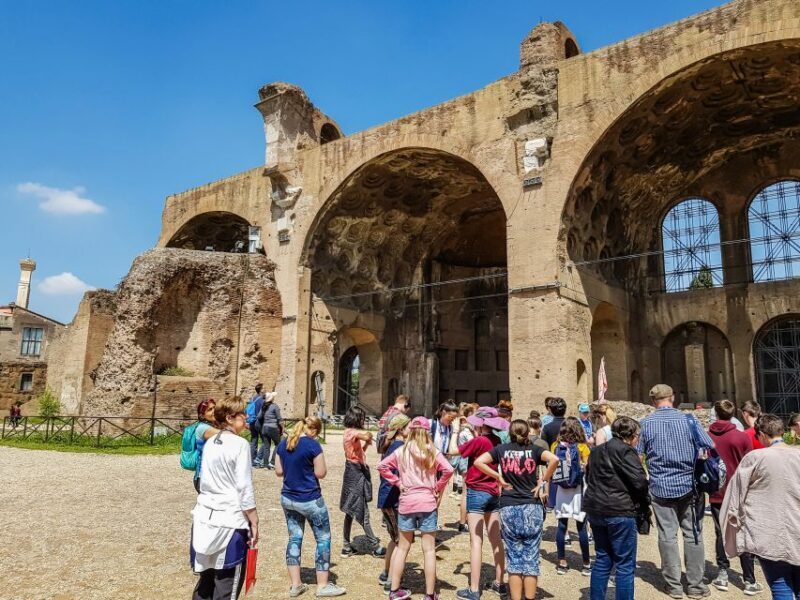
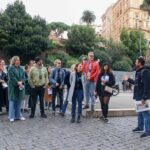
Then comes the Roman Forum, guided for about an hour. This part is crucial because it changes the mood of your day.
The Colosseum is about public entertainment. The Forum is where politics and social power lived. The tour helps you walk the Forum with that contrast in mind, so you’re not just collecting monuments—you’re understanding how Romans organized their world.
The guide will lead you through the Forum’s major themes as you move through the space, so you leave with a sense of cause and effect: why power wanted crowds, why crowds wanted spectacle, and how both showed up in the same city.
How the 2.5–3 Hour Schedule Actually Feels
Your total time is listed as 2.5 to 3 hours. In practice, it’s tight but not frantic, because each stop is guided and time-boxed.
There’s also one important reality check: the itinerary can run in either order—Colosseum & Roman Forum or Roman Forum & Colosseum. That means if you’re trying to line up other plans later that same day, keep some breathing room.
Also, meeting time can shift. You’ll be contacted in advance via email if it changes, so it’s smart to watch your inbox once you book.
Meeting Point and Start Logistics (So You Don’t Lose Time on Day One)
The meeting point can vary depending on which starting option you book. The tour also notes that it’s subject to change, which is common for large, high-demand sites.
On your end, the best move is simple: double-check your confirmation details and arrive early enough that you’re not sprinting through Rome’s streets with a crowd stampeding behind you.
Another small but real constraint: the names provided at booking cannot be changed. If you booked for multiple people, verify names carefully.
Guides Are The Difference: Names Travelers Mention Most
This is the kind of tour where the guide can make or break it. Many travelers specifically praised guides for being knowledgeable, engaging, and able to explain details so you actually remember them.
A few names that come up in traveler feedback include Ilaria, Maria, Max, Barbara, Roger, Humi, Claudia, Lorenzo, Magda, Radu, Alex, and Fabrizio. People describe them as passionate and clear, not just reciting dates.
What I like about this pattern is consistency. The compliments aren’t only about facts. They’re about teaching style: answering questions, managing groups smoothly, and making the stories feel grounded in the architecture you’re standing in.
If you enjoy history when it’s told like a story with reason—this is the right format.
Timing Tips: Security Checks and Peak-Season Reality
Here’s the thing that catches travelers off guard: there are mandatory security checks at all entry points, and the wait time can be considerable during peak times. The tour notes that this delay has nothing to do with the ticket line.
So don’t assume you’re safe just because your ticket time looks close. Build in extra time around the Colosseum and Forum area.
One more practical strategy: if you’re sensitive to crowds, consider booking a slot that matches when you feel best—morning can sometimes be calmer than later hours, depending on season. (Your start time will depend on availability.)
What’s Included (and Why That Matters for Value)
For $84 per person, you get a lot of the expensive friction removed. Included are:
- Colosseum, Roman Forum, and Palatine Hill entry tickets
- An official guide
- Guided coverage across the three sites
- Arena floor access only if you selected that option
So you’re not paying just for movement between monuments. You’re paying for guided interpretation and admission across multiple venues in one plan.
When travelers say it felt worth the money, the recurring logic is the same: you’re buying structure and saved time, not just access.
What’s Not Included: Food and Drinks (Plan Your Tapas Break)
Food and drinks are not included. That’s common for tours that stay focused on sights, and it changes how you should plan your day.
Bring water, wear comfortable clothes, and think about what you want next once the tour ends. If you’re hunting for tapas vibes, this is where you pivot—grab a snack nearby after your final Forum stop rather than expecting a meal to appear inside the itinerary.
Also, one traveler comment hints at rest breaks can be tough depending on queues. That’s another reason to move smart and hydrate during the tour, not after.
Crowd Reality: Large Groups vs Staying With Your Guide
This tour can run as private or small groups, depending on what you book. That flexibility helps.
Still, the Colosseum and Forum are always crowded places. Even with a great guide, it can be harder to stay close in a larger group. A few travelers mention this as the main downside, not the content.
If you’re the kind of traveler who hates losing sight of the guide, choose a smaller group option when you can.
Accessibility Notes: Who This Tour Is Not For
The tour is not suitable for wheelchair users or people with mobility impairments. If mobility is a concern, take that seriously rather than hoping for an easy workaround.
Also note the tour doesn’t allow certain items like luggage or large bags, and it restricts some mobility device types (for example, electric wheelchairs are mentioned as not allowed). If you’re unsure, it’s worth checking before you show up.
Rain or Shine: The Weather Rule
Tours run rain or shine, unless officials close the sites for safety reasons. That’s helpful because Rome weather can shift fast.
Still, pack for comfort. Comfortable shoes matter more than umbrellas when you’re walking uneven stone and spending time standing around the arena areas.
What To Bring (So You Don’t Get Stopped at Security)
You’re asked to bring:
- Passport or ID card
- Comfortable shoes
- Water
- Comfortable clothes
You’re not allowed:
- Weapons or sharp objects
- Luggage or large bags
- Glass objects
- Electric wheelchairs
- Sprays or aerosols
These rules are the kind that turn a smooth morning into a hassle if you forget something. Keep your bag light.
Cancellation and Booking Flexibility
Good news here: you get free cancellation up to 7 days in advance for a full refund. That gives you room to adjust if your Rome days shift.
Languages are also a strong point. The guide may speak English and many others, including Greek, Arabic, Russian, Spanish, German, Hindi, Chinese, Portuguese, French, Japanese, Urdu, Serbian, and Italian. So you should be able to find a slot that matches your comfort level.
Rome: Colosseum Arena, Palatine Hill & Forum Guided Tour
Should You Book This Colosseum Arena, Palatine Hill & Roman Forum Tour?
Book it if you want the easiest way to connect three big sites in one guided arc: arena spectacle first, then the power systems behind it. The Gladiator’s Gate entry, the optional arena floor access, and the attention to details like senator seating and the trap-door story make this feel more like a guided experience than a sightseeing checklist.
Skip it or plan differently if you need wheelchair-friendly access, because the tour is not suitable for mobility impairments. Also, if you’re very time-sensitive, remember the security checks can add waiting time.
For most travelers, the value math works because you’re paying for tickets plus an official guide across multiple locations, not just entry. And if you care about quality teaching, the guide praise is the standout theme—names like Ilaria, Maria, Magda, Radu, and others show up repeatedly as travelers credit their guides for making the past make sense.
If you’re in Rome for a short stay and you want the Colosseum to actually land, this is one of the smarter ways to do it.
You can check availability for your dates here: