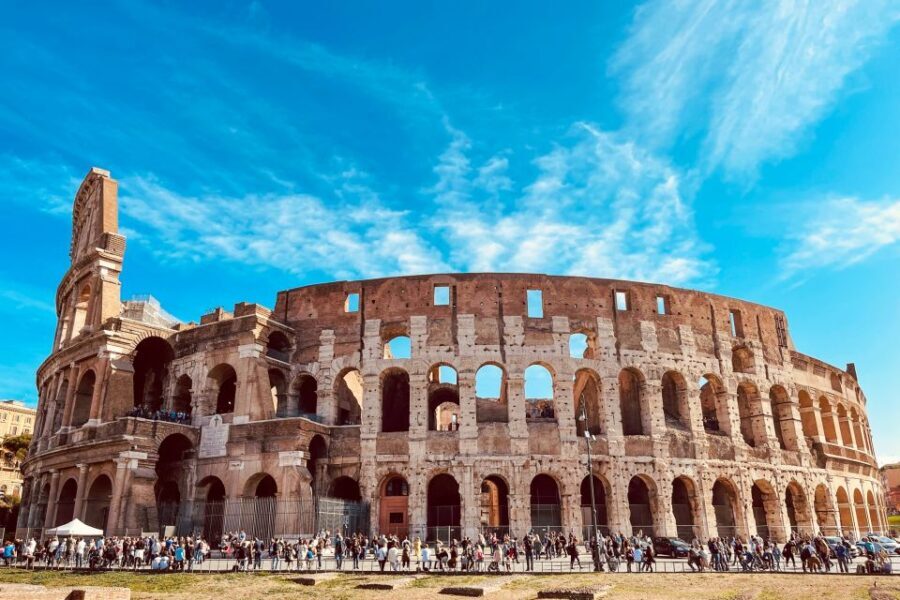
Our look at this Colosseum, Palatine Hill and Roman Forum guided tour is simple: you get the big hitters of ancient Rome in one tight 2.5-hour loop, with entry tickets included and headsets so you can hear your guide even when crowds get loud. Two things I really like about it are the expert-led storytelling (you’ll hear it from guides such as Henry, Aphrodite, and Leo) and the way the route links monuments into one clear picture of how Rome worked.
My one caution is practical: everyone has to pass a security check, and on busy days that queue can delay the real start time. Also, rain can limit access to some areas on Palatine Hill and in the Roman Forum.
- Key things to know before you go
- Why This 2.5-Hour Colosseum and Forum Plan Works
- Meeting Point, Start Times, and Rome’s Security Check Reality
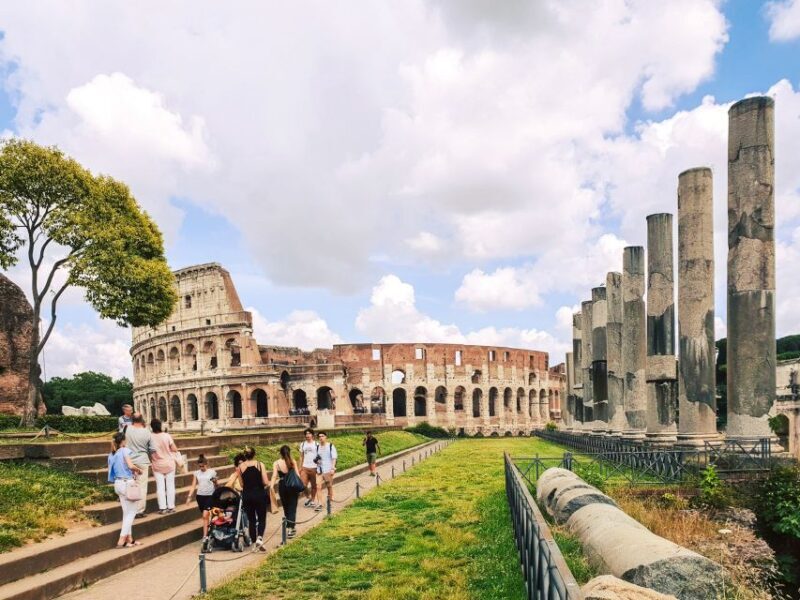
- Outside the Colosseum: A First Look That Sets the Stage
- Entering the Colosseum: Tickets, Checks, and What You Get Access To
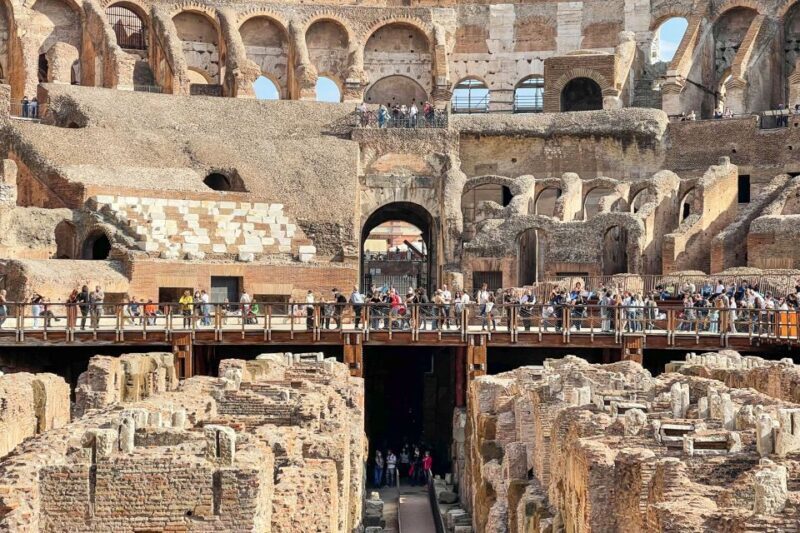
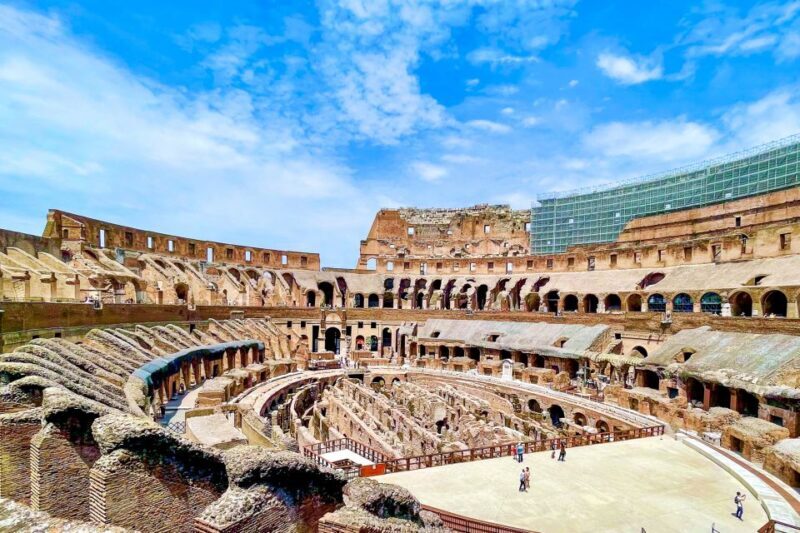
- Arena and Basement Floor Views From the Terrace
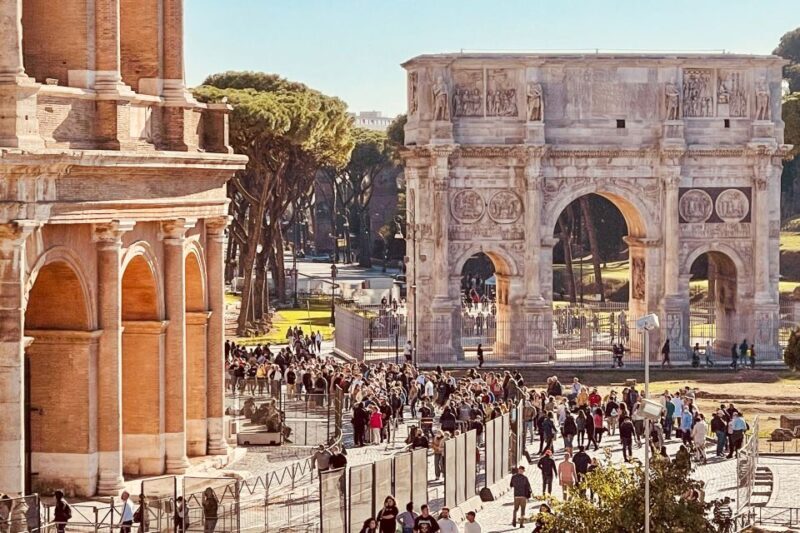
- The Arch Stops: Constantine and Titus in Context
- Walking the Via Sacra: The Route That Links Everything
- Palatine Hill: Where Rome’s Oldest Settlement Takes Shape
- Imperial Residences on Palatine Hill: Stadium, Domus Augustana, Domus Flavia
- Down Into the Roman Forum Valley: Where the City Did Business
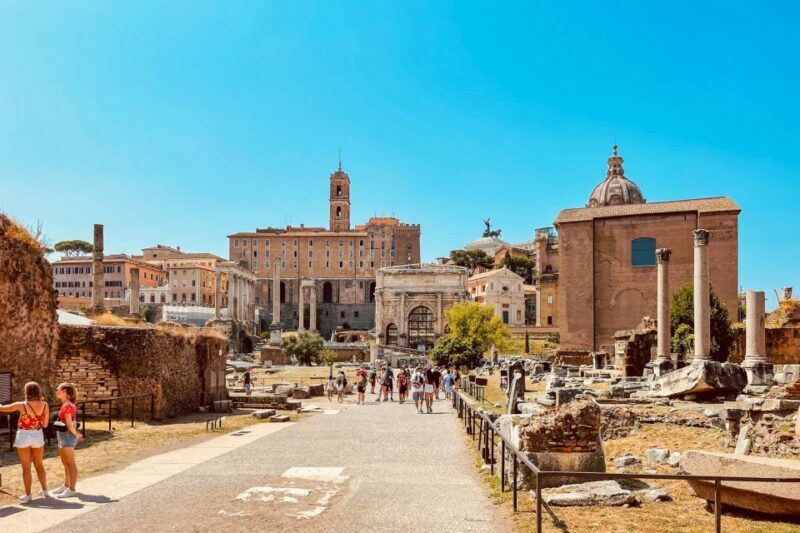
- Roman Forum Highlights Along the Via Sacra
- The Forum Central Area: Curia, Arch of Septimius Severus, Tabularium, Temple of Saturn
- Weather, Crowd Flow, and the Real Pace on the Ground
- Guides Matter: What People Keep Praising (and Why It’s Worth Paying For)
- Price and Value: Is a Good Deal for the Colosseum + Forum Combo?
- Who This Tour Suits Best (and Who Might Want Another Plan)
- Extra Practical Notes That Save Trips
- Should You Book This Colosseum, Palatine and Roman Forum Tour?
- FAQ
- How long is the Rome: Colosseum, Palatine Hill and Roman Forum Guided Tour?
- How much does the tour cost?
- What’s included in the ticket?
- Does the tour include skip-the-ticket-line entry?
- Are headsets provided?
- What languages are available for the live guide?
- Is there free cancellation?
- Is this tour suitable for wheelchair users?
- Do I need to bring ID?
- More Guided Tours in Rome
- More Tours in Rome
- More Tour Reviews in Rome
Key things to know before you go
 1 / 10
 2 / 10
 3 / 10
 4 / 10
 5 / 10
 6 / 10
 7 / 10
 8 / 10
 9 / 10
 10 / 10
- Skip-the-line entry with timed access to keep your time focused on the ruins
- Headsets included so the guide stays easy to follow
- Colosseum arena/basement access options if selected in the tour title
- Palatine Hill + Roman Forum in one stretch along the Via Sacra
- Lots of iconic stops like Arch of Constantine, Arch of Titus, and the Curia
- Multi-language guides (German, English, Spanish, Portuguese, Italian, French)
Why This 2.5-Hour Colosseum and Forum Plan Works
If you only have half a day in Rome, this tour is a smart way to avoid the “I saw it, but I don’t know what I’m looking at” problem. You’re hitting the Colosseum, Palatine Hill, and the Roman Forum—the three places most people put on their must-do list for a reason.
The big win is the pacing. In 2.5 hours you’re not just walking through ruins—you’re walking through the story of Rome: spectacle at the Colosseum, origins and status on Palatine Hill, then politics and religion in the Forum. The guided approach helps your brain build connections fast, which is exactly what you want when time is tight.
And it’s built for real-world noise and confusion. With headsets, you don’t have to guess what the guide is saying while you’re craning your neck and dodging elbows.
You can also read our reviews of more guided tours in Rome
Meeting Point, Start Times, and Rome’s Security Check Reality
Meeting point can vary depending on what option you book, so do check your confirmation details the day before. What doesn’t change is the security process: all visitors pass through a security check before entering the sites.
On busy days, that security line can create a delay. The operator’s hands may be tied, but you can still plan for it. I’d treat your tour start like a “window,” not a precise minute-by-minute appointment. If you’re the type who hates uncertainty, pack patience along with your ID.
Also note the practical rules: no large bags, no drones, no weapons or sharp objects, and you can’t bring pets. If you’re thinking about dragging a heavy daypack around Rome, this is a good time to travel light.
Outside the Colosseum: A First Look That Sets the Stage
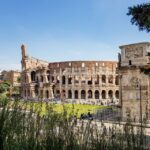
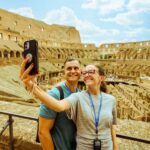
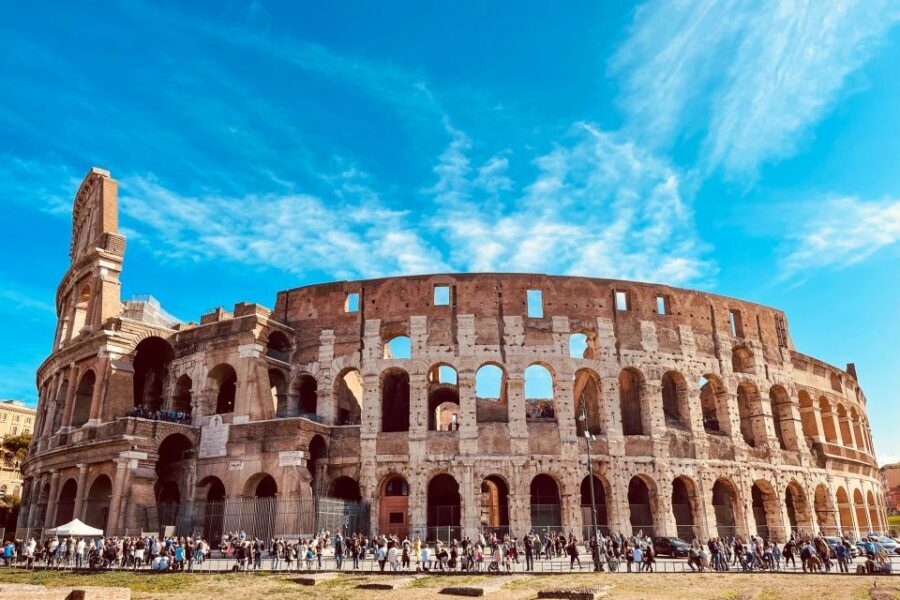
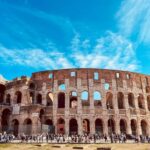
The tour often starts with an outside look at the Colosseum, which matters more than you’d think. Before you go in, your guide helps you see the building as more than an old oval in photos. You get context about what it was, why it was built, and how it changed over centuries.
This step is also about orientation. By the time you enter, you already have a mental map of what you’re seeing: levels, openings, and the overall scale. It makes the interior stops hit harder because you’re not starting from zero.
Entering the Colosseum: Tickets, Checks, and What You Get Access To
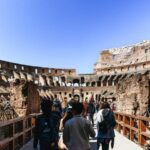
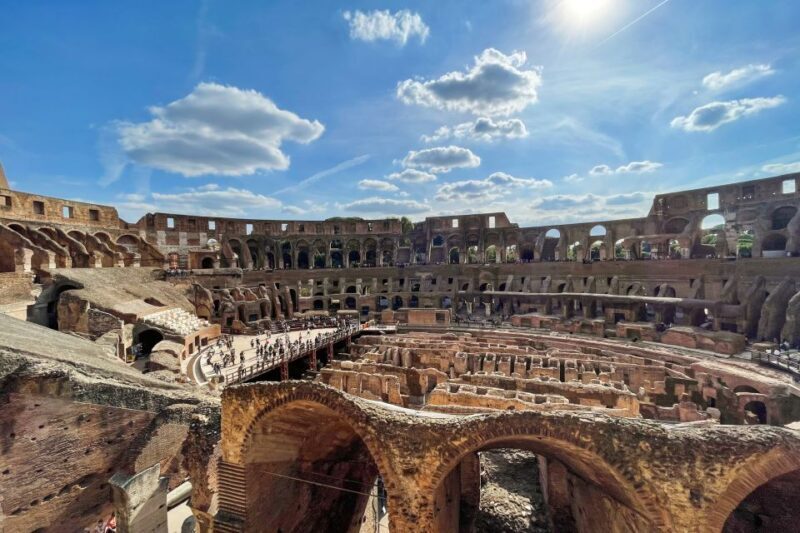
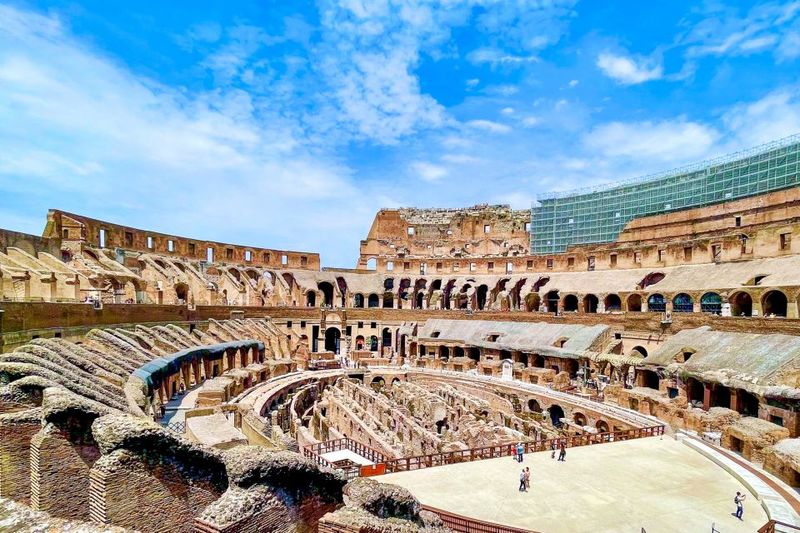
Once you’re inside, you’ll go through security at the Colosseum. Then it’s into the arena area of the experience: your guide walks you through the activities that took place there and explains what the space was built to do.
You also get a tour rhythm that many people appreciate: you’re not stuck in a single corner with a dead-end view. The flow moves you from broader impressions to specific details. Depending on the option you select, you may have arena access and/or underground access (the tour title should state what’s included).
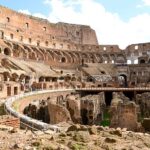
Even if you don’t choose the extra access, the tour includes time to admire interior levels. Some versions also include a panoramic terrace moment where you can see the arena and basement floor from above. That viewpoint is a great “wow, now I get it” moment because it shows the building as a machine, not just a monument.
More Great Tours NearbyArena and Basement Floor Views From the Terrace
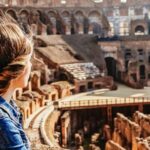
This is one of those details that changes the whole feel of the Colosseum. From a higher terrace, you can take in how the arena floor relates to the structure beneath it. It helps you imagine how events were staged and how the crowd experience would have worked.
The practical benefit: you get a clear photo angle and a clear mental picture. People often forget that the Colosseum wasn’t only about the spectacle, it was also about engineering and flow—how people entered, how space was controlled, and how the building kept moving during events.
If you’re choosing between ticket levels and you like the idea of seeing the space from multiple perspectives, look closely at whether the option includes underground or arena access.
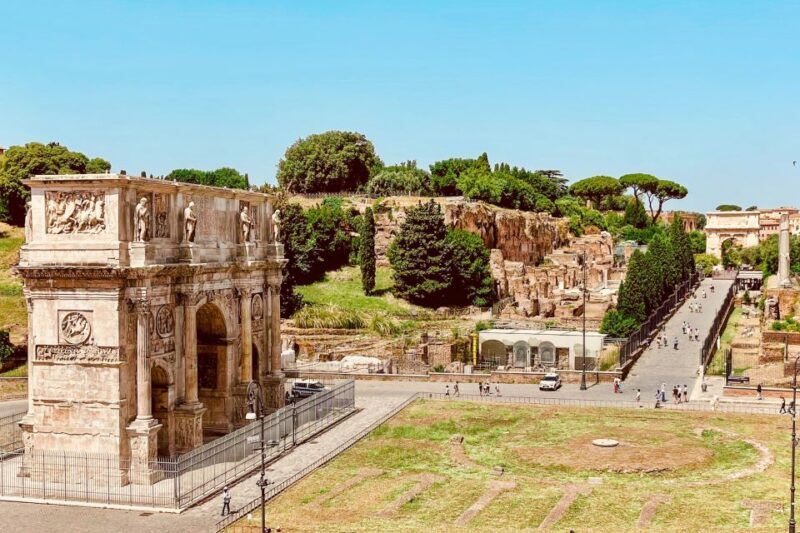
The Arch Stops: Constantine and Titus in Context
Two short, high-impact stops are built into the tour: the Arch of Constantine and the Arch of Titus.
The Arch of Constantine stop is a good example of how a guide turns a “cool photo spot” into real learning. You’ll hear about its history and key features, and you’ll understand why it belongs in the Colosseum story.
Then, later—after you move on toward Palatine Hill and the Forum—you’ll get the Arch of Titus up close. Seeing it as part of the route helps it make sense. You’re not looking at isolated monuments. You’re following the Roman habit of marking power and memory in stone, everywhere.
Walking the Via Sacra: The Route That Links Everything
The tour includes walking along the Via Sacra, the ancient ceremonial route that connects key areas. This is more than just a “transfer walk.” It’s a chance to understand how Romans moved through sacred, political, and cultural spaces.
As you cross from the Colosseum area toward Palatine Hill and the Roman Forum, your guide ties stops together. That continuity is why the tour feels smoother than a patchwork of attractions you visited independently.
If you’ve ever been exhausted by Rome’s distances, this guided pacing can feel like relief. You’re walking with a purpose, with stops placed where they actually matter.
Palatine Hill: Where Rome’s Oldest Settlement Takes Shape
Next comes Palatine Hill, often described (and correctly so) as the oldest part of the city. The ruins here aren’t just pretty. They’re the physical clue to Rome’s earliest development.
This part of the tour helps you see why Palatine gained status. Your guide points out the remains of earlier settlement areas and then moves into the big imperial story: the residents who turned Palatine into a symbol of power.
A lot of travelers find Palatine Hill surprisingly emotional once they understand who lived there and what the spaces were for. It’s not just “old houses.” It’s a timeline you can walk through.
Imperial Residences on Palatine Hill: Stadium, Domus Augustana, Domus Flavia
On Palatine Hill, the tour includes major highlights such as the Palatine Stadium, Domus Augustana, and Domus Flavia.
Here’s what makes this section valuable: it’s about contrasts. You’re looking at places tied to elite life, but also at the way later Romans reused, repurposed, and rebuilt spaces over time. A guide helps you read the site like layers of the same story, not as a jumble of walls.
You’ll come away with a better sense of daily and ceremonial life at the top of the hierarchy—who had access, what spaces were designed for display, and what “home” meant in an empire.
Down Into the Roman Forum Valley: Where the City Did Business
After Palatine Hill, you go down toward the Roman Forum, often called the “beating heart” of ancient Rome in plain language, and your tour treats it like the center of attention it was.
One of the nicest things here is the movement along the Via Sacra as you descend. The Forum isn’t flat like a museum floor. You’re in a valley of overlapping spaces, so context matters.
If you’ve only ever seen Forum ruins from one angle in guidebooks, being walked through it changes what you notice. Suddenly you can see how people used the area for political, religious, and economic life—and why the buildings were placed where they were.
Roman Forum Highlights Along the Via Sacra
As you enter the Forum valley, your guide points out a set of specific landmarks that help you build a clear picture quickly:
- Basilica of Maxentius, with its scale and presence
- Bronze door of the Temple of Romulus, a standout detail
- The curious suspended door from the Temple of Antoninus and Faustina
- The House of the Vestals, which adds a human, ritual side to the politics you’re hearing about
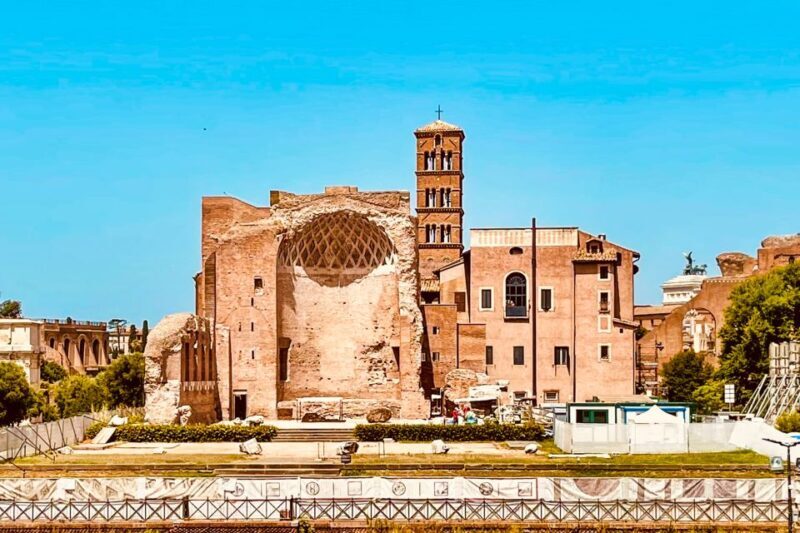
- Additional temple remains that reinforce the Forum as a sacred-and-political mix
The practical advantage is that the tour doesn’t just name places. It connects them. Temples aren’t separate. They tie into how Romans organized power and belief.
The Forum Central Area: Curia, Arch of Septimius Severus, Tabularium, Temple of Saturn
You’ll end up at the central area of the Roman Forum, where it becomes clear why so many ruins matter here. Your guide focuses on how the space functioned as the political, religious, economic, and legal hub, plus the everyday gathering feel of a public square.
Key stops in this zone include the Curia, Arch of Septimius Severus, Tabularium, and the Temple of Saturn, among others.
This is where the guided format pays off most. Without a guide, it’s easy to admire the stones and still miss what the place was doing. With a guide, you understand the roles: deliberation, commemoration, records, law, and ceremony all in one concentrated area.
Weather, Crowd Flow, and the Real Pace on the Ground
The tour runs rain or shine. That’s good planning, but Rome weather can affect access—some areas of Palatine Hill and parts of the Forum might be harder to reach or temporarily unavailable during bad conditions. Wear shoes you can trust. You’ll thank yourself.
Crowds are part of the deal at the Colosseum, especially during peak times. The tour tries to manage flow with timed entry and headsets, and many travelers mention that entry feels smoother than going totally independent.
One more detail worth noting: the itinerary can run in either direction. Sometimes it starts at the Colosseum and ends at Palatine Hill and the Forum; other times the reverse happens. Either way, you still cover the same top monuments—you just experience the “lead with awe” order differently.
Guides Matter: What People Keep Praising (and Why It’s Worth Paying For)
This tour shines for one big reason: the guide quality gets mentioned again and again. In traveler comments, names like Henry, Leo, Aphrodite, Alessandra, Alexandra, Vincenzo, Paulo, Max, Ledion, Bárbara, and Marielle pop up with themes that repeat.
Common praise points include:
- Guides who are lively and knowledgeable, with stories that make the ruins feel alive
- Clear explanations that help you understand what you’re seeing, not just what it used to be
- A group pace that feels comfortable, including check-ins for people who feel anxious (one traveler mentioned vertigo care)
- Families feeling included, including children around ages 6 to 10
- Practical support such as help when someone brought a stroller (mentioned with Henry)
That matters because the Colosseum and Forum are huge. If your guide is solid, you’ll remember the details, not just the fact you visited. At $52, you’re paying not only for entry tickets, but also for interpretation that makes the time count.
Price and Value: Is $52 a Good Deal for the Colosseum + Forum Combo?
At $52 per person for a 2.5-hour guided plan, the value comes from three layers:
1) Entry tickets are included for the Colosseum, Roman Forum, and Palatine Hill.
2) You get a live guide (where selected) plus headsets, which is basically an anti-stress tool in crowd-heavy ruins.
3) You’re also buying time efficiency. With skip-the-ticket-line flow, you spend less energy on logistics and more time on learning.
If you’re choosing between solo wandering and a guided option, think about your travel style. If you like reading signs and doing it your way, you can absolutely go self-guided. But if you want the “why” and the “how” without spending hours piecing it together, this kind of structured route is where the money tends to make sense.
One more value tip: if you care about seeing more than the surface, check whether your chosen option includes arena access and/or underground access. Those add-ons can turn a great tour into a standout one.
Who This Tour Suits Best (and Who Might Want Another Plan)
This tour is best for people who want a guided route with minimal planning. It’s also a strong pick for first-timers who want the highlights without wasting energy figuring out where to start.
It’s not suitable for:
- People with mobility impairments
- Wheelchair users
- People with altitude sickness
If you’re unsure about your comfort level on uneven ground and stairs, take that seriously. Also remember that the route includes security checks and multiple transfers between areas.
Comfort-wise, the tour includes time outdoors on ancient stone paths, so dress for walking and expect some crowd density.
Extra Practical Notes That Save Trips
A few ground rules can matter more than people expect:
- Tickets are non-transferable and can’t be resold for tour purposes, and the name on the ticket must match your ID.
- Bring a passport or ID card.
- Comfortable clothes help. Also, consider layers. Rome weather can change quickly.
- There’s a free cancellation policy up to 7 days in advance for a full refund.
If you’re booking close to your trip, set a reminder for the cancellation deadline. It’s an easy way to protect your plans.
Should You Book This Colosseum, Palatine and Roman Forum Tour?
I’d book it if you want the fastest way to connect the dots between the Colosseum, Palatine Hill, and the Roman Forum with an expert guide. The combination of skip-the-line tickets, headsets, and consistently praised guide energy makes it a strong value, especially at $52 for a 2.5-hour hit of Rome’s most iconic ancient spaces.
Skip it (or choose a different format) if you need wheelchair-friendly access, have mobility limits, or you’re worried about delays due to security lines. And if weather is questionable, plan for some stops to be affected.
My final advice: bring your ID, wear good walking shoes, and arrive with the mindset that you’re here to learn quickly. You’ll leave with more than photos—you’ll leave with understanding.
Rome: Colosseum, Palatine Hill and Roman Forum Guided Tour
FAQ
How long is the Rome: Colosseum, Palatine Hill and Roman Forum Guided Tour?
The tour lasts 2.5 hours.
How much does the tour cost?
The price is $52 per person.
What’s included in the ticket?
Entry tickets are included for the Colosseum, the Roman Forum, and Palatine Hill.
Does the tour include skip-the-ticket-line entry?
Yes, it includes skip the ticket line.
Are headsets provided?
Yes, headsets are included so you can hear the guide clearly.
What languages are available for the live guide?
The live guide is available in German, English, Spanish, Portuguese, Italian, and French.
Is there free cancellation?
Yes. You can cancel up to 7 days in advance for a full refund.
Is this tour suitable for wheelchair users?
No. It is not suitable for wheelchair users or people with mobility impairments.
Do I need to bring ID?
Yes. You need a passport or ID card, and the name on the ticket must match your ID.
If you want, tell me your travel month and whether you prefer Colosseum-first or Forum-first. I can suggest the best mindset and timing to match the route direction you’re likely to get.
You can check availability for your dates here: