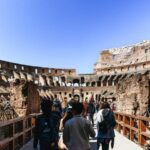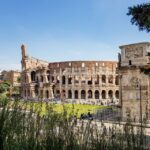
I’m reviewing a classic ancient-Rome combo visit: a Colosseum guided tour plus the Roman Forum and Palatine Hill with a local expert. You’ll get pre-booked entry, a live guide, and headsets so you can actually hear the stories without leaning on the person in front of you.
Two things I really like about this experience are the strength of the local guiding and the payoff of the panoramic viewpoints over the Forum and Colosseum. Guests repeatedly mention guides like Alessandra, Felicity (Fee), Fi, Angela, and Alexandra for clear explanations, great pacing, and history that feels connected instead of crammed.
One consideration: this is a security-heavy site. You’ll pass metal detectors at the Colosseum, waiting can happen on busy days, and Colosseum tickets are non-refundable if you’re late or miss entry.
- Key highlights worth planning for
- Ancient Rome in a tight, high-value package
- Getting the most from an expert local guide
- Colosseum entry rules and security: the logistics that can bite
- Entering the Colosseum: what’s included, and what to double-check
- Roman Forum: political power and everyday life, explained in motion
- Palatine Hill: views, imperial leftovers, and the city’s origin story
- How the flow works when timing or order changes
- Headsets included: easier listening, one common tradeoff
- What the tour feels like with different guide styles
- Comfort, accessibility, and who should skip this one
- What to bring (and what not to bring)
- Languages, group size, and meeting point reality
- Price and value: what buys you in the real world
- Photo stops: better angles without the guesswork
- If you want arena access or underground access
- Weather and crowds: why good guides matter
- Should you book this Colosseum + Forum + Palatine Hill tour?
- FAQ
- How long is the Colosseum, Roman Forum, and Palatine Hill tour?
- Does the tour include tickets for all three sites?
- Are headsets provided?
- Do I need an ID for the Colosseum entrance?
- Is the Colosseum arena or underground access included?
- What if I arrive late to the Colosseum?
- Is this tour free for children under 18?
- What languages are offered for the live guide?
- What is the cancellation policy?
- More Guided Tours in Rome
- More Tours in Rome
- More Tour Reviews in Rome
Key highlights worth planning for
 1 / 10
 2 / 10
 3 / 10
 4 / 10
 5 / 10
 6 / 10
 7 / 10
 8 / 10
 9 / 10
 10 / 10
- Pre-booked entry to keep your day moving (but plan for security lines)
- Local guides who tell the why, not just the what, with standout educators reported like Alessandra and Felicity
- Roman Forum + Palatine Hill photo stops built into the walk so you don’t have to guess where the best angles are
- Headsets included, with reports of generally good audio (though a few guests noted quality issues from the back)
- Historic ruins explained with context, including artistic or construction techniques behind what you’re seeing
- Panoramic views from Palatine Hill that put the whole ancient layout into perspective
Ancient Rome in a tight, high-value package
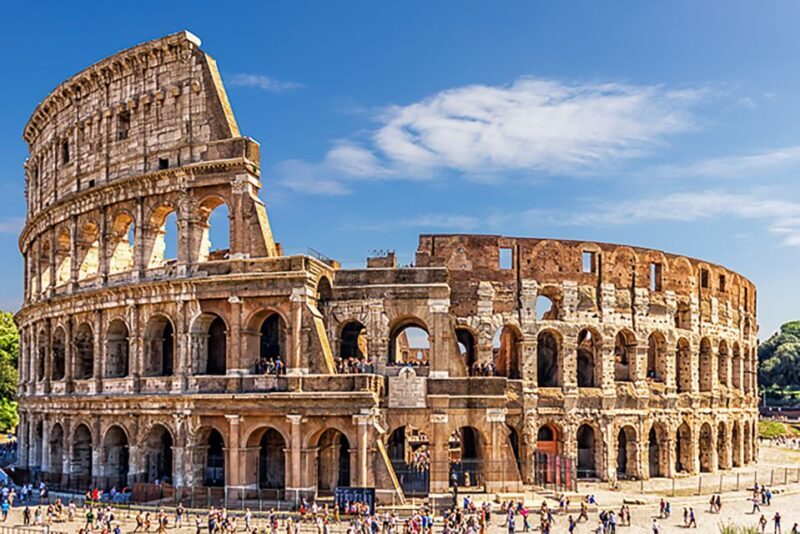
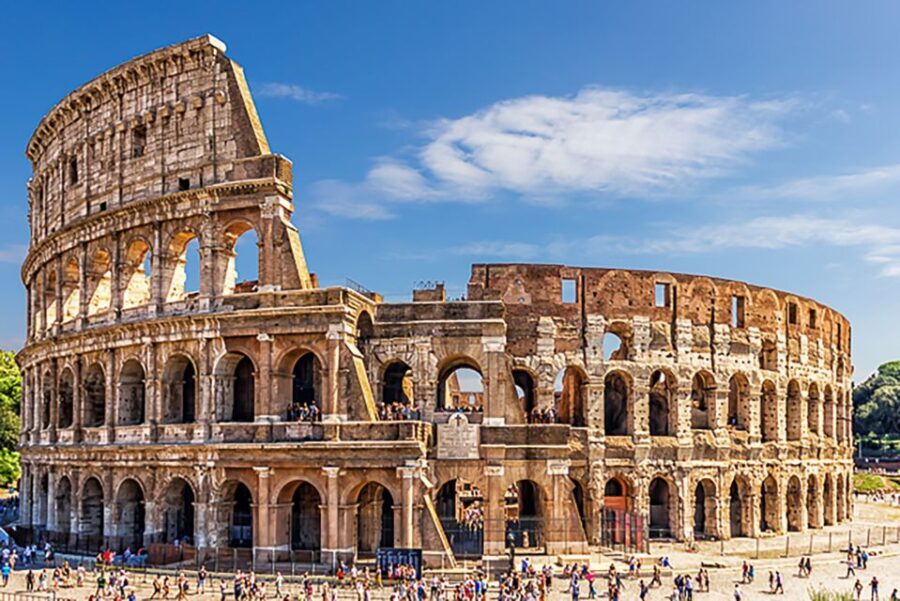
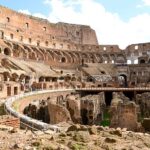
This tour hits three big hitters in one go: the Colosseum, the Roman Forum, and Palatine Hill. At a site this famous, the difference between a stressful wander and a memorable visit is usually the guide—and this one is built around storytelling with a live expert.
The duration is short and realistic: about 2.5–3 hours. That’s long enough to understand what you’re seeing, but short enough that you’re not trapped in ruins all afternoon.
And yes, you’ll see “big Rome” in a compressed format. You’ll also learn how the place functioned day to day—politics, religion, public life—so the stones stop being just stones.
You can also read our reviews of more guided tours in Rome


Getting the most from an expert local guide
A guided tour is only worth it if the guide can translate chaos into meaning. Here, the guide is central to the value, and the feedback is very consistent about that.
People specifically praised guides such as Alessandra for deep knowledge and a personal, engaged approach; Felicity (Fee) and Fi for enthusiasm and clarity; and Angela for being funny while still teaching you actual details. Others mentioned guides like Alexandra and Ambro as patient and organized, especially when groups had trouble keeping up.
What that means for you: you’re not just hearing dates. You’re getting a guided path through the most confusing layout in ancient Rome, with a human who can point out what matters and explain why.
Colosseum entry rules and security: the logistics that can bite
Plan for security. You’ll pass a metal detector security check at the Colosseum, and on busy days there can be waiting time. The tour has pre-booked tickets, which helps, but security timing is still real.
Two very important rules from the tour info:
- Starting October 18, 2023, Colosseum tickets are nominative (name-specific). You must have an ID with you, and the name on your ticket must match the ID.
- Colosseum tickets are non-refundable, and arriving late can mean forfeiting entry with no refund.
This isn’t meant to scare you—it’s just the smart way to protect your money. If your name spelling is off when you booked, fix it early. Then show up a little ahead of the meeting time so you’re not sprinting through security.
Entering the Colosseum: what’s included, and what to double-check
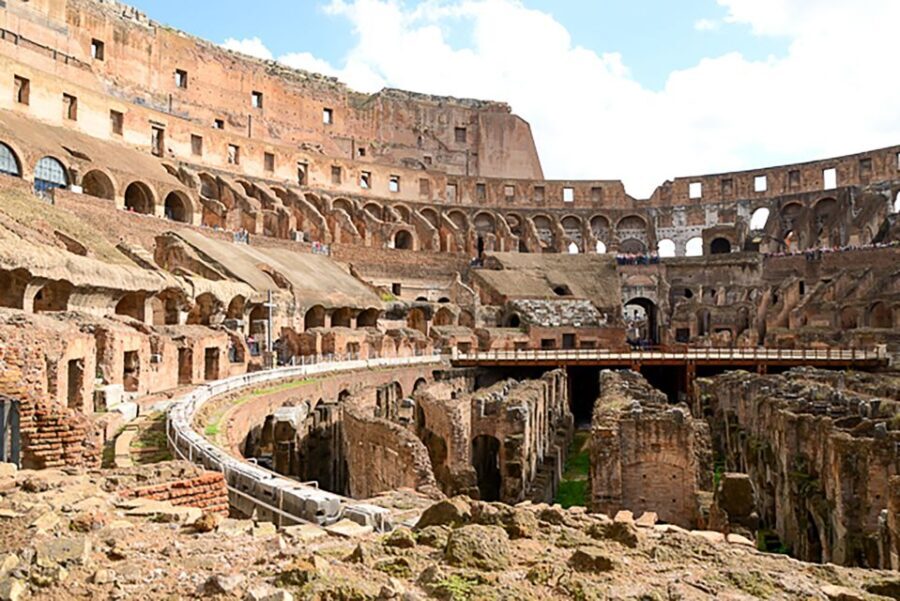
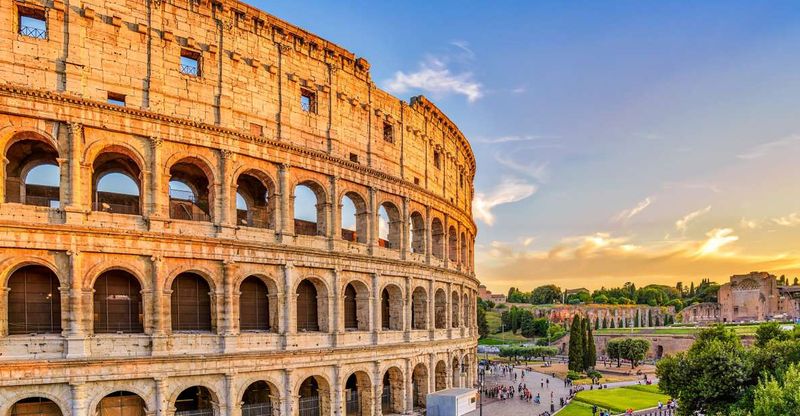
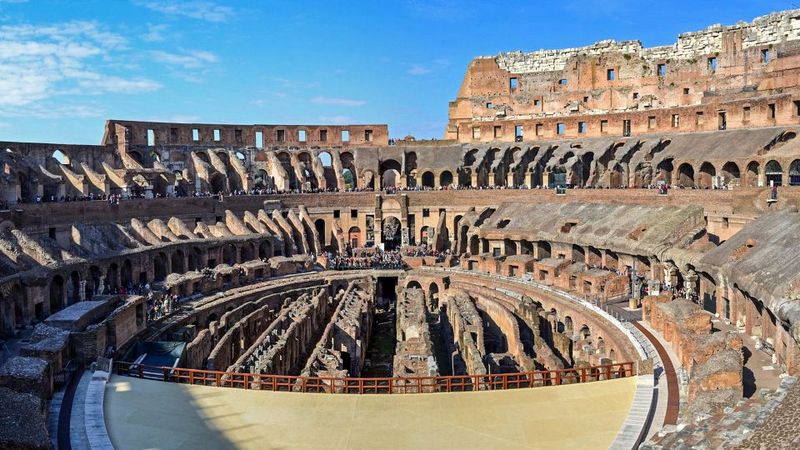
You’ll enter the Colosseum as part of the guided visit, with entry tickets included. The Colosseum portion is about 1 hour with a guide leading the way.
One detail to understand before you go: this tour is not positioned as an “arena plus underground” pass. The information notes that Arena access is only available with an English group tour option that specifically includes it. So if your dream is to get down where gladiators once fought in the full arena access area, you’ll want to verify you’re booking the right access level.
If you’re happy focusing on the monument itself, the viewing points, and the Forum-to-Palatine context, this tour matches that perfectly.
More Great Tours NearbyRoman Forum: political power and everyday life, explained in motion
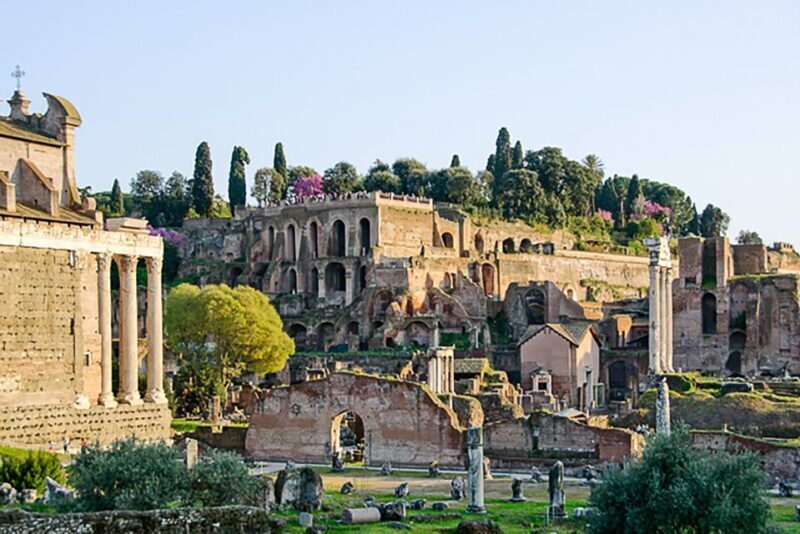
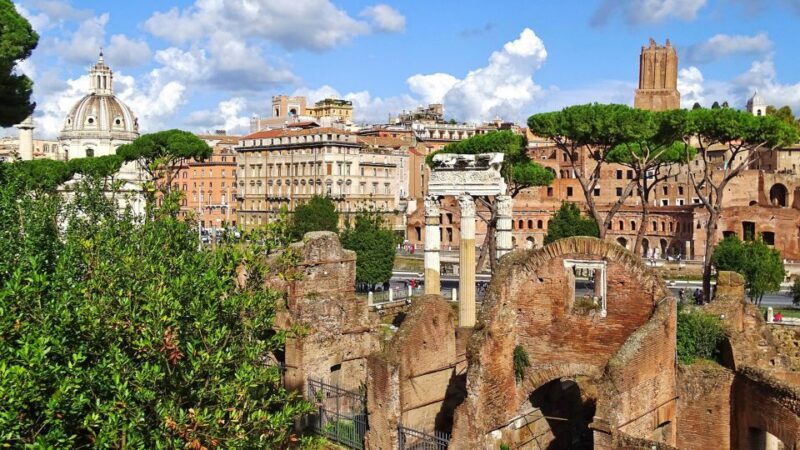
After the Colosseum, you’ll move to the Roman Forum for about 45 minutes. The Forum wasn’t just impressive; it was the center of political, religious, and social life in the Roman Empire.
What I like about a guided Forum visit is that your guide can connect scattered ruins into a functioning map. Instead of “temple here, arch there,” you get the story of how people used the space—senators and citizens, public squares and civic action.
Guests also mentioned that guides highlight best spots for pictures. That’s a big deal in the Forum because the light and sightlines can change quickly as you walk. With a guide, you’re more likely to end up at a viewpoint that actually shows the layout, not just a random chunk of stone.

Palatine Hill: views, imperial leftovers, and the city’s origin story
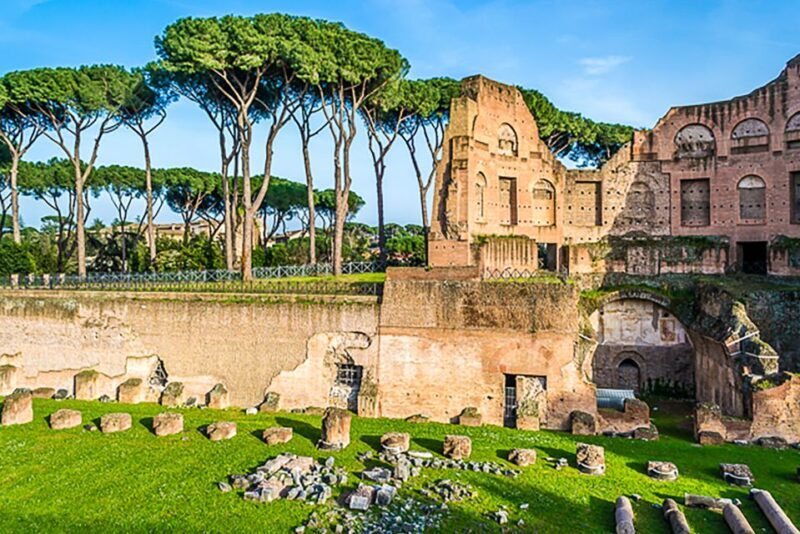
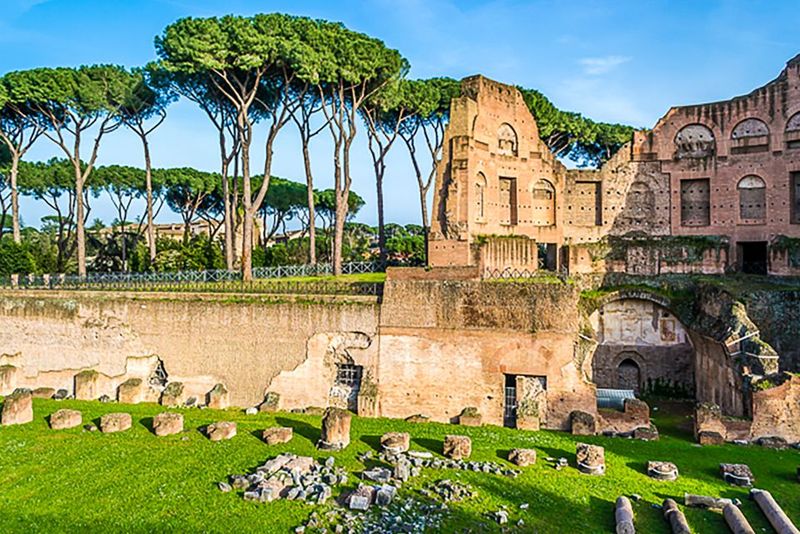
Your final major stop is Palatine Hill (about 45 minutes). Palatine Hill is described as the oldest of Rome’s seven hills and the legendary birthplace of the city.
Here’s why it feels different from the Forum: you’re walking through the remains of imperial palaces, and then you get the payoff—breathtaking panoramic views over the Forum, the Colosseum, and modern Rome.
That mix matters. Ruins can feel distant until you can see the space in context. From Palatine, you can start imagining how powerful Rome looked from above, and how the big institutions sat relative to the day-to-day crowd below.
One common theme from guest comments: Palatine is often the favorite. A review even singled it out as the best part, which tells me the viewpoints and the “bigger picture” effect land well.
How the flow works when timing or order changes
This tour is designed as a smooth loop, but the details can shift.
Expect that:
- Your itinerary order might change. It’s possible you’ll do the Forum and Palatine Hill first, then the Colosseum.
- The tour might start up to 20 minutes before or after the scheduled time, with changes communicated to you.
- Closures can happen due to security reasons or public events, including partial or total closures of one or more sites.
For you, the practical takeaway is simple: don’t plan your next stop as if everything will go to the minute. Keep your schedule flexible enough to absorb small shifts.
Headsets included: easier listening, one common tradeoff
You’ll get headsets to hear the guide clearly, which is a huge comfort upgrade at loud, crowded sites like these. More than once, guests praised the guides’ ability to keep the group engaged and explain clearly—headsets help that work.
That said, a few guests mentioned that audio quality wasn’t great when they were toward the back of the group. So if you want the best audio, it’s worth positioning yourself closer to the front when you can.
This is also one reason to arrive early: you’ll have an easier time finding a good spot with minimal stress.
What the tour feels like with different guide styles
Even with the same route, guides can make or break the vibe. The reviews point to a very consistent pattern: guides are not just knowledgeable, they’re good at running the group.
Examples of the styles guests described:
- Alessandra: knowledgeable, passionate about Rome, and genuinely interested in the group.
- Felicity (Fee) and Fi: energetic, engaging, interactive, and good at keeping everyone involved.
- Angela: enthusiastic and humorous while still giving structured explanations.
- Alexandra / Alexa: informative with a steady pace, and able to handle questions.
- Andrada / Effie / Andrea: entertaining storytelling with strong command of the material.
- Adriano: professional, energetic, and kind.
What you should expect as a traveler: your guide will use stories and visual explanations, and they’ll keep checking for questions. Some guests even mentioned that guides stayed a bit longer than expected, which can turn a “standard” tour into a more personal experience.
Comfort, accessibility, and who should skip this one
This tour is not for everyone. The “not suitable” list includes:
- People with back problems
- People with mobility impairments
- Wheelchair users
- People over 80 years
That matters because you’ll be walking on uneven archaeological surfaces, climbing and positioning around crowds, and spending time looking at ruins from different angles. If mobility is limited for you or your party, look for an alternative with accessibility options designed specifically for your needs.
Also bring comfortable clothes. The tour includes outdoor walking through archaeological areas, and you’ll want footwear that won’t fight you.
What to bring (and what not to bring)
From the tour rules:
- Bring your passport or ID card (especially important because Colosseum tickets are nominative)
- Wear comfortable clothes
Not allowed:
- Pets
- Weapons or sharp objects
- Luggage or large bags
- Alcohol and drugs
- Sprays or aerosols
- Glass objects
- Explosive substances
It’s a lot of “no’s,” but that’s typical for major attractions and security-controlled entries. When in doubt, travel light.
Languages, group size, and meeting point reality
The guide can operate in multiple languages: English, Italian, French, Spanish, and German. Reviews included tours in different languages too, with guests reporting that the guide was easy to understand.
Group type is listed as either private or small groups available. That can affect the feel: smaller groups often mean more question time and less waiting.
Your meeting point may vary depending on the option booked. The important thing is not the exact doorstep—it’s knowing where to be and how early to arrive for security.
Price and value: what $55 buys you in the real world
The price is listed at $55 per person for a 2.5–3 hour guided experience. The included items are what really make the value math work:
- Guide
- Headsets
- Entry tickets for the Colosseum, Roman Forum, and Palatine Hill
If you’ve visited Rome without a guide at major sites, you already know the problem: you spend time figuring out where to stand, what matters, and how the pieces connect. This tour pays for itself when you use the guide to avoid guesswork and save time moving between sites.
Also, several guests specifically mentioned that they skipped the lines and got stronger information than they’d get alone. While security can still create waiting, pre-booked entry usually reduces the friction a lot.
Is it the cheapest way to see the Colosseum complex? Probably not. But it often ends up being the best value if you care about understanding what you’re looking at and you don’t want to spend your energy on logistics.
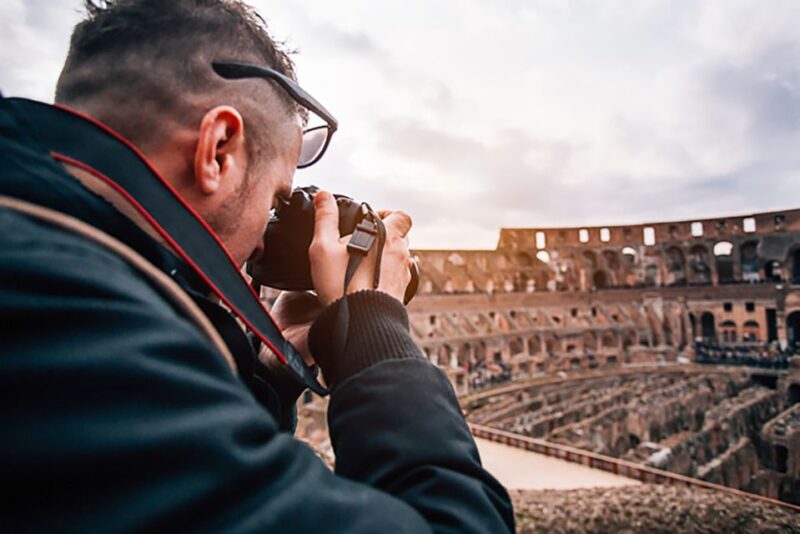
Photo stops: better angles without the guesswork
One practical benefit repeatedly mentioned: the guide shows you the best spots for pictures. In Rome, that’s the difference between:
- “We took a few photos near the entrance”
and - “We caught the monument with the right sightline and context.”
Add in the Palatine Hill views, and you’ll get photos that show the scale of ancient Rome rather than just close-ups of worn stone.
If you want arena access or underground access
Here’s the straightforward check to do before you book: this tour includes entry to the Colosseum, but arena/underground access isn’t included for this general option. The info notes that English group tour arena access is only available with a specific option.
If that’s a must-have for you, confirm the access level during booking so you don’t arrive expecting a different type of entry.
Weather and crowds: why good guides matter
Rome’s crowd level can be intense. Guides who know the flow can help you keep moving without losing your place. Reviews praised guides for navigating crowds and handling security personnel effectively.
Also, at least one guest mentioned that even if it was raining, the guide helped make the day work. That’s a reminder: weather doesn’t control your experience nearly as much as having someone who can manage the pace and keep the group together.
Should you book this Colosseum + Forum + Palatine Hill tour?
Book it if you want:
- A guided path through three top sites in a tight time window
- Stunning views from Palatine Hill with context
- A guide who can explain what you’re seeing without turning it into a lecture
- Included headsets and included site tickets, which makes the day easier to plan
Think twice if you:
- Need wheelchair or mobility-friendly access (this one lists it as not suitable)
- Have significant back problems
- Are likely to be late or don’t want to manage the nominative ticket + ID rules
- Want arena or underground access specifically (you’ll likely need a different option)
If you can handle security timing and you’re ready to walk a fair bit, this is one of the smarter ways to see Rome’s ancient power center—without wandering around confused.
Rome: Guided Tour of Colosseum, Roman Forum & Palatine Hill
FAQ
How long is the Colosseum, Roman Forum, and Palatine Hill tour?
The tour runs about 2.5–3 hours.
Does the tour include tickets for all three sites?
Yes. Entry tickets for the Colosseum, Roman Forum, and Palatine Hill are included.
Are headsets provided?
Yes. Headsets are included so you can hear the guide clearly.
Do I need an ID for the Colosseum entrance?
You do. Colosseum tickets are nominative, and you must bring passport or an ID card and show it at the venue entrance. The names must match.
Is the Colosseum arena or underground access included?
No. Arena access is only available with a separate English group tour option that includes it, and underground access is not listed as included here.
What if I arrive late to the Colosseum?
Colosseum tickets are non-refundable, and arriving late can mean you forfeit entry with no refund due.
Is this tour free for children under 18?
The tour information states that entry to the Colosseum is free for visitors under 18, and the ticket price listed is 18€.
What languages are offered for the live guide?
The guide is available in English, Italian, French, Spanish, and German.
What is the cancellation policy?
You can cancel up to 3 days in advance for a full refund.
You can check availability for your dates here: