
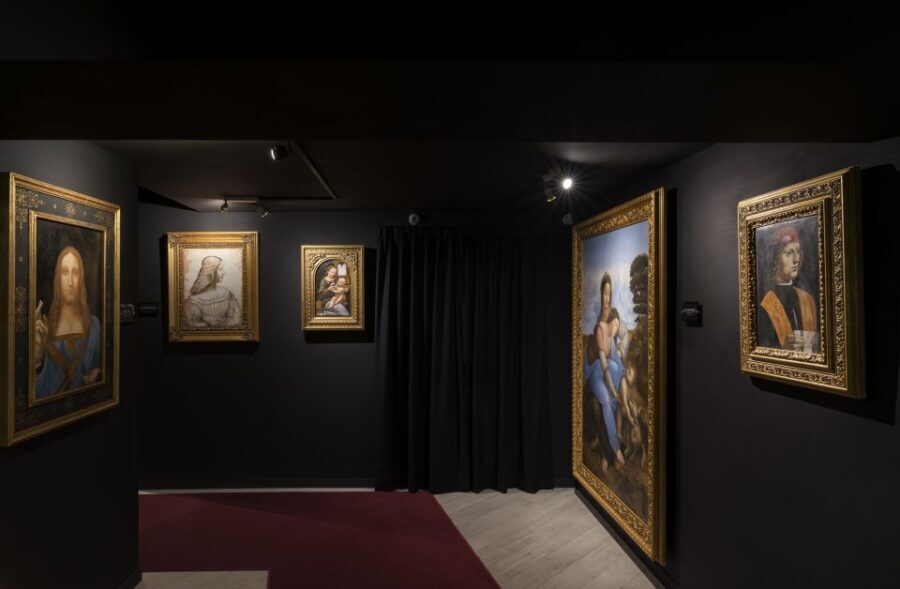
The Leonardo da Vinci Experience in Rome is a one-ticket stop built around da Vinci’s genius, with interactive inventions, recreated artworks, and hands-on machines you can try at your own pace. It’s located just a short walk from St Peter’s Square, and the whole thing is designed to feel like art history and engineering class in the same building.
What I like most is the mix of working-style reconstructions (not just “look at a drawing”) plus the audio guide in multiple languages so you control how fast you move. Visitors also repeatedly mention the staff as genuinely helpful, and that the air-conditioning makes it a smart breather in Rome’s warmer months.
One heads-up: the museum is small, so if you’re expecting a massive, all-day complex, you may feel it ends quicker than you planned. That can be great for fitting into a busy Vatican day, but it’s worth knowing up front.
- Key takeaways before you go
- Leonardo da Vinci Experience in Rome: what this ticket really gives you
- Getting there near St Peter’s Square: simple logistics
- How long you’ll spend: plan for 1 to 2 hours (and maybe more)
- Five exhibition halls: how the displays are organized
- The interactive invention experience: 50 machines you can try
- Room of Mirrors: the art-and-light connection
- The Last Supper recreation: why it feels controversial here
- Certified art reproductions: what you get besides the machines
- Photo moments without the stress: helicopter and armored tank stops
- Hands-on building and “try it yourself” moments
- Audio guide setup: the easiest way to make this worth it
- Value check: is a fair deal?
- Staff and visitor vibe: helpful, not pushy
- Practical tips: what to bring and how to avoid friction
- Who should book this experience?
- If the Vatican day is packed: where this fits best
- Should you book the Leonardo da Vinci Experience?
- FAQ
- Where is the Leonardo da Vinci Experience meeting point?
- How long is the ticket valid?
- Is an audio guide included, and what languages are available?
- Do I need to bring headphones?
- Is there WiFi and access to restrooms?
- Is this experience air-conditioned?
- Is a guided tour included?
Key takeaways before you go

- Self-paced visit with an audio guide: you can linger where you want and skip what you don’t.
- Interactive invention stations: you’re not just looking at models.
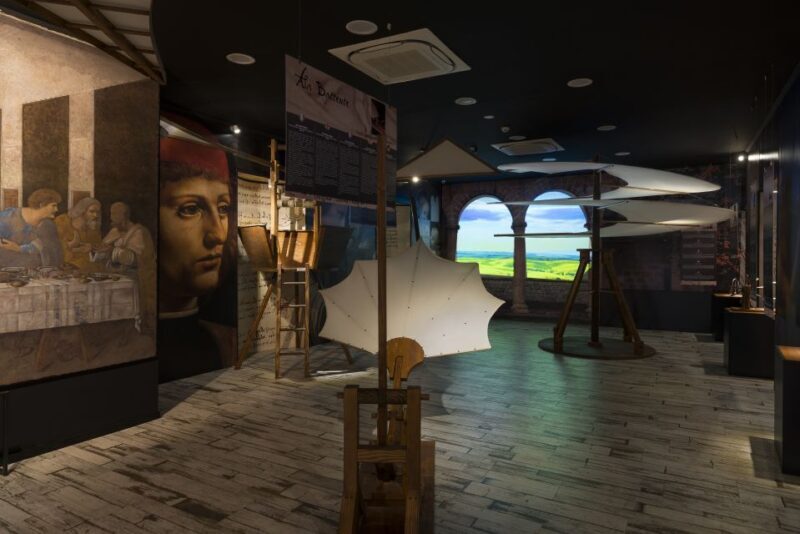
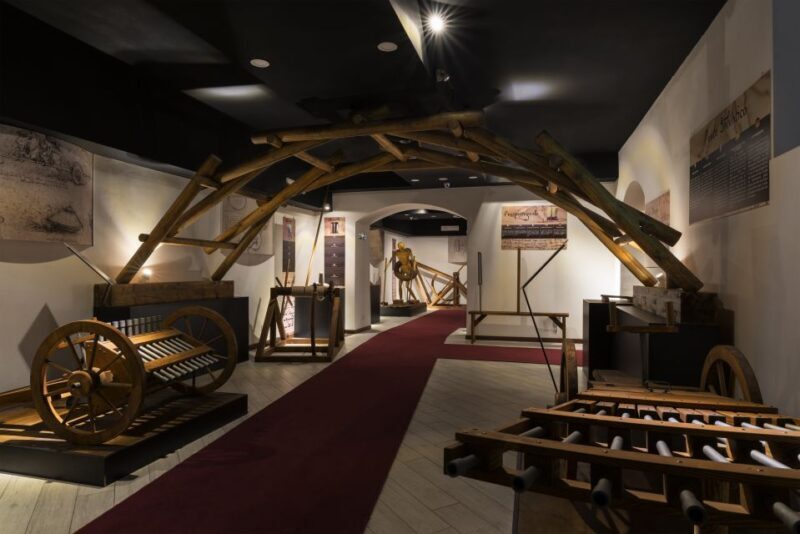
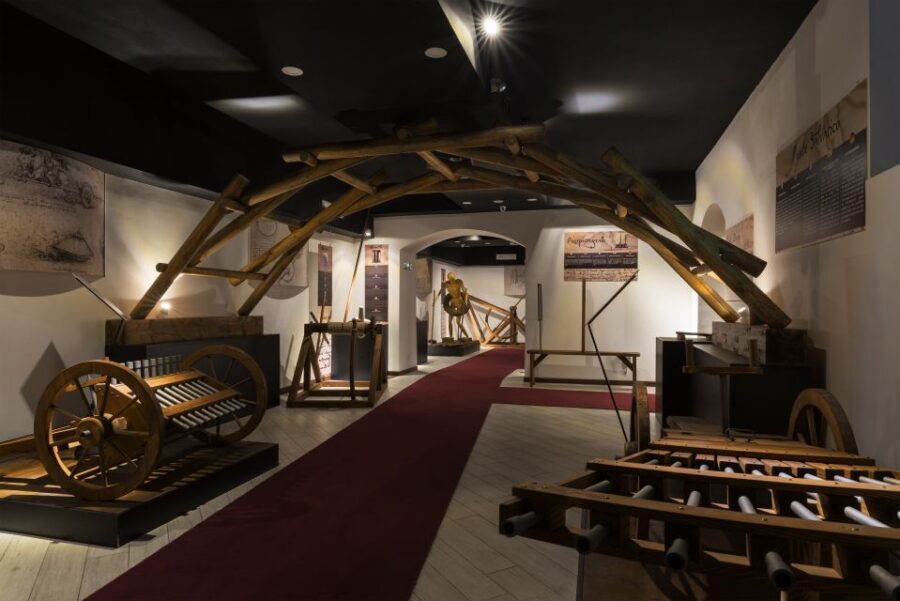
- Multiple exhibition halls: flying machines, war machines, and more show up in distinct sections.
- Art reproductions with context: including a full-sized recreation of The Last Supper.
- Room of Mirrors and light: a fun science-to-art connection that’s easy to understand.
- Small museum, flexible time: many visitors get through in about an hour, with time to stretch it to a couple hours.
Leonardo da Vinci Experience in Rome: what this ticket really gives you
This is a ticketed indoor experience focused on Leonardo da Vinci, but it avoids the usual museum rhythm of “stand and read.” Instead, you’ll move through themed exhibition halls and touch, test, and explore plenty of the displays, then connect the dots with the included audio guide.
Think of it as a compact, visitor-friendly crash course in da Vinci as an artist and an engineer. You’ll see reconstructions based on his designs, plus certified painted reproductions that help you understand why specific works mattered in his career.
And because it’s fully air-conditioned with free WiFi and restrooms on site, it’s not just educational. It’s also a practical midday reset when you’re already walking around the Vatican area.
Getting there near St Peter’s Square: simple logistics
The meeting point is Via della Conciliazione 19, about 150 meters from St Peter’s Square. That location is a big deal: it means you can plug this into a day that also includes Vatican sights without burning time on transit.
If you can, aim to arrive with a little buffer. A number of visitors note that it can get busy, and going earlier can help you avoid waiting to enter.
How long you’ll spend: plan for 1 to 2 hours (and maybe more)
The ticket is valid for one day, but the experience itself is typically completed in a shorter window. Many people report about one hour to an hour and a half, especially if you use the audio guide as you go.
If you like to read each display closely, try the interactive pieces slowly, and take photos in the more visual areas (like the mirror room), you might stretch it to around 2–3 hours. The museum being small is part of its charm here—you’re not stuck for a half day, but you still have room to linger.
Five exhibition halls: how the displays are organized
The experience is structured around multiple exhibition halls, each with a theme. That matters because da Vinci’s interests sprawl across art, architecture, engineering, and mechanics, and you’ll see that breadth without getting lost.
Based on what visitors highlight, the most memorable sections tend to be the ones featuring:
- flying machines and related mechanics
- war machines and weapons designs
- other engineering concepts that connect sketches to real-world function
Even when something is clearly a replica, it helps you understand how da Vinci thought. You’re not only learning that he imagined inventions—you’re seeing how those ideas might work as physical objects.
More Great Tours NearbyThe interactive invention experience: 50 machines you can try
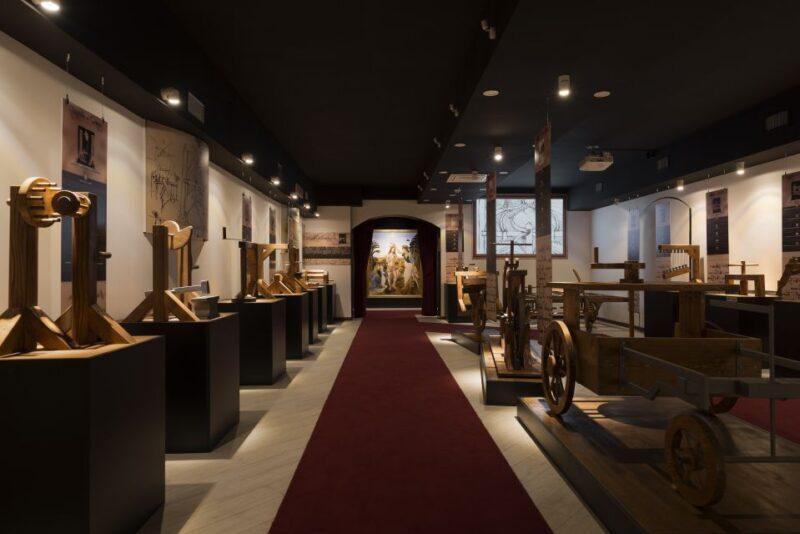
A core promise of this ticket is seeing about 50 of Leonardo’s inventions, built according to his designs. What makes this feel different from a standard museum is that you’re encouraged to interact with several machines rather than only view them behind glass.
You’ll encounter concepts that visitors specifically mention, such as equipment for digging and lifting, plus recreations inspired by items like:
- the sewing machine
- the bicycle
- water skis
- and designs that include weapons and other mechanical systems
You’ll also notice a recurring theme: these are not random gadgets. They’re attempts to solve real problems with mechanisms, materials, and motion—exactly how you’d want to present engineering to travelers who don’t want a dry lecture.
Room of Mirrors: the art-and-light connection
One of the most talked-about areas is Leonardo’s Room of Mirrors. This section isn’t just a gimmick. It ties Leonardo’s study of light to later inventions and ideas you recognize today, including concepts behind photography and projection.
It’s one of those spaces that’s easy to enjoy even if you’re not an art buff. You learn quickly, you can take photos, and it visually explains how reflection and light behavior matter to an artist’s tools.
Several visitors specifically call out the mirror room as a highlight, which is a good signal if you like experiences that are both educational and visual.
The Last Supper recreation: why it feels controversial here
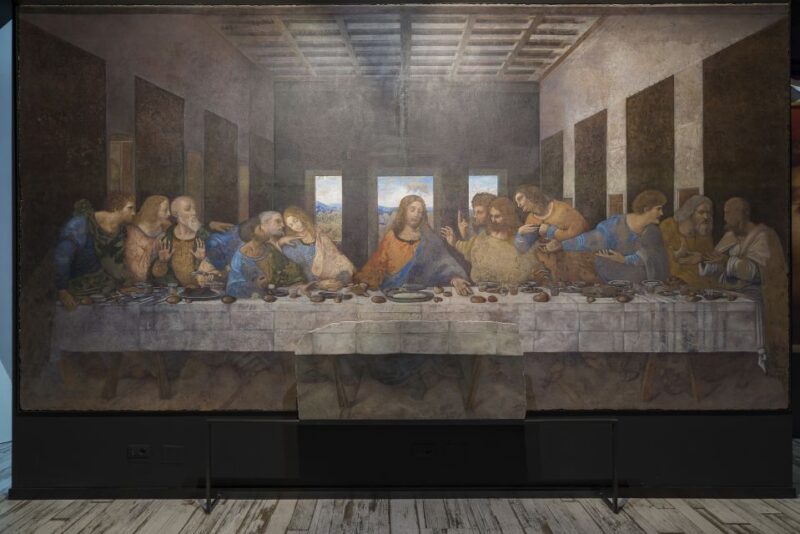
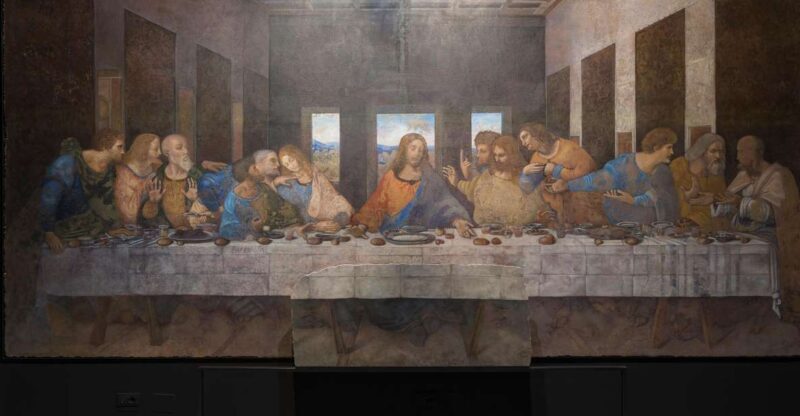
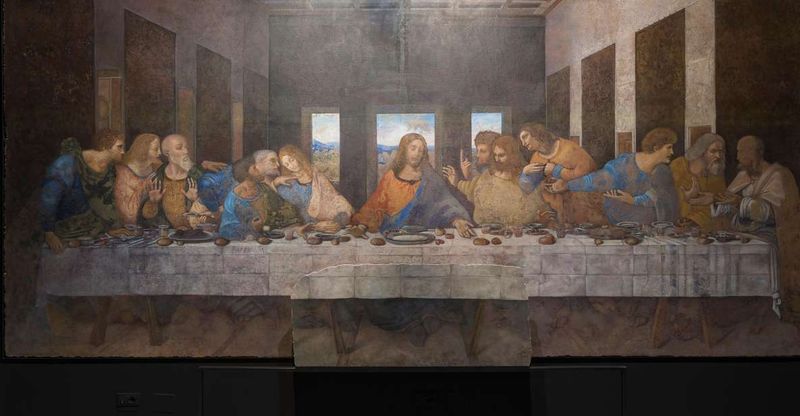
Leonardo’s story is partly about art—and partly about the impact his work has on later culture. This experience leans into that by offering a full-sized reproduction of The Last Supper, the one that became a major plot element in The Da Vinci Code.
That matters because you’ll see the artwork through two lenses at once:
1) Leonardo’s original role as a painter and thinker
2) how people later mythologized his work and ideas
The display also helps you understand why this painting keeps drawing attention centuries later, beyond the literary hype.
If you came to Rome already primed for Vatican-era art conversations, this section will slot neatly into that mindset. If you didn’t, it still works because the museum gives you enough story to follow along without prior knowledge.
Certified art reproductions: what you get besides the machines
The experience doesn’t stop at replicas of machines. It also includes a dedicated gallery of art, featuring 20 certified reproductions painted by Vatican Museum restoration artists.
Visitors mention that the art side is a major part of the appeal, especially when the audio guide explains techniques and context. You get the sense that the museum is trying to help you look closer, not just “collect photos.”
Among the works visitors highlight:
- The Last Supper (full-sized recreation)
- Virgin of the Rocks (two versions, referencing the Louvre and London’s National Gallery)
- Lady with an Ermine, tied to how Leonardo revolutionized classical portraiture
Even if you’ve seen these paintings before in other museums, seeing them explained here can make the viewing feel more intentional.
Photo moments without the stress: helicopter and armored tank stops
Some displays are built with photo opportunities in mind. Visitors mention you can take pictures beside a helicopter replica or an armored tank setup.
That’s more than a fun perk. These big, recognizable shapes help non-experts connect da Vinci to a modern imagination. It’s the kind of visual anchor that makes the rest of the mechanical details easier to remember.
Hands-on building and “try it yourself” moments
A number of visitors note that the experience includes interactive sections where you can do activities yourself. One example mentioned is the chance to build a Leonardo bridge.
That’s exactly the kind of activity that makes the audio guide feel less like background noise. When you physically assemble or test something, you understand the engineering choices better—even if you don’t memorize the mechanics.
So if you’re traveling with kids or you just enjoy learning by doing, this part is often the difference between a quick look and a satisfying visit.
Audio guide setup: the easiest way to make this worth it
The audio guide is included and available in multiple languages, including English plus others like Spanish, French, Italian, German, Portuguese, Russian, and Chinese. In other words, you won’t be stuck with a limited language set.
Here’s the practical part: you should bring your own headphones. Several reviews specifically recommend this, and it’s smart because it makes the audio experience more comfortable and private.
Also, since this is self-paced, the audio guide is what ties the exhibits together. Use it as your route planner:
- start it as you enter each themed area
- follow what interests you
- pause when you want to study a machine or painting
Many visitors describe the audio guide as clear and well done, and that you can get through everything in roughly an hour when you focus.
Value check: is $18 a fair deal?
At $18 per person for a one-day ticket, this experience sits in the “small museum but focused” category. The price makes sense if you value two things:
1) the interactive invention displays that you can try
2) the art reproductions with context, not just floating labels
A few reviewers do call out that the museum can feel smaller than expected, and one person even suggests it’s a bit borderline on price depending on your expectations. But most reviews land positive, with comments about strong education and good overall value.
For many travelers near the Vatican, this is also a cost-effective way to fill a time gap between heavier, timed-ticket attractions. If you have a few hours to spare and you want something different from churches and galleries, this fits well.
Staff and visitor vibe: helpful, not pushy
Even though a guided tour isn’t listed as included, visitors still mention staff support and friendly service. Several names show up in reviews as staff members who stood out, including Flavia, Alla, David, and Linda.
That matters because it suggests the staff isn’t just waiting at a desk. People report welcoming help at arrival, troubleshooting audio guide questions, and generally making the experience smoother during busy times.
So if you’re the type who likes a quick answer before you wander, you’re likely to feel taken care of.
Practical tips: what to bring and how to avoid friction
Based on the info you’re given and what visitors mention, I’d pack for comfort more than anything:
- Headphones for the audio guide
- a little patience if it’s busy near popular arrival times
- plan for a short visit window, then add time if you’re enjoying it
You’ll also have free WiFi and access to restrooms, and the building is fully air-conditioned. Those are not glamorous details, but they make a big difference when you’re touring Rome all day.
Who should book this experience?
This ticket tends to work especially well for:
- families who want interactive exhibits and don’t want a long lecture
- couples or friends who like a mix of science ideas and art stories
- travelers who enjoy portraits and paintings but want engineering context too
If you’re very “show me the real original masterpieces” and only care about famous original works, you should calibrate your expectations. This is about reproductions and reconstructions with explanations, not a replacement for the Louvre or the Vatican galleries.
On the other hand, if you want something different that’s still education-heavy, it’s hard to beat for the location and format.
If the Vatican day is packed: where this fits best
Because the meeting point is so close to St Peter’s Square, this is a good “bridge” activity between timed tickets. It gives you a change of pace indoors, with AC and restrooms, and you don’t need a guide to enjoy it.
Also, since it’s self-paced, it’s easier to handle the reality of travel days. If you run late, you can often adjust your pace rather than losing the whole plan.
Should you book the Leonardo da Vinci Experience?
I’d book it if you want a compact, air-conditioned, value-minded stop near the Vatican that mixes interactive inventions with art context. The audio guide and headphone setup make it easy to get something meaningful even if you’re not a dedicated Leonardo scholar.
Skip it or at least think twice if you’re expecting a huge museum campus or if you only want original masterpieces. Reviews suggest the experience can feel smaller than some travelers expect, and you’ll want to plan your time accordingly.
If you’re already in the Rome–Vatican zone and you want a smart use of a spare hour or two, this is one of those tickets that usually makes people happy once they’re inside.
Rome: Leonardo Da Vinci Experience Entry Ticket
FAQ
Where is the Leonardo da Vinci Experience meeting point?
The meeting point is Leonardo da Vinci Experience, Via della Conciliazione 19, Rome, about 150 meters from St Peter’s Square.
How long is the ticket valid?
The ticket is valid for 1 day. You’ll want to check starting times based on availability.
Is an audio guide included, and what languages are available?
Yes. An audio guide is included, available in multiple languages including English, Spanish, French, Italian, German, Portuguese, Russian, and Chinese.
Do I need to bring headphones?
Yes. The information provided says to bring headphones for the audio guide.
Is there WiFi and access to restrooms?
Yes. The experience includes free WiFi and access to restrooms.
Is this experience air-conditioned?
Yes. It’s described as a fully air-conditioned environment.
Is a guided tour included?
No. A guided tour is not included; the experience includes the entrance fee and the audio guide.
You can check availability for your dates here: