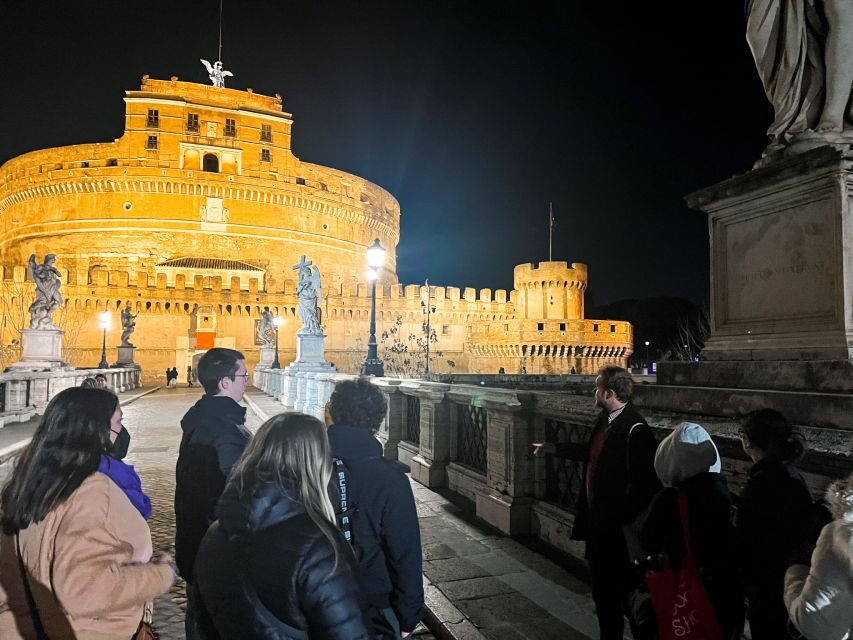
Rome at night has a way of making everything feel older and sharper, and this Rome paranormal night walking tour leans hard into that mood. You start in the lively Campo de’ Fiori area and follow a guide through quieter lanes and darker landmarks, with stories meant to chill you, not just entertain you.
What I like most is how you get a small-group experience (up to 20 people), so you’re not lost in a crowd. I also love the quality of the guides: travelers consistently mention strong historical knowledge and storytelling, with standouts like Maham, Antonio, Domenica, Ana, Yousef, Dinara, and Sara.
One consideration: it’s a walking tour after dark, and you’re covering multiple stops in about 2 hours. If you’re sensitive to spooky themes or long night walks, you’ll want to think twice and bring the right shoes and layers.
- Key highlights at a glance
- Rome after dark: a ghost walk that feels respectful and real
- Meeting at Campo de’ Fiori under Giordano Bruno
- Giordano Bruno: the mood-setter for a darker Rome
- Piazza Farnese: big-square energy with a sinister tilt
- Small Madonnelle on the route: what street shrines add
- Ponte Sisto and the bridge-logic of the route
- The Fountain of the Mask: unusual details you’ll remember
- Chiesa di Santa Maria dell’Orazione e morte: bone-chapel vibes
- Santa Maria in Monserrato degli Spagnoli: quiet streets, sharper stories
- Clivo di Rocca Savella: the city’s slope and the tour’s momentum
- Ending at Castel Sant’Angelo: a famous finish with nighttime atmosphere
- What makes the guides so good (and why it matters)
- How long is it, and what pace should you expect?
- Price and value: is worth it?
- Weather, clothing, and night-walk reality checks
- Food and drinks: what’s included, what isn’t
- Who this paranormal night walk is best for
- Booking tips: meeting, timing, and cancellations
- Should you book this tour?
- FAQ
- Where is the meeting point for the tour?
- How long is the Rome paranormal night walking tour?
- Is the tour guide available in English?
- How big is the group?
- Is food or drinks included?
- What is the cancellation policy?
- Do late arrivals get a refund?
- More Walking Tours in Rome
- More Tours in Rome
- More Tour Reviews in Rome
Key highlights at a glance
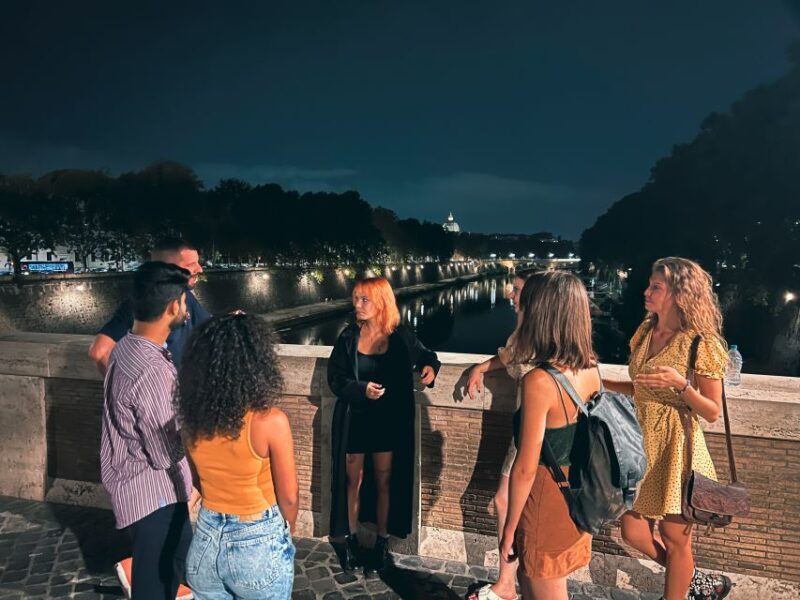
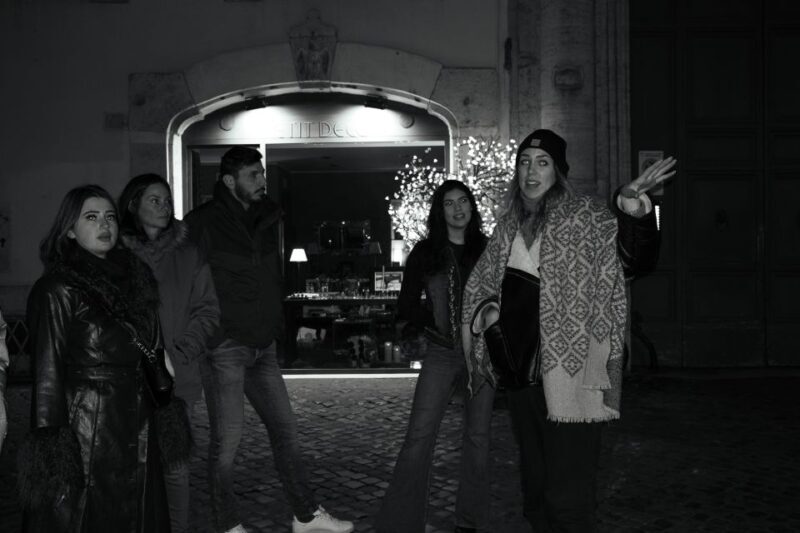
- Campo de’ Fiori start point: meet under the Giordano Bruno statue with a yellow Carpe Diem Tours flag
- Up to 20 people max: more like friends walking together than a packed bus tour
- English live guide: you’ll get the stories with clear, local context
- Bone-chapel and corpse-bridge themes: designed to give you a truly different Rome after sunset
- Route ends at Castel Sant’Angelo: a strong finish with famous views and atmosphere
Rome after dark: a ghost walk that feels respectful and real
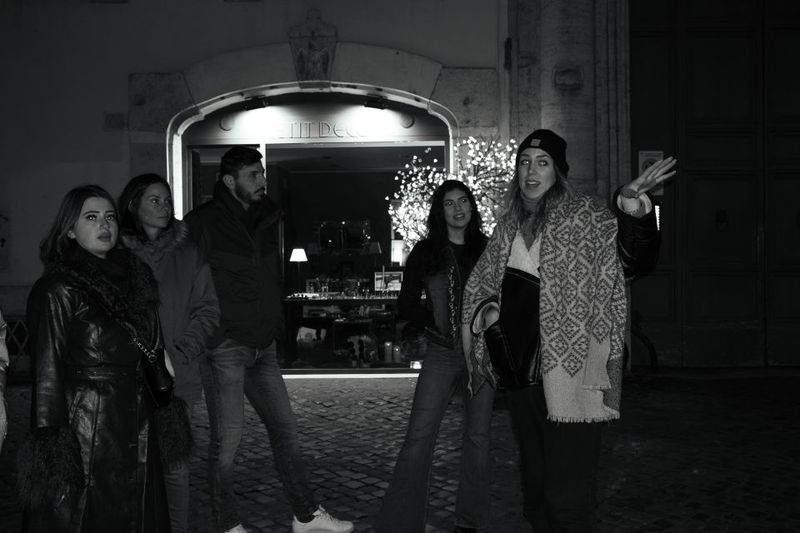
This isn’t a jump-scare haunted house. It’s a guided paranormal night walking tour built around Rome’s grim past—murders, executions, and power struggles—told through city landmarks that look innocent in daylight. At night, the same streets feel narrower, quieter, and somehow more personal, like you’re seeing the city with different eyes.
If you want Rome that’s more than postcards, this is a good fit. You’re moving through the city with purpose, and the stories help you notice details most people rush past.
You can also read our reviews of more walking tours in Rome
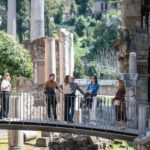
Meeting at Campo de’ Fiori under Giordano Bruno
The tour starts at Piazza Campo de’ Fiori, directly beneath the Statua di Giordano Bruno. Your guide will be holding a yellow Carpe Diem Tours flag or sign, and you’re advised to arrive at least 10 minutes early.
This matters more than it sounds. Rome can be busy even at night, and you don’t want to waste your first minutes trying to locate the group. Also, late arrivals aren’t eligible for refunds, so build in a little buffer.
Giordano Bruno: the mood-setter for a darker Rome
Right at the start, you’ll hear the connection between Giordano Bruno and the wider theme of persecution and consequences in Rome. It’s a strong opening because it’s not random spooky fluff. The story gives you a lens for everything that follows.
You also get a practical win: you’re in a familiar area to orient yourself fast, before the group starts threading through smaller streets.
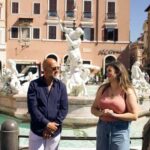
Piazza Farnese: big-square energy with a sinister tilt
Next up is Piazza Farnese, one of those Rome squares where the buildings feel grand and controlled. That contrast is part of the effect. The tour uses well-known places like this as stepping stones—so when the route turns into smaller, darker backstreets, it feels like an actual shift.
You’ll also likely spend a bit of time simply looking around. Even if you’re focused on the stories, Piazza Farnese gives you a pause point that keeps the pace from feeling too frantic.
More Great Tours NearbySmall Madonnelle on the route: what street shrines add
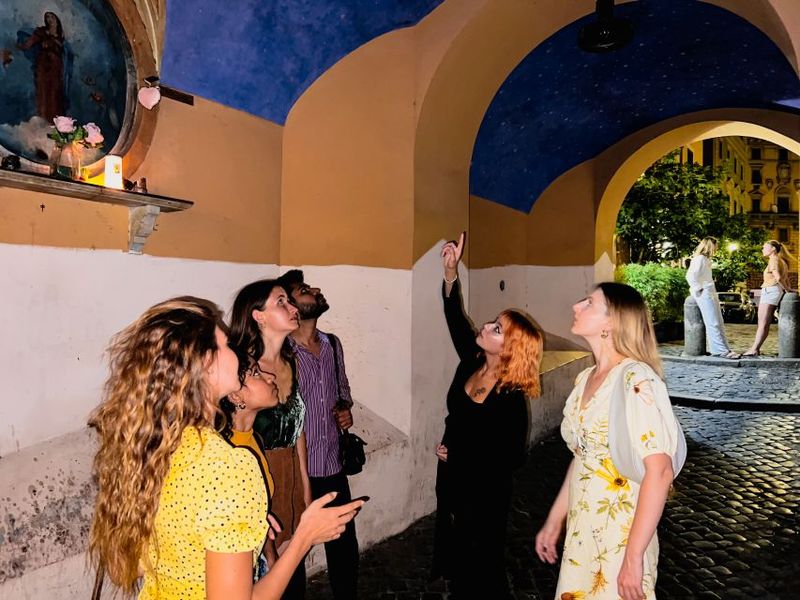
The walk includes Madonna della Pietà (Madonnelle)—small religious images that you might miss if you weren’t told what to look for. This is where the tour can feel extra Roman: not just famous monuments, but the everyday sacred markers that live on street corners.
At night, these little shrines can feel more intense than they do in daylight. Even if you’re not hunting for ghosts, you’ll probably find yourself watching how the guide connects these symbols to the darker stories.
You can also read our reviews of more evening experiences in Rome
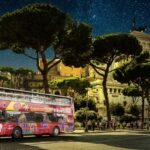

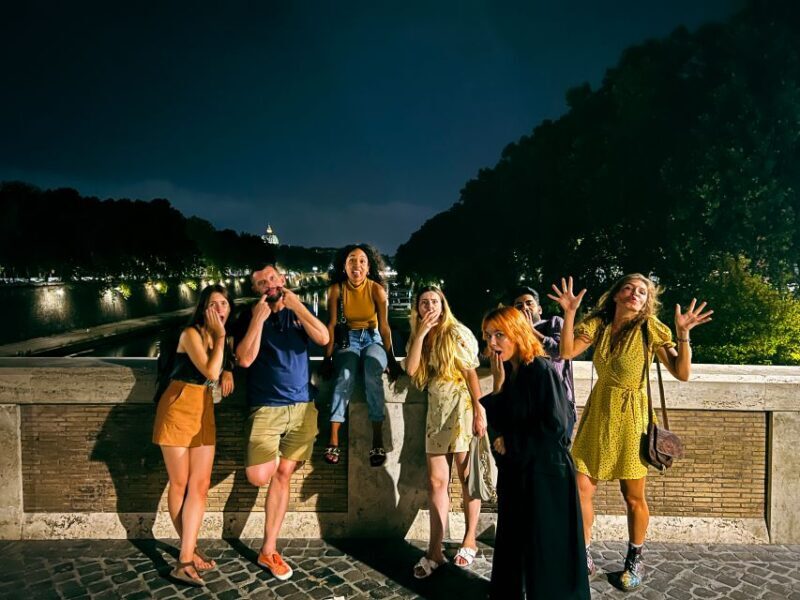
Ponte Sisto and the bridge-logic of the route
You’ll pass Ponte Sisto, a bridge stop that works well in a walking format because it creates a natural “story pause.” Bridges are perfect for this kind of tour: they give the guide room to talk, and they give you a sense of moving between neighborhoods and eras.
This is also a good moment for photos, as long as you keep it practical. Don’t stop dead in the middle. The group needs to keep moving, and night sidewalks can be uneven.
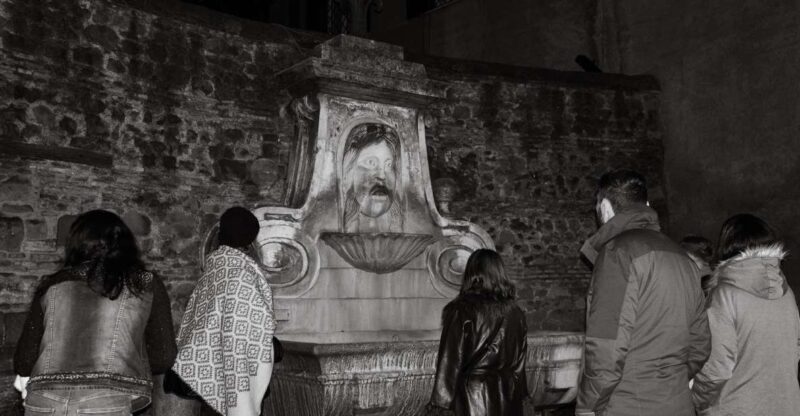
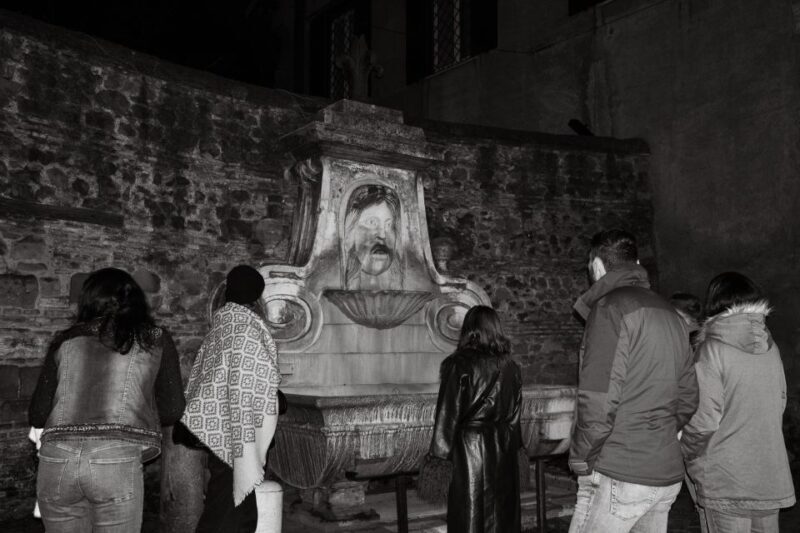
The Fountain of the Mask: unusual details you’ll remember
The tour includes the Fountain of the Mask. Even if you’ve never seen it before, you’ll likely appreciate it because it’s specific, local, and visual—exactly the kind of thing a good guide points out so it sticks in your memory.
This stop also helps break the pattern. A paranormal tour can’t be all heavy themes or you start to tune out. A feature like this gives you a quick mental reset while still feeding the overall vibe.
Chiesa di Santa Maria dell’Orazione e morte: bone-chapel vibes
One of the tour’s most memorable themes is a chapel decorated with human bones. The route includes Chiesa di Santa Maria dell’Orazione e morte, which is the kind of place that makes the theme feel grounded, not theatrical.
Even if you’re not usually into macabre history, this stop can be surprisingly thoughtful. You’re getting a sense of how Rome dealt with mortality—through rituals, art, and architecture—long before modern sensibilities.
Tip for this kind of stop: pace yourself. It’s okay to feel a little unsettled. Let the guide finish the full context before you start rushing for the next landmark.
Santa Maria in Monserrato degli Spagnoli: quiet streets, sharper stories
The route continues with Santa Maria in Monserrato degli Spagnoli. This stop helps widen the emotional palette. Rome’s darker history isn’t only about shock and violence; it’s also about religion, community, and how power and fear shape what gets built and preserved.
You’ll likely notice how the guide’s tone changes here. Reviews mention many guides balancing chill storytelling with warmth, which makes the overall experience feel less like a scare and more like a strange education.
Clivo di Rocca Savella: the city’s slope and the tour’s momentum
You’ll walk Clivo di Rocca Savella, a stretch that adds physical rhythm to the story. Rome is a city of slopes, and this helps the night feel less like a straight line and more like a guided journey.
Climbing or descending at night also keeps you alert. It’s one reason the tour can feel engaging even when you’re learning about heavy topics.
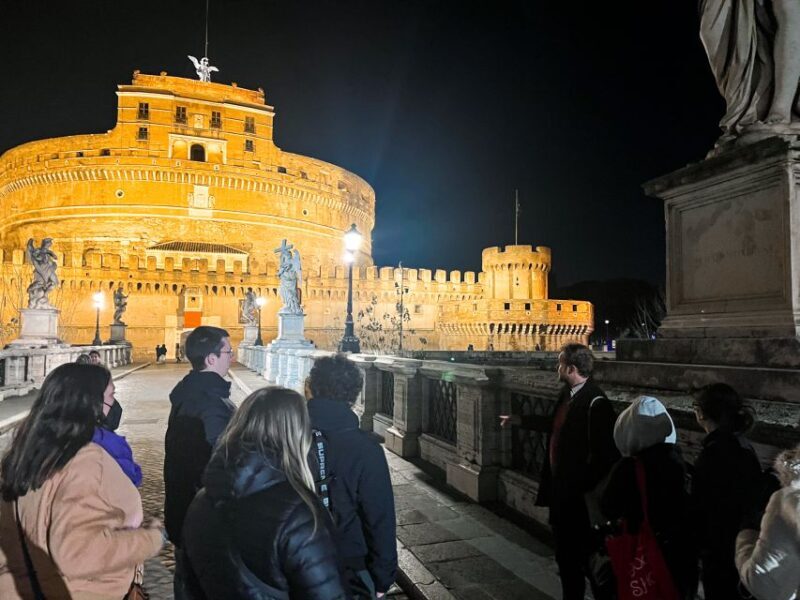
Ending at Castel Sant’Angelo: a famous finish with nighttime atmosphere
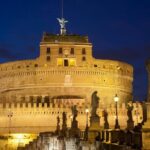
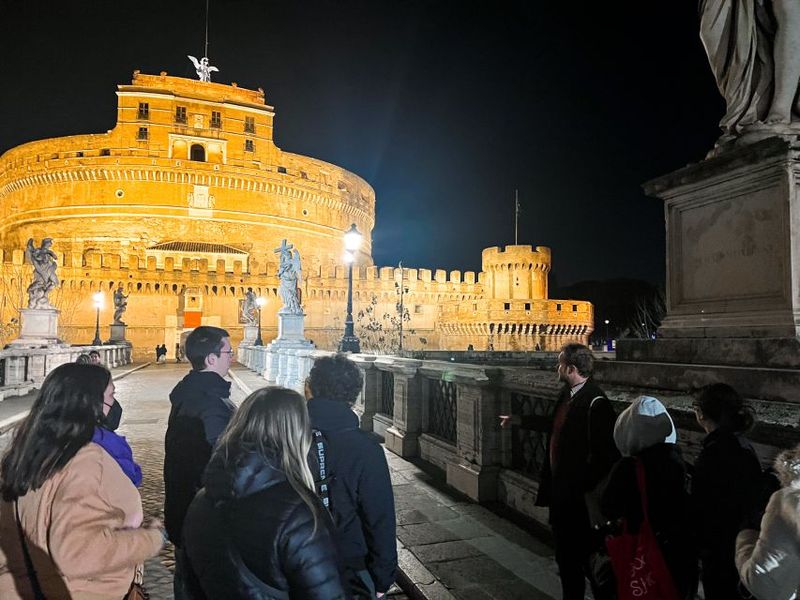
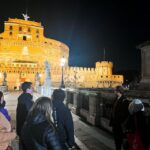
The tour finishes at Castel Sant’Angelo. This is a strong ending point because it’s recognizable, and it ties together the bridge-and-punishment theme—Rome has multiple “bridge to power” stories, and this area is closely linked to that imagery.
You’ll probably linger a little longer here, because it’s the kind of landmark where the surroundings start to click: the route, the stories, and the city layout all make more sense when you look at the big picture.
What makes the guides so good (and why it matters)
Across the traveler comments, one thing comes up again and again: guides. People mention guides who are both historically grounded and entertaining story-tellers, with clear voices and good pacing.
Names that show up repeatedly include Maham, Antonio, Domenica, Ana, Anna, Yousef/Yusuf/Yosef, Dinara, Sara, and Simon. Even when the personalities differ, the consistent thread is how well they make the past feel relevant to the streets you’re standing on.
For you, that means the tour isn’t just memorizing dates. You’re learning why certain places got reputations, how events shaped neighborhoods, and what Rome’s symbols were saying to people at the time.
How long is it, and what pace should you expect?
The tour runs for 2 hours. That’s long enough to cover a meaningful slice of the city and hear complete story arcs, but short enough that you won’t feel stuck out after dark.
The group size is capped at 20 people max, which usually helps with crowd control and keeps the guide’s attention from thinning out.
Price and value: is $34 worth it?
At $34 per person for a 2-hour guided night walk in Rome, the main value comes from two things: the guide and the structure. You’re paying for someone to connect landmarks to stories, and you’re getting a tight route that doesn’t send you wandering.
If you’re the type who enjoys learning while walking, this is a strong use of time. If you mostly want downtime, you may prefer a slower evening stroll with audio or a self-guided route.
Weather, clothing, and night-walk reality checks
Rome at night can be chilly, especially in the shoulder seasons. Reviews mention people enjoying the tour even in cold or rainy weather, so the tour likely runs in most conditions.
What you should bring:
- Comfortable shoes for uneven sidewalks
- A layer for temperature changes
- A small water plan (food and drinks aren’t included)
Also, your best friend here is flexibility. If it’s raining or windy, the tour will feel different. That’s not a dealbreaker; it just changes the atmosphere.
Food and drinks: what’s included, what isn’t
This tour includes a guided walking tour, but food and drinks are not included. So don’t count on a snack stop.
That said, the practical move is simple: eat or grab something earlier, then come prepared. One review line even suggests grabbing a drink and using the evening to enjoy the sights and stories.
Who this paranormal night walk is best for
This tour fits you if:
- You like history that has an edge
- You enjoy walking and want a structured route
- You want a smaller-group experience
- You’re curious about Rome’s darker legends but still want a guided, respectful tone
You might skip it if you:
- Don’t like macabre themes (human bones and execution-related stories are part of the concept)
- Need minimal walking
- Want food or tastings as a central part of the evening (this one doesn’t include them)
Booking tips: meeting, timing, and cancellations
A few logistics points help you avoid stress:
- Meet early: arrive at least 10 minutes before the start time.
- Late arrivals: no refunds for latecomers.
- Free cancellation: you can cancel up to 24 hours in advance for a full refund.
- Reserve now, pay later: you can keep plans flexible.
If you’re traveling in a busy season, booking ahead is smart. Night tours sell out faster than you’d expect in Rome.
Should you book this tour?
If you want Rome that feels alive after sunset, I think this one is a good call. The combination of guides, a tight 2-hour route, and the payoff of finishing near Castel Sant’Angelo makes it strong value for time.
Book it if you enjoy dark stories that are still tied to real places. Pass if you dislike spooky themes or you’re looking for an evening that includes food and drink. For most travelers, though, this is a memorable way to see the city with sharper focus than you get in the day.
Rome: Paranormal Night Walking Tour & Secret Backstreets
FAQ
Where is the meeting point for the tour?
You meet in Piazza Campo de’ Fiori, beneath the Statua di Giordano Bruno. The guide will be holding a yellow Carpe Diem Tours flag or sign.
How long is the Rome paranormal night walking tour?
The tour lasts 2 hours.
Is the tour guide available in English?
Yes, the live tour guide is listed as English.
How big is the group?
The group size is up to 20 people max. A private group option is also available.
Is food or drinks included?
No. Food and drinks are not included.
What is the cancellation policy?
You can cancel up to 24 hours in advance for a full refund.
Do late arrivals get a refund?
Late arrivals are not eligible for refunds, so arriving at least 10 minutes early is important.
You can check availability for your dates here: