In this Rome pasta-making class, you spend 3 hours in Palazzo Grazioli learning fresh dough basics and shaping three pasta types (including filled options). You do the work with an English-speaking instructor, then sit down to eat what you made—plus wine, limoncello, and dessert.
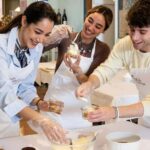
Two things I really like: first, it is genuinely hands-on. You knead, roll, and shape ravioli, tortelli, and fettuccine with your own hands (not just watching). Second, the meal part feels like an actual Roman dinner—freshly cooked pasta at a communal table, paired with Dalle Nostre Mani organic Tuscan wine and finished with a limoncello shot.
One thing to plan around: dietary access is limited. The class supports vegetarian and some other diets, but it cannot accommodate vegan, gluten-sensitivity, or lactose intolerance (and nut allergies make it not suitable).
- Key Things to Know Before You Go
- Rome Fresh Pasta Class in Palazzo Grazioli: What Makes It Work
- Where You’ll Meet and What the Entrance Is Like
- The Big Lesson: Rolling Dough You Can Actually Repeat at Home
- Your Pasta Menu: Ravioli, Tortelli, and Fettuccine
- Ravioli
- Tortelli
- Fettuccine
- How the Cooking Part Feels: Watching, Sharing, Eating
- Wine, Limoncello, and Dessert: The Included Meal That Feels Like Rome
- Organic Tuscan Wine (Dalle Nostre Mani)
- Limoncello Shot
- Dessert (Including Cake)
- The Real Value of the Price: What Actually Buys You
- Group Size, Time, and Pacing: Plan for a Full Dinner Feel
- Accessibility and Who This Is Best For
- Tips to Get the Most From the Class
- What You’ll Remember After: Skill, Food, and a Roman-Style Table
- Should You Book This Rome Pasta-Making Class?
- The Best Of Rome!
- More Wine Tours in Rome
- More Cooking Classes in Rome
- More Tour Reviews in Rome
Key Things to Know Before You Go
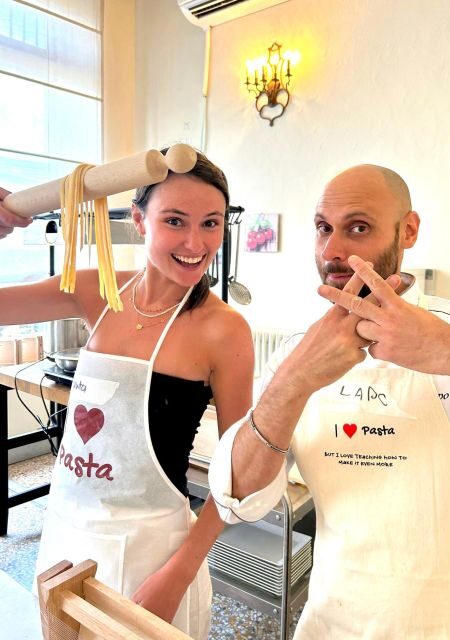
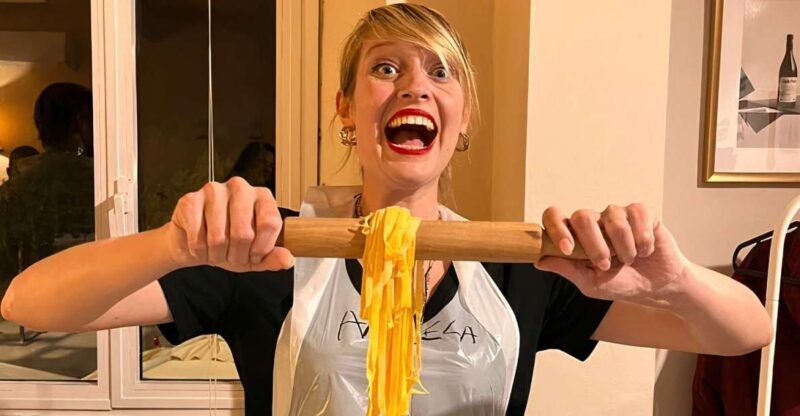
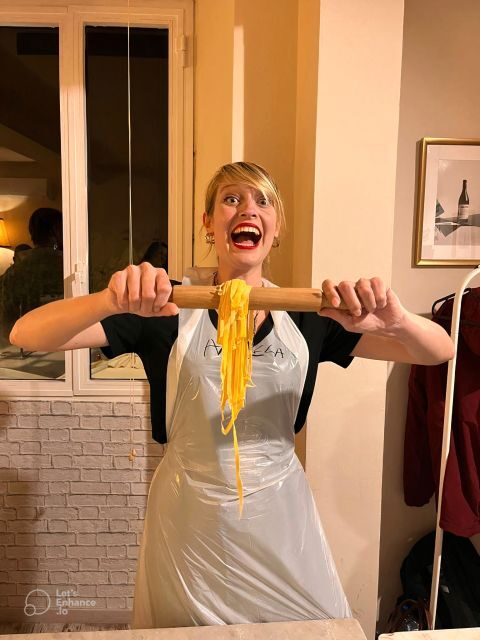
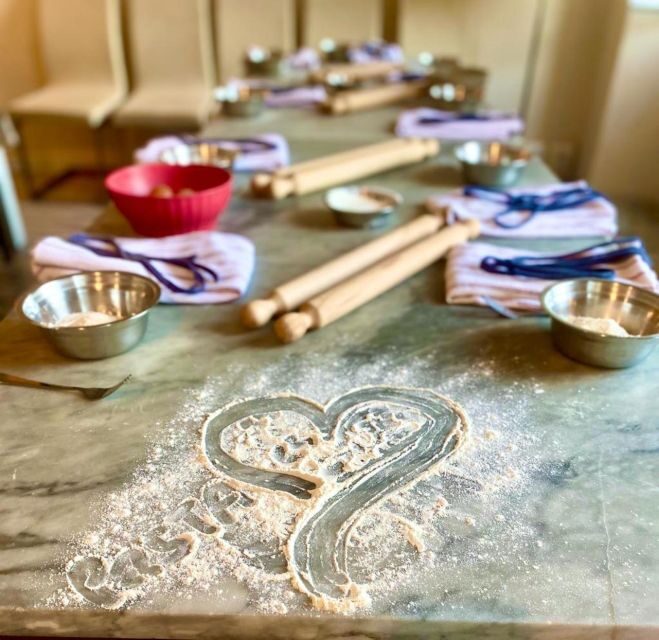
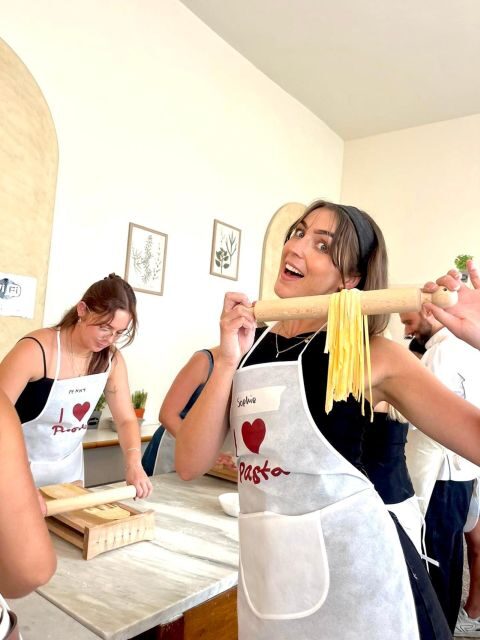
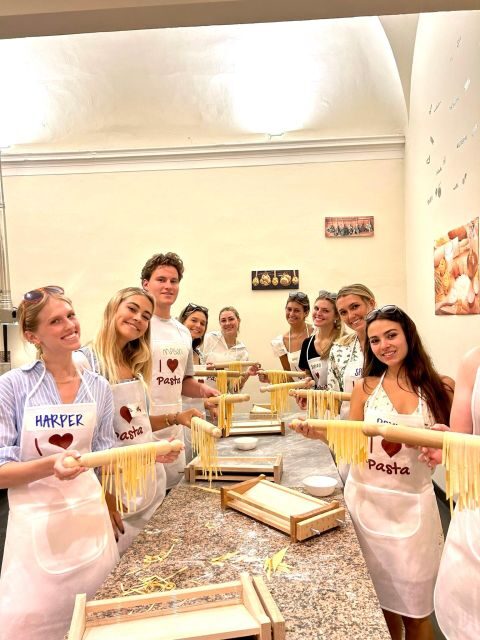
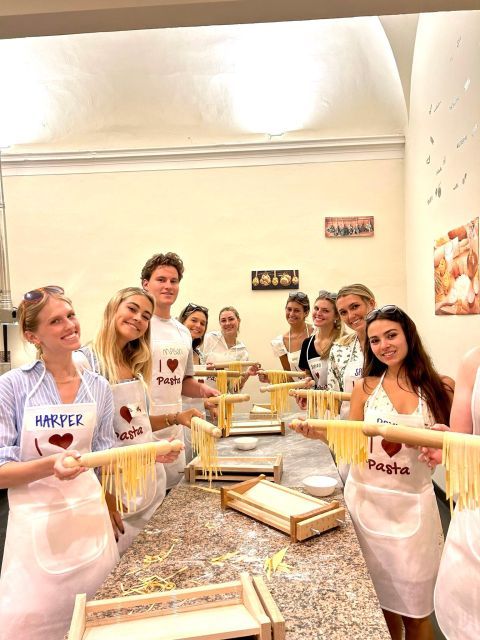
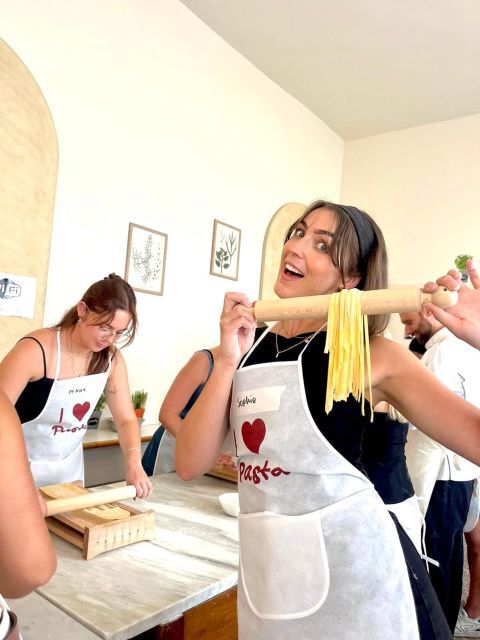
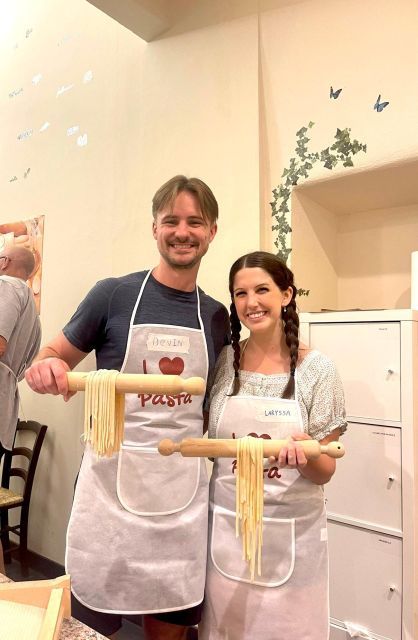
- Small group (up to 10): you get attention as you roll, shape, and move through the steps
- Your pasta, shared pot cooking: you make your own portions, then the team cooks everything together to serve as one table
- Three pasta shapes: ravioli, tortelli, and fettuccine, so you learn filled and non-filled dough techniques
- Organic Tuscan wine included: Dalle Nostre Mani, produced organically on their own farm
- Central location: a short walk area around the Pantheon and Piazza Venezia, inside historic Palazzo Grazioli
- Take-home recipes: detailed English recipe booklets help you recreate the results later

👉 See our pick of the Discover 2 Great Tours In Rome
Rome Fresh Pasta Class in Palazzo Grazioli: What Makes It Work
If you’re tired of another Rome activity where you just take photos and leave hungry, this one is different. It’s a fresh pasta workshop that treats cooking like a skill you can learn quickly, not a performance you have to watch. In 3 hours, you go from eggs and flour to finished pasta on the table.
The setting also helps. The class takes place inside the historic Palazzo Grazioli, with the meeting point at Via della Gatta 14, where you ring the bell for Pastamania. It’s in the heart of Rome, and the area is easy to navigate on foot once you’re oriented.
You can also read our reviews of more cooking classes in Rome
Where You’ll Meet and What the Entrance Is Like
Your job is simple: come directly to the provider’s cooking school at Via della Gatta 14, 00186 Roma, and ring the bell at Pastamania. There’s no hotel pickup, so plan to arrive on your own.
A neat local detail: Via della Gatta is named for a legendary marble cat statue you can spot near the entrance area. If you like small Rome details, this is the kind you remember later.
Practical tip: wear clothes you don’t mind getting flour on. Pasta is messy in the normal, fun way.
The Big Lesson: Rolling Dough You Can Actually Repeat at Home
Most people underestimate the “feel” of fresh pasta dough. This class fixes that fast. You start with the classic base—eggs and flour—and learn how to knead and roll so the dough behaves the way it should.
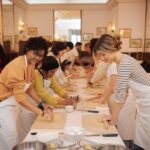
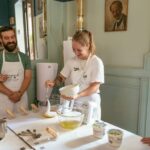
Because the group is small (limited to 10 participants), instructors can check your progress as you work. In many classes, travelers mention hosts who were patient and hands-on, like Fabrizio, Olga, Giorgio, Christian, and Marco. You may not get the exact same person, but the teaching style appears consistent: clear coaching, frequent check-ins, and an upbeat pace.
If you’re a total beginner, you’re still in the right place. People who said they never cooked before also describe finishing the class proud—and planning to try again at home.
Your Pasta Menu: Ravioli, Tortelli, and Fettuccine
Here’s what you’ll make over the session:
More Great Tours NearbyRavioli
You’ll shape delicate pasta for a filled style. The class approach matters here: the signature tomato sauce has been simmering for hours in advance, but for the ravioli and tortelli sauces, you’ll watch the instructor prep butter and sage right before cooking. That last-minute cooking step helps explain why fresh pasta tastes better when the sauce is treated like part of the workflow, not an afterthought.
You can also read our reviews of more wine tours in Rome

Tortelli
Tortelli is another filled format, so you learn a second way to shape and seal pasta properly. This is the section where you’ll likely realize that dough thickness and edges matter. The instructor guidance is what keeps this from becoming frustrating.
Fettuccine
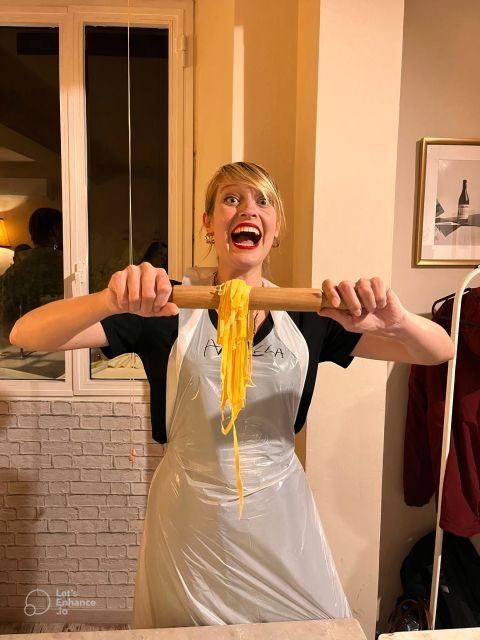
Fettuccine is the payoff for non-filled pasta. You’ll learn how to roll and cut so you end up with ribbons that cook quickly and hold sauce well. It’s also a good skill to keep, because you can practice fettuccine at home without needing fillings every time.
Across the class, a key theme is that you’re not making just one prototype. You’re practicing the fundamentals in multiple formats.
How the Cooking Part Feels: Watching, Sharing, Eating
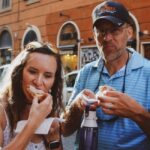
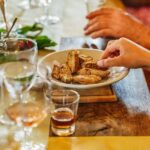
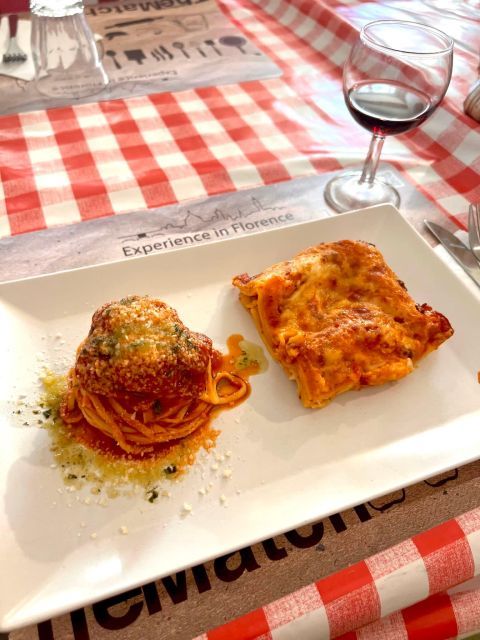
After you’ve shaped your pasta, the class team cooks everything together in the same pot. Then you gather around a large communal table and eat what you made—paired with the drinks included.
This is one of the most valuable parts, in my view. You don’t just leave with skills. You also get a real taste test of what you did.
Several travelers describe the chef cooking the pasta in front of the group and explaining the process as it happens. That live moment helps you connect your earlier steps—dough thickness, shaping technique, and timing—with the final texture on the plate.
Wine, Limoncello, and Dessert: The Included Meal That Feels Like Rome
This package includes Tuscan wine and a limoncello shot, plus dessert.
Organic Tuscan Wine (Dalle Nostre Mani)
The wine listed here is Dalle Nostre Mani, produced organically on the farm. It’s served during the meal portion, and the class is set up to keep the tone relaxed and social. Travelers often mention the wine is genuinely enjoyable, not just a checkbox.
If you don’t drink, the class still isn’t a dead end. One traveler noted alternatives when they didn’t drink alcohol. Alcohol is only served to participants of legal drinking age, so the team should be aware of your situation.
Limoncello Shot
The limoncello shot is served after your main meal, helping mark the end of the cooking portion. It’s a classic Italian finish and a good cue that you’re done with the work and ready for the sweet.
Dessert (Including Cake)
Dessert is included, and multiple travelers mention cake as part of the end. Some also mention small surprise sweets like chocolate salami as a bonus item. You should expect dessert to be part of the final stretch, not an optional add-on.
The Real Value of the Price: What $48 Actually Buys You
At $48 per person for a 3-hour class, the value comes from the combination, not just the pasta.
You’re paying for:
- instruction and hands-on time with an English-speaking chef
- the included meal (fresh pasta cooked right after you make it)
- wine plus a limoncello shot
- dessert
- take-home English recipe booklets
That’s the difference between this and the “light” cooking demos. You’re not paying for a taste. You’re paying for a skill + a full sit-down experience.
Also, the class is designed for small groups. When you have fewer people, instructors can help you fix small mistakes before they ruin your pasta.
Group Size, Time, and Pacing: Plan for a Full Dinner Feel
You’ll be in the class about 3 hours, and the structure is paced to keep you moving:
1. quick intro and technique basics
2. hands-on pasta shaping (multiple types)
3. live cooking and serving
4. wine, communal table eating, dessert, limoncello
It’s long enough to learn, short enough that it doesn’t swallow your entire day. If you’re trying to fit this around sightseeing, plan to arrive ready to start on time since there is no pickup.
Accessibility and Who This Is Best For
This is not a “wheelchair-friendly” experience. It’s not suitable for people with mobility impairments or wheelchair users, and it’s set up for movement around a small kitchen and workstations.
It’s also not for everyone food-wise:
- Vegan: not accommodated
- Gluten intolerance: not accommodated
- Lactose intolerance: not accommodated
- Nut allergies: not suitable
- Smoking is not allowed
On the plus side, vegetarian and other diets are supported if you inform the provider when booking. The best way to avoid surprises is to share your dietary needs clearly at reservation.
This class fits best if you:
- want a fun alternative to standard Roman monuments
- like doing activities with a group but still want personal guidance
- travel with friends, couples, or families (minimum age is 8)
- want something you can recreate at home with the recipe booklets
Tips to Get the Most From the Class
You’ll enjoy it more if you show up set up for cooking.
- Wear comfy clothes that tolerate flour and rolling
- Bring an appetite. You’re making pasta and then eating it
- If you don’t drink wine, it’s worth mentioning that when booking so the team can guide you toward the right alternatives
- If you have any allergies or dietary restrictions, tell them in advance. Some restrictions are hard limits here
Also, since the instruction includes take-home recipes, it helps to pay attention when the instructor explains sauce and timing. That’s what you’ll use later.
What You’ll Remember After: Skill, Food, and a Roman-Style Table
Plenty of Rome tours give you a story. This one gives you something more practical: the ability to make pasta shapes and understand how sauces match the dough.
The communal meal part also does something important. When everyone eats the same pasta you made together, you naturally talk. Travelers mention warm, friendly energy and hosts who keep the mood light. If you’re traveling solo, this is often a strong way to meet people without forcing it.
Rome: Pasta Making Class with Wine, Limoncello, and Dessert
Should You Book This Rome Pasta-Making Class?
If you want a hands-on Rome experience that blends cooking skill with a real meal, I’d book it. The standout strengths are guides, a genuinely good wine setup, and the feeling of good value for the time and what’s included.
I would think twice (or choose a different class) if:
- you need vegan, gluten-free, or lactose-free support
- you have a nut allergy
- mobility is an issue for your group
- you prefer sightseeing-only plans with zero alcohol
If you fit the basics—especially if you’re curious to learn fresh pasta and you’ll actually use the recipes later—this is a smart, enjoyable bet in central Rome.
You can check availability for your dates here: