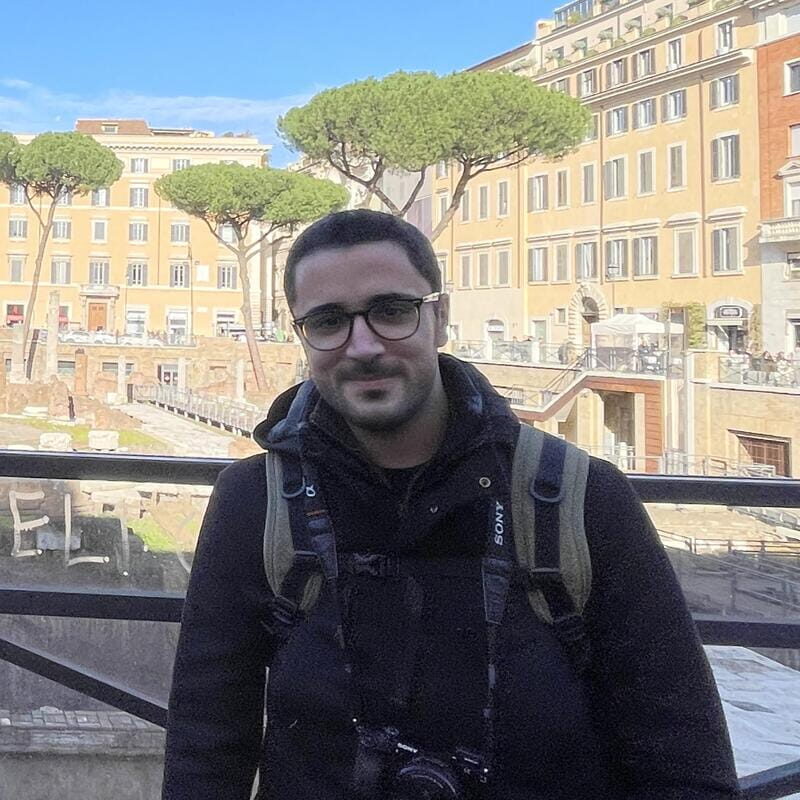
This Rome street food tour is a smart, compact way to eat your way across two of the city’s most atmospheric neighborhoods. You start at the statue of Giordano Bruno in Campo dei Fiori, then walk into the Jewish Ghetto while tasting classic Roman bites like supplì, cured meats, pizza, and gelato.
What I like most is the mix of food and place. Guides such as Marti and Mattia (and others like Ramona and Francesca) are consistently praised for making the history feel usable, not academic. Second, the pricing feels reasonable for what’s included: five tastings plus beer and wine, all guided, and timed to fit into a 2.5-hour slot.
The main catch is practical: portions are meant for sampling, not a full dinner, and food is served while you stand. Also, it’s not suitable for vegans and it’s not a good fit if you have a gluten intolerance.
- Key highlights you’ll actually care about
- Why This 2.5-Hour Rome Street Food Walk Works
- Meeting at Campo dei Fiori: Find Giordano Bruno First
- Campo de’ Fiori Market Stop: The Best Way to Start Hungry
- What you’ll do here
- Supplì, Pizza, and Roman Street Classics (Not the Tourist Version)
- Via dei Chiavari: A Taste Stop Built for Walking Pace
- The Jewish Ghetto: Eating While You Understand the Area
- Portico d’Ottavia and the Turtle Fountain Photo Moment
- Pantheon Pass-By: Scenic Views Without the Heavy Museum Time
- Sant’Eustachio Dessert Stop: The Sweet Reset
- The Gelato Finish: Why the Last Bite Matters
- Drinks Included: Beer and Wine Samples (A Small Upgrade That Counts)
- Vegetarian Options: Helpful, But Plan Ahead
- Standing Tastings and Walking Comfort: The Real Logistics
- The Guides Are the Secret Sauce
- Value Check: Why Feels Fair (If You Want Variety)
- Who This Tour Is Best For
- Should You Book It Even If You Hate Rain
- Quick tips before you go
- Should You Book This Rome Street Food Tour?
- FAQ
- FAQ
- What’s the duration of the Rome street food tour?
- Where do I meet the guide?
- How many food tastings are included?
- Are beer and wine included?
- Is vegetarian food available?
- Is the tour suitable for vegans?
- Is the tour suitable if I have gluten intolerance?
- Will we be able to sit down to eat?
- Where does the tour walk?
- What’s the cancellation policy?
- More Food & Drink Experiences in Rome
- More Tours in Rome
- More Tour Reviews in Rome
Key highlights you’ll actually care about
 1 / 10
 2 / 10
 3 / 10
 4 / 10
 5 / 10
 6 / 10
 7 / 10
 8 / 10
 9 / 10
 10 / 10
- Campo de’ Fiori market energy: one of Rome’s oldest open-air markets gets you into the mood right away
- Five tastings in 2.5 hours: more variety than you’d likely pull off on your own
- Jewish Ghetto focus: you get context as you walk, not just random stops to eat
- Landmarks along the route: Portico d’Ottavia and a turtle-themed stop you can photograph
- Beer and wine samples included: a small but meaningful upgrade to the tasting plan
- Gelato finish: the tour ends with a sweet Roman payoff
Why This 2.5-Hour Rome Street Food Walk Works
Rome can be overwhelming. You’re staring at domes, ruins, and menus that all look delicious. This tour earns its place by keeping the route tight and the food variety high.
In just 2.5 hours, you get a guided walk through Campo dei Fiori and the Jewish Ghetto, two areas where you’ll feel real neighborhood life. The tastings are also paced so you’re not stuck eating one heavy thing after another.
And you’re not only eating. You’re also learning just enough context—like why certain foods are associated with certain parts of Rome—so the stops land better.
You can also read our reviews of more food & drink experiences in Rome



Meeting at Campo dei Fiori: Find Giordano Bruno First
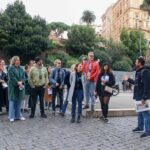
Your meeting point is easy to spot once you’re there: under the statue of Giordano Bruno in the middle of Campo dei Fiori square.
That matters because this kind of tour runs on timing. You’ll want to arrive a few minutes early, especially if you’re navigating Rome’s cobblestones and busy streets. From the start, you’re in the right mood: market noise, street life, and that classic Rome buzz.
Campo de’ Fiori Market Stop: The Best Way to Start Hungry
One of the first tasting moments includes Campo de’ Fiori itself, plus a quick market visit. If you’re thinking about timing, note this: the market is only open during the morning tour. So if you book a departure later in the day, the market part may not look the same.
Even if the stalls are quieter depending on the time, Campo dei Fiori is still a great place to orient yourself. You get that sense of Rome as a city that eats outdoors—fast, social, and normal.
What you’ll do here
You’ll taste early and keep moving. Food is served while standing, so plan for a handheld, eat-as-you-go style. You’re not expected to sit down for a long meal break.
More Great Tours NearbySupplì, Pizza, and Roman Street Classics (Not the Tourist Version)
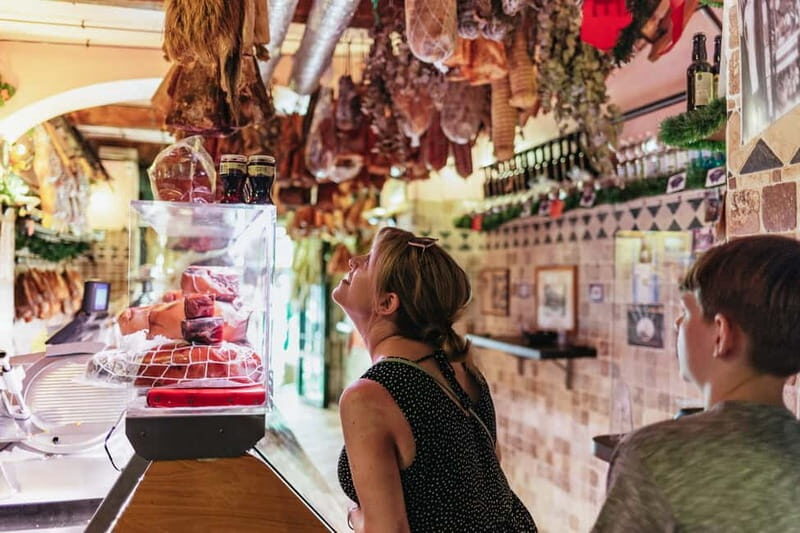
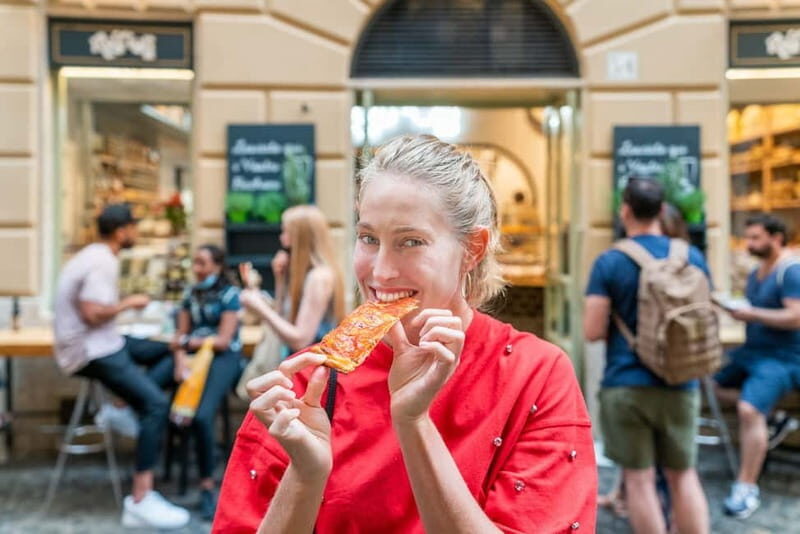
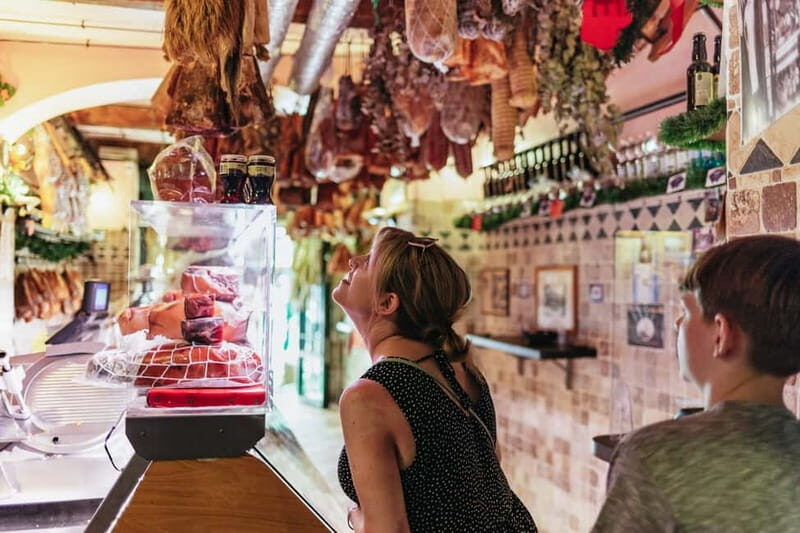
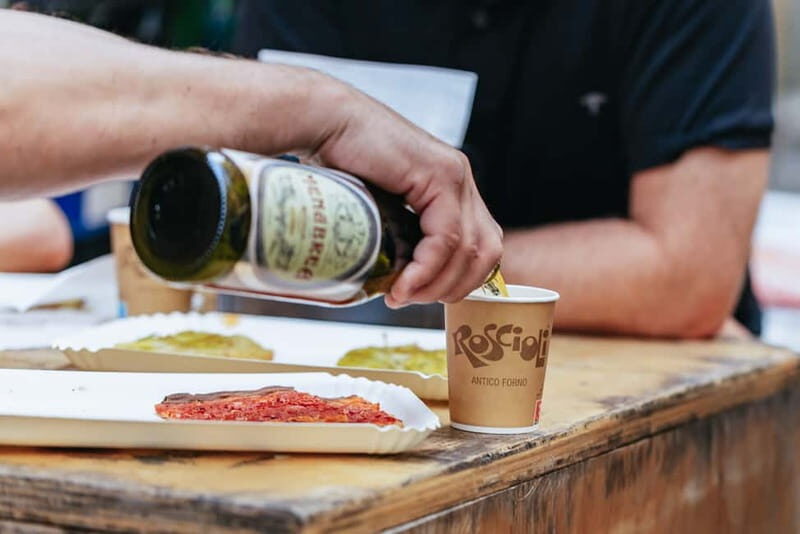
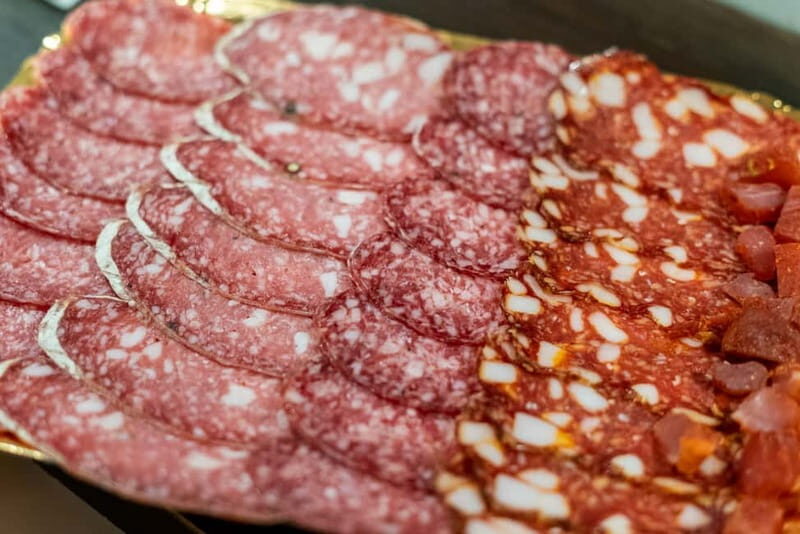
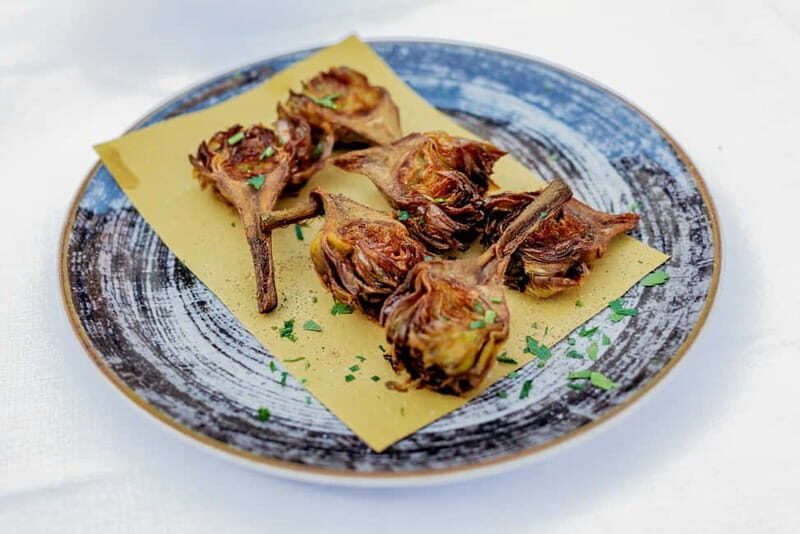
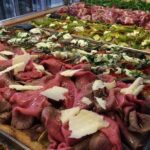
A big reason people book this tour is the “Roman staples” lineup. You’ll sample classics like supplì, cured meat, and pizza, plus other bites along the way.
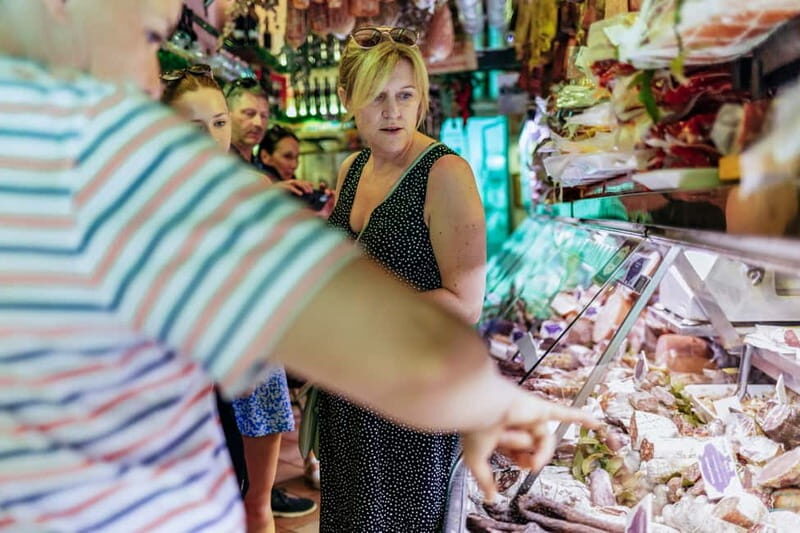
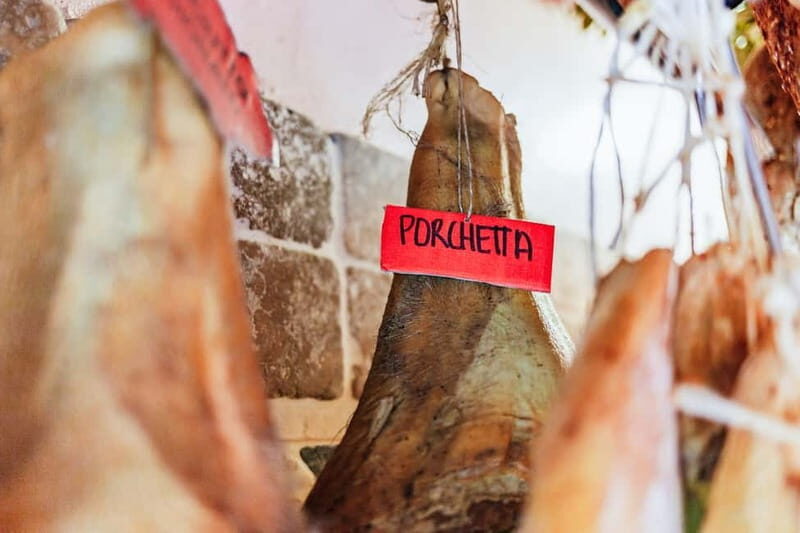
Here’s why that’s valuable: Roman street food isn’t about trendy fusion. It’s about technique and comfort. Supplì—deep-fried rice balls—are famous for a reason. And cured meats are a quick way to learn how Italian charcuterie works without needing a full sit-down platter.
You also get a route that hits multiple food types instead of only one category. That’s where the tour feels efficient. You can taste, then decide later what you want to chase again in your own time.
You can also read our reviews of more tours and experiences in Rome


Via dei Chiavari: A Taste Stop Built for Walking Pace
One of the stops happens around Via dei Chiavari, where you’ll do more street-food tasting. Expect the tour to keep a steady rhythm: small walk segments, then a tasting moment, then back on your feet.
This style works because Rome is best experienced with your attention moving. If you only grab food and keep walking without guidance, you might miss the places that are easy to overlook.
The Jewish Ghetto: Eating While You Understand the Area
One of the most memorable parts is the walk through the Jewish Ghetto. You’re not just passing through. You’ll get historical context as you move, including stops tied to Roman layers of time.
It helps that guides are described as passionate and educational—people specifically mention learning about the Jewish Ghetto and how stories connect to what they’re tasting. That turns a food tour into a mini orientation to the city.
You’ll also get little pauses along the route so you can absorb what you’re seeing without feeling rushed. And if you’re the type who loves to learn while you eat, this is a strong fit.
Portico d’Ottavia and the Turtle Fountain Photo Moment
Along the way you’ll pass landmarks that many first-time visitors walk by without noticing.
A highlight is Portico d’Ottavia. You’ll have a photo stop here, and it’s tied to Roman imperial history. Another memorable visual point is the Turtle Fountain, described as bronze turtles made by artists Bernini and Della Porta. Even if you’re not a history super-nerd, the visuals stick.
These stops matter because they break up the tour so it’s not only about food. They also give you anchors for later—when you wander back and think, I know this place.
Pantheon Pass-By: Scenic Views Without the Heavy Museum Time
You’ll also pass by the Pantheon area. This isn’t framed as a long museum visit or a full guided interior experience. It’s more like Rome showing you its best backdrop while you’re already in motion.
Why that works: you get the “wow” without sacrificing the tasting schedule. If you’re trying to balance big sights and real meals, this is the right kind of compromise.
Sant’Eustachio Dessert Stop: The Sweet Reset
Near the end, you’ll hit a dessert moment at Sant’Eustachio, with a guided tasting that serves as a reset after savory bites.
Dessert is where many food tours drop the ball. Here, it’s treated as part of the flow, not an afterthought. The timing helps too. If you save sweets for the very last second, you can end up overwhelmed. This keeps the pace comfortable.
The Gelato Finish: Why the Last Bite Matters
The tour ends with gelato—because it’s Rome and because it’s a clean finish line. People consistently mention that gelato (and other favorites like supplì) are worth repeating later, which tells you the tastings are memorable enough to create a “go back” plan.
Also, the gelato stop gives you something easy to do right after the tour ends: stand, taste, enjoy, then decide where to go for your next walk or dinner.
Drinks Included: Beer and Wine Samples (A Small Upgrade That Counts)
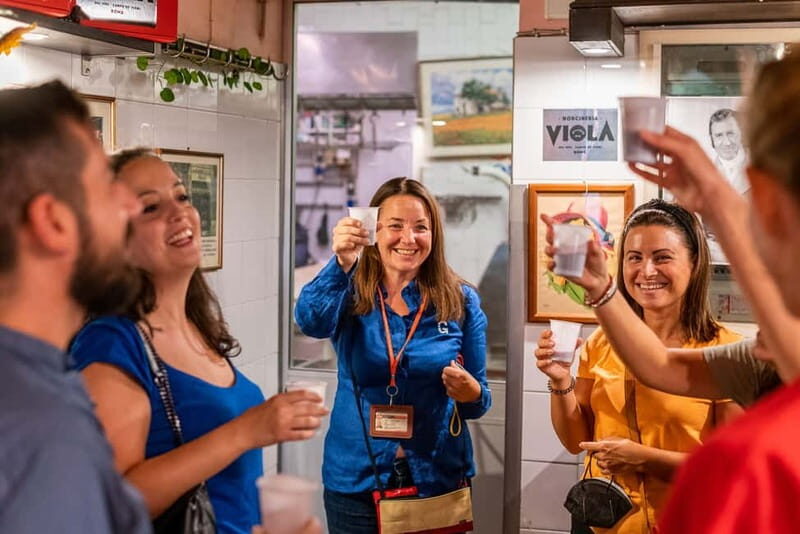
You’ll receive one sample of beer and one sample of wine. Extra drinks aren’t included, so if you’re a heavy drinker, you’ll want to budget separately.
That said, including beer and wine is a smart way to round out what you’re eating. It turns the tour from a simple snack crawl into a more complete Roman tasting experience—especially if you’re learning how flavors and textures balance at street level.
Vegetarian Options: Helpful, But Plan Ahead
Vegetarian travelers have options with prior notice. That’s a big deal because many food tours say they’re flexible, then forget to actually adjust tastings.
Still, there are clear limits: the tour is not suitable for vegans, and it’s not suitable for gluten intolerance. If either of those applies to you, it’s safer to look for a different food tour designed for those needs.
If you are vegetarian, communicate your needs early. Even without exact ingredient lists in the details you provided, the operator explicitly supports vegetarian options when informed in advance.
Standing Tastings and Walking Comfort: The Real Logistics
Food is served while standing. That means:
- Expect handheld tastings and short pauses
- Wear shoes that can handle cobblestones
- Plan for a bit of sidewalk time between stops
This is the “street food reality.” The upside is you spend less time seated and more time seeing Rome.
You’ll also be on foot the whole way. That’s great for atmosphere, but you should bring a water plan for warm days.
The Guides Are the Secret Sauce
This is where the experience consistently earns top marks. People mention guides being friendly, knowledgeable, and able to connect food to Roman neighborhoods.
Examples you’ll hear in the travel stories include:
- Marti for educational, friendly guiding
- Mattia for history that feels alive
- Ramona for jokes and good local explanations
- Francesca and Andrea for engaging stories tied to the food
You don’t need the guide to be a walking textbook. You just need someone who can point you to good places and help you understand what you’re tasting. This tour seems to deliver that.
Value Check: Why $53 Feels Fair (If You Want Variety)
Let’s do the math in plain terms. You’re paying $53 per person for a 2.5-hour guided walk with:
- five street food tastings
- one beer sample
- one wine sample
- vegetarian options with notice
- English live guide
Could you buy all that food for less on your own? Maybe. But doing it well in Rome—across two neighborhoods, with a logical tasting order, plus historical context and built-in drink samples—is hard without local help.
This is especially good if you’re in Rome for a short time and want a curated start. It’s not a full dinner, so if you’re starving and hoping to skip dinner entirely, you’ll still likely want a post-tour meal.
Who This Tour Is Best For
You’ll enjoy this most if:
- You like walking tours but don’t want a long one
- You want the comfort of tastings planned for you
- You’re a first-timer who wants real neighborhood context
- You care about food history just enough to make the bites meaningful
It’s also a good option for travelers who prefer something more human than a head-phone audio loop. Multiple travelers mention guides kept things fun and answered questions.
Should You Book It Even If You Hate Rain
Rome rain can happen. One group mentioned the tour ran during rainy conditions and the guide still kept the experience moving. What you should take from that: the tour seems designed to keep going unless conditions force changes.
If rain is likely, bring a small umbrella or rain jacket. And remember: standing tastings don’t stop being standing because it’s wet.
Quick tips before you go
- Arrive a few minutes early at Giordano Bruno in Campo dei Fiori
- Wear comfy walking shoes for cobblestones
- Plan for standing tastings, not sit-down meals
- If you’re vegetarian, tell the provider ahead of time
- If you’re vegan or gluten intolerant, this route likely won’t match your needs
Should You Book This Rome Street Food Tour?
If you want a guided way to try supplì, pizza, cured meats, wine/beer samples, and gelato while also learning why the Jewish Ghetto and Campo dei Fiori matter, I think this is a solid booking. The price looks fair for what you get: organized tastings, a knowledgeable English guide, and enough landmark context to feel like more than just snacks.
Don’t book it if you’re vegan or gluten intolerant. Also, don’t expect it to replace a full dinner. Think of it as an excellent start—or a smart early evening plan—then continue exploring on your own afterward.
Rome: Street Food Tour with Local Guide
FAQ
FAQ
What’s the duration of the Rome street food tour?
The tour lasts about 2.5 hours.
Where do I meet the guide?
Meet your guide under the statue of Giordano Bruno, in the middle of Campo dei Fiori square.
How many food tastings are included?
You’ll have five street food tastings.
Are beer and wine included?
Yes. The tour includes one beer sample and one wine sample.
Is vegetarian food available?
Yes, vegetarian options are available if you notify the provider when booking.
Is the tour suitable for vegans?
No, it is not suitable for vegans.
Is the tour suitable if I have gluten intolerance?
No, it is not suitable for people with gluten intolerance.
Will we be able to sit down to eat?
Food is served while standing.
Where does the tour walk?
It focuses on Campo dei Fiori and the Jewish Ghetto, with landmarks along the way such as Portico d’Ottavia and a pass-by near the Pantheon.
What’s the cancellation policy?
There is free cancellation up to 24 hours in advance for a full refund.
You can check availability for your dates here: