When you’re planning a trip to Rome, you’ll face countless decisions about how to spend your limited time. Among the most worthwhile investments we’ve found is a street food tour that combines genuine tastings with meaningful historical context. This particular offering from Raphael Tours & Events manages something increasingly rare: it delivers both excellent food and substantive sightseeing without feeling rushed or touristy.
We’re particularly impressed by two aspects of this experience. First, the guides genuinely know their subject matter—they’re not reciting scripts but rather sharing their passion for Roman food culture and the neighborhoods where it thrives. Second, at $54.42 per person for two and a half hours of food tastings, local wine and beer, and expert guidance through some of Rome’s most historically significant quarters, the value proposition is genuinely compelling compared to eating at restaurants or taking generic walking tours.
The one consideration worth mentioning upfront: this tour involves substantial walking and standing in warm weather (or rain, since it operates regardless of conditions). If you tire easily or have mobility limitations, this might not be the best fit. That said, if you’re reasonably active and interested in understanding Rome the way locals actually experience it—through its food, neighborhoods, and stories—this tour deserves serious consideration.
- What Makes This Tour Different
- The Itinerary: A Walking Journey Through History and Flavor
- Campo de’ Fiori: Market Introduction and First Tastings
- Passetto del Biscione: Hidden Gem Discovery
- The Jewish Ghetto: History and Tradition
- Portico di Ottavia: Ancient Rome in the Present
- Area Sacra di Largo Argentina: Julius Caesar and Gelato
- The Food: What You’ll Actually Taste
- The Guides: What Sets This Tour Apart
- Practical Considerations
- Timing and Group Size
- Weather and What to Wear
- Transportation and Meeting Points
- Booking and Cancellation
- Dietary Considerations and Limitations
- The Value Proposition
- Who This Tour Is Best For
- What the Reviews Tell Us
- Frequently Asked Questions
- Final Verdict
- The Best Of Rome!
- More Food & Drink Experiences in Rome
- More Tours in Rome
- More Tour Reviews in Rome
What Makes This Tour Different
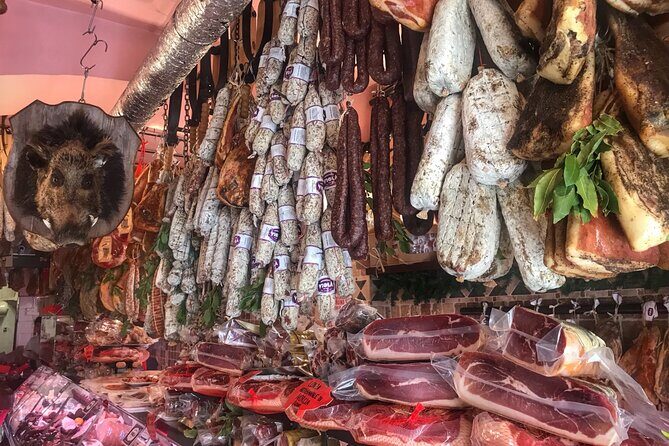
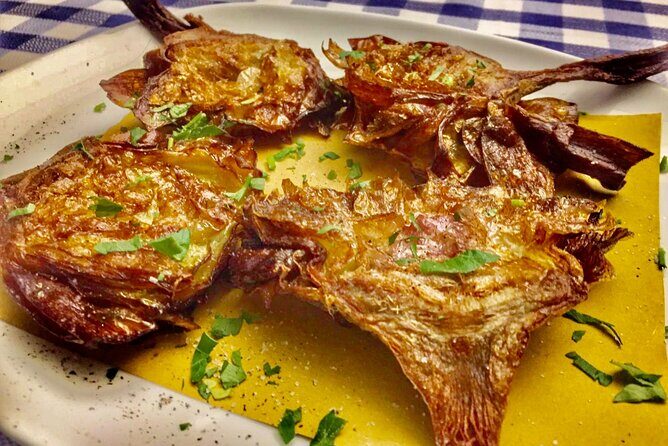
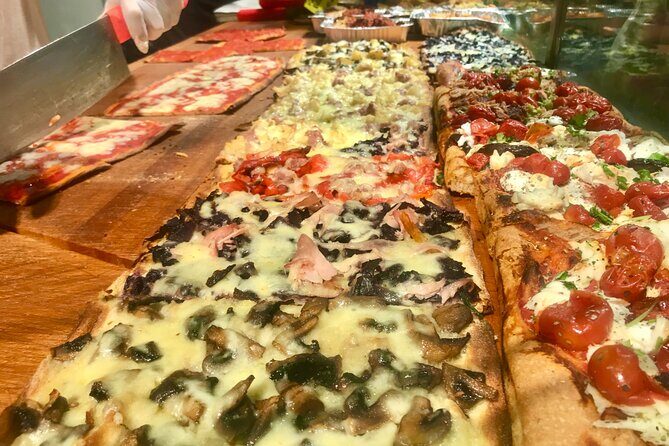
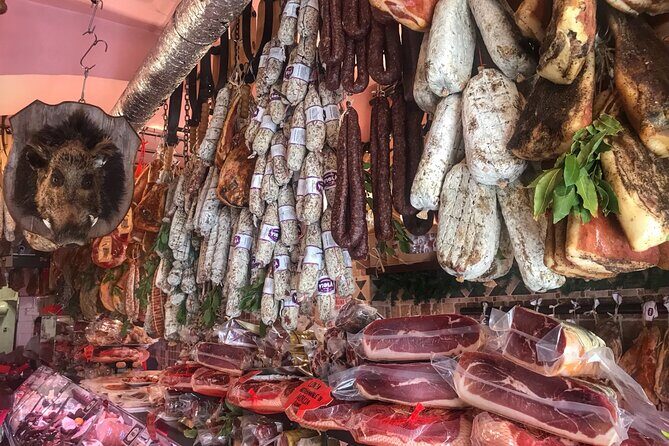
You might assume a street food tour in Rome is simply a series of stops at tourist-oriented vendors, but that’s not what you’ll get here. The experience is structured around actual Roman neighborhoods and genuine food culture, with historical context woven throughout.
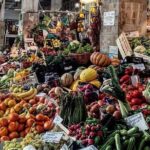
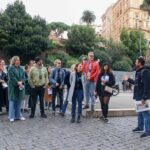
The tour starts in Campo de’ Fiori, one of Rome’s most famous market squares. Rather than treating this as just another photo spot, you’ll spend time exploring the actual market stalls where Romans shop daily. If you book a morning tour, you’ll experience the market at its peak, when vendors are actively selling to locals. One traveler noted, “Very instructive about history and food around Campo Di Fiori and Rome. We really enjoyed our time with Mattia.”
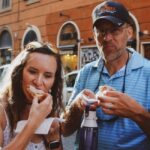
What’s particularly thoughtful about this approach is that you’re not just eating food—you’re understanding where it comes from and why it matters to Roman food culture. The guides share details about seasonal ingredients, traditional preparation methods, and the history of each neighborhood you visit. As one reviewer who had visited Rome multiple times before shared, “We really enjoyed learning about local culture, history, architecture and cuisine. The food tastings were wonderful and included antipasto, pizza, beer, wine, suppli, cannoli and gelato.”

👉 See our pick of the Discover 2 Great Tours In Rome
The Itinerary: A Walking Journey Through History and Flavor
The tour follows a logical geographic route that connects several historically significant areas while building your understanding of Roman food culture. Here’s what you can expect at each stop.
You can also read our reviews of more food & drink experiences in Rome



Campo de’ Fiori: Market Introduction and First Tastings
You’ll meet your guide under the statue of Giordano Bruno in the center of the square. This opening location is significant—Campo de’ Fiori has functioned as Rome’s primary food market for centuries, and it remains a working market today. The morning tours (which we’d recommend if your schedule allows) coincide with active market hours, giving you an authentic sense of how Romans actually shop for food.
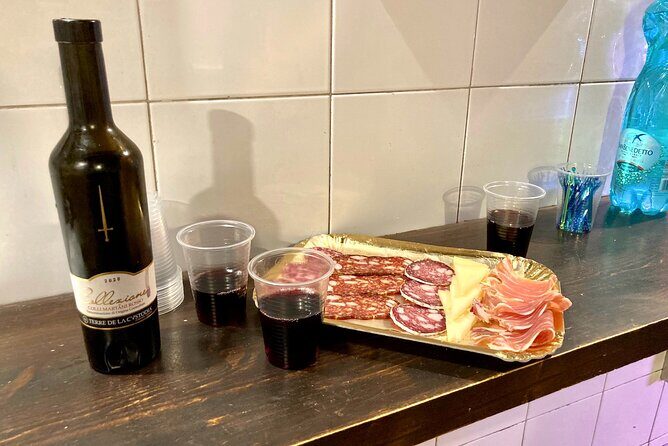
During this 30-minute segment, you’ll taste items directly from the market stalls. This typically includes cheese, cured meats, wine, and seasonal fruits. The advantage of starting here is that you immediately understand the raw ingredients that form the foundation of Roman cuisine. You’re not just tasting food; you’re seeing the source.
Passetto del Biscione: Hidden Gem Discovery
After leaving the market, you’ll walk through this narrow historic passageway. This 15-minute stop introduces you to one of Rome’s lesser-known quarters while you sample local street food. The guides consistently mention discovering “hidden gems” in Rome during this portion—small vendors and family-run shops that travelers often miss.
The Jewish Ghetto: History and Tradition
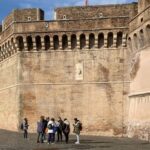
This is where the tour expands beyond food into deeper historical context. You’ll spend 30 minutes learning about Rome’s Jewish Ghetto, established by Pope Paul IV in the 16th century. The guide explains the history of this segregated community while you taste Roman-Jewish specialties.
This stop demonstrates something we appreciate about the tour structure: it doesn’t shy away from difficult history. You’re not just eating; you’re understanding the complex layers of Rome’s past. One traveler who mentioned having dietary restrictions noted that despite the tour not accommodating their gluten-free needs, the guide “made sure I had things to eat GF which was fantastic”—showing the human touch guides bring to the experience.
Portico di Ottavia: Ancient Rome in the Present
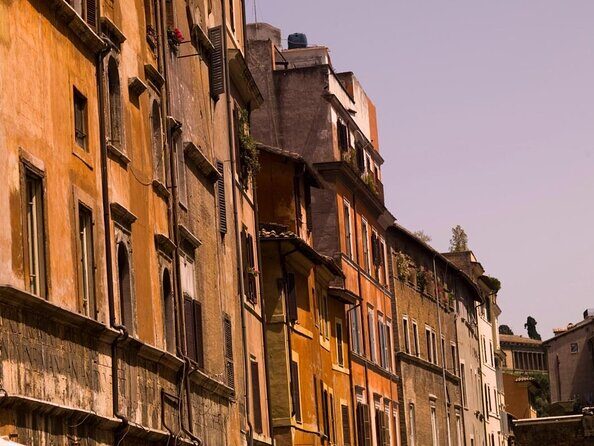
You’ll see the remains of structures dating back to the 1st century B.C., standing in the middle of a modern neighborhood. This juxtaposition—ancient ruins integrated into contemporary life—is quintessentially Roman. The 30-minute stop here lets you absorb both the historical significance and the reality that Rome’s layers of history aren’t confined to museums.
You can also read our reviews of more tours and experiences in Rome

Area Sacra di Largo Argentina: Julius Caesar and Gelato
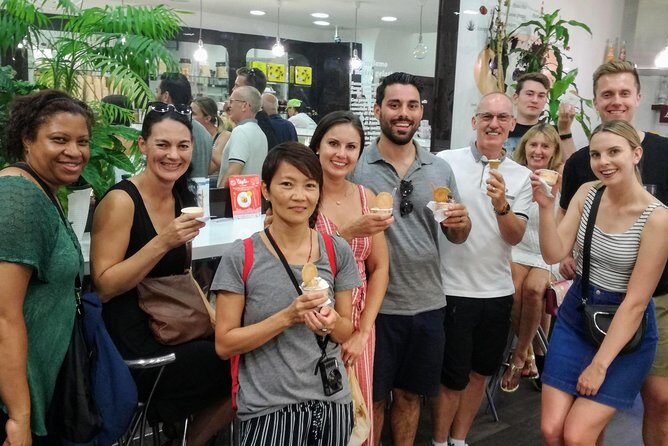
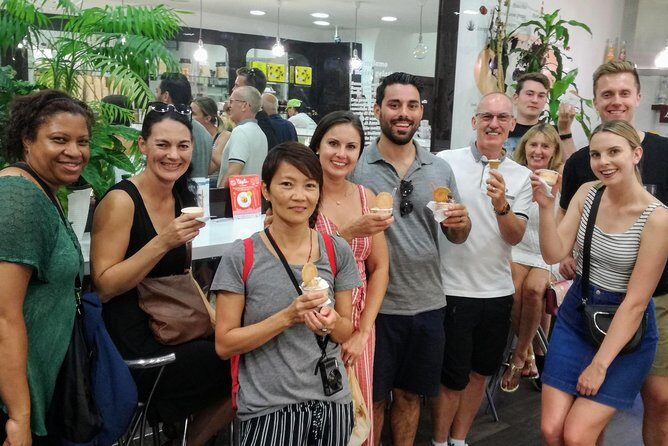
The tour concludes at the spot where Julius Caesar was assassinated in 44 B.C. Rather than ending on a somber note, you’ll visit a family-run gelateria to taste what reviewers consistently describe as “artisanal gelato” and “some of the city’s best gelato.” The owner often explains gelato-making techniques, giving you insight into how this beloved Roman treat is actually prepared.
One reviewer captured the appeal perfectly: “This was the first thing I did when I arrived to Rome and I’m so glad I did! I learnt so much about Roman food and history. Francesca was really friendly and passionate about her culture.”
The Food: What You’ll Actually Taste
Rather than focusing on fancy cuisine, this tour introduces you to what Romans actually eat as quick meals and snacks. The specific foods vary seasonally, but based on consistent reviewer mentions, you can expect items like:
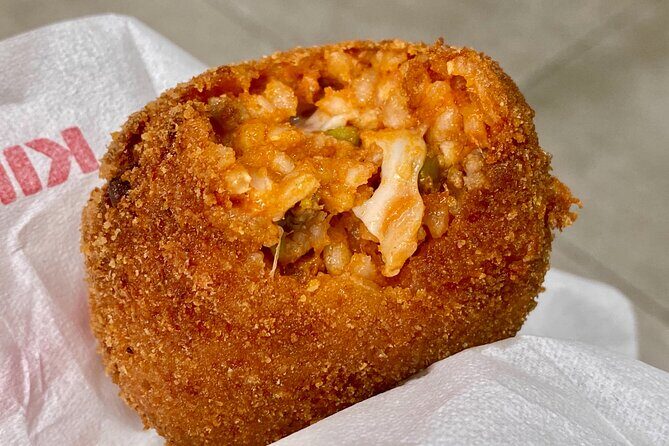
Suppli (pronounced “soo-PREE”): These are fried rice balls with tomato sauce and melted mozzarella at the center. Multiple reviewers mentioned this as a revelation—it’s the kind of food you won’t find in most restaurants but is essential to understanding Roman street food culture. One traveler noted, “I tried some things I would not have eaten otherwise, such as the supli. Glad I did it!”
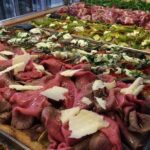
Pizza: Not the elaborate pizzas you might find in sit-down restaurants, but the simple, quality pizza that Romans grab for lunch. The focus is on understanding how good pizza should taste and recognizing quality when you see it.
Seasonal produce: Depending on when you visit, you might taste fresh artichokes, local fruits, or other seasonal items from the market.
Cured meats and cheese: These provide context for Roman food traditions and pair well with the wines included in the tour.
Beverages: The tour includes tastings of local wine and beer. These aren’t elaborate wine-education sessions, but rather casual introductions to what Romans drink with their meals.
Gelato: The tour concludes with artisanal gelato, which serves both as a satisfying end to the experience and as an educational moment about how this iconic Roman treat is made.
Reviewers consistently noted that portions are intentionally small—you’re tasting, not having a full meal. One traveler put it well: “Quick small bites but were enough to get a quick taste.” Another simply advised, “Don’t eat before you go!”
The Guides: What Sets This Tour Apart
Perhaps the most consistent praise across reviews focuses on the guides themselves. This matters more than you might expect. A guide transforms a food tour from a series of snack stops into a genuine education about a city.
The guides working these tours are consistently described as “very knowledgeable,” “passionate about their city,” and “friendly.” One reviewer who had visited Rome multiple times before noted, “He shared many details about local culture, history, architecture and cuisine” and called the guide “very professional and personable.” Another mentioned that the guide provided practical travel tips: “He also provided us recommendations for places to eat and gave us all the tips on how to travel smart in the trains.”
What’s notable is that guides appear to go beyond their scripted roles. When faced with dietary restrictions they couldn’t accommodate, guides found workarounds to ensure participants still had food to eat. This flexibility and genuine care for the experience sets this tour apart from more corporate operations.
Practical Considerations
Timing and Group Size
The tour lasts approximately 2 hours and 30 minutes—long enough to feel substantive but short enough to maintain energy and focus. Groups are capped at 15 people, which keeps the experience intimate. You’re not herded through like a large tour group; instead, you can actually interact with your guide and fellow travelers.
The tour is offered at both lunch and dinner times. Morning tours (when the market is operating) offer the advantage of seeing Campo de’ Fiori at its most authentic. Evening tours work well if you’re arriving in Rome later in the day or prefer a lighter dinner experience.
Weather and What to Wear
The tour operates in any weather, which means you should come prepared. One traveler wisely noted, “There is a lot of outside time so if weather is chilly or rainy plan accordingly.” Rome in summer can be quite hot, and you’ll be walking at a moderate pace through neighborhoods. Comfortable walking shoes are essential.
Transportation and Meeting Points
You’ll meet at Piazza Campo de’ Fiori and end at Piazza di S. Eustachio. Both locations are well-served by public transportation, and the tour itself is entirely walking-based—no bus transfers or complicated logistics. The route is designed to be walkable at a leisurely pace that allows you to stop frequently for tastings and historical explanations.
Booking and Cancellation
The tour is bookable online with mobile tickets, and you can cancel up to 24 hours in advance for a full refund. On average, people book this tour 44 days in advance, suggesting it’s popular enough that you should book ahead during peak season, but not so specialized that you need to plan months out.
Dietary Considerations and Limitations
Here’s where you need to be realistic about what this tour can and cannot accommodate. The tour can accommodate vegetarians if you advise the operator in advance. However, it does not accommodate vegans, gluten-free, or dairy-free diets. If you have a nut allergy, be aware of the risk of cross-contamination in shared food preparation areas.
That said, one traveler with celiac disease had a positive experience: the guide proactively found gluten-free options where possible, even though the tour couldn’t fully accommodate the restriction. This suggests the guides are willing to help within reasonable limits, even if the tour itself isn’t designed for all dietary needs.
The Value Proposition
At $54.42 per person for 2.5 hours including multiple food tastings, local wine and beer, and expert guidance from someone who genuinely knows their subject, the pricing is competitive. For comparison, a single meal at a decent Roman restaurant could easily cost $20-30 per person, and you wouldn’t get the historical context or the variety of experiences.
Reviewers consistently mention “great value” and “amazing value.” One family with teenagers noted, “Perfect amount of food and history even for two teenagers!! Amazing value.” Another simply said, “Good value and interesting tour with Ramona.”
What you’re really paying for is access to local knowledge and curated experiences. The guides know which vendors to visit, what to order, and how to navigate neighborhoods in ways that maximize your understanding. That kind of insider perspective is genuinely valuable and difficult to replicate on your own.
Who This Tour Is Best For
This experience works particularly well for several types of travelers:
First-time visitors to Rome who want to understand the city beyond major monuments. Multiple reviewers mentioned doing this tour as their first activity in Rome, and they consistently noted it provided excellent orientation and context.
Food-focused travelers who want to understand local eating culture rather than just visit famous restaurants. This tour shows you how Romans actually eat, not how travelers are expected to eat.
History enthusiasts who appreciate how food culture connects to broader historical narratives. The guide weaves together food, architecture, and historical events in ways that create genuine understanding.
Travelers with limited time who want to combine sightseeing with eating and learning. The tour efficiently covers several historically significant areas while introducing you to actual Roman food.
Groups and families looking for a shared experience that works across different interests. You’ll meet other travelers, share the experience, and have a natural conversation starter about what you’ve learned.
What the Reviews Tell Us
With 2,361 reviews and a 4.8 rating (with 89% of reviews being 5-star), this tour has demonstrated consistent quality across many different guides and many different visitors. That level of consistency suggests the company has figured out how to maintain standards.
The reviews are particularly telling in what they emphasize. Rather than focusing narrowly on food, travelers consistently mention learning about history, enjoying the guides’ personalities, and appreciating the value. One reviewer summed it up: “A great morning, a wonderful way to get in a little history with plenty of recommendations along the way!”
The only genuinely negative review we found mentioned getting sick after the tour, which the reviewer herself acknowledged might have been related to the hot weather rather than the food quality. Even then, she praised the guide as “good and very knowledgeable.”
Frequently Asked Questions
Q: What time should I book—morning or evening?
A: Morning tours are preferable if your schedule allows, because you’ll see Campo de’ Fiori functioning as an active market. Evening tours still work well, but the market stalls will be closed, so that portion of the experience is different. Choose based on your schedule, but know that mornings offer additional authenticity.
Q: Is this tour suitable for vegetarians?
A: Yes, the tour can accommodate vegetarians if you advise the operator at the time of booking. However, the tour cannot accommodate vegans, gluten-free, or dairy-free diets. If you have specific dietary needs beyond vegetarian, contact the operator before booking to discuss options.
Q: How much walking is involved?
A: The tour involves substantial walking and standing over 2.5 hours. You’ll cover several Rome neighborhoods at a moderate pace with frequent stops. If you have mobility limitations or tire easily, this may not be suitable. Plan for comfortable walking shoes and weather-appropriate clothing.
Q: Will I actually feel full after this tour, or is it just samples?
A: The tour provides small tastings rather than full meals. However, reviewers consistently note that the quantity is appropriate—enough to genuinely taste various foods and understand flavors, without being so heavy that you can’t enjoy the experience. Most people don’t need dinner afterward, but it’s not a full meal replacement.
Q: How large are the groups?
A: Groups are capped at 15 people maximum. This keeps the experience intimate enough that you can interact with your guide and fellow travelers without feeling like you’re part of a large tour group.
Q: Can I book this tour last-minute, or do I need to plan ahead?
A: While the tour is booked on average 44 days in advance, you can often find availability with less notice. However, during peak season (May-September), booking further ahead increases your chances of getting your preferred time. You can cancel up to 24 hours before for a full refund if your plans change.
Q: What if the weather is bad?
A: The tour operates rain or shine. You should come prepared with appropriate weather clothing. One reviewer specifically noted the importance of dressing for weather, as there’s substantial outdoor time.
Q: Will the guide give me restaurant recommendations for other meals?
A: Yes, based on multiple reviews, the guides provide recommendations for places to eat beyond the tour. They also share broader travel tips about navigating Rome. The guides seem genuinely interested in helping you have a good experience beyond just the tour itself.
Q: Is there a minimum number of people required for the tour to run?
A: Yes, there is a minimum group size. If the tour is canceled because the minimum isn’t met, you’ll be offered an alternative date, a different experience, or a full refund.
Rome Street Food Tour with Local Guide
Final Verdict
This tour represents genuine value for travelers who want to understand Rome beyond its famous monuments. You’ll eat well, learn meaningfully from guides who actually care about sharing their city, and develop a real sense of how Romans live and eat. It’s not fancy or elaborate—it’s authentic, practical, and consistently excellent. Whether you’re visiting Rome for the first time or returning after years away, spending 2.5 hours and $54 on this experience is among the smartest uses of your Rome time. The combination of food, history, and genuine local perspective makes it worth booking well before your trip.