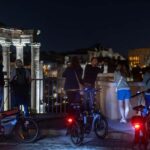
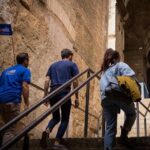
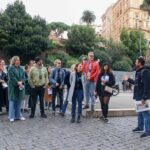
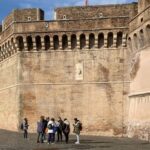
We’re reviewing a Rome city-center highlights tour by TopBike Rental & Tours, run with a quality Cannondale e-bike and a local guide. In just 4 hours, you cover about 14 km (8.5 miles) and stitch together big-name sights with quieter corners, using mostly back-street riding.
What I really like is how the stops are built for real flow. You get the Colosseum and Roman Forum energy, then you jump to places like the Pantheon and Piazza Navona without wasting time stuck in the usual crush. And the guide quality gets serious praise in the reviews—people named Zac, Oscar, Fabio, Megan, Bita, and Chris specifically for being both knowledgeable and safety-focused.
One consideration: this is a bike tour in a busy, historic city. If you’re not comfortable riding in crowded streets or you expect a slow, wandering walking-tour pace, you may want a more flexible tour type instead.
- Key Points You’ll Care About
- Cannondale E-Bike Rome: Why This Format Works
- Getting Started at Via Labicana 49 (What to Expect)
- The Ride Style: Safety, Pace, and Staying Together
- Stop 1: Colosseum Area
- Stop 2: Roman Forum and Forum Views
- Trevi Fountain: The Famous Stop Without the Chaos (Hopefully)
- Spanish Steps and Piazza del Popolo: Classic Landmarks Plus Back-Street Energy
- Villa Borghese and the Pincio Terrace View
- Piazza Navona: Stadium-Era Rome at Street Level
- Pantheon: The Icon Stop That Also Teaches You How to See
- Jewish Ghetto and Portico di Ottavia
- Theatre of Marcellus: A Different Kind of Roman Presence
- Imperial Fora and Final Forum Panoramas
- The Route Logic: Back Streets, Fewer Bottlenecks
- Guides People Actually Rave About (And Why)
- Equipment and Comfort: The Small Things That Matter
- Who This Tour Suits Best
- Price and Value: Is Reasonable?
- Timing Tips: When to Go for a Better Day
- Things That Can Change
- The Bottom Line: Should You Book This E-Bike Highlights Tour?
- FAQ
- How long is the Rome Top Highlights & Hidden Gems Tour?
- How much does the tour cost?
- Where do I meet the guide and start the tour?
- What sights are included?
- How far do we ride?
- Is a helmet required?
- How big is the group?
- What’s the cancellation policy?
- More Cycling Tours in Rome
- More Tours in Rome
- More Tour Reviews in Rome
Key Points You’ll Care About
 1 / 8
1 / 8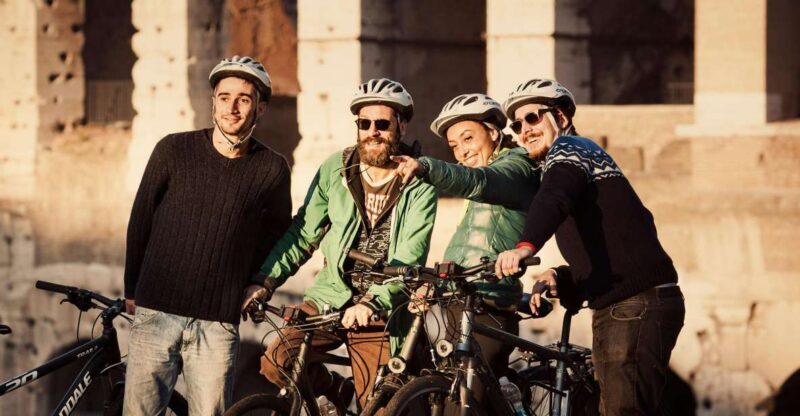 2 / 8
2 / 8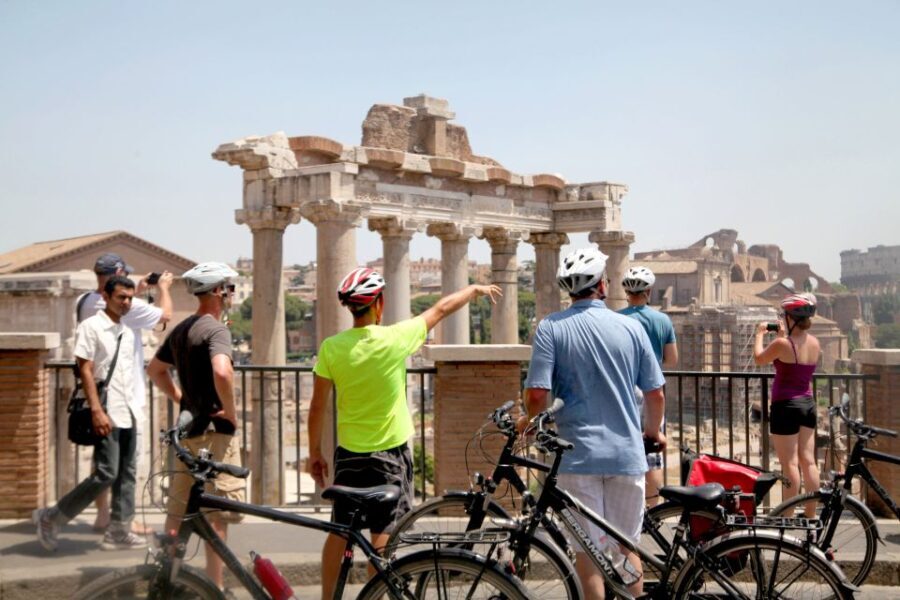 3 / 8
3 / 8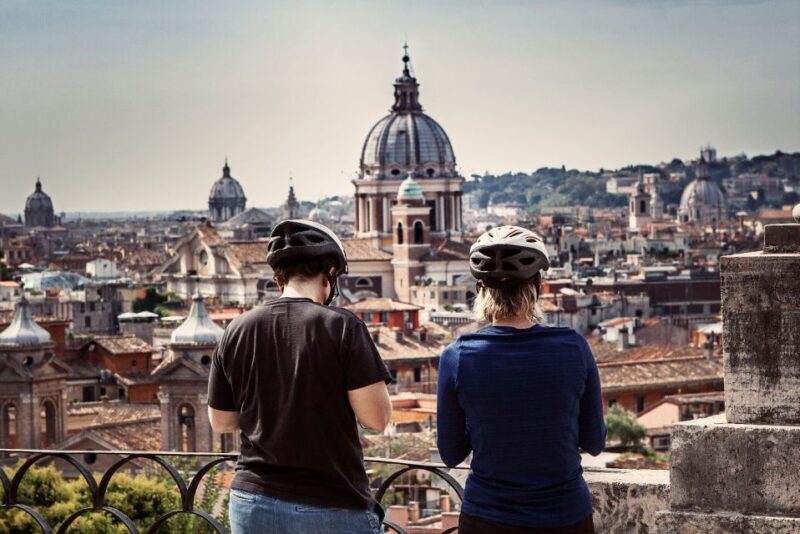 4 / 8
4 / 8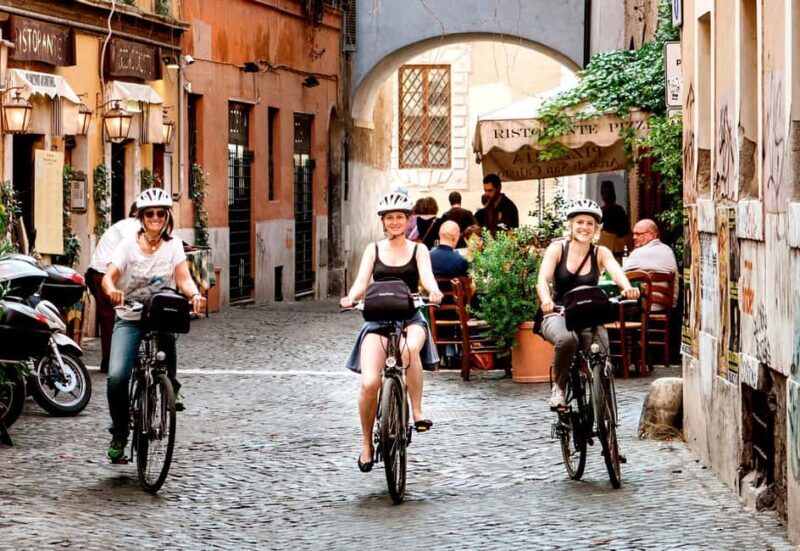 5 / 8
5 / 8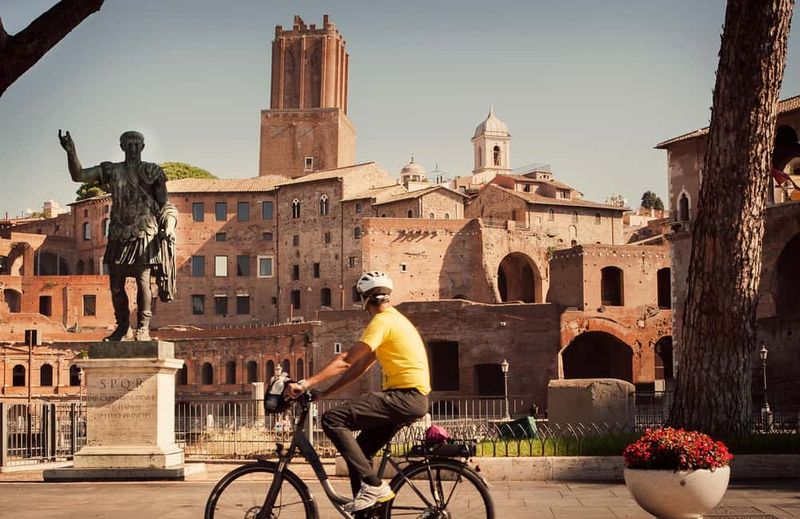 6 / 8
6 / 8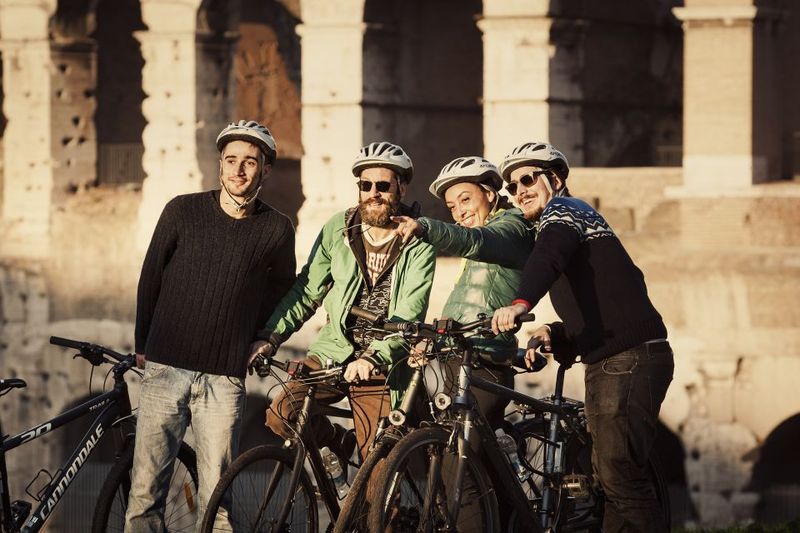 7 / 8
7 / 8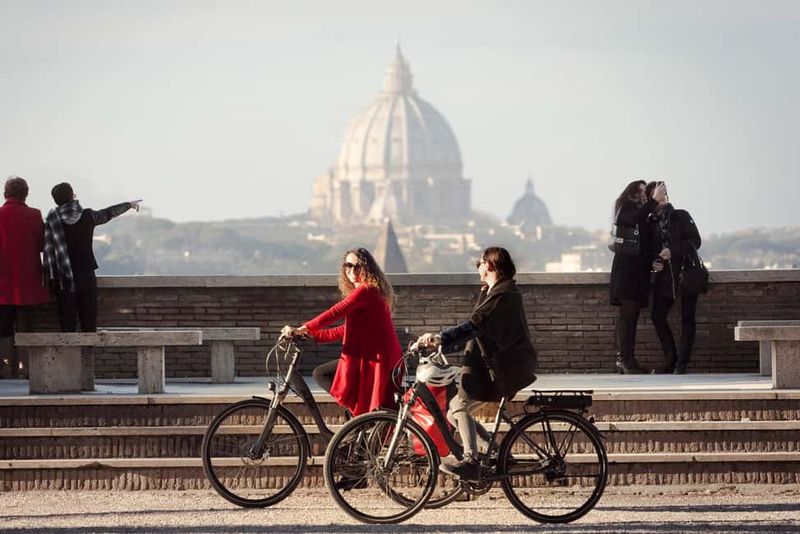 8 / 8
8 / 8- Cannondale e-bikes with anti-puncture tires make hills and long transfers feel manageable
- Small groups (up to 10) mean you can actually stay together and ask questions
- Helmet mandatory and the guide leads you through tight lanes with safety in mind
- Big sights plus “in-between” Rome, including viewpoints around Villa Borghese and terrace areas
- Value at $85 because you’re getting gear, a guide, and a lot of ground in 4 hours
- Free cancellation up to 24 hours and reserve now, pay later options keep planning easier
Cannondale E-Bike Rome: Why This Format Works
Rome by car feels chaotic. Rome by foot can be exhausting. By bike—done well—you get a smart middle ground. This tour is set up for city-center sightseeing with an e-bike so you can keep your energy for photos, stories, and the actual atmosphere.
The e-bike matters here because your route totals about 14 km. That’s enough distance that a regular bike could feel like a chore. With pedal assist, the ride stays “leisure” for most people, even if you’re navigating small elevation changes and stop-and-go street moments.
And because it’s a small group, you’re not fighting crowds at every bend. Reviews mention routes that use less-busy lanes, which helps you move faster and feel safer than hopping between landmarks on your own.
You can also read our reviews of more cycling tours in Rome
Getting Started at Via Labicana 49 (What to Expect)
You meet at Via Labicana, 49, a short walk from the Colosseum area. Plan to arrive a few minutes early so you can get fitted without stress. Helmets are mandatory, and the bikes come with practical add-ons like a handlebar bag.
A nice detail: you’re also provided a biodegradable bottle of water. In Rome, that’s not a luxury; it’s a survival tool. One review also mentioned rain ponchos being provided when the forecast looked questionable, which is a good sign of how seriously the team prepares for real-world weather.
The Ride Style: Safety, Pace, and Staying Together
This is where the tour earns its high scores. People repeatedly mention guides who are attentive, funny, and careful about group control. There’s a reason: Rome traffic and street layouts are not the place to freestyle.
You’ll move through a lot of “stop and look” moments, but the guide is responsible for timing the ride so you’re not constantly sprinting to catch up. One review noted a guide balancing storytelling length so the stops didn’t turn into lectures that drag. Another mentioned the guide stopping in shaded spots when it was hot—again, that’s practical leadership, not just good storytelling.
Also, a small tip from a guest: one reviewer advised paying attention to brake instructions (they specifically said not to use the left brake). The point for you: follow the guide’s bike guidance at the start and you’ll be set.
Stop 1: Colosseum Area
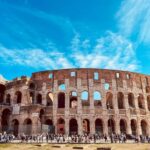
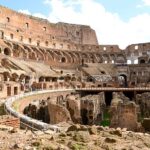
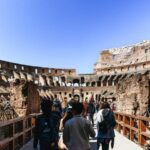
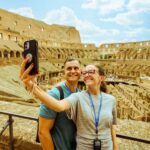
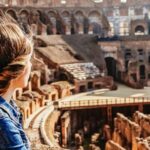
The tour includes a Colosseum stop right after you start. Even if you’ve seen photos before, being in the area changes everything. You get the scale and the dramatic geometry without losing time on long lines, and you can take photos at a point in the route that still feels relaxed.
What’s especially good about starting here is mental alignment. Once you’re oriented to the Colosseum zone, the next stops make more sense: you’re moving through the same world of Roman power, but in a more connected way than if you hop across town solo.
More Great Tours NearbyStop 2: Roman Forum and Forum Views
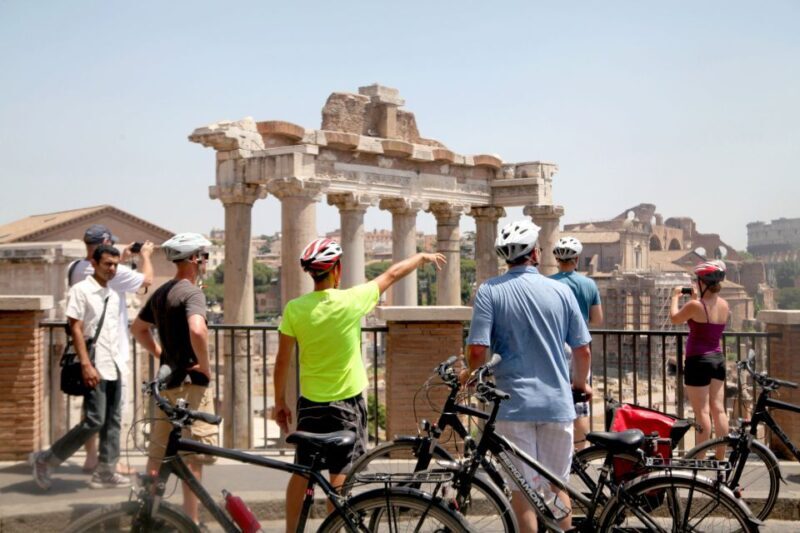
After the Colosseum, you head to the Roman Forum for sightseeing. This is the kind of place that can feel overwhelming on your own. On a bike tour, a guide can point out what matters: sight lines, key structures, and the story behind what you’re seeing.
The tour also includes a panoramic view of the Roman Forum. That matters because some of the best understanding of the Forum comes from stepping back and seeing how the spaces connect. If you only visit from one angle, you can miss the way the whole area fits together.
Potential drawback: this stop is a “see and understand” moment, not a deep museum-style visit. If you want long time inside ticketed areas, you’d treat this as your orientation and come back later.
You can also read our reviews of more tours and experiences in Rome
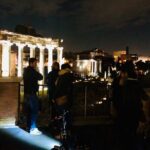
Trevi Fountain: The Famous Stop Without the Chaos (Hopefully)
Then comes Trevi Fountain. It’s one of those sights where crowds are basically part of the package, but guided timing and bike routing can make the difference between frustration and manageable sightseeing.
Since the tour is only 4 hours, the goal is to give you the fountain experience plus context. You’ll get chances for photos and a walkthrough of what you’re looking at, without turning your afternoon into a bottleneck line marathon.
Tip: if you’re very particular about photos, arrive ready with patience. This is a high-demand location in a tight time window.
Spanish Steps and Piazza del Popolo: Classic Landmarks Plus Back-Street Energy
Next up: Spanish Steps, then Piazza del Popolo. These are the Rome “greatest hits” stops, and the value here is the connection. Instead of hopping by taxi or waiting for transit, you’re staying in motion with the guide steering you between sightseeing pockets.
One theme people mention in reviews is the zipping through small lanes and squares that you might miss if you only do major bus-style stops. That’s the sweet spot of this tour: you still get the icons, but you’re not limited to them.
For Piazza del Popolo, expect a lively urban square feel. It’s also a great transition point before you move toward the viewpoints.
Villa Borghese and the Pincio Terrace View
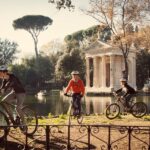
A highlight is the Park of Villa Borghese and the viewpoint over Rome from the Pincio terrace. This is the moment that helps the whole trip click. From elevated overlooks, Rome’s layout becomes visible in a way that street-level photos just can’t capture.
It’s also a smart break in the itinerary rhythm. After dense landmark zones, a viewpoint stop gives your legs and brain a reset. If you care about getting the “I get it now” Rome understanding, this is the part that often delivers.
Piazza Navona: Stadium-Era Rome at Street Level
Next, you’ll reach Piazza Navona, famous for being connected to the former Stadium of Domitian. This is one of the tour’s best ideas: you see a lively square in the present, while the guide connects it to what was there before.
Why this works on an e-bike tour: you’re not stopping only at monuments. You’re stopping in living spaces where people hang out. That’s where Rome feels most like Rome.
Pantheon: The Icon Stop That Also Teaches You How to See
The itinerary includes Pantheon, Rome for sightseeing. The Pantheon is one of those places where the details matter, and it’s easy to miss them if you only glance and move on.
With a guide, you’ll likely understand what makes the building special and why people still react when they stand there. This is also the kind of stop where, if you want longer time, you can use what you learned here as your return-plan for later.
Jewish Ghetto and Portico di Ottavia
Then you’ll ride through the Jewish Ghetto area and the Portico di Ottavia zone. This is one of the “hidden gems” style elements of the tour—less about the single most obvious postcard view, more about the feel of Rome in specific neighborhoods.
What you get from having a guide here is direction. Without one, these areas can be interesting but confusing. With one, you understand the landmarks and why the streets matter.
Theatre of Marcellus: A Different Kind of Roman Presence
The tour includes the Theatre of Marcellus stop. It’s not as over-photographed as some other sites, which makes it feel more “real” when you’re there. A guide can also help you connect it to the larger Roman story you’ve been building since the Colosseum.
On a bike route, you also get a sense of how these sites sit inside the modern city, not floating off on a separate island of ruins.
Imperial Fora and Final Forum Panoramas
The last major cluster is the Imperial Fora, plus a panoramic return toward Forum views. This is the closing act for your Roman power tour arc.
Why it’s a good finish: by the time you reach the Imperial areas, you’ve already learned how the Forum zone works. So you’re not starting from zero. You’re stacking understanding, and that makes the ruins feel more like a coherent place and less like scattered stones.
The Route Logic: Back Streets, Fewer Bottlenecks
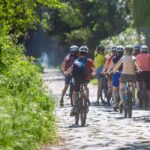
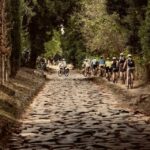
Several reviews mention that the route favors smaller streets and lanes, helping avoid busier roads. You feel the difference fast. The city feels less like a traffic puzzle and more like a guided moving tour through neighborhoods.
Also, since the group is capped at 10 participants, you can ride in a controlled way. That matters on tight corners, near busy intersections, and when you need safe spacing while stopping for photos.
Guides People Actually Rave About (And Why)
This tour is packed with landmarks, but the reviews consistently land on the guides. Guests praise guides for being:
- Knowledgeable and able to explain what you’re seeing
- Funny and engaging, not just reading facts
- Safety conscious, especially in crowded areas
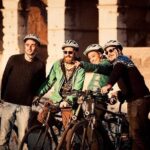
Specific names show up again and again: Zac is described as enthusiastic and knowledgeable. Oscar is praised as attentive and an excellent storyteller. Fabio is called passionate with a strong sense of pacing. Megan gets credit for making sure the group stayed together. Bita is noted for interactive, fun facts.
I’d take that seriously. In Rome, a great guide doesn’t just add facts. They reduce stress, help you avoid dead time, and teach you what’s worth your attention during that short 4-hour window.
Equipment and Comfort: The Small Things That Matter
You’re given a helmet (required) and you ride a Cannondale e-bike with anti-puncture tires. That combination reduces the chance of messy downtime and makes the ride feel more reliable.
You also get a handlebar bag and water. These might sound minor, but for sightseeing they’re practical. It’s one less thing to carry and manage, and you’re not balancing your daypack while trying to enjoy streets on a bike.
Who This Tour Suits Best
This is a strong match if you want:
- A starter Rome overview in a short time
- The big sights plus neighborhood texture
- A less exhausting way to cover distances than walking
Families can be included too, but check the rules. The tour states that infants under 1 year aren’t allowed. Children 1–4 travel free with a child seat, and ages 5–8 get a tag-along extension. Kids 9+ can ride independently on an appropriately sized e-bike.
It’s not suitable for people who can’t ride a bike at all, or who are easily overwhelmed by busy streets. And if you want a slow, deep-dive into one site at a time, you’ll likely feel rushed.
Price and Value: Is $85 Reasonable?
At $85 per person for 4 hours, this is positioned as a value-forward city introduction. What you’re paying for isn’t just access to landmarks. You’re paying for:
- A local guide who manages pacing and connections between stops
- A quality e-bike (not a toy) with anti-puncture tires
- Helmet + water + bike accessories included
- A small group size, limited to 10 participants
Is it the cheapest way to see Rome? Probably not. But for many travelers, it becomes the most efficient. You’re covering roughly 8.5 miles across major sites while staying guided and controlled in a city that can feel chaotic.
Also, with free cancellation up to 24 hours, you can book without locking yourself into a bad weather decision.
Timing Tips: When to Go for a Better Day
Your comfort will depend on heat and crowds. One guest specifically mentioned doing the tour in the cooler afternoon window (4pm). That’s a smart strategy because you’re still riding, and Rome’s summer sun can wear people down fast.
If you’re booking at a time when the streets feel extra packed, know that your guide will manage group movement, but you should still expect busy moments near the biggest attractions.
Things That Can Change
The operator notes that official/public celebrations or happenings in central Rome can cause substitutions for one or more listed highlights. That’s normal city reality, and it’s part of why the guide’s flexibility is important.
Minimum group size also applies: a minimum of 4 participants is required. If it’s not reached, they’ll offer an alternative or a full refund.
The Bottom Line: Should You Book This E-Bike Highlights Tour?
I’d book it if you want a fast, friendly, well-guided overview that mixes Rome’s icons with more “you might miss this” street-level stops. The combination of landmarks, the Cannondale e-bikes, and the repeated praise for guides like Oscar, Zac, Fabio, Megan, and Bita points to a tour that works in real conditions—not just on paper.
Skip it if you’re looking for a slow, single-site visit, or if you’re uncomfortable riding through busy areas. In that case, a private driver/guide or a walking-focused tour might fit better.
Rome: Top Highlights & Hidden Gems Tour by Cannondale E-Bike
FAQ
How long is the Rome Top Highlights & Hidden Gems Tour?
The tour lasts 4 hours.
How much does the tour cost?
The price is $85 per person.
Where do I meet the guide and start the tour?
You meet at Via Labicana, 49 (a few minutes’ walk from the Colosseum).
What sights are included?
The tour includes stops such as the Colosseum, Roman Forum, Trevi Fountain, Spanish Steps, Piazza Navona, Pantheon, Jewish ghetto and Portico di Ottavia, Theatre of Marcellus, and Imperial Fora, plus viewpoint stops around the city.
How far do we ride?
You cover about 14 kilometres (8.5 miles).
Is a helmet required?
Yes. Wearing a helmet is mandatory for the tour.
How big is the group?
The tour is a small group limited to 10 participants.
What’s the cancellation policy?
There is free cancellation up to 24 hours in advance for a full refund.
You can check availability for your dates here: