When you’re planning a trip to Berlin, certain experiences demand to be on your itinerary—not because they’re fun or entertaining, but because they’re profoundly important. The Sachsenhausen Concentration Camp Bus Tour represents exactly this kind of meaningful journey. We’ve analyzed hundreds of traveler accounts and tour details to understand what makes this excursion one of the most consistently praised historical experiences available from Berlin, and what you should realistically expect when you decide to go.
What stands out most about this tour is the expertise of the guides combined with the logistical convenience of organized transport. You’re not navigating public transit on your own or trying to figure out a complicated train schedule—instead, you’re picked up in downtown Berlin and guided through one of history’s most difficult sites by someone trained specifically by the memorial authority itself. The guides aren’t just knowledgeable; they’re emotionally intelligent about delivering this heavy subject matter with appropriate gravity and respect.
The main consideration worth understanding upfront is that this is a focused, express-style tour rather than an exhaustive deep dive. You’ll see the major sites and hear the critical context, but you won’t have unlimited time to read every individual story posted throughout the memorial. Some travelers wish they could spend more time with the personal narratives, though most find the four-hour timeframe sufficient for a meaningful visit.
This tour works best for history enthusiasts, anyone seeking to understand the broader context of Nazi Germany, and travelers who appreciate having expert guidance through difficult subject matter. It’s also ideal for people who prefer organized transport over navigating public transportation independently.
- What You’re Actually Visiting: Sachsenhausen’s Significance
- How the Tour Actually Works
- The Guides Make All the Difference
- Breaking Down the 4-Hour Experience
- What’s Included and What Isn’t
- Practical Considerations and Honest Limitations
- What Travelers Actually Say
- Why This Tour Matters Beyond Entertainment
- Who Should Book This Tour
- Practical Logistics Before You Go
- Final Thoughts
- Frequently Asked Questions
- The Best Of Berlin!
- More Tours in Berlin
- More Tour Reviews in Berlin
What You’re Actually Visiting: Sachsenhausen’s Significance
 1 / 9
1 / 9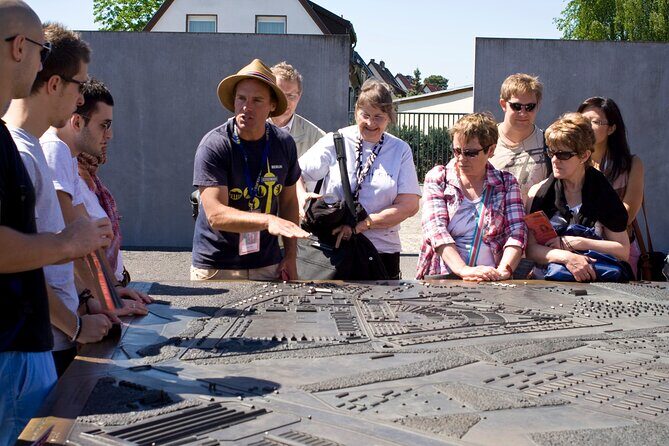 2 / 9
2 / 9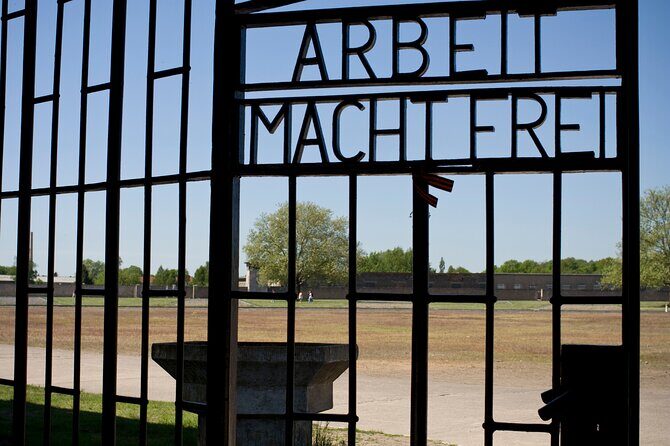 3 / 9
3 / 9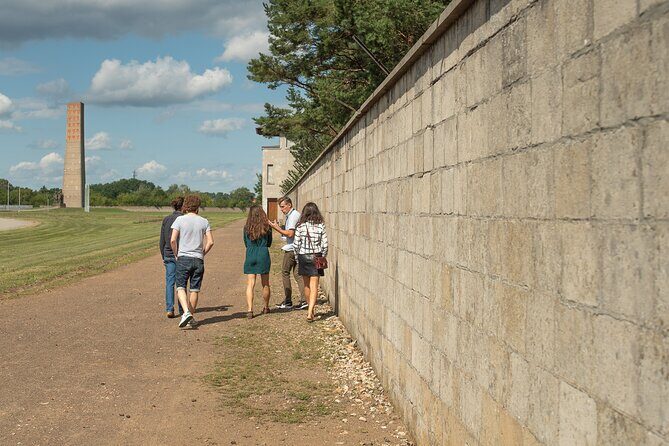 4 / 9
4 / 9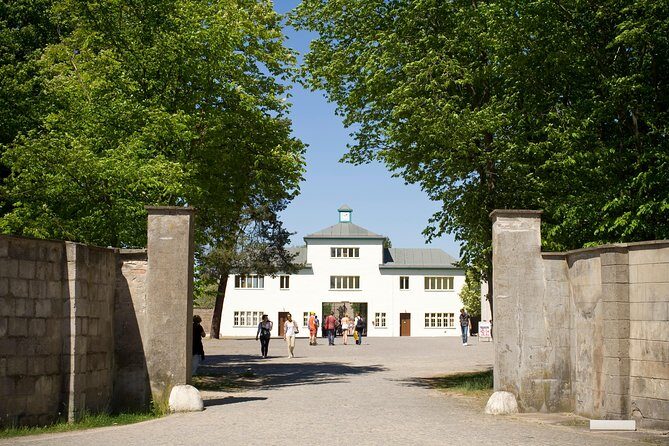 5 / 9
5 / 9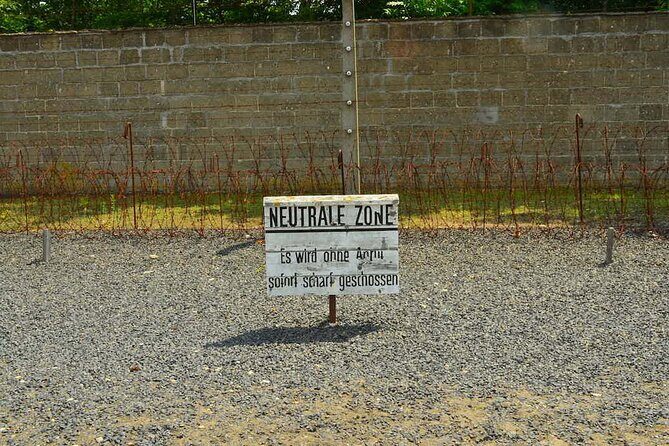 6 / 9
6 / 9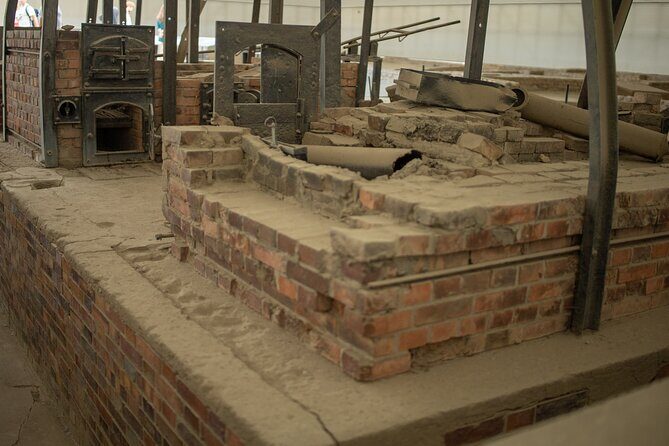 7 / 9
7 / 9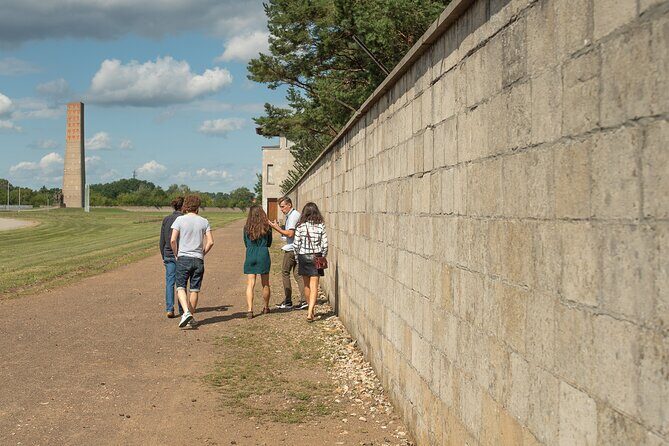 8 / 9
8 / 9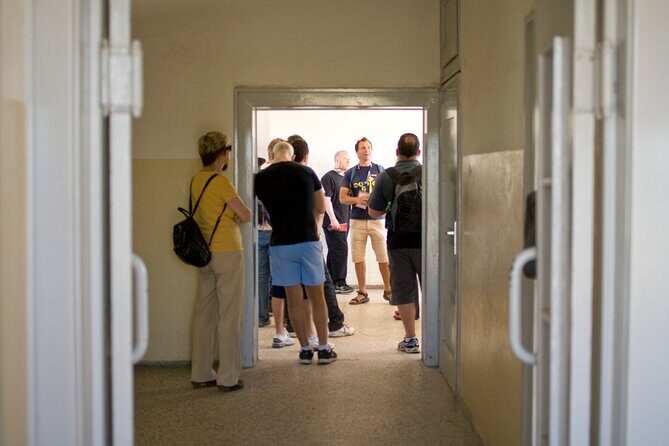 9 / 9
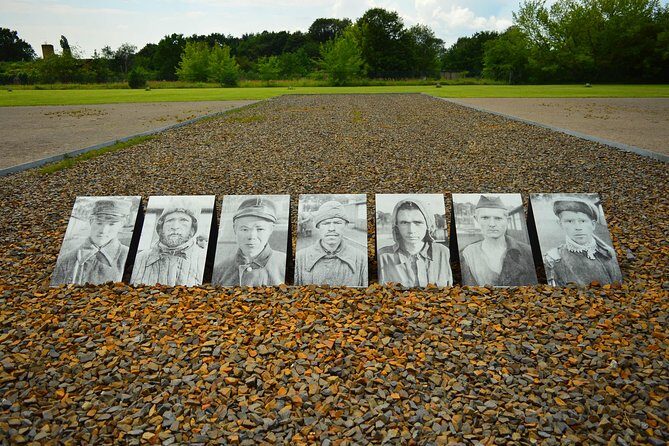
9 / 9Sachsenhausen wasn’t just any concentration camp—it was Heinrich Himmler’s prototype for the Nazi camp system. Built in 1936 in Oranienburg, just outside Berlin, it served as a model for expansion and refinement of the entire apparatus. During its operation until 1945, approximately 35,000 people died within its walls. But the horror didn’t end with Nazi Germany’s collapse; the Soviets repurposed the site as a special camp, where another 12,500 people died between 1945 and 1950.
This context matters because Sachsenhausen tells a more complete story than many visitors expect. You’re not just learning about Nazi atrocities—you’re understanding how the camp system functioned, how ordinary Germans in the surrounding town related to it, and how the site’s tragic history continued well after liberation. One traveler who had previously visited Auschwitz noted that while Auschwitz demonstrates the scale of what happened, Sachsenhausen gives you a more intimate sense of daily life under Nazi Germany.

👉 See our pick of the We Rank The 9 Best Wine Tours In Berlin
How the Tour Actually Works
Your experience begins at Friedrichstrasse station in downtown Berlin at 10:00 AM. You’ll want to arrive 15 minutes early—not as a suggestion, but as a requirement. This is a professional operation with a schedule to maintain, and they’re clear about this timing from the start. Your guide will be easy to identify, and from there, you’ll board an air-conditioned coach with no more than 28 other people.
The bus ride itself becomes part of the educational experience. Your guide uses this travel time to introduce Sachsenhausen’s history and explain what you’re about to see. One reviewer mentioned that their guide Ariel was “a wealth of information on Nazi history” and maintained “very good pace, especially in the cold.” The guides seem genuinely skilled at the balance between providing context and not overwhelming you before you’ve even arrived.
Once at the memorial, you’ll walk through the actual camp grounds with your guide. You’ll visit the commandant’s house, stand at the gate where the infamous words “ARBEIT MACHT FREI” (Work Makes Free) remain visible, and explore the interior of the camp where the barracks, infirmary, and other structures tell the story of what happened here. The walking is moderate but consistent—one traveler noted “there is a lot of walking but not too much,” which is honest feedback about the physical demands.
The return journey to Berlin gives you another opportunity to ask questions and get recommendations for other Berlin sites. Several reviewers specifically mentioned that their guides took time during the bus ride back to offer suggestions about restaurants, museums, and other places to visit in the city. This is a thoughtful touch that adds practical value to your day.
You can also read our reviews of more tours and experiences in Berlin.



The Guides Make All the Difference
If there’s one element that consistently appears in nearly every positive review, it’s the quality of the guides. These aren’t just knowledgeable historians reading from scripts—they’re trained professionals who understand the emotional weight of what they’re sharing. One visitor described their guide Hannah as someone who “eased my apprehension” and had “remarkable knowledge and delivery.” Another traveler wrote about experiencing an unexpected emotional moment in Z Block and noted that they later discovered their guide’s personal family connection to the history, which explained “the underlying passion I couldn’t put my finger on.”
This matters because visiting a concentration camp is psychologically demanding. You need a guide who understands that you’re not just absorbing facts; you’re processing the reality of human cruelty on an industrial scale. The reviews consistently show guides like Rebecca, who was praised for presenting “the history with clarity, sensitivity, and respect,” or Irish Paul, who was noted for being “very informative and sensitive in his presentation of this very somber subject material.”
The guides also seem genuinely interested in making sure you leave with a real understanding. One reviewer who had been to Auschwitz mentioned that this guide “covered the in-depth history that Maria covered throughout the tour” in ways the Auschwitz tour hadn’t. They weren’t just moving people through a location; they were teaching.
Breaking Down the 4-Hour Experience
The four-hour timeframe is important to understand realistically. This isn’t a leisurely, self-paced exploration. One honest reviewer who gave three stars noted that while their guide Joshua was “very good and genuine,” the tour is “an express type of tour” where “you will only experience the main points and not have time to be close up with the stories of inmates.” This same reviewer suggested that if you want a more in-depth experience, you could visit independently by train.
However, most travelers feel the pacing works well. You’ll see the essential sites, hear the critical context, and understand the camp’s role in Nazi history and its aftermath. The guide’s expertise helps you understand what you’re seeing in ways that reading plaques independently might not. As one visitor put it, “Plenty of time to see the main things with plenty of explanation.”
If you’re someone who needs to move slowly through memorials and read every individual story, you might genuinely prefer coming on your own. But if you want expert context delivered efficiently by someone trained to help you understand the significance of what you’re seeing, four hours is sufficient.
What’s Included and What Isn’t
For $68.77 per person, you’re getting quite a bit. The price includes round-trip transport in an air-conditioned coach, a licensed guide trained by the memorial authority, the driver’s services, and admission to the Sachsenhausen Memorial. The tour operator also includes a €3 donation per person to the memorial, which goes directly to supporting the site’s preservation and educational work.
What you need to bring is water and snacks. The tour doesn’t include food or drinks, and you won’t have time for a long lunch break. One traveler mentioned bringing supplies to stay comfortable during the visit. There’s no hotel pickup or drop-off, which is worth noting if you’re staying outside central Berlin—you’ll need to make your way to Friedrichstrasse station independently.
The value proposition here is solid. You’re not paying inflated prices for convenience; you’re paying a reasonable amount for expert guidance and logistical simplicity. Compare this to trying to navigate public transportation to Oranienburg, figure out which parts of the memorial to prioritize, and attempt to understand the historical context on your own, and the tour becomes genuinely valuable.
Practical Considerations and Honest Limitations
The tour requires moderate physical fitness. You’ll be walking around the camp grounds for extended periods, and there’s no option for those with significant mobility limitations or walking impairments. This isn’t a tour where you can comfortably use a wheelchair or take frequent sitting breaks—it’s designed for people who can walk for several hours with periodic stops.
Group size maxes out at 28 people, which is reasonable for a historical site visit. It’s large enough to be economical but small enough that you’re not part of a massive crowd losing the guide in a sea of travelers. Most travelers book this tour about 36 days in advance on average, so while it’s popular, it’s not so overbooked that you’ll feel like you’re in a cattle call.
The cancellation policy is straightforward: free cancellation up to 24 hours before the tour. This gives you flexibility if your plans change, though remember that cancellations within 24 hours forfeit your payment entirely.

What Travelers Actually Say
The review numbers tell part of the story—99% of travelers recommend this tour, with nearly 1,900 five-star reviews out of approximately 1,962 total reviews. But the actual written feedback is more illuminating than star ratings. One visitor who was initially hesitant about visiting wrote, “I felt angry at history and how human beings could be capable of committing these awful things but I felt nothing until the end and I really thought I would cry the whole way.”
Another traveler who had been to Auschwitz said, “Although Auschwitz demonstrates what happened on a large scale, Sachsenhausen gives you a feeling of what happened in Nazi Germany. Tour guide was really informative and knowledgeable. 10/10.”
The most honest criticism came from someone who noted that while the guide was excellent, “our trip around the camp, although informative, left no time to read the many individual stories that are scattered throughout the memorial.” They acknowledged the guide did their best within the time constraints but felt that reading the personal narratives would have added something important.
There’s also a lesson in one negative review about logistics. A traveler arrived late and missed the tour, then rated it poorly despite the operator offering them a free spot the next day. The tour operator’s response clarified that they did wait for late arrivals before departing, but once the tour started, they couldn’t delay further. This isn’t really a criticism of the tour itself, but it’s a reminder to take that “arrive 15 minutes early” instruction seriously.
Why This Tour Matters Beyond Entertainment
Unlike many tourist activities, a visit to Sachsenhausen isn’t primarily about entertainment or leisure. It’s about education and bearing witness. As one reviewer wrote, “History needs to be learned from unfortunately, it doesn’t look like we have learned anything!” The tour exists because understanding how ordinary societies can enable extraordinary evil is crucial for informed citizenship.
The guides seem to understand this responsibility. They’re not making light of the subject matter or rushing through it. They’re treating it with the gravity it deserves while still making it comprehensible and meaningful to visitors who may have limited prior knowledge of this specific period.
Many visitors report that the experience stays with them long after the tour ends. One traveler mentioned still processing what they’d seen weeks later and continuing to read more about the history. Another noted that they left with “a deep understanding of the history of the camp and the events leading up to it.” This isn’t a tour you forget quickly.
Who Should Book This Tour
You should book this tour if you’re interested in understanding Nazi Germany’s machinery of oppression, appreciate expert historical guidance, prefer organized transport to navigating public transit, and can handle emotionally heavy subject matter. You should also book it if you want a structured introduction to the site that respects both the history and your time constraints.
You might want to skip it if you need unlimited time to read individual stories at your own pace, have significant mobility limitations, or prefer completely self-guided experiences. You should also skip it if you’re looking for something uplifting or entertaining—this is serious historical education, and it’s intentionally difficult.
The tour averages about 36 days advance booking, so it’s worth planning ahead, though spots do open up. The 10:00 AM start time works well if you’re staying in central Berlin, giving you the rest of the afternoon after returning to explore other sites or rest.
Practical Logistics Before You Go
Make sure you’re at Friedrichstrasse station 15 minutes early—this isn’t a flexible guideline. Bring water and snacks since food isn’t provided. Wear comfortable walking shoes and dress for the weather; one reviewer specifically mentioned that seeing the camp in cold and snow made the experience “even more harrowing,” which speaks to how the physical environment affects what you feel.
The mobile ticket system works smoothly based on traveler feedback. You’ll receive confirmation at the time of booking unless you book within one day of travel, in which case you’ll get confirmation as soon as possible. Everything is handled through the Viator app and email, so make sure you have access to both.
Final Thoughts
This tour represents genuine value for travelers who want expert-guided access to one of history’s most important but difficult sites. The guides are trained, knowledgeable, and emotionally intelligent about delivering heavy historical content. The logistics are handled professionally. The price is reasonable for what you’re getting. The only real limitation is the four-hour timeframe, which some visitors wish was longer, but most find sufficient.
If you’re spending time in Berlin and feel drawn to understanding this crucial period of history, this tour provides an efficient, respectful, and educational way to do so. It’s not entertainment—it’s education that matters. And based on nearly 2,000 reviews from actual travelers, it’s done exceptionally well.
Sachsenhausen Concentration Camp Bus Tour in English from Berlin
Frequently Asked Questions
What time does the tour start, and where do I meet the guide?
The tour departs at 10:00 AM from Friedrichstrasse station in downtown Berlin. You need to arrive 15 minutes early, so plan to be there by 9:45 AM. This isn’t flexible—arriving late means you’ll miss the tour, and the operator won’t be able to hold the departure for you.
Is the entrance fee to Sachsenhausen included in the price?
Yes, admission to Sachsenhausen Memorial is included in the $68.77 per person price. The tour operator also includes a €3 donation per person to the memorial, which supports the site’s preservation and educational programs.
How much walking is involved, and is this tour suitable for people with mobility issues?
You’ll do a moderate to significant amount of walking around the camp grounds over several hours. The tour requires moderate physical fitness and isn’t recommended for individuals with limited mobility or walking impairments. If you have concerns about your ability to walk for extended periods, contact the tour operator before booking.
Can I get a refund if I need to cancel?
Yes, you can cancel for a full refund up to 24 hours before the tour starts. If you cancel within 24 hours of the departure time, your payment is forfeited. Make sure you understand this policy before booking, especially if your plans might change.
What should I bring, and what’s not included?
You should bring water and snacks since food and drinks aren’t provided during the tour. The tour doesn’t include hotel pickup or drop-off, so you’ll need to get to Friedrichstrasse station independently. Wear comfortable walking shoes and dress appropriately for the weather.
How large are the groups, and will I get personalized attention?
Groups are kept to a maximum of 28 people, which allows for meaningful interaction with your guide while still being economical. Based on traveler reviews, guides do take time to answer questions and offer personalized recommendations, especially during the return bus ride to Berlin.