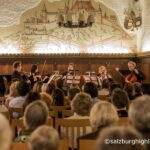
Salzburg without Mozart is like Vienna without coffee—technically possible, but you’re missing the whole point. This concert in the Marble Hall of Mirabell Palace puts you in the exact spot where the young prodigy performed centuries ago, surrounded by baroque elegance and the kind of acoustics that make even casual listeners lean forward in their seats. At around $51 per person for roughly 1 hour 45 minutes of live classical music, you’re getting direct access to one of Europe’s most historically significant concert venues without the tourist trap feeling that plagues much of Salzburg’s musical scene.
What makes this experience genuinely special is the combination of authentic location and serious musicianship. The palace built in 1606 isn’t just a pretty backdrop—it’s the real deal, and the musicians performing here use historical instruments from Mozart’s era, which changes everything about how the music sounds. You’ll notice the difference immediately. The other thing I love is how accessible it feels. Most of the performers seem to genuinely enjoy what they’re doing, and the mixed crowd of classical devotees and curious travelers creates a relaxed rather than stuffy atmosphere.
The main catch is seating logistics. If you opt for the cheaper Category II tickets (open seating), you arrive early to claim your spot, which works fine. But some travelers have reported that those unreserved seats occasionally end up better positioned than the pricier Category I numbered seats, depending on where you land. It’s worth understanding how the system works before you book, so you can make an informed choice about which ticket tier makes sense for you.
- Understanding the Marble Hall’s Legendary Acoustics
- The Concert Program and Musical Selection
- Practical Timing: When to Arrive and What to Expect
- Navigating Seating Categories and Your View
- What’s Included and What Costs Extra
- The Atmosphere: Who Goes and What It Feels Like
- Location and Getting There
- The Value Proposition at Per Person
- Booking and Cancellation Flexibility
- Who This Experience Is Best For
- Should You Book This Concert?
- FAQ
- What if I arrive late to the concert?
- Are the Category I and Category II seats worth the price difference?
- Can I bring my own food and drinks?
- How long is the actual concert, and when does it start?
- Is this experience suitable for children?
- What happens if I need to cancel?
- The Best Of Salzburg!
- More Concerts & Music in Salzburg
- More Tour Reviews in Salzburg
Understanding the Marble Hall’s Legendary Acoustics
 1 / 8
1 / 8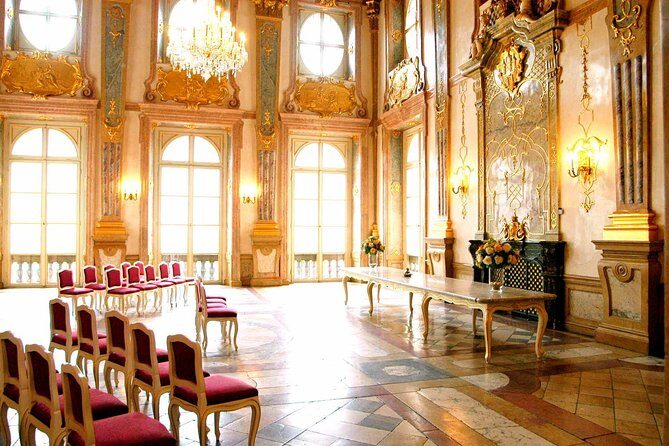 2 / 8
2 / 8 3 / 8
3 / 8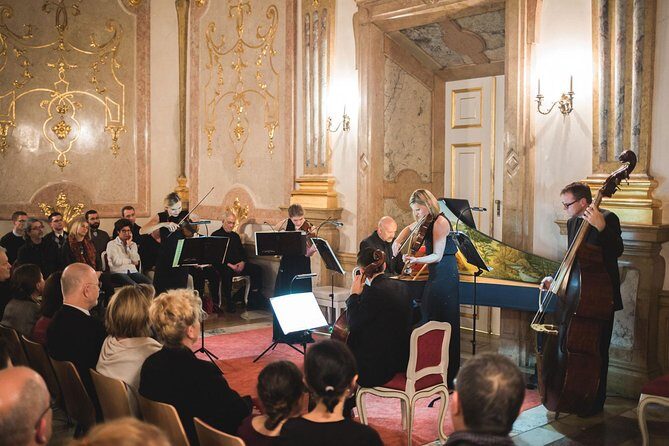 4 / 8
4 / 8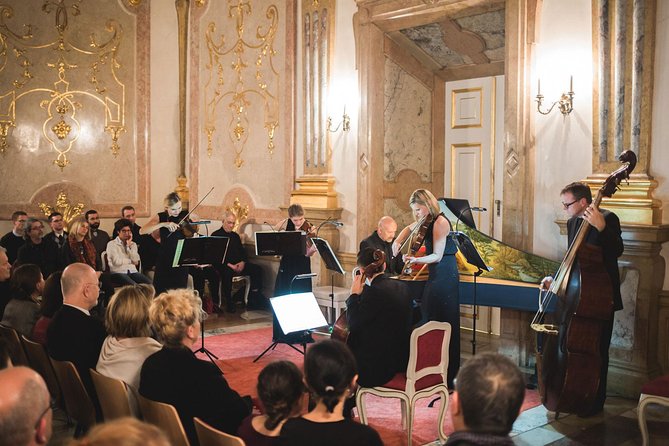 5 / 8
5 / 8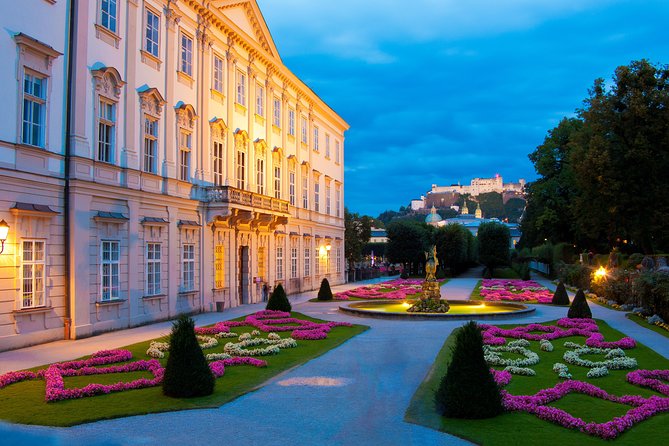 6 / 8
6 / 8 7 / 8
7 / 8 8 / 8
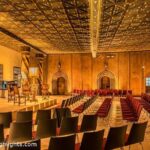
8 / 8The Marble Hall isn’t just a concert venue—it’s an acoustic marvel that’s earned its reputation over four centuries. The moment you step inside, you understand why musicians still choose to perform here. The sound carries perfectly from the stage to the back rows, which means even if you’re not sitting front and center, you’re hearing the music as intended. Visitors consistently mention being shocked by how clearly they could hear everything, even from the cheaper seats in the back.
The hall itself is a visual feast of baroque architecture. High ceilings, ornate details, and that unmistakable 17th-century grandeur create an atmosphere that transports you. You’re not just hearing Mozart—you’re hearing him in the context where his music belongs, which adds an intangible but real dimension to the experience.

👉 See our pick of the Our 9 Favorite Salzburg Workshops & Classes
The Concert Program and Musical Selection
The repertoire centers on Mozart and his contemporaries, with programs that typically include works like the Four Seasons by Vivaldi alongside the composer’s most famous pieces. You’ll get a mix of violin concertos, chamber music, and other selections that showcase different instruments and ensemble combinations. Most performances feature a one intermission (roughly 15-20 minutes), which breaks the evening into two manageable segments of around 45 minutes each.
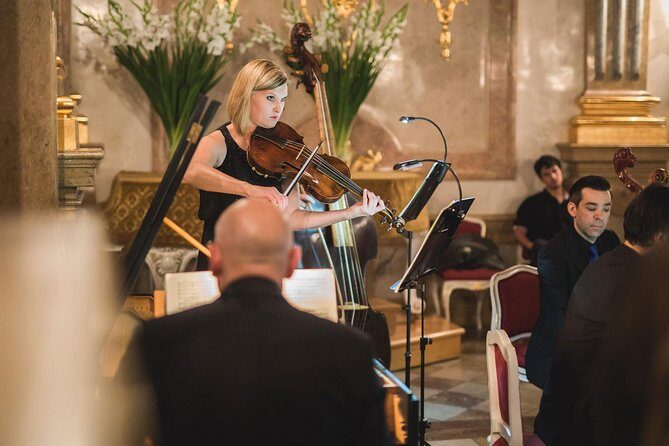
The musicians performing here aren’t local talent doing this as a side gig. These are serious professionals, many of whom specialize in period instruments. Travelers mention being particularly impressed by soloists—a guest cellist, virtuoso violinists, and even a natural French horn player who delivers what some describe as a once-in-a-lifetime listening experience. The ensemble approach means you’re getting variety rather than a single performer for two hours straight.
You can also read our reviews of more tours and experiences in Salzburg


Practical Timing: When to Arrive and What to Expect
The box office opens one hour before the concert starts, and the hall itself opens 30 minutes before. You’ll need to redeem your voucher at the box office on the first floor where the Marble Hall entrance is located. This isn’t complicated, but it does mean you need to build in buffer time, especially if you’re unfamiliar with the palace layout.
Here’s the important bit: concerts start punctually. If you arrive late, you can’t enter until after the first piece finishes, which means a waiting period of roughly 15 minutes. This isn’t them being strict for the sake of it—it’s about not disrupting the performance. Plan to arrive at least 30-45 minutes before showtime, which gives you time to find the box office, get your tickets, grab a drink if you want one, and settle into your seat without rushing.
Navigating Seating Categories and Your View
The Category I tickets get you numbered seats in rows 1-10, which sounds straightforward until you factor in the stage layout and how people are distributed. A few travelers reported that despite paying extra, their view was partially blocked by someone in front of them, or they found that Category II open seating actually worked better strategically. This doesn’t happen to everyone, but it’s worth knowing.
Category II tickets are first-come, first-served. You arrive when the hall opens (30 minutes before the concert), and you pick your seat. If you’re flexible and don’t mind getting there early, this can actually be the smarter move. You can scout the room and choose based on actual sightlines rather than seat numbers on a chart.
What’s Included and What Costs Extra
Your ticket covers the live concert and admission, plus a free cloakroom if you need to check a coat or bag. Refreshments—both alcoholic and non-alcoholic drinks plus small snacks—are available but come at an additional cost. There’s no pressure to buy anything, but having the option is nice if you want something during intermission.
Program booklets are available in German and English if you want context on what you’re hearing, and CDs are sold if you want to take the music home. These aren’t included, but they’re reasonably priced add-ons if you’re interested.
The Atmosphere: Who Goes and What It Feels Like
This isn’t a stuffy, formal affair where you feel out of place if you don’t own a tuxedo. The audience is genuinely mixed—classical music enthusiasts sitting next to people experiencing this kind of concert for the first time. The performers themselves seem to feed off this energy. You’ll notice musicians moving with the music, communicating with facial expressions, and generally performing like they’re enjoying themselves rather than going through motions.
The venue maxes out at 150 people, which keeps it intimate without feeling empty. It’s crowded enough to feel like an event, but not so packed that you’re squeezed in uncomfortably. One traveler did mention the room feeling crowded in the back rows, so if you’re claustrophobic or prefer spacious seating, that’s worth considering.



Location and Getting There
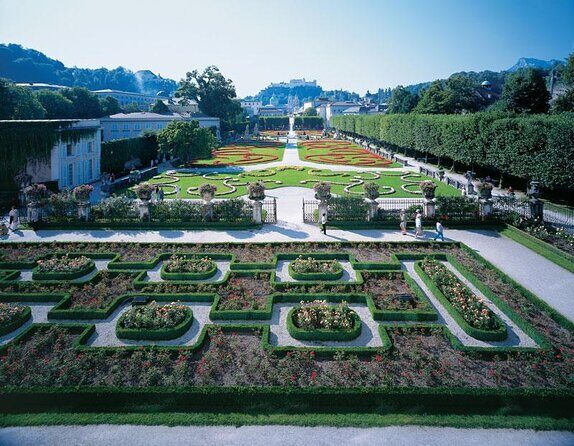
The palace is at Mirabellplatz 4, 5020 Salzburg, which is near public transportation. Salzburg’s compact size means most hotels are within reasonable walking distance or a short tram ride. The palace itself is worth exploring before or after the concert—the baroque gardens are stunning, and you can wander the grounds without paying extra for the concert ticket.
The Value Proposition at $51 Per Person
At roughly $50 per person, this sits in the middle ground of Salzburg’s classical music options. You’re paying more than a basic recorded music experience, but less than a full orchestra concert at the larger Salzburg Festival venues. What you’re getting is a smaller, more intimate setting with serious musicians in a historically significant location. That’s a reasonable trade-off.
The fact that performances are booked an average of 40 days in advance suggests these concerts fill up, so they’re not a hidden gem that nobody knows about. But they’re also not oversold tourist traps. There’s genuine demand from people who know what they’re looking for.
Booking and Cancellation Flexibility
You can cancel up to 24 hours in advance for a full refund, which gives you flexibility if your plans change. The booking process itself is straightforward—you get confirmation immediately, and redeeming your voucher at the box office is simple. Just don’t cut it too close to showtime, because once you’re within 24 hours, you lose your refund option.
Who This Experience Is Best For
This works beautifully if you’re a classical music lover who wants authenticity over spectacle. It’s also surprisingly good for people who aren’t sure if they like classical music—the intimate setting and quality of performance can be genuinely eye-opening. Families with children 6 and older can attend (younger kids aren’t recommended), and it’s accessible for most fitness levels since you’re just sitting in a concert hall.
If you’re in Salzburg for Mozart specifically, this is the most direct way to connect with his world. You’re not watching a dramatized version of his life—you’re hearing his actual music in a place where he actually performed, played by musicians who clearly care about getting it right.
Should You Book This Concert?
Yes, if any of the following applies: you enjoy classical music, you want an authentic Salzburg experience beyond the obvious tourist spots, you appreciate quality over quantity, or you’re curious about Mozart but haven’t found the right entry point. The 4.8-star rating across nearly 500 reviews isn’t inflated—the consistent praise for acoustics, musician quality, and atmosphere is genuine.
The only reasons to skip: if you actively dislike classical music and are only considering it because it’s “what you’re supposed to do” in Salzburg, or if you’re extremely budget-conscious and would rather spend the $50 elsewhere. Otherwise, this is a solid investment in an evening you’ll actually remember rather than just photograph.
Book it at least a few weeks ahead if you can. The 40-day advance booking average suggests these fill up, and you want to give yourself options for timing and seating. And don’t arrive at the last minute—give yourself a full 45 minutes before showtime to settle in and soak up the atmosphere.
Salzburg: Palace Concert at the Marble Hall of Mirabell Palace
FAQ
What if I arrive late to the concert?
If you arrive after the concert has started, you’ll have to wait approximately 15 minutes until after the first piece finishes before being allowed to enter. The concerts start punctually, so plan to arrive at least 30-45 minutes before the scheduled start time.
Are the Category I and Category II seats worth the price difference?
Category I gets you numbered seats in rows 1-10, while Category II is first-come, first-served open seating. Some travelers found that Category II actually worked well since they could scout the room and choose strategically. If you arrive early enough to get a good Category II seat, you might save money without sacrificing the experience. However, if you prefer the security of a guaranteed seat location, Category I is worth it.
Can I bring my own food and drinks?
The concert ticket doesn’t include refreshments, but you can purchase alcoholic and non-alcoholic drinks plus small snacks at the venue during the concert and intermission. There’s no mention of outside food being prohibited, but it’s best to check with the box office when you arrive if you have specific needs.
How long is the actual concert, and when does it start?
The experience is approximately 1 hour 45 minutes total, with one intermission lasting 15-20 minutes. The hall opens 30 minutes before the concert, and the box office opens one hour before. Concerts typically run in the evening—one traveler mentioned an 8-10 p.m. performance time, though specific start times may vary by date.
Is this experience suitable for children?
Children aged 6 and older are admitted, but it’s not recommended for younger children. Given that it’s a classical concert lasting nearly two hours with an intermission, you’ll want to consider whether your child can sit quietly for that duration.
What happens if I need to cancel?
You can cancel up to 24 hours before the concert for a full refund. Any cancellations within 24 hours of the start time will not be refunded, and changes made within that window won’t be accepted. The cut-off times are based on the local Salzburg time zone.