Casa de Pilatos is a quieter, more intimate kind of Seville palace. With this ground floor entry ticket plus an audio guide, you’ll move through grand rooms, courtyards, and gardens built by the Enríquez de Ribera family, and you’ll get the story behind the design mix of Mudejar-Gothic and Renaissance influences.
What I especially like is how much visual payoff you get per ticket: glazed tilework is everywhere, and the sculpture collection leans heavily into Classical antiquity. I also like the practical setup—visitors report clear signs and QR codes that make the self-guided audio route easy to follow.
One consideration: you’re limited to the upper floor not included, so if you want the full palace sweep, you may end up comparing this to an add-on. A few travelers also found the audio guide very detailed or slightly hard to follow at times, so go in with the right expectations.
- Key takeaways before you go
- Where Casa de Pilatos fits on a Seville day
- Price and value: what buys you (and what it doesn’t)
- Timing tips: last entry and the Monday window
- Getting in smoothly: tickets, routes, and what to expect
- The self-guided audio guide: multilingual, but use it your way
- Entering through the Renaissance marble gate
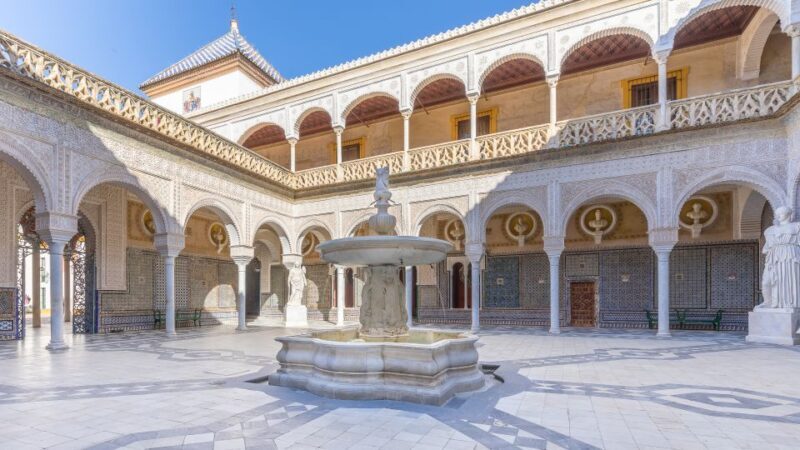
- The Andalusian courtyard: Roman power meets everyday calm
- The 24 Roman emperor busts: the centerpiece you won’t want to rush
- Classical antiquity sculptures: why this collection feels different
- Pallas Pacifera: war ornaments carved in stone
- Chapel of Flagellation: the style crossover you can actually see
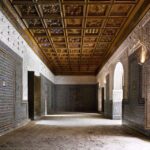
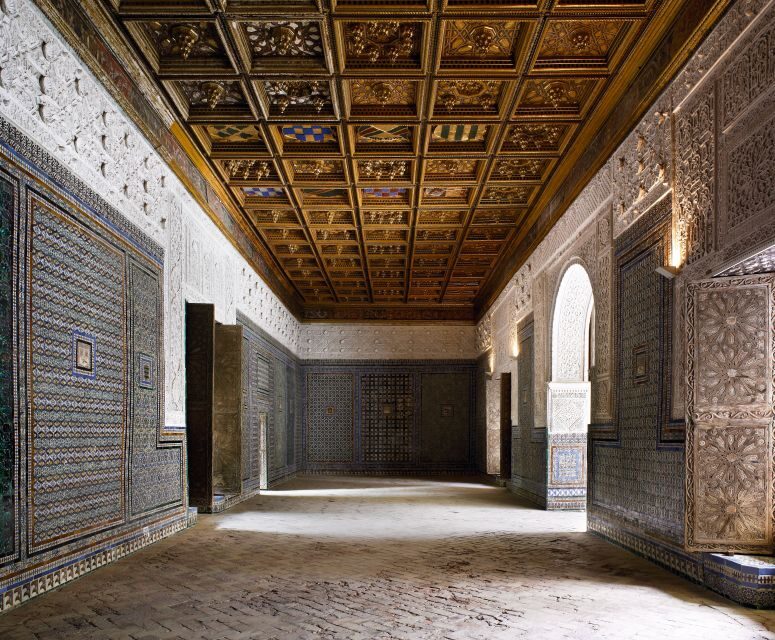
- The coffered ceilings in Salón del Pretorio
- Glazed tiling: the palace’s visual signature
- Renaissance gardens and sculptures: where the visit gets peaceful
- How long should you plan for the ground floor?
- Best strategy: pair it with Real Alcázar (or use it as a cooler alternative)
- Who should buy this ground-floor ticket?
- Common snags to watch for (based on real feedback)
- Small note about guides and hosts
- Should you book Casa de Pilatos ground-floor entry?
- FAQ
- What is included in the Casa de Pilatos ground floor ticket?
- Are audio guides available in languages other than Spanish?
- What time is the last entry from Tuesday to Sunday?
- Is entry free on Mondays?
- How long is the visit?
- What is the cancellation policy?
- Do I need to pay immediately when booking?
- Do I need a live guide?
- The Best Of Seville!
- More Tickets in Seville
- More Tour Reviews in Seville
Key takeaways before you go
 1 / 9
1 / 9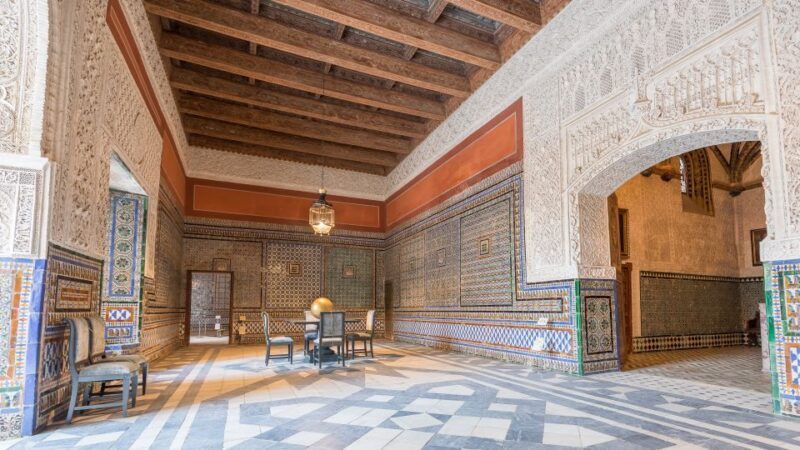 2 / 9
2 / 9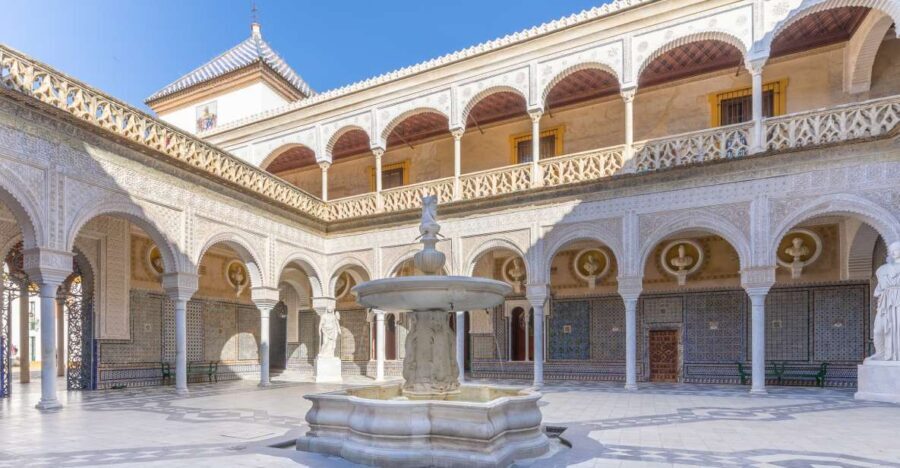 3 / 9
3 / 9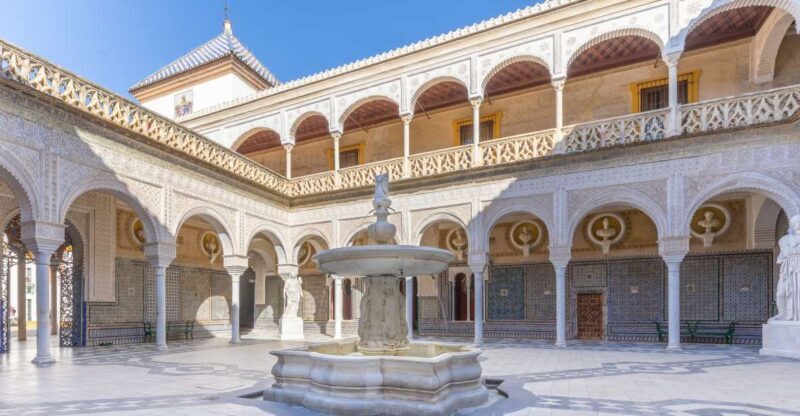 4 / 9
4 / 9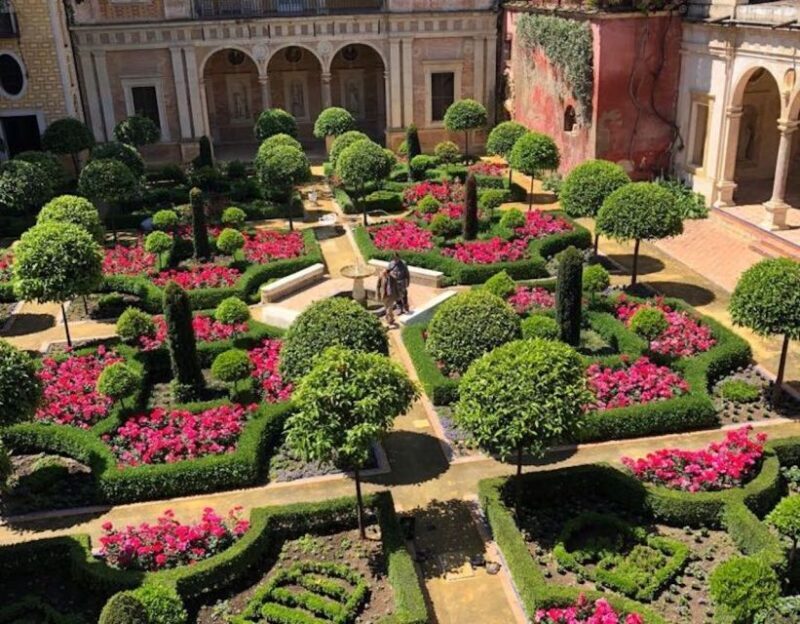 5 / 9
5 / 9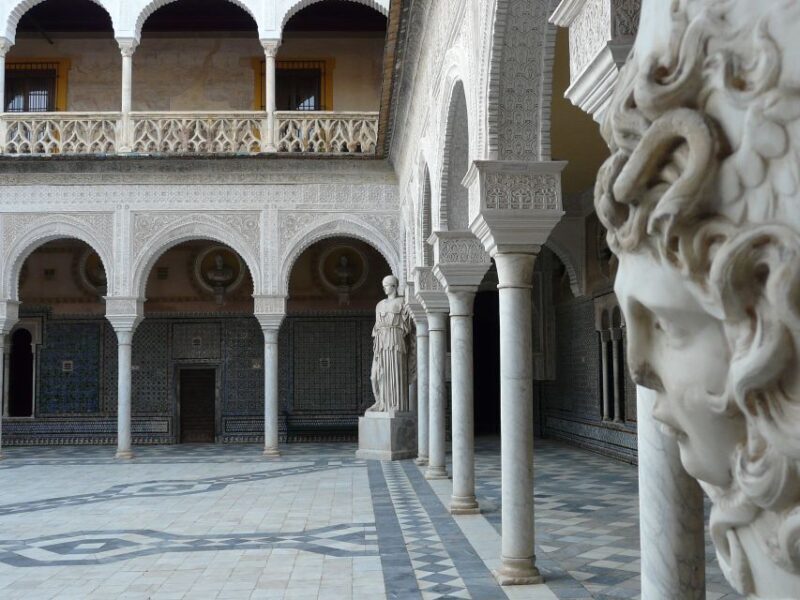 6 / 9
6 / 9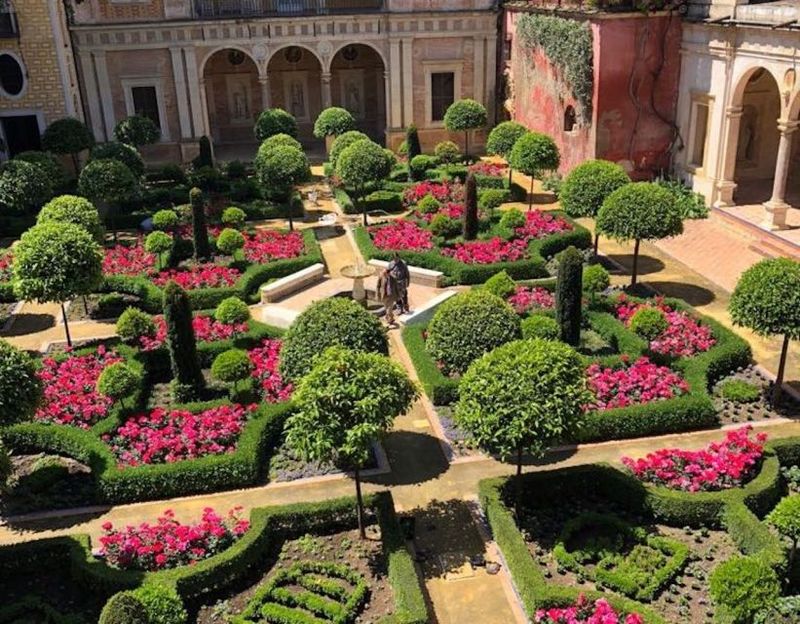 7 / 9
7 / 9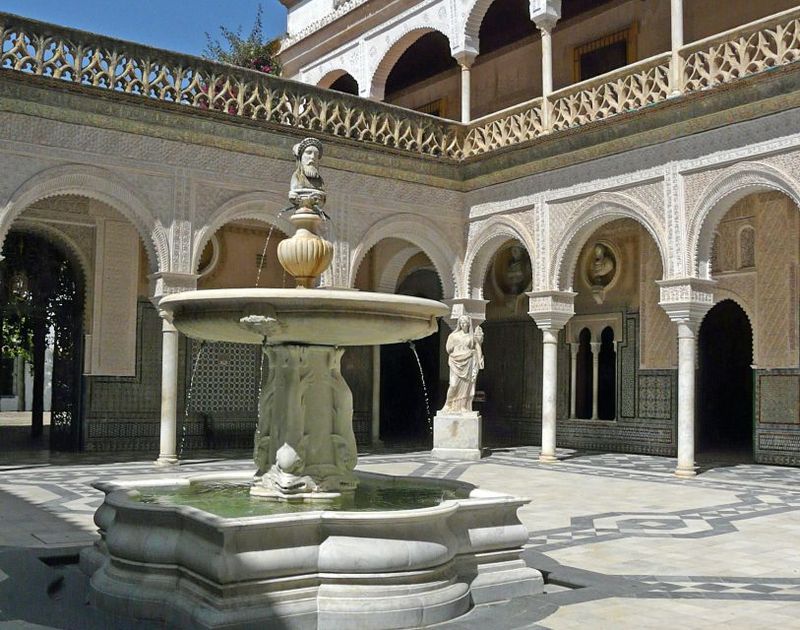 8 / 9
8 / 9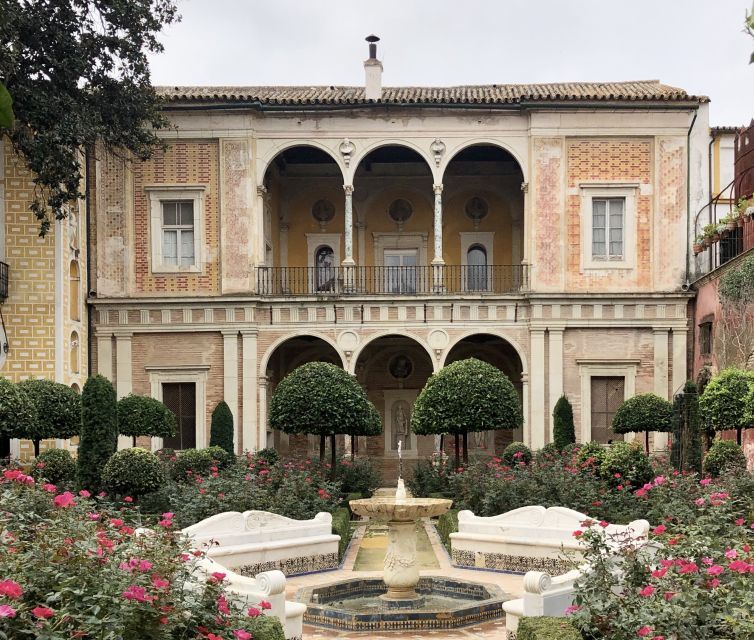 9 / 9
9 / 9- Ground-floor access only: you’ll see the palace’s highlights without the upper levels
- Mudejar-Gothic meets Renaissance: the architecture tells you why Seville looked the way it did
- Roman busts and Classical sculpture: including emperor busts and myth-themed works
- Andalusian courtyard fountains + fountains’ calm: a cool reset during warm afternoons
- Renaissance gardens and sculpture stroll: great for photos and slow wandering
- Audio guide is the main guide: some people love it, others find it too detailed

👉 See our pick of the The Top 4 Full-Day Tours In Seville
Where Casa de Pilatos fits on a Seville day
Casa de Pilatos feels like the palatial sibling of bigger hits like the Real Alcázar. It’s still grand, but the pacing tends to be more human-scale—less sprinting between rooms, more lingering in courtyards and gardens.
Even better, this ticket is built for an easy flow. You enter the palace, follow a self-guided route, and use the included audio guide to understand what you’re seeing as you go.
You can also read our reviews of more tours and experiences in Seville



Price and value: what $14 buys you (and what it doesn’t)
At about $14 per person for ground floor entry plus an audio guide, the value comes from concentration. You’re not paying for a museum-style building with endless floors—you’re paying for a focused tour of the palace’s most accessible rooms and outdoor spaces.
The trade-off is clear: the upper floor is not included. Some visitors are happy staying on the ground level, especially if they’re there for the tiles, sculptures, and courtyards. Others recommend considering an upstairs option if you want the complete story.
So, who is this best for? If you like architecture, gardens, and art in a walkable setting, this price often feels fair. If you want maximum palace coverage in one go, you’ll want to plan ahead about what you’ll miss.
Timing tips: last entry and the Monday window
Timing matters here because it affects crowd levels and your ability to slow down.
- Last entry (Tuesday–Sunday) is at 5:30 PM
- Mondays have a free entry window from 3:00 PM to 5:30 PM
If you’re trying to avoid crowds, earlier afternoons tend to be popular for a reason. Warm Seville days can be rough, and courtyards with fountains help, but you still want a pace you can sustain.
Getting in smoothly: tickets, routes, and what to expect
This experience is designed to be straightforward. Travelers mention e-tickets make entry smooth, and the site uses clear wayfinding so you can match what you see to the audio.
One theme in feedback: people using QR codes report it makes the audio feel more connected to the space rather than like a random headset tour. If you’re the type who likes to know what you’re looking at as you look at it, that pairing is a big plus.
More Great Tours NearbyThe self-guided audio guide: multilingual, but use it your way
You get an audio guide included, and it’s offered in Spanish, French, English, Portuguese, German, Japanese, and Italian. That’s a real advantage in Seville, where you’ll often be surrounded by Spanish signage.
A practical tip from visitor comments: don’t feel locked into the audio pace. If a section feels overly detailed, you can move on. Some travelers say the guide can be too detailed or confusing at moments, but most still rate the experience high because the palace itself carries the visit.


Entering through the Renaissance marble gate
Your visit starts at a point that sets the tone: the detailed Renaissance-style marble gate. It’s a small moment that does big work. You quickly understand you’re stepping into a palace built to impress, but also designed to be lived in and reshaped over time.
From there, you’re funneled into spaces that alternate between bright tiles, open sightlines, and shaded courtyards. That rhythm keeps the visit from feeling like one long hallway.
The Andalusian courtyard: Roman power meets everyday calm
One of the best places to reset your senses is the Andalusian courtyard with fountains. You’ll get the classic Seville feel—open air, soft sounds, and cool stone underfoot—while also getting context for what these rooms meant.
This courtyard area is also where the palace’s worldview starts to come through. The family didn’t just collect art; they staged it. The courtyard helps explain why the whole place feels intentional, not accidental.
The 24 Roman emperor busts: the centerpiece you won’t want to rush
Casa de Pilatos includes 24 busts of Roman emperors, and they’re a major reason many people come. If you like Classical art, this is your moment.
Visitors point out specific names as highlights, including Hadrian, plus myth figures such as Aphrodite and Apollo, tied to music, poetry, and art. Even if you don’t know the stories, seeing the busts grouped around the palace’s paths makes them feel like part of a living gallery rather than scattered decoration.
Classical antiquity sculptures: why this collection feels different
The palace isn’t just showing off one style. It builds a dialogue between time periods, and the sculptures help lead the conversation.
What you’ll likely enjoy is how the Classical antiquity pieces sit alongside tilework, arches, and later Renaissance touches. The effect is less like a textbook and more like watching Seville history in layers.
Pallas Pacifera: war ornaments carved in stone
Another stop worth slowing down for is the war ornaments of Pallas Pacifera, which includes a shield and helmet carved from stone. Even though it’s not the first thing people mention, it’s the kind of detail that makes the palace feel specific and human.
This is also where the audio guide can earn its keep. Without a little context, you might just see decorative stonework. With it, you understand why the palace would choose a figure connected to protection and power.
Chapel of Flagellation: the style crossover you can actually see
The Chapel of Flagellation is described as the oldest part of the palace, and it’s also the clearest case of style mixing: the crossover between Christian and Islamic influences, showing Mudejar-Gothic and Renaissance architecture.
This is one of those places where the “why” becomes visible in the stone. The chapel’s ornate basket-handle arch helps you see how Seville absorbed influences rather than replacing one style with another.
If you’re short on time, don’t skip this section. It’s one of the most characterful stops.
The coffered ceilings in Salón del Pretorio
Next up is Salón del Pretorio, where you’ll see an intricate coffered ceiling decorated with ornamental bows. Coffered ceilings are a style feature that can look impressive in photos, but the real win is getting to stand close enough to notice the patterns.
People who enjoy architecture tend to spend extra time here, not because it’s huge, but because your eye keeps finding new details.
Glazed tiling: the palace’s visual signature
If there’s one thing that shows up again and again in visitor feedback, it’s how much traditional glazed tiling you see throughout the palace.
Tiles do two jobs here:
1) They make interiors look bright even when the spaces are shaded.
2) They make the palace feel coherent, even when the architecture changes from room to room.
If you love mosaic-like detail work, this is a great place to slow down. You’ll likely end up turning back for one more look at a wall or floor detail.
Renaissance gardens and sculptures: where the visit gets peaceful
One reason Casa de Pilatos feels like a “hidden gem” to many travelers is the garden time. The palace grounds include picturesque palace gardens featuring Renaissance style, and they give you breathing room from the indoor art.
Visitors describe the space as serene and calm, and you’ll often find it less crowded than some of Seville’s bigger attractions. The gardens also create strong photo opportunities, especially when you want framed views of courtyards, flowers, and sculptural elements.
How long should you plan for the ground floor?
This experience is listed as duration: 1 day, but that doesn’t mean you must rush. Reviews repeatedly mention visitors spending longer than expected—often because they slow down for sculptures, tiles, and outdoor strolling.
If you’re a “fast walker” you can cover the ground floor without stress. If you’re a “stop for details” person, add buffer time so you don’t feel tugged along by the building’s beauty.
Best strategy: pair it with Real Alcázar (or use it as a cooler alternative)
Many travelers use Casa de Pilatos as a kind of setup act. It can complement the Real Alcázar because both places show Seville’s evolving tastes—but in different scales and moods.
A common approach is:
- Visit Casa de Pilatos first for architecture and art context
- Then go to a bigger palace later with a stronger sense of what you’re seeing
Some people also treat it as a quieter option when other major attractions are fully booked or closed.
Who should buy this ground-floor ticket?
This ticket is a great match if you:
- Want architecture + art + gardens in one compact visit
- Enjoy Classical sculpture and want context for it
- Like self-paced touring with an audio guide
- Prefer a calmer experience than larger, busier sites
It might be less ideal if you:
- Only want the most complete palace access possible (since upper floor isn’t included)
- Hate audio tours in general
- Are easily frustrated by overly detailed guidance
Common snags to watch for (based on real feedback)
A few themes show up in traveler comments:
- Audio guide can be too detailed: Some people end up pausing or skipping sections. If that sounds like you, plan to treat it as helpful, not mandatory.
- Audio flow can be confusing sometimes: QR codes and signs help, but you might still need a moment to find the right stop.
- Value expectations: A few reviewers say it feels pricey if you expected more than ground-floor access. If you’re unsure, check whether you want the upstairs option too.
Small note about guides and hosts
Your ticket includes an audio guide, but the experience also lists a Spanish host or greeter. Some visitors mention live guidance on the day and call out names like Jose and Mercedes as particularly helpful.
That means you may get more than audio support, but you shouldn’t bank on a specific live guide arriving on the route. Treat the audio as the core experience.
Should you book Casa de Pilatos ground-floor entry?
I think it’s an easy yes for most first-time Seville travelers—especially if you want a break from the busiest sights. For $14, you get a very concentrated mix: Roman busts, Classical sculpture, glazed tiles, and Renaissance gardens, all with an audio guide in multiple languages.
Book it if you value calm pacing, art details, and a self-guided route that’s easy to follow with QR codes and clear signage. Consider whether you need the upper floor—if you’re the type who hates missing parts of a major palace, you may want an add-on.
If you’re on the fence, use this rule of thumb: if you like small-to-medium palaces where you can slow down and read the space, Casa de Pilatos is a strong pick.
Seville: Casa de Pilatos Ground Floor Entry Ticket
FAQ
What is included in the Casa de Pilatos ground floor ticket?
Your ticket includes ground floor entry and an audio guide. The upper floor is not included.
Are audio guides available in languages other than Spanish?
Yes. The audio guide is available in Spanish, French, English, Portuguese, German, Japanese, and Italian.
What time is the last entry from Tuesday to Sunday?
The last entry from Tuesday to Sunday is at 5:30 PM.
Is entry free on Mondays?
Yes. Entry is free on Mondays from 3:00 PM to 5:30 PM.
How long is the visit?
It’s listed as valid for 1 day, with starting times depending on availability.
What is the cancellation policy?
There is free cancellation, and you can cancel up to 24 hours in advance for a full refund.
Do I need to pay immediately when booking?
No. You can use reserve now & pay later, which means you can reserve your spot without paying immediately.
Do I need a live guide?
This experience is built around an audio guide. A host or greeter is listed as Spanish, but the audio guide is the included guidance for the visit.
You can check availability for your dates here: