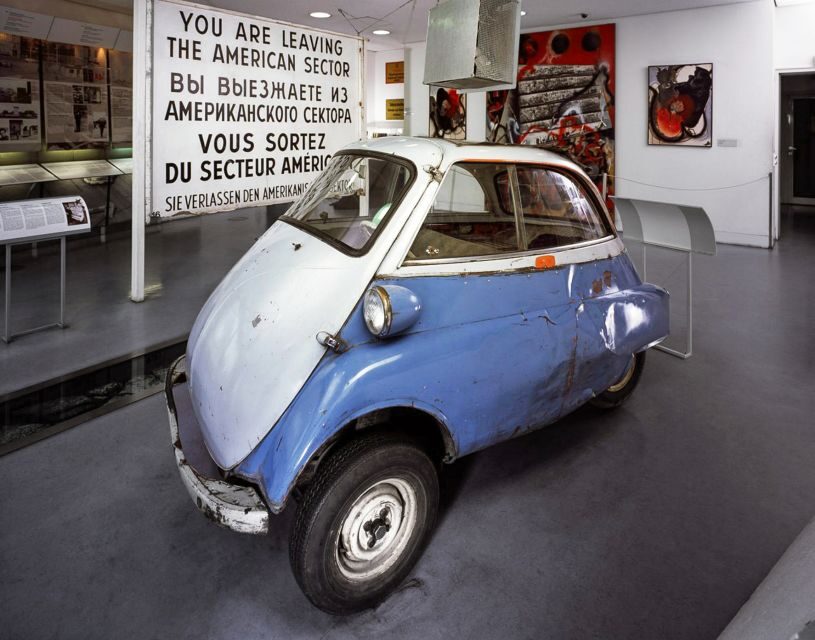
I’m not here to sell you a shortcut to history. This Berlin Wall Museum at Checkpoint Charlie (Mauermuseum-Haus am Checkpoint Charlie) is a hands-on lesson in how the GDR regime tried to control people, and how East Germans fought back using real escape tools. The museum was founded in 1962 as a protest against the Wall, and it grew with the story as events unfolded.
Two things I really like: first, you’re not just reading about daring escapes. Visitors talk about seeing original escape artifacts, like a hot-air balloon and even a mini-submarine, tied to successful attempts. Second, you get a clear sense of what life felt like at Checkpoint Charlie’s edge, and many reviews mention a strong overhead view and a lot of context that helps the timeline click.
One possible drawback: plan for a reading-heavy visit. Even when the exhibits are well organized, a good chunk of the experience is text, and some interactive stations don’t always work the way you’d hope.
- Key takeaways before you go
- Where exactly is this museum, and how do you find it?
- The skip-the-line ticket: what it really buys you
- What the museum is about: not just Checkpoint Charlie
- Walking in: what you’ll see first (and why it matters)
- The headline exhibits: original escape artifacts
- The Checkpoint Charlie focus: getting a strong sense of place
- The museum also tracks help, resistance, and what happened after
- Top-floor themes: protests and non-violent movements
- How long should you plan? (A realistic time budget)
- Audio guide vs. no audio guide: what to do if you like details
- Languages: how accessible is it?
- Wheelchair accessibility: what you should expect
- Value check: is the price fair?
- What to expect if you bring a bag or want to store stuff
- Photography and other rules to keep in mind
- Group dynamics: students and noise
- Who this museum is best for
- A simple way to structure your visit
- Should you book the skip-the-line ticket?
- FAQ
- Where is the meeting point for this Berlin Wall Museum ticket?
- How much does the Berlin Wall Museum at Checkpoint Charlie cost?
- How long does the activity last?
- What’s included with the ticket?
- Is an audioguide included?
- Is a guided tour included?
- Is the museum wheelchair accessible?
- Can I cancel and get a refund?
- Are the exhibits available in multiple languages?
- The Best Of Berlin!
- More Skip the Line in Berlin
- More Museum Experiences in Berlin
- More Tour Reviews in Berlin
Key takeaways before you go
 1 / 5
1 / 5 2 / 5
2 / 5 3 / 5
3 / 5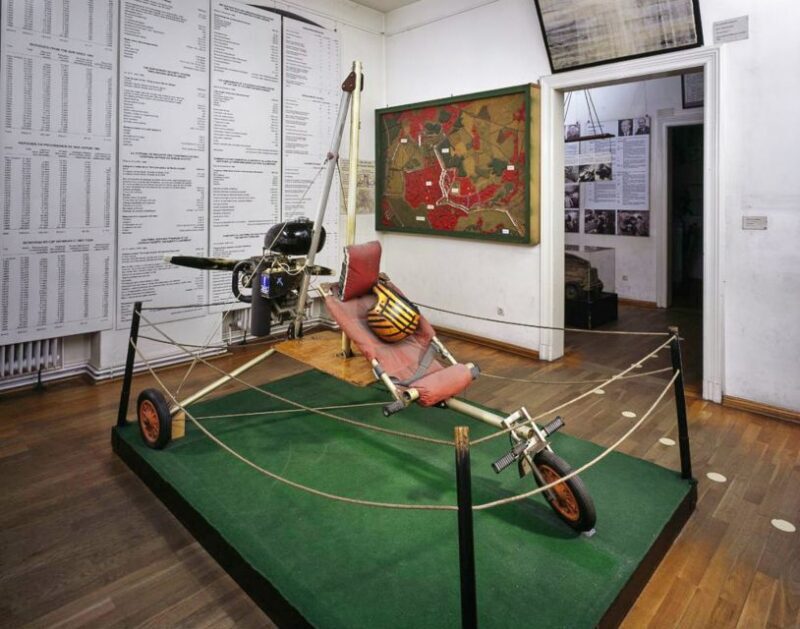 4 / 5
4 / 5 5 / 5
5 / 5- Skip-the-line entry saves you time at a very famous site.
- Original escape artifacts help the stories feel real, not theoretical.
- The museum is bigger than it looks and takes real time to absorb.
- Expect lots of translation support, based on visitor feedback.
- You might find the flow is not perfectly linear, so move with your own pace.
- Some visitors mention locker deposits if you bring a bag.

👉 See our pick of the We Rank The 9 Best Wine Tours In Berlin
Where exactly is this museum, and how do you find it?
The meeting point is Friedrichstraße 43–45, 10969 Berlin. This is in the central area where Checkpoint Charlie is easy to spot, so you’re not fighting Berlin bureaucracy just to get oriented.
If you’re using public transit, you’ll likely have a short walk from the nearby stops. A few visitors also mention that renovations can make the location a little tricky to pinpoint at times, so give yourself a few extra minutes and check your map the moment you leave your train.
You can also read our reviews of more museum experiences in Berlin



The skip-the-line ticket: what it really buys you
The big practical win is that you’re not standing in line for basic entry. With this kind of museum, that can matter. Reviews repeatedly say the skip-the-line setup prevents queuing and makes the whole visit feel smoother, especially if you’re trying to fit this into a packed Berlin day.
One value note: the listing says entrance ticket included, while audio guide and guided tour are not included. That means the “skip-the-line” is the main perk you’re paying for, not a full guided experience. Some visitors do mention guides by name in their visit, but those seem to be tied to tour offerings beyond the base ticket. If you want a guided narrative, you’ll want to verify what’s included for your exact booking.
What the museum is about: not just Checkpoint Charlie
This museum is tied to the most famous crossing point in Berlin, but it doesn’t stay there. It was founded shortly after the Wall went up, as a protest against it and to help people trying to escape. Over time, it expanded its exhibitions and helped preserve the evidence of what the Wall did—and how people responded.
Visitors often describe it as broader than the typical school-book version of the Berlin Wall. You’ll see connections to the Cold War and how the wider world of conflict and rights violations hasn’t simply vanished. One review even mentions seeing an item linked to later events, showing the museum’s archival focus continues beyond the Wall era.
Walking in: what you’ll see first (and why it matters)
Your first minutes are about context. Expect an introduction to the rise and fall of the Berlin Wall and how East and West Berlin diverged. That context is important because the museum’s strongest moments come when you connect the political reality to the engineering and planning behind escape attempts.
Because the displays are detailed and information-dense, you’ll get the best experience if you don’t try to “speed run” it. People mention spending around 2 to 2.5 hours reading and learning, and that lines up with the vibe: this isn’t a quick hit. It’s a museum where you’re meant to slow down enough to understand why people risked everything.
More Great Tours NearbyThe headline exhibits: original escape artifacts
If you love history but hate vague explanations, this is where the museum shines. Multiple reviews call out original escape items from successful attempts, including:
- a hot-air balloon
- a mini-submarine
- escape cars and airplanes
Even if you know the Wall stories already, seeing these objects changes the feeling. It’s one thing to hear that people escaped. It’s another to look at the physical tools and realize the planning, logistics, and sheer stubbornness behind each attempt.
And here’s the emotional piece: these artifacts also show what helpers did. The museum’s concept includes the people who organized resistance, planned routes, and supported escape efforts—not just the fugitives themselves. Some visitors appreciate that the museum centers the human network, not only the headline escape.
You can also read our reviews of more tours and experiences in Berlin



The Checkpoint Charlie focus: getting a strong sense of place
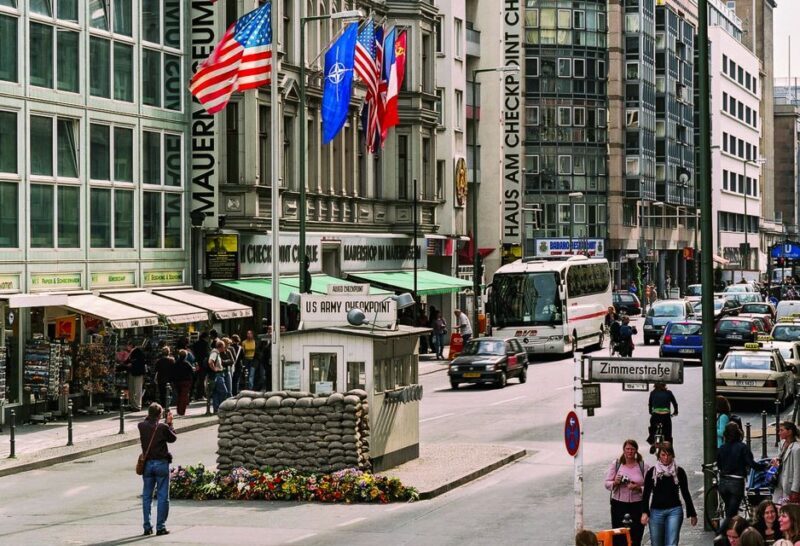
Checkpoint Charlie is right outside the museum, so it’s hard to avoid the setting. Reviews mention a great overhead view of Checkpoint Charlie from inside, which helps you connect the indoor exhibits to the outdoor location.
That overhead angle matters because it’s easy to treat borders like lines on a map. From that height, you feel how physical and controlled the space was. You also start seeing why attempts weren’t just about courage—they were about timing, routes, and risk management.
The museum also tracks help, resistance, and what happened after
One of the most “what would you do?” parts of the story is how escape efforts were sustained. The museum describes how helpers used the museum as a base to plan escapes and organize resistance against the unjust GDR regime.
And after successful escapes, refugees and helpers donated objects and conveyance tools to the museum. That detail is powerful because it flips the usual script. Instead of the story ending when someone gets out, it keeps going through documentation and testimony.
If you like museums that respect the full chain of events—planning, action, aftermath—this place fits.
Top-floor themes: protests and non-violent movements
A number of visitors mention that the museum includes material beyond the Wall’s machinery, including protests and non-violent movements tied to human rights and world peace. That’s a meaningful shift in tone.
It also helps you understand that the fall of the Wall wasn’t just one dramatic moment. It was pressure—political, social, and moral—that built over time. If you only expect tunnels and escape gear, you might be pleasantly surprised by the broader human-rights framing.
How long should you plan? (A realistic time budget)
Even though the activity is listed as Duration: 1 day, your actual museum time is what counts. Based on visitor experiences, a common range is about 1–2.5 hours, with some people stretching longer because they’re reading carefully and revisiting sections.
If you’re a fast scanner, you might get through in around an hour. If you read steadily and want to absorb the escape artifacts and the context around them, plan closer to 2.5 hours. If you want time for breaks, add a little buffer. This is the kind of museum where you’ll want to pause.
Audio guide vs. no audio guide: what to do if you like details
This ticket includes entrance only. Audioguides are not included, so if you enjoy guided storytelling, you may want to check what’s available on-site and decide based on your own style.
That said, reviews often mention that explanations and translations are available for many elements. Some people recommend skipping an audio guide because there’s already plenty to read. Others suggest they wish they had a headset, usually because there’s a lot to take in quickly.
My practical take: if you’re a fast walker and you like to process with narration, look into options. If you’re the kind who actually enjoys reading and slowing down, you’ll probably be fine with the exhibits alone.
Languages: how accessible is it?
Visitor reviews mention translations into multiple languages throughout the museum. That matters here because the topic is heavy and the details matter. If you’re traveling with someone who isn’t fluent in German, you’ll likely still be able to follow along.
One review mentions a lack of Italian explanations, which suggests coverage may vary. So if a specific language is a must for you, it’s smart to check closer to your travel date.
Wheelchair accessibility: what you should expect
The activity information says the museum is wheelchair accessible. Reviews don’t go into detail on routes or elevators, but the accessibility claim is there, and many major Berlin museums are designed to handle visitors with mobility needs.
Still, since this is a museum with many levels and lots of text panels, you’ll want to plan for slower movement. Reading takes time, and navigating any venue takes a little extra energy.
Value check: is the $21 price fair?
At about $21 per person, this is not a bargain like a free walking tour. But it also isn’t priced like a fancy private attraction where you’re mostly paying for a guide.
You’re paying for:
- skip-the-line entry
- access to a museum that many people say is bigger than expected
- a collection of highly specific escape artifacts tied to the Cold War era
Reviews repeatedly call it good value for money, often because the content goes beyond the basics. If you’re the type who wants to understand what happened and why people risked their lives, the cost feels justified. If you only want a quick overview, it might feel like too much text for the time you have.
What to expect if you bring a bag or want to store stuff
One review warns that if you carry a bag, you may need to leave a deposit (they mention a 2 euro coin for a locker). That’s not guaranteed for every visit, but it’s a useful heads-up.
If you can travel light, you’ll keep the experience smoother. If not, just be ready with some small change.
Photography and other rules to keep in mind
Museum rules can be strict at famous memorial-style places. One review says they weren’t allowed to take pictures, even though they found the information interesting. So treat that as a real possibility rather than an edge case.
If photography matters to you, check the on-site signage when you enter. Berlin museums vary, and you don’t want a surprise when you’re already mid-story.
Group dynamics: students and noise
A few reviews mention group visits, including noisy teenagers who were sitting on stairs and distracting other visitors. You can’t control that.
The fix is simple: arrive earlier if possible, and pick your timing. Even if you don’t control crowd volume, you can control your pacing by spending time in the areas that hit you hardest.
Who this museum is best for
You’ll probably love it if you:
- care about real artifacts, not just photos and dates
- want the human side of the Wall story, including helpers and networks
- like museums that make the Cold War feel personal
You might not be as happy if you:
- hate reading and prefer hands-on exhibits
- want a quick stop-and-go museum visit
- expect a mostly visual, low-text experience
Families can enjoy it too, but teenagers may vary. Several reviews mention that younger visitors got bored faster due to the amount of reading. If you’re traveling with teens, go in with a plan: pick a few artifacts or stories first, then decide if you want to push through the rest.
A simple way to structure your visit
Since the museum is information-heavy and some people mention the narrative flow can feel uneven, I’d use a personal route:
1) Start with the political and human-rights context so the escape artifacts make sense.
2) Spend extra time on the standout escape tools like the balloon and mini-submarine.
3) Take a moment to connect the indoor exhibits to the outdoor Checkpoint Charlie location, especially if you can catch the overhead view.
4) Finish by checking the broader themes like protests, non-violent movements, and modern-day documentation.
This approach keeps you from feeling lost when you see lots of rooms and panels. You’ll leave with a story you can retell.
Should you book the skip-the-line ticket?
I think you should book if your goal is a meaningful, museum-style understanding of the Berlin Wall at one of the most famous locations in the city. Multiple reviews call it an essential stop, and the skip-the-line element is a real quality-of-life improvement.
Skip it (or at least reconsider) if:
- you only have a short window and want minimal reading
- you need an included guided tour or included audioguide
- you’re sensitive to crowds and noise (group visits can happen)
If you do book, treat it as a core Berlin experience, not a quick add-on. Give yourself time to read, look closely at the escape artifacts, and let the story land. That’s where the value—and the emotion—show up.
Skip-the-Line: Berlin Wall Museum at Checkpoint Charlie
FAQ
Where is the meeting point for this Berlin Wall Museum ticket?
The meeting point listed is Friedrichstraße 43–45, 10969 Berlin.
How much does the Berlin Wall Museum at Checkpoint Charlie cost?
The price is listed as $21 per person.
How long does the activity last?
It’s listed as Duration: 1 day.
What’s included with the ticket?
The ticket includes entrance to the museum.
Is an audioguide included?
No. The audioguide is listed as not included.
Is a guided tour included?
No. A guided tour is listed as not included.
Is the museum wheelchair accessible?
Yes, the activity information says it is wheelchair accessible.
Can I cancel and get a refund?
Yes. Free cancellation is available up to 24 hours in advance for a full refund.
Are the exhibits available in multiple languages?
Reviews mention translations into different languages, and that the explanations are accessible for many visitors.
You can check availability for your dates here: