There’s something special about learning to cook from people who know their ingredients intimately—the vendors who sell them, the chefs who’ve prepared them for years, and the communities that have perfected recipes over generations. We really appreciate how this experience combines a walking tour of Seville’s most important food market with an actual cooking class where you prepare and eat everything you make. The fact that you get to take home written recipes means the learning doesn’t stop when you leave Seville; you can recreate these dishes in your own kitchen.
One thing worth noting: the meeting point is inside the market itself, which some travelers found a bit tricky to locate on their first try. That said, the staff is welcoming and helpful once you connect with them, and this location actually works to your advantage—you’re already surrounded by the sights, sounds, and aromas of authentic Spanish food culture before the formal tour even begins.
This experience works beautifully for travelers who want something more engaging than a typical food tour, yet don’t require a culinary degree to participate. Whether you’re traveling solo, with family, or as a couple, you’ll find yourself working alongside other curious travelers in a relaxed, encouraging environment.
- What Makes This Experience Stand Out
- The Value Proposition
- The Triana Market Tour
- The Hands-On Cooking Class
- The Menu and What You’ll Cook
- The Drinking Component
- What to Know Before You Go
- Meeting Point and Navigation
- Group Size and Social Dynamics
- Dietary Accommodations
- Timing and What to Expect
- What’s Included and What Isn’t
- The Instructor Experience
- The Recipes and Taking Knowledge Home
- Practical Considerations
- Booking and Cancellation
- What Makes This Better Than Alternatives
- The Bigger Picture
- FAQ
- The Best Of Seville!
- More Shopping Tours in Seville
- More Tours in Seville
- More Tour Reviews in Seville
What Makes This Experience Stand Out
 1 / 8
1 / 8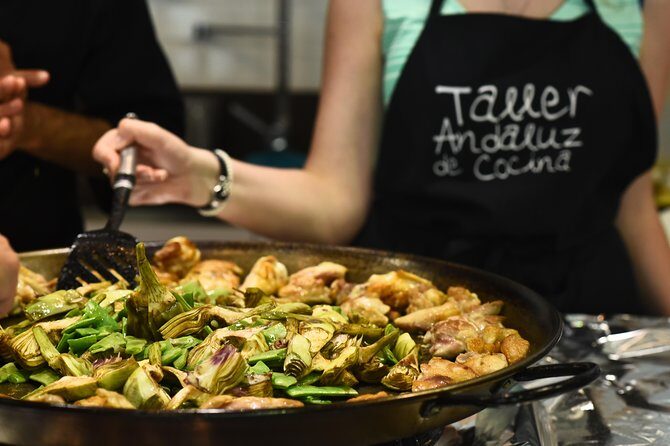 2 / 8
2 / 8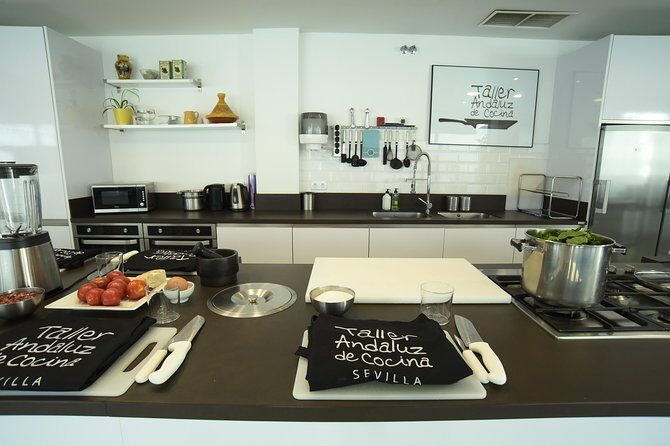 3 / 8
3 / 8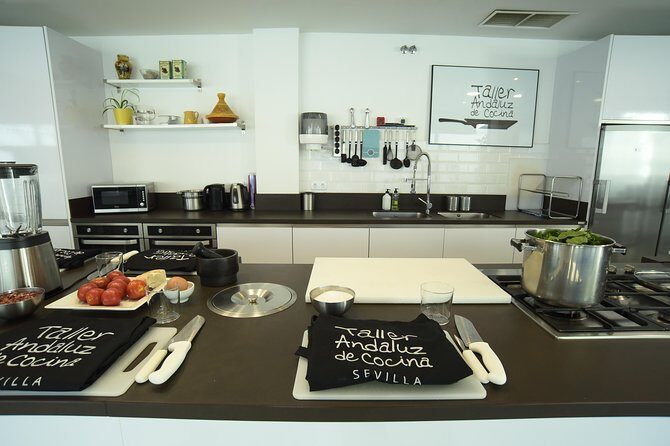 4 / 8
4 / 8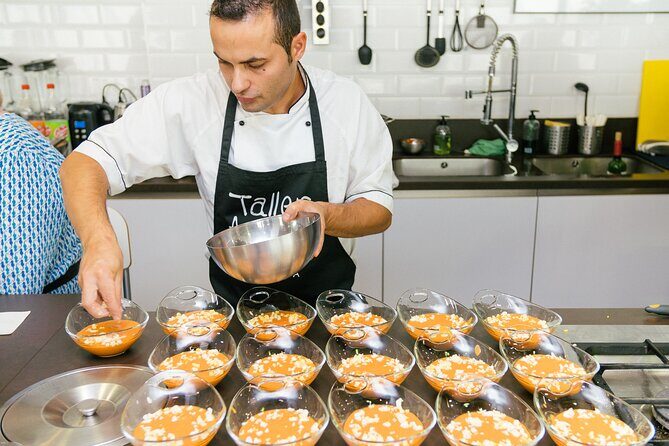 5 / 8
5 / 8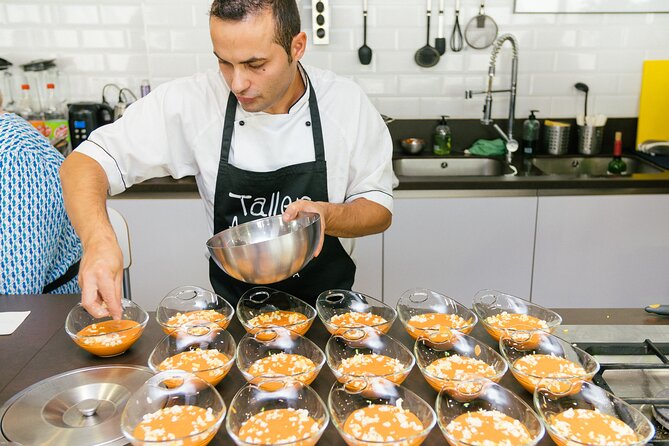 6 / 8
6 / 8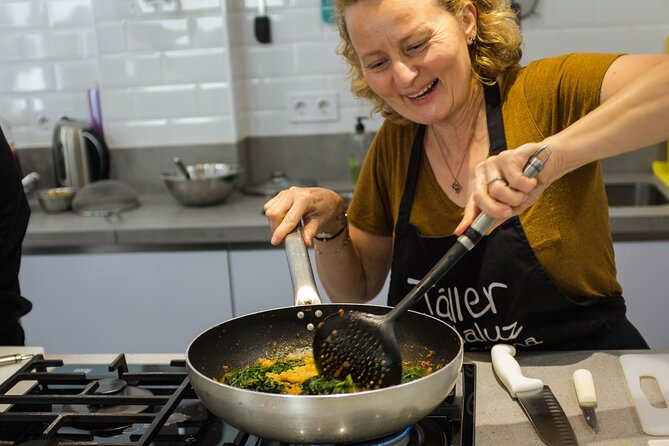 7 / 8
7 / 8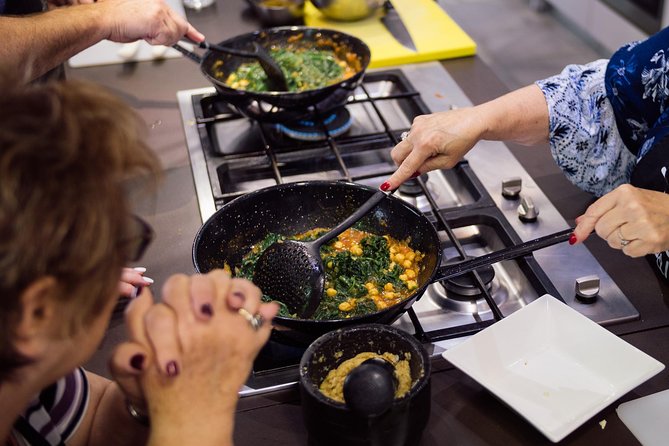 8 / 8
8 / 8
👉 See our pick of the The Top 4 Full-Day Tours In Seville
The Value Proposition
At $90.70 per person for nearly three and a half hours that includes a full three-course meal, two drinks, all ingredients, and takeaway recipes, you’re looking at genuine value. Compare this to eating the same dishes at a restaurant, and you’re getting comparable pricing while also gaining the knowledge and satisfaction of having prepared the food yourself. One reviewer captured this perfectly: “Excellent value for money. Delicious food and great market tour. Lots of drinks offered.”
The pricing also reflects something important about Seville’s food culture—it’s not pretentious or overpriced. Spanish cooking, especially in Andalusia, celebrates accessible ingredients and straightforward techniques rather than molecular gastronomy or haute cuisine theatrics.
You can also read our reviews of more shopping tours in Seville

The Triana Market Tour
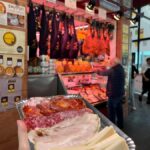
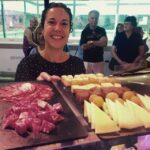
Your experience begins at the Mercado de Abastos de Triana, one of Seville’s most vital food markets. This isn’t a quick walk-through where someone points at stalls from a distance. Your guide takes you directly to different vendors, stopping to discuss what they’re selling, where it comes from, and how it’s traditionally used in Andalusian cooking.
One traveler noted, “The tour of the Mercado and surrounding area was excellent, our guide stopped at different food stalls and talked about the history of how different foods were used and the areas they were grown.” This context matters because when you later cook with these ingredients, you understand their story. The spinach isn’t just spinach—it’s part of a regional tradition. The chickpeas carry history.
The market tour typically lasts around an hour, giving you genuine time to absorb information rather than rushing through. You’ll see colorful produce, quality meats, fresh cheeses, and regional specialties. The guides consistently receive praise for their knowledge and enthusiasm. Multiple reviews mention guides by name—Sabrina, Anna, Leo, Kai—which suggests these are people who take pride in showing visitors their food culture.
The Hands-On Cooking Class
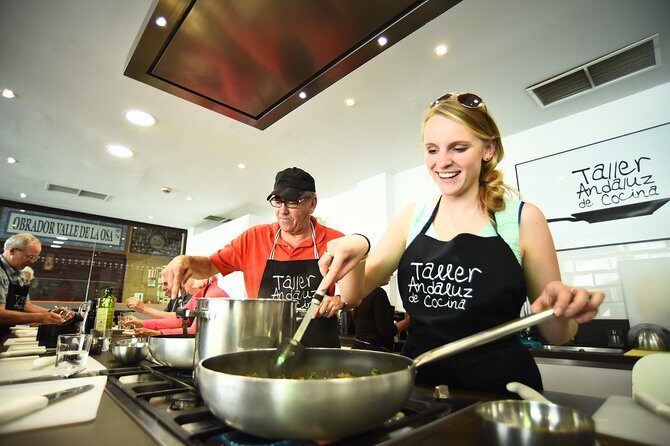
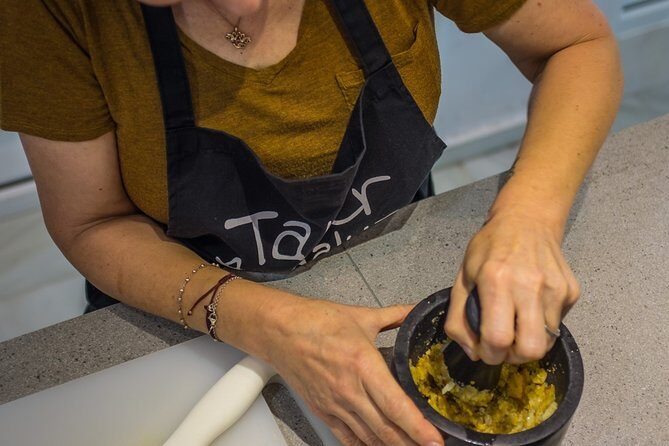
After the market tour, you move to one of four kitchen spaces in the Triana area. The class itself is genuinely participatory. Yes, the kitchen staff handles some prep work (chopping certain vegetables, preparing stocks), but you’re doing most of the actual cooking. One reviewer explained it well: “They prep some of the ingredients, but you get to do most of the preparation.”
This distinction matters. You’re not watching someone else cook while you stand around. You’re holding the knife, stirring the paella, tasting and adjusting seasonings. The chef guides you through techniques—how to break down a chicken, how to properly pare an artichoke, how to achieve the right consistency for a traditional soup.
Groups max out at 16 people, which is small enough that the chef can actually see what you’re doing and offer individual guidance. Multiple reviews mention feeling comfortable asking questions and receiving personal attention, even in groups of 10-12 people.
The Menu and What You’ll Cook
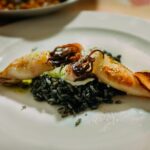
The sample menu shows three dishes: salmorejo (a chilled tomato cream from Córdoba), spinach with chickpeas (a classic Sevillian tapa), and paella Valenciana with chicken and vegetables. You’ll finish with a light lemon sorbet and cava.
This isn’t an arbitrary selection. These represent different cooking techniques and different aspects of Spanish regional cuisine. The salmorejo teaches you about cold soups and how to achieve the right texture. The spinach and chickpea dish, called espinacas con garbanzos, is comfort food that appears in tapas bars throughout Andalusia. The paella demonstrates how to cook rice properly and manage multiple components simultaneously.
Several reviews specifically highlighted the paella as exceptional. “We made paella the traditional way and it was delicious!!” and “The paella was also incredible” appear multiple times. This suggests the instructors teach proper technique rather than shortcuts, and the kitchen has quality equipment to execute it properly.
One reviewer who’d previously tried salmorejo and hadn’t enjoyed it found the version they prepared in class revelatory: “I had tried salmorejo before this class and hadn’t cared for it, but the one we made during the class was excellent!” This speaks to how much technique and ingredient quality matter in Spanish cooking.
The Drinking Component
You’ll have homemade sangria available while cooking, which serves both as refreshment and as part of the cultural experience—sangria is casual, social, and very much part of how Spanish people enjoy meals. During lunch, you get up to two drinks per person from options including Spanish wine, local beer, or soft drinks.
This isn’t fancy wine service; it’s the way Spaniards actually eat. Wine and beer are part of the meal experience, not something separate. The reviews consistently mention this as a positive: “Lots of sangria, wine, and beer with a lovely dessert at the end” and “Lots of drinks offered.”
You can also read our reviews of more tours and experiences in Seville

What to Know Before You Go
Meeting Point and Navigation
The meeting point is inside Triana Food Market at stalls 75/77. One reviewer was honest about the experience: “Of note, the class is IN the market. I got a little lost trying to find it.” This is worth knowing in advance. The market is busy, full of people shopping, and the stall numbers might not be immediately obvious. Plan to arrive a few minutes early and ask a vendor if you’re uncertain.
Once you find it, you’re in good hands. Staff are consistently described as welcoming, friendly, and patient with confused arrivals.
Group Size and Social Dynamics
With a maximum of 16 people, you’re in a small enough group that it feels personal but large enough to meet other travelers. Multiple reviews mention the social aspect positively. One solo traveler noted: “I was solo and part of a larger group, totally comfortable environment” and “I had a wonderful experience here and can’t wait to try this all at home!”
Another reviewer highlighted the international aspect: “The group I was with were amazing and from all different parts of the world (USA, The Netherlands, France, Australia, Ireland and me from the little Isle of Man!)” This reflects Seville’s popularity as a travel destination and suggests you’ll likely meet people worth knowing.
Dietary Accommodations
The tour explicitly states it can accommodate vegan, gluten-free, no seafood, no pork, and other dietary restrictions. You just need to communicate your needs when booking. This is important if you have specific dietary requirements—don’t assume they can’t work with you.
Timing and What to Expect
The experience runs approximately three and a half hours, typically starting at 10:30 AM. One reviewer noted it ran “until 2:30, half an hour extra, but there was still time for a short visit to the market to make some purchases.” This suggests the experience sometimes extends slightly beyond the stated timeframe, giving you flexibility if you have afternoon plans.
What’s Included and What Isn’t
Everything you need for cooking is provided: apron, cutting board, knives, and utensils. All ingredients are included. Your lunch and two drinks are included. You get written recipes to take home. What’s not included is transportation to and from the meeting point, so you’ll need to arrange your own way to Triana. The market is near public transportation, so this is manageable.
The Instructor Experience
Reviews consistently praise specific instructors by name—Carlos, David, Diana, Leo, Lidia, Pedro, Dom, Anna, and others. This suggests the organization maintains consistent quality and hires people genuinely passionate about food and teaching.
The descriptions are telling: “Dom was a great chef and made the whole experience fun and informational,” “Pedro was excellent with a dry sense of humour,” and “Diana was a great chef, very engaging and knowledgeable.” These aren’t generic compliments; they’re specific observations about personality and teaching style.
One reviewer with young children (ages three and six) noted: “They did an amazing job keeping our 3- and 6-year-olds engaged the whole time.” This suggests the instructors are skilled at adapting to different groups and comfort levels, not just running a rote program.
The Recipes and Taking Knowledge Home
You receive written recipes after the class, often sent by email. Multiple reviewers mention using these at home: “We have taken other cooking classes in Spain but very much enjoyed this one” and “I had a wonderful experience here and can’t wait to try this all at home!”
The fact that you get recipes isn’t just a nice souvenir. It’s a practical way to extend the value of your experience. You’ve learned techniques, understood ingredients, and now you have the actual instructions to recreate these dishes. That’s something you couldn’t get from just eating at a restaurant.
Practical Considerations
Booking and Cancellation
You can cancel up to 24 hours in advance for a full refund, which provides reasonable flexibility if your plans change. The experience requires a minimum number of travelers, so theoretically it could be canceled if not enough people book, though this seems rare given the 760 reviews and 99% recommendation rate.
The tour is bookable via mobile ticket, which is convenient for modern travelers. On average, people book this about 40 days in advance, suggesting it’s popular enough that you should book ahead during peak travel seasons.
What Makes This Better Than Alternatives
Seville offers various food experiences—tapas tours, flamenco with dinner, food tours focused on history. What differentiates this experience is the hands-on component. You’re not passively consuming food; you’re actively creating it. As one reviewer put it: “It was really fun, I would recommend it!” after specifically mentioning they loved how they participated in every step.
Another comparison point: some travelers specifically mentioned having taken other cooking classes in Spain. One such traveler wrote: “We have taken other cooking classes in Spain but very much enjoyed this one.” That’s meaningful validation.
The Bigger Picture
Food tourism can feel either superficial or pretentious depending on the approach. This experience avoids both traps. It’s genuine—you’re cooking real Spanish food in a market setting with professional instructors. It’s accessible—no culinary background required, and the price is reasonable. It’s educational without being pedantic—you learn about food history and technique while actually using that knowledge immediately.
The reviews consistently mention learning. “We learned a lot,” “I learned how to break down a whole chicken,” “We learned a lot of cooking techniques”—these aren’t people feeling like they wasted time on entertainment. They’re people who gained actual knowledge and skill.
Spanish Cooking Class & Triana Market Tour in Sevilla
FAQ
Q: Do I need cooking experience to participate in this class?
A: No. Multiple reviews specifically mention that you don’t need to be an experienced cook. One reviewer noted: “You don’t need to be a cook to enjoy and learn some Spanish dishes.” The instructors guide you through each step, and the atmosphere is described as relaxed and encouraging.
Q: What’s the best way to find the meeting point at Triana Market?
A: The meeting point is inside Triana Food Market at stalls 75/77. Arrive a few minutes early and ask a vendor to point you toward the correct stalls if you’re uncertain. The staff will be expecting you and are described as welcoming and helpful.
Q: Can this tour accommodate dietary restrictions?
A: Yes. The tour explicitly states it can accommodate vegan, gluten-free, no seafood, no pork, and other dietary needs. You must communicate your requirements when booking so they can adjust the menu accordingly.
Q: How much of the cooking will I actually do versus watching the chef?
A: You’ll do most of the hands-on cooking preparation. The kitchen staff handles some prep work (like initial vegetable chopping and stock preparation), but you participate in the actual cooking—stirring, tasting, adjusting seasonings, and assembling dishes.
Q: Is transportation to the market included?
A: No. You need to arrange your own transportation to the Mercado de Abastos de Triana. The market is near public transportation, so this is manageable using Seville’s bus or metro system, or by taxi.
Q: How many people will be in my group?
A: Groups max out at 16 people, though reviews suggest many classes run with 10-12 participants. This size is small enough for personal attention from the instructors but large enough that you’ll meet other travelers.
Q: Can I take the recipes home?
A: Yes. You receive written recipes after the class, often sent by email. This allows you to recreate the dishes at home and extend the value of what you’ve learned.
This experience delivers exactly what Seville food lovers should be seeking: genuine engagement with local ingredients, techniques taught by knowledgeable instructors, and the satisfaction of eating food you’ve prepared yourself. At $90.70 per person for three and a half hours that includes a market tour, full lunch, drinks, and recipes, the value is legitimate. Whether you’re a home cook wanting to expand your Spanish repertoire, a solo traveler looking to meet other people, or someone seeking an authentic cultural experience beyond typical tourism, this class checks the boxes. The 760 five-star reviews aren’t hype—they reflect consistent execution and instructors who genuinely care about sharing their culinary tradition.