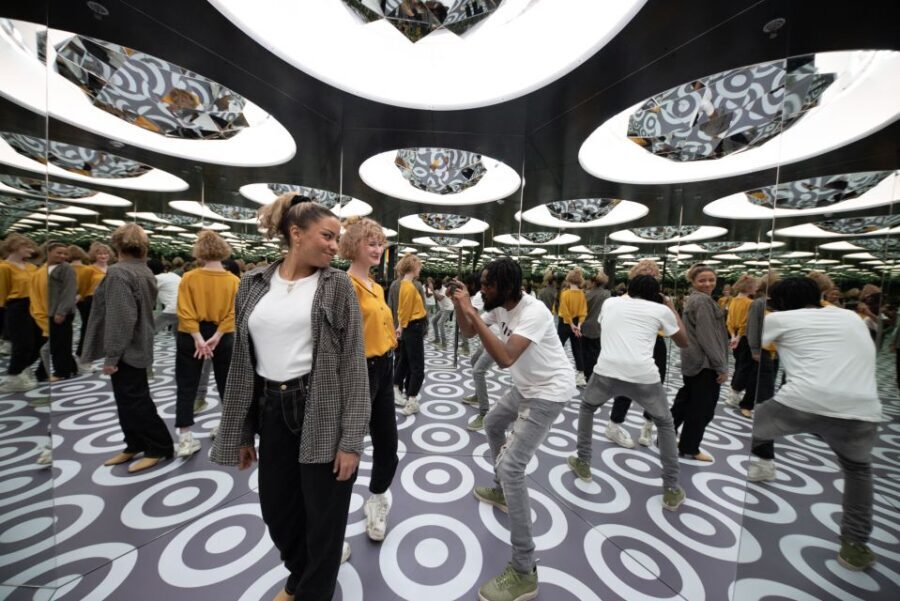
Paradox Museum Stockholm is a one-way, timed indoor adventure in central Stockholm that mixes modern visual tricks with hands-on paradoxes. Plan on about 80 minutes of optical illusions, touchable effects, and a lot of photo staging.
What I like most is how 70+ exhibits are built for movement, not just looking. I also like that the museum gives you clear directions at each station and photo-friendly setup points, so even if you are not an expert in illusions, you still get great results.
One thing to consider: it can feel a bit short when the museum is not packed, and queues/crowding can slow you down at popular photo spots.
- Key points worth knowing before you go
- Stockholm Paradox Museum: where mind tricks meet real fun
- Getting there and entering: Hötorget, Sergelgatan 20, and timed slots
- Ticket value: what is included and what costs extra
- How the 80 minutes really plays out: a one-way maze you can enjoy
- The stuff you will want to photograph (and how the museum helps)
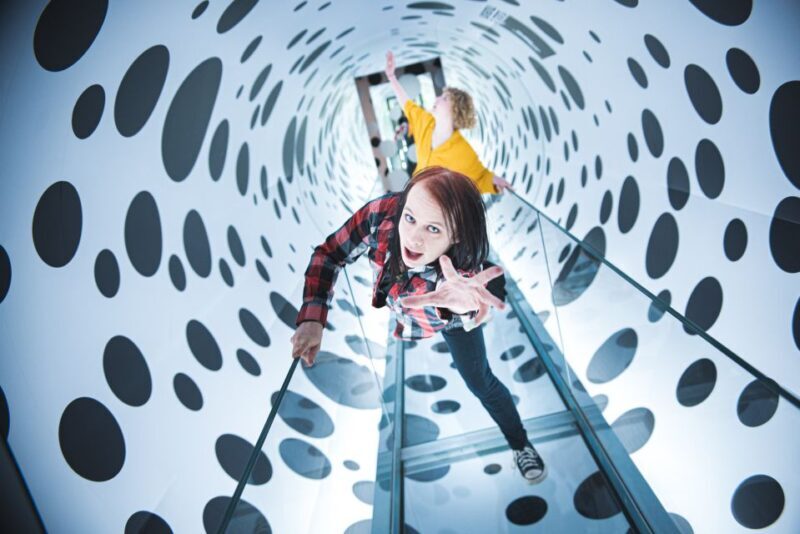
- The early big hits: rotating cylinder energy at the start
- Rooms that make people stop and stare: tall vs small and upside-down fun
- QR codes, exhibit guidance, and staff who actually help
- Crowds and queues: the main reason people say it felt rushed
- Zero Gravity add-on: worth it if you want a bonus twist
- Rules you should know: pets, food and accessibility
- Where to buy fun on the way out: the Paradox Boutique
- Who this is best for (and who might not love it)
- Final decision: should you book Paradox Museum Stockholm?
- FAQ
- Where is the Paradox Museum Stockholm located?
- How long does the Paradox Museum experience take?
- Is the Zero Gravity experience included in the entry ticket?
- Is the museum wheelchair accessible?
- Are pets allowed?
- Are food and drinks allowed inside?
- Is there free cancellation?
- More Museum Experiences in Stockholm
- More Tickets in Stockholm
- More Tour Reviews in Stockholm
Key points worth knowing before you go

- One-way flow experience: follow the signs through the maze with a set route
- Photo points are part of the design: marked spots help you get better paradox shots
- Interactive, not passive: you touch, step, and react to visual and tactile effects
- Staff help with group photos: they can even take pictures for you
- Crowds change the experience: busier times mean more waiting and less space to pose
- Zero Gravity is extra: included ticket covers the main museum route only
Stockholm Paradox Museum: where mind tricks meet real fun
If you are in Stockholm and you want something different from the usual museum plan, the Paradox Museum is a strong pick. It is built around a simple idea: your brain and senses can be fooled, even when you think you are seeing things clearly. The twist is that you are not just observing. You are participating—moving into positions, interacting with effects, and watching your expectations collapse in the best possible way.
This is also the kind of activity that works for a range of ages. Kids can go full giggle mode at the rooms that make gravity and scale feel weird. Teens and adults often enjoy the “wait, how did that happen?” feeling and the challenge of figuring out what trick is being used.
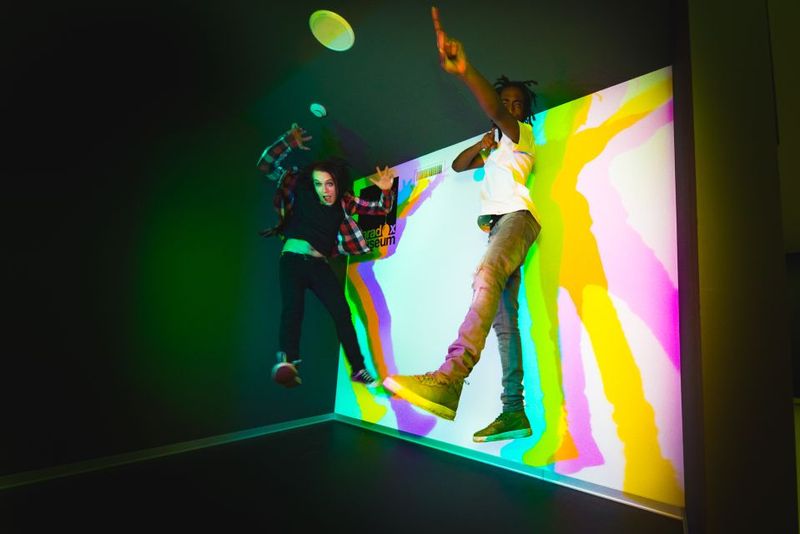
And yes, it is great for photos. The place is set up so you can come away with pictures that look impossible, not just snapshots of mirrors.
You can also read our reviews of more tours and experiences in Stockholm



Getting there and entering: Hötorget, Sergelgatan 20, and timed slots
The museum is right by Hötorget subway station, with the entrance from street level on Sergelgatan 20. That is convenient when you are using public transit or walking around the city center.
One practical detail: this is a timed activity. You choose a slot when you reserve, then you are expected to arrive on time. If you arrive late, you may end up losing time in the experience—exactly when you want maximum time for photo stops.
Also note the layout: it is a one-way flow system. That means you cannot wander back and forth to “take one more shot.” You follow the signs, hit each exhibit in order, and then keep moving.
Ticket value: what is included and what costs extra
The ticket price is listed at $28 per person, and the core museum route is included. The experience is set for about 80 minutes, which is a workable length for a rainy-day activity or a planned indoor break.
Here is the main pricing gotcha to watch: Zero Gravity is an add-on for 20 SEK and is not included in the base entry ticket. Some visitors expected everything to be included, so double-check your plans. If you are curious about the gravity experience, budget that extra cost.
Is $28 good value? For many travelers, it is, because you are getting a full circuit of interactive exhibits plus staff support for photos, not just a self-guided gallery. If you rush or only want a quick stop, it can feel expensive for the time you spend. But if you plan to interact, read the exhibit guidance, and take your time at the big visual moments, the price lines up better.
How the 80 minutes really plays out: a one-way maze you can enjoy
Inside, you follow signs through a one-way route designed to keep the flow moving. Each exhibit has guidance that tells you what to do and what is happening. That matters more than it sounds. Without instructions, paradox and illusion rooms can become frustrating because you do not know the exact position or action needed for the effect to work.
You also get additional learning through QR codes. These let you go a layer deeper when you want the explanation behind the illusion, not just the momentary shock.
The whole design is friendly for families because it reduces decision-making. You are guided forward. You just follow along, do the activity, and get the payoff.
More Great Tours NearbyThe stuff you will want to photograph (and how the museum helps)
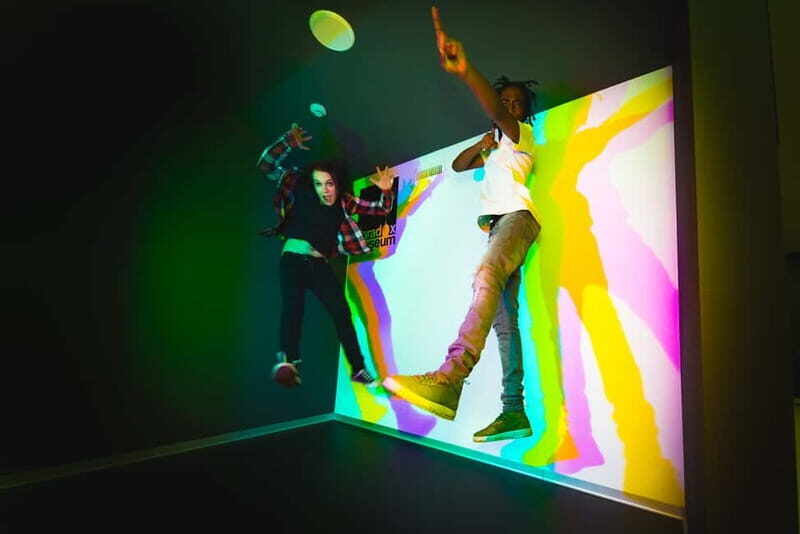
Paradox Museum Stockholm is basically a photo studio disguised as an art and science play space. Many exhibits have marked photo points, which can make a real difference in your results. Instead of guessing where to stand, you can aim for the spot the illusion was built around.
A couple photo strategy tips that come straight from how the museum is set up:
- Use the museum-style positions: if there is a marked spot, start there.
- Plan for group roles: some effects look best when you coordinate with other people in the frame.
- If you are solo, you might rely on staff help or use a timer setup. Some solo visitors noted that the museum can set up a phone stand so you can still capture the moment.
Crowds can be the main enemy of good photos. When it is busy, you might wait for space, and you might not get the quiet time needed for a perfect pose. The upside: the staff are generally willing to help with logistics and pictures, which can save your day.
You can also read our reviews of more museum experiences in Stockholm



The early big hits: rotating cylinder energy at the start
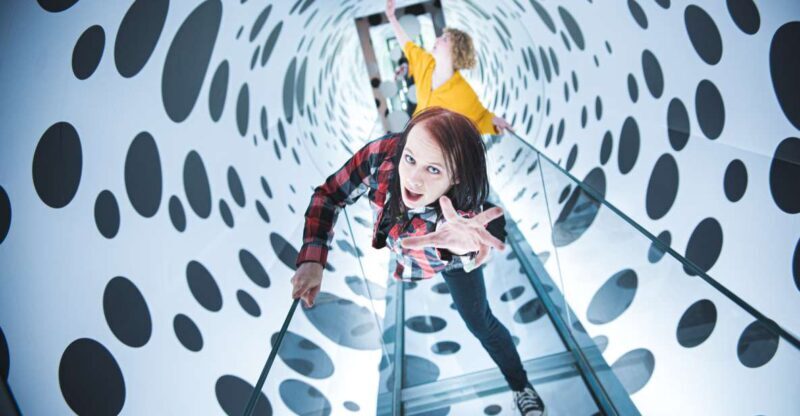
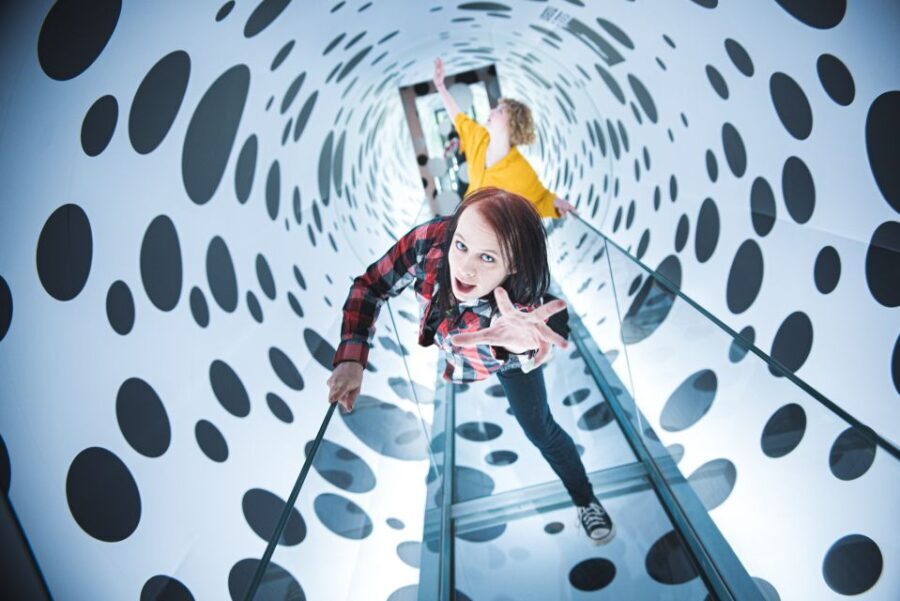
The experience has strong “start you fast” energy. One of the first memorable moments is a rotating cylinder at the beginning. It is the kind of exhibit that wakes you up mentally because it is instantly playful and visually engaging.
Starting strong matters because the museum is designed as a flow. If your first few stops are boring, the rest can feel like work. Here, the opening makes it clear you are in the right place and the tricks are not subtle.
Rooms that make people stop and stare: tall vs small and upside-down fun
A few exhibit types consistently get attention because they mess with scale and orientation:
- Tall vs. small rooms: You walk from one space into another and your sense of proportion feels wrong in a way that is hard to explain until you see it. It is fun for kids and surprisingly satisfying for adults who enjoy how perception can be manipulated.
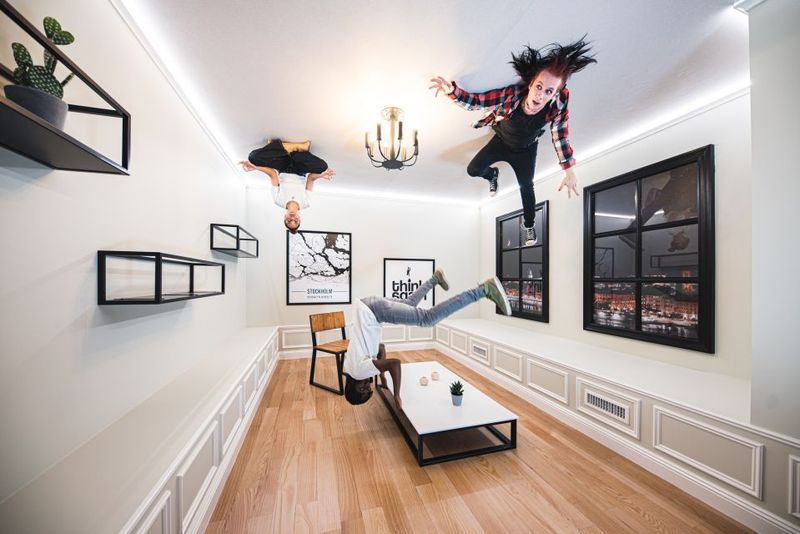
- Upside-down room: This is the “how is my brain accepting this?” stop. It is also one of the best photo targets, because it turns your body into part of the illusion.
These rooms are popular, so expect them to be busiest. If you want great photos, build in extra patience here. If you are with others, coordinate your photo turns so you are not waiting in one spot for too long.
QR codes, exhibit guidance, and staff who actually help
One underrated strength is that the exhibits are designed with you in mind. You will see descriptions that explain what to do and what is going on, so it never feels like you are wandering in the dark.
You can also scan QR codes for more information. When you want quick answers, QR codes are handy. When you want a longer look at what is happening, they give you that.
And staff support is a real plus. Visitors mention friendly, helpful teams and even staff who can assist with group photos. Some people even specifically called out staff members like Izzy and Georgina as especially supportive and good at helping visitors get the shot.
Crowds and queues: the main reason people say it felt rushed
The museum can get busy, which changes the mood quickly. When groups move through at the same time, some exhibits become bottlenecks—especially the ones that require multiple people to frame the illusion properly.
Some visitors reported that it took longer than expected in crowded conditions, while others said it was quick and that they got through the experience in under an hour. That difference usually comes down to crowd level and how many photos you take per stop.
Practical way to handle this:
- Choose a calmer time slot if you can. The opening slot is often mentioned as a way to have more space for each exhibit.
- Don’t get stuck at every photo point. Pick your must-do exhibits, then keep moving.
- Ask staff for help if you need a group photo. It is faster than waiting for random visitors.
Zero Gravity add-on: worth it if you want a bonus twist
The base ticket covers the main museum route. Zero Gravity is the add-on, priced at 20 SEK, and not included in the standard entry.
If you are the type of person who likes to go all-in on the weird stuff, the add-on is likely appealing. If you are traveling with kids who get tired easily, you might consider whether an extra experience is worth squeezing in after the main circuit.
Bottom line: decide based on your group’s energy level, not just curiosity.
Rules you should know: pets, food and accessibility
A few rules help you plan smoothly:
- Pets are not allowed. Assistance dogs are allowed.
- Food and drinks are not allowed.
Good to know for families and for anyone worried about bringing small snacks or a bottle of water. If you have dietary needs, plan to eat before you arrive and bring only what is permitted.
On the positive side, the museum is wheelchair accessible, so it is a more inclusive indoor option than many small, tricky museum layouts.
Where to buy fun on the way out: the Paradox Boutique
When you finish the main circuit, you can stop at the Paradox Boutique. It sells games, clothing items, souvenirs, and gadgets. This is a nice final step because it lets you take the theme home in a more useful way than a fridge magnet.
If you want a souvenir that actually matches the experience, look for interactive or puzzle-style items rather than just wearable merch. It is the kind of store you might actually enjoy browsing, especially if your group is still in “weird illusion” mode.
Who this is best for (and who might not love it)
This museum has a broad appeal, but it is not for everyone.
You will likely love it if:
- you enjoy hands-on interactive exhibits
- you want an activity with built-in photo opportunities
- you are traveling with kids or teens who like experimenting
- you enjoy quick learning moments via exhibit guidance and QR codes
You might not love it as much if:
- you hate crowds and bottlenecks
- you expect a long, traditional museum visit
- you are going solo and want every exhibit to work perfectly without help (some exhibits can need coordination with others)
That said, even solo visitors can have a good time. The staff support and phone/timer options can help you still get the main effects and photos.
Final decision: should you book Paradox Museum Stockholm?
I would book this ticket if you want a value-minded, indoor activity in Stockholm that combines learning with laughs. At $28 for about 80 minutes, it hits a sweet spot for many travelers—especially families and groups who want photos and participation, not lectures.
I would think twice if you are very time-sensitive or visit during a peak crowd window. Crowding can turn the experience from playful to rushed, and some people feel it is short if they are hoping for a longer museum day.
If you do book, go in with a plan: arrive on time for your slot, prioritize the biggest photo rooms, and expect the one-way flow to keep you moving. Then you will leave with memories that look like they belong in a fun science experiment, not a regular museum.
Stockholm: Paradox Museum Entry Ticket
FAQ
Where is the Paradox Museum Stockholm located?
It is in downtown Stockholm right by Hötorget subway station, with entrance from street level on Sergelgatan 20.
How long does the Paradox Museum experience take?
The experience duration is listed as 80 minutes.
Is the Zero Gravity experience included in the entry ticket?
No. Zero Gravity is an add-on and costs 20 SEK.
Is the museum wheelchair accessible?
Yes, the museum is wheelchair accessible.
Are pets allowed?
No, pets are not allowed. Assistance dogs are allowed.
Are food and drinks allowed inside?
No, food and drinks are not allowed.
Is there free cancellation?
Yes. You can cancel up to 24 hours in advance for a full refund.
You can check availability for your dates here: