
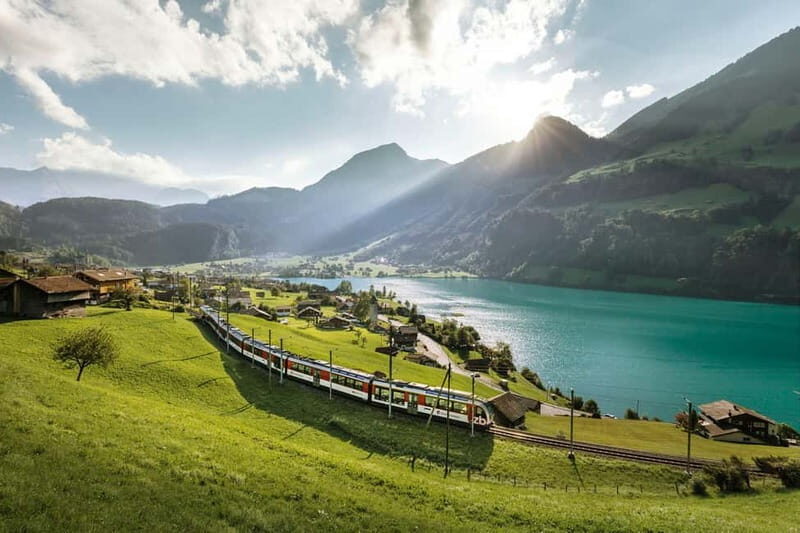
The Swiss Travel Pass is the “one ticket, many days” way to see Switzerland by rail. You get unlimited travel by train, bus, and boat across more than 90 towns, plus free entry to 500+ Swiss museums and discounts on mountain rides.
I really like that it’s flexible by design. With a pass in hand, you can hop cities on a whim, then spend the rest of the day on museum time or a mountain day. It also plays well with families, because children can travel free when riding with their parents.
The main thing to think about is seat reservations. Some scenic or panoramic trains (think Glacier Express and Bernina Express) require extra reservation fees, even if you have the pass.
- Key takeaways before you buy
- What the Swiss Travel Pass really buys you
- Picking the right day count: 3 vs 15 (and Flexi vs Continuous)
- How you actually use it: trains, buses, boats, and the SBB rhythm
- Mountain days: Rigi, Stoos, Stanserhorn, and the 50% off classics
- Panoramic and scenic trains: where the pass still needs a reservation
- Museums you can plan around: Zurich, Bern, Lausanne, and Geneva
- A practical itinerary idea that matches how the pass works
- Day 1–2: Bern base for art + national story
- Day 3: Zurich for a museum you can do fast or go deep
- Day 4: Lausanne for the Olympic angle, then lake time
- Day 5: Geneva for natural history
- Add-on day: Ballenberg for the Swiss “how people lived” experience
- Mountain capstone day: pick one included ride
- The pass rules that affect your stress level
- Booking reality: email delivery and what ticket collectors will want
- Price and value: does 7 make sense for you?
- Comfort and timing: what the ride feels like day to day
- Family travel with the pass: kids ride free
- Who this is best for
- Should you book the Swiss Travel Pass?
- FAQ
- How long is the Swiss Travel Pass valid?
- How do I get the Swiss Travel Pass after booking?
- Do I need seat reservations to use the pass?
- Is museum entry included with the pass?
- Which museums are mentioned as included highlights?
- Are mountain excursions included?
- Can children ride for free?
- What transport types are covered?
- Is the pass wheelchair accessible?
- Can I cancel after booking?
Key takeaways before you buy
 1 / 7
1 / 7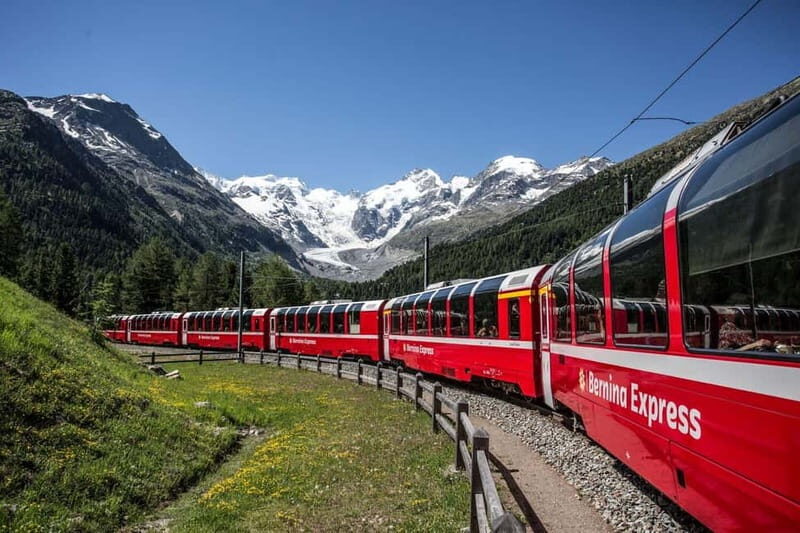 2 / 7
2 / 7 3 / 7
3 / 7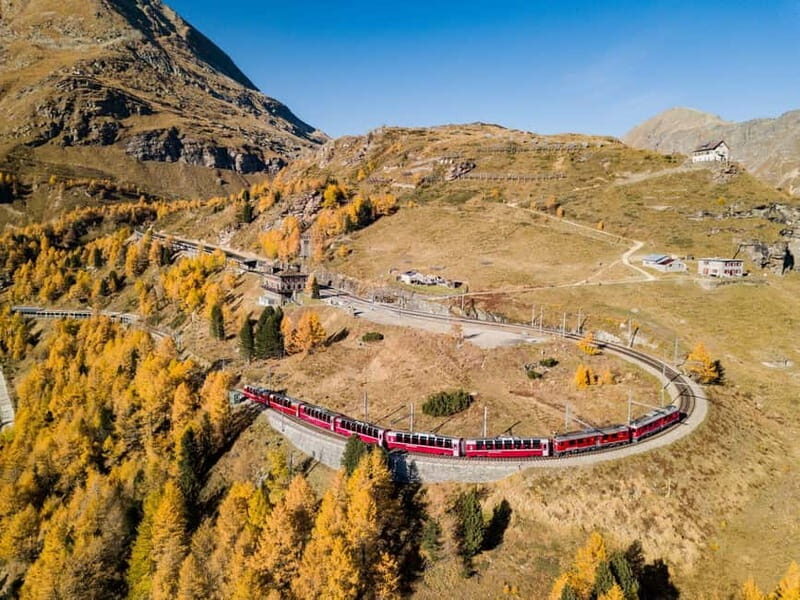 4 / 7
4 / 7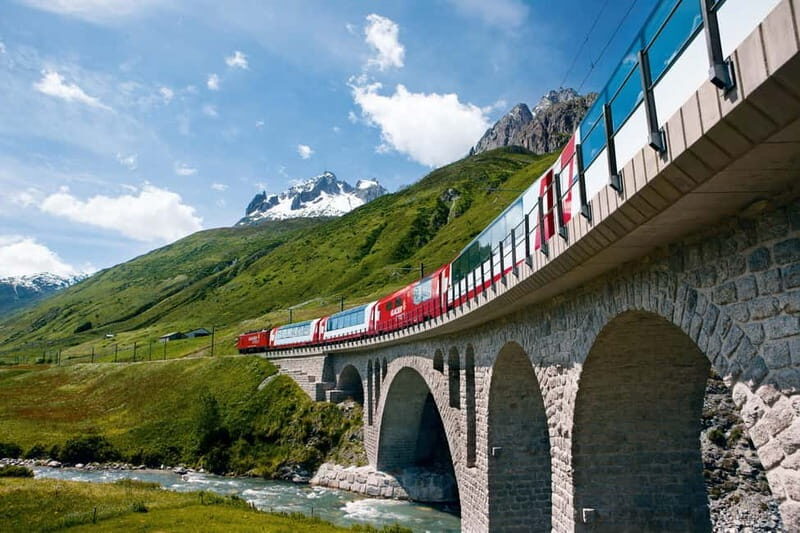 5 / 7
5 / 7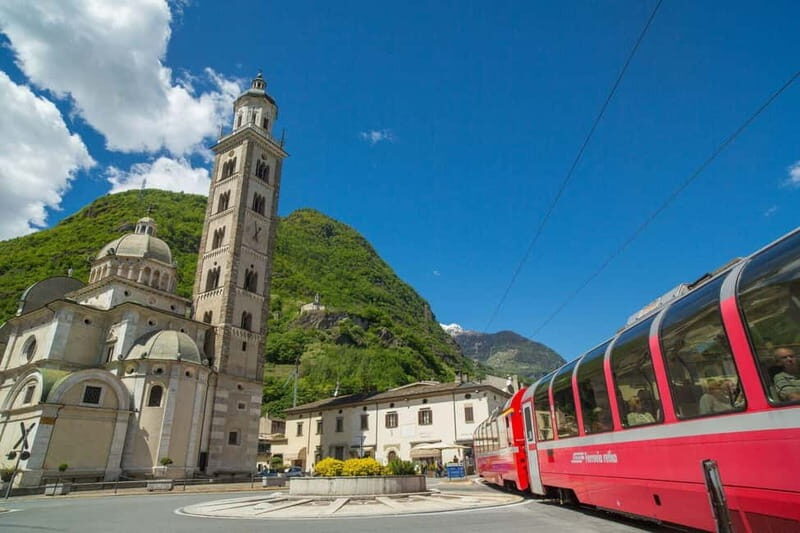 6 / 7
6 / 7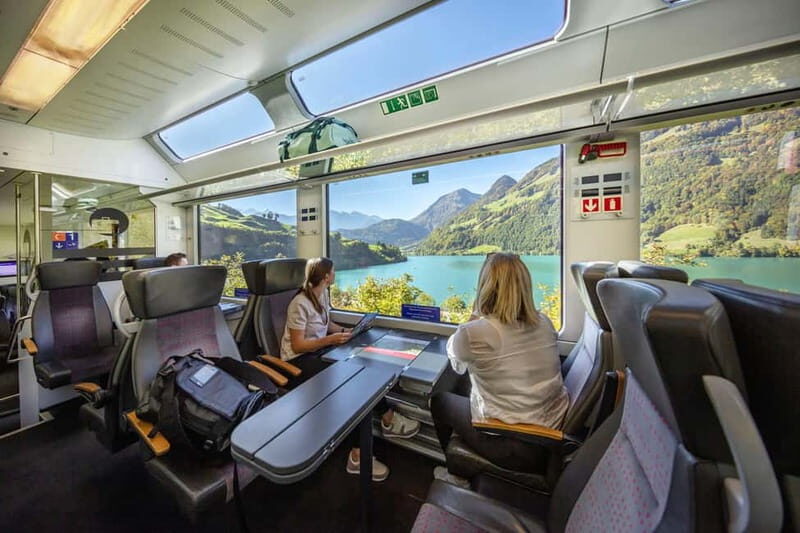 7 / 7
7 / 7- Unlimited public transport across Switzerland, including boats for lakeside towns
- 500+ museums included, including the Paul Klee Center, FIFA World Football Museum, and the Olympic Museum
- Mountain rides included on Rigi, Stoos, Stanserhorn, plus other specific lines, with 50% off on many others
- Dating system rules: valid from 12:00 AM on the first day to midnight on the last day
- Digital ticket delivery after booking, with checks by ticket collectors
- Panoramic trains often need seat reservations (extra cost)
What the Swiss Travel Pass really buys you
If Switzerland feels expensive, that’s not in your head. The Swiss Travel Pass is designed to remove the constant question of What ticket do I buy next? With this pass, most everyday moving around is handled for you: trains, local buses, and boats.
The best part is how it turns your itinerary into something you can react to. Weather changes? You can shift plans without sprinting to ticket counters. A busy day? You can stay longer in a city and still keep moving the next morning.
You also get a smart mix: transit value plus attraction value. Museum days aren’t an afterthought. They’re baked in, including major names in Zurich, Bern, Lausanne, and Geneva.
Picking the right day count: 3 vs 15 (and Flexi vs Continuous)
You can choose between 3, 4, 8, and 15 days, and there are two broad options: Continuous and Flexi. Continuous usually makes sense when you know you’ll chain together travel days back-to-back. Flexi is better if you want to build “rest days” or museum-heavy days and activate only what you need.
One rule that matters: the pass follows a day-by-day dating system. It starts 12:00 AM on your first date and runs to midnight on your last date. That means a late-night arrival could still count cleanly as long as you activate the right start day.
How you actually use it: trains, buses, boats, and the SBB rhythm
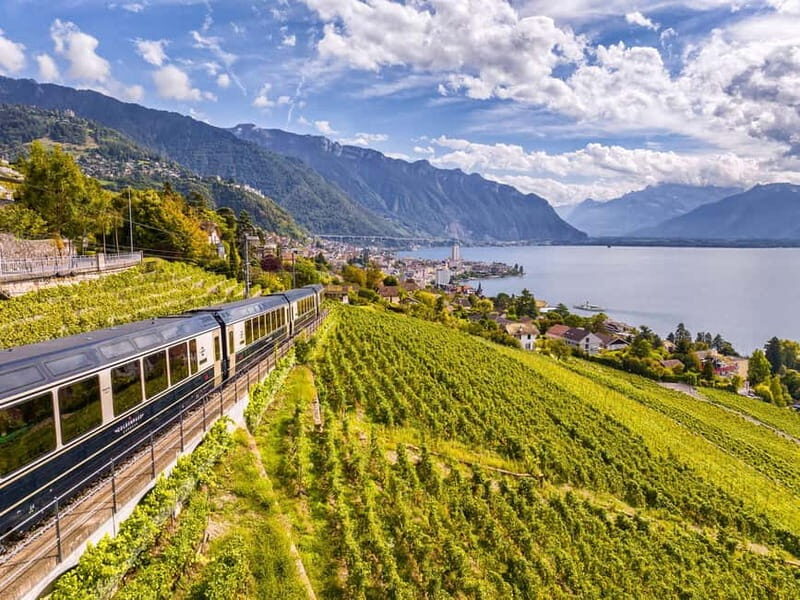
This pass covers unlimited travel by public train, bus, and boat to visit more than 90 towns and cities. In plain terms: you can build a route like a rail fan—pick places that match the day’s mood, then ride until you hit the next “yes, I want that view” moment.
A practical note from how people use it: the SBB app is a big helper. It makes schedules easier to read and helps you keep tabs on departures, especially when you’re bouncing between cities.
You should also know that ticket collectors do check passes. Travelers recommend having the digital ticket ready and keeping a backup plan (like saving a copy offline or keeping a screenshot). Cell service can be spotty, especially when you’re underground or deep in stations.
Mountain days: Rigi, Stoos, Stanserhorn, and the 50% off classics
Switzerland’s mountains are where this pass can feel like a cheat code. Some mountain excursions are included for free, including Rigi, Stoos, and Stanserhorn. Other included trips cover routes like Brunni and Klewenalp.
Then there’s the bonus layer: up to 50% off on many other mountain excursions and cableways. The pass mentions options like Gornergrat and Titlis as discounted examples.
How to think about this: if your trip plan includes at least one mountain morning and one lake/valley afternoon, the pass often starts to pay back quickly. If you’re mostly staying in one city, the transit and museum parts might still be great, but the mountain discounts may not matter as much.
Panoramic and scenic trains: where the pass still needs a reservation
This is the one snag people run into. The pass includes free travel on panoramic trains, but seat reservation is additional for certain services like Glacier Express and Bernina Express. In other words: you get the ride, but not necessarily your seat without paying extra for the reservation.
A small timing reality: on some routes, trains can fill up. One common example travelers shared is that seat availability can be tight on certain intercity days. The pass doesn’t stop that—reservations (when required) are the way to lock in comfort.
If you want the scenic-rail experience with the least stress, research which trains require reservations and plan them like a main event, not a last-minute hop.
Museums you can plan around: Zurich, Bern, Lausanne, and Geneva
This is where the Swiss Travel Pass gets really fun, because museum time isn’t just allowed—it’s included. You get free entry to 500+ museums, which turns rainy days into solid sightseeing days instead of “sit and hope the weather breaks.”
Here are a few highlights called out in the pass benefits:
- FIFA World Football Museum (Zurich)
- Paul Klee Center (Bern)
- National History Museum (Bern)
- Natural history museum (Geneva)
- Olympic Museum (Lausanne)
- Château de Chillon
- Ballenberg Swiss Open-Air Museum
If you love art, sports history, or just Swiss culture in an easy format, this is a big win. It also keeps your schedule realistic. You can spend the morning at a museum, eat lunch nearby, then use your transit access to move on without buying anything extra.
A practical itinerary idea that matches how the pass works
Because the pass is flexible, the “itinerary” is more like a set of ready-made building blocks. Here’s a clean way to string them together using included attractions and common travel patterns.
Day 1–2: Bern base for art + national story
Start in Bern and center two stops there. The Paul Klee Center gives you a focused art day without needing a whole travel circus. Pair it with the National History Museum of Bern so you get both creativity and the big-picture story of Switzerland.
Practical thought: Bern is a great “slow travel” city. You can walk a lot, then ride when you want a change of scenery.
Day 3: Zurich for a museum you can do fast or go deep
Take the train to Zurich for the FIFA World Football Museum. Even if you’re not a die-hard fan, it’s a museum that’s easy to enjoy because it’s built around stories and visuals rather than just facts.
This is also a good day to shop, snack, and do a shorter museum block. Then you’re ready to move on.
Day 4: Lausanne for the Olympic angle, then lake time
Head to Lausanne and visit the Olympic Museum. It’s a smart way to connect Switzerland to global sports culture.
After that, build in Château de Chillon. Castle time in Switzerland has a way of making every photo look like you hired a photographer.
Day 5: Geneva for natural history
Make Geneva your museum stop for the natural history museum. This is a great reset day if you’ve been mixing art and architecture. It also works well if you’re traveling with kids who want something interactive.
Add-on day: Ballenberg for the Swiss “how people lived” experience
If you can fit it, Ballenberg Swiss Open-Air Museum is an excellent add-on. Open-air museums tend to feel more like an outing than a visit. With your transit access, it’s an easy add as long as you plan your time around when you want to travel.
Mountain capstone day: pick one included ride
Finish with one included mountain excursion, like Rigi or Stoos or Stanserhorn. The key is matching the mountain day to your energy level:
- If you want a big view day, pick the ride that feels most like a summit day.
- If you want something scenic but not exhausting, choose the shorter-sounding included option you’re most excited about.
The pass rules that affect your stress level
A few “knowing this saves you trouble” details:
- No meeting point. You don’t show up to a desk. The pass is sent to your email.
- Valid 3–15 days based on your selection. Check availability for starting times.
- Wheelchair accessible: the pass is designed to work for wheelchair travelers (you may still want to confirm step-free access at specific stations).
- Free cancellation: you can cancel up to 24 hours in advance for a full refund.
Booking reality: email delivery and what ticket collectors will want
When you book, the confirmation you receive may not be the final pass itself. The data here is specific: the booking confirmation is not your original Swiss travel pass. Instead, the provider sends a digital ticket after about 24 hours, and you’ll need to show that digital ticket to ticket collectors.
That’s easy to handle if you’re organized:
- Check your email timing after booking.
- Keep the digital ticket accessible on your phone.
- Have a backup copy idea if your phone is the only thing you’re relying on.
Price and value: does $327 make sense for you?
The pass price listed is $327 per person for 3–15 days. That’s not cheap, but Switzerland’s everyday costs are high. What makes the pass potentially good value is the way it bundles several expensive categories:
1. Transit costs across many towns (trains, buses, boats)
2. Museum entry for major museums
3. Mountain discounts and included mountain rides
The clearest value pattern is simple: if you plan to move around multiple regions and you also want museums and at least one mountain excursion, the pass often turns into a “buy once, stop thinking about tickets” tool.
If your plan is only one city and you’re skipping museums and mountains, the pass may feel pricey. In that case, you might pay for fewer targeted tickets instead. The decision comes down to how many “included value categories” you’ll actually use.
Comfort and timing: what the ride feels like day to day
Switzerland’s rail system is known for being clean and efficient, and travelers consistently mention on-time departures. When trains are punctual and stations are easy to navigate, your pass becomes less about cost and more about speed and ease.
Also, public transit coverage across towns matters more than people expect. When you’re in Switzerland and you want to change plans quickly, having buses and boats covered makes the whole day flow better.
Family travel with the pass: kids ride free
Families often like this pass because kids can ride free when traveling with their parents. The terms state children up to 15 years of age travel free of charge with their parents.
If you’ve got kids, that changes the math fast. It also makes it easier to do spontaneous detours—museum now, train now, picnic now—without feeling like every change is another ticket purchase.
Who this is best for
You’ll likely love the Swiss Travel Pass if you:
- Want low-planning logistics and lots of freedom between towns
- Plan to use public transport heavily instead of taxis
- Care about museums and want them to feel “built in”
- Want mountain access with included rides like Rigi, Stoos, and Stanserhorn
- Travel with kids and want the cost to stay predictable
If you’re the type who likes everything tightly scheduled with minimal sightseeing, the pass might feel like paying for flexibility you don’t use.
Should you book the Swiss Travel Pass?
Book it if your plan looks like this: more than one city, at least a couple museum stops, and a mountain day. With 500+ museums and included Rigi/Stoos/Stanserhorn-type rides, it’s one of the easiest ways to turn Swiss transportation and attractions into one predictable budget.
Skip it (or consider a smaller plan) if you’ll mostly stay in one place and won’t use museums or mountain cableways much. Also, if you know you’ll rely on panoramic scenic trains, do your homework on seat reservations so you’re not surprised by extra reservation costs.
If you want the simplest Swiss experience—freedom, comfort, and plenty of indoor options when the weather changes—this pass is one of the strongest bets you can make.
Swiss Travel Pass: Unlimited Travel on Train, Bus & Boat
FAQ
How long is the Swiss Travel Pass valid?
It’s valid for 3 to 15 days, depending on the option you choose. The pass runs from 12:00 AM on the first date to midnight on the last date.
How do I get the Swiss Travel Pass after booking?
There is no meeting point. The pass is sent to you via email, and the digital ticket is provided after booking (after about 24 hours).
Do I need seat reservations to use the pass?
Some services require seat reservations for an additional cost, especially panoramic trains such as Glacier Express and Bernina Express.
Is museum entry included with the pass?
Yes. The pass includes free entrance to 500+ museums.
Which museums are mentioned as included highlights?
Highlights include the FIFA World Football Museum in Zurich, the Paul Klee Center in Bern, the National History Museum of Bern, the Natural History Museum in Geneva, and the Olympic Museum in Lausanne.
Are mountain excursions included?
Some are included for free, including Rigi, Stoos, and Stanserhorn (and also Stoos, Brunni, Klewenalp are mentioned). Other mountain excursions and cableways are typically discounted, up to 50% off.
Can children ride for free?
Yes. The information provided says children up to 15 years old travel free of charge with their parents.
What transport types are covered?
The pass includes unlimited travel by public train, bus, and boat across Switzerland.
Is the pass wheelchair accessible?
Yes. The pass is listed as wheelchair accessible.
Can I cancel after booking?
Yes. Free cancellation is available if you cancel up to 24 hours in advance for a full refund.
You can check availability for your dates here: