This day tour from Prague tackles an ambitious itinerary that most visitors don’t attempt on their own. You’ll start before dawn with a hotel pickup and return around 7 or 8 p.m., which means a long but genuinely rewarding day. The tour combines three very different experiences—a somber concentration camp visit, a scenic hike through a sandstone labyrinth, and views of Germany’s famous Bastei Bridge—with quality meals built into the schedule.
I love that this tour doesn’t feel rushed despite covering so much ground. The small-group format (maximum 8 people) means your guide can actually adapt to your pace rather than herding you along like cattle. What really stands out is the food component. Rather than grabbing a quick sandwich, you’ll have coffee and pastries at a charming local café, then later a proper lunch at what guides consistently describe as one of the best restaurants in the region. This isn’t fluff—it’s genuine value that breaks up an emotionally and physically demanding day.
The main consideration is the sheer length and intensity. You’re looking at nearly 13 hours door-to-door with significant walking at multiple stops. The Terezin visit alone requires emotional energy to process what you’re seeing. If you prefer shorter, more focused excursions, this marathon approach might feel like too much.
- What Makes This Tour Different
- Starting Early: The Drive Through Prague
- Terezin: Difficult but Essential
- Litoměřice: A Restorative Pause
- Bohemian Switzerland: Narnia and Sandstone Magic
- Lunch in the Forest
- Bastei Bridge: The Scenic Climax
- The Return Drive
- Who This Tour Suits Best
- Value Assessment
- A Notable Caution: Communication Issues
- Practical Details Worth Knowing
- Should You Book This Tour?
- FAQ
- Is this tour suitable for families with children?
- What happens if the weather is bad?
- Can I do just part of this tour instead of the full day?
- How physically demanding is the Narnia labyrinth walk?
- What’s included in the price and what costs extra?
- What’s the difference between the summer and winter itineraries?
- The Best Of Prague!
- More Tours in Prague
- More Tour Reviews in Prague
What Makes This Tour Different

Your guide makes or breaks the experience. The most consistent theme across reviews is praise for knowledgeable, personable guides who go well beyond the typical script. Guides like Peter Hainz apparently spend the entire drive sharing stories about Czech history, architecture, and culture—not just talking at designated stops. This transforms what could be a generic sightseeing tour into something genuinely educational and personal.
The food stops are genuinely special. Rather than tourist traps, you’re taken to places locals actually go. One reviewer called the lunch venue “the best meal of their vacation,” and multiple visitors specifically praised the vegetarian and gluten-free accommodations without feeling like afterthoughts.
You cross into Germany for part of the day. Most Prague day tours stay domestic, but this one takes you to Bastei Bridge in Saxony. It’s a small border crossing but adds geographic variety and reminds you that the Czech Republic sits at the intersection of Central European cultures.
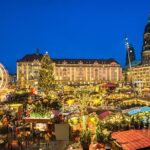
The winter alternative keeps things interesting. November through January, when daylight limits visits to Bastei, the tour swaps it for Dresden’s Christmas markets and rebuilt architecture. If you’re visiting during Advent, this actually sounds preferable to the standard summer itinerary.
👉 See our pick of the Which Prague Walking Tours To Choose? Our Best 15 Picks
Starting Early: The Drive Through Prague
Your day begins with a pickup at your accommodation—hotel, Airbnb, vacation rental, anywhere in Prague. The van is modern and air-conditioned, which matters on a full day like this. Your guide will message beforehand with timing, and based on reviews, communication tends to be excellent (with one notable exception I’ll address later).
The drive itself isn’t wasted time. Rather than sitting in silence, you’ll hear detailed stories about Prague’s ancient, medieval, and modern history. The route passes Heydrich’s assassination site, where the guide explains how Czechoslovak paratroopers killed the architect of the Final Solution. These aren’t generic facts—they’re delivered by someone who knows the territory and cares about context.
You can also read our reviews of more tours and experiences in Prague.

Terezin: Difficult but Essential
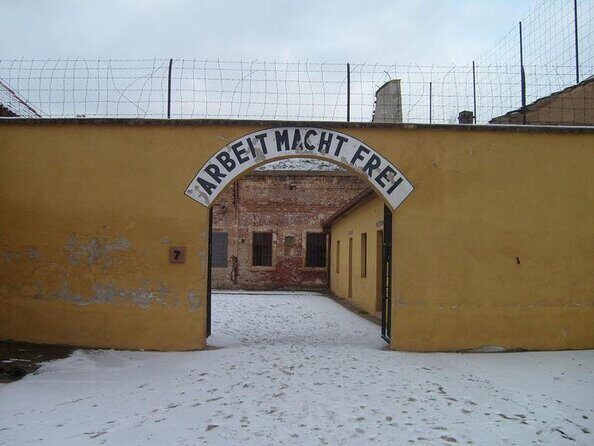
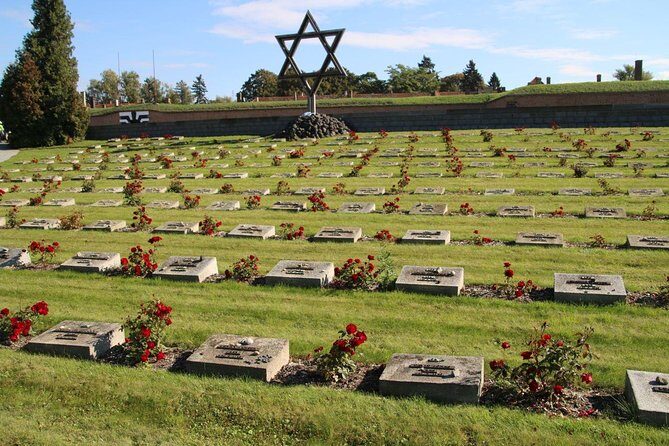
You’ll spend roughly two hours at the Terezin Memorial, which includes both the Gestapo prison and the former Jewish ghetto. An accredited guide leads this portion, and they handle the weight of the subject matter thoughtfully. This isn’t a casual sightseeing stop. You’re walking through spaces where real people suffered and died, and a good guide respects that gravity while providing historical context.
The concentration camp visit is included in your price, as is the guided experience. What you’re paying for partly is having someone who knows how to navigate this emotionally—how to provide information without being clinical, how to answer questions, how to give people space to process what they’re seeing.
This is the most intense part of your day. Most tours schedule the café stop afterward, which provides a deliberate mood shift. You’re moving from something heavy and dark to coffee, pastries, and the medieval town of Litoměřice.
Litoměřice: A Restorative Pause
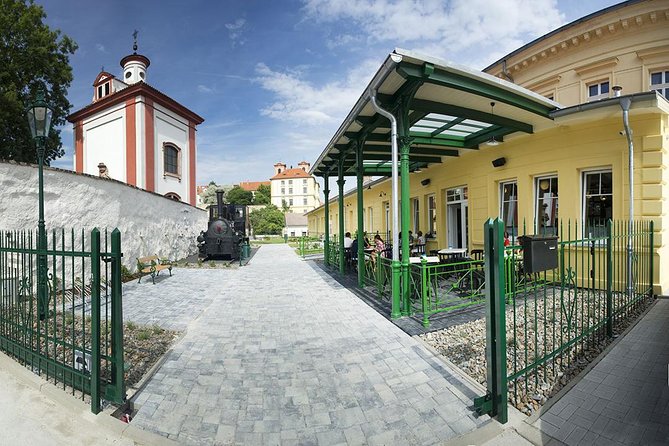
The coffee break at a local café is more than just caffeine. Litoměřice is a beautiful regional town with medieval character, and the café itself is described as romantic and atmospheric. If you’re interested, the town has memorials to José Rizal, the Philippine national hero, whose friend lived here—a small historical connection that illustrates how interconnected European history really is.
This stop matters psychologically. After the heaviness of Terezin, you need to reset. The café accomplishes that while still keeping you engaged with Czech culture. You’re not at a chain coffee shop; you’re at a place with character.
Bohemian Switzerland: Narnia and Sandstone Magic
The afternoon shifts to outdoor activity in Bohemian Switzerland National Park, shared between the Czech Republic and Germany. This is where the tour’s reputation for stunning scenery comes into play.
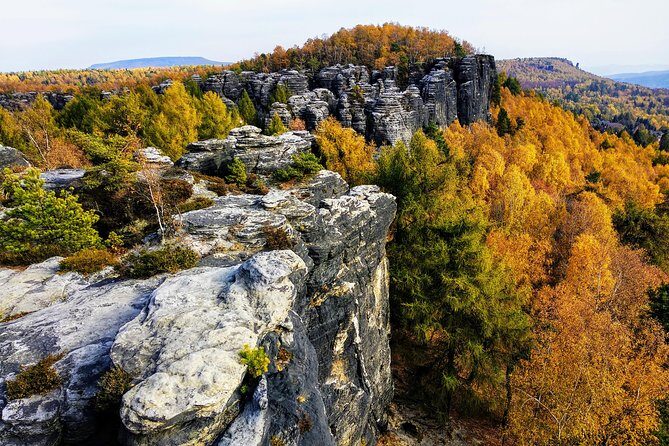
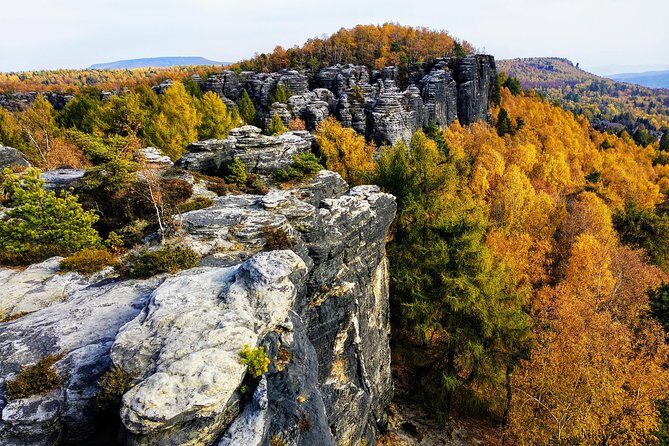
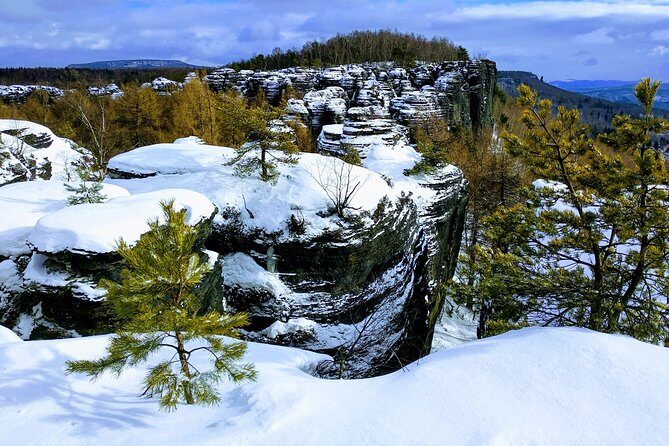
Tisá Sandstone Labyrinth (often called the Narnia Labyrinth) is where scenes from the Chronicles of Narnia films were actually shot. You’ll walk for about two hours through a landscape that genuinely does look like something out of fantasy—towering sandstone formations, narrow passages, and forest that feels removed from the modern world. The walk is described as easy-going rather than strenuous, though there are stairs and uneven terrain.
Multiple reviewers mentioned that the physical activity here provides perfect balance to the morning’s emotional weight. You’re moving your body, breathing fresh air, and experiencing something beautiful after processing trauma. That’s not accidental—it’s tour design that actually thinks about the human experience rather than just checking boxes.
Lunch in the Forest
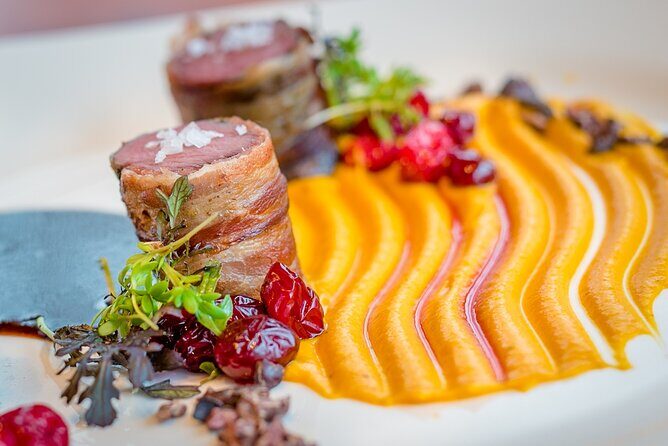
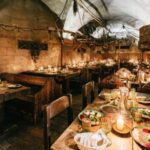
Between the Narnia site and Bastei, you’ll have lunch at what’s consistently described as an exceptional restaurant. The menu includes options like salmon trout with saffron butter sauce, deer ragout, or duck leg confit—proper Czech cuisine rather than tourist fare. Vegetarian and gluten-free options are available, and reviewers noted these weren’t compromised or limited.
The restaurant’s setting in a secluded forest location adds to the experience. You’re not eating in a town center; you’re in a genuinely special place. This meal is included in your tour price, which is significant when you consider what similar restaurants would cost if booked independently.
Bastei Bridge: The Scenic Climax
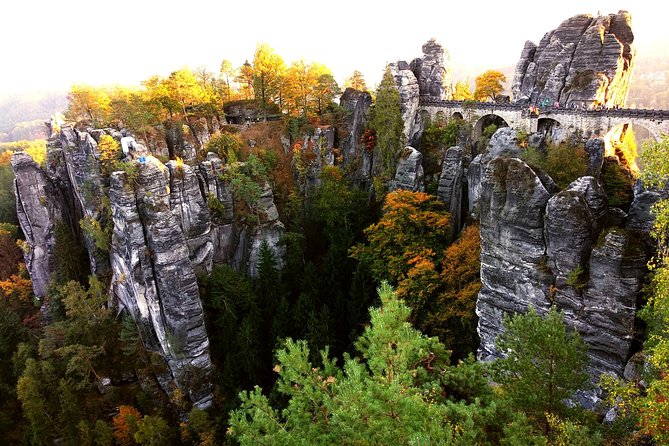
The Bastei Bridge is on the German side of the border, a famous sandstone formation with a bridge offering views across the landscape. You’ll spend about 90 minutes here, with time for photos and walking around the site.
This stop only operates February through October due to daylight and safety concerns. If you’re visiting November through January, you’ll go to Dresden instead, which has its own appeal—particularly if you’re there during the Christmas season.
One reviewer specifically mentioned catching the sunset at Bastei, which apparently made the experience magical. Timing matters here, and your guide presumably plans the day to maximize light at this final major stop.
The Return Drive
You’ll head back to Prague, arriving around 7 or 8 p.m. The drive back feels long partly because you’re tired—this is a full day—but also because you’re covering genuine distance. You’re not just going to a nearby attraction and returning; you’re crossing into Germany, seeing significant landscape, and experiencing real travel.
Who This Tour Suits Best
This experience works best for travelers who want context and depth rather than just photos. You’ll get more from this tour if you’re interested in 20th-century European history, Czech culture, and landscape. It’s also ideal if you’re nervous about driving abroad or prefer not to rent a car. The tour handles logistics, navigation, and parking.
The physical demands mean you should be comfortable with multiple hours of walking and climbing stairs. It’s not extreme hiking, but it’s active. If you have mobility limitations, discuss this with the tour operator before booking.
This also suits small-group travelers who prefer intimate experiences to large bus tours. With a maximum of 8 people, you get personalized attention that simply doesn’t exist on bigger tours.
Value Assessment
At roughly $145 per person, you’re paying for several things beyond just transportation. The price includes entry to Terezin and the national park sites, lunch, coffee and pastries, and a guide for 11-13 hours. If you calculated these separately—entrance fees, a meal, transportation, and professional guidance—you’d easily spend more, particularly for quality.
The real value isn’t just in what’s included but in how it’s organized. The sequencing of activities, the restaurant choices, the pacing—these reflect someone who knows the territory and has thought about the traveler’s experience. You’re not just getting a list of stops; you’re getting a well-considered day.
A Notable Caution: Communication Issues
The reviews are overwhelmingly positive, but one traveler had a significantly different experience. Their guide didn’t show up, didn’t respond to messages, and the operator initially said they couldn’t help until the tour’s scheduled end time. This is serious—it’s a complete failure of the service.
The operator’s response was gracious (offering a free private tour as compensation), but this does suggest that while the standard experience is excellent, there’s potential for things to go wrong. It’s worth double-checking communication before your tour date and having a backup contact method.
Practical Details Worth Knowing
Bring a valid passport. You’re crossing into Germany, so you’ll need identification.
Dress for the weather. The tour operates in all conditions, which means rain gear if it’s wet and layers if it’s cool. Reviewers mentioned guides providing umbrellas, which is a nice touch.
Book vegetarian or gluten-free meals when you reserve. The tour accommodates these, but they need to know in advance.
The small group size is genuine. Maximum 8 people means this isn’t oversold. It also means if you’re booking last-minute, it might be full.
Cancellation is free up to 24 hours before. This is reasonable and gives you flexibility if plans change.
Should You Book This Tour?
Book this if you want to experience the Czech Republic beyond Prague in a single day without the stress of driving or navigating yourself. Book it if you’re interested in 20th-century history and want thoughtful context rather than surface-level visits. Book it if you value good food and small-group attention over maximizing the number of stops.
Skip it if you prefer shorter, more focused excursions. Skip it if you’re not comfortable with full days of activity or multiple hours of walking. Skip it if you’re visiting November through January and have no interest in Dresden’s Christmas markets, since that replaces the Bastei Bridge visit.
The consistent praise from dozens of travelers suggests this is genuinely well-executed. The guide quality matters enormously—if you get someone knowledgeable and personable (which appears to be the norm), you’ll have a memorable day. The combination of serious history, natural beauty, and good food creates something that feels balanced rather than exhausting, even though you’re covering enormous ground.
This is one of those tours that works because someone clearly cares about getting the details right.
Terezin & Bohemian Switzerland from Prague: Bastei, Narnia & Café
FAQ
Is this tour suitable for families with children?
The tour can work for older children who can handle walking and the emotional weight of a concentration camp visit. The Narnia labyrinth walk appeals to kids, and the meal breaks help with pacing. However, the full 11-13 hour day and the intensity of Terezin make this better suited for teenagers and adults rather than young children. Discuss your children’s ages and comfort levels with the operator before booking.
What happens if the weather is bad?
The tour operates in all weather conditions, so rain won’t cancel it. You should dress appropriately and bring rain gear. However, the tour can be canceled only if weather is so severe it creates safety concerns—particularly at Bastei Bridge, which has specific daylight and weather requirements for safe access.
Can I do just part of this tour instead of the full day?
Based on the structure, this is sold as a complete package rather than modular stops. If the full day feels like too much, you might explore whether shorter, focused tours exist for individual sites like Terezin or the national park. Contact the operator to discuss options before booking.
How physically demanding is the Narnia labyrinth walk?
The walk is described as easy-going rather than strenuous, but it involves roughly two hours of walking through uneven terrain with stairs and sandstone passages. You don’t need hiking experience, but you should be comfortable with sustained walking and climbing. Wear good shoes with grip.
What’s included in the price and what costs extra?
The price includes all entrance fees (Terezin, national park sites), lunch, coffee and pastries, transportation, and a professional guide. Nothing is listed as extra, though you might want to budget for additional snacks, drinks, or souvenirs. Gratuities aren’t mentioned as required but are presumably appreciated.
What’s the difference between the summer and winter itineraries?
Summer tours (February-October) include the Bastei Bridge in Germany. Winter tours (November-January) replace Bastei with Dresden, which includes city exploration and Christmas markets if you’re visiting during Advent. Both cover Terezin and the Narnia labyrinth. Choose based on your travel dates and whether you prefer mountain views or urban architecture and holiday atmosphere.