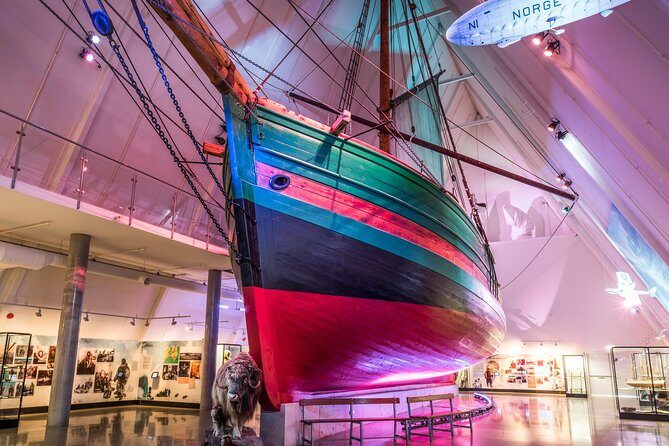
I’m excited about this one because the Fram Museum isn’t just displays behind glass. You get to walk through original ships, see expedition life up close, and pair it with a short polar introduction film that helps the whole story click fast. In Oslo, that combo makes it one of the easiest history stops to turn into a real experience.
I really like two things right away. First, your prepaid admission is straightforward with a mobile ticket, so you can spend less time sorting logistics and more time inside. Second, the museum’s approach to the High North feels practical and educational, from the big ship galleries to the film schedule.
One consideration: your visit can feel “information-heavy,” and the museum is busy at peak hours. If you have limited time, a smart plan (and the patience to read a few key sections) will make a bigger difference than trying to see everything in one quick pass.
- Key Points
- Entering The Fram Museum: Why This Place Works
- Your Prepaid Admission: Mobile Ticket, Simple Entry
- What You’ll See First: The Fram Building’s Big Story Panels
- Walking Through The Fram Ship: The Part Most People Remember
- The Underground Tunnel and The Gjøa Building
- The Polar Cinema: A Short Film That Makes The Whole Place Make Sense
- High North Today: Polar Bears, Ice Melt, Gas and Oil
- How Long Should You Plan For? (1 to 3 Hours)
- Accessibility, Service Animals, and Who Can Go
- Opening Hours: What Time to Aim For in Oslo
- Location and Getting There
- Price and Value: Is .38 Worth It?
- What’s Not Included: Food and Drinks
- Practical Booking: How Far Ahead to Plan
- Cancellation Policy: Free Cancellation Up to 24 Hours
- Tips for a Smoother Visit (Especially If You’re Short on Time)
- Best For: Who Will Enjoy This Most
- Should You Book the Fram Museum Ticket?
- FAQ
- What’s the price of the Fram Museum admission ticket?
- How long should I plan to spend inside?
- Is there an English option?
- What’s included with the admission ticket?
- Are food and drinks included?
- What are the opening hours?
- Are service animals allowed?
- The Best Of Oslo!
- More Museum Experiences in Oslo
- More Tickets in Oslo
- More Tour Reviews in Oslo
Key Points
 1 / 2
1 / 2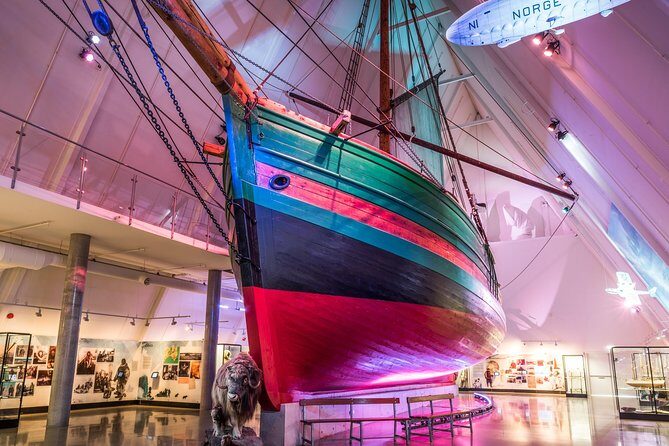 2 / 2
2 / 2- Walkable ships, not just photos: You can board the historical vessels and see how explorers lived and worked.
- Language support: Main exhibition texts are available in ten languages.
- Gjøa and Fram connection: The Gjøa building links to the Fram through an underground tunnel.
- Short film pacing: A 116-seat cinema shows a polar introduction movie every fifteen minutes.
- Good value for a full museum visit: At about $19.38 per person, you get more than a simple ticket—plan on 1 to 3 hours.
- Plan for meals separately: Food and drinks aren’t included, so decide ahead for breaks.

👉 See our pick of the 15 Must-Try Walking Tours In Oslo
Entering The Fram Museum: Why This Place Works
If you’ve ever looked at Arctic expedition photos and thought, How did anyone actually do that?, the Fram Museum answers with one simple trick: it puts you inside the world those ships were built for. In Oslo, it’s a museum where the objects, the layout, and the ship access all pull their weight.
Expect to spend real time moving from one section to another—reading the big story panels, then stepping onto deck and into lower spaces. The building setup also helps. You’re not stuck in a single room staring at one screen or one case.
You can also read our reviews of more tours and experiences in Oslo


Your Prepaid Admission: Mobile Ticket, Simple Entry
This is admission, not a long guided bus tour. You buy a ticket, show the mobile ticket on arrival, and go in. Confirmation is received at booking, and the offer lists English as the language option.
A nice detail for planning: the ticket is structured like a timed museum visit, and the experience duration is listed at about 1 to 3 hours. That range matters, because you can slow down for ship access and reading, or you can do a faster loop if your Oslo schedule is tight.
Also good: the service is small-capped in the description (maximum of 14 travelers). That usually means the entry flow is calmer than bigger group attractions, though the museum can still get crowded depending on when you go.
What You’ll See First: The Fram Building’s Big Story Panels
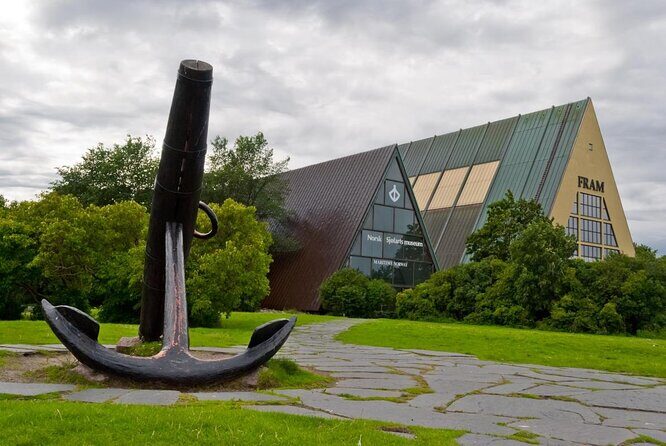
The main exhibition sits in the Fram building. The museum uses explanatory texts in ten languages, and the content focuses on three major Fram expeditions.
This is one of those places where the order helps. If you start with the “why” and “how,” then the ship interiors make more sense. If you skip the reading and just race to the ship, you might still have fun—but the emotional weight of the expedition details will take longer to land.
You’ll also notice the museum has a clear structure: big themes on walls and then real ships below. That’s a practical design choice for visitors who learn better with both context and hands-on movement.
Walking Through The Fram Ship: The Part Most People Remember
The biggest draw is the fact you can actually board the ship. You’re not just viewing a historic vessel behind a barrier. You get to move around the decks and the internal areas that preserve the feeling of cramped, engineered life.
Some visitors specifically mention enjoying the way the ship is staged—realistic-looking rooms and crew areas—and the chance to walk on different levels. There are also moments of environmental storytelling, including a violent storm and ice-style simulation. You might see an effect like stormy weather while you’re on the ship area, which can make the whole story feel more immediate.
If you’re the type who loves “how did it work?” this ship access is where it clicks. You can picture where people slept, how they navigated limited space, and why expedition preparation mattered.
The Underground Tunnel and The Gjøa Building
One of the most unique parts of this museum experience is that the Gjøa building connects to the Fram through an underground tunnel.
The Gjøa building opened in June 2013, and it’s built around the centerpiece ship Gjøa—the first vessel to complete the whole Northwest Passage. That is a huge factual anchor for the museum, and it shapes how the exhibitions feel: not just “polar exploration happened,” but “specific missions, specific routes, specific technology.”
Inside the Gjøa section, you’ll find new historical exhibitions tied to multiple major exploration chapters, including:
- The expeditions of Gjøa and Maud
- The airplanes N24 and N25
- The airship Norge
- John Franklin’s legendary expedition
- Expeditions of Henry Larsen and Eivind Astrup
Even if you’re not a polar-nerd, that lineup helps. It shows how exploration evolved—from ships to aircraft and airship attempts—while staying rooted in the same northern challenges.
You can also read our reviews of more museum experiences in Oslo


The Polar Cinema: A Short Film That Makes The Whole Place Make Sense
Right in the museum there’s a 116-seat cinema. You’ll find a polar introduction movie every fifteen minutes.
This matters more than it might sound, because movies inside museums act like a “story glue.” You’ll see the polar setting, learn the basics of why it was so hard, and then walk into the ship spaces with a clearer mental map.
If you’re visiting with kids or anyone who gets tired of reading, the film is also a natural reset. It can break up the ship walkthrough so the museum feels like a sequence instead of a wall of text.
High North Today: Polar Bears, Ice Melt, Gas and Oil
This museum isn’t trapped in the past. It also addresses current issues facing the High North, including topics like:
- Polar bears
- Ice melting
- Gas and oil
For travelers, the value here is simple: it turns polar exploration from a far-away story into something that connects to the present. You don’t have to agree with every interpretation. You just get a chance to see how the museum frames the stakes today.
How Long Should You Plan For? (1 to 3 Hours)
The listed duration is about 1 to 3 hours, and that’s pretty realistic if you plan around the ship access.
If you want an easy, doable pace, here’s a practical approach:
- Start with context in the main exhibition areas
- Then shift to boarding the ships (this is where time can expand)
- Use the cinema slot if it lines up with your visit window
- Finish with the Gjøa-related rooms and the High North issue displays
If you like to read every map and timeline, expect closer to the upper end. One frequent pattern among visitors is spending around two hours total, with a longer hangout time if you’re interested in routes, artifacts, and expedition conditions.
Accessibility, Service Animals, and Who Can Go
Most travelers can participate, and the museum experience is designed so it’s accessible to a wide range of visitors.
Service animals are allowed. The rules note that service animals are allowed with an ID, which is a useful detail to keep in mind if you rely on one.
Group size is capped in the experience description (maximum of 14 travelers). That doesn’t mean you won’t share space with other museum visitors, but it can help the overall entry feel less chaotic than big bus group tours.
Opening Hours: What Time to Aim For in Oslo
The listed opening hours (for the overall period shown) are 10:00 AM to 5:00 PM, Monday through Sunday.
A practical tip: if you care about comfort while moving through ship areas and exhibits, arriving near opening often makes for an easier start. You’ll have less “traffic” inside when you’re first walking onto deck and looking at the details.
Location and Getting There
The museum is listed as near public transportation. One visitor comment highlights that the location can feel somewhat remote, so it’s smart to double-check your route and timing before you leave your hotel.
Because museum stops can be time-sensitive (especially if you want to catch a film slot), it’s worth building in a small buffer for Oslo transit.
Price and Value: Is $19.38 Worth It?
At $19.38 per person, this ticket is priced like a museum admission—but the value comes from what’s included inside.
You’re getting:
- Access to both the Fram and the Gjøa areas connected by tunnel
- Included cinema time in the N25 Flight 4d Cinema (listed as part of what’s included)
- A structured exhibition experience with English availability
In plain terms: you’re paying for ship access plus multiple themes across exploration history. If your Oslo trip has limited time, this can work better than taking a gamble on a smaller museum that doesn’t include ship boarding.
And there’s another quiet value point: you can go at your own pace. You’re not locked into a long tour script.
What’s Not Included: Food and Drinks
Food and drinks are explicitly not included. So if you plan a break, decide in advance—either before you go in or after you exit.
If you’re traveling with kids, that’s especially important. A museum visit can stretch to a couple hours, and once you’re inside, it’s easier to focus on exhibits than to detour for snacks.
Practical Booking: How Far Ahead to Plan
This experience is described as being booked on average about 21 days in advance. That doesn’t mean it sells out instantly, but it does suggest it’s popular enough that booking ahead is the safe move.
Tickets use a mobile entry system, and you should receive confirmation at booking. If you’re mapping your Oslo days, add this stop as one of your anchors so you’re not shuffling plans at the last minute.
Cancellation Policy: Free Cancellation Up to 24 Hours
The cancellation terms are clear: free cancellation is available up to 24 hours in advance for a full refund.
If you cancel less than 24 hours before the experience start time, the amount you paid won’t be refunded. Changes made less than 24 hours before the start time aren’t accepted.
This policy is helpful if your Oslo schedule might shift—say, due to weather or transit changes.
Tips for a Smoother Visit (Especially If You’re Short on Time)
A few small choices can make the museum feel calmer:
- If you’re sensitive to crowds, aim to arrive earlier in the day (opening time is 10:00 AM).
- If the shipboarding areas are the priority, don’t let yourself get stuck too long reading every panel on the first pass.
- Use the cinema rhythm. Since the polar introduction movie runs every fifteen minutes, you can time your break without losing too much momentum.
Also, keep your expectations realistic. This is hands-on ship exploration plus exhibitions. It’s not a quick “see and go” stop for people who dislike walking and reading.
Best For: Who Will Enjoy This Most
You’ll likely enjoy the Fram Museum if you:
- Like polar exploration and want historical detail you can actually walk through
- Prefer museums where the content feels tangible (ship levels, objects, and spaces)
- Travel with kids who benefit from interactive parts and short film breaks
- Want an educational stop that still feels like a story, not a lecture
It also works well for first-time Oslo visitors who want a museum experience that goes beyond typical city sights.
Should You Book the Fram Museum Ticket?
Yes, you should book if you want a solid, high-value museum in Oslo that includes real ship access and a helpful film. For the price, you’re not just paying to look at artifacts—you’re paying for a structured experience with ships, tunnels, and expedition themes across multiple eras.
You might skip or rethink if:
- You only have a tight 45–60 minutes and you hate reading. In that case, you might feel rushed inside.
- You’re expecting food or a meal to be part of the ticket. Food and drinks aren’t included, so plan separately.
If you’re the type who likes to explore at your own pace, this admission ticket is a smart move.
The Fram Museum Admission Ticket
FAQ
What’s the price of the Fram Museum admission ticket?
The ticket price is listed as $19.38 per person.
How long should I plan to spend inside?
The experience duration is listed as about 1 to 3 hours.
Is there an English option?
Yes. The experience is offered in English.
What’s included with the admission ticket?
Included items listed are Gjøa and N25 Flight 4d Cinema.
Are food and drinks included?
No. Food and drinks are not included.
What are the opening hours?
The museum is listed as open 10:00 AM to 5:00 PM, Monday through Sunday.
Are service animals allowed?
Yes, service animals are allowed, but they’re allowed with an ID.