When you’re planning a trip to Berlin, the weight of the city’s 20th-century history hangs over every corner. This Third Reich and WWII walking tour cuts through the surface-level tourism to give you the real story—the people, the places, and the pivotal moments that shaped one of the darkest chapters in human history. We love that the tour combines major historical sites with lesser-known resistance stories, and we’re impressed by how consistently guides manage to make three hours feel both comprehensive and deeply personal. The main thing to keep in mind is that this is a serious, emotionally heavy tour that demands your full attention and appropriate footwear for roughly 5,000 steps on Berlin’s streets.
This tour is ideal for anyone genuinely interested in understanding how democracy crumbled, how propaganda worked, and what courage looked like in the face of totalitarianism. If you’re the type of traveler who reads history books before trips or wants to understand the “why” behind the monuments, this experience will reward that curiosity generously.
- The Value Proposition: Getting More Than You’d Find Alone
- Understanding the Route: From Hitler’s Final Days to Resistance Heroes
- The Soviet Memorial and the Cost of Victory
- Walking Through the Seats of Power
- Confronting the Machinery of Repression: The Topography of Terror
- The Resistance Stories: Why They Matter
- The Guides: The Real Heart of the Experience
- Practical Considerations: What You Actually Need to Know
- The Holocaust Memorial: A Moment for Reflection
- Who Should Book This Tour
- Frequently Asked Questions
- The Best Of Berlin!
- More Walking Tours in Berlin
- More Tours in Berlin
- More Tour Reviews in Berlin
The Value Proposition: Getting More Than You’d Find Alone
 1 / 9
1 / 9 2 / 9
2 / 9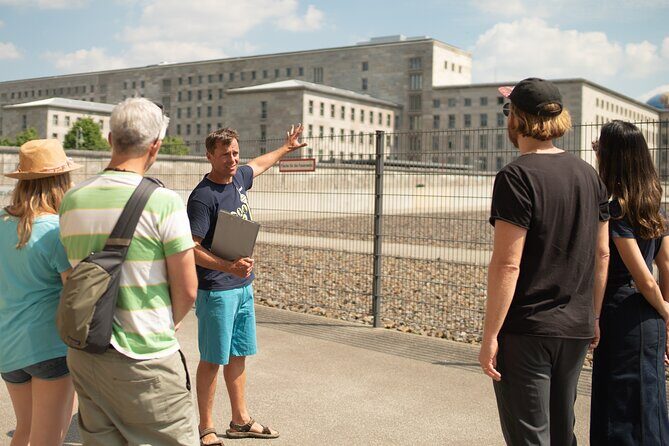 3 / 9
3 / 9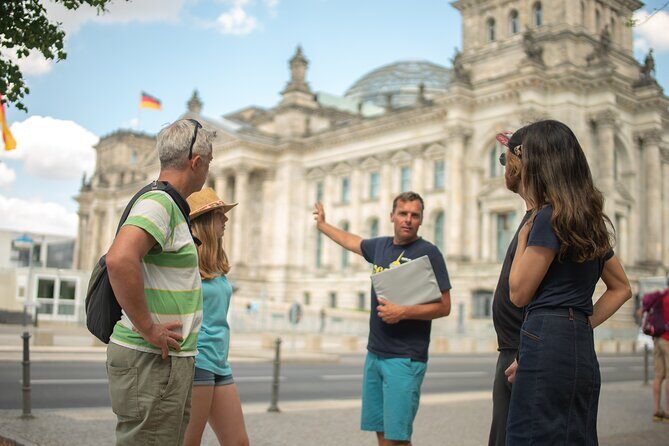 4 / 9
4 / 9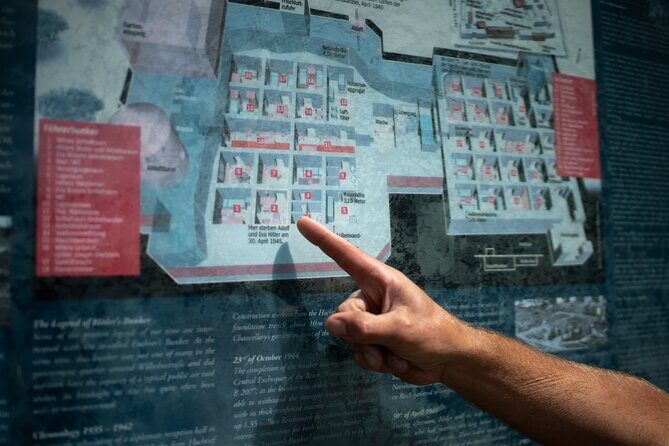 5 / 9
5 / 9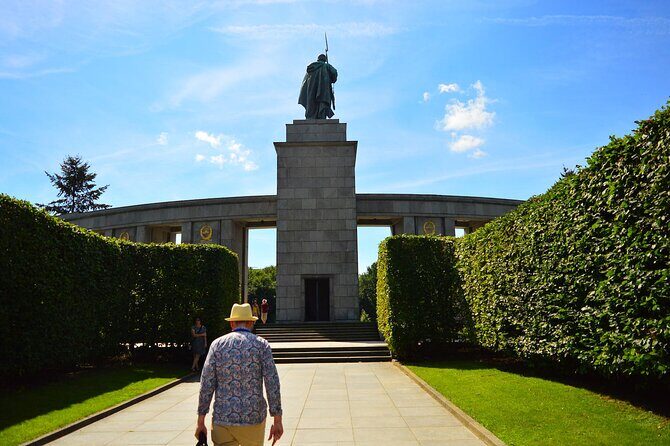 6 / 9
6 / 9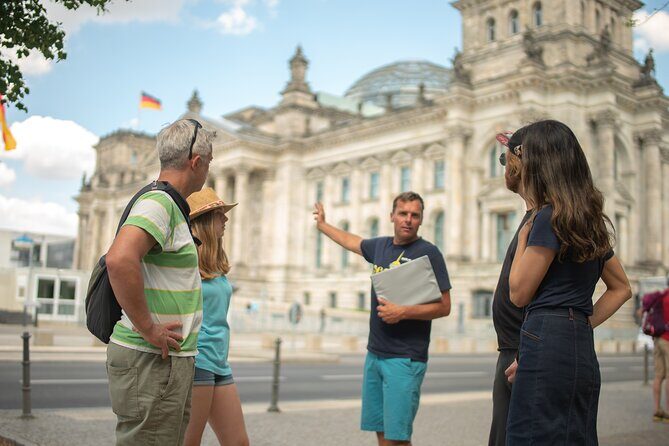 7 / 9
7 / 9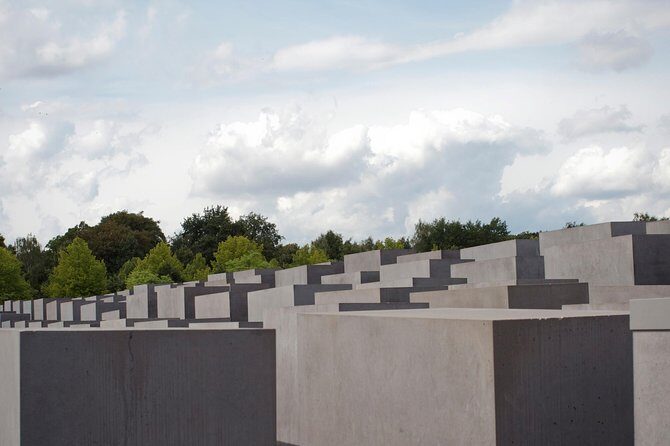 8 / 9
8 / 9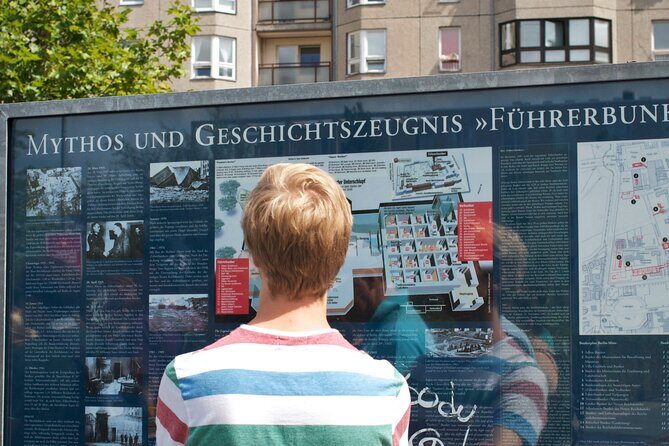 9 / 9
9 / 9At $24.07 per person, this tour represents remarkable value for what you’re getting. Consider that you’re paying for three hours of expert guidance through some of Berlin’s most historically significant locations, with a guide who understands not just what happened, but why it matters. You’re not buying entertainment; you’re buying context and access to knowledge that would take days of solo research to accumulate.
What makes the pricing particularly smart is that many of these sites are free to visit on your own, but without a guide, you’d miss crucial connections between locations. One traveler noted that they “would never have found some of the locations without a guide,” and that’s the real value here. Your guide becomes a translator between the physical remnants of history and the human stories behind them.
The tour books an average of 27 days in advance, which tells you something important: people aren’t impulse-booking this experience. They’re planning their Berlin itinerary with history firmly in mind, which means you’ll likely be grouped with other travelers who are genuinely engaged and curious rather than just checking boxes.

👉 See our pick of the We Rank The 9 Best Wine Tours In Berlin
Understanding the Route: From Hitler’s Final Days to Resistance Heroes
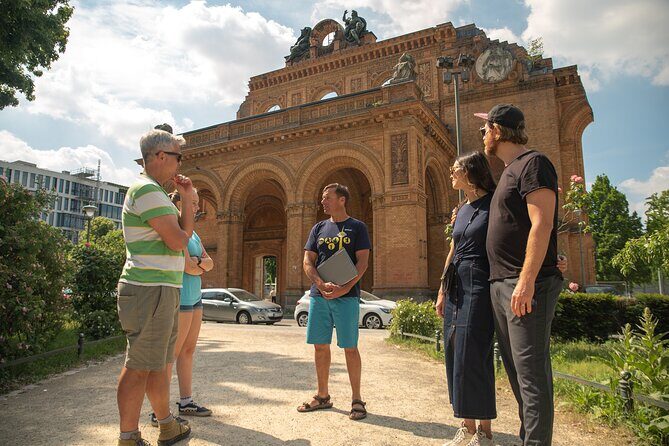
The tour begins at Friedrichstrasse Station, a logical and convenient starting point in central Berlin. From here, your guide walks you through the geography of Nazi power, but more importantly, through the geography of how that power ultimately crumbled. The route isn’t random—it’s deliberately designed to show you the progression of events leading up to the fall of the Third Reich in April 1945.
Your first major stop is “Trains to Life, Trains to Death,” a memorial that confronts you immediately with the human cost of Nazi ideology. This isn’t a comfortable experience, and that’s precisely the point. The memorial honors the deportation of Berlin’s Jews to concentration camps, and standing there, you’re forced to reckon with the industrial scale of the Holocaust. This early placement in the tour sets the emotional and intellectual tone for everything that follows.
From there, you’ll visit the Reichstag building, where one of history’s most consequential acts of arson took place. In 1933, the Reichstag fire became Hitler’s excuse to consolidate power, suspend civil liberties, and dismantle Germany’s fragile democracy. Your guide will explain how this single event fundamentally altered the course of the 20th century. Then you’ll see where the Soviet flag was raised over the same building in 1945, marking the symbolic end of Nazi Germany. The contrast between these two moments—separated by just twelve years—is staggering.
You can also read our reviews of more walking tours in Berlin


The Soviet Memorial and the Cost of Victory
The Soviet War Memorial in Tiergarten represents a shift in perspective. Here, you’re confronted with the staggering human cost of defeating Nazi Germany. The memorial features a Soviet soldier holding a flag, standing over fallen Nazi soldiers—a powerful visual statement about victory and its price. The surrounding military cemetery reinforces that this wasn’t a clean or quick triumph; it was brutal, costly, and ultimately necessary.
Your guide will help you understand why the Soviet contribution to defeating Nazi Germany is sometimes underplayed in Western accounts, and why this memorial matters for a complete picture of the war’s end. One reviewer mentioned being impressed by guides who could “link it all together throughout the tour,” and this stop is where many of those connections become clear.
Walking Through the Seats of Power
Wilhelmstrasse and the surrounding area represent the administrative heart of Nazi Germany. Here’s where the decisions were made—decisions about military strategy, about persecution, about the machinery of genocide. When you stand on these streets, you’re standing where Joseph Goebbels composed his propaganda speeches, where Hermann Göring coordinated the Luftwaffe, and where the Reich Chancellery operated.
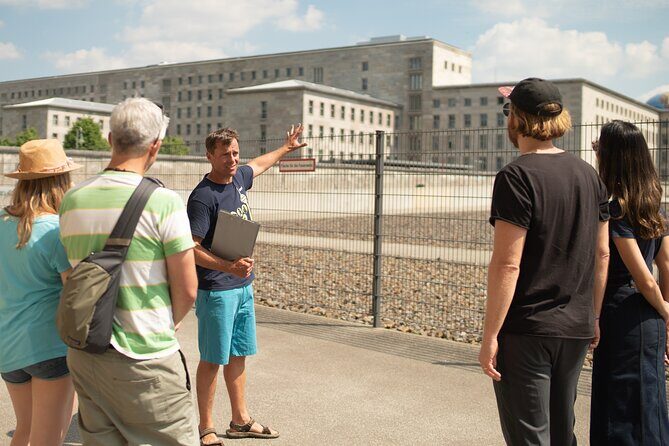
The tour takes you to what remains of Hermann Göring’s Air Ministry on Niederkirchnerstraße. The building’s grand design was intentional—it was meant to project power and permanence. Yet here it stands today, repurposed and stripped of its original meaning. Your guide will help you understand the architecture as propaganda, how the Nazis used monumental design to reinforce their ideology.
The Reich Chancellery site, where Hitler’s bunker was located, is perhaps the most emotionally charged stop. There’s no grand monument here—just a parking lot and a small marker. Your guide will walk you through Hitler’s final days in the bunker, the Soviet assault on the city, and the collapse of the regime. One traveler praised a guide for cleverly revealing the bunker site only after they’d arrived, making “the experience more impactful.”
Confronting the Machinery of Repression: The Topography of Terror
The tour culminates at the Topography of Terror, a museum and memorial built on the site of the former SS and Gestapo headquarters. This is where the regime’s secret police operated, where torture was systematic, and where the machinery of state terror was perfected. The museum features photographs, documents, and accounts that show how the SS and Gestapo implemented Nazi oppression.
Walking through this site, you understand that the Holocaust and the war weren’t aberrations—they were the logical endpoint of a regime that built terror into its governing structure. The Topography of Terror forces you to grapple with how ordinary bureaucracy became complicit in extraordinary evil.
The Resistance Stories: Why They Matter
One of the tour’s greatest strengths is its attention to German resistance to the Nazi regime. Your guide will discuss Henning von Tresckow, Hans Oster, and Claus von Stauffenberg—men who understood what was happening and chose to resist, even knowing the likely cost. These aren’t feel-good stories; many of these resisters were executed. But they matter because they show that even within Nazi Germany, conscience persisted.
This aspect of the tour addresses something crucial: understanding that not all Germans were Nazis, that dissent existed even under totalitarianism, and that moral clarity was possible even in the darkest circumstances. Travelers consistently mention how guides “fill in the gaps” in their historical knowledge, and the resistance narrative is often one of those crucial gaps.


The Guides: The Real Heart of the Experience
What’s remarkable about this tour’s 4.9-star rating across 3,301 reviews is how consistent the praise is for individual guides. You’ll see names like Maria, Chris, Tom, Ben, Jim, and Pete mentioned repeatedly, with travelers describing them as “knowledgeable,” “passionate,” “engaging,” and “friendly.” One reviewer noted that a guide was “genuinely interested in the crowd understanding what we were experiencing,” which captures something essential about what makes this tour work.
These guides aren’t just reciting facts. One traveler mentioned that their guide “gave great background on the Nazi party and linked it all together throughout the tour,” suggesting that guides are trained to create narrative connections rather than just moving from point to point. Another reviewer appreciated that a guide answered questions “with confidence and depth,” and that he “gave clear explanations that made complex historical events easy to follow.”
The guides also seem genuinely committed to making the experience appropriate for different audiences. One family brought their 15-year-old son, and the reviewer noted he “was completely engaged and loved seeing and learning the history.” This suggests guides are skilled at adjusting their delivery for different age groups and knowledge levels.
Practical Considerations: What You Actually Need to Know
The tour runs for three hours, which sounds manageable until you realize you’ll be covering approximately 5,000 steps at a brisk pace. One experienced traveler recommended dressing warmly and wearing comfortable shoes, noting that “this isn’t for everyone.” They weren’t being discouraging—they were being honest about what the experience demands. You’ll be outside for the entire duration, so weather matters. If it’s cold, you’ll feel it. If it’s hot, you’ll notice. Dress accordingly.
The group size is capped at 25 people, which is thoughtful. It’s large enough to be economically viable for the tour company but small enough that you can actually hear your guide and feel like part of a group rather than a crowd. The meeting point at Reichstagufer is near public transportation and easy to find, though you should arrive 15 minutes early as requested.
The tour is offered in English with mobile tickets, making logistics straightforward. There’s free cancellation up to 24 hours before the tour, so you can book with confidence. Service animals are allowed, and the tour operator notes that “most travelers can participate,” though the walking distance and emotional weight of the content are factors to consider.
The Holocaust Memorial: A Moment for Reflection
Your tour includes a stop at the Memorial to the Murdered Jews of Europe, a field of 2,711 concrete slabs of varying heights. Walking through this memorial is deliberately disorienting—that’s the point. The undulating pathways are meant to evoke the feeling of loss and chaos. Your guide will give you space here to process what you’re experiencing, which is an important part of the tour’s rhythm. This isn’t a place to rush through; it’s a place to pause and reflect.
Who Should Book This Tour
This experience is genuinely best for people who want to understand history at a deeper level. If you’re visiting Berlin and want to check “see major WWII sites” off your list, there are probably cheaper, faster options. But if you want to understand why these sites matter, how democracy collapsed, how propaganda worked, and what resistance looked like under totalitarianism, this tour is worth your time and money.
History teachers bring their students on this tour. Families with teenagers book it to provide context for their children’s education. Solo travelers book it to make sense of what they’re seeing. People with family connections to WWII book it to understand their family’s history better. The common thread is genuine curiosity and a willingness to engage seriously with difficult material.
Third Reich Berlin: Hitler and WWII Walking Tour
Frequently Asked Questions
Q: Is this tour appropriate for teenagers?
A: Yes, but with caveats. One reviewer brought their 15-year-old son and noted he was “completely engaged and loved seeing and learning the history.” However, the content is emotionally heavy and deals with genocide, war, and totalitarianism. Consider your teenager’s maturity level and interest in history.
Q: How much walking is involved?
A: Approximately 5,000 steps at a brisk pace over three hours. The tour covers multiple sites across Berlin, so comfortable shoes are essential. The pace is steady but not rushed—one reviewer mentioned the pace was “comfortable” and “well planned.”
Q: What if the weather is bad?
A: The tour is entirely outdoors, so weather matters. Multiple reviewers emphasized dressing appropriately for the conditions. One traveler did the tour in -7°C weather and still found it worthwhile, but they noted you should “layer up” and bring coffee. The tour operates rain or shine unless conditions are dangerous.
Q: Can I request a specific guide?
A: One reviewer asked about this and was told there’s no guarantee system, though some guides do multiple tours. However, the consistency of praise across different guide names suggests the company trains its guides well.
Q: What’s included and what’s not?
A: Your $24.07 covers the guide and the three-hour tour. Most sites are free to enter or view from outside. The Reichstag building entry is not included (though viewing it from outside is part of the tour). There’s no hotel pickup or drop-off included.
Q: How far in advance should I book?
A: The tour books an average of 27 days in advance, so booking ahead is wise, especially during peak season. However, you can cancel free up to 24 hours before if plans change.
Q: Is this tour sensitive in its approach to this difficult subject matter?
A: Yes. One reviewer specifically praised a guide for striking “a perfect balance between sensitivity and storytelling” despite the “somber and difficult subject matter.” Guides seem trained to be respectful while still being educational.
Q: What’s the group composition like?
A: With a maximum of 25 people and a group capped at that size, you’ll likely be with other history enthusiasts. Reviewers mention enjoying “the lovely group of people also on the tour,” suggesting like-minded travelers tend to book this experience.
Q: Can I do this tour if I don’t know much about WWII?
A: Absolutely. One reviewer mentioned their son “did not take history in highschool,” and the tour was “fantastic” for him, providing “many interesting facts” and filling in knowledge gaps. Guides are skilled at providing context without overwhelming beginners.
The Bottom Line: At just $24 for three hours with an expert guide, the Third Reich Berlin walking tour offers exceptional value for understanding one of history’s most consequential periods. You’re not paying for entertainment or casual sightseeing—you’re paying for genuine historical education delivered by guides who clearly care about helping you understand the complexities of how democracy failed, how totalitarianism functioned, and what resistance looked like. The emotional weight of the material and the physical demands of three hours of brisk walking mean this isn’t for everyone, but for travelers who want to move beyond surface-level tourism and actually grapple with history, this tour delivers consistently excellent experiences. The 4.9-star rating across thousands of reviews reflects guides who excel at making complex history accessible and meaningful, and that’s exactly what you should expect when you book.