This review covers tickets for the Albertina Exhibitions in Vienna, built around the museum’s famous Monet-Picasso display and special changing exhibitions, all inside a landmark building with restored Habsburg interiors. For about $23 per person, you’re buying your way into a world-class collection without needing a complicated plan.
Two things I really like here: the museum gives you a strong hit of modern art through Monet-Picasso, and you also get the chance to wander through Habsburg State Rooms in the Hofburg, which many visitors find just as memorable as the paintings.
The main drawback to consider is that the experience can feel packed or a bit confusing depending on crowds and how you navigate, so you’ll want a practical timing and route strategy instead of winging it.
- Key Highlights at a Glance
- Albertina Museum Tickets: What Makes This Worth Your Time in Vienna
- Price and Value: Around for a Museum Day That Can Stretch
- Where to Go: Albertinaplatz 1 and the Easiest Transit Options
- Entry Rules That Catch People Off Guard: No Backpacks, No Umbrellas
- Monet-Picasso: The Permanent Exhibition That Links Big Art Names
- The Habsburg State Rooms in the Hofburg: Art Museum Meets Imperial Interiors
- Temporary Exhibitions: How to Choose One Without Overplanning
- 2026 Exhibition Calendar: What to Look Up Before You Book Your Exact Day
- Timing It Right: When to Go for a Calmer Museum Visit
- Audio Guide Options: Helpful, Multilingual, but Not Guaranteed
- Museum Navigation: Easy Once You’re Oriented, Confusing If You’re Not
- Café Reality Check: Where to Eat Without Getting Sticker Shock
- What This Experience Feels Like Day-to-Day: Best for Art Lovers and Curious Travelers
- Accessibility and Comfort: Plan for a Long Walk, Not a Quick Stop
- Booking Flexibility: Free Cancellation and Reserve-Pay-Later Convenience
- Should You Book Tickets for Albertina Exhibitions?
- More Museum Experiences in Vienna
- More Tickets in Vienna
- More Tour Reviews in Vienna
Key Highlights at a Glance
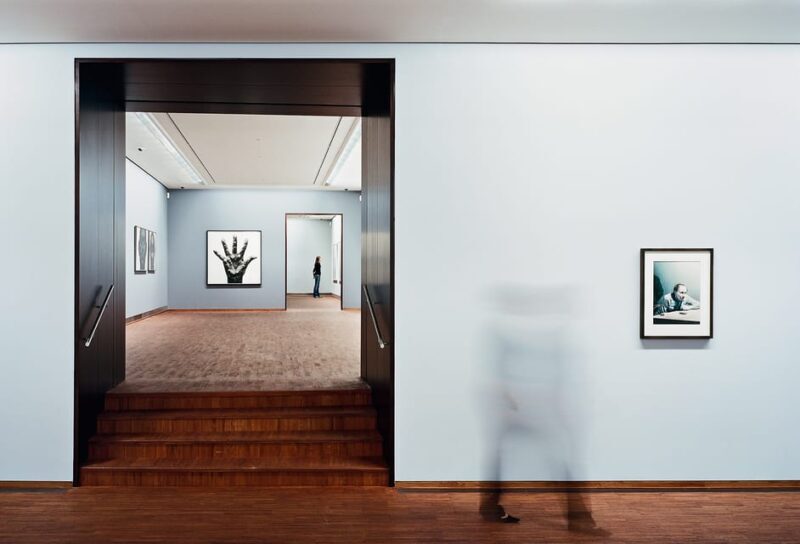 1 / 8
1 / 8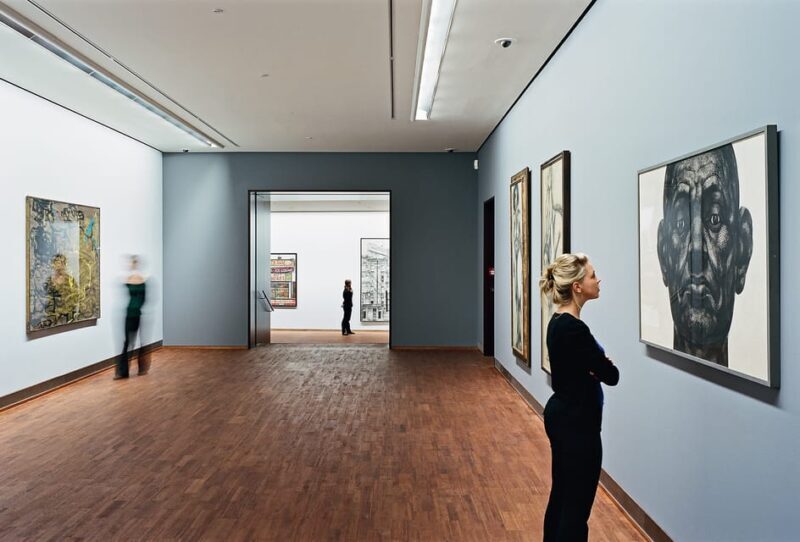 2 / 8
2 / 8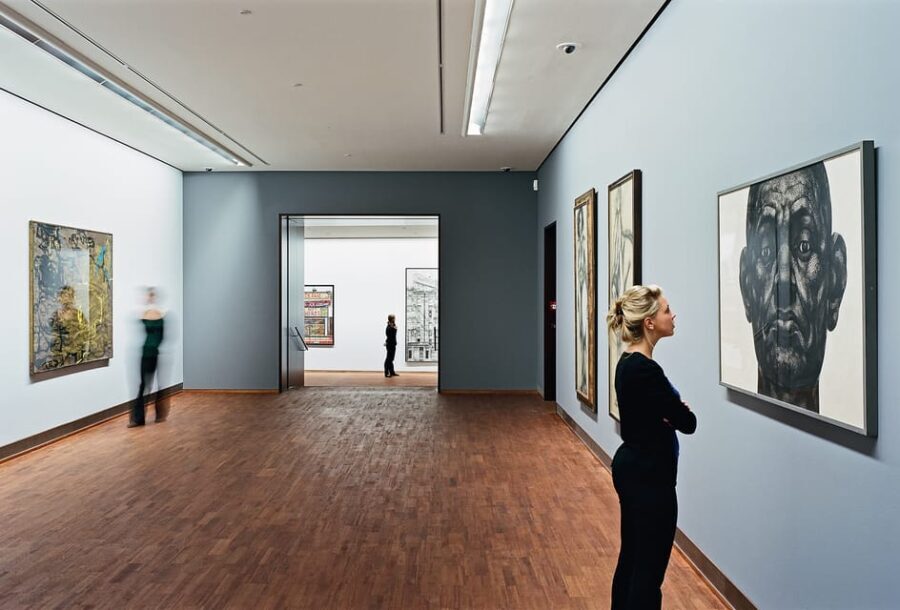 3 / 8
3 / 8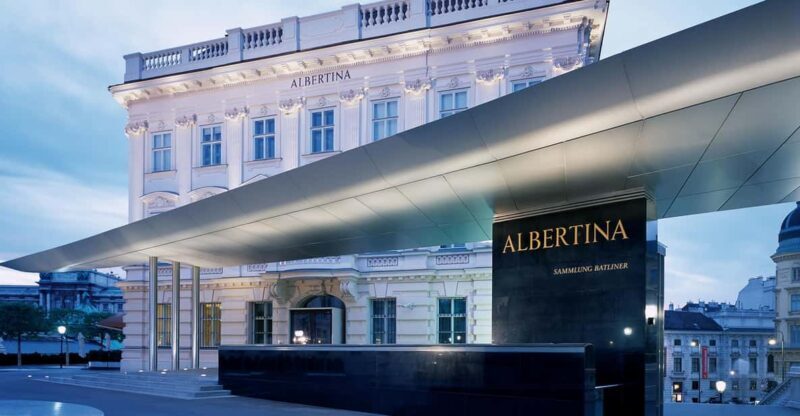 4 / 8
4 / 8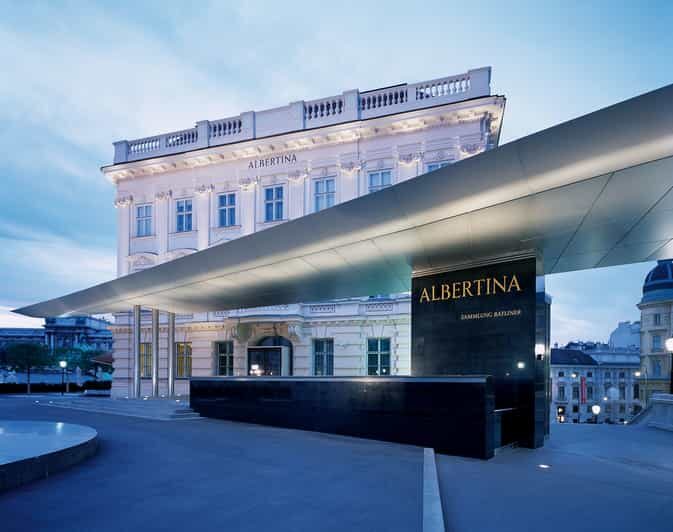 5 / 8
5 / 8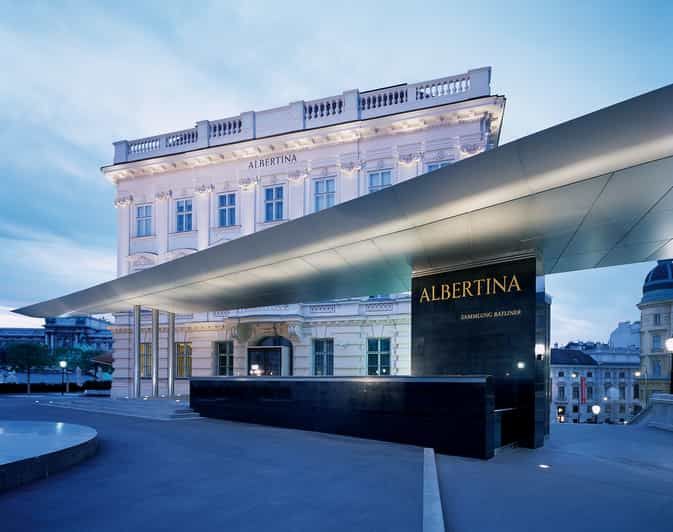 6 / 8
6 / 8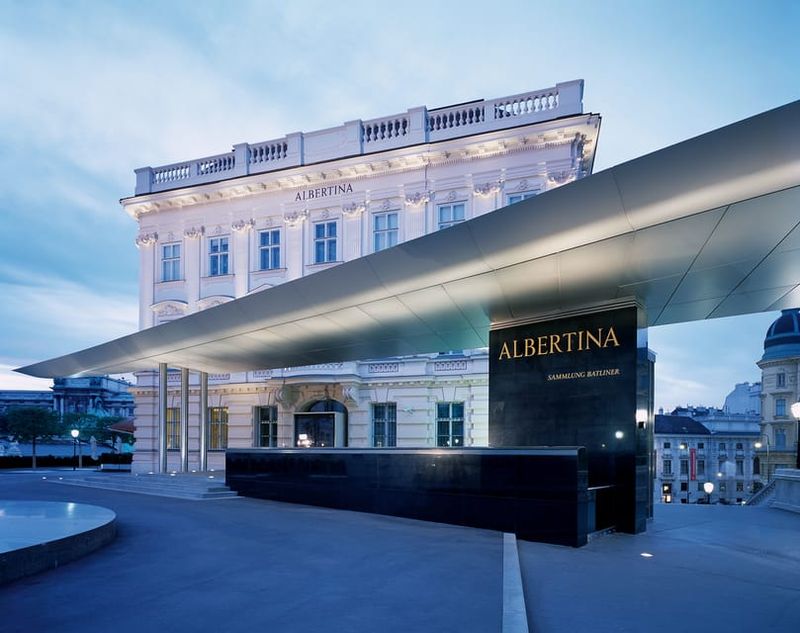 7 / 8
7 / 8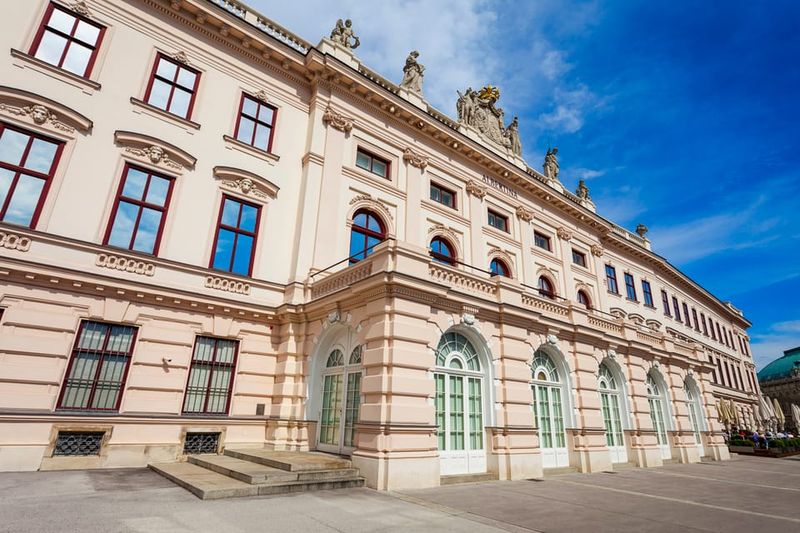 8 / 8
8 / 8- Monet-Picasso connects major movements in a way that feels logical, not overwhelming
- Temporary exhibitions run alongside the permanent collection, so your visit stays fresh
- Habsburg State Rooms bring Louis-seize interiors into the art museum setting
- Audio guides are optional and multilingual, but language availability can vary
- Real-world value: reviewers call it worth it, even for first-time museum visitors
- Rules matter: no backpacks and no umbrellas inside
Albertina Museum Tickets: What Makes This Worth Your Time in Vienna
Vienna is packed with top-tier museums, so it helps to choose one that gives you more than one “thing.” The Albertina does exactly that. You’re not just seeing a single collection or one famous artist. You’re walking through a museum that blends modern art, changing special exhibitions, and restored imperial rooms that used to belong to the Habsburg world.
The Albertina also has a strong reputation beyond the building itself. It was named one of the Seven Urban Wonders of the World, and it’s easy to see why: the museum sits right in the historic center, the galleries move at a visitor-friendly pace, and the art mix lets you find your favorites fast.
If your plan includes Schönbrunn or other palaces, this is a nice contrast. You still get royal interiors, but the focus is on art and how it evolved, rather than just court life.
You can also read our reviews of more tours and experiences in Vienna
Price and Value: Around $23 for a Museum Day That Can Stretch
The ticket cost is listed as $23 per person, and the duration shows 1–365 days depending on availability. In plain terms, this is one of the better “buy once, go at your pace” values in Vienna, especially if you’re including a temporary exhibition in the same entry.
Here’s why it can feel like good value rather than just a low price:
- You get more than one gallery experience in a single stop: permanent + temporary
- The Habsburg State Rooms add a second type of “wow,” even if you’re picky about art
- Reviewers consistently mention it as a highlight, including for travelers who are not hardcore art fans
One practical note: some visitors expect the museum to feel smaller than the biggest blockbuster houses. That can be a positive. It often means you can actually see a lot without feeling like you’re just being carried along.
Where to Go: Albertinaplatz 1 and the Easiest Transit Options
Your meeting point is the Albertina at Albertinaplatz 1, A-1010 Vienna. Getting there is straightforward, which matters when you’re juggling a day of palace sightseeing.
Public transit options listed include:
- Subway: U1, U2, U4 (Karlsplatz/Oper) and U3 (Stephansplatz)
- Tram: 1, 2, D, 62, 65, Badner Bahn (Staatsoper/Kärntner Ring)
- Citybus: Line 3A (Albertina)
If you’re planning your day, build in buffer time. Vienna stations are easy to navigate, but museum arrival is one of those moments where you want a clear head, not a rushed one.
Entry Rules That Catch People Off Guard: No Backpacks, No Umbrellas
The activity lists clear restrictions: backpacks and umbrellas are not allowed. This is worth thinking about before you leave your hotel, especially if you’re traveling with a larger day bag or you’re in Vienna during rainy weeks.
Some visitors also mention there are lockers and cloak rooms on site. One reviewer notes that cloak room/lockers can require cash, which is a good reminder to carry some small bills or coins just in case. Don’t assume it’s card-only.
Tip: travel with a smaller bag than you think you’ll need. It keeps your entry smoother.
More Great Tours NearbyMonet-Picasso: The Permanent Exhibition That Links Big Art Names
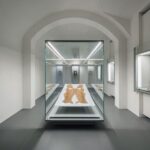
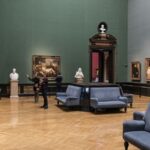
The headline experience here is the permanent exhibition Monet-Picasso. This is not a random hang of famous paintings. It’s presented as a survey of key artistic styles and a story of how major modern ideas spread and changed.
What you can look forward to includes work connected to:
- French Impressionism (including Monet and Degas)
- German Expressionism
- Russian avant-garde
- And a deep focus on Austrian art
The museum collection includes painting and drawings by major artists such as Monet, Degas, Goncharova, Chagall, and Kokoschka. Then there’s the Picasso portion: the collection includes numerous masterpieces, described as spanning from his earlier Cubist works to experimental pieces from his later period.
What that means for you as a visitor: if you know only a few artists, you’ll still recognize names. But if you like discovery, you’ll likely notice artists you didn’t expect to care about as much as you thought you would.
Reviewers also highlight how the art can feel almost endless in a good way. Still, even when it’s packed with works, you’ll want to pace yourself. Many people say the museum is a solid time commitment, with two hours often mentioned as a good minimum for a leisurely pace.
You can also read our reviews of more museum experiences in Vienna

The Habsburg State Rooms in the Hofburg: Art Museum Meets Imperial Interiors
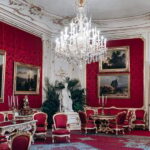
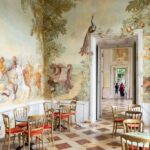
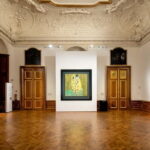
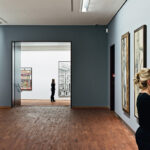
One of the biggest reasons this ticket feels special is that it isn’t only art galleries. The museum building includes about 20 restored Habsburg State Rooms, tied to the time when the building served as a residence for archdukes and archduchesses.
The rooms are described as sumptuously decorated and painstakingly restored, and you can expect details like:
- precious wall coverings
- chandeliers
- fireplaces and stoves
- distinctive marquetry
- Louis-seize style furniture linked to royal French workshops
This matters because it changes the rhythm of your visit. It gives you visual variety. You’ll take breaks from paintings and drawings without leaving the “special” part of the museum.
Also, several visitors specifically mention the state rooms as exceptional, including people who are already visiting Vienna palaces. It’s a smart add-on that turns a rainy-day art plan into something you’ll remember for the interiors too.
Temporary Exhibitions: How to Choose One Without Overplanning
Your ticket includes admission plus a temporary exhibition. The Albertina also runs up to five temporary exhibitions in parallel with the permanent displays, with themes that change over time.
That’s great if you love variety, but it also creates a decision point: you can’t see everything well. So plan to choose based on your interests, not just what sounds famous.
A helpful way to do it:
- If you’re there mainly for modern art, prioritize a temporary show that fits that lane
- If you enjoy photography or social themes, pick the show that matches your mood for the day
- If you want something lighter, build in time for the state rooms so the day doesn’t become one long gallery marathon
A few reviewers mention the museum isn’t huge enough for some people to feel like they must speed. That can work in your favor if you want to read wall labels and not just glance.
2026 Exhibition Calendar: What to Look Up Before You Book Your Exact Day
If you’re visiting in 2026, here are temporary exhibitions listed for that year, which can help you line up your interests:
- Lisette Model: Retrospective (until Feb 22, 2026)
- Fascination Paper: Rembrandt to Kiefer (until Mar 22, 2026)
- Leiko Ikemura: Motherscape (until Apr 6, 2026)
- Honoré Daumier: Mirror of Society (Feb 6 to May 25, 2026)
- Care Matters: An Exhibition of the VERBUND Collection (Mar 12 to Jun 28, 2026)
- Richard Prince: Retrospective (Apr 17 to Aug 16, 2026)
- Helga Philipp: Spaces of Motion (May 1 to Sep 20, 2026)
- Collecting for the Future: 250 Years of the ALBERTINA Museum (Jun 16 to Oct 11, 2026)
- Travel Photography (Jul 15 to Oct 26, 2026)
- Picasso – Bacon: What it means to be human (Sep 18, 2026 to Jan 31, 2027)
- Women Artists of the Albertina (Oct 30, 2026 to Jan 17, 2027)
- Shara Hughes (Oct 9, 2026 to Feb 28, 2027)
My practical advice: check the current Albertina website for what’s on during your specific dates. Temporary closures can happen due to events, and hours can shift on public holidays.
Timing It Right: When to Go for a Calmer Museum Visit
Several reviewers mention crowds can change during the day. One person notes that arriving around late morning meant it was not very crowded at first, then got busier later.
So if you want a smoother experience, you should:
- aim for earlier entry if possible
- plan to spend the most focused time on your must-see exhibition first
- leave state rooms and secondary temporary areas for later if you hit a crowd
This is especially useful if you’re traveling with someone who gets tired of long gallery days. You can always do a shorter art loop and still hit the best “core” moments.
Audio Guide Options: Helpful, Multilingual, but Not Guaranteed
Audio guides are available and can be booked additionally. Languages listed include German, English, French, Italian, Czech, Russian, Japanese, and Spanish.
Two things to know:
- there’s no guarantee for specific languages
- the range of audio guides can vary depending on time and season
If you’re the type who reads every placard, you might not need an audio guide. But if you prefer listening while you move, it can add context without slowing you down.
Also, audio guide availability is extra planning. If you care deeply about language choice, check closer to your visit.
Museum Navigation: Easy Once You’re Oriented, Confusing If You’re Not
People talk about two sides of navigating the Albertina. Some say the museum is spacious, with organized movement and even numbered areas that help you follow a route. Others mention signage can feel lacking and the layout can seem confusing.
My takeaway: don’t plan to wander randomly for hours on your first visit. Do a simple structure:
- start with Monet-Picasso and your chosen temporary exhibition
- add the Habsburg State Rooms as your “reset”
- if you get turned around, slow down and follow any numbering or room guidance you see
If you’re someone who likes to see everything, give yourself time. A leisurely visit can easily become half a day.
Café Reality Check: Where to Eat Without Getting Sticker Shock
Meals and drinks are not included. The museum has an on-site café (reviewers specifically mention Demel Café), and one traveler warns that museum-area café prices can be high, even for a small order like an espresso and water.
Practical solution: treat the café as a convenience, not your meal plan. If you want good value, you can grab snacks or lunch nearby and use the museum café as a treat.
And if you’re visiting on a rainy day, build in the snack breaks. You’ll see more when you’re not rushing because you’re hungry.
What This Experience Feels Like Day-to-Day: Best for Art Lovers and Curious Travelers
This ticket tends to click for:
- people who want a mix of modern art and imperial interiors
- first-time museum visitors who don’t want to choose only one kind of art
- travelers who like reading descriptions and looking closely
It may not be perfect if:
- you only care about one artist and expect the museum to be a single-artist show
- you hate crowds and want near-empty galleries (your timing will matter)
There’s also an important note on expectations. Some visitors mention the famous artists are present, but the “advertised” highlight might not match how much screen time you see for a single painter inside the whole museum mix. Translation: go for the experience, not just a checklist.
Accessibility and Comfort: Plan for a Long Walk, Not a Quick Stop
This is a museum ticket, so you should expect a lot of walking and looking. Several reviewers mention the visit can take time, and others suggest you need enough hours to truly take it in.
I’d plan for:
- at least 2 hours if you want a calm visit
- more if you plan to read labels, see multiple temporary spaces, and spend time in the state rooms
The building has “pause points” because of the restored rooms, but it’s still a museum. Comfortable shoes matter.
Booking Flexibility: Free Cancellation and Reserve-Pay-Later Convenience
Good news for planning stress: free cancellation is listed as available up to 24 hours in advance for a full refund. There’s also a reserve now & pay later option, which can help when you’re juggling travel dates.
One practical detail: while tickets are booked through the platform, at least one reviewer notes you may still need to pick up your ticket at a counter. That’s common enough that you should build a few minutes for it, especially if you’re arriving right at opening.
Tickets for the Albertina Exhibitions
Should You Book Tickets for Albertina Exhibitions?
Yes, you should book if you want a high-value Vienna museum day that blends Monet-Picasso, a rotating temporary exhibition, and the Habsburg State Rooms you can only really get here. The price is reasonable for what you receive, and visitors repeatedly describe it as a highlight, even when they’re not “museum people.”
Skip or reconsider if you’re trying to do a ultra-fast stop and you only care about a single artist. Also, if you’re traveling with a big backpack or you rely on umbrellas for every plan, review the entry rules first so your arrival stays easy.
If you’re deciding between museums, the Albertina is one of the best bets for variety in one location, with the kind of art-and-rooms combo that keeps pulling people back.
You can check availability for your dates here: