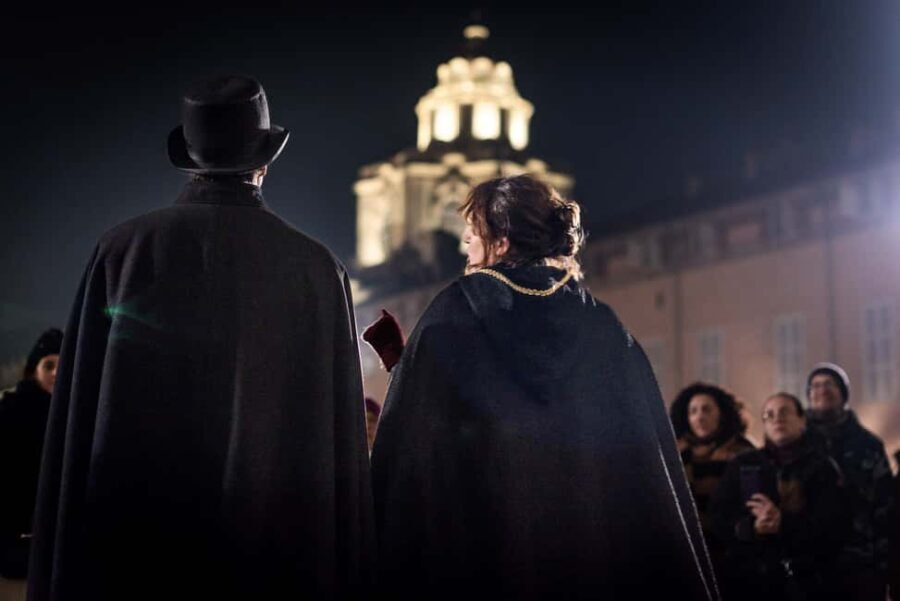
If you like your city history with a side of mystery, the Torino Magica Guided Tour is a fun way to see Turin after dark. You start at Piazza Statuto, which the tour frames as the city’s “heart of darkness,” then you’ll follow a guide through symbols and stories tied to Turin’s two magical souls.
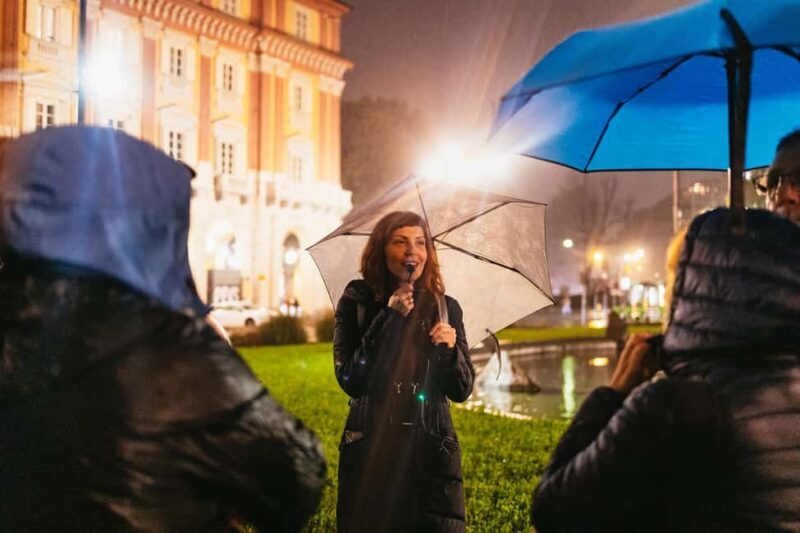
What makes this tour get strong marks from travelers is the guide-led storytelling. People consistently mention guides like Ileana, Mirella, and Lilliana as warm, knowledgeable, and able to keep even younger travelers engaged.
One thing to weigh is the logistics: while the tour includes private transfer, some travelers report taxi legs that can affect comfort and how easy it is to hear the guide during the ride.
- Key things to know before you go
- Why Torino Magica feels like more than a typical guided walk
- Piazza Statuto: starting in the so-called heart of darkness
- Private transfer and the pacing: how the ride supports the walking
- The guide experience: why knowledgeable storytelling is the real product
- Mid-tour atmosphere: stone faces, sinister architecture, and symbols
- Cathedral façade moment: the Holy Shroud detail you won’t miss
- End in the white magic area: squares, guardians, and legends
- Price and value: what buys you in real terms
- Languages and booking logistics: the English tour nuance
- Food, tapas, and timing: plan a stop without rushing
- Group size: small group benefits, with one travel comfort caveat
- Potential drawbacks to consider before booking
- Tips to get the most from Torino Magica
- Should you book Torino Magica Guided Tour?
- More Guided Tours in Turin
- More Tours in Turin
- More Tour Reviews in Turin
Key things to know before you go
 1 / 10
 2 / 10
 3 / 10
 4 / 10
 5 / 10
 6 / 10
 7 / 10
 8 / 10
 9 / 10
 10 / 10
- Piazza Statuto is the launch point, tied to ancient Roman burial-site lore in the tour’s story.
- You’ll hear about Turin’s two “souls”: white magic and black magic, with esoteric symbols along the route.
- Expect a special moment on the Cathedral façade, where the tour points out a detail tied to the Holy Shroud.
- Evening timing matters: scary-looking stone faces and sinister architecture are part of the atmosphere.
- Guides get praised often for clarity, humor, and making Turin feel personal (for example Ileana and Mirella).
- Food and drinks are not included, so plan a pre- or post-tour stop if you want tapas.
Why Torino Magica feels like more than a typical guided walk
Torino Magica turns Turin into a living puzzle. The core idea is simple: the city has two competing magical narratives—white magic and black magic—and your guide connects the dots between locations, symbols, and legends as you move through the historic center.
This isn’t a slow museum tour. It’s more like a curated night route where the guide guides your attention—what to notice on façades, what symbols might mean in the tour’s framework, and how the streets and squares link together into one bigger story.
The best part, in my view, is that it gives you a fresh way to look at Turin. Even if you’re not especially into esoterica, you still get architecture, local history context, and an energy level that feels different from daytime sightseeing.
You can also read our reviews of more guided tours in Turin


Piazza Statuto: starting in the so-called heart of darkness
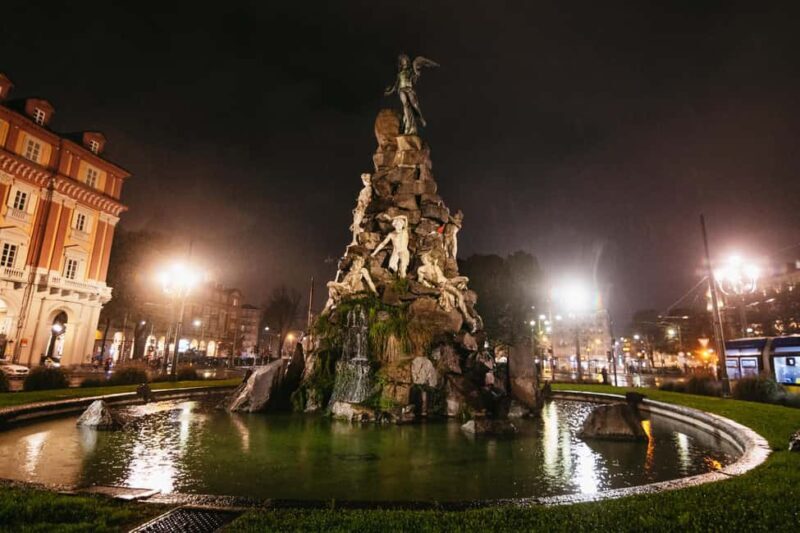
Your tour begins at Piazza Statuto, and the tone is set right away. The tour frames this area as the “heart of darkness,” including the claim that during Roman times it was used as a burial site. Whether you treat that story as legend or historical lore, it gives you a reason to pay attention to the details right from the start.
This is also where the guide sets up the tour’s big theme: Turin has two magical directions, and you’ll start closer to the darker side of the story. If you’re coming to Turin for the first time, this opener helps you understand why locals (and the tourism world) talk about Turin as a city with a hidden layer.
Practical note: since this is an evening-style experience, you’ll want to arrive on time so you don’t miss the initial context the guide builds before the route gets more atmospheric.
Private transfer and the pacing: how the ride supports the walking
The tour includes private transfer and a guide, and the total time runs about 2 to 2.5 hours. In theory, that’s a sweet spot: long enough to see multiple areas, short enough that you’re not exhausted by the end.
A useful real-world detail from traveler feedback: at least some departures may involve taxi legs, not just one continuous coach ride. One reviewer mentioned a taxi that felt cramped and made it harder to hear the guide. Another described a later taxi arrangement that was more comfortable, but separated them from the guide briefly near the end.
So what does that mean for you? If you’re sensitive to noise or cramped seating, it’s smart to:
- pack patience for a couple of transit transitions, and
- sit where you can hear if the group splits during taxi legs.
Even with that caution, most reviewers still rate the tour highly for the walking portion and the quality of the guide.
The guide experience: why knowledgeable storytelling is the real product
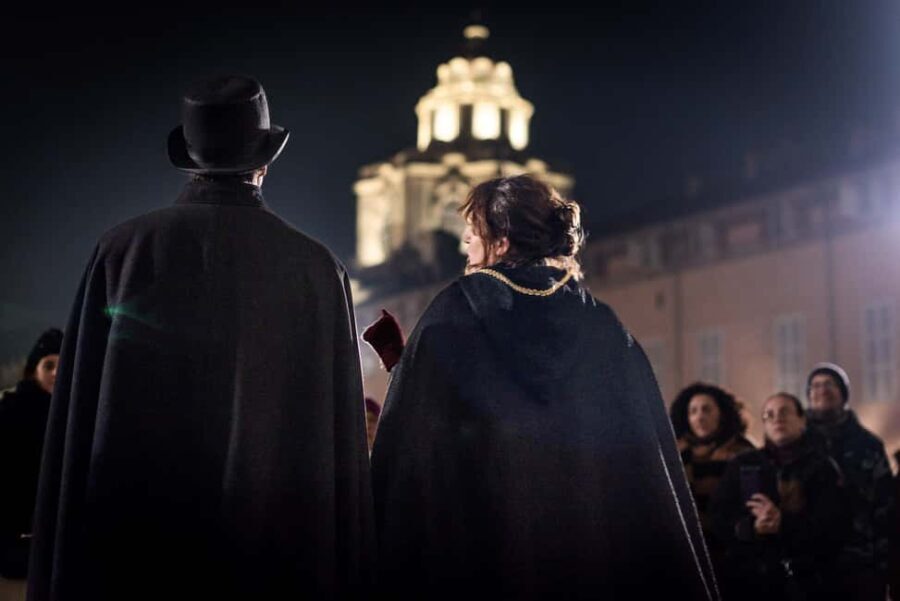
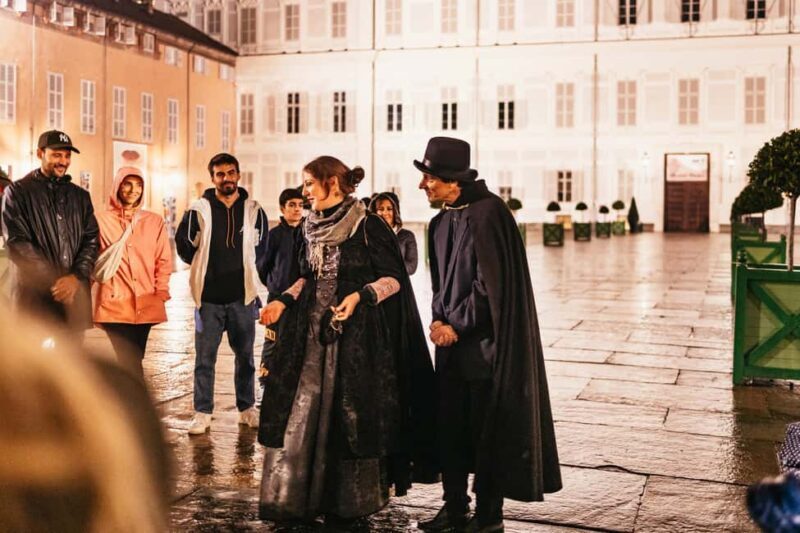
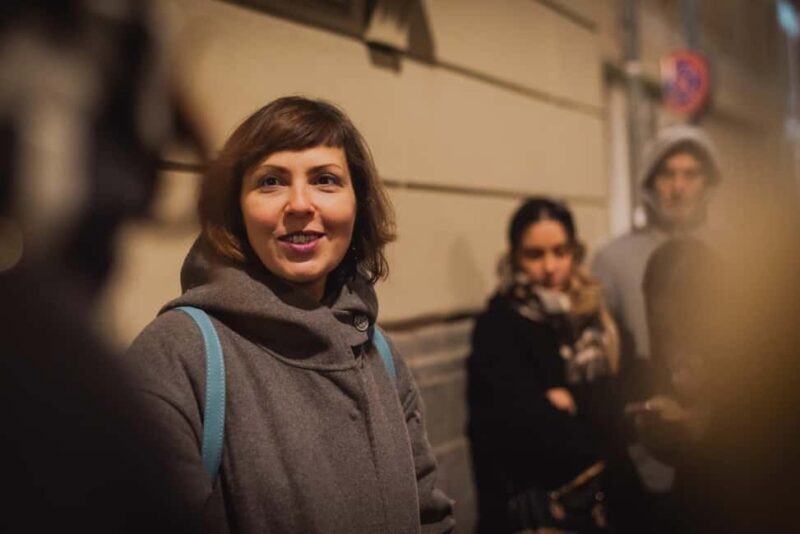
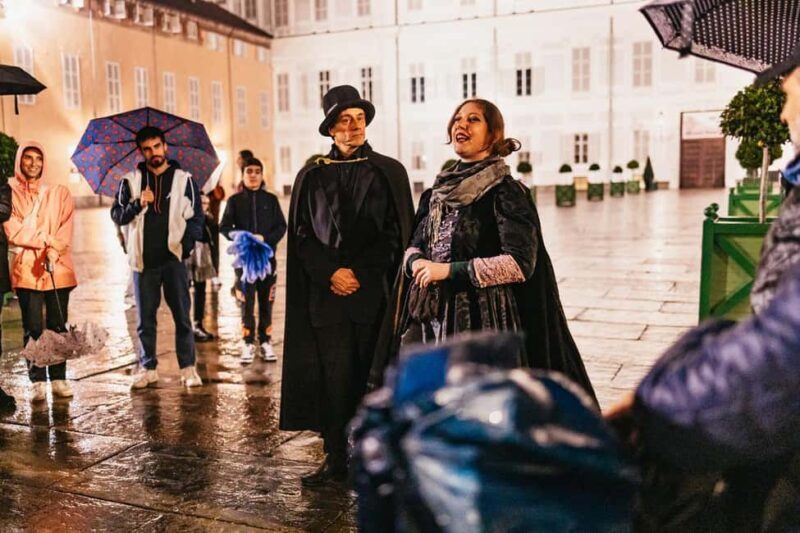
The guide is the centerpiece of this tour. You’re not just ticking off sites—you’re getting someone fluent in Turin’s lore and able to keep the narrative moving.
In traveler comments, the names that come up again and again include Ileana (described as welcoming and very informative), Mirella (praised for exceptional storytelling and excellent English), and Lilliana (called informative and funny, with a personal charm). Other guides mentioned include Donatella, Marella, and Alberto, with consistent feedback that they love Turin and know how to explain it clearly.
You’ll also notice a pattern: families like it because the guide can adapt the pace and tone. One traveler specifically called out a great experience with a 10-year-old. If you travel with kids who can handle walking and enjoy stories, this is a strong candidate.
Just keep expectations balanced. A couple of reviewers suggested they wanted a bit more didactic structure—especially around topics like Freemasonry—so if you’re the type who wants deep explanations at every step, you might prefer a more academic tour style. Still, most people come away impressed by how much they learned.
More Great Tours NearbyMid-tour atmosphere: stone faces, sinister architecture, and symbols
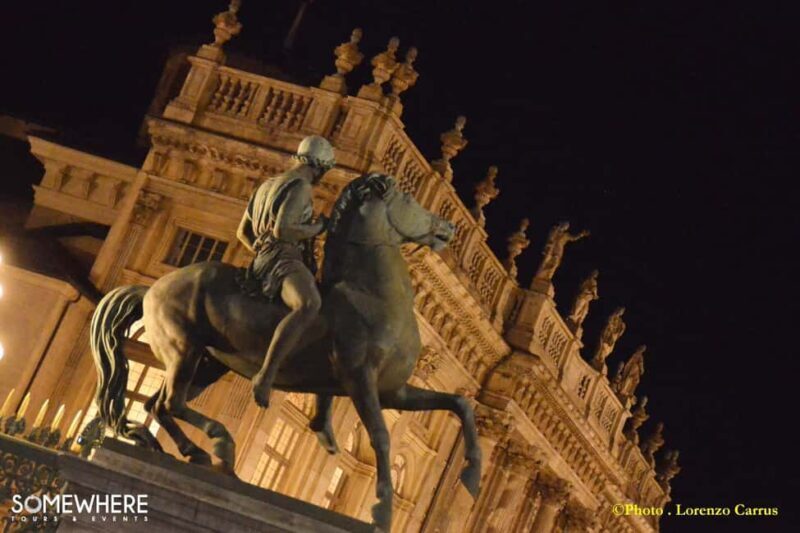
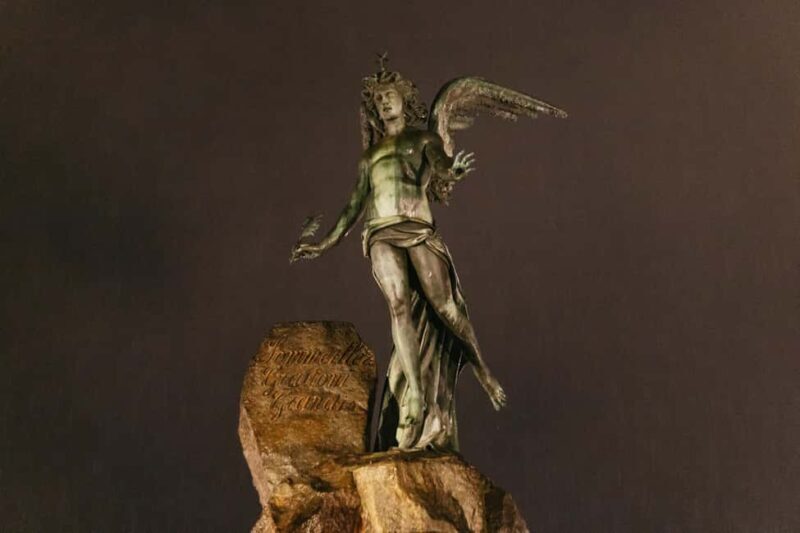
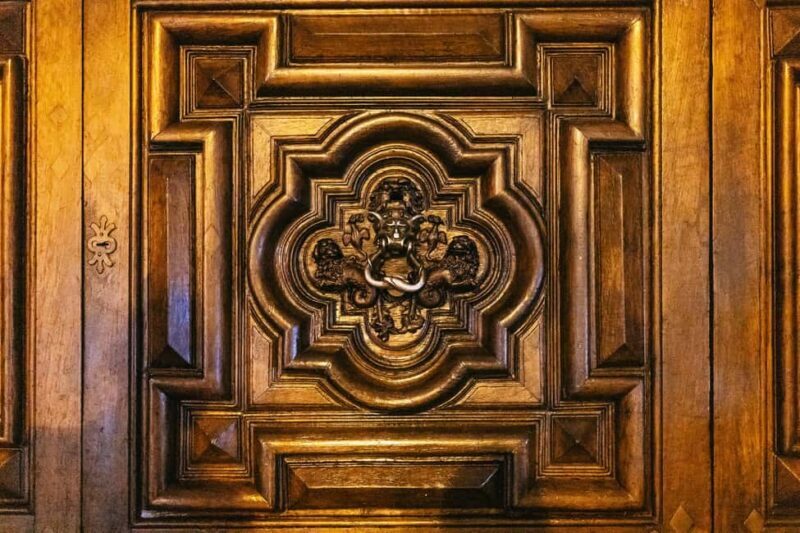
A big part of what you’re paying for is the mood. The tour is positioned around evening, and the description explicitly calls out elements like scary stone faces, masonic enigmas, sinister architecture, and esoteric symbols in the historic city center.
This matters because seeing symbols in daylight can feel like random decoration. At night, with a guide narrating what to look for, those same details become a story you can follow.
In practical terms, expect:
- more attention to façade details than you’d get on a standard highlights walk,
- frequent “look here” moments led by the guide, and
- a route that mixes bus/vehicle time with walking.
Also, don’t worry too much about the “spooky” label. Several reviews describe the tour as fascinating and fun rather than aggressively frightening. Think eerie and curious, not horror movie.



Cathedral façade moment: the Holy Shroud detail you won’t miss
One of the signature “stop” moments is the tour’s Cathedral façade reveal. The tour description points to a specific detail on the façade connected to the Holy Shroud, which is preserved in Turin.
Even if you don’t know Turin’s religious and cultural significance ahead of time, the guide’s job here is to pull your attention to a particular aspect of the architecture and connect it back to the tour’s theme of white magic.
What I like about this stop, from a traveler standpoint, is that it anchors the more mystical parts of the route to a landmark you can recognize. That makes the experience feel grounded instead of purely theoretical.
End in the white magic area: squares, guardians, and legends
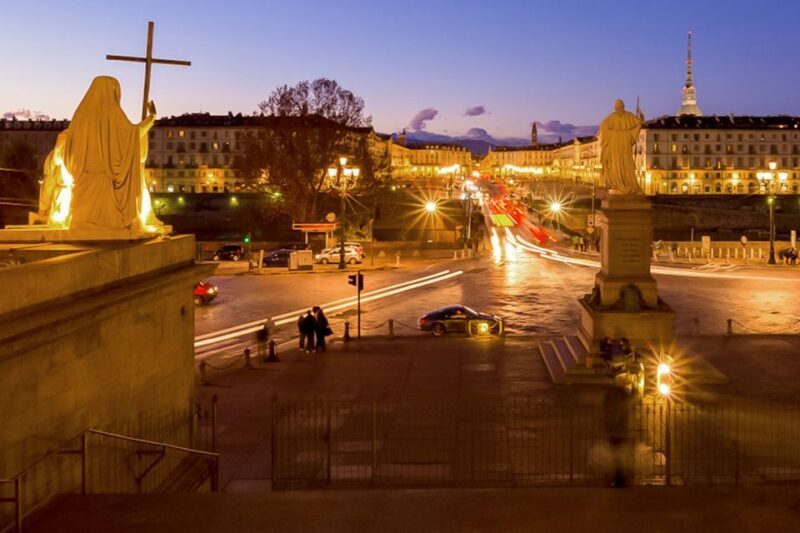
After the cathedral façade detail, the tour ends in the white magic area of Turin, described as a zone among spectacular squares, guardians of the city, and ancient legends.
This structure is smart. It gives you a natural “arc”:
- start in darker lore,
- move through symbols and atmosphere,
- land on a landmark tied to white magic,
- finish where the city feels more open and celebratory.
For many travelers, the ending zone is where you’ll start to connect what you’ve learned with what you see on the map the rest of the trip. In other words, it helps you orient yourself in Turin, not just entertain you for a couple of hours.
Price and value: what $64 buys you in real terms
At $64 per person for 2 to 2.5 hours, this tour is positioned as good value because it bundles:
- a live expert guide (often praised for clarity and personality),
- private transfer included in the ticket, and
- a themed night route that’s unlikely to replicate yourself without research.
Here’s how I’d compare it: you’re paying for narrative design. If you simply walk Turin’s main streets on your own, you’ll see plenty. You won’t get the same guided thread tying together the tour’s two-soul framework, symbol spotting cues, and the cathedral façade revelation.
If you’re budgeting, also note what’s not included: food and drinks aren’t part of the tour, so factor that into your overall day plan.
Languages and booking logistics: the English tour nuance
Language support is solid, but there’s one key detail to understand before you pick a departure.
- Italian, English, French, German, Japanese, and Spanish are available.
- If you choose the English tour, you’ll have an English-speaking guide, but you’ll join the Italian tour on the bus.
- French, German, and Spanish are listed as available as private group only.
What that means in practice: your guide language should be covered, but the bus group composition may differ from what you expect. That’s usually fine—especially since the guide is providing the main narration—but it’s worth being aware.
Also, meeting points can vary depending on the option you book, so you’ll want to check your confirmation details carefully.
Food, tapas, and timing: plan a stop without rushing
The tour ticket doesn’t include food or drinks. That’s not a dealbreaker, but it changes how you plan the evening.
If you’re hoping to combine this with a tapas style meal, I’d treat the tour as your “story + sightseeing” block, then plan:
- a casual dinner after the tour, or
- a quick pre-tour snack if you know you get hungry while walking at night.
One reason this works well is that the tour is short and story-driven, so you can keep your evening flexible rather than committing to a fixed meal schedule.
Group size: small group benefits, with one travel comfort caveat
Many travelers mention small groups. One reviewer described a group of five plus the guide, making it easy to ask questions. Another liked how the group size made the tour feel more personal.
Small groups are a big deal on a themed night tour because you’ll get more time to ask follow-ups like:
- what a symbol likely meant,
- how the story ties to the architecture,
- why the tour starts where it starts and ends where it ends.
Comfort caveat: if any part of your route uses taxi legs, you might be close quarters during the ride. One traveler specifically noted being squashed in a taxi and having trouble hearing the guide. That’s not the norm for everyone, but it’s a real consideration.
Potential drawbacks to consider before booking
No tour is perfect, and a few themes show up in feedback:
- Transport can affect sound and comfort. Taxi legs have been mentioned as a minor issue for hearing and space.
- Some travelers want more structure. A couple of comments suggested the tour felt like interesting facts without a strict didactic thread, especially regarding Freemasonry.
- Spooky expectations might be off. A few people said they expected it to be more “magic” or spookier. In practice, it’s more eerie-storytelling than guaranteed jump-scare territory.
None of these are major dealbreakers for most visitors, but they help you choose the right kind of experience. If you want a spooky scare, look elsewhere. If you want a guided, story-led way to see Turin’s symbolic side, you’ll probably have a great time.
Tips to get the most from Torino Magica
- Dress for night walking. You’ll spend time on foot, and temperatures can shift fast in evenings.
- Bring curiosity. If you love architecture, symbols, and local stories, you’ll get more from every stop.
- Have a question ready. Since guides are praised for engagement, your best learning might come from something as simple as asking why the route is split into dark and light sides.
- Check your confirmation details. Meeting point varies by option, and start times depend on availability.
- Plan dinner after. Food and drinks aren’t included.
Torino Magica® Guided Tour
Should you book Torino Magica Guided Tour?
If you’re deciding between a standard Turin city highlights tour and something more themed, I’d lean Torino Magica—especially if you value guides and want to see Turin through a lens that feels unusual but still connected to real landmarks like the Cathedral façade and the Holy Shroud.
Book it if:
- you like guided storytelling and symbol spotting,
- you want an evening activity with a clear route and memorable stops,
- you travel with teens or curious kids who enjoy stories.
Skip it (or choose carefully) if:
- you hate any chance of taxi-style comfort issues during transport,
- you need a strictly academic, tightly structured explanation of esoteric topics,
- you expect intense scares rather than eerie legends.
Overall, at $64 for a 2–2.5 hour guided evening with private transfer and strong guide reviews, this is a solid value choice for travelers who want Turin to feel a little secret.
You can check availability for your dates here: