I’m always interested in travel passes that actually help you move and see things, not just collect stamps. This one is the Valencia Tourist City Card, with 24, 48, or 72 hours of free transit and free entry to a set of municipal museums and monuments, plus discounts on major attractions.
What I like most is the flexibility: you can hop around Valencia using the tram, metro, buses, and even the airport connection within the valid zones, then stack museum visits without buying every single ticket. Another big plus is the value mix of free admissions and practical discounts like Ciudad de las Artes y las Ciencias, Oceanogràfic, and several classic sights.
One thing to think about: the card includes a tapa and drink, but finding the exact places to redeem them (and the coupon details) can be a little fiddly, depending on what is open and where they are.
- Key highlights before you buy
- Price and what you really get for
- Picking up your Valencia Tourist Card (and why timing matters)
- Activation rules: don’t accidentally waste your hours
- Free transit: buses, metro, tram, and the airport link
- The municipal museums and monuments you can plan around
- Lonja de Seda: the Silk Exchange as a must-anchor stop
- Serranos and Quart Towers: skyline landmarks that organize your walking
- Fallas Museum and Almoina: culture stops that feel local
- Choosing your 24 vs 48 vs 72-hour card (real traveler logic)
- Big discounts that can make or break your savings
- Marqués de dos Aguas and the Cathedral: decide based on lines and time
- Your tapa and drink: included, but redemption can be tricky
- Discounts on tours and the value of pairing with a food walk
- Using the card smoothly: transport taps, language, and phones
- Practical family notes for kids and teens
- Who this card is best for (and who should skip it)
- Final decision: should you book the Valencia Tourist City Card?
- FAQ
- How long is the Valencia Tourist City Card valid?
- What transportation is included with the card?
- Is museum or monument entry included?
- Does the card include guided tours?
- Where do I pick up the card?
- Do children need a card?
- The Best Of Valencia!
- More Tour Reviews in Valencia
Key highlights before you buy
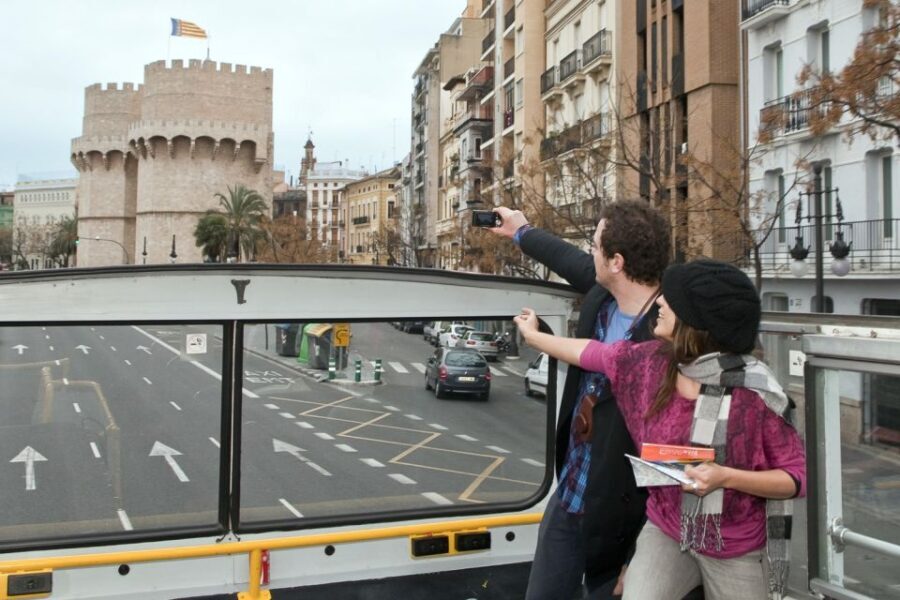


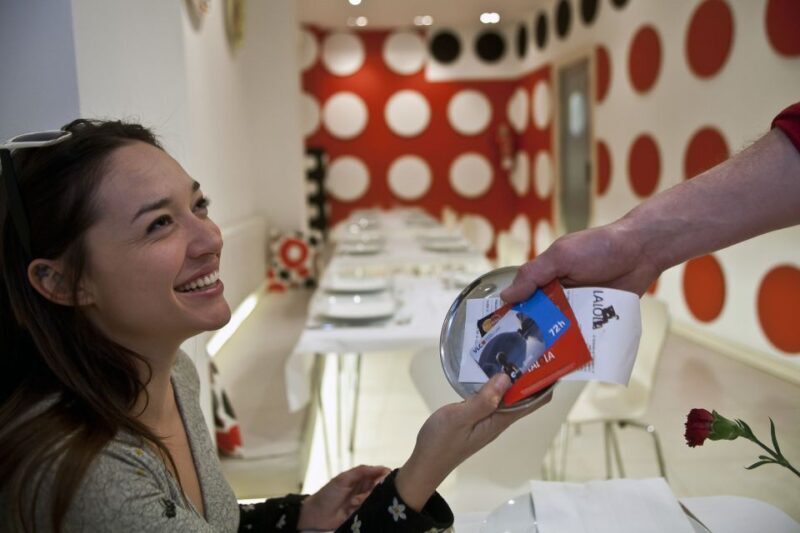
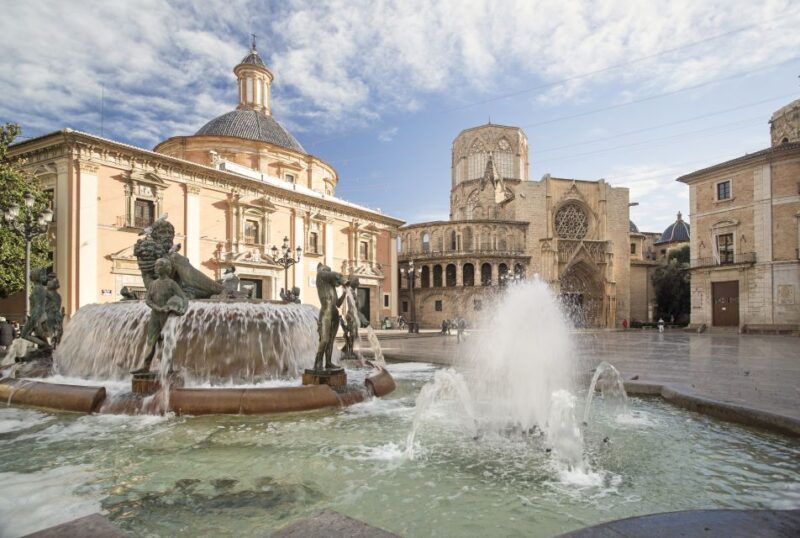
- Choose 24, 48, or 72 hours so you can match the card to your pace instead of paying for extra time you won’t use
- Free public transport across major systems, including the airport run in the right lines (L3, L5)
- Free entry to municipal museums and monuments such as the Lonja de Seda (Silk Exchange), Serranos and Quart Towers, and the Fallas Museum
- Big-name attraction discounts like 10% off at Ciudad de las Artes y las Ciencias and 10% off at Oceanogràfic
- Food credit included: 1 tapa and 1 drink, though redemption details may take a bit of effort
👉 See our pick of the Valencia’s 15 Best Walking Tours: Which To Choose?
Price and what you really get for $20
The card is priced at $20 per person and comes in 1 to 3 day options (24, 48, or 72 hours). Even if you ignore every discount, the underlying math is simple: free transit plus free museum/monument entry is often enough to offset the cost if you plan more than one museum stop and ride transit a few times.
The smarter part is that this pass isn’t just for one area. You can use it across Valencia for day-to-day getting around, then spend your saved money on the big-ticket experiences that are only discounted rather than fully included.
Also, you get some planning flexibility. There’s free cancellation up to 24 hours in advance for a full refund, and you can often reserve now & pay later, which helps if your schedule is still forming.
You can also read our reviews of more tours and experiences in Valencia.



Picking up your Valencia Tourist Card (and why timing matters)
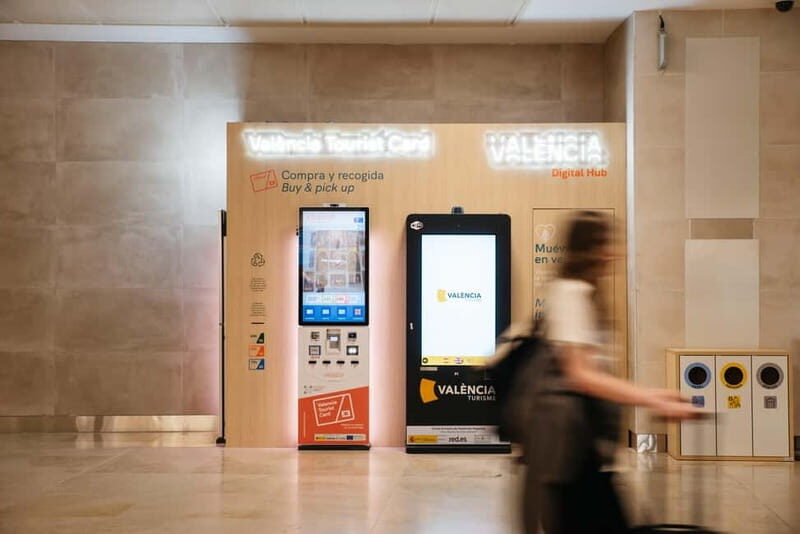
You collect your card at 17 smart points around the city. One advantage here is that many travelers grab it at tourist info locations at major arrival points, including the airport. Having it in hand fast means you can start riding as soon as you want, without running around on day one.
If you like doing things methodically, check the smart points list in advance. That way you can pick the closest collection location based on where you’re staying or where you land.
Activation rules: don’t accidentally waste your hours
This is the part that can quietly cost you value. The card is activated with your first use, and no full or partial refunds are offered once you’ve activated it.
Activation happens when you:
- Use public transport for the first time, or
- Validate at one of the 42 readers, or
- Validate at attractions where you write the expiration date of the card with an ink pen
Practical tip: if you land early and want to sightsee on foot before you ride, you might consider waiting to activate until you’re ready to actually use transit. Once you start stamping, your 24/48/72-hour clock starts moving.
Free transit: buses, metro, tram, and the airport link
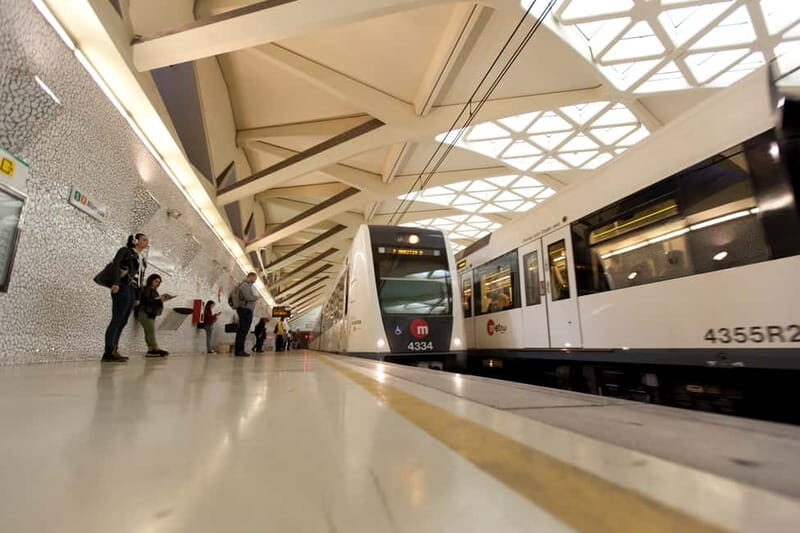
The card covers free travel on urban and metropolitan buses, metro and trams, and suburban trains. It also includes zone AB, and the data specifically calls out the Valencia–Airport–Valencia route using lines L3 and L5.
Why that matters: airport rides can be one of those small costs that add up fast, especially if you’re going back and forth more than once. If you’re staying in central Valencia, you’ll likely use transit several times just because it keeps you from over-walking on hot days.
You also don’t have to keep buying separate tickets for each system. Just tap and go when the system allows validation.
The municipal museums and monuments you can plan around
This card is strongest when you use it for municipal museums and monuments, where entry is included. It lists classic, high-demand Valencia stops, including:
- Lonja de Seda (Silk Exchange)
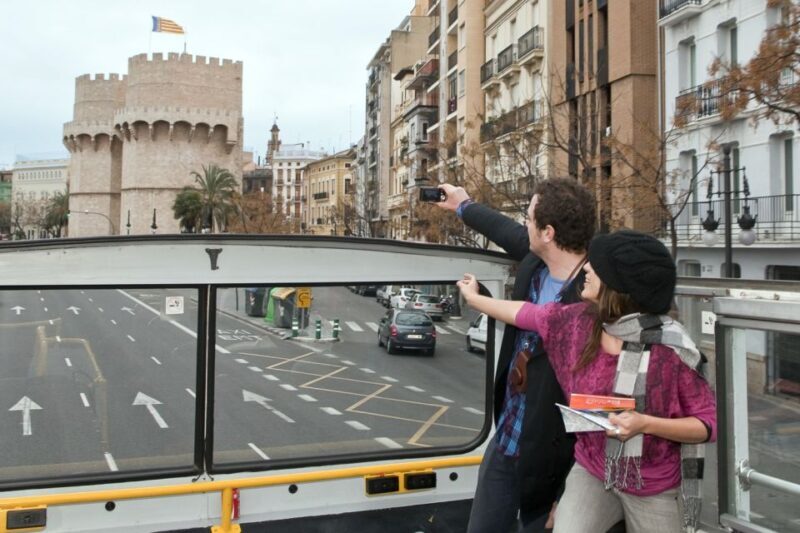
- Serranos and Quart Towers
- Fallas Museum
- Almoina
- Plus additional municipal monuments and museums (the card notes over 15 options)
How I’d use this: pick 2–3 of these as your anchor visits and then build your day around them. Municipal sites are usually spread across the areas that make Valencia feel like a real city, not just a museum district.
Also, since the card doesn’t include guided tours of museums/monuments, treat these included entries as your base. If you want a guide-style experience, you’d add it separately where the card offers discounts.

Lonja de Seda: the Silk Exchange as a must-anchor stop
The Lonja de Seda is one of those places you come to see with your whole brain switched on. It’s included, which means you can spend your time inside without doing the ticket-cost math.
This stop also works well as an early plan because it sits in the historic fabric of Valencia. Once you’ve seen the Lonja, the city’s architecture and street rhythms click into place. It’s a good first “this is why I came” moment.
A practical bonus: if you’re someone who hates missed-ticket anxiety, included admission reduces friction. You don’t need to hunt for exact timing or last-minute purchases.
Serranos and Quart Towers: skyline landmarks that organize your walking
The card includes Serranos and Quart Towers, and they’re handy landmarks for navigating Valencia’s older streets. Even if you end up combining towers with nearby walks, you’ll feel like you’re moving through a real story of the city rather than jumping between random points.
How to use them well with a time-limited pass:
- On a 24-hour card, choose one tower stop and then pair it with a nearby included museum.
- On 48 or 72 hours, you can afford to slow down and add a second landmark and still have time for discounted modern highlights.
Fallas Museum and Almoina: culture stops that feel local
The Fallas Museum is included, and it’s a great way to understand what makes Valencia tick. If your trip overlaps the Fallas season, you’ll connect the dots even faster, but even outside the festival period, it’s a strong cultural anchor.
The Almoina is another included municipal site. It’s useful because it gives you a break from the classic “big modern Valencia” view and brings you back to layers of the city.
If you like experiences that teach you something without turning into a lecture, these included museums are the kind of stops that make the card feel worth it quickly.
Choosing your 24 vs 48 vs 72-hour card (real traveler logic)
Here’s the simplest way to decide:
- 24-hour card: Best if you’re staying central, plan to ride transit a few times, and want 1–2 included museums/monuments plus a big discount stop.
- 48-hour card: The sweet spot. You can cover more included municipal sites and still have time for discounted attractions without rushing.
- 72-hour card: Useful if you like a slower pace, want to revisit neighborhoods, and expect to use transit more frequently (or you’ll do more museums).
One reviewer described using a 48-hour pass across trams, metro, and EMT buses and even using the airport link. That’s the kind of trip where you can actually feel the value.
Big discounts that can make or break your savings
Where the card really helps is in discounting major attractions you might otherwise skip because they cost more. The data lists these specific examples:
- 10% discount at Ciudad de las Artes y las Ciencias
- 10% discount at Oceanogràfic
- 12% discount at Bus Turístico (hop-on-hop-off style)
- 50% discount at Marqués de dos Aguas
- 10% discount at the Cathedral
- Up to 20% off guided tours (when available through participating options)
Think of it like this: the free municipal sites are your baseline. Then you choose one or two “pay-more” attractions and use the card to soften the cost.
And yes, one traveler specifically noted getting a discount for Oceanogràfic and highlighted that some included sites reduced or eliminated ticket needs for them.
Marqués de dos Aguas and the Cathedral: decide based on lines and time
The card includes discounts for both Marqués de dos Aguas (50% off) and the Cathedral (10% off). Those discounts can feel extra valuable because you’ll likely want to see at least one major “icon” site, and the card helps you pick one without full-price stress.
A realistic consideration: queues happen. One traveler mentioned the cathedral line being long and they didn’t linger, which is a good reminder to build flexibility into your day. If you hit a long wait, switch to another included or discounted stop nearby rather than forcing it.
Your tapa and drink: included, but redemption can be tricky
The card includes 1 tapa and 1 drink. That’s a nice extra because it’s part of the experience, not just transportation.
But there are a few practical bumps reported:
- Some travelers had trouble finding the exact restaurant spots tied to the coupon.
- One noted that the place they tried didn’t open until later than expected.
- Another shared that they received olives rather than what they considered a tapa (so it may depend on what is available).
What I’d do: treat it as a bonus, not the foundation of your meal plan. Pick a likely redemption spot, go earlier rather than at the end of the day, and keep a backup idea for dinner.
Discounts on tours and the value of pairing with a food walk
The card does not include guided tours of museums/monuments, but it can support tour plans through discounts of up to 20% on participating guided tours.
One traveler specifically mentioned a small group tour led by Emma, with a strong finish at a location they described as excellent for tapas and wine tasting. That lines up with the card’s food component and shows how it can pair well with a guided walking experience.
If you’re the type who likes learning in context, this is a good combo strategy:
- Use the card for free entry and free transit
- Use a separate guided tour for the story
- Use the included tapa/drink as the easy food tie-in
Using the card smoothly: transport taps, language, and phones
A couple of practical tips came up repeatedly in traveler feedback:
- If you’re using ticket machines and can’t read Spanish, you might need to switch settings to English.
- Some travelers found discount and free-entry details hard to read via QR code on a phone and wished for a paper option.
- One person also said they couldn’t find where to get their free drinks and tapa, which suggests the coupon instructions may not be obvious in the moment.
My advice: take a screenshot of the relevant redemption instructions on your phone before you leave your accommodation, and also note the general area of participating venues if that information is in your voucher materials.
Practical family notes for kids and teens
The card rules for children are detailed, which matters because it can change whether you even need the card.
Key points:
- Children 0–6 don’t require a Valencia Tourist Card because they travel free on public transport and enter tourist attractions for free or at a reduced rate.
- Children up to 6 travel free on EMT buses and up to 6 on suburban trains; up to 9 on metro and tram.
- Children up to 15 enter municipal museums and monuments for free.
- You’ll need identity documents for children (identity cards or passports must be shown for children).
So if you’re traveling with kids, it may be that your main benefit is transit convenience for older kids, rather than paying for full museum access.
Who this card is best for (and who should skip it)
You’ll likely love this card if you:
- Want a simple, low-friction way to ride Valencia transit
- Plan more than one museum/monument from the included municipal list
- Like mixing neighborhoods—historic core plus modern zones—without buying separate tickets
- Want discounts on major attractions like Oceanogràfic and Ciudad de las Artes y las Ciencias
You might hesitate if you:
- Only plan to do one or two sights total and spend most days walking
- Don’t want to deal with coupon-style redemption for the tapa and drink
- Are building your entire trip around attractions that may not accept the card for every component (a traveler mentioned that some sites weren’t accepted)
Final decision: should you book the Valencia Tourist City Card?
Yes, I’d book it if your itinerary includes several included municipal stops plus at least one modern or big-ticket attraction. The combination of free public transport, free admissions, and specific discounts is exactly how you keep costs controlled in a city where you’ll naturally want to move around.
No, you might skip it if your plan is light on museum and monuments and you only need one transport ride. In that case, the card’s value drops, and you’ll be better off buying tickets as you go.
If you do book, set yourself up for success: pick your 24/48/72 timing honestly, start using the card when you’re ready (so you don’t lose hours), and treat the tapa/drink as a bonus that you redeem early rather than a last-minute gamble.
Valencia: 24, 48, or 72-Hour Valencia Tourist City Card
FAQ
How long is the Valencia Tourist City Card valid?
You can choose a 24, 48, or 72-hour card, depending on how long you plan to stay. The card is activated when you use it for the first time.
What transportation is included with the card?
The card provides free travel on urban and metropolitan buses, metro and trams in zone AB, and suburban trains. It also includes the Valencia–Airport–Valencia journey using L3 and L5.
Is museum or monument entry included?
Yes. You get free entry to municipal museums and monuments (including places such as the Lonja de Seda, Serranos and Quart Towers, and the Fallas Museum), along with discounts for other attractions.
Does the card include guided tours?
Guided tours of museums and monuments are not included. The card offers discounts (up to 20%) for participating guided tour options.
Where do I pick up the card?
You collect it from smart points around Valencia. The full list of collection points is available at https://www.visitvalencia.com/en/valencia-tourist-card/sales-points
Do children need a card?
Children 0–6 do not require a card for free transport and free or reduced entry to tourist attractions. Children up to 15 enter municipal museums and monuments for free, and child transport rules vary by age and mode.
You can check availability for your dates here: