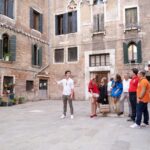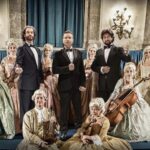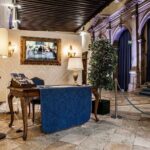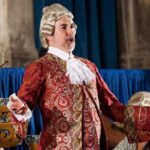
Our review of this Venice day is all about hearing Vivaldi the way Venetians do: in the San Vidal church, with the Interpreti Veneziani performing Vivaldi’s Four Seasons. You’ll also spend time at the Museo della Musica di Venezia, a compact museum packed with original instruments and maker stories.
Two things I really like here are the pairing of museum + concert (you actually get why the music sounds the way it does) and the chance to hear a Baroque-style performance in a church built for sound. You’re not just watching a recital—you’re learning how instruments get made and how that craftsmanship lasts.
One possible drawback: seats are first-come and chairs can be uncomfortable, especially if you arrive late. Add in church timing and local ticket rules, and it’s worth planning a little ahead.
- Key things to know before you go
- Where You Go: San Vidal Church, San Maurizio, and the Museo della Musica
- The One-Day Flow: Museum Access Then Vivaldi Live
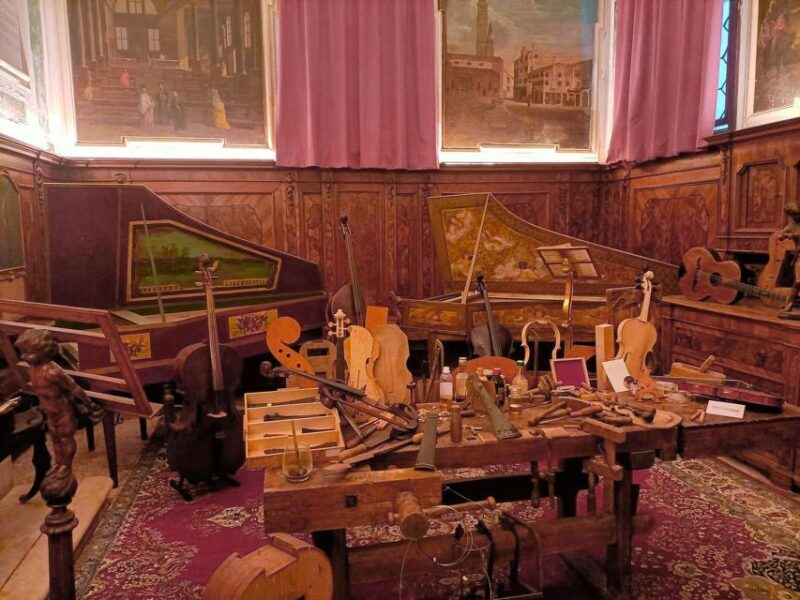
- Museo della Musica di Venezia: 200 Original Instruments (1600–1900)
- What You’ll Learn About Violin Making and Longevity
- Cremona Connections: Stradivari School, Bergonzi, and Amati
- The Venetian Maker Story: Goffriller and Vivaldi’s World
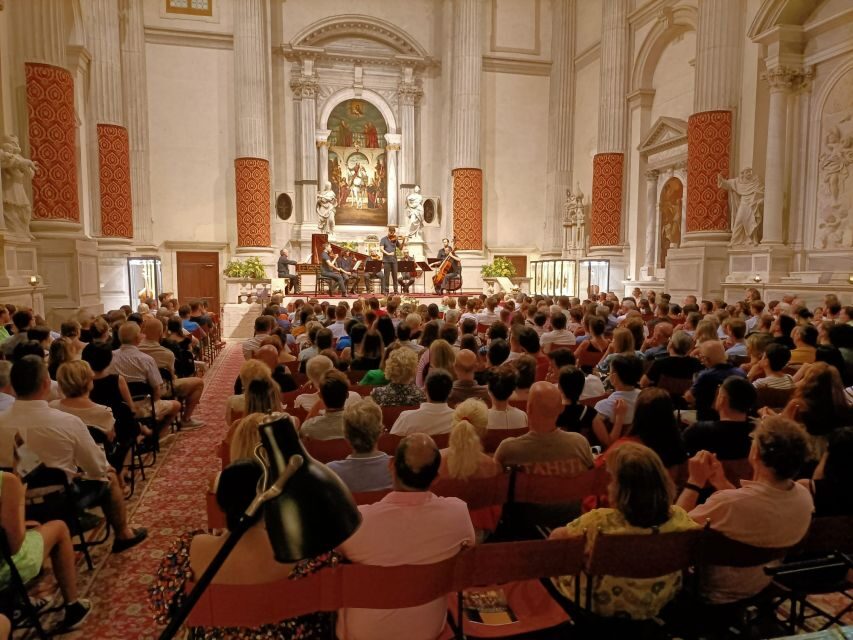
- San Vidal Concert Experience: Vivaldi’s Four Seasons, Played the Venetian Way
- Choosing Your Seat: No Assigned Seating, So Time Matters
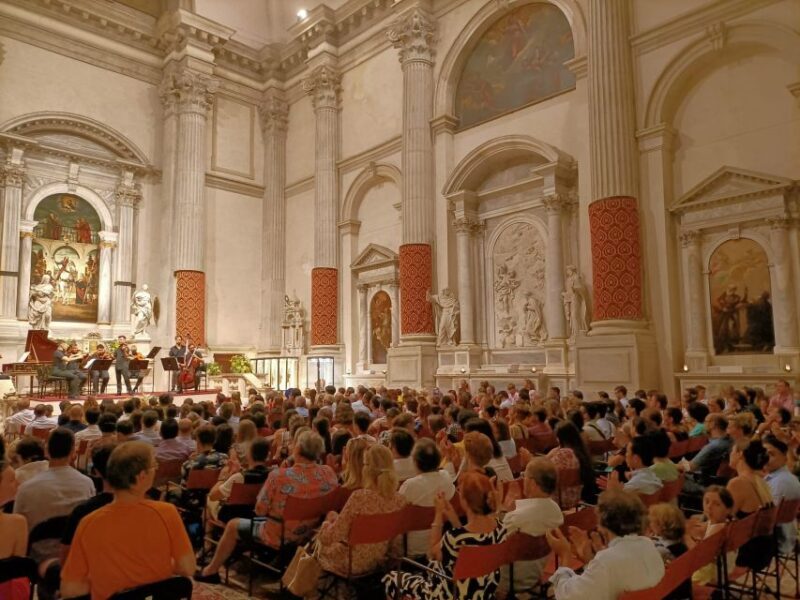
- The Church Setting: Beautiful Surroundings and Sound That Works
- Rules You Need to Respect (They Affect Your Comfort)
- Nearby Sights: San Vidal, San Maurizio, and Piazzetta Vibes
- Price and Logistics: Around , and What That Buys
- Comfort Reality Check: Chairs, Warmth, and Timing
- Who This Is Best For (and Who Should Rethink It)
- Tips to Make Your Visit Smooth
- Should You Book the Vivaldi Four Seasons + Music Museum Day?
- FAQ
- What is the location for the concert?
- Where is the Music Museum?
- How long does the experience last?
- What is included with the ticket?
- What is the ticket cancellation policy?
- Can I visit the museum before or after the concert?
- What are the museum opening hours?
- Are photos allowed during the concert?
- The Best Of Venice!
- More Concerts & Music in Venice
- More Museum Experiences in Venice
- More Tour Reviews in Venice
Key things to know before you go
 1 / 10
 2 / 10
 3 / 10
 4 / 10
 5 / 10
 6 / 10
 7 / 10
 8 / 10
 9 / 10
 10 / 10
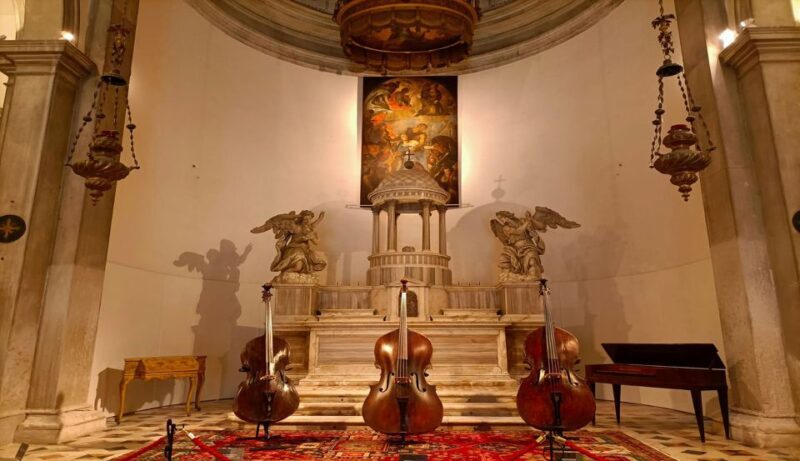
- San Vidal acoustics: the church setting helps the music land clearly and emotionally.
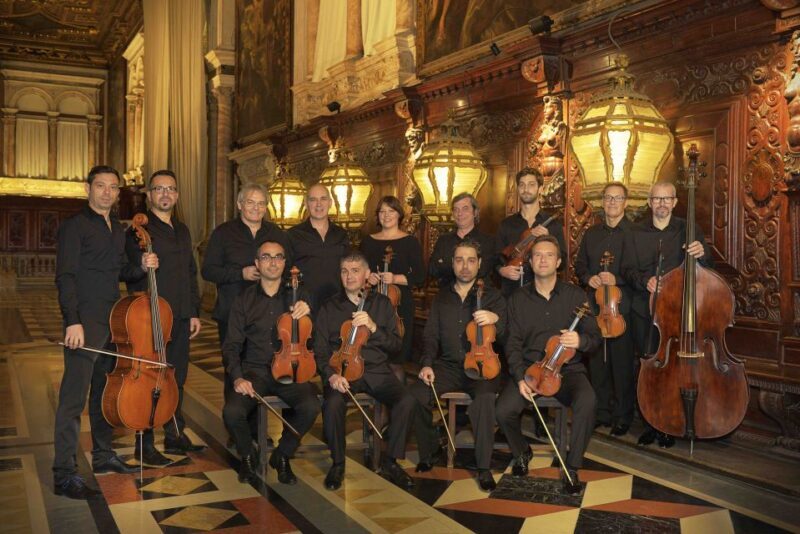
- Interpreti Veneziani performance: Vivaldi’s Four Seasons is played by a Venice-based Baroque orchestra.
- Museo della Musica di Venezia (200 instruments): you can connect what you see to what you hear the same day.
- No assigned seating: arrive early for a better sightline and a calmer experience.
- Museum hours can be tricky: a traveler reported the museum closed on Wednesday, so confirm for your date.
- Rules inside are strict: no food/drinks, no flash, and no photography during the performance.
👉 See our pick of the 15 Best Workshops & Classes In Venice
Where You Go: San Vidal Church, San Maurizio, and the Museo della Musica
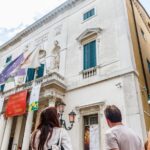
This experience is centered on two nearby places in Venice: the concert venue and the music museum. The concert happens at San Vidal (and the activity also references San Maurizio as a location tied to the concert setup). The museum is at S. Marco 2603, in the city center, not far from major sights.
Why that matters: Venice is easiest when your day is logical. You’ll be able to do “one area, one flow,” instead of hopping across the city after the concert ends.
If you’re mapping your day, keep these simple targets in mind:
- Museum: San Marco area, address listed as S. Marco 2603.
- Concert: San Vidal church area, with San Maurizio mentioned in the same activity context.
Also helpful: there’s English host or greeter support and staff assistance on hand. That reduces the stress when you’re juggling timed entry plus a show.
You can also read our reviews of more museum experiences in Venice
The One-Day Flow: Museum Access Then Vivaldi Live
The ticket is valid for 1 day, and it pairs museum time with your concert slot. Plan on this basic rhythm:
1) Visit the Museo della Musica di Venezia on your selected day.
2) Head to the concert location in time for the performance.
Museum hours are listed as 10 AM–1 PM and 2 PM–7 PM, every day. Even so, it’s smart to double-check your specific date. One traveler noted the museum may close on Wednesday, which suggests schedules can change.
What makes this flow work is the sequencing. You get instrument context before the music starts, so you’re not just hearing Vivaldi—you’re noticing details like strings, tone, and how different instruments behave.
Museo della Musica di Venezia: 200 Original Instruments (1600–1900)
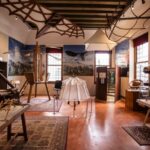
The museum visit is the first big “value driver” in this outing. You’re not wandering through replicas. The museum is described as an open-air-feeling setting filled with original instruments—about 200 instruments made from 1600 to 1900.
As you move through the rooms, it helps to have one question in mind: what would these instruments sound like when they’re played well, in the right acoustics?
That’s where the museum shines for travelers. Even if you’re not a musician, you’ll likely pick up new appreciation:
- The idea that makers designed for durability, not just performance.
- The visual differences between instrument families.
- The sense that Baroque sound isn’t an accident—it’s engineered.
And because you can visit the museum before or after your concert date (as allowed by the ticket rules), you can adjust if your travel day gets messy.
What You’ll Learn About Violin Making and Longevity
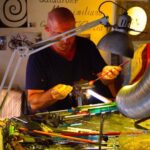
One of the highlights is understanding how a violin is created and why it can sound good for centuries. This is the kind of detail that turns a concert from entertainment into a “wow, I get it now” moment.
You’ll see instrument-maker connections tied to the Venice sound world. The activity specifically points to the Stradivari School of Cremona and also to Venetian instruments made by prominent local makers. That combination matters because it gives you two angles:
- Cremona as a legendary model for string craftsmanship.
- Venice as a creative, local evolution of that craft.
When you hear Vivaldi afterward, you’ll be more alert to tone colors. Instead of treating the music like a single blob of sound, you start catching individual instrumental voices.
More Great Tours NearbyCremona Connections: Stradivari School, Bergonzi, and Amati
The museum includes references to the Stradivari’s School of Cremona, including makers like Bergonzi and Amati. It also mentions Amati double-basses and links the broader Cremona tradition to the sound people remember from classical-era strings.
Even if you can’t tell every maker by sight (most people can’t), this part sets your ear up for pattern recognition. Cremona makers are part of the reason European string tone became so recognizable—and durable—over time.
Practical tip: don’t rush this section. If you’re going to get value, spend a little time here rather than sprinting through everything. You’ll feel more connected when the concert begins.
You can also read our reviews of more tours and experiences in Venice
The Venetian Maker Story: Goffriller and Vivaldi’s World
The museum tour details also highlight Venetian instruments, including a violin by Matteo Goffriller. It specifically connects him to Antonio Vivaldi, and it calls Vivaldi the Red Priest (a nickname you’ll likely recognize from Baroque music talk).
Why this matters for a traveler: Venice isn’t just a backdrop. It’s part of the musical story. When you hear Vivaldi’s Four Seasons performed in a Venetian church setting, the maker connections help your brain connect composer, city, and instruments.
Think of it like visiting a place where the art and the tools share the same geography. That’s a small thing, but it changes how you experience the concert.
San Vidal Concert Experience: Vivaldi’s Four Seasons, Played the Venetian Way
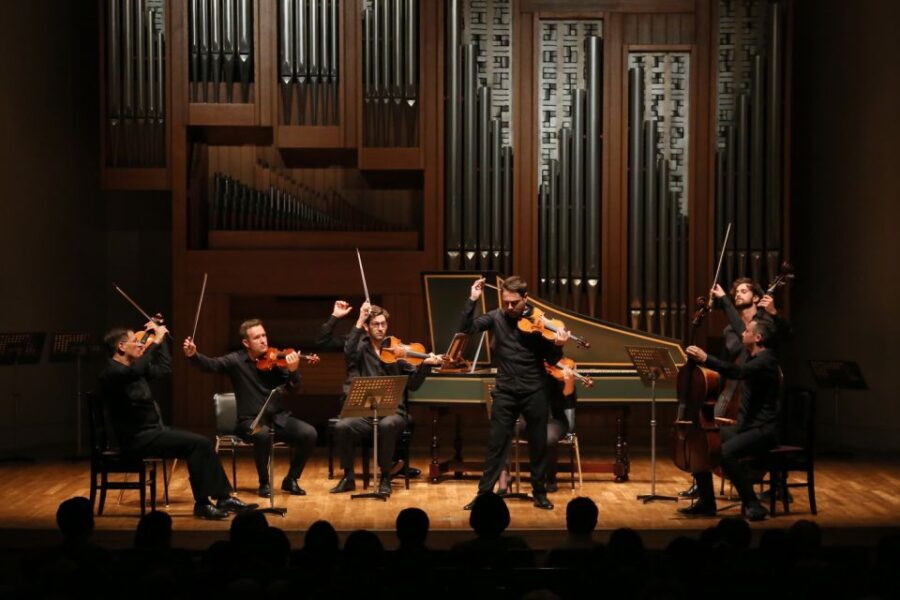
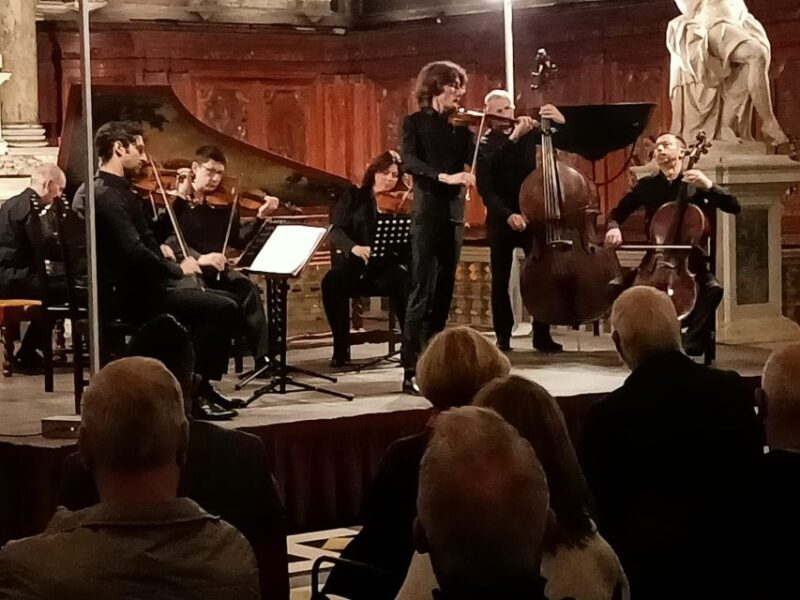
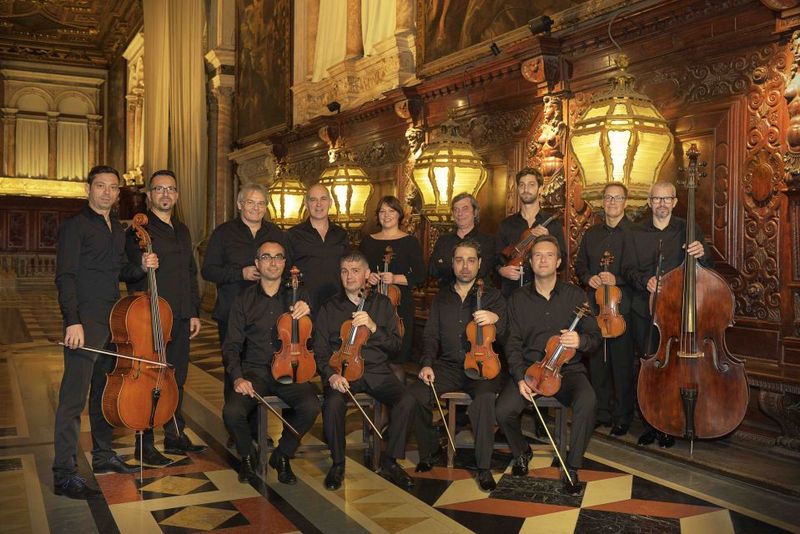
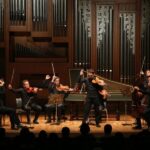
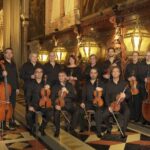
Now for the main event: a live performance of Vivaldi’s Four Seasons at San Vidal. The orchestra is listed as Interpreti Veneziani, described as an original Venice Baroque orchestra with a performance style designed for an authentic Baroque tone.
In plain terms: this isn’t a generic “classical in a church” moment. The point is that the group leans into a Baroque feel, and the church amplifies it.
From traveler comments, the performance quality lands strongly:
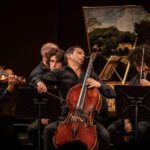
- People mention the musicians’ passion and virtuosity.
- Several listeners describe moments that feel emotional and memorable, not just technically correct.
- The venue is repeatedly credited for sound quality.
If you’re not sure you’re a “classical person,” this is still a good bet. Four Seasons is famous for a reason—and hearing it live in a Baroque style can turn familiarity into something fresh.
Choosing Your Seat: No Assigned Seating, So Time Matters
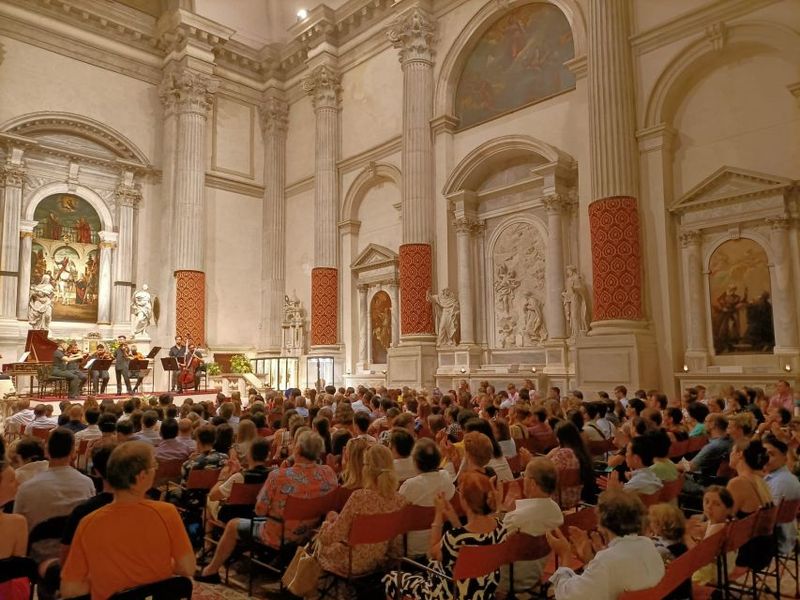
One consistent theme: there are no assigned seats. That means your experience depends on when you arrive.
Many travelers recommend arriving early—about 40 minutes before—to get a better spot near the stage. People also mention that arriving early helps you avoid awkward angles and improves the overall feel of the performance.
There’s a tradeoff here:
- Arrive too late and you may end up with a less ideal sightline.
- Arrive early and you’ll spend more time inside a warm church environment before the music starts.
Also, a few comments mention the chairs can be uncomfortable or noisy. It’s not a dealbreaker, but it’s a reason to arrive early so you’re sitting where you want from the start.
The Church Setting: Beautiful Surroundings and Sound That Works
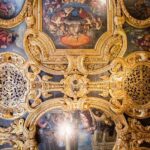
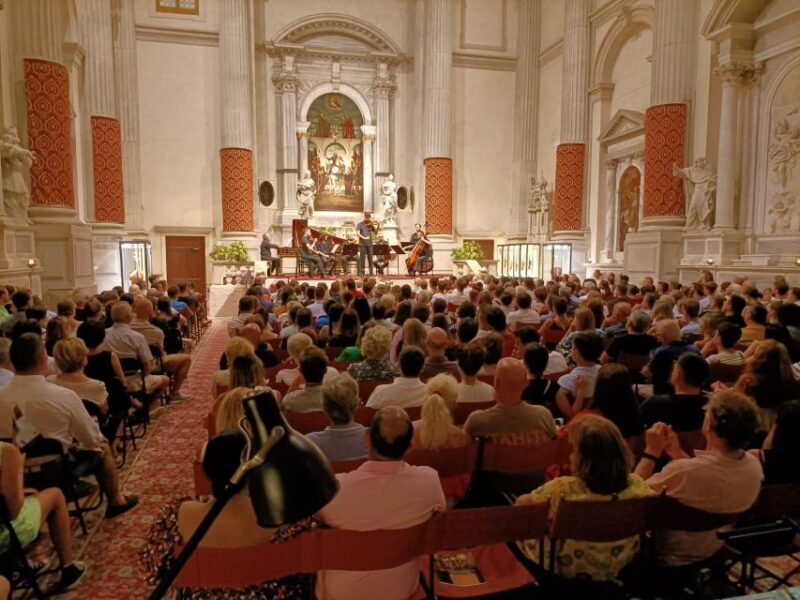
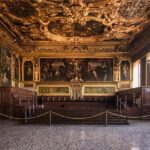
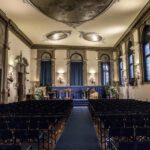
The San Vidal church setting gets called out in many ways: beautiful surroundings, unique sound, and a serene ambience.
For practical listeners, acoustics are the real hero. In a church, the sound doesn’t behave like a theater. It spreads differently. That’s why some visitors describe the experience as unforgettable—because the music feels integrated into the space.
If you care about where you sit, prioritize sightline over everything. But if you care about comfort, choose what you can tolerate for the length of the concert. Reviews suggest the venue is warm and that there’s no AC noted by at least one traveler.
Rules You Need to Respect (They Affect Your Comfort)
This activity has clear constraints. Inside the museum and concert areas, these are explicitly not allowed:
- Photography inside (including during the performance)
- Flash photography
- Touching exhibits
- Audio recording
- Making noise
- Food and drinks
- Smoking
- Large bags/luggage
- Pets (assistance dogs allowed)
Why this matters: if you’re used to traveling with a lot of gear, plan light. One traveler specifically mentioned confusion around instructions, and that kind of stress usually comes from arriving with too much stuff or expecting flexible rules.
Good news: staff help is included, and the rules are consistent. Once you know them, you can relax and just listen.
Nearby Sights: San Vidal, San Maurizio, and Piazzetta Vibes
Even though the focus is museum + concert, the experience references admiring nearby churches: San Vidal (with Carpaccio connections mentioned in the activity highlights) and San Maurizio, plus the Piazzetta area.
For travelers, this is a plus because your day isn’t only indoors. You can build a simple walking loop around the concert area and museum without adding extra transport.
A practical strategy: schedule a light sightseeing pass before the concert so you’re not rushed. After the concert, Venice tends to feel different—calmer in the church zone—so you can enjoy the city mood without forcing another big activity.
Price and Logistics: Around $46, and What That Buys
The listed price is $46 per person for about 1 day. On value, this is where the math works for a lot of travelers: you get a live concert plus museum access in the same day.
Some people reported that the on-site ticket price may be lower than the online price (for example, one traveler mentioned paying €39 online and seeing €31 on site). That doesn’t mean you should wait or gamble. Booking in advance usually saves time and reduces uncertainty—especially in Venice when schedules and venues can be tight.
What you should do instead:
- Compare your risk tolerance. If you want certainty, book ahead.
- If your schedule is flexible, use the free cancellation up to 24 hours policy to keep yourself protected.
Also, the activity includes reserve now & pay later, which helps if you’re still building your itinerary.
Comfort Reality Check: Chairs, Warmth, and Timing
Even with a high rating, some practical issues show up:
- Uncomfortable chairs and sometimes noisy seating.
- A warm church environment, and at least one traveler noted no AC.
- Poor or confusing ticket pickup instructions can happen.
None of these invalidate the experience. They just help you pack smarter and plan earlier.
Bring a simple mindset: this is a listening-focused evening. If you treat it like a casual theater night with full comfort guarantees, you might feel annoyed. If you treat it like a Baroque performance in a historic venue, you’ll likely settle in and enjoy it more.
Who This Is Best For (and Who Should Rethink It)
This outing is best for travelers who want:
- a high-quality live Vivaldi experience in Venice,
- a museum that explains instruments in a way that supports listening,
- and a day plan that doesn’t require complicated logistics.
It also works well for families with curious teens. Several reviews mention that people who don’t normally chase classical music still enjoyed the performance.
You might rethink it if:
- you need assigned seating,
- you’re sensitive to uncomfortable church chairs,
- or you want food built into the experience (here, no food or drinks are allowed).
Tips to Make Your Visit Smooth
A few practical moves can turn this into a stress-free win:
- Arrive early for the concert. Many travelers suggest 30 to 40 minutes ahead for better spots.
- Keep your luggage minimal. Large bags and food/drinks are not allowed.
- Confirm museum hours for your exact day. Even though hours are listed, one traveler reported a Wednesday closure issue—so double-check.
- Don’t count on photos. Photography inside and audio recording are restricted, and staff may enforce it.
- If you’re traveling as a group, plan to arrive together. With no assigned seats, splitting can lead to mismatched viewing.
And if you’re coming from around Rialto or the major Venice routes, remember the concert area is near key landmarks, so give yourself buffer time.
Should You Book the Vivaldi Four Seasons + Music Museum Day?
If your goal is a memorable Venice evening that’s more than sightseeing, I’d book it. The combination of museum learning (instruments and violin making) plus a live Vivaldi Four Seasons performance in San Vidal is a smart value move—especially for about a day of time.
Book it if you want:
- a strong concert in a historic church,
- the chance to understand what you’re hearing,
- and a well-reviewed, Venice-specific music experience.
Hold off if:
- you’re uncomfortable sitting in hard chairs for a while,
- you dislike first-come seating,
- or you need flexible rules around photos/gear.
Bottom line: for many travelers, this becomes one of the best ways to experience Venice through sound and craft, not just streets and buildings.
Venice: Vivaldi’s Four Seasons Concert & Music Museum Visit
FAQ
What is the location for the concert?
The concert is at San Vidal Church (and the activity references San Maurizio Church in the concert location details).
Where is the Music Museum?
The Museo della Musica di Venezia is at S. Marco 2603, 30124 Venezia VE, Italy.
How long does the experience last?
It is listed as 1 day.
What is included with the ticket?
You get staff assistance and access to the Music Museum plus a live concert of Vivaldi’s Four Seasons.
What is the ticket cancellation policy?
There is free cancellation up to 24 hours in advance for a full refund.
Can I visit the museum before or after the concert?
Yes. With this ticket, you can visit the museum for free before or after the concert date.
What are the museum opening hours?
The museum is listed as open every day from 10 AM to 1 PM and 2 PM to 7 PM.
Are photos allowed during the concert?
No. Photography inside is not allowed, and flash photography is also prohibited.
You can check availability for your dates here: