Verona feels like it was built for pacing yourself. With a 24- or 48-hour Verona Card, you get priority/skip-the-line access for big hitters like the Verona Arena and Juliet’s Balcony, plus free entry to many city monuments.
I especially like two things about it. First, the skip-the-line perks can save you serious time at the Arena and Casa di Giulietta. Second, the card practically turns Verona into a choose-your-own-adventure: museums, towers, churches, and Roman remains, all tied together with an included transit option.
The main drawback is planning. You still need to check opening times and book access time for Juliet’s House/Juliet’s Balcony, and some sites close on Mondays—so a lazy day can become an awkward day if you don’t line things up.
- Key takeaways before you buy
- Price and logistics: when a €-tight budget actually wins
- Pick-up and activation: the part that can make or break your day
- Arena priority entrance: what it feels like in the real world
- Casa di Giulietta and Juliet’s Balcony: easy entry with one important catch
- Torre dei Lamberti: the view that makes Verona feel navigable
- Museums and monuments: how the card turns Verona into a 2-day buffet
- Museo di Castelvecchio: where Verona history has muscle
- Basilica di San Zeno Maggiore and the Duomo area
- Santa Anastasia, Chiesa di San Fermo Maggiore, and Arche Scaligere
- Roman Verona essentials: Teatro Romano and the city beneath the city
- ATV bus network: free rides with real-world limits
- The digital audio guide app: the quiet upgrade you’ll actually use
- A 24-hour plan that doesn’t feel rushed
- A 48-hour plan for people who enjoy stopping to look
- Opening times, Mondays, and that 2026 Arena closure
- Common pitfalls travelers mention (and how to avoid them)
- Who this Verona Card suits best
- Should you book this Verona Card?
- More City Tours in Verona
- More Tour Reviews in Verona
Key takeaways before you buy
 1 / 7
1 / 7 2 / 7
2 / 7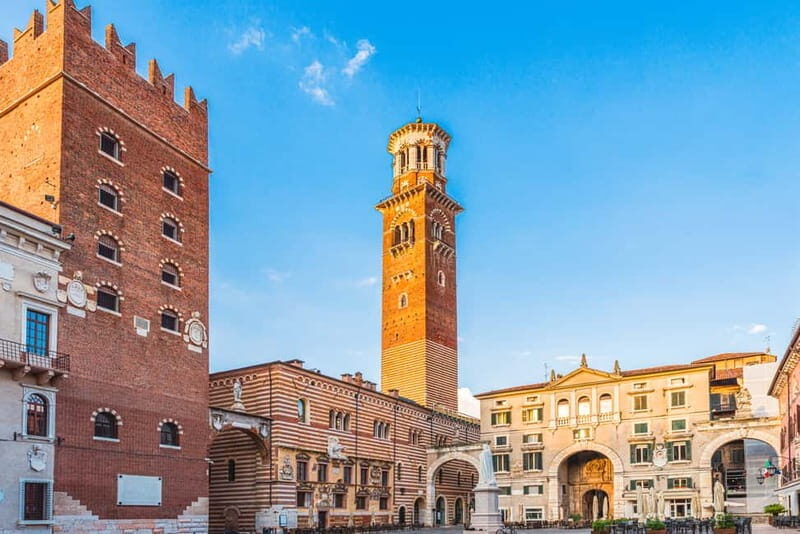 3 / 7
3 / 7 4 / 7
4 / 7 5 / 7
5 / 7 6 / 7
6 / 7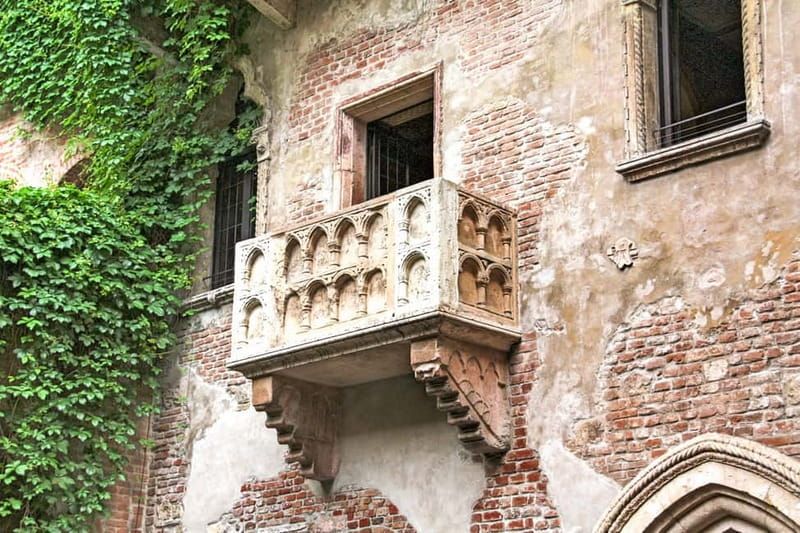 7 / 7
7 / 7- Priority entrance at the Verona Arena plus fast access to Casa di Giulietta highlights
- Free or reduced museum entry across dozens of Verona sites, not just one or two “tourist trap” stops
- Free city travel via ATV Urban line inside Verona (and it helps a lot if you don’t want to walk all day)
- Torre dei Lamberti gives you the kind of panoramic view that makes Verona’s layout click
- Digital audio guide app to add context while you move between sites
- Important booking and closure rules (Juliet times, Monday closures, and a 2026 Arena closure window)
Price and logistics: when a €-tight budget actually wins
This Verona Card is listed at $35 per person and comes in 24- or 48-hour options. The value isn’t only the free admission—it’s the way it removes “decision fatigue.” When you know your entry fees are handled, you’re more likely to do the extra church, take the tower stairs, or pop into one more museum you would’ve skipped.
Here’s the realistic math mindset: if your list includes the Arena, Juliet’s Balcony, and at least a couple of major museums/churches, the card tends to pay off. Many attractions on the included list are the types where buying tickets one-by-one adds up quickly. Even travelers who walk a lot still mention the Arena and Juliet access as the biggest time/comfort wins.
Two practical notes. First, the pass doesn’t cover everything equally—some places are free entry, while others are reduced price. Second, you do need to check access logistics per site (especially Juliet’s Balcony timing), or the card won’t feel as seamless as it sounds.
You can also read our reviews of more city tours in Verona


Pick-up and activation: the part that can make or break your day
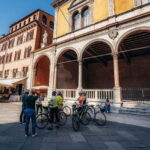
Your meeting point may vary depending on the option booked. The key thing is to plan for pick-up time before your first big stop. One convenience from traveler experience: people say it’s usually straightforward to collect the card at the tourist office near the Arena, and the staff often helps you with maps and instructions.
Also watch for the activation detail. Some travelers mention the pass period runs from when you first use it (not necessarily from purchase day). If that matches your situation, it can be a clever way to stretch your plan a bit—just don’t rely on it blindly. Always treat your scheduled visits as the priority.
Finally, keep an eye on unusual collection rules. For example, one noted case says that on Monday, November 10 collection is only at the Tourism Office (room C438, Palazzo Barbieri) between 9:00 am and 1:00 pm, with a valid ID required for a special pass. Another note says the IAT office can be relocated on Sunday, November 16 due to a sporting event. If your trip lands on a specific date like that, your confirmation details matter.
Arena priority entrance: what it feels like in the real world
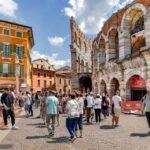
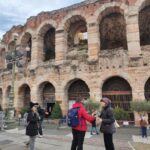
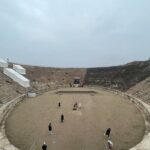
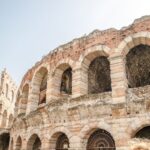
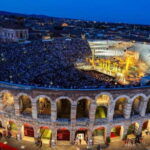
The Verona Arena is the big draw because it’s not just a pretty Roman shell. It’s one of the best-preserved arenas from the Roman Empire that’s still in use, and it still hosts opera on special nights.
With the card, you get skip-the-line entrance to the Arena. In plain terms, that means you’re less likely to burn your morning in the sun staring at a queue. Several travelers specifically praise how the pass can save close to an hour at busy times.
Two practical considerations. First, the Arena’s operating calendar can change. The Arena is noted as closed to the public from 7 January to 20 March 2026 due to the Winter Olympics. Second, skip-the-line value depends on crowd level: if you arrive when it’s quiet, you might not feel the advantage as strongly as someone who hits a peak hour.
Casa di Giulietta and Juliet’s Balcony: easy entry with one important catch
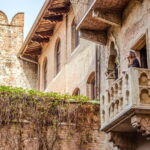
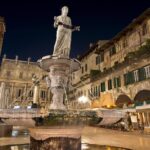
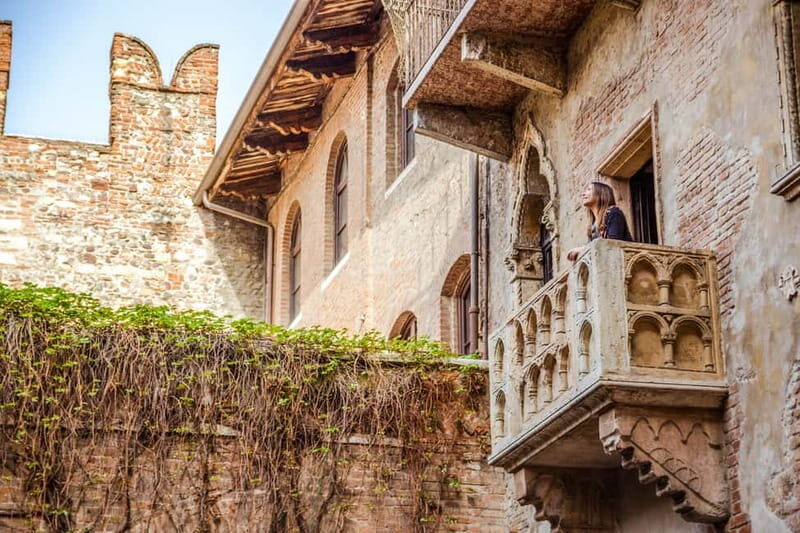
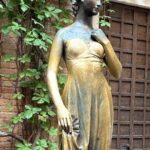
If you’re doing Verona for Romeo and Juliet, this stop will tug at you immediately. Casa di Giulietta is where you’ll find Juliet’s Balcony and the famous love letters pinned to the wall. It’s touristy, yes—but it’s also a Verona essential.
The card includes skip-the-line entrance for Juliet’s House/Juliet’s Balcony. However, there’s a crucial step: you must book the access time for Juliet’s House and Juliet’s Balcony through the Musei Civici website. Without that booking, the card won’t magically turn everything into a walk-in.
My advice: book your Juliet time early in the day if you can. Travelers mention that morning slots can help you avoid the worst of the crowd crush because the area is small and gets busy quickly.
More Great Tours NearbyTorre dei Lamberti: the view that makes Verona feel navigable
Once you’ve seen Juliet’s corner and the Arena zone, you’ll start noticing Verona’s hills, rivers, and the way neighborhoods step up and around each other. That’s exactly why the Torre dei Lamberti is worth prioritizing.
The card includes skip-the-line entrance to Lamberti Tower. Going up here is one of the best ways to “map” the city in your head. You’ll understand why streets curve the way they do and where you’ll want to walk next.
If you plan your day smart, the tower also works as a natural reset point. Do it after your first big landmark so you can spend the rest of your time with more confidence and less backtracking.
Museums and monuments: how the card turns Verona into a 2-day buffet
The Verona Card covers a long list of museums and monuments, including several that people consistently call highlights.
Museo di Castelvecchio: where Verona history has muscle
One of the most impressive included stops is Museo di Castelvecchio. Even if you’re not a “museum all day” person, it’s the kind of place that gives you context for what you’re seeing outside—especially if you’ve been circling bridges, fortification walls, or medieval-looking streets.
In a city like Verona, it’s easy to only chase photo spots. Castelvecchio rewards you with the bigger story behind the stones.
Basilica di San Zeno Maggiore and the Duomo area
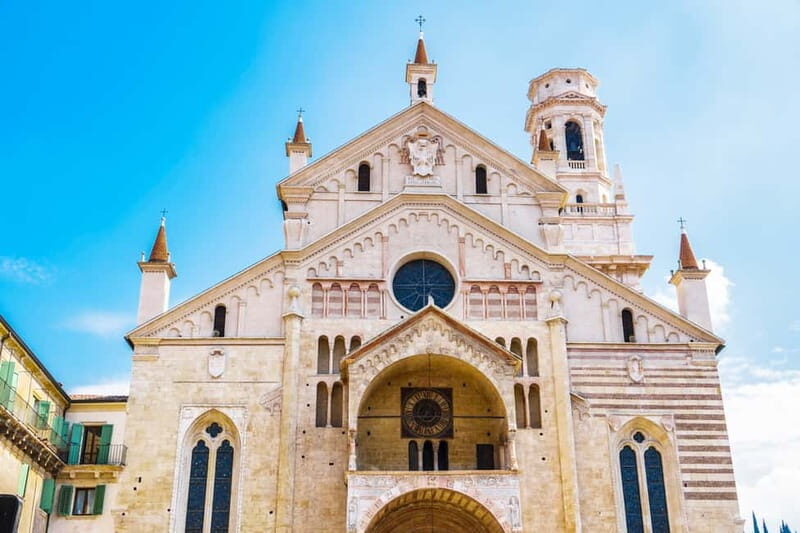
Verona’s church circuit is a real strength of this card. Basilica di San Zeno Maggiore is listed as included, and the Complesso del Duomo is also part of what you can visit.
If you like architecture, these stops help break up museum rooms with something more lived-in: carved stone, interior details, and that distinct Verona feeling that the past is right there, not behind glass.
Santa Anastasia, Chiesa di San Fermo Maggiore, and Arche Scaligere
You also have options like Chiesa di Santa Anastasia and Chiesa di San Fermo Maggiore, plus Arche Scaligere. This cluster is useful because it lets you tailor the trip. Want Gothic/medieval vibes? Lean into these. Prefer Roman and sculptural history? Balance them with theater and archaeology stops.
Roman Verona essentials: Teatro Romano and the city beneath the city
Verona does Roman well, and the card helps you access those layers without paying again and again.
The Museo Archeologico al Teatro Romano (MATR) is included. It connects the dots between what you see in the archaeological area and the broader rhythm of the city—Roman public life, then later centuries shaping what remained.
Even if you only skim through sections, the value is in having the ticket already handled. You can spend more time letting the atmosphere sink in, rather than rushing because you’re afraid you’ll run out of time or money.
ATV bus network: free rides with real-world limits
One of the most practical perks is ATV public transportation—but only on the Urban line inside Verona city. In other words: it’s a helpful local transport option, not a network that magically covers everywhere outside the city core.
Travelers who didn’t mind walking often skipped it because Verona is very walkable. Others used the buses to reduce walking time between clusters of sights, and they said it made moving around easier.
One caution that comes up: some travelers mention bus timing can feel unreliable. So if you’re tight on a reservation time (Juliet access, for example), don’t treat the bus as your only strategy. Build a small buffer, or use it only when you can walk as a backup.
Also note: the card does not include the Aerobus service.
The digital audio guide app: the quiet upgrade you’ll actually use
Included with your ticket is a digital audio guide app. You’ll get instructions with your booking confirmation, and the app supports an audio-guided tour of Verona.
This matters because Verona’s details can be invisible if you’re moving fast. Audio guidance helps you connect what you’re looking at—Arena structure, Juliet’s legend context, and the overall layering of time—without needing a live guide for every stop.
You can also use it like a flexible tool: play a track when you pause at a site, then turn it off while you wander. No rigid group schedule.
A 24-hour plan that doesn’t feel rushed
If you only have one day, you’ll want to pick one “anchor landmark” and build around it.
Start with the Verona Arena early (or at least before peak crowding), because skip-the-line access is most valuable when queues form. Then walk or bus over toward the Casa di Giulietta area for Juliet’s Balcony, but make sure your booked access time is correct.
After that, go up Torre dei Lamberti for the panoramic view. From there, you can choose your remaining time block based on what you like most:
- a museum stop like Castelvecchio
- a church stop such as San Zeno or the Duomo complex
- an extra museum if it’s open that day
This is the day-one rhythm: big hits first, then fill with quality rather than quantity.
A 48-hour plan for people who enjoy stopping to look
With two days, you can do Verona in layers without feeling like you’re sprinting.
Day 1: hit the Arena + Juliet early, then use your afternoon for a museum-focused block like Museo di Castelvecchio. Add one church or monument nearby so you aren’t only indoors.
Day 2: shift toward Roman and surrounding history. Work in Museo Archeologico al Teatro Romano (MATR) and combine it with church stops like Chiesa di Santa Anastasia or Chiesa di San Fermo Maggiore. If the weather is good, the tower on day two can also be a second perspective once you’ve already seen more neighborhoods.
A smart tactic from traveler experience: you can plan as if the card clock starts on first use. That sometimes lets people stretch visits across more than just two calendar days when their schedule is flexible—just keep your reservations intact.
Opening times, Mondays, and that 2026 Arena closure
This is the part you can’t skip: check opening times and access details on the official tourism site (the card guidance points you there).
Also pay attention to these notes:
- Several museums close on Mondays, including the Arena Amphitheatre and Juliet’s House and Juliet’s Balcony.
- The Verona Arena will be closed from 7 January to 20 March 2026 due to the Winter Olympics.
- Juliet’s House and Juliet’s Balcony need time-slot booking via Musei Civici.
If your trip lands on a Monday, treat it as a “flex day.” Move your anchor reservations to a different day, and lean on whatever included sites are open.
Common pitfalls travelers mention (and how to avoid them)
A few recurring realities show up for travelers using the card:
- Booking Juliet’s Balcony: You can’t rely on the card alone; the time slot is required.
- Transportation assumptions: The ATV Urban line is useful, but some report timing isn’t always smooth. Build a walking backup.
- Not everything is free: The card covers many entries, but some places are reduced price, not always fully free.
- Arena access can depend on the calendar: If your dates fall into the 2026 closure window, the Arena perk won’t work as planned.
- Clock vs. schedule: Some travelers say the validity runs from first use, which can help planning, but don’t treat it as guaranteed magic. Plan your must-do sites first.
Who this Verona Card suits best
You’ll like this card if you:
- have 1–2 days and want to hit multiple neighborhoods without recalculating ticket costs every hour
- care about major landmarks (Arena and Juliet) and at least a few museums/churches
- prefer self-guided travel with an audio guide app instead of a full scripted tour
- don’t mind walking and also appreciate the option of free local buses when your legs need a break
It’s less ideal if you’re only visiting one or two paid sites. Some travelers feel the convenience matters most when you pack in several included attractions. If your list is very short, you might compare the total ticket costs and see what’s cheaper for your specific schedule.
And about wine: Verona is a city where a food and drink break is part of the fun, but this card is not a wine-tasting ticket. Still, having your museum fees handled makes it easier to schedule a relaxed stop afterward—without guilt.
Verona: City Card with Arena Priority Entrance
Should you book this Verona Card?
If you’re aiming for a classic Verona highlights day (Arena + Juliet), plus museums and viewpoints, I think this card is a strong booking choice. The skip-the-line value and the broad museum/monument coverage are exactly what turns a short visit into a satisfying one.
Book it if:
- you want to reduce waiting and simplify your ticketing
- you’re comfortable planning a Juliet time slot
- you’re visiting within normal opening patterns (and not on a Monday when key sites close)
Consider paying individually instead if:
- your itinerary is small and you’re not hitting the included monuments/museums
- you’re traveling during the Arena closure window or on a day when multiple major sites are likely closed
- you don’t want to do the planning steps (opening times + reservations for Juliet)
If you’re trying to get the most Verona per day, this card is built for that. Just plan the first big reservation, check openings, and use the tower/viewpoints to give your walking route some sense of direction.
You can check availability for your dates here: