Verona is one of those cities where the past is basically on the street with you. This Verona Highlights Walking Tour is a tight, small-group way to connect the dots—from medieval palaces and bridges to the Roman Arena and the forever-famous Juliet legend—without spending your whole day hunting down landmarks.
Two things I really like here are the pacing and the guide quality. You get a relaxed flow through central Verona, and travelers consistently praise guides like Isabella and Frank for clear English, smart context, and stories that make the stones feel less dusty.
One consideration: it’s still a walking tour. You’ll cover a lot of ground in about 2 hours, and some spots may be tough for reduced mobility, since parts of the route aren’t described as fully accessible. Add in rain-or-shine conditions, and you’ll want decent shoes.
- Key Points
- A short tour that helps you read Verona
- Small-group walking tour: the sweet spot
- Meeting at Piazza Bra: your Verona anchor point
- Castelvecchio and the Scaligero Bridge: medieval Verona in one breath
- The Arch of Gavi: a Roman milestone with a story
- Piazza Bra meets the Arena: Roman architecture you can still feel
- Planning your Arena time (tickets not included)
- Casa di Giulietta: Shakespeare’s Verona, with real architectural context
- Juliet’s Balcony access note for winter dates
- Romeo’s house: see it, don’t expect a full inside visit
- Piazza delle Erbe: Roman roots under lively café life
- Piazza dei Signori and Dante: power, then poetry
- Arche Scaligere: the Scaligeri arches and tomb energy
- What the guide quality feels like in real life
- Rain-or-shine and walking stamina
- Timing, tickets, and what’s included
- Who should book this tour?
- About wine: what’s covered, what’s not
- Is it worth it? My recommendation
- FAQ
- How long is the Verona highlights walking tour?
- What language is the tour offered in?
- How big is the group?
- Where do I meet, and where does the tour end?
- Is hotel pickup and drop-off included?
- Are admission tickets included for the Arena and Juliet’s house?
- Does the tour run in bad weather?
- Is there a cancellation policy with a refund?
- The Best Of Verona!
- More Walking Tours in Verona
- More Tours in Verona
- More Tour Reviews in Verona
Key Points
 1 / 9
1 / 9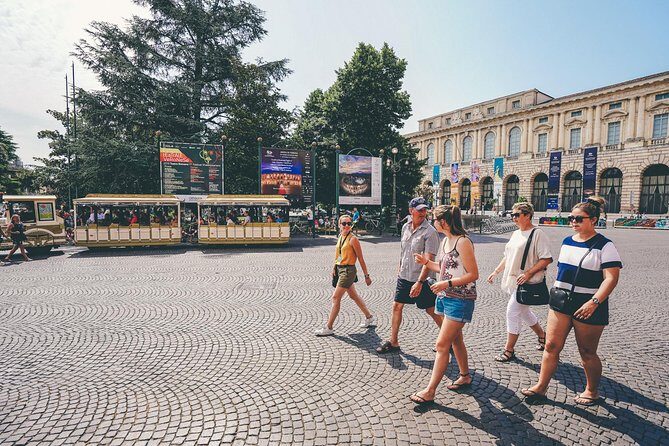 2 / 9
2 / 9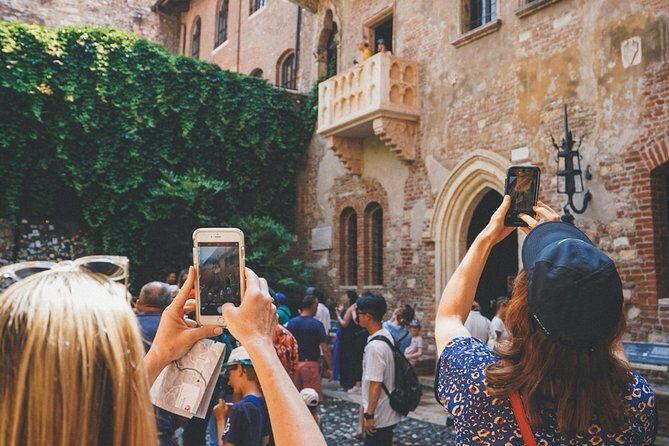 3 / 9
3 / 9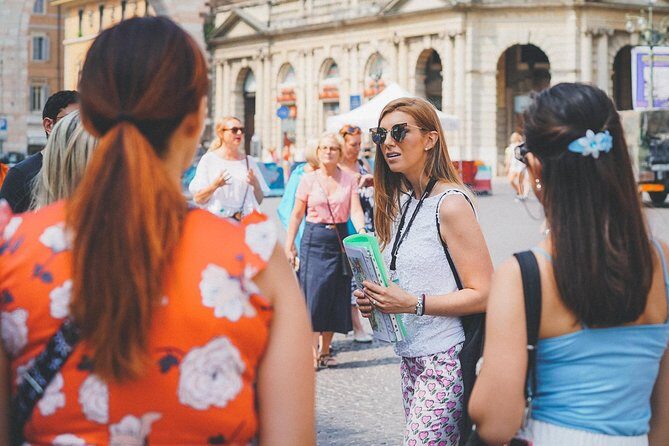 4 / 9
4 / 9 5 / 9
5 / 9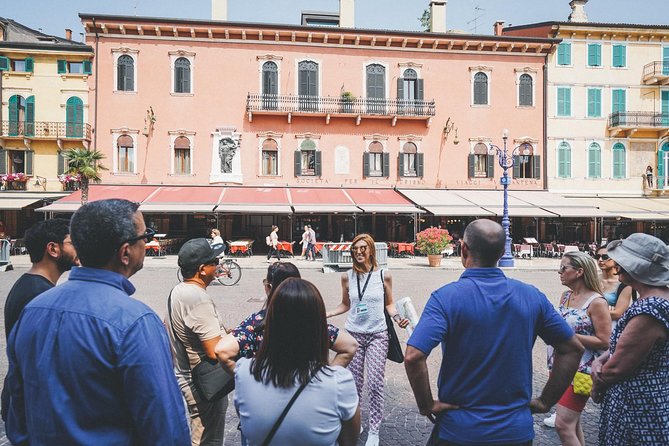 6 / 9
6 / 9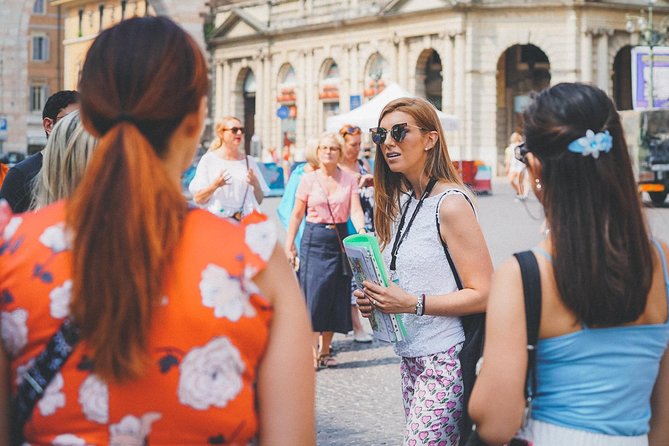 7 / 9
7 / 9 8 / 9
8 / 9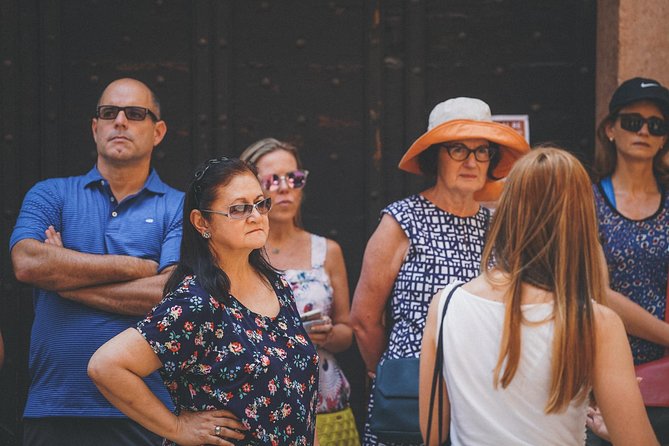 9 / 9
9 / 9- Small-group size (max 16) keeps it friendly and manageable
- English-speaking local guide adds meaning beyond guidebook photos
- You cover Verona’s major highlights fast in about 2 hours
- Arena di Verona and Juliet areas require separate admissions (tickets not included)
- Most of the tour runs in rain or shine, so plan for weather
- Good value at about $42.33 for a guided orientation to the city core

👉 See our pick of the The 15 Best Workshops & Classes In Verona
A short tour that helps you read Verona
If you’re arriving in Verona with just a day (or even just half a day) and want to stop wandering in circles, this tour is built for that. The route focuses on Verona’s most recognizable “chapters”: Roman, medieval, and the Shakespeare-on-the-wall pop culture layer that still pulls people in.
The vibe is intentionally calm. You’re not being hustled from one stop to the next like a race. Instead, you get enough time at each place to understand what you’re seeing—then you can go back later on your own with smarter questions.
You can also read our reviews of more walking tours in Verona

Small-group walking tour: the sweet spot
The group size is capped at 16 travelers, and that matters more than it sounds. With a smaller group, you can actually hear the guide, ask follow-ups, and keep a sense of how the city is laid out.
You also avoid the “tour assembly line” feel that you sometimes get in big groups. Several guests mention the tour feeling personal and well paced, and that lines up with the small-group format.
Also, you start and end at Piazza Bra. That’s convenient. It’s central, easy to orient around, and it’s one of Verona’s best starting points for further exploring.
Meeting at Piazza Bra: your Verona anchor point
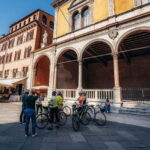
Piazza Bra isn’t just a convenient meeting area. It’s the kind of open square where you can reset your bearings quickly—cafés, people-watching, and buildings that frame the city core. It also puts you in position to understand Verona’s layout as you walk.
If you’re short on time, getting your bearings fast is a win. And because the tour ends back at the same square, you’re not stuck figuring out transportation at the end while you’re tired.
Castelvecchio and the Scaligero Bridge: medieval Verona in one breath
Your walking route meanders past major historic landmarks in the center of town, including Castelvecchio and the Scaligero Bridge area.
This is one of the best parts of a highlights tour, because it helps you see Verona as something more than “Roman Arena and Juliet.” Castelvecchio is a medieval fortress, and it’s the kind of place you can feel even when you’re only seeing it from the outside—thick stone, defensive posture, and that whole medieval idea of power made visible.
Then comes the bridge connection. The Scaligero Bridge is noted as a link from Verona’s late-medieval castle to the left bank of the Adige. It was badly damaged during bombing and later rebuilt to match the original look. That’s a powerful detail because it turns a photo-worthy structure into something with real historical stakes.
The Arch of Gavi: a Roman milestone with a story
Not every highlights walk includes Roman architectural leftovers, but this one does. You’ll see an elegant 1st-century AD Roman construction that’s tied to the gens Gavia, connected to the Roman architect Vitruvio (as described). It’s a reminder that Verona wasn’t just medieval theater—it had Roman-era infrastructure and symbolism too.
This kind of stop is valuable because it fills a gap. When you only think of the Arena as “the Roman thing,” you miss how Roman Verona sat in the middle of everyday life.

Piazza Bra meets the Arena: Roman architecture you can still feel
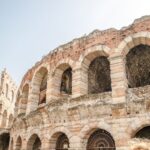
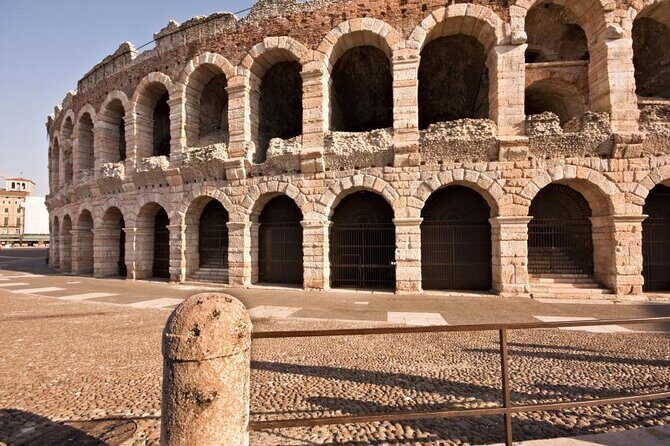
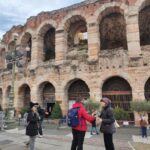
Then you get to the star: Arena di Verona.
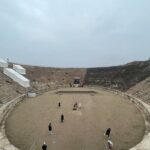
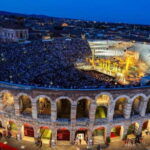
It’s described as built in AD 30, in the Augustan period, and it’s still standing in remarkably preserved condition for a building that’s about 2,000 years old. The tour also highlights that it once held up to around 30,000 people, which helps you grasp the scale.
A practical note: admission to the Arena is not included, and the stop includes 10 minutes. So treat this as a guided orientation and exterior-to-interior context moment (depending on what you choose to do with tickets), not a long museum-style visit.
If you’re a music person, you’ll appreciate the cultural angle. The Arena is also tied to the Verona Arena Festival, a summertime opera celebration that draws classical-music lovers.
Planning your Arena time (tickets not included)
Because admission is not included, you’ll want to decide what you’re doing next:
- If you want inside time, you’ll need to purchase tickets separately.
- If you just want photos and context, the guided portion still gives you the “why it matters.”
Some travelers also specifically mention skipping lines with a guided setup for related spots. That’s not stated as a guaranteed feature across the board here, but it’s consistent with how certain guided ticketing works in busy historic sites. Either way, plan to handle at least the tickets yourself for the Arena.
Casa di Giulietta: Shakespeare’s Verona, with real architectural context
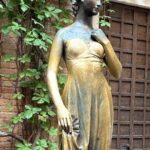
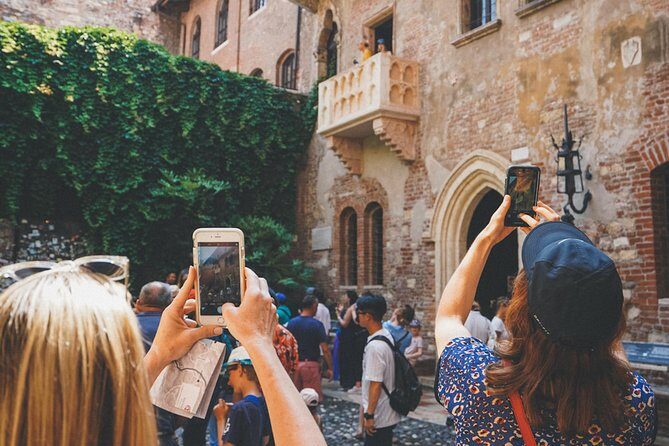
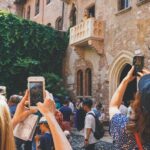
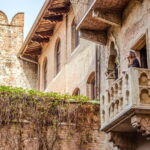
Next is Casa di Giulietta, where you’ll see the courtyard connected with the Capuleti’s house, tied to the Shakespeare-inspired story. The stop is around 5 minutes and, again, admission is not included.
This isn’t just a stop for fans of the play. With a good guide, it becomes a lesson in how legends stick to places—and how that shapes tourism year after year. You also get a chance to point your own curiosity where you want it after the tour.
Juliet’s Balcony access note for winter dates
One detail that matters if you’re traveling in peak season: from December 6, 2025 to January 6, 2026, the tour says access to Juliet’s Balcony is not included as usual. City administration requires a ticket for access. You can ask for information on how to purchase, but the tour won’t buy it for you.
If that balcony is on your must-see list, check your travel dates and plan your ticket in advance.
Romeo’s house: see it, don’t expect a full inside visit
You’ll also pass Romeo’s house, described as a medieval palace in central Verona. The key point: it’s private and inhabited, so you can only see it from the outside.
This is actually good for managing expectations. A highlights tour shouldn’t promise an interior visit where none is possible. You still get the legend connection and the sense of where the story lives in the city layout.
Piazza delle Erbe: Roman roots under lively café life
Then you shift from legend back to civic life at Piazza delle Erbe.
The square is described as the Forum and the center of city life during Roman times. That’s an important mental switch: this isn’t only a charming plaza for strolling. It once functioned as a core political and social space.
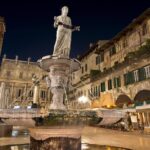
The tour also points out monuments tied to different rulers of Verona. The most famous is the fountain built during Scaligeri rule. It’s the kind of detail you’ll notice more clearly after someone explains why it’s there.
Admission isn’t required for the square stops, and the time allocated is brief (about 5 minutes), but these quick stops can be surprisingly memorable when you know what you’re looking at.
Piazza dei Signori and Dante: power, then poetry
Another short stop: Piazza dei Signori. It’s described as the former center of power in Verona, with a Dante Alighieri statue that’s dominated the square since 1865—which is why the nickname Piazza Dante comes up.
This is a nice “humanist” moment in a tour that otherwise spans Roman engineering and medieval defense. It helps you see Verona as a city that continued to develop cultural identity long after the Romans.
Arche Scaligere: the Scaligeri arches and tomb energy
At Arche Scaligere, you’ll see the Scaligeri cemetery with sarcophagi and three arches built for Cangrande I, Mastino II, and Cansignorio. The time is short (about 5 minutes), but the visuals are strong.
Even if you’re not a cemetery person, this stop works because it’s about how medieval rulers documented their power in stone—final resting places designed to be seen.
What the guide quality feels like in real life
This tour is consistently praised for knowledgable guides. Names that show up in traveler notes include Isabella, Frank, Priscilla, Maria, and others. The common thread is that guides explain architecture and historical layers in clear English, with enough humor to keep it from turning into a lecture.
You also get something travel pros love: permission to ask questions. The tour is structured so you can talk to your guide while you walk, rather than just listening at a distance.
That’s also why the tour works well for first-timers. You’re not just collecting photos—you’re learning what to look for when you return on your own.
Rain-or-shine and walking stamina
The tour runs rain or shine, so plan accordingly. Since it’s roughly 2 hours, you don’t need marathon endurance, but you do need comfortable shoes and a bit of resilience.
Accessibility is the one “maybe” flag. The info says some parts may not be easily accessible for people with reduced mobility or disability. If that could apply to you, it’s worth contacting the provider with specifics before booking.
Timing, tickets, and what’s included
Here’s the practical breakdown:
- What’s included: a local tour guide
- Not included: hotel pickup/drop-off
- Not included: admission tickets at places like the Arena and Casa di Giulietta (as specified for those stops)
- Mobile ticket: yes
- English offered: yes
Price-wise, the tour is listed at about $42.33 per person for roughly 2 hours. That’s good value if you want a guided orientation that saves time, reduces confusion, and helps you prioritize what to revisit later (especially around the Arena and Juliet area).
Who should book this tour?
This tour is a strong match if you:
- Are visiting Verona for the first time and want a fast, guided overview
- Like history but don’t want to spend hours reading signage
- Prefer small-group pacing instead of big-bus crowds
- Want to know where to return for deeper visits (Arena, Juliet areas, and more)
It may be less ideal if you:
- Want a long time inside multiple major attractions (admissions aren’t included, and stop times are short)
- Need fully accessible routing throughout the entire tour
About wine: what’s covered, what’s not
You asked for wine focus, but the tour details provided here don’t mention a wine tasting or an included wine selection. If you love wine, you might want to pair this tour with a separate plan before or after your walk—something local and time-specific, since Verona has lots of options.
Is it worth it? My recommendation
If you’re trying to get value in Verona, I’d recommend this tour—especially for first-time visitors. You get a smart route through Roman, medieval, and legend-driven Verona, and the guides are clearly a highlight.
Book it if you want context with your sightseeing. Skip it only if you prefer self-guided wandering with no structured stops, or if you’re hoping for fully included admissions and a long interior visit program.
FAQ
How long is the Verona highlights walking tour?
It runs for about 2 hours.
What language is the tour offered in?
The tour is offered in English.
How big is the group?
The tour has a maximum of 16 travelers.
Where do I meet, and where does the tour end?
You meet and end at Piazza Bra in Verona, Italy.
Is hotel pickup and drop-off included?
No. Hotel pickup and drop-off are not included.
Are admission tickets included for the Arena and Juliet’s house?
No. Admission is not included for the Arena di Verona and Casa di Giulietta.
Does the tour run in bad weather?
Yes. It runs rain or shine.
Verona Highlights Walking Tour in Small-group
Is there a cancellation policy with a refund?
Yes. You can cancel up to 24 hours in advance for a full refund.
If you tell me your travel month (and whether you need accessibility-friendly routing), I can help you decide whether to prioritize tickets for the Arena and Juliet’s Balcony right away.