If you want Verona beyond the postcard stops, this guided walking tour is a smart place to start. You’ll walk the city layers, from Ancient Rome right into the Medieval era, with a local guide who knows what to point out and when.
What I like most is the combination of famous landmarks and the hidden corners in between, so you get orientation without feeling like you’re just collecting checkmarks. The second standout is the way the guide teaches—stories tied to stone and street level details, plus headsets so you hear everything even in busy spots.
One thing to consider: it’s a nonstop, out-in-the-streets 2-hour walk on uneven sidewalks. Comfortable shoes help a lot, and rain or shine means you should be ready for weather on the move.
- Key things that make this tour worth it
- Verona in 2 hours: why this walk works
- Meet at Piazza Bra and get oriented fast
- The Arena: more than photos of a famous amphitheater
- Early walls and ancient gates: Roman Verona sneaks up on you
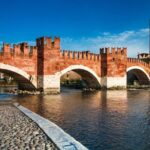
- Riverside storytelling: Adige River views and Ponte Scaligero
- Piazza delle Erbe: the oldest fountain and a real market square
- Piazza dei Signori: medieval power buildings and a tall viewpoint
- Chiesa stops: Santa Anastasia and San Giovanni in Foro
- Romeo, Juliet, and the Scaligere mausoleums in the same story
- Hidden corner hunting: courtyards, squares, and side streets
- Sinagoga di Verona and the Convent of Santa Maria della Scala
- Pacing, headsets, and how the 2 hours feel
- What’s included—and what you should plan for
- Value for : paying for time, planning, and clarity
- Practical tips: shoes, water, and rain or shine
- Who should book this tour
- Should you book this hidden Verona walking tour?
- FAQ
- Where does the tour meet?
- How long is the walking tour?
- How much does it cost, and what’s included?
- Is transport, food, or ticketed entry included?
- What languages are available?
- What should I bring?
- What is the cancellation and booking policy like?
- The Best Of Verona!
- More Walking Tours in Verona
- More Tours in Verona
- More Tour Reviews in Verona
Key things that make this tour worth it
 1 / 7
1 / 7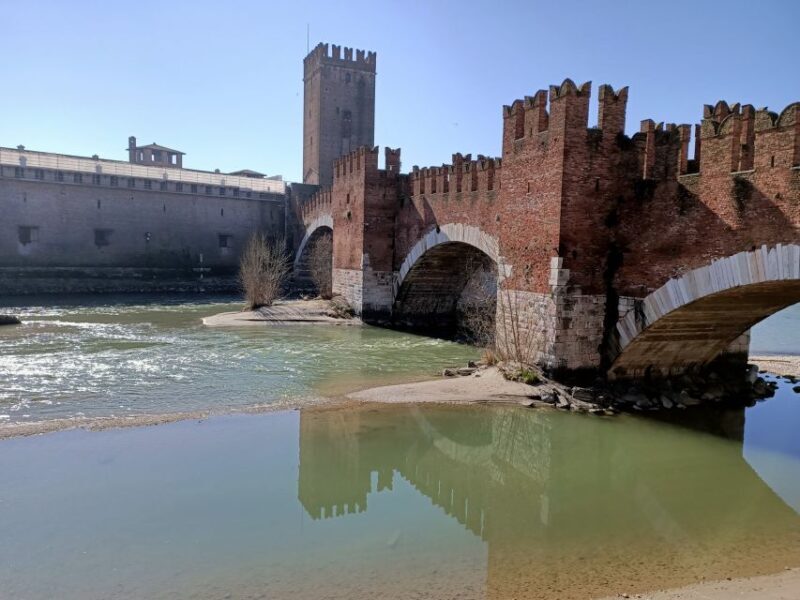 2 / 7
2 / 7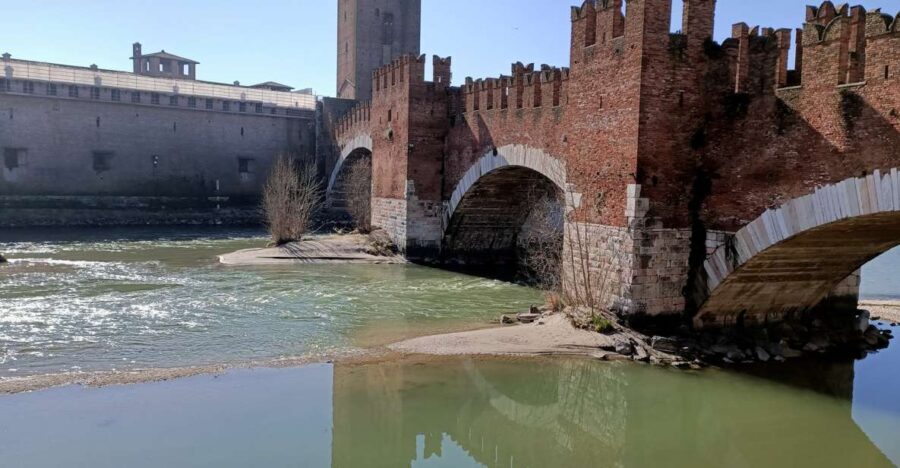 3 / 7
3 / 7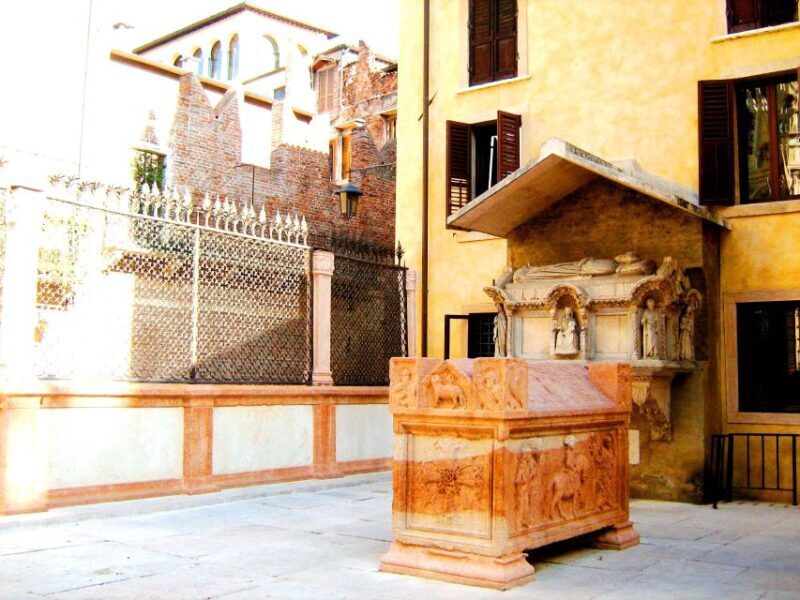 4 / 7
4 / 7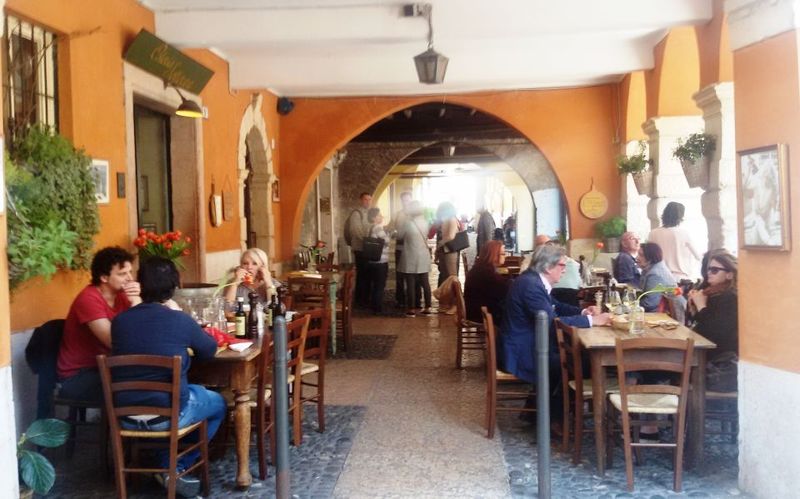 5 / 7
5 / 7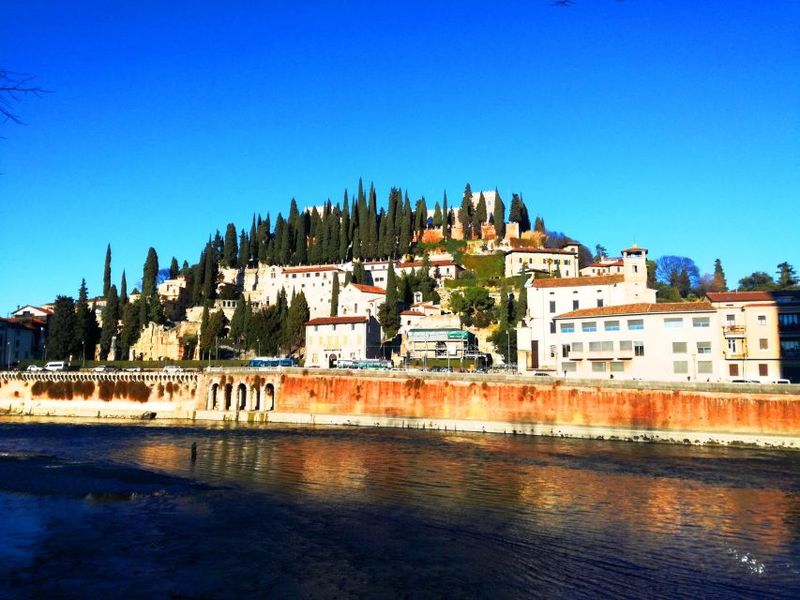 6 / 7
6 / 7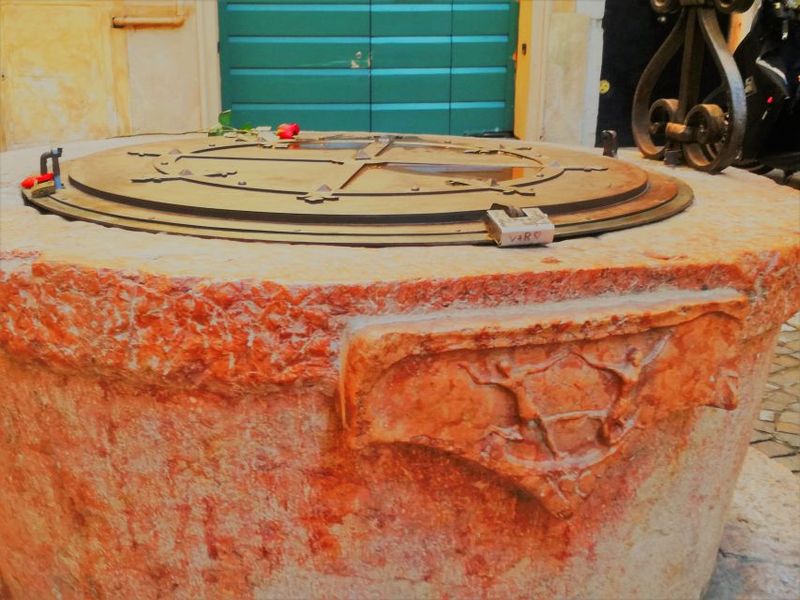 7 / 7
7 / 7- Local, licensed guide (Fabio Massimo Rapanà) who’s born and raised in Verona and prepared for a storytelling route
- Small group up to 10 with headsets for clear audio throughout
- Focused 2-hour route that blends big sights like the Arena with lesser-noticed streets and squares
- Adige River viewpoints including the area around Ponte Scaligero and riverfront photo stops
- Roman-to-Medieval context, with stops tied to Porta Borsari, early walls, and Scaligere-era landmarks
- Good value at $41, since you’re paying for guide time, planning, and audio gear (not ticketed entries)

👉 See our pick of the The 15 Best Workshops & Classes In Verona
Verona in 2 hours: why this walk works
Verona can feel overwhelming on your first day. You arrive, you see the big names, and then you wonder why some streets look more interesting than the ones you already did. This tour helps you solve that quickly.
You’re not just hearing facts. You’re learning how to read the city: Roman remnants show up in one place, Medieval power buildings in another, and then suddenly a river view makes the layout make sense. That “see more when you know more” effect is exactly what you want early in your trip.
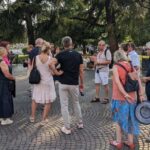
With a small group and headsets, the experience stays relaxed. You’re not craning your neck around a flag or losing half the story to street noise.
You can also read our reviews of more walking tours in Verona
Meet at Piazza Bra and get oriented fast
The tour starts in Piazza Bra, at Palazzo Barbieri – Comune di Verona, meeting your guide standing below the Italian flag in the square. This matters because it’s a central launch point near the Arena area, so you’re not wasting time crossing town just to begin.
From the first minutes, the route is designed for flow and storytelling. You move from open squares into narrower streets and back again, so you always have a sense of where you are—and you’re not just walking in circles.
If you’re the type who likes to plan less but see more, this is a great “early-day” activity. It also gives you a better instinct for where you want to return later on your own.
The Arena: more than photos of a famous amphitheater
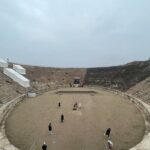
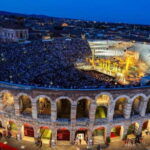
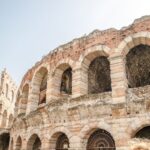
You’ll stop at the Verona Arena for a photo moment and learn how it fits into the city’s Roman past. The guide explains gladiator battles that took place there, and you’ll also spend a moment admiring the architecture up close.
This is one of those sites where the outside looks straightforward, but the meaning changes once you understand the purpose of a Roman amphitheater. You start to notice the structure and how the space would have worked for crowds.
Also, Verona is busy. Because the tour uses headsets, you don’t end up relying on perfect luck to hear the guide over background chatter.
Early walls and ancient gates: Roman Verona sneaks up on you
After the Arena, the walk shifts toward the foundations of the early medieval city walls and the Corso, one of Verona’s oldest streets. This is where the tour starts doing its real job: connecting landmarks through the city fabric you would otherwise miss.
You also get a stop at Porta Jovia, described as a historic Roman-era monument. Nearby, you’ll have a photo stop for Porta Borsari as well. These gates are the kind of things you can easily walk past without thinking, and yet they’re key for understanding how the city defended itself and how it grew.
One practical plus: the route includes short photo stops throughout, so you’re not constantly “trying to keep up.” It’s structured, but it doesn’t feel rushed.
More Great Tours NearbyRiverside storytelling: Adige River views and Ponte Scaligero
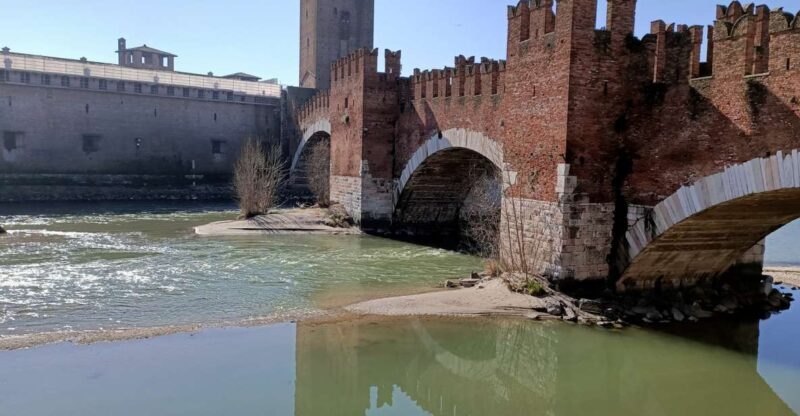
A highlight is the stretch toward Riva San Lorenzo. You’ll make a photo stop on the way and enjoy scenic views by the river. Then you’ll see the Ponte Scaligero area as the story connects Verona’s past to its geography.
When you get a river view, Verona starts to click. The Adige isn’t just scenery—it’s part of why the city developed the way it did, and why bridges like Ponte Scaligero matter so much.
If you’re someone who likes memorable photos, this portion gives you a break from constant stone-and-church viewing. It also helps the whole walk feel balanced: history plus air plus wide sightlines.
You can also read our reviews of more guided tours in Verona
Piazza delle Erbe: the oldest fountain and a real market square
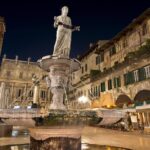
Next up is Piazza delle Erbe, one of Verona’s liveliest public spaces. You’ll pause for a photo stop and a visit, with time to enjoy the surrounding façades and the square’s atmosphere.
The guide points out the oldest fountain in the city, and explains the market history behind what you see today. Even if you’re not shopping, learning how the square functioned makes the architecture feel more purposeful.
This stop is also useful for your independent exploring later. Once you understand why the square became a market hub, it’s easier to connect it with other corners of the city you’ll see on foot the rest of your trip.
Piazza dei Signori: medieval power buildings and a tall viewpoint
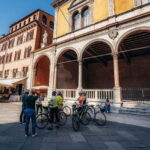
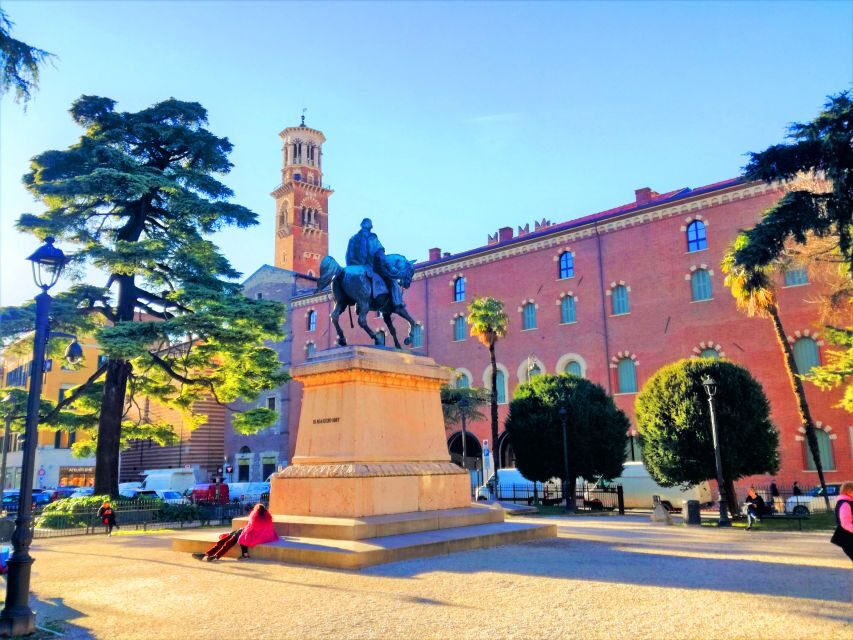
From there you head toward Piazza dei Signori and you’ll see a set of important public buildings, including Palazzo della Ragione, Palazzo Della Scala, and Palazzo del Capitano.
The guide also helps you understand the Medieval era through what these buildings represented in their time. You’ll pause near the highest tower in the city (the tour doesn’t require you to climb it for the lesson to land), so you can connect height and authority in a way you likely wouldn’t on your own.
This part of Verona can feel like “just a square” until someone explains the political and cultural weight behind the façades. That’s what you’re buying with this tour: context that turns scenery into understanding.
Chiesa stops: Santa Anastasia and San Giovanni in Foro
You’ll pass Chiesa di San Giovanni in Foro and also make a photo stop at Basilica di Santa Anastasia. These church moments are shorter, but they matter because they broaden the story beyond the civic and defensive sites.
Church architecture in Verona often reflects how power and community showed up in daily life. Even when your time at each church is brief, the guide’s framing helps you notice details you’d normally walk past.
If you love architecture, you’ll likely enjoy the way the tour highlights textures, shapes, and how buildings sit in their surroundings—rather than treating churches as quick photo backdrops.
Romeo, Juliet, and the Scaligere mausoleums in the same story
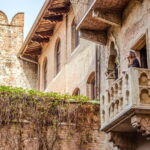
You’ll make your way through the dramatic Arche Scaligere mausoleums on the way toward Romeo’s house and Juliet’s balcony (you’ll see the area as part of the walk).
This is the part of Verona many people come for, but here you get a different angle. Instead of only hearing the Shakespeare-famous names, you also learn the historical inspiration behind the tragedy tied to Verona’s past.
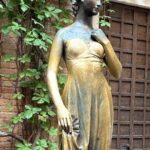
And yes, you will still see Juliet’s House, so don’t worry if you want at least one big “I’m really here” moment. The point is that this tour doesn’t treat it as the only destination.
Hidden corner hunting: courtyards, squares, and side streets
One of the best reasons to book this walk is the constant presence of lesser-known stops. Along the way you’ll pass and/or photo-stop at places like Piazzetta Monte, Piazzetta Bra Molinari, Piazza Indipendenza, and Via Dietro Anfiteatro.
You’ll also spend time around the Courtyard Of The Old Market, plus a series of short “secret stop” moments. These are quick, but that’s the value: each one adds a small piece to the bigger picture of how Verona’s layout evolved.
On a first visit, I’ve found this kind of “micro-exploring” is what makes the city feel personal instead of generic. You start to remember corners, not just famous buildings.
Sinagoga di Verona and the Convent of Santa Maria della Scala
Two of the more interesting off-the-beaten-path elements are Sinagoga di Verona and the Convent of Saint Mary ‘della Scala’ of the Servants of Mary.
These stops broaden the story beyond the usual Roman-and-Scaliger headline arc. Even if you’re not going deep into religious history during your trip, it helps to understand Verona as a real city with multiple communities and centuries layering together.
If you like variety, this is where the tour feels most complete. You’re not only watching one timeline repeat; you’re getting a wider view of how Verona’s identity formed.
Pacing, headsets, and how the 2 hours feel
This tour lasts 2 hours and is designed with stops that keep the pace lively without exhausting you. You’ll have a handful of photo stops and several brief passes, so it feels like movement rather than a single long drag.
The headsets are included, which makes a huge difference in an Italian city with traffic noise and crowded squares. Many travelers mention how clearly they could hear even in noisier areas, and it helps you stay focused on what the guide is saying instead of constantly asking others to repeat.
The group is also capped at up to 10 participants, and some guests appreciated the warmth and attention—like learning names and answering questions patiently. That’s part of what keeps the tour from feeling like a conveyor belt.
What’s included—and what you should plan for
Included in the ticket:
- Professional guide born, raised, and fully licensed in Verona
- Small group up to 10
- Route optimized for storytelling
- Headsets
Not included:
- Transport
- Food and drinks
- Entries
That last part is important. You’ll see major sights from the outside and walk through the right areas, but ticketed entry costs aren’t included. Plan to handle any entries separately if you want to go inside later.
Still, this tour’s value comes from turning outside viewing into a guided lesson. You’re paying for the guide’s expertise and the planning, not for museum access.
Value for $41: paying for time, planning, and clarity
At $41 per person, this is priced like an afternoon activity, not a half-day tour. For that, you get a local licensed guide, headsets, and a tight route that covers a lot of visual territory in 2 hours.
When tours feel expensive, it’s often because the guide spends time herding a bigger group or you’re missing key points due to noise. Here, the small group size and audio gear reduce that problem.
So if your goal is to get your bearings fast and learn how to notice things afterward, this is a strong deal. You’re also positioned well for the rest of your day because the walk naturally points you toward what’s worth a second look.
Practical tips: shoes, water, and rain or shine
Bring comfortable shoes. Verona’s sidewalks can be uneven, and you’re on your feet for two hours even with frequent short stops.
Bring water, especially if you’re traveling in warm months. Several guests mentioned the guide finding shaded spots and keeping the pace comfortable.
This tour runs rain or shine, so pack something light you can move in. If you’re sensitive to weather, the short photo stops and passes make it easier to keep going even when conditions change.
Who should book this tour
This one is ideal if you:
- Want a history-and-architecture primer that makes Verona easier to explore later
- Prefer a small group and clear audio
- Enjoy learning details you wouldn’t notice on your own
- Want a balanced first look that includes famous sites and less-famous streets
If you’re the kind of traveler who only cares about entering museums and spending long hours inside, you might find the walking-focused format less satisfying. But for most first-timers, it’s the easiest way to “unlock” the city.
Should you book this hidden Verona walking tour?
I think you should book it if you want the fast win: a guided path that turns Verona from a list of landmarks into a readable story. The combination of a knowledgeable licensed local guide, small-group size, headsets, and the mix of Arena, river views, Piazza Erbe, and Scaligere-era sights makes the $41 price feel fair.
Skip it if you hate walking, can’t handle uneven streets, or only want ticketed entries. Otherwise, it’s a smart way to start your visit—then go back on your own with better instincts and better questions.
Verona: History and Hidden Gems Guided Walking Tour
FAQ
Where does the tour meet?
You meet your guide at Palazzo Barbieri – Comune di Verona in Piazza Bra, standing below the Italian flag.
How long is the walking tour?
The tour duration is 2 hours.
How much does it cost, and what’s included?
It costs $41 per person. Included are a professional licensed guide, a small group (up to 10), route optimized for storytelling, and headsets.
Is transport, food, or ticketed entry included?
No. Transport, food and drinks, and entries are not included.
What languages are available?
The tour guide offers English, German, Italian, and Spanish.
What should I bring?
Bring comfortable shoes and water.
What is the cancellation and booking policy like?
You get free cancellation up to 24 hours in advance for a full refund. You can also reserve now and pay later (you pay nothing today). The tour runs rain or shine.
You can check availability for your dates here: