I’m reviewing a guided small-group route that pairs Verona Arena and the St. Peter’s Hill cable car with a smart walk through the city’s big squares. Expect a 2.5–3 hour circuit built around Piazza Bra and the old-town sights, with prebooked tickets that help you skip common headaches.
What I like most is the focus: you get to see the landmark stuff (Roman Arena, Juliet’s House area, major piazzas) plus the “why it matters” context from guides like Monica, Mauro, Carla, and Morris. The other big win is the payoff at the top of Saint Peter’s Hill—those views help the whole city click.
One possible drawback: it’s a walking tour with lots of standing and steps. A few guests found the storytelling more detailed and lengthy than they wanted, so if you prefer a faster, lighter tour, you’ll want to keep that in mind.
- Key things that make this tour work
- Verona in 3 hours: what this tour really gives you
- Price and logistics: what’s included (and what isn’t)
- Meeting point at Piazza Bra: fast start, easy end
- Small group size: why it feels different than big-bus tours
- The cable car and the Saint Peter’s Hill views
- Stop-by-stop: what you’ll see and why each moment counts
- 1) Verona viewpoint and the cable car ride
- 2) Piazza Bra: Verona’s big public living room
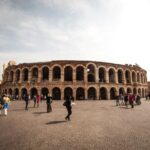
- 3) Arena di Verona: Roman power and a guide who can bring it to life
- 4) Casa di Giulietta: the balcony area and a photo moment
- 5) Piazza dei Signori: Dante, politics, and the city’s power center
- 6) Piazza delle Erbe: Roman roots and today’s food culture
- 7) Della Scala tombs area: medieval leaders, seen from outside
- 8) Back to Piazza Bra: a confident ending
- Guides: the real reason people rave about this one
- Walking pace and comfort: what to expect before you commit
- Food and wine: what the tour gives you without turning into a tasting marathon
- When Arena access is limited: how the tour adapts
- Who should book this tour (and who might skip it)
- Cancellation and flexibility: low-risk commitment
- Should you book this Verona Arena + cable car walking tour?
- FAQ
- Is this a small group tour?
- How long is the tour?
- Where does the tour start and end?
- Is the Verona Arena included every day?
- What about the Arena closure from January 7 to March 20?
- Does the tour include Juliet’s House interior?
- Is food tasting included at Piazza delle Erbe?
- What does the cable car ticket cover?
- The Best Of Verona!
- More Tickets in Verona
- More Tours in Verona
- More Tour Reviews in Verona
Key things that make this tour work
 1 / 8
1 / 8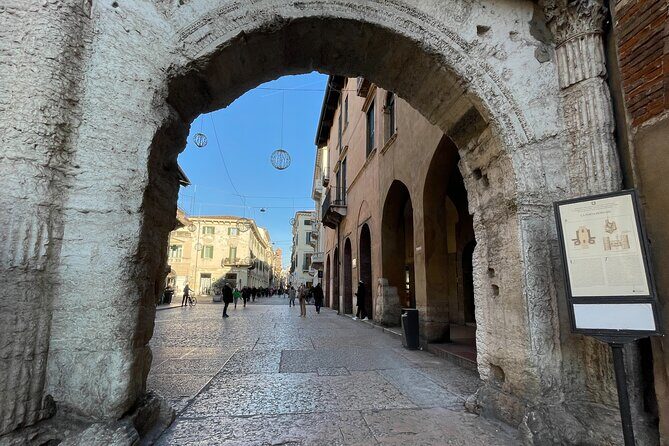 2 / 8
2 / 8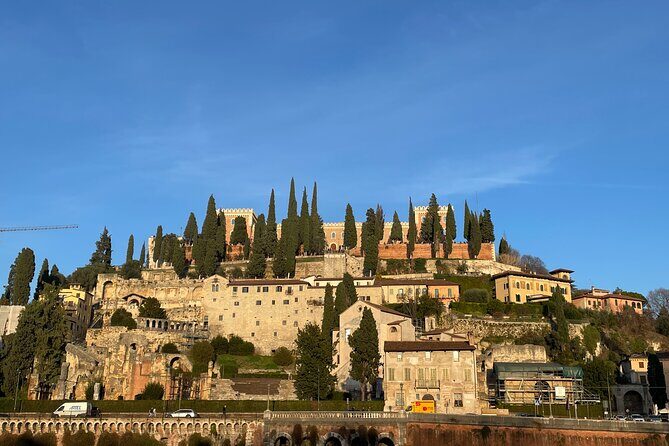 3 / 8
3 / 8 4 / 8
4 / 8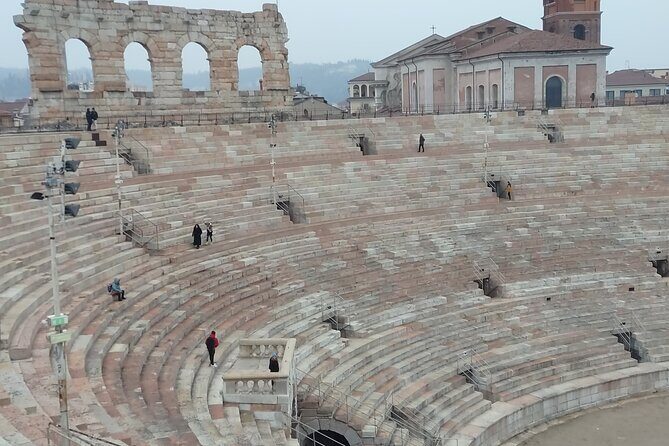 5 / 8
5 / 8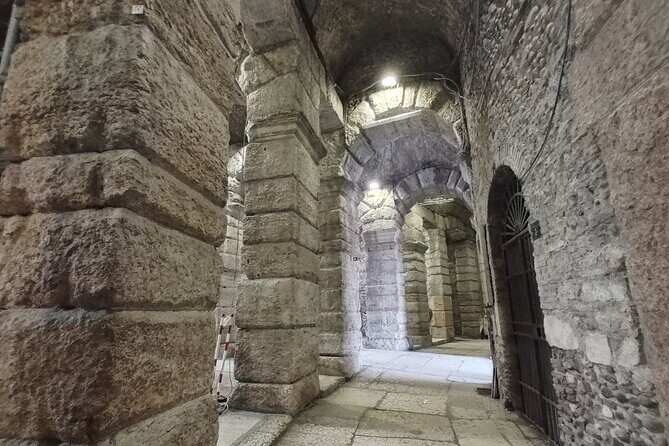 6 / 8
6 / 8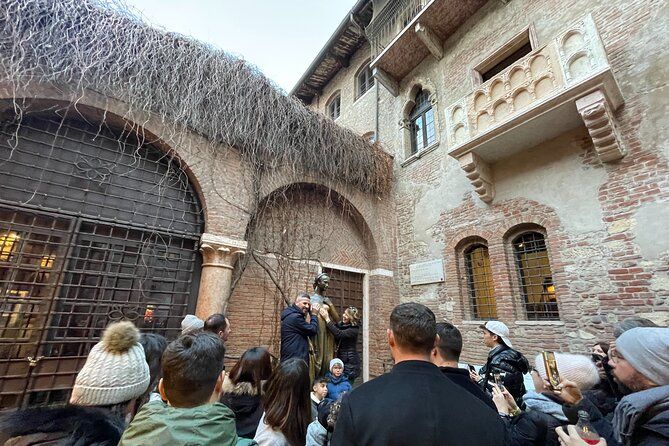 7 / 8
7 / 8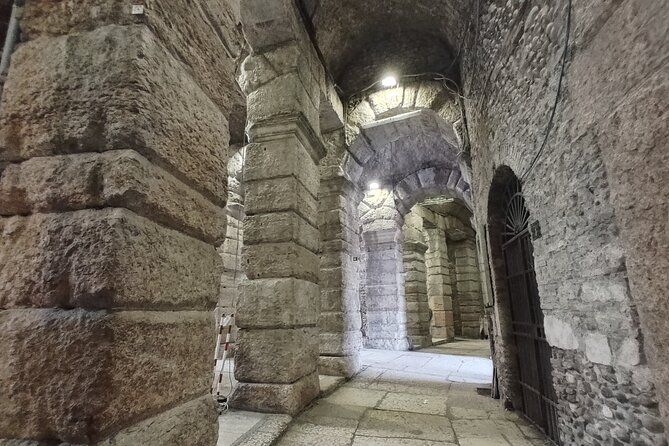 8 / 8
8 / 8- Small group (max 12 travelers): you’re less stuck behind crowds and more able to ask questions.
- Pre-reserved Arena + cable car tickets: smoother start, less lining up for timed entry.
- Arena history explained even when inside access isn’t available: Monday closures and seasonal restrictions are handled thoughtfully.
- Hill views from St. Peter’s Hill: the cable car is uphill only; the downhill walk is part of the experience.
- Market-square focus at Piazza delle Erbe: you learn food culture, and you can explore tasting options on your own.
- Guides praised for voice + humor: guests repeatedly mention guides with strong speaking presence and local knowledge.

👉 See our pick of the The 15 Best Workshops & Classes In Verona
Verona in 3 hours: what this tour really gives you
Verona can feel deceptively small—until you start mapping it. This tour is designed like a good morning plan: hit the core landmarks, build context as you go, and end with enough orientation that your next days feel easier.
The price (around $71.38 per person) is not just “walking for free.” You’re paying for the ticket work—Arena pre-reserved access when available and the one-way cable car uphill included—plus a local guide who knows how to connect the dots between Roman Verona, medieval power, and the Romeo-and-Juliet swirl.
If you’re here for a short trip, this is one of those options that helps you stop guessing and start exploring with confidence.
You can also read our reviews of more tours and experiences in Verona
Price and logistics: what’s included (and what isn’t)
Let’s keep this practical. Included are:
- Small group tour and about 2.5 hours guided time (roughly 2.5–3 hours total)
- Arena pre-reserved tickets when you choose the tour with Arena access
- One-way cable car tickets uphill (you walk back down)
- Expert local guide
Not included:
- Private transportation
- Arena admission on Mondays (the tour doesn’t enter then)
- Juliet’s House interior (you don’t go inside)
- Tasting and shopping at Piazza delle Erbe (you can explore independently)
Also note the seasonal situation: the Verona Arena is closed from January 7 to March 20 due to Olympic-related closures. In that window, you’ll see the Arena from the outside while the guide explains its history.
For most travelers, the “ticket included” part is where the value shows up. You reduce stress on timed entry days and you don’t waste your limited time waiting.
Meeting point at Piazza Bra: fast start, easy end
You meet at P.za Bra, 10, 37121 Verona VR and the tour ends back near the meeting point. That matters more than it sounds. Verona’s center is best done in loops—start in the biggest hub, finish there, and you can immediately pivot to lunch, gelato, or a self-guided wander.
Arrive 5 to 10 minutes early. Tours can’t be joined after they start, so treat it like catching a train: show up on time, even if you’re early.
Small group size: why it feels different than big-bus tours
With a maximum of 12 travelers, you get a calmer pace and better interaction. Several guests mention guides who answered questions and adjusted to the group’s rhythm.
This size also helps when you pause in busy squares. You’re not trying to listen while the group behind you is already moving on. It’s still walking—just more humane walking.
The cable car and the Saint Peter’s Hill views
One of the best parts of this tour is the way it uses the one-way uphill cable car. You ride up, get that sweep of views from the hill, and then you start working your way through the city.
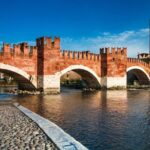
You should know the choreography: the cable car covers uphill only. Walking downhill is part of the experience, and the route offers scenic glimpses along the area by the Adige River.
Why this matters for your trip: when a city sits in layers (old center, river, viewpoints), those views create mental landmarks. After you see the panorama, squares like Piazza Bra and the surrounding streets make more sense.
Guests frequently call out the view as a standout, and it’s easy to see why.
You can also read our reviews of more walking tours in Verona
Stop-by-stop: what you’ll see and why each moment counts
1) Verona viewpoint and the cable car ride
The tour begins with the cable car component, giving you a strong “first wow” early. Even if you’re not a views person, this sets the tone: Verona isn’t just pretty streets—it’s geography.
You’ll get time to orient yourself before the walking gets more detailed.
2) Piazza Bra: Verona’s big public living room
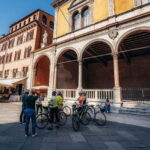
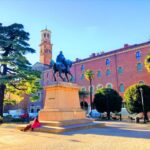
Then you hit Piazza Bra, a lively central square known for its elegant buildings and constant street life. Your guide uses this space as a way to orient you—where you are, how the city is laid out, and how the pieces connect.
This stop is also a nice buffer. You settle into the tour rhythm here, not in a tight alley with zero room to breathe.
3) Arena di Verona: Roman power and a guide who can bring it to life
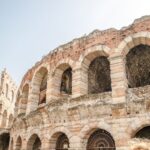
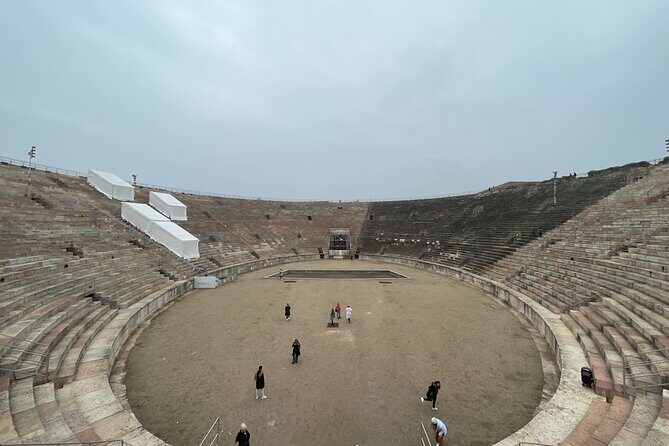
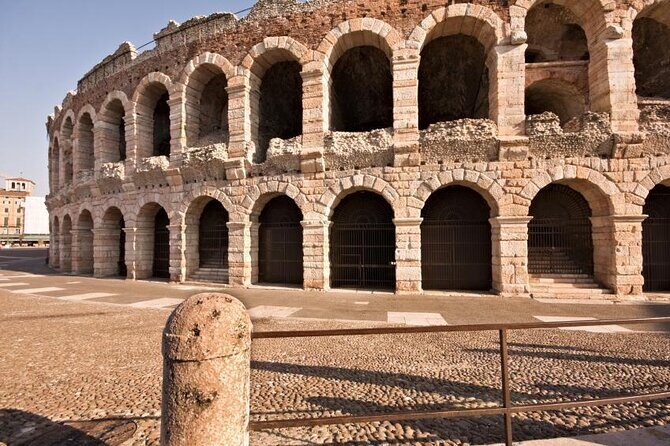
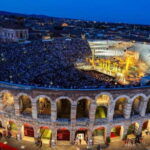
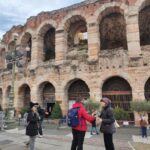
The main show is Arena di Verona, where you hear stories about gladiators and the spectacles that once filled this arena. The guide explains the amphitheater’s scale and architecture, plus why it’s famous for lasting nearly 2,000 years.
A key detail: the tour does not enter on Mondays because the venue is closed. If you’re traveling on a Monday, you can still expect an explanation and a smoother experience, just without inside access.
Also remember the seasonal closure (Jan 7–Mar 20). In that case, you’ll see the Arena from the outside while the guide walks you through its significance.
In general, this stop is popular because it gives context you can’t easily pick up from a quick visit alone. And multiple guests praised guides for strong knowledge and an engaging pace.
4) Casa di Giulietta: the balcony area and a photo moment
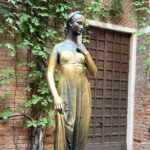
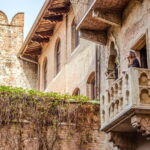
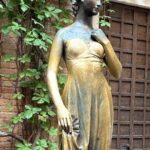
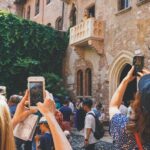
Next up is Juliet’s House (Casa di Giulietta). You’ll see the famous balcony area and the Juliet statue in the courtyard for classic photos and the usual good-luck vibe.
Important practical note: the indoor visit isn’t included, so you’re not doing a “museum hour.” You’re getting the key sights and the story connection to Shakespeare’s love tale.
If you hate tourist traps, you might still enjoy this because it’s short and guided. If you love Shakespeare, this is a fun reality check: it ties the literary legend to the city you’re actually walking.
5) Piazza dei Signori: Dante, politics, and the city’s power center
You’ll walk through Piazza dei Signori, once a political heart of Verona. This is one of those stops where you can stand in one place and absorb the “who mattered here” feeling—through the palaces, historical houses, and the Dante connection.
Your guide points out significance as you look around, not just as a lecture from the side of the road.
6) Piazza delle Erbe: Roman roots and today’s food culture
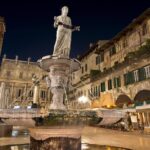
The route then reaches Piazza delle Erbe, a market square with a history stretching back to Roman times. This is where the tour connects Verona to everyday life: markets, food culture, and the ways locals shop and snack.
Your guide may talk about local food and wine culture, but the tour’s scope matters:
- Tasting and shopping are not included
- You can explore on your own afterward if you want to linger
This is a great “choose-your-own-adventure” square. Do you want a quick snack and keep moving, or do you want to slow down with a glass of wine and wander the stalls?
7) Della Scala tombs area: medieval leaders, seen from outside
You also get to see the elaborate Della Scala Medieval Tombs from the outside. It’s not a long museum stop, but the guide’s commentary helps you understand why these power families shaped what you see in Verona’s architecture and story.
This is one of those moments where a good guide turns stone into meaning.
8) Back to Piazza Bra: a confident ending
The tour ends near Piazza Bra again, with enough info to help you navigate the next parts of your trip.
That ending is handy. It’s easier to find your hotel, plan lunch, and decide whether you’ll head toward the river, a viewpoint, or another neighborhood.
Guides: the real reason people rave about this one
The biggest theme in guest feedback is guide quality. Several names show up again and again, including Monica, Mauro, Carla, and Morris.
What guests seem to enjoy most:
- Knowledge that doesn’t feel random (the guide ties locations to themes like power, trade, and culture)
- Humor and enthusiasm
- A strong speaking presence, with some guests mentioning earplugs/headsets to help you hear clearly while walking
That last point matters. In busy squares and while moving, it can be hard to catch every word. If you’re a “details only” listener, this tour tends to work well. And if you’re not, don’t worry—you’ll still see the landmarks.
Walking pace and comfort: what to expect before you commit
This is not a sit-down tour. It includes multiple stops, lots of standing, and steps. One guest described it as long and heavy on multi-century context. Others loved the pace and said it covered plenty of ground without dragging.
So here’s the practical advice:
- Wear shoes you actually trust. Verona streets are charming, but they’re still streets.
- Bring water, especially if you’re visiting in warm weather.
- If your mobility is limited, consider whether you want a walking tour at all. A couple reviews explicitly flag steps and stairs.
Food and wine: what the tour gives you without turning into a tasting marathon
One of the best “extras” here is how the tour connects Verona’s sights to its food culture at Piazza delle Erbe. You’ll get guidance on what this market square represents and how to approach it when you’re on your own.
Even though tastings aren’t included, guests highlight that the tour still helps them make better choices—particularly around local food and wine. The guide can set you up so you don’t just order the obvious thing and move on.
If wine is part of your Verona plan, this tour is a good opener. It doesn’t trap you in a tasting schedule; it helps you shop and sip smarter later.
When Arena access is limited: how the tour adapts
Two situations can change what you experience at the Arena:
1) Mondays: the Arena is closed, so the tour does not enter. You still get the Arena history explained, just from outside.
2) Jan 7 to Mar 20: the Arena is closed due to Olympic Games-related closure. You again see it from the outside.
Is it less? Yes—if your dream is an interior visit. But for many travelers, the tradeoff still makes sense because you still get the storytelling and overall tour quality, and you still get the rest of the Verona highlights.
Also, the tour design isn’t “Arena or nothing.” It’s a whole city orientation.
Who should book this tour (and who might skip it)
This tour is a great match if:
- You want a structured way to see Verona’s main landmarks in one go
- You value expert local guidance over “audio-only facts”
- You want views plus Roman and medieval context
- You’re here for a short window and you want orientation fast
You might skip it if:
- You strongly prefer minimal walking or frequent rest points
- You dislike long historical explanations and prefer purely practical sightseeing
- You need a fully accessible route with minimal stairs (the tour includes steps)
Cancellation and flexibility: low-risk commitment
The cancellation policy is straightforward: free cancellation is available up to 24 hours before the experience. Changes made less than 24 hours before start time aren’t accepted, and cut-off times follow local time.
So if your schedule is still in flux, this tour is relatively low risk.
Should you book this Verona Arena + cable car walking tour?
I’d book it if you want the cleanest “first Verona day” plan: Piazza Bra orientation, Arena context, Juliet’s House photos, and Saint Peter’s Hill views all packaged into one small group route. The value is strongest when you can access the Arena, but even with outside viewing, the guide-led structure still helps you understand what you’re seeing.
If you’re the type who wants quick site checks with minimal talk, then this might feel too talk-heavy. But if you like having the city explained by someone who clearly knows it—then you’ll likely leave with a better Verona map in your head and stronger plans for the rest of your trip.
Verona Small Group Walking Tour with Cable Car and Arena Tickets
FAQ
Is this a small group tour?
Yes. The tour has a maximum of 12 travelers, which keeps it more manageable than larger group options.
How long is the tour?
The duration is about 2 hours 30 minutes to 3 hours.
Where does the tour start and end?
It starts at Piazza Bra (P.za Bra, 10, 37121 Verona VR, Italy) and ends back at the meeting point.
Is the Verona Arena included every day?
No. The tour does not enter the Arena on Mondays because the venue is closed that day.
What about the Arena closure from January 7 to March 20?
During January 7 to March 20, the Arena is closed due to Olympic Games-related closures. You will see it from the outside while the guide explains it.
Does the tour include Juliet’s House interior?
No. You visit Juliet’s House area, but the indoor visit is not included.
Is food tasting included at Piazza delle Erbe?
No. Tasting and shopping are not included in the guided tour, though you can explore the area independently.
What does the cable car ticket cover?
The cable car ticket covers the uphill journey only. Walking downhill is part of the experience, with scenic views along the Adige area.