If you’re intrigued by Vienna’s turn-of-the-century art scene, this tour offers a neat way to get a taste of the city’s most iconic styles and buildings from that vibrant era.
It’s the kind of experience that combines history, architecture, and art into a manageable time frame—just 2.5 hours—that’s perfect for fitting into a busy sightseeing schedule. Whether you’re an art lover or just curious about Vienna’s artistic evolution, this tour promises a solid overview.
What really caught our eye are the inclusion of the Vienna Secession with its famous Beethoven Frieze and the visit to the Loos-Haus, a key figure in modernist architecture. Plus, the chance to walk through Kettenbrückengasse near the Naschmarkt means soaking up some local vibe along the way.
On the flip side, if you’re not a fan of walking or if you prefer guided tours in your native language, this might feel a bit limiting because live guides are in German or Italian.
This experience suits travelers who want an insightful, visually stimulating walk through Vienna’s early 20th-century artistic landscape without spending an entire day at museums or galleries.
It’s particularly appealing for those who appreciate architecture and want to learn about movements like Art Nouveau, Secession, and Modernism. If you’re after a relaxed, informative stroll with a knowledgeable guide, this one is worth considering.
- Key Points
- Exploring Vienna’s Art and Architecture Scene circa 1900
- The Journey Begins at Kettenbrückengasse
- Highlights of the Tour
- What You’ll Experience and Learn
- The Practicalities
- Is It Worth It?
- What We Loved and What Could Be Better
- Who Is This Tour Best For?
- Final Thoughts
- FAQ
- The Best Of Vienna!
- More Walking Tours in Vienna
- More Tour Reviews in Vienna
Key Points
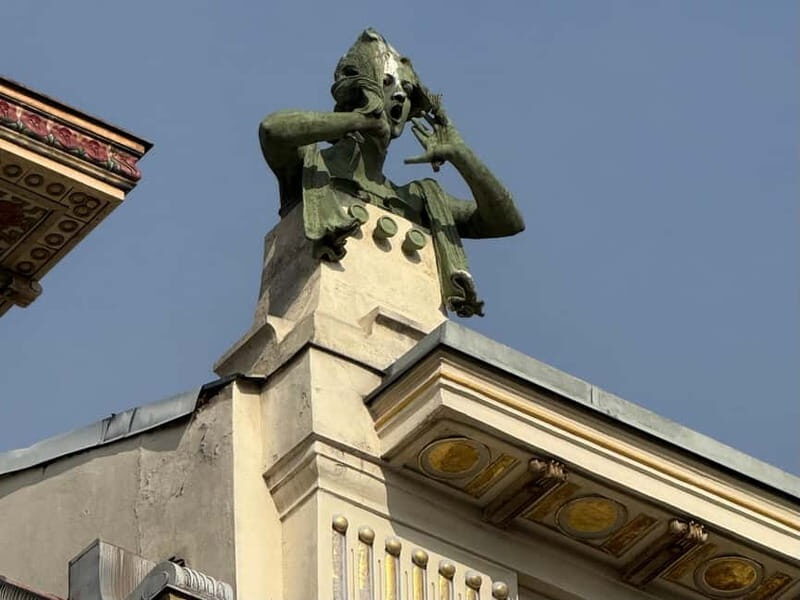
- Focus on early 1900s Vienna, highlighting its art and architecture evolution.
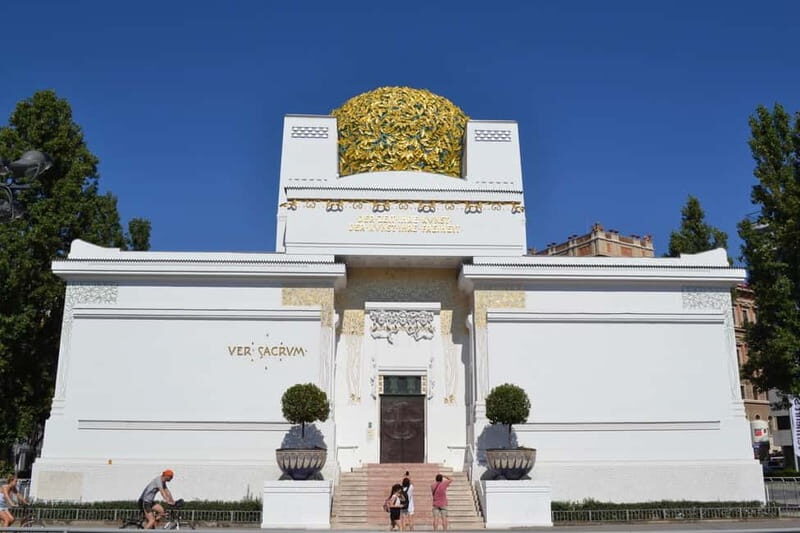
- Includes access to the Vienna Secession, with notable artwork like Klimt’s Beethoven Frieze.
- Short duration of 2.5 hours makes it easy to slot into a busy schedule.
- Small group setting enhances the experience with a more personalized touch.
- Guided in German or Italian, so be prepared if you don’t speak these languages.
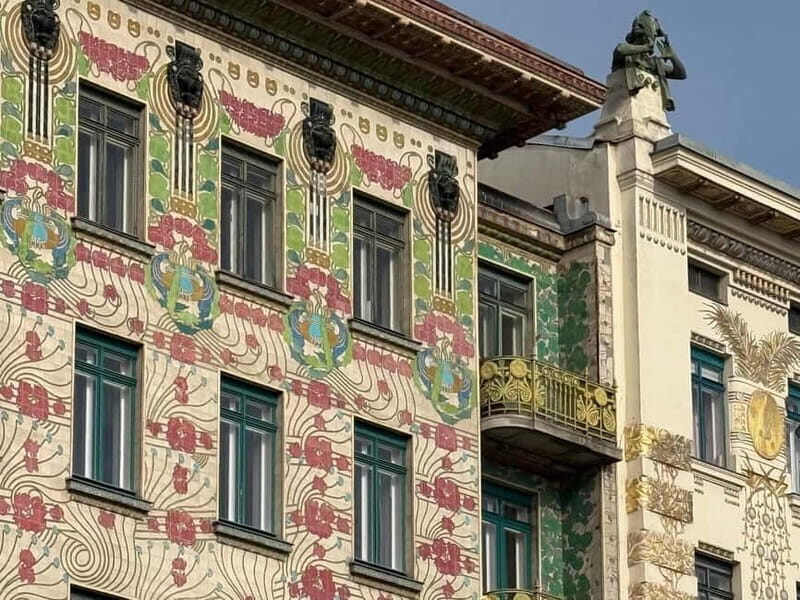
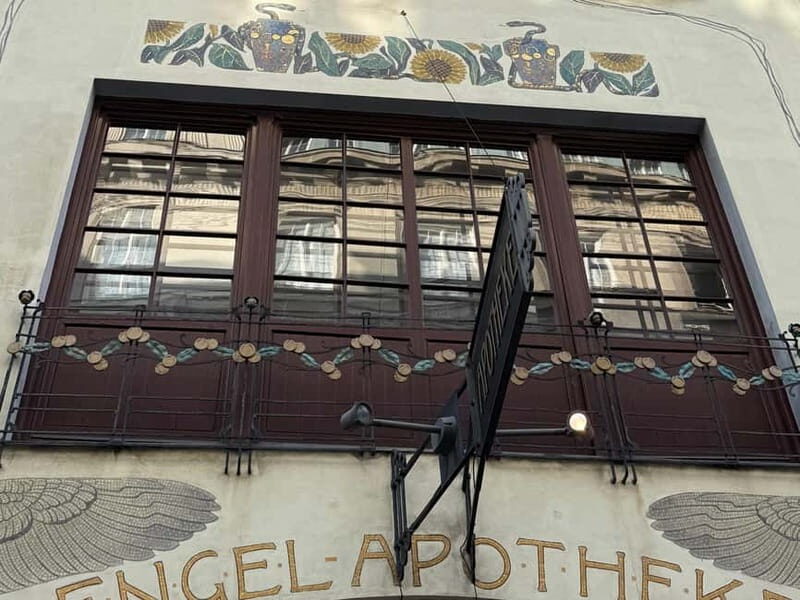
- Walks through iconic sites like the Loos House, Ankeruhr, and Engel Pharmacy.

👉 See our pick of the 15 Top-Rated Vienna Workshops & Classes
Exploring Vienna’s Art and Architecture Scene circa 1900
Vienna around 1900 was a hub of artistic innovation, a city where traditional forms were being challenged by bold new ideas. This tour offers a curated glimpse into that vibrant period, focusing on architecture and art that still define Vienna’s skyline and cultural identity. We found it to be a well-rounded introduction, especially if you’re not planning to spend hours in museums but want a taste of the city’s creative pulse.
You can also read our reviews of more walking tours in Vienna
The Journey Begins at Kettenbrückengasse
The meeting point at U4 Kettenbrückengasse, near the lively Naschmarkt, is easy to find and sets the tone for a walk through both history and local life. From here, your guide will lead you through the streets, pointing out buildings that embody that early 20th-century spirit. The walk is manageable and designed to give you a broad overview without feeling rushed.
Highlights of the Tour
Secession and the Beethoven Frieze
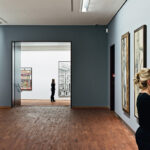
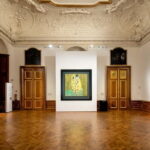
The Vienna Secession building is the tour’s star attraction. This landmark, designed by Klimt and his contemporaries, encapsulates the Art Nouveau movement with its floral motifs, curved lines, and avant-garde spirit. You’ll get to see Klimt’s Beethoven Frieze—a masterpiece that’s both visually stunning and conceptually layered. Having admission included makes it a real perk, allowing you to explore the interior exhibits afterward if you wish.
Quote from reviews: “Seeing Klimt’s Beethoven Frieze in person was a highlight. It’s so much more powerful when you understand its context.” This piece captures the revolutionary energy of Vienna’s art scene at the time.
The Loos-Haus and Modernist Architecture
Next up is the Loos-Haus, a building that’s often celebrated as a pioneering example of modernist architecture. Designed by Adolf Loos, its clean lines and functional aesthetic contrast with the ornate Art Nouveau buildings nearby. “The Loos-Haus is a reminder that Vienna was at the forefront of architectural innovation,” our guide explained. It’s a quick stop but leaves a lasting impression about the transition from decorative styles to minimalism.
The Engel Pharmacy and Anker Clock
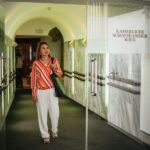
Further along, you’ll pass the historic Engel Pharmacy, with its ornate façade that hints at Vienna’s rich tradition of decorative architecture. The Ankeruhr, an elaborate monumental clock, is an impressive sight, especially when you see it in motion. It’s a fun, eye-catching piece that also reflects Vienna’s blend of art and everyday life.
What You’ll Experience and Learn
Throughout the walk, your guide will share stories behind each site, explaining how the artistic movements emerged as responses to changing social and cultural dynamics. The focus on Secession and Modernism reveals Vienna’s role as a city pushing boundaries and redefining aesthetics.
More Great Tours NearbyThe Practicalities
The tour lasts about 2.5 hours, which makes it suitable for fitting into a broader sightseeing day. It’s conducted in small groups, which means more personal attention and a relaxed vibe. The Vox Tour Guide System is environmentally friendly, so everyone can hear clearly without shouting. The group size also helps keep the experience intimate, especially as you navigate narrow city streets and stop at several sites.
Is It Worth It?
Considering the price—factoring in the included ticket to the Secession—you’re getting good value for a well-rounded introduction to Vienna’s early 20th-century art scene. The tour is not overly demanding physically, but be aware it’s not wheelchair accessible, and those with mobility issues might find it challenging.
What We Loved and What Could Be Better
We appreciated how the guide explained the significance of each site with enthusiasm and clarity. The inclusion of the Beethoven Frieze was a real plus—seeing Klimt’s work in context made the art feel more alive. On the downside, if you don’t speak German or Italian, you might miss some nuances, as live guidance isn’t available in other languages. Also, since it’s a walking tour, comfort shoes are advisable.
Who Is This Tour Best For?
This experience is ideal for art enthusiasts, architecture buffs, or anyone interested in Vienna’s creative changes around 1900. It’s also suitable for those who want a manageable, engaging overview without spending hours at museums. If you’re traveling with someone who prefers pure sightseeing without much walking or language barriers, this might not be the best fit.
Final Thoughts
All in all, this walking tour offers a solid, engaging way to understand Vienna’s art and architecture from the early 1900s. It’s a good pick if you want to see key sites without the bulk of a museum visit or if you’re looking for a guided experience that combines history, art, and city walking.
While it’s not perfect—especially if language accessibility is a concern—it balances historical insight with visual delight. The small group size, expert guide, and included Secession ticket make it a worthwhile addition to a Vienna itinerary.
If you love discovering the stories behind iconic buildings and artworks, this tour will enrich your understanding of Vienna’s creative history without overwhelming you. For dedicated art lovers or curious travelers, it’s a tasteful, compact way to step back into Vienna’s revolutionary art scene of 1900.
Vienna: a walk through art and architecture in the early 1900s
FAQ
Is the tour suitable for people with mobility impairments?
No, the tour isn’t suitable for those with mobility issues or wheelchair users since it involves walking through city streets that may not be fully accessible.
What languages are the guides in?
The tour is guided in German or Italian, so if you don’t speak these languages, you might want to prepare or consider a private guide if available.
How long does the tour last?
It lasts approximately 2.5 hours—a good length for those with limited time but who want a thorough overview.
Are tickets included?
Yes, admission to the Vienna Secession is included, which allows you to explore Klimt’s masterpieces and other exhibits at your own pace afterward.
Can I cancel if my plans change?
Yes, cancellations are possible up to 24 hours in advance for a full refund, offering some flexibility.
Is this tour family-friendly?
It’s suitable for adults interested in art and architecture; however, it’s not specifically tailored for children or families with very young kids.
What should I wear?
Comfortable walking shoes are recommended since you’ll be on your feet for the duration.
Are there any hidden costs?
No, the price covers the tour, guide system, and the Secession ticket. Additional purchases or museum entries are optional.
Would I see anything off the beaten path?
Most sites are iconic and central; if you’re looking for hidden gems, this tour focuses on well-known landmarks from the early 20th century.
Is it a good introduction for first-time visitors?
Absolutely. It offers a concise yet detailed look at Vienna’s artistic transition during a pivotal era, making it perfect for newcomers wanting context before exploring further.
This tour combines history, art, and architecture in a way that’s accessible and engaging—perfect if you want a meaningful peek into Vienna’s artistic soul during 1900.
You can check availability for your dates here: