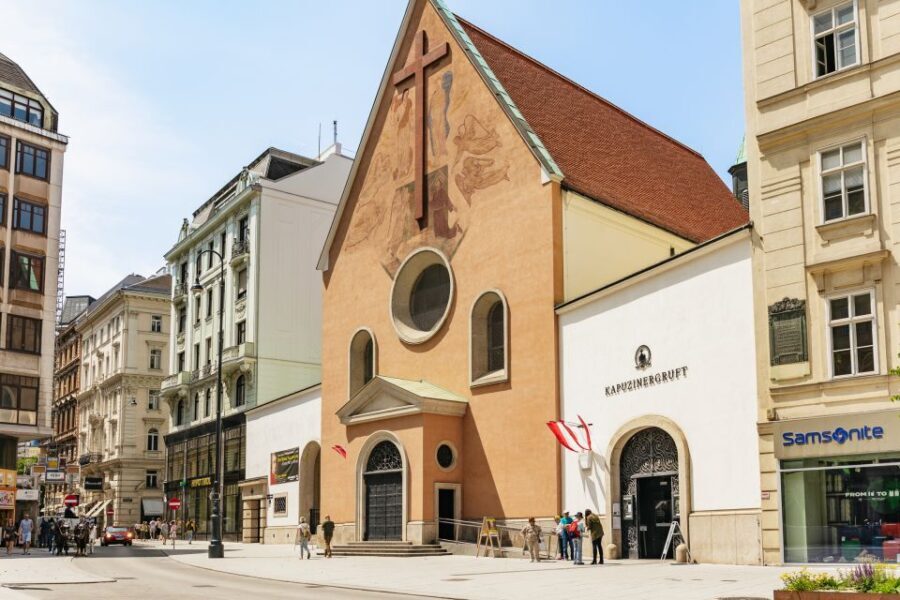
The Imperial Crypt is one of Vienna’s most striking history stops, tucked beneath the Capuchin Church and monastery in the city center. You’ll walk through the vault system of the Capuchin Order and see the resting places of key Habsburg emperors and family members.
Two things I really like about this visit: the workmanship is jaw-dropping—ornate sarcophagi and funerary monuments in a surprisingly calm setting—and the experience is built for getting in and out smoothly. With a small group (limited to 9), it feels more manageable than the usual big-sight grind.
One thing to consider: English context can be a mixed bag. Some visitors found the available explanations lighter than they expected and felt a guided tour or more language support would help.
- Key Things You Should Know Before You Go
- Imperial Crypt in Vienna: What You’re Actually Walking Into
- What Makes the Habsburg Tombs So Captivating
- The Habsburg Names You’ll Recognize (and the Ones You Won’t)
- Ten Vaults and 400 Years: How the Crypt Evolved
- Capuchin Friars and a Surprisingly Respectful Atmosphere
- The Craftsmanship: Why People Keep Saying It’s Beautiful
- Plan Your Timing: Small Group, No Luggage, and Real Closing Time
- Ticket Value: Is Worth It?
- Combo Ticket With A Little Night Music: When to Pair It
- How Long Will It Take You?
- Accessibility and Comfort Notes
- Photography and Video Rules: A Respect Thing, Not a Power Move
- Should You Add a Guided Tour or Rely on Labels?
- Who This Experience Is Best For
- Final Call: Book It or Skip It?
- FAQ
- Where is the Imperial Crypt?
- How much does the entrance ticket cost?
- How long is the experience?
- What is included with the ticket?
- Is this wheelchair accessible?
- Are small bags or luggage allowed?
- Can I bring a pet?
- Is video recording allowed?
- More Tickets in Vienna
- More Tour Reviews in Vienna
Key Things You Should Know Before You Go
 1 / 10
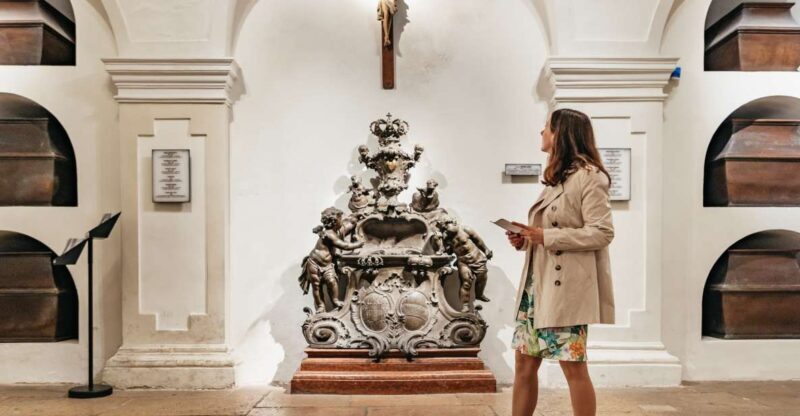 2 / 10
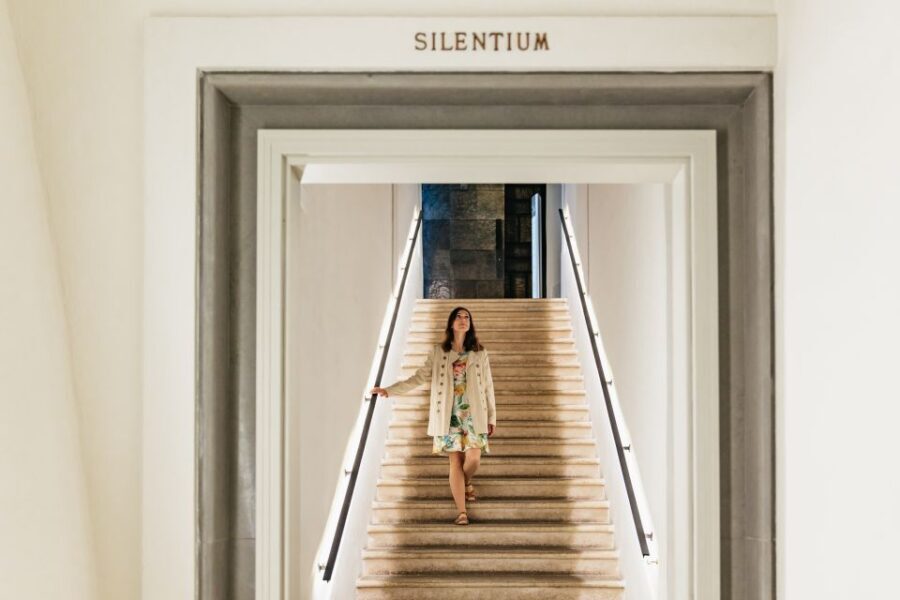 3 / 10
 4 / 10
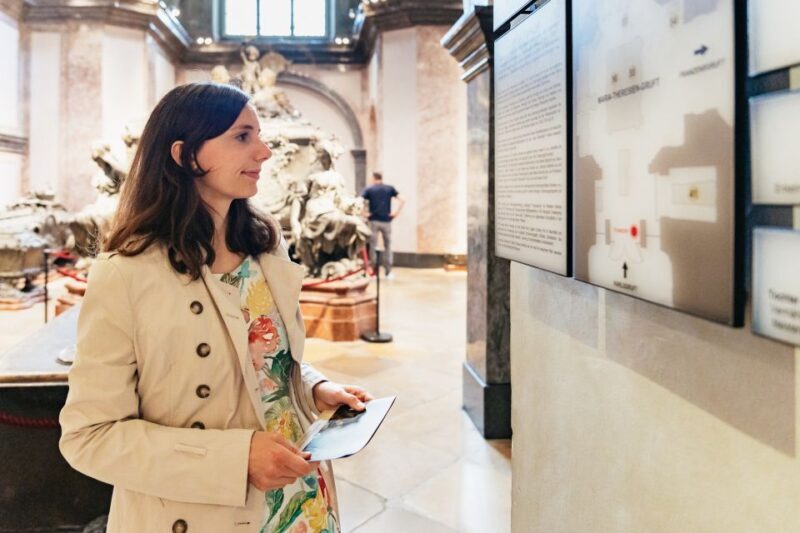 5 / 10
 6 / 10
 7 / 10
 8 / 10
 9 / 10
 10 / 10
- Ten vaults, 400 years of additions: the crypt expanded over centuries and now includes a total of 10 vaults.
- About 150 Habsburg personalities: you’re seeing the burial places of many major figures, not just a couple of famous names.
- Capuchin custody still in place: the vault system remains under the custody of the Capuchin Order.
- Peaceful, not overly macabre: multiple visitors describe it as solemn and calm rather than chaotic or scary.
- Time planning matters: some people noted it’s best to check opening/closing timing so you don’t feel rushed.
Imperial Crypt in Vienna: What You’re Actually Walking Into
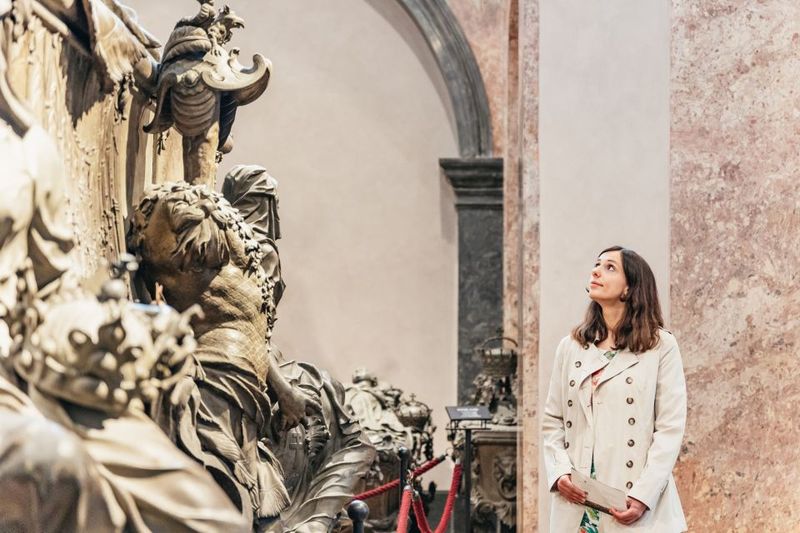
This is a visit to the burial place of the Habsburg rulers and their family. The entrance sits in the heart of Vienna, just below the relatively humble church and monastery area of the Capuchin Friars. The contrast is part of what makes the Imperial Crypt so memorable: above ground, the setting doesn’t scream royal power, but below ground it becomes all about imperial scale.
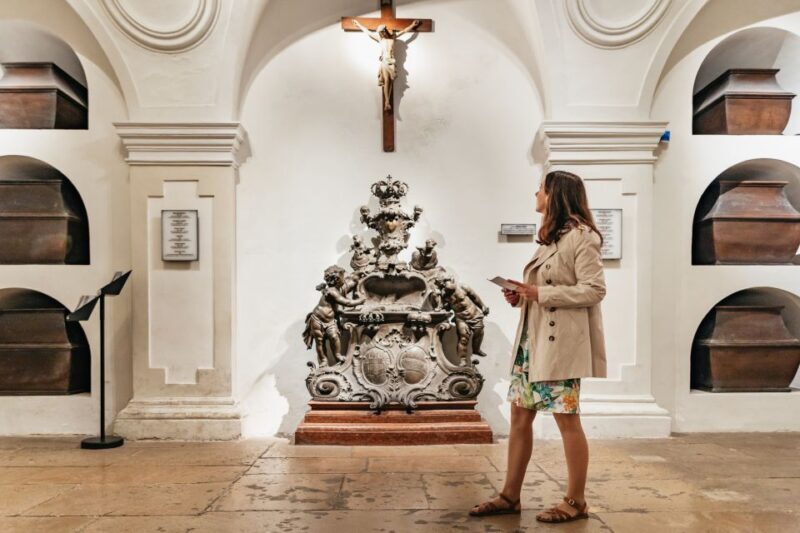
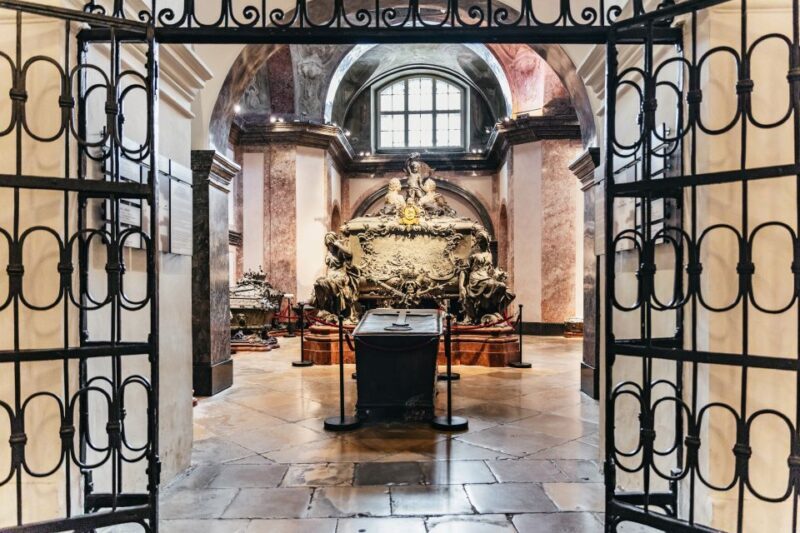
What you’re really seeing is a long-evolving vault system. Over time, the burial spaces were extended and modified repeatedly, creating a crypt network that totals 10 vaults today. Inside, you’ll find sarcophagi, urns, and funerary monuments arranged for the dynasty’s legacy.
You can also read our reviews of more tours and experiences in Vienna


What Makes the Habsburg Tombs So Captivating
The Imperial Crypt isn’t just a “royal cemetery.” It’s a carefully staged environment meant to reflect dynasty, status, and continuity. Visitors consistently mention how detailed and ornate the tombs are, with designs that range from elaborate metalwork to highly crafted coffins and monuments.
You’ll also see that this is not a single room with a single story. The tombs are distributed across the crypt spaces, and multiple people describe spending serious time reading the labels and viewing craftsmanship closely. One traveler noted there are booklets that provide details about the tomb contents, which helps a lot if you’re curious but not steeped in European royal history.
The Habsburg Names You’ll Recognize (and the Ones You Won’t)
If you know only a handful of Habsburgs, you’ll still feel the impact. Key figures specifically mentioned include Emperor Franz Joseph, his wife Empress Elisabeth (often called Sisi), and Empress Maria Theresia. You’ll also find their son Rudolph among the people laid to rest here.
The crypt’s scope is what makes it feel bigger than a typical tomb visit. It’s described as the final resting place for about 150 Habsburg personalities, which means you’re surrounded by generations of the same political family—emperors, empresses, and family members whose stories helped shape European history for centuries.
And here’s a neat detail travelers share: some people point out that the hearts of the Habsburg monarchy are not placed in the crypt but instead associated with the monastery area. It’s the kind of fact that makes you want to look at the site as a whole, not just the vault rooms.
Ten Vaults and 400 Years: How the Crypt Evolved
A big part of the experience is understanding that this didn’t happen overnight. The vault system was expanded and adjusted across more than four centuries. Today it’s a structured total of 10 vaults, each connected to how the dynasty wanted remembrance to look and feel.
This time layering changes how you interpret the space. Instead of thinking you’re seeing one moment in history, you start noticing how each addition fits into an ongoing imperial narrative. Visitors often describe the crypt as a “walk through” long stretches of history, and the design choices help you sense why the Habsburg story lasted so long.
More Great Tours NearbyCapuchin Friars and a Surprisingly Respectful Atmosphere
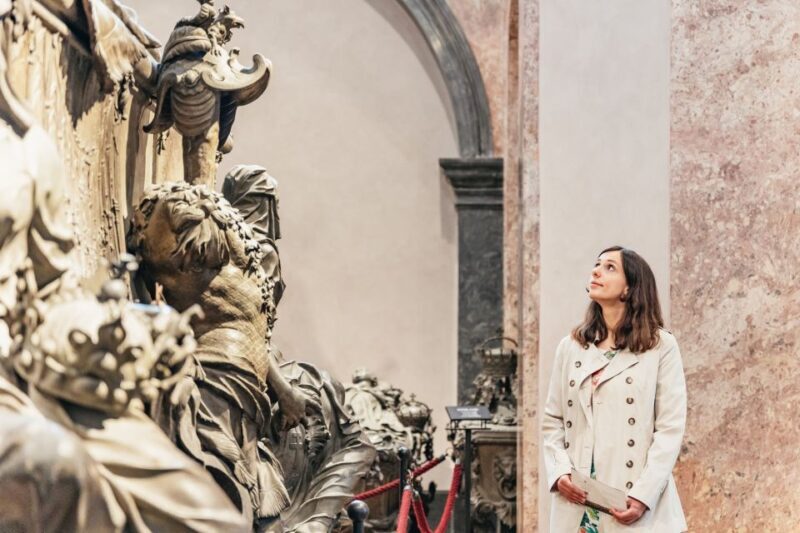
The crypt is under the custody of the Capuchin Order, and that shows in the tone. Many visitors describe the Imperial Crypt as peaceful and solemn—more contemplative than showy, and not overcrowded in the way some major attractions are.
That matters for the kind of visit you’ll have. If you want a quiet, structured place to slow down and take in the symbolism, this fits. If you’re expecting a loud, modern museum vibe, it may feel restrained.
Also, a few travelers mention that people still leave flowers and notes for some of the people buried here. That’s another reminder this isn’t just a historic site—it’s still tied to remembrance.


The Craftsmanship: Why People Keep Saying It’s Beautiful
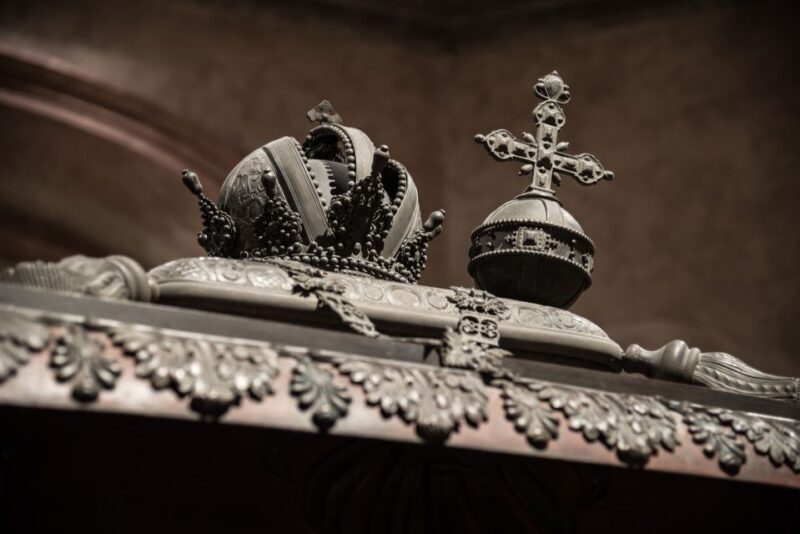
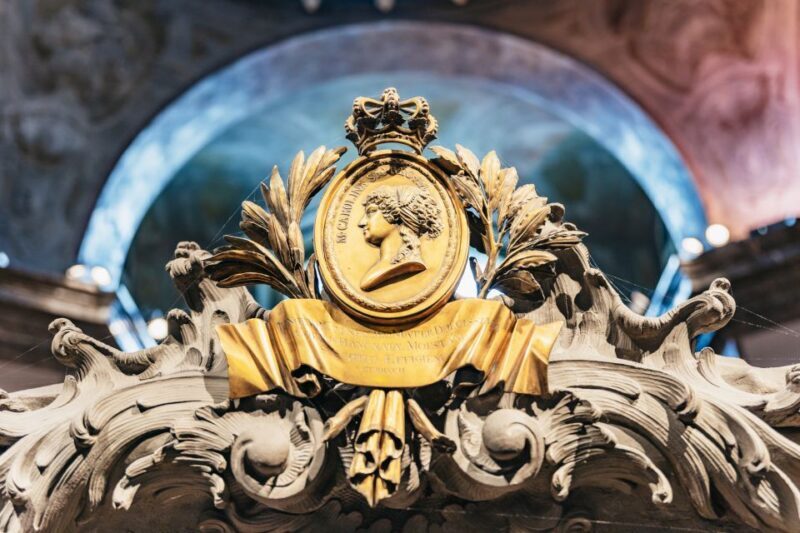
If you take only one idea from this review, make it this: the craftsmanship is a major highlight. Multiple visitors call out how ornate the tombs are and how incredible the workmanship feels, from detailed coffins to elaborate metallic ornamentation.
Because the rooms are arranged across the vault system, you’re not stuck viewing everything from one angle. You’ll move from space to space, which helps keep the visit from feeling repetitive. People often say they could take as long as they wanted—some finished quickly, others spent longer reading and looking carefully.
Plan Your Timing: Small Group, No Luggage, and Real Closing Time
This is listed as a small group experience limited to 9 participants. In practice, that tends to make entry feel calmer and makes it easier to focus on what’s in front of you instead of constantly navigating crowds.
Logistics are straightforward, but there are firm rules:
- No pets
- No luggage or large bags
- No sleeveless shirts
- No video recording
One practical note from visitors: the time slot you book may not be as rigid as you expect. Some people reported they arrived earlier than their booked time and could still enter during the day. Still, don’t treat it casually—another traveler mentioned the crypt closed at 6pm, and arriving later could squeeze your time. Check the day’s hours when you’re there.
If you’re coming with a lot of stuff, plan for storage. Visitors reported lockers and coins involved, plus free toilets. Since your bag options are restricted, it’s smart to travel light.
Ticket Value: Is $17 Worth It?
At $17 per person for the entrance ticket, this is one of those Vienna stops that can feel like good value if you like history with real visual payoff. You’re paying for access to a site that includes:
- the Imperial Crypt vault system
- the burial places of major Habsburg rulers and family members
- a layout spanning multiple rooms and vault spaces
Also, there’s a possible bonus if you choose the combo option. The offer includes a Combo Ticket that lets you visit A Little Night Music concert after the crypt. That can raise the value if you were already interested in evening music during your stay.
If you’re price-sensitive and you need lots of interpretive explanation, you should know that some visitors wanted more English detail. In that case, value depends on how much you’ll rely on labels and booklets versus a live guide.
Combo Ticket With A Little Night Music: When to Pair It
The crypt ticket can be paired with a visit to A Little Night Music concert afterward via a Combo Ticket. That’s a smart pairing because it keeps the day’s tone cohesive: a solemn, reflective underground visit followed by a cultural event above ground.
Just keep your scheduling realistic. Since the crypt is a timed visit experience with closing hours, you’ll want enough cushion to avoid rushing to the concert. If your slot is late, consider whether you’ll still have enough time to read, look, and take in the rooms.
How Long Will It Take You?
You can often treat this as a flexible visit. Travelers mention everything from around 30 minutes to longer stays like 1 to 1.5 hours, depending on how much you read and how closely you view details.
If you love the details—labels, booklets, and craftsmanship—plan on longer. If you prefer a quicker pass and you’re familiar with Habsburg history already, you might move through faster.
A good tactic: arrive with the names you care about in mind (Franz Joseph, Sisi, Maria Theresia, Rudolph), then pace yourself through the spaces until you feel you’ve actually connected the people to the setting.
Accessibility and Comfort Notes
This experience is listed as wheelchair accessible, which is a big plus for travelers who need it. At the same time, the crypt is an underground setting with strict rules about bags and attire, so plan around that even if you’re comfortable on your feet.
Wear something that fits the dress rule: sleeveless shirts are not allowed. If you forget this at home, you may have to improvise, which is stressful in a place that expects quiet respect.
Photography and Video Rules: A Respect Thing, Not a Power Move
The rules say no video recording. And while photography limits aren’t described in the core rules you provided, visitors did comment on the no-photography expectation and how some people ignore it.
If you want the best experience for everyone—yourself included—follow the site’s behavior standards. This is not the kind of place where constant selfies improve the visit.
Should You Add a Guided Tour or Rely on Labels?
Some visitors loved the information in booklets and found the tombs fascinating even without heavy guided context. Others wanted more explanation and suggested that a guided tour or additional audio support would make the experience better—especially for those who don’t read German well.
One traveler mentioned that they joined a guided tour lasting about an hour booked direct with the ticket office for an extra €3. Another noted that onsite guiding quality wasn’t great for them and recommended looking for a guided tour option in English if available.
My practical take: if you’re hungry for context, plan on some extra interpretation. If you’re mainly there for the visuals and the names, the on-site reading materials may be enough.
Who This Experience Is Best For
You’ll probably be happiest here if you:
- enjoy European history and the Habsburg legacy
- love art, design, and craftsmanship
- want a quieter, respectful site rather than a loud museum
- like places where you can go at your own pace
You might not love it as much if you:
- need lots of fluent English explanation throughout
- rely on filming or carrying bulky items
- want a very interactive, modern-style experience
Final Call: Book It or Skip It?
I’d book the Imperial Crypt entrance if you’re even moderately curious about the Habsburgs and you want to see the dynasty’s story in real material form—sarcophagi, urns, and monuments created to communicate power and memory. At $17, it’s a solid value for a site this visually specific and historically focused.
If you’re coming only for “big famous sights” and you don’t care about royal history or symbolism, you may find it a bit specialized. But if Vienna is your history stop this trip, this is one of the best places to spend a focused hour or two—and leave feeling like you saw something truly unusual.
Vienna: Imperial Crypt Entrance Ticket
FAQ
Where is the Imperial Crypt?
It’s in the city center of Vienna, underneath the Capuchin church and monastery area.
How much does the entrance ticket cost?
The price is $17 per person.
How long is the experience?
It’s valid for 1 day.
What is included with the ticket?
Your ticket includes entrance only.
Is this wheelchair accessible?
Yes, the experience is listed as wheelchair accessible.
Are small bags or luggage allowed?
No luggage or large bags are allowed.
Can I bring a pet?
No, pets are not allowed.
Is video recording allowed?
No, video recording is not allowed.
You can check availability for your dates here: