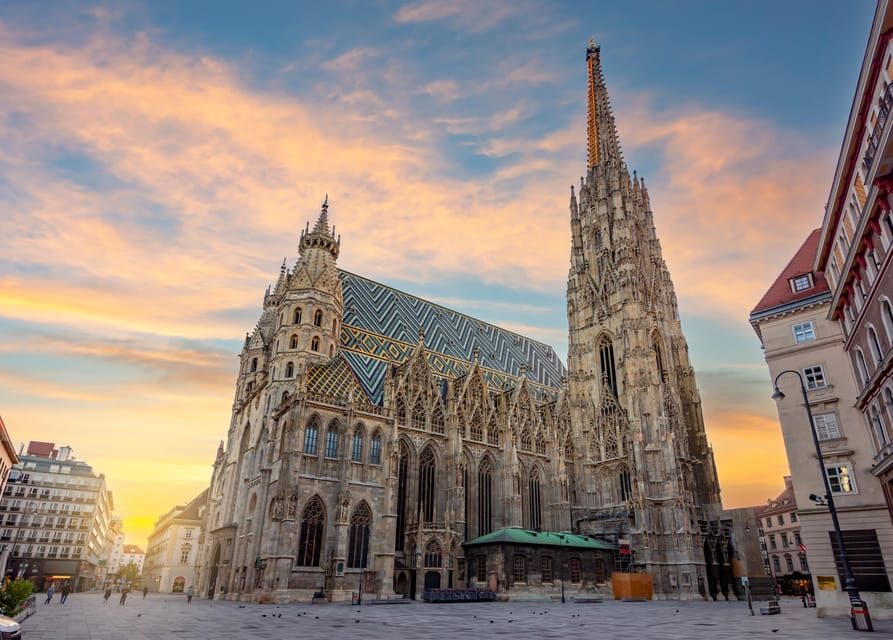
This Vienna highlight-and-hidden-gems walking tour is a smart first-day move: you stay outside, you cover major imperial sights, and you still get real context for what you’re seeing. It runs about 2 hours, costs $27, and finishes at St. Stephen’s Cathedral—a great spot to grab your next meal on foot.
What I like most is the way the guide turns famous buildings into a timeline you can feel. You also get practical help for hearing and pacing—several travelers mention listening equipment/ear pieces, especially on colder, busier winter days.
One thing to weigh: it’s exterior-only (no museum entrances), and late arrivals can mean you’re marked as a no-show. If you’re hoping for indoor access, you’ll need a different plan for tickets.
- Key Things You’ll Notice on This Walk
- A First-Day Vienna Win: The Fastest Way to Get Oriented
- Meeting Point at Minoritenplatz: Easy Start, Smart Directions
- Exterior-Only Means You Move Faster (And See More Streets)
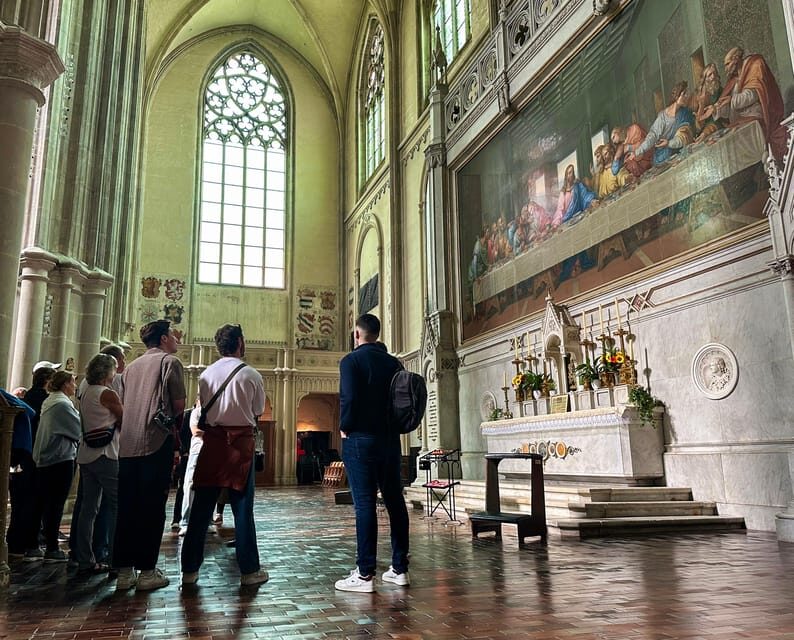
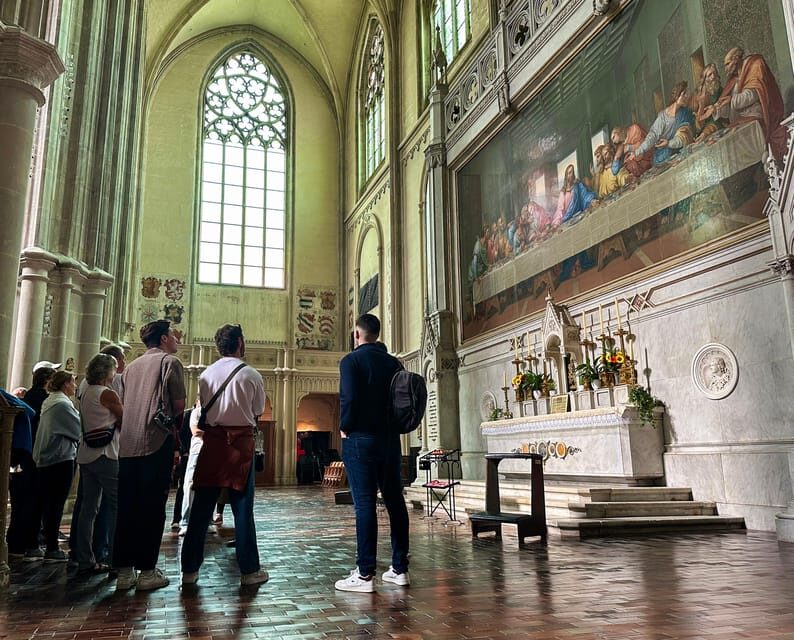
- Minoriten Church and the Last Supper Mosaic: Small Stop, Big Impact
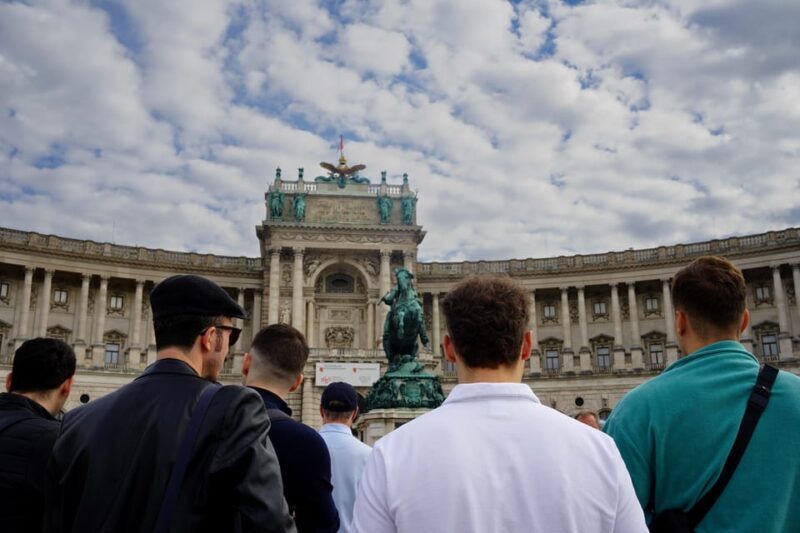
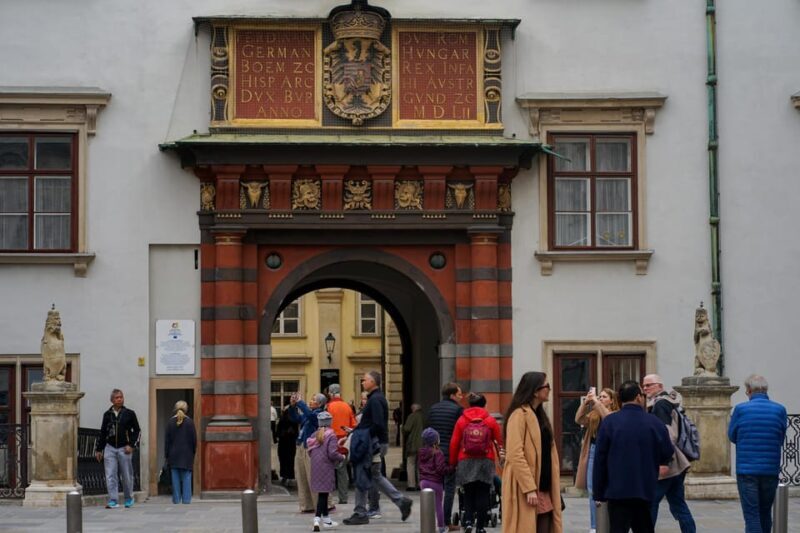
- Michaelerplatz to Hofburg: The Palace Entrance That Feels Like a Pageant
- Heldenplatz to the Spanish Riding School: Tradition With Context
- Albertina Museum Stop: Art-City Energy From the Outside
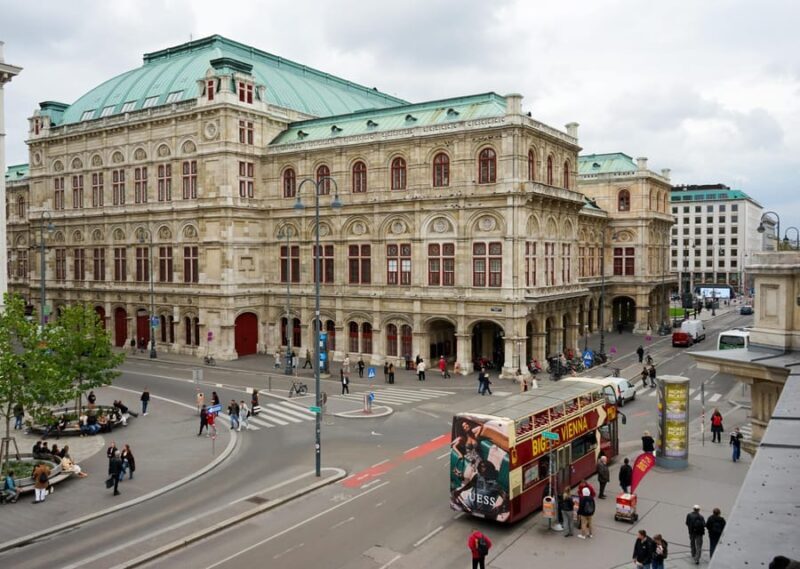
- Vienna State Opera: A Musical Landmark You Can Feel Immediately
- St. Stephen’s Cathedral Finish: Gothic Drama and a Good Food Plan
- Guide Quality Is the Secret Sauce: From Saline to Michael
- Hearing Gear and Winter Comfort: Why the Tour Feels Easy to Follow
- Price and Value: What Buys (and What It Doesn’t)
- What to Bring: The Boring Stuff That Saves Your Day
- Timing, Latecomers, and Mass Days: Small Rules That Matter
- Accessibility: Not Built for Wheelchairs or Mobility Impairments
- Who Should Book This Tour (And Who Might Skip It)
- Should You Book? My Take
- FAQ
- How long is the walking tour?
- Where does the tour start?
- Can I take the subway to the meeting point?
- Is the tour entering museums or going inside buildings?
- What’s included in the price?
- What’s not included?
- What languages are the guides available in?
- Does the tour run in bad weather?
- Is it accessible for wheelchair users or people with mobility impairments?
- The Best Of Vienna!
- More Walking Tours in Vienna
- More Tours in Vienna
- More Tour Reviews in Vienna
Key Things You’ll Notice on This Walk
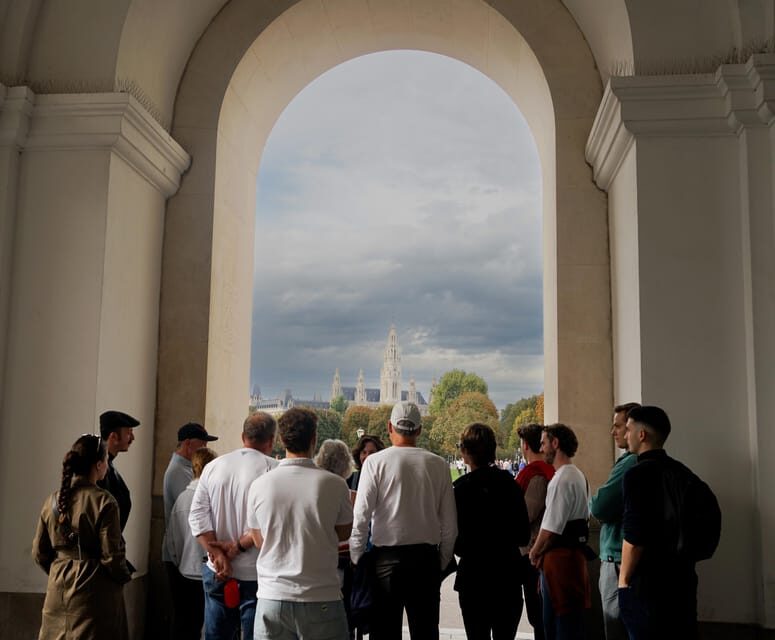
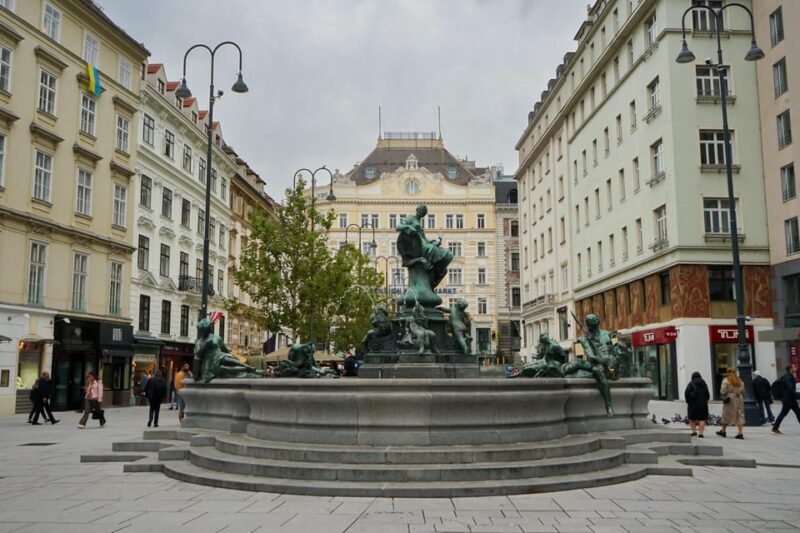
- Exterior-only route that still hits the most important facades and squares
- Minoriten Church Last Supper mosaic stop is a real wow moment from the street
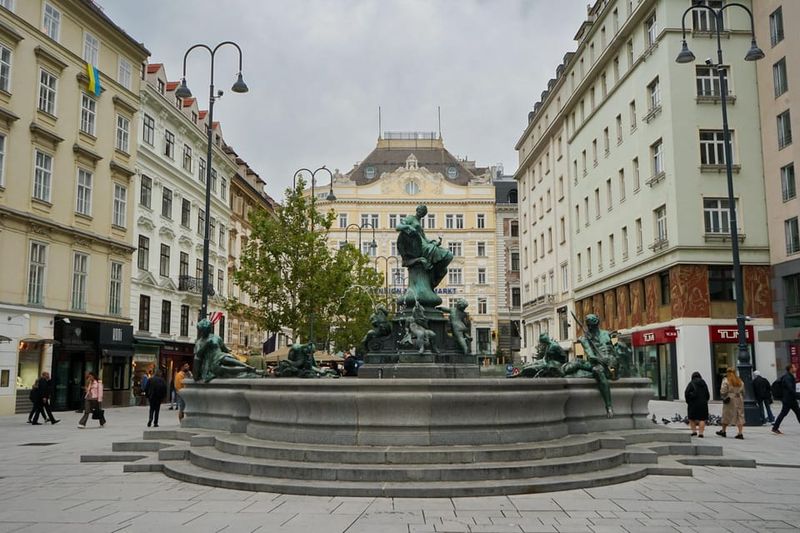
- Hofburg Palace and Hof squares give you instant imperial scale
- Spanish Riding School context makes the tradition make sense
- Vienna State Opera and St. Stephen’s Cathedral end the tour with big-city energy
- Guides with strong storytelling, including names like Saline, Celine, and Michael mentioned by travelers

👉 See our pick of the 15 Top-Rated Vienna Workshops & Classes
A First-Day Vienna Win: The Fastest Way to Get Oriented
Vienna can feel big in your head and small in your feet. This tour helps you connect both. In two hours, you walk through the core of the city center and learn what each stop represents—politics, culture, and power—without getting stuck in lines.
If you’re only in Vienna for a short stretch, this is the kind of experience that “sets the map.” You’ll see where you want to return later, and you’ll recognize the landmarks when you pass them again.
You can also read our reviews of more walking tours in Vienna
Meeting Point at Minoritenplatz: Easy Start, Smart Directions
The meeting spot is at Minoritenplatz, about a 10-minute walk from Stephansplatz. If you’re using transit, take the U3 subway to Herrengasse, then follow signs for Minoritenplatz.
Your guide waits in front of the Leopold-Figl statue. This matters because one of the most common walking-tour problems is losing people in crowds—multiple travelers mention the guides being easy to find when you follow the statue reference.
Exterior-Only Means You Move Faster (And See More Streets)
This is an exterior-only walking tour. You don’t enter museums, and you don’t pay museum entrance fees. That sounds simple, but it’s the real reason this works as a value pick: you’re spending your time walking between landmarks, not scheduling ticket lines.
You still get a mix of major monuments and “less obvious but memorable” stops. And the Last Supper mosaic at the Minoriten Church is the kind of detail that often gets missed when you’re rushing on your own.
Minoriten Church and the Last Supper Mosaic: Small Stop, Big Impact
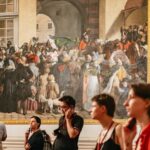
The tour begins with the Minoriten Church area, where you’ll see the beautiful The Last Supper mosaic. It’s one of those stops where the guide’s storytelling can change how you notice the art—suddenly it’s not just decoration, it’s part of Vienna’s deeper layers of faith and culture.
A practical note: during a mass at the Minoritenkirche, visiting the church isn’t possible. So if your travel dates line up with services, you might just view the exterior area instead.
More Great Tours NearbyMichaelerplatz to Hofburg: The Palace Entrance That Feels Like a Pageant
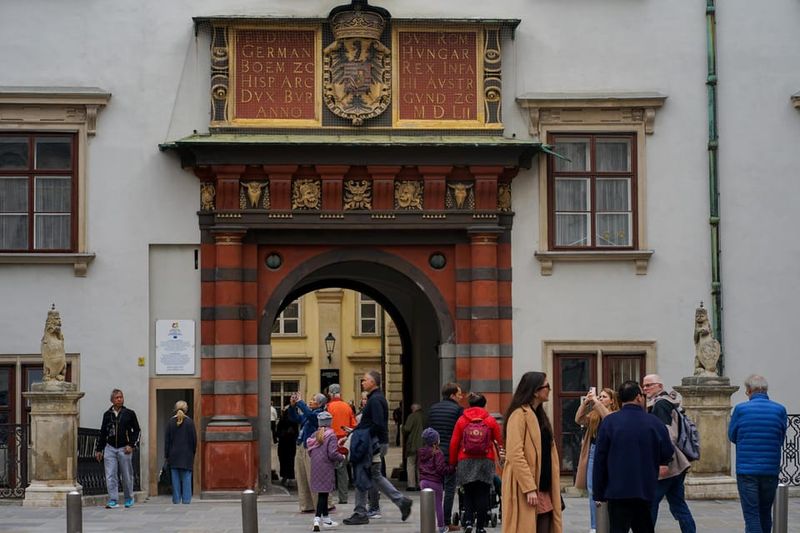
Next you’ll reach Michaelerplatz, known for the grand entrance mood of the Hofburg Palace area. Even if you never step inside, the scale and symmetry tell you a lot about how Vienna ruled and represented itself.
This part of the walk is excellent if you like architecture that’s built to impress. You’ll get the “why” behind the look: imperial power was designed to be seen from the street.
You can also read our reviews of more guided tours in Vienna


Heldenplatz to the Spanish Riding School: Tradition With Context
From there, the tour moves toward Heldenplatz and the world-famous Spanish Riding School. You’re not going inside, but you will learn the imperial history and the tradition that shaped why this institution became such a symbol.
This is a great stop for travelers who want cultural depth without turning the day into a museum marathon. It also helps you understand what you might later see if you choose to book a performance or another visit focused on classical training.
Albertina Museum Stop: Art-City Energy From the Outside
You’ll make a stop near the Albertina Museum. Since you’re not entering, this is more about location and atmosphere than ticketed content. Still, it’s useful because it shows you where major cultural institutions sit inside the city’s everyday flow.
On a walking tour like this, these “outside-of-the-museum” moments can be surprisingly helpful. You’ll know where the museums are when you plan your next day, and you’ll avoid wasting time figuring it out on the spot.
Vienna State Opera: A Musical Landmark You Can Feel Immediately
The Vienna State Opera stop is where the city’s identity really shows. Even from the sidewalk, it reads as a symbol of Vienna’s musical heritage—and the guide’s framing helps you connect the building to the cultural story of the city.
If you’re a first-time visitor, this is also a confidence booster. You’ll walk past a landmark you’ve probably seen in photos, and suddenly it’s real, close, and oddly personal.
St. Stephen’s Cathedral Finish: Gothic Drama and a Good Food Plan
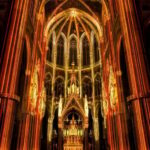
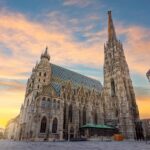
The tour ends at St. Stephen’s Cathedral. This finish is well chosen because you’ll stand in one of Vienna’s most recognizable Gothic spaces and then be free to continue on your own.
Several travelers mention the same practical benefit: once you’re done, it’s a good moment to grab food nearby. Since the tour doesn’t include drinks or meals, having the finale here makes it easy to transition right into lunch or dinner without commuting.
Guide Quality Is the Secret Sauce: From Saline to Michael
A lot of walking tours are “here’s what you see.” This one leans harder into “here’s what it means,” and that’s mostly due to the guides.
Travelers specifically mention guides like Saline, Celine, and Michael as knowledgeable, engaging, and good at storytelling. Names that also come up: Malina, Nora, Raffael, Petra, Karl, Ivo, and Max. The common thread is that you’ll learn more than dates—you’ll understand why Vienna developed the way it did.
Hearing Gear and Winter Comfort: Why the Tour Feels Easy to Follow
Vienna in colder months can be brutal on your ears and patience. A number of reviewers highlight that the tour uses listening equipment—often described as ear pads or ear pieces—so you don’t need to strain to hear the guide.
One more small thing: since it’s a relatively short 2-hour walk, it’s easier to stay warm if you dress appropriately. People also note the tour can move quickly while still covering the major beats.
Price and Value: What $27 Buys (and What It Doesn’t)
At $27 per person for about 2 hours, the value is mostly in three areas:
- You’re getting a professional guide with local knowledge.
- You’re covering a dense area of landmarks without paying museum ticket costs.
- You’re likely getting listening gear, which makes the group experience feel more personal.
What’s not included is just as important: transportation, museum entrance fees, and food/drinks. So think of this as a guided orientation + storytelling walk, not a day-long ticketed sightseeing plan.
If you’re the type who hates paying separate entry fees for “just one more interior,” this is a great match.
What to Bring: The Boring Stuff That Saves Your Day
Bring comfortable shoes. The route is a walking tour through the center, and your feet will tell you quickly if your footwear is wrong.
Also bring a camera if you like detailed facades and mosaics. Weather matters: the tour runs in all weather, so pack weather-appropriate clothing and be ready for rain or cold.
And yes, no smoking is enforced.
Timing, Latecomers, and Mass Days: Small Rules That Matter
The tour runs in all weather conditions. That means you should dress for your specific day, not for an imagined perfect postcard.
During a mass at the Minoritenkirche, visiting the church is not possible. You might still get the surrounding exterior context, but your expectations should be flexible.
If you’re running late, note the policy: latecomers face a no-show policy. Arrive a few minutes early so you’re not negotiating with crowds and street corners.
Accessibility: Not Built for Wheelchairs or Mobility Impairments
This tour is not suitable for people with mobility impairments and wheelchair users. Since it’s walking-based and follows city sidewalks, it’s best to plan a different option if you need step-free access or extended rest.
Who Should Book This Tour (And Who Might Skip It)
This tour is a strong fit if you want:
- A first-day overview of Vienna’s core sights
- Exterior architecture and city squares with context
- Expert guidance without paying museum entrance fees
- A finish near St. Stephen’s Cathedral so you can eat right after
You might skip it if you specifically want to go inside museums or multiple interiors. Also consider skipping if you’ll be uncomfortable with nonstop city walking, even though the total time is only 2 hours.
Should You Book? My Take
Yes, I’d book it if you want a fast, guided “Vienna foundation” day. The combination of guides, clear storytelling, and a route that stacks the best exteriors—plus a memorable Last Supper mosaic stop—makes it a very efficient way to start.
Book it especially if you’re value-minded and want your money to go toward guidance instead of museum tickets. Just show up on time, wear good shoes, and plan your meals after at the end point.
Vienna: Guided Walking Tour of City Highlights & Hidden Gems
FAQ
How long is the walking tour?
The tour lasts 2 hours.
Where does the tour start?
The meeting point is at Minoritenplatz, in front of the Leopold-Figl statue. It’s also described as about a 10-minute walk from Stephansplatz.
Can I take the subway to the meeting point?
Yes. You can take the U3 subway to Herrengasse and then follow signs for Minoritenplatz.
Is the tour entering museums or going inside buildings?
No. It’s an exterior-only walking tour with no museum entries included.
What’s included in the price?
Included are exterior visits, a professional guide, the 2-hour guided walk, and a stop for the Last Supper mosaic.
What’s not included?
Not included are transportation to/from the activity, museum entrance fees, and food and drinks.
What languages are the guides available in?
Guides speak German, Italian, and English.
Does the tour run in bad weather?
Yes. The tour operates in all weather conditions, so you should dress appropriately.
Is it accessible for wheelchair users or people with mobility impairments?
No. It is listed as not suitable for people with mobility impairments and wheelchair users.
You can check availability for your dates here: