
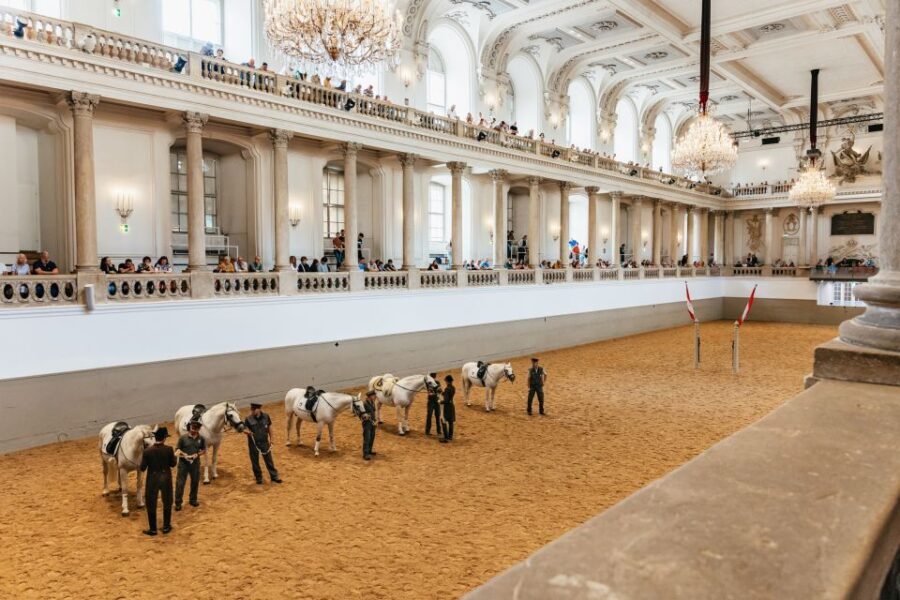
Vienna’s Spanish Riding School Training is a smart way to see the Lipizzaner world up close without committing to a full performance. You’ll spend an hour watching the morning exercise inside the baroque Winter Riding Academy, with the horses working to classical Viennese music.
I like this experience because it’s very accessible for the price and it gives you a behind-the-scenes view of how riders and horses build the basics for haute école later. You also get a real feel for the discipline and care that goes into keeping these white stallions fit and healthy.
One thing to consider: it can be crowded, and depending on where you sit or stand, hearing the commentary can be tricky and stairs can be a real factor.
- Key Highlights You’ll Feel During the Hour
- Spanish Riding School Training in Vienna: What You’re Really Paying For
- Price and Duration: The One-Hour Sweet Spot
- Getting There and Exchanging Your Voucher Fast
- Inside the Winter Riding Academy: Views, Seats, and Stairs
- What Happens During the Morning Exercise (The Part You Actually Watch)
- How Training Builds Toward Haute École (And Why That’s the Point)
- Music and Commentary: A Vienna Treat, Even When You Strain to Hear
- Levade, Courbette, and Capriole: When You Might See the Famous Jumps
- Training Day Reality: How Many Horses You See
- Behavior Rules: No Photos Inside, and Yes, Staff Enforce It
- Crowd Level: A Small Warning That Helps
- Who This Is For (And Who Might Want a Different Option)
- Family Info: Child Admission Rules You Should Know
- Cancellation and Flexibility: Book It Without Stress
- Value Check: Training vs a Full Performance
- Should You Book the Spanish Riding School Training in Vienna?
- FAQ
- How long is the Spanish Riding School training?
- Where do I meet or check in?
- Can I take photos or record video inside?
- Are pets allowed?
- Is there an elevator at the Spanish Riding School?
- What are the child admission rules?
- What is the cancellation policy?
- More Tour Reviews in Spanish Riding School
Key Highlights You’ll Feel During the Hour
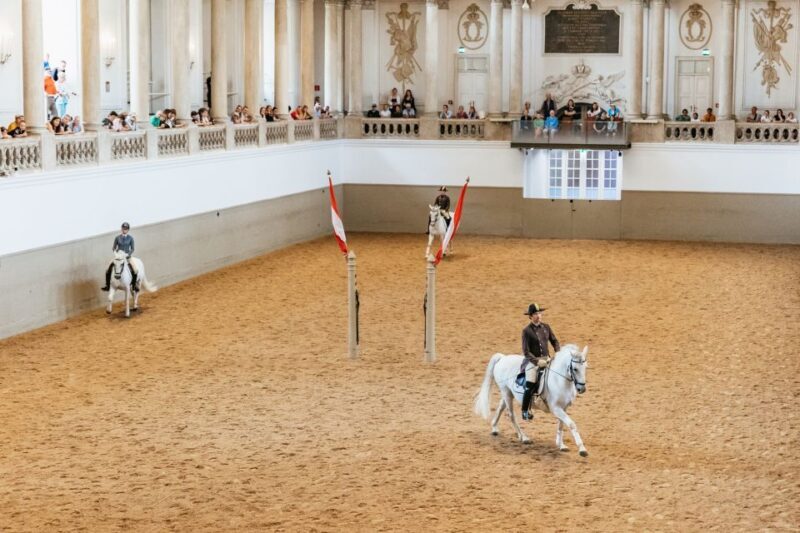
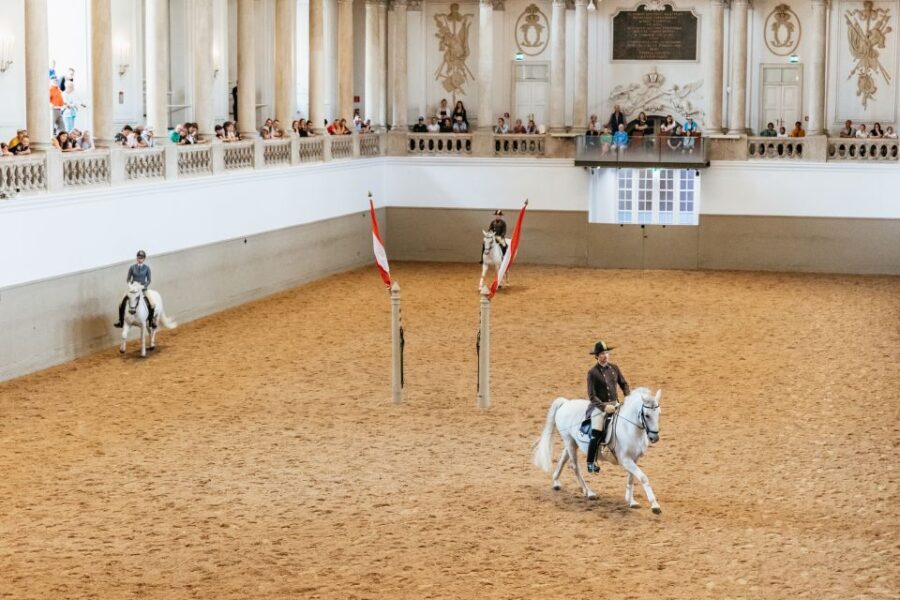
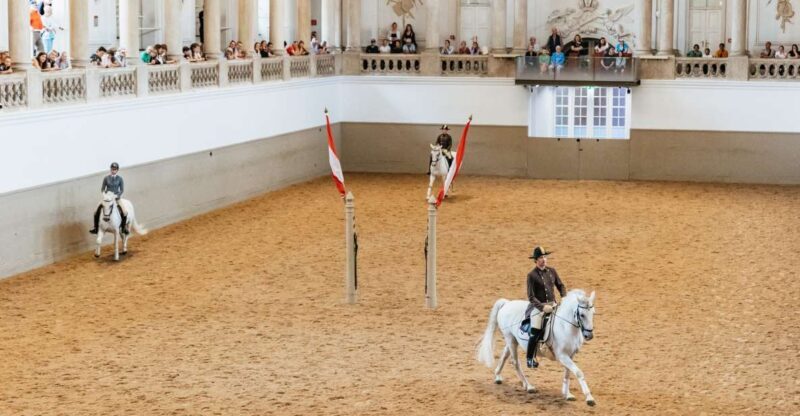
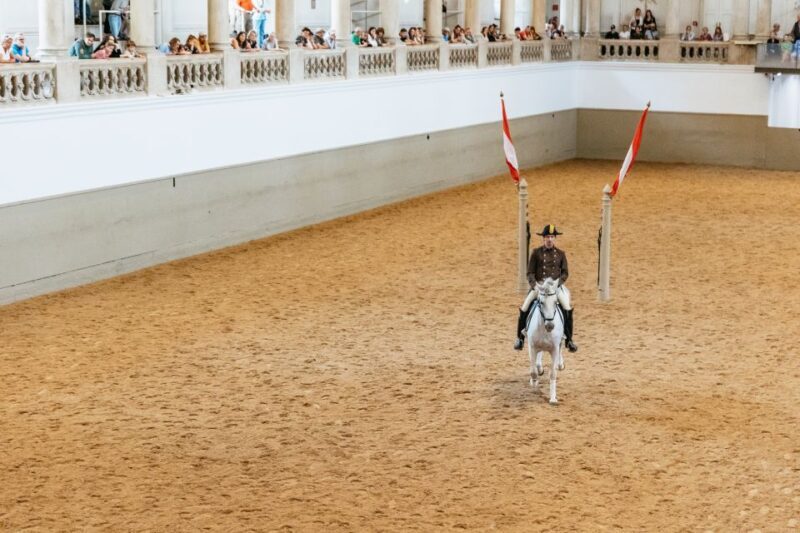
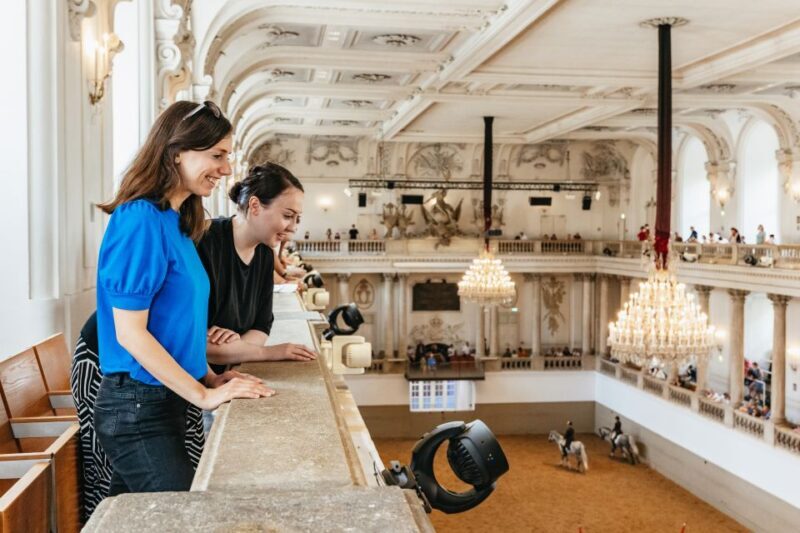
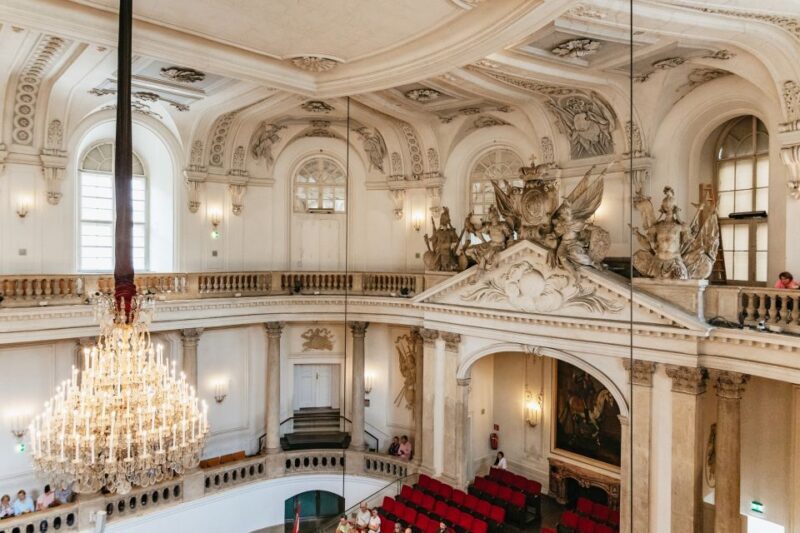
- Baroque setting, real training: You’re in the historic Winter Riding Academy for a live morning session, not a staged show.
- Classical music with the work: The horses exercise to Viennese classical music, which changes the whole vibe.
- You’re watching preparation, not just spectacle: The session focuses on relaxation, refining movement, and strengthening the body.
- Haute école groundwork: The goal is athleticism and muscle groups needed for advanced school work.
- Sometimes you see the famous jumps: Levade, courbette, and capriole are not done daily, but they may appear occasionally.
- Know the rules up front: No photography or video inside, so plan for your memory instead of your camera roll.
Spanish Riding School Training in Vienna: What You’re Really Paying For
This is one of those “you’re in Vienna, so don’t miss the obvious thing” experiences. But unlike a lot of tourist add-ons, the Spanish Riding School morning training has a clear purpose: you’re seeing how Lipizzaners and their riders prepare for the advanced movements people associate with the School.
With a ticket around $20 for one hour, the value comes from access. You’re not just watching horses from the sidelines; you’re watching the actual daily process—trot work, transitions, and exercises that look repetitive until you realize repetition is part of the system.
Also, the ticket is economical compared with the cost of staging full performances. If you can’t get show tickets, this is a strong backup plan that still lets you witness the horses and the atmosphere.
You can also read our reviews of more tours and experiences in Spanish Riding School.
Price and Duration: The One-Hour Sweet Spot
At about $20 per person for a 1-hour session, you’re buying three things:
- A rare chance to see Lipizzaners in their training environment
- The baroque arena experience (the building is part of the show)
- A guided explanation (even if, depending on where you sit, you might strain to hear it)
An hour is also practical. You don’t have to schedule your whole day around it. And for families and travelers who want something special without a huge time commitment, this is a good fit.
Getting There and Exchanging Your Voucher Fast
There’s no hotel pickup, so you’ll go on your own to the Spanish Riding School entrance.
Here’s how it works:
- Present your voucher at the Spanish Riding School entrance to exchange it for a ticket.
- You can pick up your tickets starting at the earliest 1 hour before the activity.
- The program is subject to change, so don’t assume the exact sequence is identical every day.
Practical tip: arrive early enough to handle the voucher-to-ticket exchange without stress. A few visitors mentioned confusion around exchanging tickets, and the queue can turn into a time sink if you wait.
Inside the Winter Riding Academy: Views, Seats, and Stairs
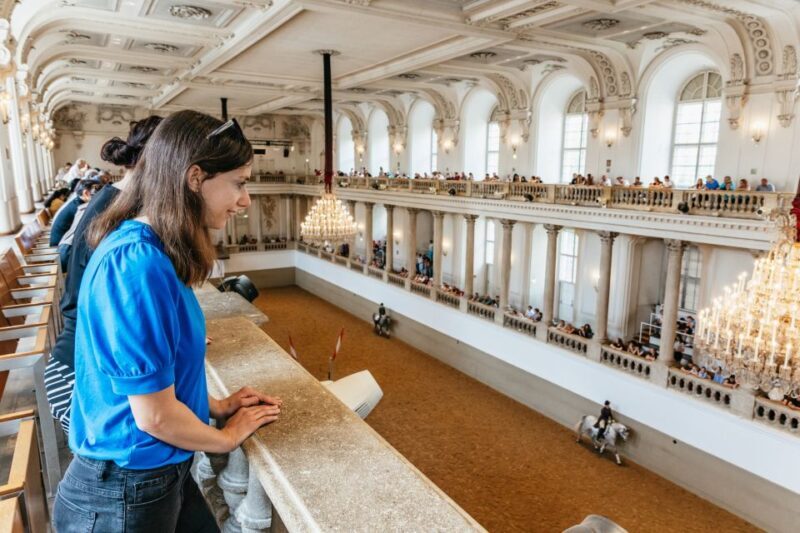
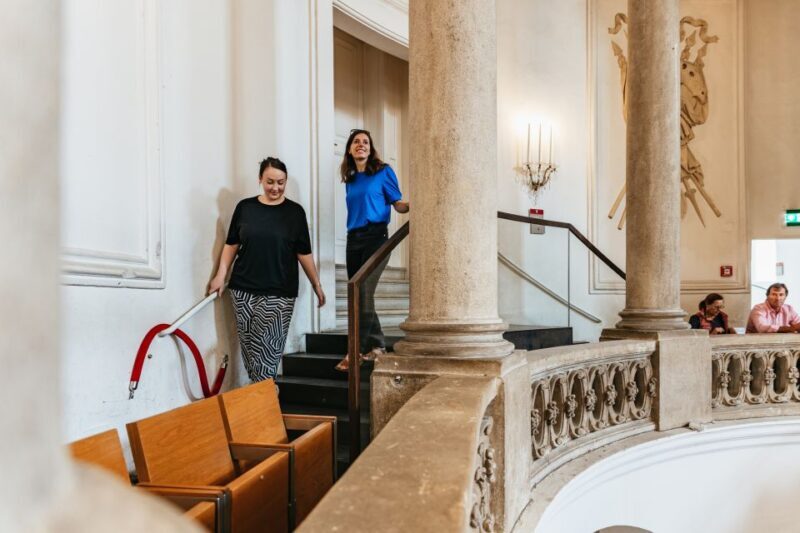
The Winter Riding Academy is stunning—chandeliers over the sandy arena, a serious old-world atmosphere, and a space built for watching riders and horses work.
But here’s the tradeoff. Seating and viewing depend on your ticket type and where you end up:
- Standing room can give a great view of one side of the arena, but you may miss the other side.
- Some travelers reported that standing works well for many people, while others found it demanding for an hour.
- If you sit in the upper levels, you might need to lean or shift your position to see the ground-level work.
- Several visitors noted that top-tier seating can make the narration harder to hear.
Accessibility matters here. Due to monument protection, there’s no elevator. People using wheelchairs and those with walking difficulties should send a request in advance.
So, if mobility is a factor, plan ahead. And if you’re going with kids or elderly travelers, budget extra time and be ready for stairs.
More Great Tours NearbyWhat Happens During the Morning Exercise (The Part You Actually Watch)
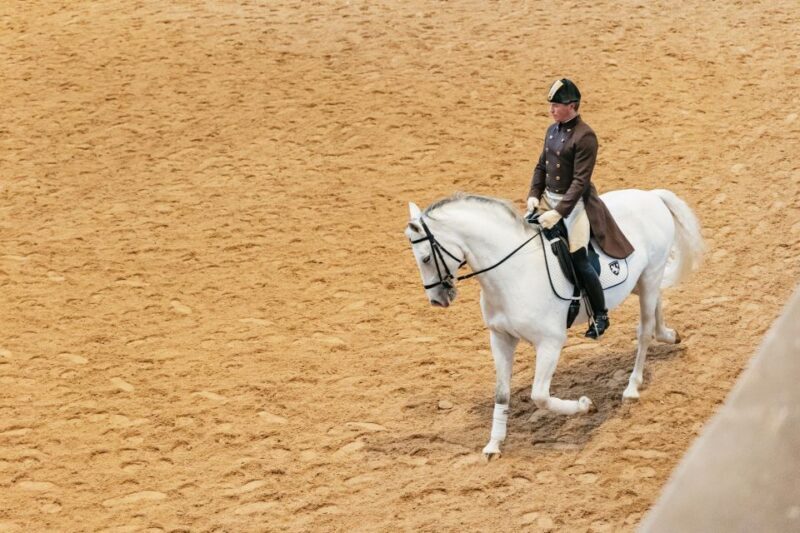
During the hour, you’ll observe the horses training in the arena. The session includes:
- Relaxation exercises
- Exercises to refine and perfect movement
- Work designed to strengthen certain muscles
The morning routine aims to keep the horses:
- Athletically fit
- Healthy
- Strong in the muscle groups needed for advanced haute école movements later
What you’ll see can vary by the day. Some people reported seeing ground work as well as ridden work. Others mentioned that most of what they saw was trotting and basic schooling rather than dramatic maneuvers. Think of this as training sessions you’re watching in real time—like backstage, but in a famous palace arena.
How Training Builds Toward Haute École (And Why That’s the Point)
This isn’t random horse movement. The training is about control, balance, and gradual refinement.
A key idea: even when you’re watching what looks like plain practice, the objective is physical and technical preparation. The morning exercise is meant to:
- Maintain athleticism and health
- Build strength for advanced movements
- Reinforce the kind of precise movement haute école depends on
So if you’ve ever watched a performance and wondered how the riders and horses reach that level, this is where you start to understand. You’re seeing the building blocks.
Music and Commentary: A Vienna Treat, Even When You Strain to Hear
The horses’ morning exercise is accompanied by classical music. That combination makes the session feel calmer and more ceremonial than a typical sport practice.
There is also commentary at times. Travelers repeatedly mention that:
- The narration can be fast or muffled depending on where you’re located
- Hearing it from upper tiers can be tough
- A few visitors wished there were longer pauses or more frequent opportunities for photos (but photos inside are not allowed)
If you care about the spoken explanation, consider aiming for seating closer to the action and better acoustics. Some reviews suggested the middle section can help for hearing details—worth keeping in mind when you choose how to position yourself.
Levade, Courbette, and Capriole: When You Might See the Famous Jumps
This is the big question horse lovers ask: will I see the famous jumps?
Here’s the honest answer based on what’s described: those famous school jumps—levade, courbette, and capriole—are not practiced every day. Sometimes you might see them during the morning exercise, but it’s not guaranteed.
That means your experience may fall into one of two moods:
- If you’re lucky, you catch a glimpse of those higher moments
- If you’re not, you’ll still see serious schooling, transitions, and training routines that make the performance possible
Either way, you’ll see the horses working seriously every day. Just don’t buy your ticket expecting a full spectacle.
Training Day Reality: How Many Horses You See
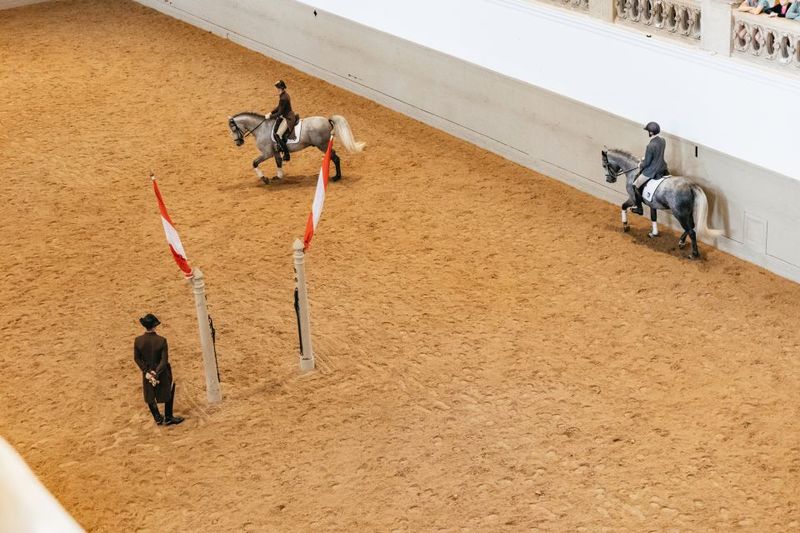
The session typically includes multiple horse-and-rider teams in the arena. Visitors reported seeing different numbers on different days, often around five horses practicing at once.
Also, you may see riders at different stages of training. Some people noted spotting a younger student rider being guided more intensely. That adds a different layer to the experience. You’re not only watching elite consistency; you’re also watching instruction in progress.
Behavior Rules: No Photos Inside, and Yes, Staff Enforce It
One clear rule: no photography and no video recording inside. Pets aren’t allowed either.
This can be frustrating if you’re used to filming everything. But it also protects the training environment and reduces distractions for the horses.
What I found interesting from traveler feedback: staff efforts to enforce the rules were mentioned by several visitors, including situations where other guests ignored requests. If you’re bringing a phone, keep it away once you’re inside. Enjoy the session with your eyes.
Crowd Level: A Small Warning That Helps
Expect it to be busy. Several travelers described the training as crowded.
Crowds affect comfort and visibility:
- Standing can mean leaning or shifting often
- Some visitors reported limited legroom in certain seating areas
- If you’re short, traveling with children, or sensitive to tight spaces, arrive with a plan for where you’ll stand or sit
Bottom line: this is popular. Go early, be patient, and focus on one side of the arena if you’re standing.
Who This Is For (And Who Might Want a Different Option)
This training session is a great match if you want:
- A horse-focused experience
- A behind-the-scenes view rather than only a finished performance
- Value for money in Vienna
It’s especially appealing to:
- Equestrian fans who enjoy technique and discipline
- Travelers who couldn’t get tickets to the evening show
- Families looking for a special activity without a long time commitment
It may not be ideal if you:
- Only want big jumps and dramatic maneuvers (those aren’t daily)
- Need very good audio for spoken commentary
- Have mobility challenges and aren’t able to manage stairs (there’s no elevator)
Family Info: Child Admission Rules You Should Know
If you’re traveling with kids, these details matter:
- Children aged 3 to 5 get free admission, but must sit on an adult’s lap.
- Children aged 6 to 18 receive discounted admission.
- Admission isn’t permitted for children under 3.
That makes this one of the few Vienna experiences where the family pricing can be manageable—just keep the seating/stairs reality in mind.
Cancellation and Flexibility: Book It Without Stress
This experience is designed for flexibility:
- Free cancellation up to 24 hours in advance for a full refund
- Reserve now & pay later is available
- Duration is 1 hour, with starting times based on availability
If your travel schedule is fluid (airport delays, weather, or day-of fatigue), the cancellation policy helps. Still, try to reserve soon if you have a specific day in mind, since it’s clearly a popular choice.
Value Check: Training vs a Full Performance
Here’s how I’d weigh it:
Choose this morning training if:
- You want a more affordable entry into the Spanish Riding School world
- You enjoy learning how things are built
- You’re happy with technique and routines over one big show moment
Consider a performance ticket instead if:
- You’re only interested in levade/courbette/capriole in a full spectacle format
- You want the choreography and pacing of a complete show
- You prefer easier listening compared to a potentially crowded training session
The good news is that even as a training day, it’s still the Spanish Riding School. You’re seeing real work in a legendary arena.
Should You Book the Spanish Riding School Training in Vienna?
Yes—if your priority is to see Lipizzaners and riders up close in a historic arena at a reasonable price.
Book it especially if:
- You can’t get show tickets
- You love horses and want to understand training, not just watch outcomes
- You’re okay with the fact that the most famous jumps are not guaranteed daily
Skip or think twice if:
- Stairs and crowded seating would be a problem for you
- You strongly need clear narration from anywhere in the venue
- You’re expecting a full show with the fancy jumps every time
If you want a Vienna “wow” moment that doesn’t blow your budget, this one is hard to beat. Plan for the practical stuff (crowds, stairs, no photos), and you’ll get a genuinely memorable hour.
Vienna: Spanish Riding School Training
FAQ
How long is the Spanish Riding School training?
The training lasts 1 hour.
Where do I meet or check in?
You need to present your voucher at the Spanish Riding School entrance to exchange it for a ticket.
Can I take photos or record video inside?
No. Photography inside and video recording are not allowed.
Are pets allowed?
No. Pets are not allowed.
Is there an elevator at the Spanish Riding School?
No. Due to monument protection, there is no elevator, and people with mobility difficulties should request help in advance.
What are the child admission rules?
Children 3 to 5 are free but must sit on an adult’s lap. Children 6 to 18 get discounted admission. Admission isn’t permitted for children under 3.
What is the cancellation policy?
You can cancel up to 24 hours in advance for a full refund.
You can check availability for your dates here: