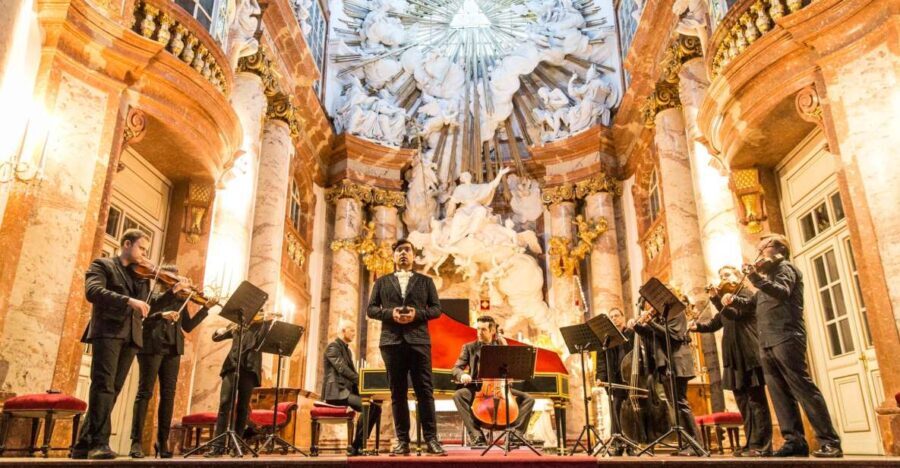
Vienna’s Karlskirche is already an event, so this is a smart way to use your evening: you sit inside a landmark church and listen to Vivaldi’s Four Seasons performed by Orchestra 1756 on period instruments. The whole show runs about 75 minutes, and it moves fast enough that you won’t get restless.
Two things I really like about this concert experience are the historically informed sound from a period-instrument ensemble and the overall “close to the musicians” feel, especially if you choose earlier seating categories. Reviews also highlight that staff and support help you find your seat smoothly, which matters when there are strict entry rules.
One consideration: the venue can be very cold in winter (and hot in summer) since there’s no air conditioning. That’s fixable with the provided blankets, but your comfort will depend a lot on what seat you’re in and what time of year you go.
- Key Things to Know Before You Go
- Karlskirche + Vivaldi: why this concert format works
- Orchestra 1756 and the “period instruments” difference
- Your 75 minutes: what the evening feels like
- The program: Four Seasons plus weekly surprise pieces
- Seating and views: what you’ll actually see
- Winter comfort: how to dress for a church with no AC
- Sound in a church: the tradeoff you get with authenticity
- Rules that matter: photos, timing, and leaving the hall
- Value check: is for 75 minutes a good deal?
- Planning your evening in Vienna around the concert
- Who this is best for
- Who should skip or adjust expectations
- Final verdict: should you book this Karlskirche Four Seasons concert?
- FAQ
- Where does the concert take place?
- How long is the concert?
- How much does it cost?
- What’s included in the ticket price?
- Is food or drinks included?
- When should I arrive before the start time?
- Can I enter after the concert begins?
- Is photography allowed during the performance?
- Are children allowed?
- Is the venue accessible for wheelchair users?
- The Best Of Vienna!
- More Concerts & Music in Vienna
- More Tour Reviews in Vienna
Key Things to Know Before You Go
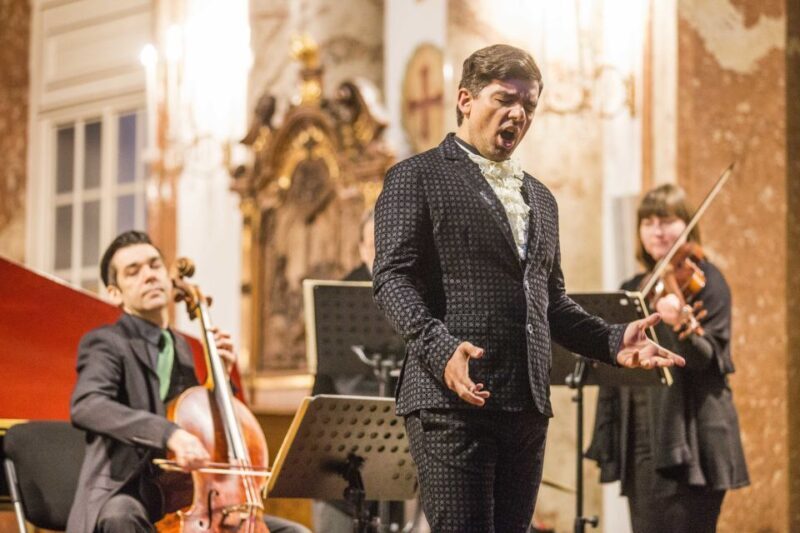
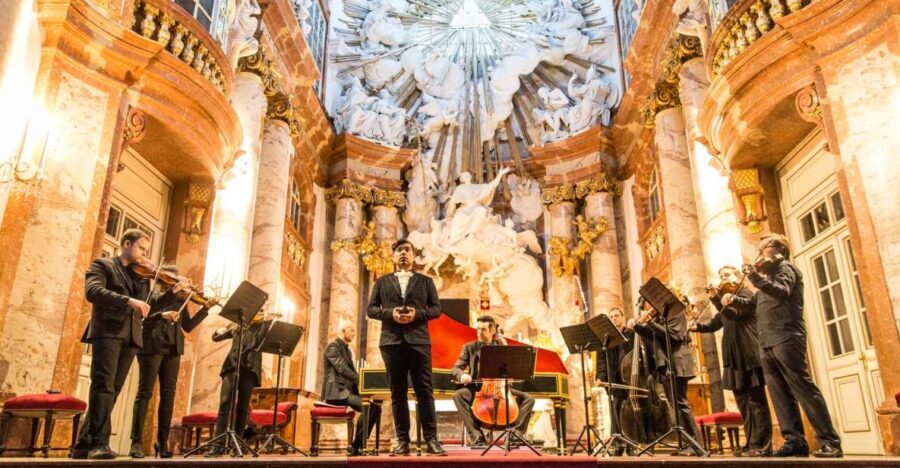
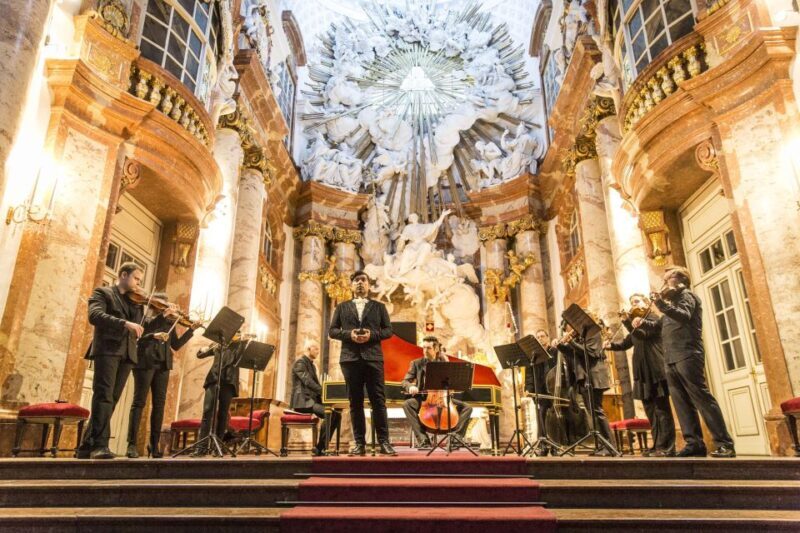
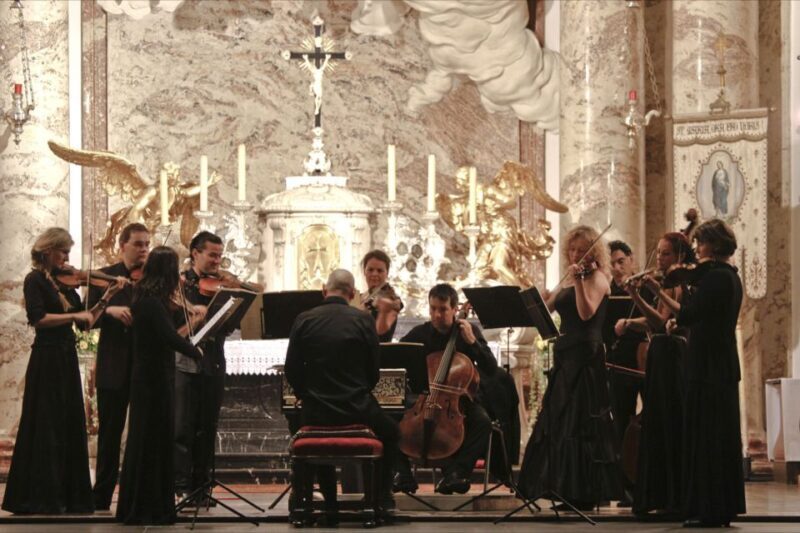
- Period-instrument performance of Vivaldi’s Four Seasons with Orchestra 1756 for a more “of-the-era” sound
- Doors open 30 minutes early, and late entry isn’t permitted once the concert starts
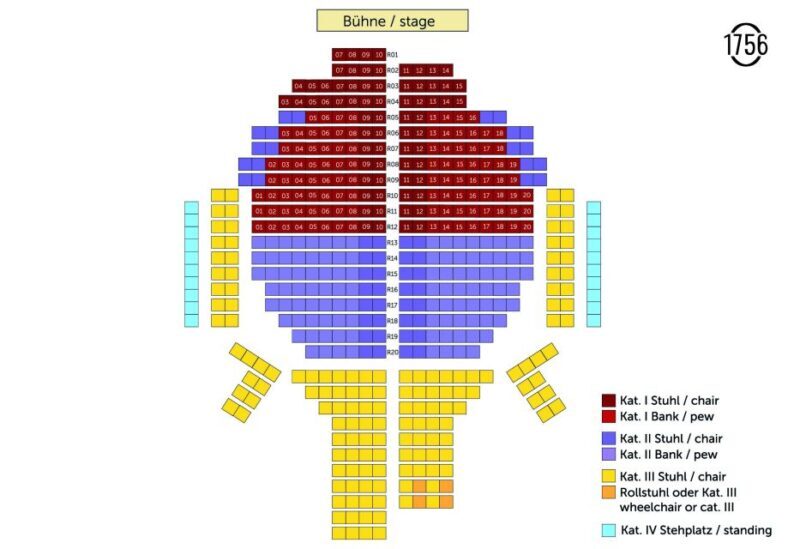
- Karlskirche seating varies a lot by category, with front rows getting the best view
- Cold-weather comfort: blankets are provided, and some seats have heat under them
- Photos are restricted during the performance, though you can take pictures before and after
- Program extras change by week, with possible pieces by Mozart, Bach, and Biber

👉 See our pick of the 15 Top-Rated Vienna Workshops & Classes
Karlskirche + Vivaldi: why this concert format works
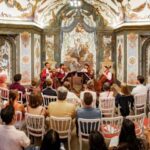
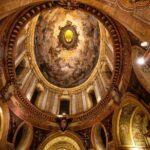
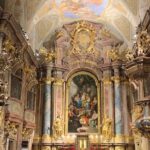
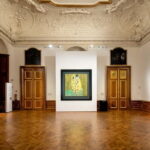
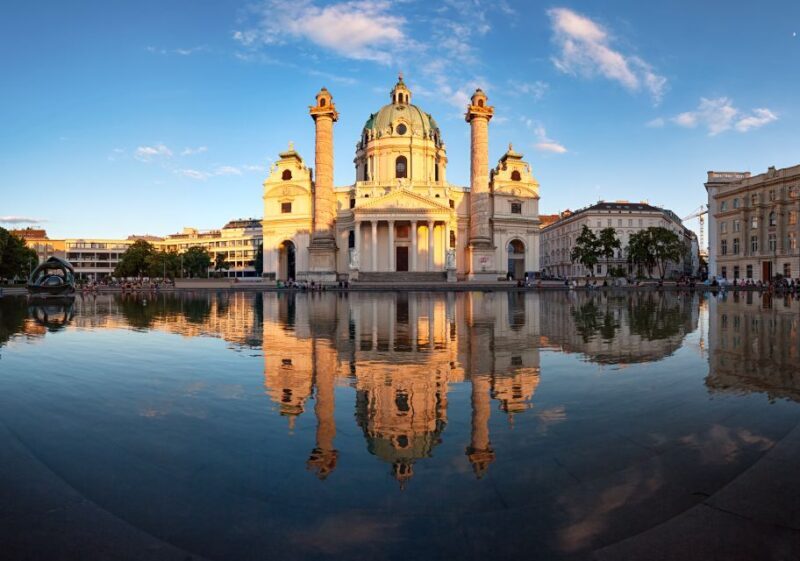
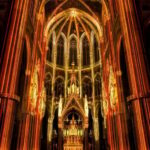
This concert is built around a simple idea: take one of the most famous violin sets ever written and hear it in a space that looks like it belongs to another century. Karlskirche’s interior is dramatic, and the sound carries in a way that makes the music feel physical, not just background.
The performance centers on Le quattro stagioni (The Four Seasons), which is four violin concertos inspired by sonnets describing the year. You’ll hear the familiar characters of the seasons: birdsong, storms, cracking ice, and the contrast between outdoor bustle and quiet winter stillness.
Even if you’re not a lifelong classical fan, this is often an easy sell. The melodies are memorable, and the storytelling comes through in the phrasing and dynamics. Reviews lean toward the same message: the atmosphere plus the musicianship makes it feel special.
You can also read our reviews of more tours and experiences in Vienna
Orchestra 1756 and the “period instruments” difference
The headline here is Orchestra 1756 playing on period instruments. That matters because period-instrument playing usually uses gut strings, different bows, and an approach to articulation that can make the sound lighter and more agile than a modern symphony setup.
What you may notice in this kind of performance:
- sharper character in fast passages (those “running” lines feel quick and bright)
- more obvious detail in ornamentation and texture
- less “blanket of sound” and more readable musical layers
Several reviews mention that the historical-sounding ensemble creates a true time-capsule feeling. And because Vivaldi is the kind of composer whose writing loves contrast, the period-instrument approach tends to bring out the drama without turning the music into a heavy wall of sound.
Your 75 minutes: what the evening feels like
This is not a long event with lots of breaks. Expect a steady, focused program lasting about 75 minutes total. The concert itself runs at a church pace: you’ll settle in, the music begins, and the evening unfolds like a sequence of scenes.
You should plan around the timing rules:
- Doors open 30 minutes before the start time
- No entry after the concert begins
- Leaving and re-entering isn’t allowed once the concert has started
So the best strategy is simple: arrive early enough to get comfortable, then stay put once the music starts. If you’re traveling with a coat bag or you’re checking your plan for nearby sights, do it before the hall becomes strict.
The program: Four Seasons plus weekly surprise pieces
The core of the show is the complete Four Seasons sequence:
- Spring (Le quattro stagioni, Op. 8 No. 1)
- Summer (Op. 8 No. 2)
- Autumn (Op. 8 No. 3)
- Winter (Op. 8 No. 4)
On top of that, there’s one or two additional parts that can change from week to week. Possible composers mentioned include W. A. Mozart, J. S. Bach, H. I. F. Biber, and other major figures.
That flexibility keeps the concert from feeling like a copy-paste template. It also means you should go in expecting Vivaldi as the backbone, with a little curveball at the end depending on the date.
More Great Tours NearbySeating and views: what you’ll actually see
This is the part that most affects how happy you’ll be.
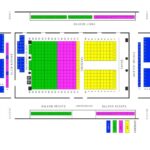
Karlskirche is gorgeous, but it’s not a sports arena with perfect sight lines. Reviews repeatedly suggest that front and closer categories deliver a better view and clearer connection to the musicians. People mention being able to see facial expressions and small interactions, which can add a lot to the experience since the music is so tightly coordinated.
A few practical tips based on what travelers report:
- If you care about seeing the performers, choose the earlier seating categories
- Some seats further back can mean limited visibility and a different sound experience (including echoes)
- Flat seating or hard pew spacing can make the view tougher if someone taller sits in front of you
If you’re the type who enjoys listening even when you can’t see much, back seating might still work. But if you want that close-to-the-ensemble feel, paying for better seats usually pays off.
Winter comfort: how to dress for a church with no AC
Karlskirche does not have air conditioning, so comfort swings with the season. Reviews are very consistent on this: in winter, it can be very cold, and the church pews can feel hard over a 75-minute sit.
The good news: the organizers provide help.
- Blankets on chairs are mentioned in multiple reviews
- Some seats include heat under the seat (especially toward the front, based on traveler comments)
My advice: dress like you’re waiting for a bus, not like you’re going to dinner. Bring layers you can tolerate sitting still in:
- a warm coat
- gloves or warm hands if you run cold
- thick socks (even inside shoes, since the floor and pew seating can feel chilly)
If you tend to get uncomfortable easily with cold, it’s worth paying attention to seating location. Front seats seem to be the most comfortable option when heat is available.
Sound in a church: the tradeoff you get with authenticity
Stone churches can create a naturally resonant sound, and the flip side is that distance and echoes can change what you hear. Period-instrument music often benefits from that clarity, but it still depends on where you’re seated.
You might experience:
- more spacious reverb if you’re higher or further back
- slightly different balance between strings and continuo depending on acoustics
- less “intimate” sound if the ensemble is far away
This is normal for historic venues. The main thing is to match expectations with your seating. If you want maximum clarity and presence, sit closer. If you’re more about the atmosphere and the music as a whole, you’ll likely be happy even with less direct sound.
Rules that matter: photos, timing, and leaving the hall
The rules are clear, and they can be strict.
Key points you should plan around:
- No cameras during the performance
- No entry after the concert starts
- No leaving and re-entering once the concert has begun
- The balcony may not always be open
- No food and drinks are allowed inside, and no luggage or large bags
- Bare feet aren’t allowed
Because of the no re-entry rule, you should use the restroom before the show if you need to. Also, keep your phone away once the concert begins. People mention being disappointed they couldn’t take pictures, so treat the whole thing as a phone-free listening moment.
Value check: is $40 for 75 minutes a good deal?
At around $40 per person for a professionally performed classical program in a major Vienna landmark, this is often good value—especially if you compare it to:
- mainstream concert tickets in large venues
- tours that charge extra for transportation, which isn’t included here
The ticket includes entrance only and the total time is 75 minutes, so you’re buying a focused experience rather than an all-day package. Not having transfers can save money and keeps your plan flexible, as long as you’re comfortable getting yourself to Karlskirche.
Where you might spend extra:
- you’ll likely want to do dinner or snacks before or after, since food and drinks aren’t included
- a coat plan matters if you’re visiting in winter
If you’re looking for a “Vienna night you’ll remember” without spending an entire day, this usually delivers.
Planning your evening in Vienna around the concert
This concert sits in a prime zone for an easy night out. Since you won’t have food included, plan a simple rhythm:
1) arrive early (doors open 30 minutes before)
2) enjoy the church experience and settle in
3) after the concert, wander nearby streets while the city energy is still going
During the holiday season, reviews mention Christmas markets happening outside the church. That can be a convenient bonus: you get atmosphere without building it into the concert ticket.
One more practical point: if you’re tempted to stop for something right before the start time, don’t. With the no-late-entry policy, it’s safer to be early and calm.
Who this is best for
This is a strong match for:
- people who want Vivaldi’s Four Seasons in a world-class setting
- classical fans who like historically informed performance styles
- travelers who enjoy great architecture and want their arts time to feel sensory, not just seated and sleepy
It’s also a good choice if you’re bringing a partner who’s more curious than expert. The music does the storytelling work for you, and the pacing is tight.
If you’re traveling with anyone who struggles with cold seating, you’ll need to plan for warmth and smart seating choices.
Who should skip or adjust expectations
This setup is not suitable for wheelchair users, and children under 6 years aren’t allowed.
Also think twice if:
- you hate being stuck once the concert starts (leaving and re-entering isn’t permitted)
- you rely on taking photos during the performance
- you expect modern climate control (there’s no air conditioning)
And if you’re very sensitive to uncomfortable seating for 75 minutes, consider choosing closer seats and plan for blankets and layers.
Final verdict: should you book this Karlskirche Four Seasons concert?
Yes, if you want a memorable Vienna evening with a clear, worthwhile musical payoff. The combination of Vivaldi, a period-instrument ensemble like Orchestra 1756, and a legendary church setting is exactly the sort of experience that makes a city feel lived in.
Book it especially if you:
- care about the view and connection to the musicians (choose earlier categories)
- travel in cooler months and can handle the cold with proper clothing and blankets
- want strong value for time, with just a single ticket and a focused 75-minute plan
I’d hesitate only if you’re uncomfortable with strict rules, are traveling with accessibility needs not supported here, or you’re expecting a climate-controlled, casual concert atmosphere. Otherwise, it’s a smart, high-reward way to experience Vienna after the museums close.
Vienna: Vivaldi’s Four Seasons Concert in Karlskirche
FAQ
Where does the concert take place?
It takes place at Karlskirche in Vienna.
How long is the concert?
The duration is 75 minutes.
How much does it cost?
The price is $40 per person.
What’s included in the ticket price?
The ticket includes entrance to the concert.
Is food or drinks included?
No. Food and drinks aren’t included, and they’re not allowed in the venue.
When should I arrive before the start time?
Doors open 30 minutes before the concert starts.
Can I enter after the concert begins?
No. No entry is permitted after the concert has started.
Is photography allowed during the performance?
No. Cameras are not allowed during the performance. You can take pictures before and after.
Are children allowed?
Children under 6 years are not allowed.
Is the venue accessible for wheelchair users?
No. It is not suitable for wheelchair users.
You can check availability for your dates here: