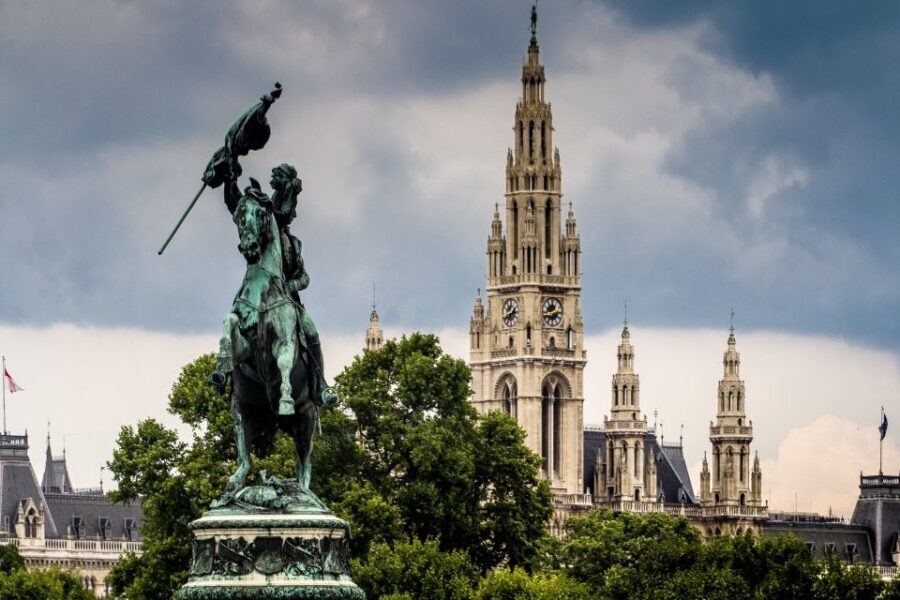
I came away impressed by how this Vienna WWII historical walking tour uses everyday street-level sights to explain how fear, politics, and propaganda shaped people. It’s a 150-minute, English-language walk that begins right by the Albertina Museum, near Vienna’s famous Opera House.
What I especially like is the combination of (1) guides who tell clear stories and answer questions, and (2) stops that feel rare and specific, like the only synagogue that survived the Nazi regime plus a Holocaust memorial you’ll sit with for a moment.
One consideration: it’s walking through sensitive history, and entrances to attractions aren’t included, so you may only see some sites from the outside or with optional add-ons.
- Key Points Worth Knowing Before You Go
- A 150-Minute Walk That Explains How Vienna Became a Stage
- Where the Tour Begins: Albertina Museum, Opera House Area, Green Umbrella
- The Core Story: Hitler’s Early Years Through Vienna’s Climate
- 100,000 Bombs Over Vienna: Seeing Wartime Impact in Plain Sight
- Vienna’s Jewish Community Under Pressure: Fear and Ethnic Rivalry
- The Only Synagogue That Survived Nazi Rule
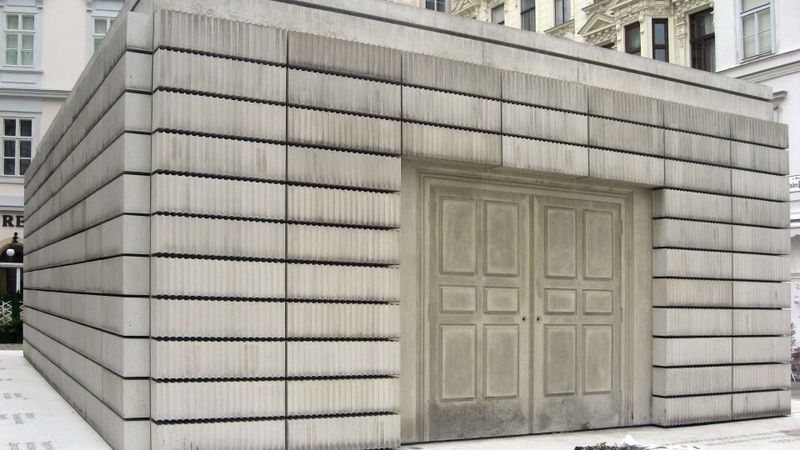
- The Holocaust Memorial: A Somber Moment Built for Reflection
- Scars of War and a Divided City After WWII
- How Much Walking Is It, and What About Comfort
- Guides and Audio: Why People Keep Calling It Exceptional
- What’s Included (and the Budget Gap to Plan For)
- Best For: Who Will Get the Most From This Tour
- Who Might Want to Think Twice
- Should You Book It
- FAQ
- How long is the Vienna WWII historical walking tour?
- What does it cost?
- Where do I meet the guide?
- Is the tour in English?
- What is included in the price?
- What is not included?
- Is there free cancellation?
- Can I reserve without paying right away?
- Will I be able to hear the guide during the walk?
- Does the tour return to the starting point?
- More Walking Tours in Vienna
- More Tours in Vienna
- More Tour Reviews in Vienna
Key Points Worth Knowing Before You Go
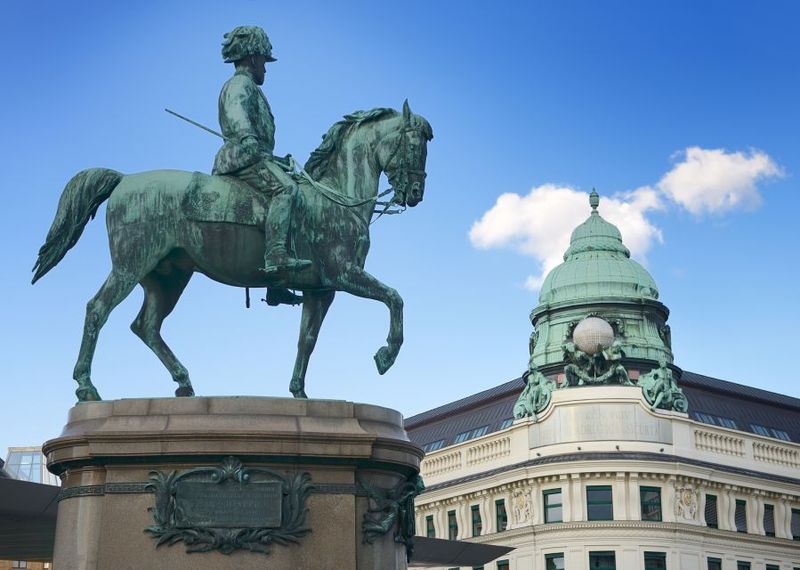
- Green umbrella meeting point: look for it at Albrechtsbrunnen by the Albertina Museum, beside the Opera House.
- Starts at a power landmark: Albertina/Opera-area context sets up the city-and-ideology story fast.
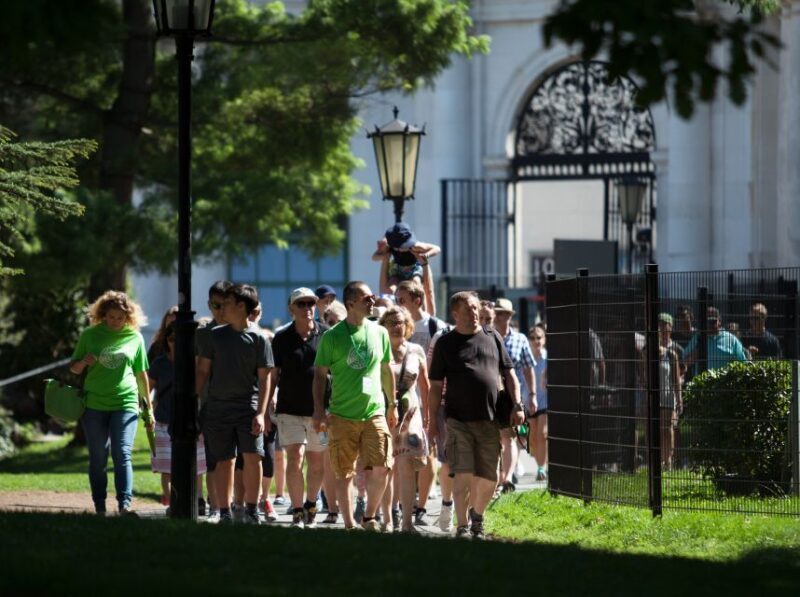
- Small-group feel, big audio help: many travelers mention headsets for hearing the guide clearly.
- A “survivor” stop: the synagogue that endured Nazi rule is a standout, not a generic museum stop.
- You’ll learn the mechanics of harm: Vienna’s Jewish community is covered through fear and ethnic rivalry.
- Bomb damage and a divided city layout: you’ll see the physical scars and the postwar division described along the route.
A 150-Minute Walk That Explains How Vienna Became a Stage
This is the kind of tour that makes Vienna’s beauty feel sharper. You start in a central, iconic area and then move through the city with a very human question in mind: how does a young Adolf Hitler end up shaped by the social and political climate around him? The answer comes less from textbook timelines and more from the streets, buildings, and public spaces your guide connects into one story.
At $31 per person for a 2.5-hour guided walk, the value is mostly in the interpretation. You’re not just seeing sights. You’re getting a guided lens that ties together early ideology, wartime devastation, and the postwar reality—so the city doesn’t read like a postcard. It reads like evidence.
And unlike many history tours that rush you from point A to B, people repeatedly mention the pacing: time to listen, occasional pauses, and chances to ask questions.
You can also read our reviews of more walking tours in Vienna

Where the Tour Begins: Albertina Museum, Opera House Area, Green Umbrella
The meeting point is easy to miss if you’re not watching for the details. You’re looking for a green umbrella in front of Albrechtsbrunnen, downstairs at the Albertina Museum, right next to the Opera House.
For navigation, the subway stop given is Karlsplatz/Oper. If you’re coming from anywhere else in central Vienna, get there early and orient yourself before the group gathers. This is one of those tours where being on time helps you settle in quickly with the opening context.
The start spot also matters: you’re in the cultural and public-life zone of Vienna. That’s not random. The tour uses the area’s visibility to set up the larger theme—how politics and ideas take hold in public spaces.
The Core Story: Hitler’s Early Years Through Vienna’s Climate
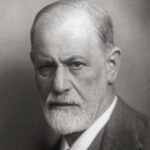
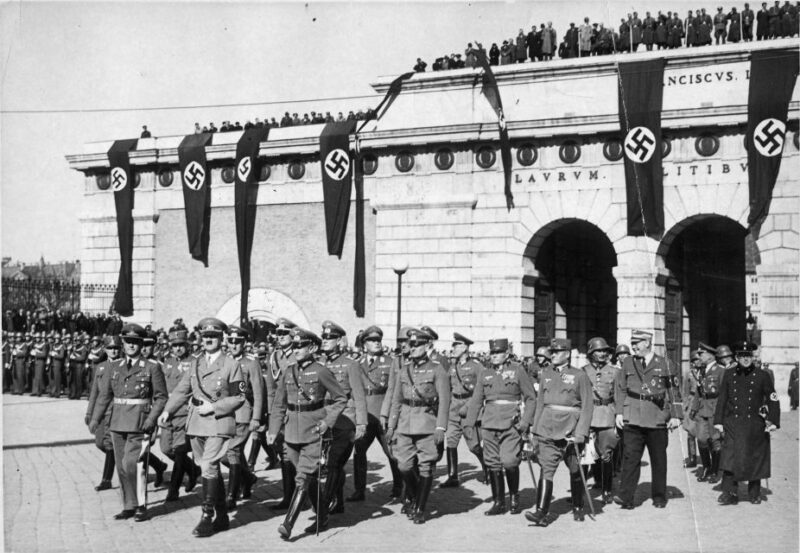
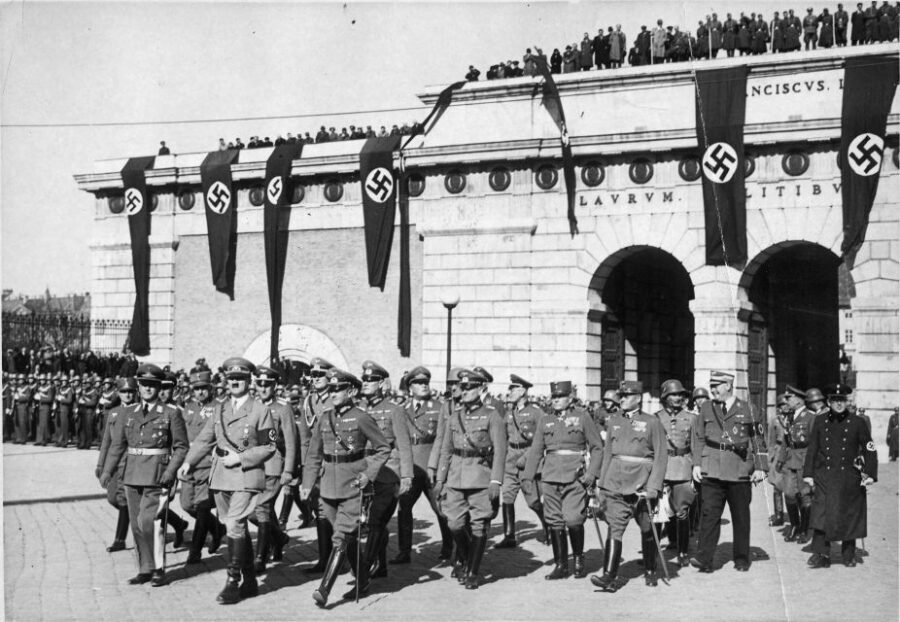
A big promise of this walk is that you’ll understand the social and political environment that influenced Hitler’s thinking during his youth. Your guide explains how an art student turned into someone with an ideology that later became violently dangerous.
What makes this portion work is how it’s framed. Instead of treating Hitler as an isolated character, the tour looks at the surrounding society: tensions, rivalries, and the way fear spreads. Even if you’ve read about the era before, the street-level approach tends to make it feel less distant.
Several travelers specifically mention guides like Dieter and Stefan as being strong storytellers who add context beyond basic facts. That combination is what turns a history walk into something you actually remember.
100,000 Bombs Over Vienna: Seeing Wartime Impact in Plain Sight
The tour also tackles the scale of destruction, including the effect of over 100,000 bombs on the city. Rather than throwing numbers at you and moving on, the guide connects damage to how people lived, worked, and rebuilt.
This part is useful even for travelers who know WWII basics. It helps you understand that Vienna wasn’t just “in the war.” It was repeatedly hit, and the city’s physical scars and social scars carried forward.
You’ll likely notice how the tour uses location cues—what you can still see, what you can imagine from the story, and what the city’s layout hints at. That’s where walking tours win: you get a sense of place, not just a lecture.
More Great Tours NearbyVienna’s Jewish Community Under Pressure: Fear and Ethnic Rivalry
Another key stop in the tour’s narrative is what happened to Vienna’s large Jewish community as fear and ethnic rivalry took hold. The topic is heavy, and the tour keeps it tied to what was unfolding in the city itself.
This matters because it helps you avoid a common trap: thinking of persecution as a distant event happening somewhere else. Here, it’s presented as something that unfolded locally—within Vienna’s social fabric.
Travelers also highlight that guides handle complex, difficult history with sensitivity. That’s not a small detail; it changes how the tour lands emotionally and ethically. You come away feeling informed rather than numb.
You can also read our reviews of more historical tours in Vienna


The Only Synagogue That Survived Nazi Rule
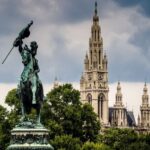
One of the most compelling highlights is a stop at the only synagogue that survived the Nazi regime. This is the kind of detail that makes a walk feel genuinely different from generic WWII tours.
Why it hits: it’s not just about loss. It’s also about survival—proof that not everything was erased completely, and that the city has specific reminders you can’t easily swap with another itinerary.
As you stand there, your guide’s explanation gives the building a weight beyond architecture. You’re seeing an object that carried history through the worst years.
The Holocaust Memorial: A Somber Moment Built for Reflection
You’ll also visit Vienna’s Holocaust memorial. This isn’t presented like a box-checking stop. It’s included because the tour wants you to connect the earlier parts of the story—ideology, fear, persecution—to the broader reality of genocide and remembrance.
For travelers, the practical value is that the memorial provides emotional context. You don’t just learn what happened. You’re reminded that remembrance is part of how modern cities deal with difficult pasts.
If you’re someone who likes your tours to be thoughtful (not just fast), this stop is a strong reason to do the walk.
Scars of War and a Divided City After WWII
The final narrative arc looks at what happened to Vienna after the war. The tour describes the city as divided, and it includes a particularly unusual angle: Vienna is presented as the only city in the world where the Allied powers managed a zone together.
Whether you know that detail already or not, the walking format helps. You’re not just hearing about divisions in abstract terms. You’re moving through a city where postwar boundaries and realities shaped daily life.
In practice, this is where the walk helps you connect everything: wartime destruction, human consequences, and rebuilding under new political arrangements.
How Much Walking Is It, and What About Comfort
This tour is listed as 150 minutes, so plan on a steady walk through central Vienna. In the reviews, travelers mention the distance being around 4 km for at least some groups, and one person noted it felt doable even with mobility challenges.
That said, it’s still a walking tour. Wear comfortable shoes, and keep your clothing layered for wind or rain. Several travelers mention that guides built in pauses and found warm places when needed, which can make a big difference on winter dates.
Also, keep in mind that this is not necessarily a loop. One traveler notes the tour does not return to the exact starting point, though a nearby metro stop makes it easy to continue your day.
Guides and Audio: Why People Keep Calling It Exceptional
The headline theme across feedback is the guide quality. People repeatedly describe guides such as Dietr/Dieter, Stefan, Wolfgang, Michael, Florian, and others as knowledgeable, clear, and good at storytelling.
What you should care about as a traveler is how that shows up in real life during the walk:
- The guide can answer questions without shutting you down.
- The timing feels appropriate for a 2.5-hour route.
- The pace balances standing, walking, and pauses.
A standout logistics detail mentioned by multiple travelers: headsets/ear pieces for larger groups. That helps you hear the guide without constantly hovering right beside them. Even if you travel with others who like to look around at buildings and street details, audio support keeps the experience from turning into a game of follow-the-leader.
What’s Included (and the Budget Gap to Plan For)
Included:
- Live guide
- Walking tour
Not included:
- Entrances to attractions
- Trip (as in, transportation)
So, budget accordingly. Some stops on the route may involve only viewing or memorial-time standing, not paying entry fees. But if you want to go further at any site on your own later, plan for potential ticket costs.
On the value side, $31 can make sense if you compare it to the cost of a self-guided walk with zero context. Here, you’re paying for interpretation of WWII’s local impact—especially the synagogue and memorial elements that aren’t the kind of thing you’d easily piece together on your own.
Best For: Who Will Get the Most From This Tour
This is a great fit if you:
- Want a Vienna-focused look at WWII (not just a generic Germany-first story).
- Prefer walking and storytelling over sitting in a museum.
- Like guides who place events in context and explain why things unfolded as they did.
It’s also a solid choice early in your visit. Several travelers suggest doing it at the beginning to understand the city’s layout and what you’ll see later.
Who Might Want to Think Twice
If you’re looking for a light, casual stroll, this isn’t it. The material includes Hitler’s early years, WWII destruction, and the Holocaust. You should be ready for heavy content.
Also, if you strongly dislike walking, this is a walking tour with multiple city-street segments. You might still manage it with good shoes and breaks, but it’s not designed as a minimal-walking experience.
Finally, because entrances aren’t included, you might prefer to pair the tour with one or two optional site visits afterward, depending on what your interests are.
Should You Book It
If you care about understanding WWII through real places and real stories, I’d book this. The value is strong for the time you get (150 minutes) and the expertise you receive, and the highlights feel uniquely specific: the surviving synagogue, the Holocaust memorial, and the postwar division explanation tied directly to Vienna.
Do it especially if you like tours where the guide is the difference between facts you forget and context that sticks. With guides who are repeatedly described as knowledgeable and sensitive—and with audio support for groups—you’re likely to feel informed, not rushed.
On the flip side, if you want only upbeat sights or you need fully relaxed sightseeing with minimal emotional weight, consider a different type of Vienna tour. This one is for travelers who want the truth of the city, even when it’s hard to face.
Vienna: World War II Historical Walking Tour
FAQ
How long is the Vienna WWII historical walking tour?
It lasts 150 minutes (about 2.5 hours).
What does it cost?
The price is $31 per person.
Where do I meet the guide?
Meet in front of Albrechtsbrunnen, the fountain downstairs at the Albertina Museum, next to the Opera House. Look for a green umbrella. The nearby subway stop is Karlsplatz/Oper.
Is the tour in English?
Yes, the tour guide speaks English.
What is included in the price?
The price includes a live guide and the walking tour.
What is not included?
Entrances to attractions are not included, and trip transportation is not included.
Is there free cancellation?
Yes. You can cancel up to 24 hours in advance for a full refund.
Can I reserve without paying right away?
Yes, it offers reserve now & pay later, where you can book your spot and pay nothing today.
Will I be able to hear the guide during the walk?
Many travelers mention the use of headsets/ear pieces for larger groups, which helps you hear the guide more clearly. Some also note it can be helpful even beyond very large groups.
Does the tour return to the starting point?
One traveler notes that it does not return to the starting point, but there is a nearby metro stop for an easy onward trip.
You can check availability for your dates here: