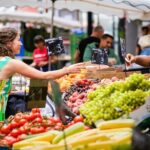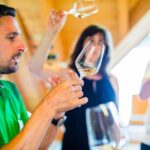
We found this tour genuinely exceptional for travelers seeking an authentic escape from Vienna’s urban bustle. What sets it apart isn’t just the combination of activities—it’s how seamlessly the tour weaves together cycling, wine education, and genuine village exploration into a single, cohesive day. You’ll spend roughly 11 hours cycling through one of Austria’s most celebrated wine regions, but more importantly, you’ll do it alongside guides who actually understand the terroir and can explain why the wines you’re tasting matter.
The second thing we appreciate is the honest value proposition here. At $163 per person, you’re getting professional bike rental, two winery tastings with expert commentary, train transportation to and from the valley, safety gear including a helmet and rain poncho, and the expertise of a small-group guide (maximum 18 travelers). That’s genuinely thoughtful inclusion—not just the bare minimum, but the things that actually make the experience work.
That said, there’s one real consideration: this tour operates rain or shine, and while the provided ponchos help, you’ll want to come mentally prepared for wet-weather cycling. The lunch isn’t included either, and it’s cash-only at local restaurants, which requires some advance planning on your part.
This experience works best for travelers with moderate fitness who want to get beyond Vienna’s classical concert halls and palace tours, and who appreciate wine enough to learn something new about it. If you’re looking for a leisurely city stroll, this isn’t your tour. But if you want a genuinely engaging day that combines physical activity, cultural discovery, and excellent local wine, you’ve found something special.
- Understanding the Full Day’s Journey
- The Wachau Valley Itself: What You’re Actually Seeing
- The Winery Experiences: What Makes the Tastings Matter
- The Midday Stop in Dürnstein: More Than Just a Photo Opportunity
- Practical Considerations That Actually Matter
- What the Numbers Actually Tell You
- The Guide Factor: Why It Matters More Than You’d Think
- Is This Tour Actually Worth 3?
- The Cancellation Policy: Peace of Mind
- Final Verdict: Who Should Actually Book This
- Frequently Asked Questions
- More Food & Drink Experiences in Vienna
- More Tours in Vienna
- More Tour Reviews in Vienna
Understanding the Full Day’s Journey
 1 / 8
1 / 8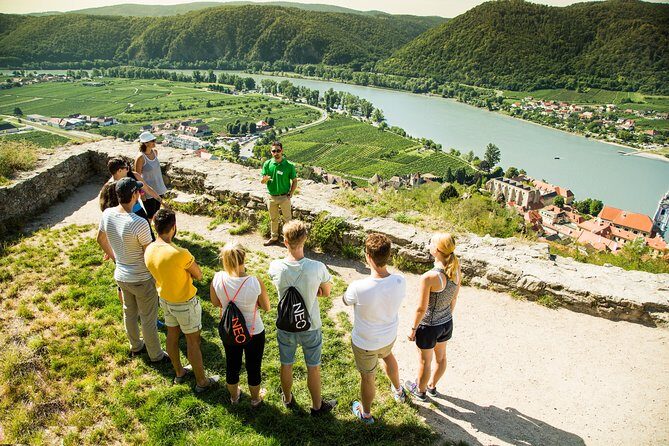 2 / 8
2 / 8 3 / 8
3 / 8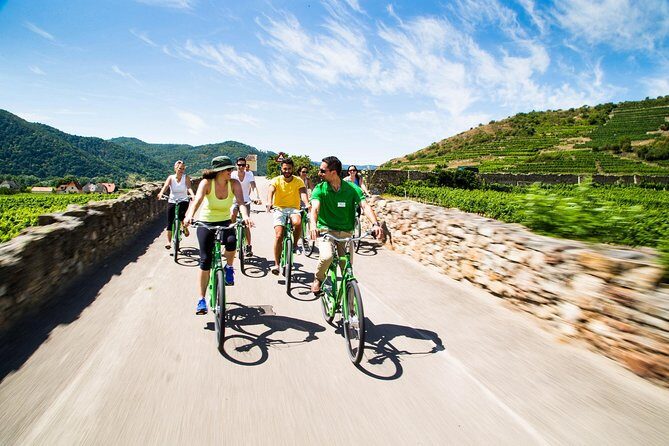 4 / 8
4 / 8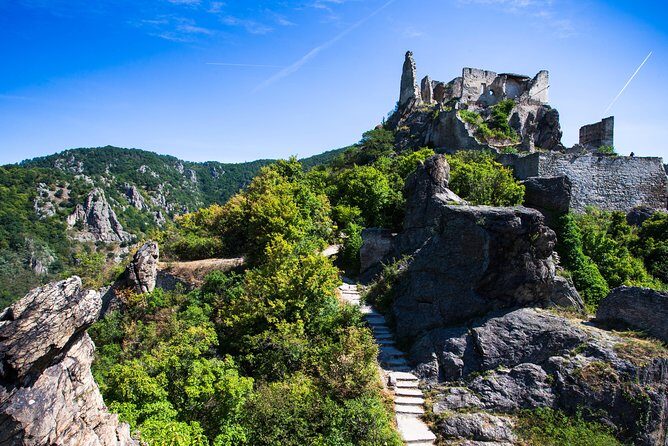 5 / 8
5 / 8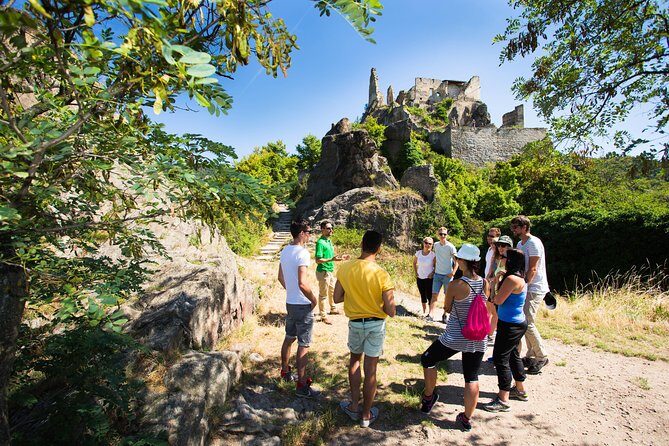 6 / 8
6 / 8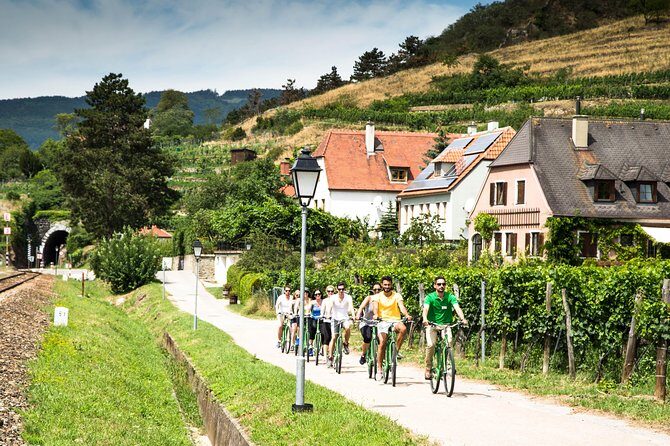 7 / 8
7 / 8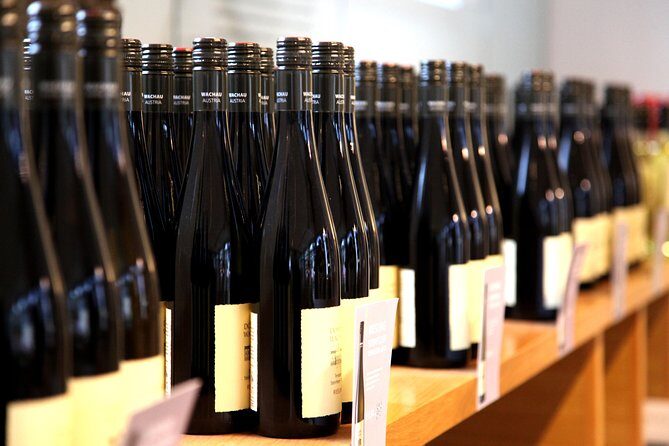 8 / 8
8 / 8The tour’s 11-hour commitment starts early—you’ll meet your guide at 8:30 AM at the Vienna Explorer office on Franz-Josefs-Kai, right in the heart of Vienna’s first district. The logistics here are actually well-designed: rather than fighting morning traffic in a bus, you’ll take the metro to a train station and board a train headed for the Wachau Valley, the UNESCO-listed wine region that has been producing wine since medieval times.
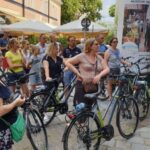
The train ride itself gives you a transition into the countryside. You’re not simply being transported; you’re getting your first glimpse of the landscape you’ll be exploring. When you arrive in Krems an der Donau, a small village with centuries of winemaking tradition, you’ll collect your bikes and receive a safety briefing. This isn’t a throwaway moment—reviewers consistently mentioned the bikes were in great condition, which matters when you’re spending hours in the saddle.
The cycling itself covers roughly 25 kilometers (15 miles) over the course of the day, but here’s what’s important about that distance: it’s designed for people with moderate fitness levels, not competitive cyclists. The routes consist primarily of dedicated cycle paths and quiet roads, which means you’re not battling traffic or worrying about your safety on busy streets. You’re genuinely pedaling through vineyards and villages.
The Wachau Valley Itself: What You’re Actually Seeing
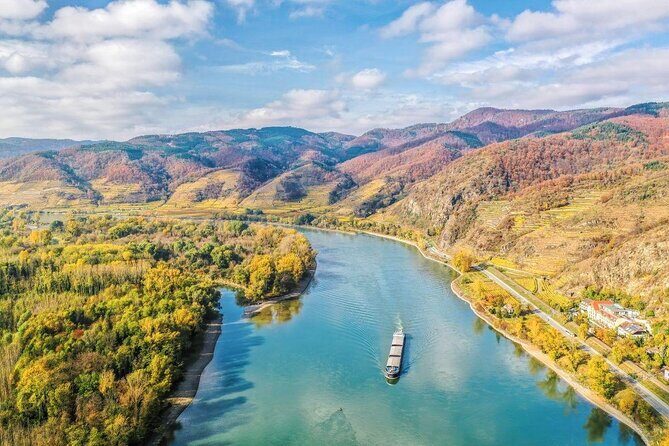
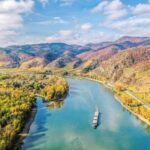
The Wachau Valley isn’t famous just because wine gets made there. The landscape itself is the star—terraced vineyards cascade down to the Danube River, creating a visual rhythm that changes with the seasons. If you go in fall, as one reviewer did in late October, you’re looking at “the most incredible fall colors.” The valley floor is dotted with villages that look like they’ve been plucked from Austrian tourism posters, but they’re genuinely functioning communities, not theme parks.
You’ll cycle beside the Danube for portions of the route, and this river context matters. The Danube isn’t just scenery—it’s the reason this valley became a wine region in the first place. Medieval monasteries planted vineyards here because the river’s reflection amplified the sun’s warmth onto the grapes. When you’re pedaling along those riverside paths, you’re literally following the same routes that connected these communities for centuries.
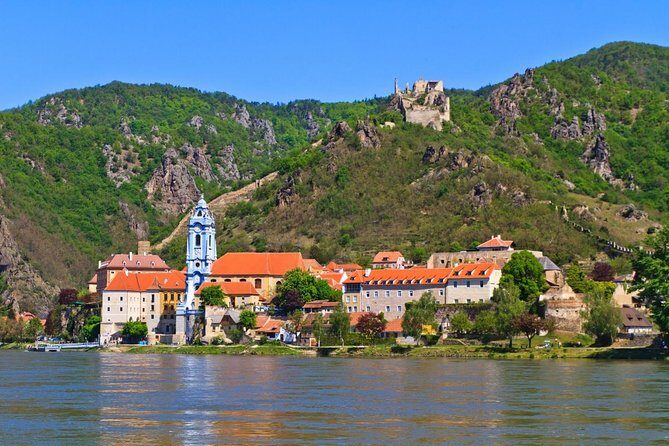
The towns you’ll pass through—particularly Dürnstein with its iconic blue tower belonging to Stift Dürnstein Abbey—are substantial enough to feel real but small enough that you can actually talk to locals. One reviewer described the villages as having “colorful houses, cozy wine taverns, and historic monuments,” and that casual observation captures something real: these aren’t museum pieces. They’re places where people actually live and work.
You can also read our reviews of more food & drink experiences in Vienna

The Winery Experiences: What Makes the Tastings Matter
You’ll stop at two wineries during the tour, and here’s where the guide expertise becomes genuinely valuable. Rather than simply pouring wine and letting you figure it out, you’ll have someone who can actually explain what you’re tasting—the characteristics of the wine, why the vineyard’s location matters, what makes Austrian wine production distinctive. A reviewer noted that their guide “details the nuances of each wine,” which might sound like marketing language until you realize how different wine tastes when someone who understands it is explaining what you’re experiencing.
The wineries themselves vary—sometimes they’re small, family-run operations, other times they’re slightly larger producers. One traveler visited a guide’s personal friend’s winery and described it as “magical.” That flexibility is actually a feature, not a bug. Your guide books wineries on the morning of the tour based on what’s open and what matches your group’s energy level. This means you’re not locked into a predetermined experience; instead, you’re getting something tailored to the actual conditions of the day.
What won’t happen is a rushed, assembly-line tasting. You’ll have genuine time to understand what you’re drinking, and the wines themselves—Austrian white wines, particularly Grüner Veltliner and Riesling—are genuinely excellent. These aren’t mass-produced bottles. You’re tasting wine from a region that’s been producing quality wine for over a thousand years.
The Midday Stop in Dürnstein: More Than Just a Photo Opportunity
Around midway through the tour, you’ll stop in Dürnstein, and here’s where the tour’s structure becomes genuinely thoughtful. You get free time—roughly 1-2 hours—to explore on your own terms. Some people hike up to the fortress ruins (Dürnstein Fortress), where King Richard the Lionheart was once imprisoned. That’s a legitimate historical site with actual views of the valley below. Others grab lunch at a local wine tavern, swim in the Danube if they’ve brought a bathing suit, or simply wander the village’s cobblestone streets.
This isn’t guided time, which is actually the point. After a morning of cycling and guided wine education, you get agency. You can push yourself with the castle hike or relax. You can eat lunch locally (around €17 for a meal, cash only) or grab something light. Several reviewers mentioned this flexibility as a genuine highlight—the ability to customize their own experience within the tour’s structure.
The fortress hike, if you choose it, is worthwhile. You’re looking at a 12th-century structure with views that justify the climb. One traveler called the views “breathtaking,” and that’s not hyperbole when you’re standing above the Danube with vineyards spread below you.
Practical Considerations That Actually Matter
Fitness Level and Cycling Ability
The tour genuinely is accessible to people with moderate fitness levels who aren’t regular cyclists. Multiple reviewers mentioned they weren’t used to biking frequently but still had great experiences. The routes are designed to be manageable, not challenging. That said, one reviewer offered practical advice: “If u have bike shorts – wear them as the bikes are rough on the behind.” That’s real-world feedback worth taking seriously.
Weather and What to Bring
The tour operates in all weather conditions. One traveler cycled the entire route in rain and noted that the provided ponchos made it “really wasn’t a bad experience with the rain.” However, you’ll want to dress appropriately. The same reviewer mentioned wearing a full-sleeve shirt in late October and finding it sufficient, but weather varies. Bring layers, bring sun protection (several reviewers mentioned this), and bring a water bottle. These aren’t optional recommendations; they’re genuinely important.
Cash and Practicalities
Here’s something that came up in multiple reviews: carry more cash than you think you’ll need. Lunch at local restaurants is cash-only and runs around €17. Wine purchases at the wineries might be cash-only. ATMs aren’t always convenient in small villages. One reviewer specifically thanked their guide for helping navigate this, which suggests it’s worth planning for.
Group Size and Social Dynamics
With a maximum of 18 travelers, this isn’t an enormous group tour, but it’s not an intimate small-group experience either. Multiple reviewers mentioned meeting lovely fellow travelers and the guide bringing the group together. If you’re hoping for a truly private experience, this isn’t it. But if you’re open to meeting other travelers and don’t mind a moderate-sized group, the social aspect seems genuinely positive.
What the Numbers Actually Tell You
The tour has a 4.8-star rating across 829 reviews. That’s substantial data. The breakdown matters: 727 five-star reviews, 73 four-star reviews, 16 three-star reviews, and only 13 reviews with two or fewer stars. That’s roughly 88% giving it five stars. The one three-star review that mentioned being “way overpriced” is useful context—some travelers feel the value proposition doesn’t work for them, particularly if they had a less-than-stellar second winery experience. That’s fair feedback, though most reviewers felt the experience delivered excellent value.
The 97% recommendation rate from travelers is another data point worth noting. That’s exceptionally high and suggests this tour has a clear audience that it serves extremely well.
You can also read our reviews of more cycling tours in Vienna

The Guide Factor: Why It Matters More Than You’d Think
Almost every positive review mentioned the guide by name and described them in personal terms. Guides like Szana, Tim, Nicolas, and Felipe appear repeatedly in reviews, described as “knowledgeable,” “fun,” “friendly,” “energetic,” and “thoughtful.” One traveler said their guide was “like hanging out with a friend.” Another mentioned their guide was “charming, friendly and accommodating.”
This isn’t coincidence. The quality of your guide genuinely determines whether this tour feels like a chore or a highlight. The Vienna Explorer team seems to understand this—they respond to reviews, acknowledge guide names, and clearly care about the experience. If you get matched with an experienced, personable guide, this tour becomes significantly better. The company can’t guarantee specific guides, but the consistency of positive mentions across reviews suggests they’ve built a strong team.
Is This Tour Actually Worth $163?
Let’s break down what you’re getting: professional bike rental (quality bikes that reviewers specifically praised), two winery tastings with expert commentary, train transportation both directions, a professional guide, helmet and rain poncho, and roughly 11 hours of guided experience in one of Europe’s most beautiful wine regions. You’re not paying for lunch or any wine purchases, but those are genuinely optional extras.
For context, bike rentals in Vienna run €10-15 per day. Train tickets to the Wachau Valley and back are roughly €10-15 round trip. Winery tastings with commentary typically run €15-20 per person at each location. A professional guide for an 11-hour day would typically cost significantly more if booked independently. When you add it all up, the pricing is genuinely reasonable for what you’re getting.
One reviewer noted “good value if you like biking in gorgeous nature, stopping in beautiful cobbled stone towns and awesome wine tasting, history with cool people.” That’s the key qualifier: this is excellent value if it matches what you actually want to do. If you’re looking for a different type of experience, no price point will make it right for you.
The Cancellation Policy: Peace of Mind
You can cancel up to 24 hours in advance for a full refund. This is genuinely helpful if your plans change or if weather looks genuinely dangerous (though remember, the tour operates in rain). The 24-hour window is standard for tours like this and gives you reasonable flexibility without creating loopholes for casual cancellations.
Final Verdict: Who Should Actually Book This
This tour is genuinely excellent for: travelers who want to escape Vienna’s palace-and-concert-hall routine; people with moderate fitness who enjoy cycling but aren’t training for races; wine enthusiasts who want to learn something real about Austrian wine; travelers seeking authentic village experiences rather than touristy performances; groups of friends or families looking for an active, engaging day together.
This tour is less ideal for: people uncomfortable on bikes; travelers needing extensive accessibility accommodations; those seeking a completely private, customized experience; people who need lunch included; travelers on extremely tight budgets who can’t accommodate the lunch and wine purchase costs.
The bottom line: We genuinely believe this is one of those tours that delivers what it promises and then adds genuine value through guides, beautiful scenery, and thoughtful structure. The 829 reviews with an 88% five-star rating aren’t anomalies—they reflect a tour that consistently performs well. If you’re in Vienna for more than a few days and want to understand what makes the Austrian countryside special, this tour offers an honest, engaging, and genuinely memorable way to do it. You’ll return to Vienna with sore legs, maybe a slight wine buzz, and actual knowledge about one of Europe’s great wine regions.
Wachau Valley Wine Tasting Bike Tour from Vienna
Frequently Asked Questions
How physically demanding is the cycling?
The tour is designed for people with moderate fitness levels. You’ll cycle roughly 25 kilometers (15 miles) total, primarily on dedicated cycle paths and quiet roads rather than challenging terrain. Multiple reviewers who described themselves as infrequent cyclists still had great experiences. The pace is manageable, not competitive.
What happens if it rains on the day of my tour?
The tour operates in all weather conditions. You’ll receive a rain poncho along with your helmet, and one reviewer who cycled in rain the entire day noted it “really wasn’t a bad experience.” However, you should dress appropriately and come mentally prepared for wet conditions. The experience is still enjoyable, just different.
Is lunch included in the tour price?
No, lunch is not included. You’ll have roughly 1-2 hours of free time in Dürnstein to find your own meal. Local wine taverns offer meals for around €17, and they provide vegetarian options. Importantly, these establishments are cash-only, so bring sufficient cash for lunch and any wine purchases you might want to make.
How many people are typically on this tour?
The maximum group size is 18 travelers. This means it’s small enough to be personal but large enough to create a social atmosphere. Multiple reviewers mentioned meeting lovely fellow travelers and enjoying the group dynamic.
What’s included in the tour price of $163?
The price includes: professional bike rental, two winery tastings with expert commentary, train transportation to and from the Wachau Valley, a professional guide, helmet, and rain poncho. It does not include lunch, wine purchases, or upgrades to electric bikes (though some reviewers mentioned the option to upgrade).
Do I need to be an experienced cyclist to enjoy this tour?
No. The routes consist primarily of cycle paths and quiet roads designed for casual cyclists. The tour specifically accommodates people with moderate fitness levels. Several reviewers mentioned they weren’t regular cyclists but still had excellent experiences.
What should I bring on this tour?
Bring layers of clothing (weather varies), sun protection, a water bottle, a bathing suit if you want to swim in the Danube, and more cash than you think you’ll need (for lunch and potential wine purchases). Bike shorts are recommended for comfort during the cycling portions.
Are the bikes in good condition?
Yes. Multiple reviewers specifically praised the quality of the bikes, describing them as “in great condition” and “perfect for the trip.” This is one of the consistently mentioned positive aspects of the tour.
Can I upgrade to an electric bike?
Some reviewers mentioned the option to upgrade to an e-bike, though the tour description states that electric bikes are not provided. Contact Vienna Explorer directly about potential e-bike availability and any additional costs.
What if I need to cancel or reschedule?
You can cancel up to 24 hours in advance for a full refund. Changes made less than 24 hours before the tour won’t be accepted. The tour requires a minimum number of travelers; if that minimum isn’t met, you’ll be offered a different date or a full refund.
How do I get to the starting point, and what time should I arrive?
The tour starts at 8:30 AM at Vienna Explorer’s office at Franz-Josefs-Kai 45 in Vienna’s first district. From there, you’ll take the metro to a train station and board a train to the Wachau Valley. The office is near public transportation, making it accessible from anywhere in Vienna. Plan to arrive a few minutes early to collect your mobile ticket and get oriented.