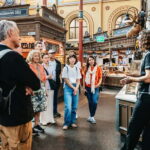

This 2-hour walking tour through Stockholm’s Old Town delivers far more historical insight and local knowledge than you’d expect for the price. You’ll hit nine significant stops across Gamla Stan, the city’s medieval heart, guided by someone who genuinely knows Swedish history and cares about bringing it to life. What makes this tour stand out is the personalized attention despite group sizes and the consistent praise from visitors about guides who balance education with humor and warmth.
I love that you’re not just ticking boxes here. The stops flow naturally through the neighborhood, and guides like Ben, Helena, and Märta have earned five-star reviews repeatedly by making Swedish history feel personal and relevant. You’ll learn why certain buildings matter, hear stories about the city’s evolution, and get genuine recommendations for restaurants and other sites worth exploring on your own time.
The main consideration is that this is an entirely outdoor experience on cobblestone streets with some hills, which matters if you have mobility concerns or chronic pain. Winter visits require serious layering and hand warmers. But for most travelers, especially those visiting Stockholm for the first time, this tour is genuinely worth your time and money.
- What You’re Actually Getting Here
- Walking Through Medieval Streets With Purpose
- Meeting Real Guides Who Know Their Subject
- The Stops That Actually Matter
- Why Small Group Size Matters Here
- The Physical Reality of This Tour
- Value That Actually Holds Up
- Who Should Book This Tour
- Booking Logistics and Cancellation
- Should You Actually Book This?
- FAQ
- Do I need to book in advance?
- What should I wear and bring?
- Is this tour suitable for children?
- Are the stops included in the price, or do I need to pay extra?
- What happens if the weather is bad?
- Can I do this tour if I have mobility issues or use a mobility aid?
- The Best Of Stockholm!
- More Walking Tours in Stockholm
- More Tours in Stockholm
- More Tour Reviews in Stockholm
What You’re Actually Getting Here
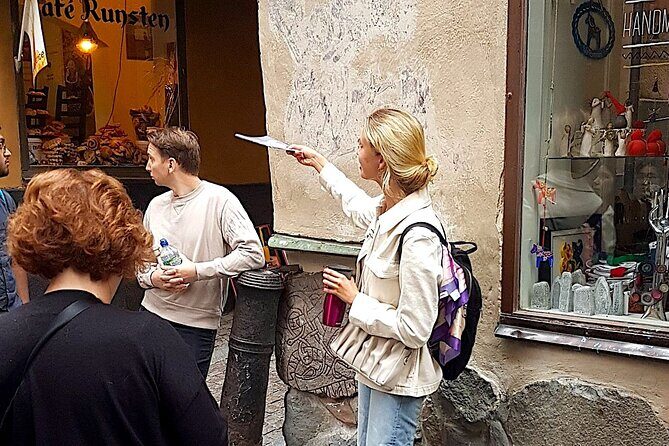
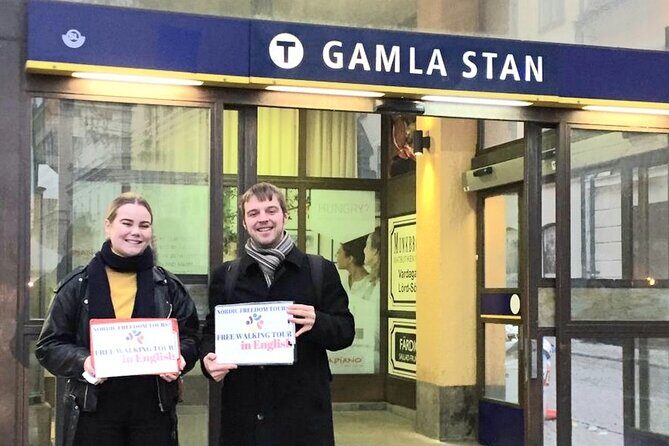
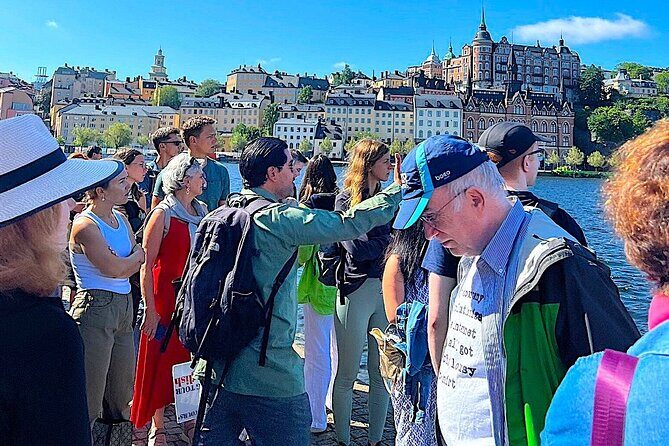
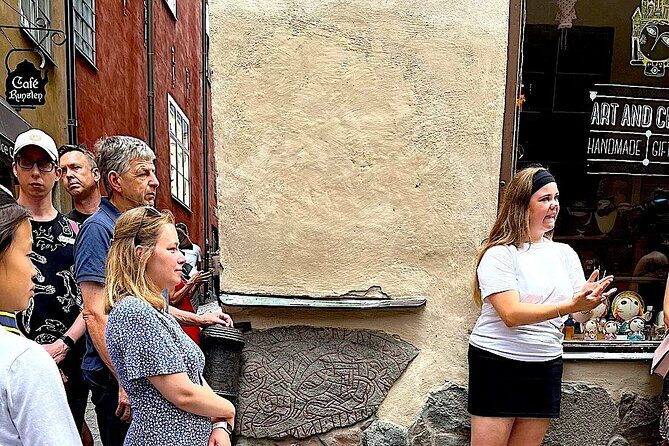
Europe’s narrowest alley right in the middle of town. Marten Trotzigs Grand is just 90 centimeters wide and dates back to the Middle Ages. It’s the kind of detail that makes you understand why medieval cities were built the way they were—cramped, defensive, practical. You’ll squeeze through it and suddenly grasp how different life was centuries ago.
The Iron Boy statue that locals still touch for luck. This tiny bronze figure, barely noticeable if you don’t know what you’re looking for, sits in Gamla Stan inviting visitors to rub its head. It’s the smallest public statue in Stockholm and somehow perfectly captures the character of this neighborhood—quirky, accessible, and meaningful to people who live here.
Royal history told through architecture and burial sites. Riddarholm Church serves as the final resting place for Swedish monarchs and represents the medieval religious architecture that shaped the city. When your guide explains who’s buried where and why it matters, these buildings stop being just pretty facades and become actual chapters in the story of a nation.
The Nobel Museum’s location in an 18th-century building. You’ll learn about Alfred Nobel’s legacy and the prize winners who changed the world, all while standing in a building that’s seen centuries of Stockholm’s transformation. The guides often tie this to broader Swedish contributions to science and peace.

👉 See our pick of the We Rank Stockholm’s 8 Top Sailing Experiences
Walking Through Medieval Streets With Purpose
You’ll start at Mälartorget and end near the Royal Palace, which means the route has a logical geography rather than feeling random. The tour covers roughly two hours of walking, which sounds manageable until you realize you’re on uneven cobblestones the entire time. This isn’t a stroll through a modern park—you’re navigating actual medieval street layouts.
Prästgatan is where the charm becomes obvious. This narrow cobblestone street is lined with colorful historical buildings, small shops, and cafes that feel genuinely used by locals rather than purely tourist-focused. Your guide will point out architectural details and explain how the street has functioned for hundreds of years. You’ll understand why this neighborhood draws both visitors and residents.
Stortorget, the historic square dating back to the 13th century, serves as a gathering point where you can see the full picture of how medieval Stockholm looked. The colorful buildings surrounding the square create an Instagram moment, but your guide will explain the actual history—the fires, the political changes, the way a city’s heart beats through its central plaza.
You can also read our reviews of more walking tours in Stockholm

Meeting Real Guides Who Know Their Subject
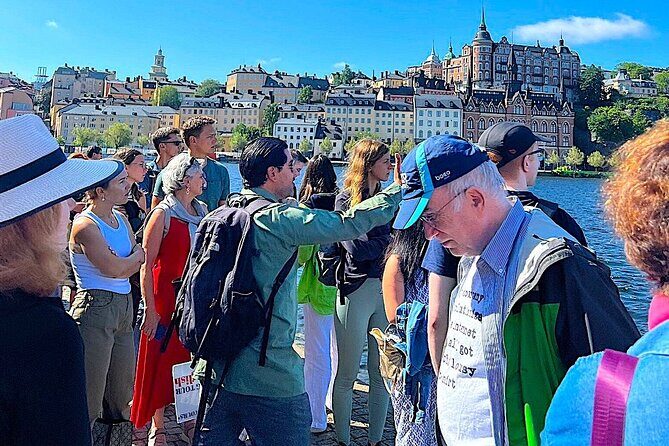
The guide situation here is genuinely impressive. Names like Ben, Helena, Märta, and Josephine appear repeatedly in reviews, praised for combining knowledge with personality. These aren’t people reading from scripts—they’re locals or long-term residents who’ve studied Swedish history and actually enjoy sharing it.
Ben gets mentioned for his clear British English and ability to manage groups of 20+ people without losing anyone’s attention. Helena brought enough warmth and humor to keep a group engaged on a cold February day. Märta provided so much value that visitors specifically recommended asking for her by name and suggested tipping well despite it not being required.
What strikes me about the review feedback is how often guides went beyond the basic tour. They answered questions willingly, offered restaurant recommendations for dinner that night, and suggested other sites like Monteliusvägen worth exploring on your own. This is the difference between a tour operator checking boxes and someone who actually cares about your Stockholm experience.
The Stops That Actually Matter
Järnpojken (the Iron Boy) takes about 15 minutes and honestly doesn’t need much explanation—it’s small, it’s charming, you rub its head for luck, you move on. But the guide’s context about why locals care about a tiny statue tells you something about Swedish culture.
Riddarholm Church deserves the 15 minutes allocated. This is where Swedish kings rest, and understanding the church’s role in the country’s political and religious history gives weight to what you’re looking at. It’s not just an old building—it’s a statement about power and continuity.
Marten Trotzigs Grand, at just 90 centimeters wide, is the kind of place that makes you understand medieval city planning. You’ll actually walk through it, and the physical experience of squeezing through Europe’s narrowest alley beats any photograph. It takes about 10 minutes, but the memory lasts longer.
Storkyrkan (St. Nicholas Cathedral) is Stockholm’s oldest church, originally built in the 13th century. It blends Gothic and Baroque styles, and your guide will explain how it survived fires and changed hands during religious upheavals. This isn’t just architecture—it’s a timeline of Swedish history in stone.
The Nobel Museum location near Stortorget connects you to global history. The building itself dates to the 18th century, so you’re standing in a space that’s watched the world change while housing information about the people changing it. Even if you don’t go inside (the tour doesn’t include entry), knowing what’s there adds context.
Storkyrkan and Stortorget together create a complete picture of medieval Stockholm’s center. The square’s colorful buildings and the cathedral’s architectural presence show you where power and community gathered centuries ago.
Why Small Group Size Matters Here
The tour caps at 25 people maximum, but reviews mention groups ranging from 2 to 27. The guides manage this well enough that even someone with mobility challenges could keep pace. One reviewer with “old knees” stayed with the group comfortably because the guide paced it appropriately and was easy to hear.
That said, if you’re hoping for an intimate experience, you might want to book on a weekday rather than a weekend. The tour was booked an average of 16 days in advance, meaning you have time to plan. Smaller groups often run on slower days.
The Physical Reality of This Tour
You’re walking on cobblestones and uneven medieval streets for two hours straight. This isn’t a leisurely stroll with lots of sitting. The Finnish Church and other stops involve brief pauses, but there’s minimal seating throughout Gamla Stan. If you have chronic pain or serious mobility limitations, you should know this upfront.
Winter adds another layer of challenge. Multiple reviewers mentioned bringing hand warmers and layering heavily. Stockholm in winter is cold, and you’re outdoors the entire time. It’s doable—guides have kept groups warm and engaged even in February—but it requires preparation.
The neighborhood is hilly in spots and sits beside water, which means wind can be significant. Dress in layers you can remove rather than one heavy coat, and bring something windproof.



Value That Actually Holds Up
At $13.30 per person, this is genuinely one of the cheapest ways to get oriented to Stockholm. You’re paying less than a decent coffee for two hours of expert guidance through the city’s most historically significant neighborhood.
The comparison point matters here. A private guide would cost several times this amount. A bus tour wouldn’t give you the street-level understanding. Doing it on your own with a guidebook misses the stories and context that make history stick.
One reviewer specifically noted this was “really good value, a lot of information and low cost” and mentioned tipping even though it’s not required. That’s the kind of feedback that suggests guides are genuinely going above and beyond.
Who Should Book This Tour
If you’re visiting Stockholm for the first time, this tour at the beginning of your stay makes sense. You’ll get oriented, understand what matters historically, and have recommendations for where to spend your remaining time. Several reviewers mentioned this exact approach worked perfectly.
Families with kids in their teens or older will find the history engaging, especially if your children are studying European history. The guides make it conversational rather than lecture-y.
Solo travelers appreciate the social aspect—you’re not alone, but you’re not locked into a rigid group dynamic either. Couples benefit from the expertise without the cost of private guiding.
If you have significant mobility challenges, serious knee problems, or require accessible facilities, you should reconsider. This tour doesn’t accommodate wheelchairs or mobility aids well, and there’s genuinely nowhere to sit if you need frequent breaks.
Booking Logistics and Cancellation
You’ll need to arrive at Mälartorget 4 at the start time. The tour ends near the Royal Palace, which is walking distance from where you started. Public transportation is nearby if you need it, and the area is easy to navigate.
You can cancel free up to 24 hours before the tour. If weather is genuinely bad, they’ll offer a different date or refund. If they can’t get a minimum group size, same deal.
A mobile ticket means you’ll show your phone at the start—no printing required. Confirmation comes immediately after booking.
Should You Actually Book This?
Yes, if you’re visiting Stockholm and want to understand the Old Town’s actual history rather than just snapping photos. The combination of guides, reasonable price, and thoughtful itinerary makes this a solid use of two hours.
Book it early in your trip so you can follow up on the recommendations your guide will definitely give you. Dress warmly, wear comfortable shoes, and manage expectations about cobblestones and hills. Tip your guide if the experience genuinely added value—the reviews suggest they typically deserve it.
Skip it only if you have mobility limitations that make two hours of outdoor walking problematic, or if you prefer exploring at your own pace without a group. For everyone else, this is the kind of tour that justifies its low price through genuine expertise and care.
Walking Tour of Stockholm’s Old Town, Gamla Stan
FAQ
Do I need to book in advance?
The tour is booked about 16 days ahead on average, so you have flexibility. However, booking a few days early ensures you get your preferred date and time. You can cancel free up to 24 hours before if plans change.
What should I wear and bring?
Wear comfortable walking shoes designed for uneven cobblestones, not sneakers. Dress in layers since you’re outdoors for two hours in a neighborhood beside water where wind is common. In winter, bring hand warmers and serious insulation. A small backpack is fine, but you’ll be walking the whole time, so travel light.
Is this tour suitable for children?
Children around age 10 and older typically enjoy the history and stories, especially if they’re studying European history. Younger children might struggle with the pace and length. Families with older kids find it works well, but consider your child’s attention span and walking ability.
Are the stops included in the price, or do I need to pay extra?
All the stops on the itinerary are free to view from outside or from the street. The tour doesn’t include paid entry to museums or churches, though you walk past them and learn about them from your guide. The Nobel Museum and churches you pass are worth exploring on your own time if interested.
What happens if the weather is bad?
The tour requires good weather. If it’s canceled due to poor conditions, you’ll be offered a different date or a full refund. Check the weather forecast for your scheduled date, but know you have options if it’s truly bad.
Can I do this tour if I have mobility issues or use a mobility aid?
The entire tour is on cobblestones and uneven medieval streets with hills and limited seating. Wheelchairs and mobility aids aren’t practical on these surfaces. If you have chronic pain or serious mobility limitations, this tour isn’t ideal. Guides do their best to accommodate, but the terrain is genuinely challenging.