When you’re planning a trip to Sarajevo, you’ll encounter plenty of tour options. But this particular experience stands apart because it combines three elements that rarely come together: expert historical knowledge, genuine personal testimony from those who lived through the conflict, and remarkable value at just $36 per person for four hours of guided exploration.
We particularly appreciate two things about this tour. First, you’re learning directly from war veterans who actually experienced the Siege of Sarajevo—not just reading from a script, but hearing firsthand accounts that bring the complexity and human dimension of the conflict into sharp focus. Second, the itinerary thoughtfully connects multiple significant sites around the city, giving you a comprehensive understanding of how the war unfolded geographically and strategically, while the War Tunnel Museum serves as the centerpiece that ties everything together.
The main consideration is that this tour covers heavy, emotionally intense subject matter. This isn’t a lighthearted sightseeing experience. Visitors consistently describe it as “moving” and “intense,” which speaks to its authenticity and impact. If you’re sensitive to discussions of conflict, civilian suffering, and war trauma, you’ll want to approach this knowing what you’re signing up for.
This tour works best for travelers who want to understand modern European history in depth, those interested in how communities rebuild after conflict, and anyone visiting Sarajevo who feels that understanding the city’s recent past is essential to appreciating its present. It’s particularly valuable for adults who remember the 1990s news coverage and want context for what they witnessed on television decades ago.
- What You’re Actually Getting: The Value Proposition
- The Itinerary Breakdown: Understanding the Journey
- The Guides: Why Personal Experience Matters
- Logistics and Practical Details
- What Reviewers Consistently Praise
- Who This Tour Is Best For
- Comparing Value and Alternatives
- FAQ: Practical Questions About This Tour
- Final Thoughts: Is This Tour Worth Your Time and Money?
- The Best Of Sarajevo!
- More Tours in Sarajevo
- More Tour Reviews in Sarajevo
What You’re Actually Getting: The Value Proposition
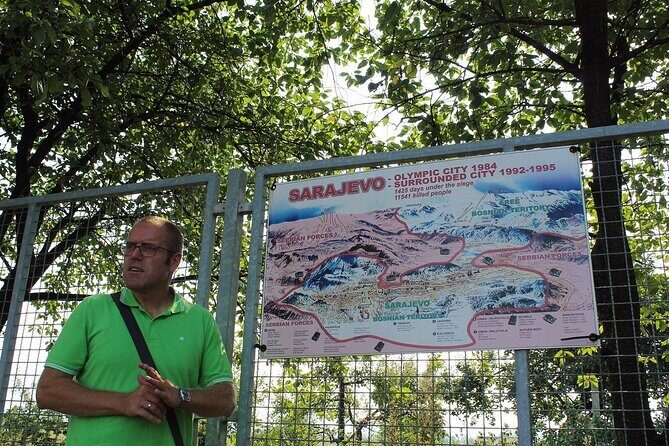
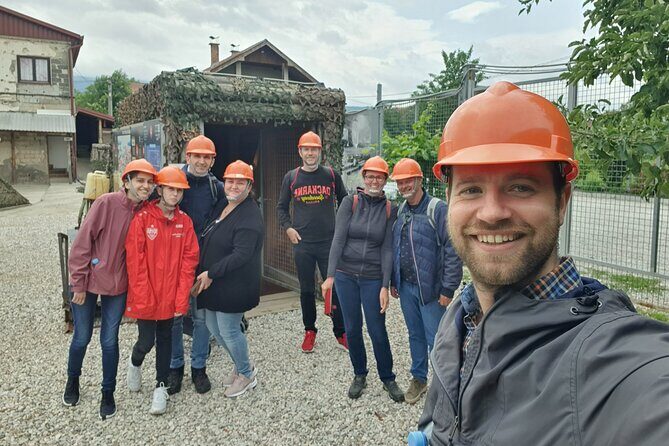
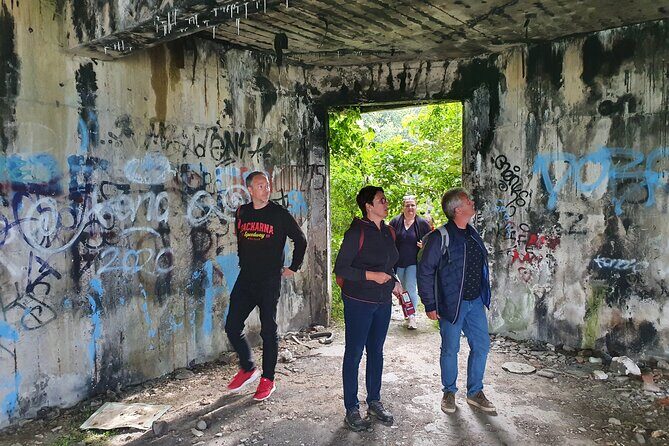
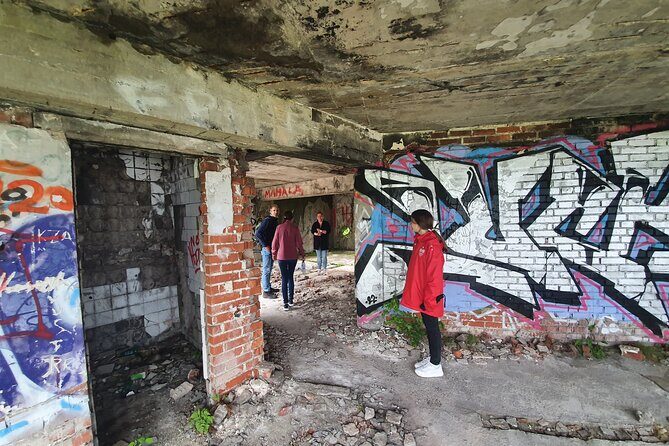
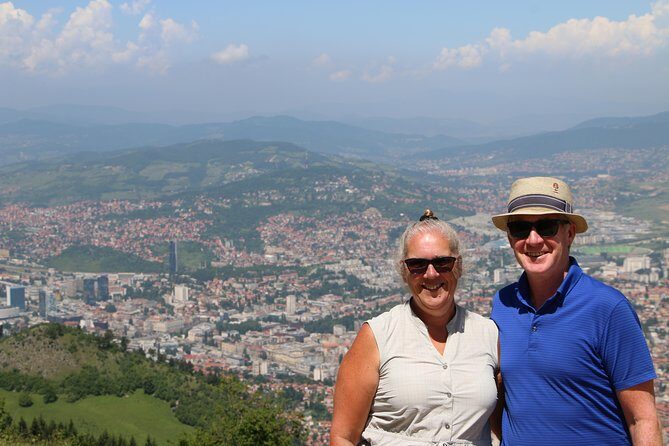
At $36 per person, this tour costs less than many single meals in European cities, yet it includes four hours of guided transportation, admission to the War Tunnel Museum (typically a separate paid attraction), and access to multiple significant historical sites. You’re not just paying for a ride and some talking points—you’re paying for the privilege of learning from someone who was actually there, defending their city.
The included air-conditioned transportation matters more than it might sound. Sarajevo’s hillside geography means many war sites are scattered across the city and surrounding mountains. Rather than navigating public transportation or paying for taxis between locations, you’re traveling in a comfortable minivan with a guide providing context for everything you see passing by the windows.
Hotel pickup is available for those staying outside the Old Town, which eliminates the logistical hassle of finding the meeting point if you’re unfamiliar with the city. This small detail removes friction from your day and means you can relax rather than stress about directions.

👉 See our pick of the Sarajevo’s 3 Top Wine Tours (With Prices)
The Itinerary Breakdown: Understanding the Journey
The Meeting Point and Introduction
Your tour begins at the Info Bosnia Tourist Information Center on Ferhadija, the main pedestrian street in Sarajevo’s Old Town. This location is intentional—it puts you right in the heart of the city where you’ll immediately understand Sarajevo’s layout and urban character. The guide will introduce themselves and explain what you’ll be seeing, setting expectations for the emotional weight of the experience ahead.
The Drive Through War Sites (25-30 minutes)
Before reaching the War Tunnel Museum, you’ll spend roughly half an hour driving through Sarajevo while your guide points out buildings and locations that were significant during the siege. This isn’t random sightseeing—your guide will show you specific sites that appear in the museum’s documentary film, so when you watch that presentation later, you’ll already have visual references and context.
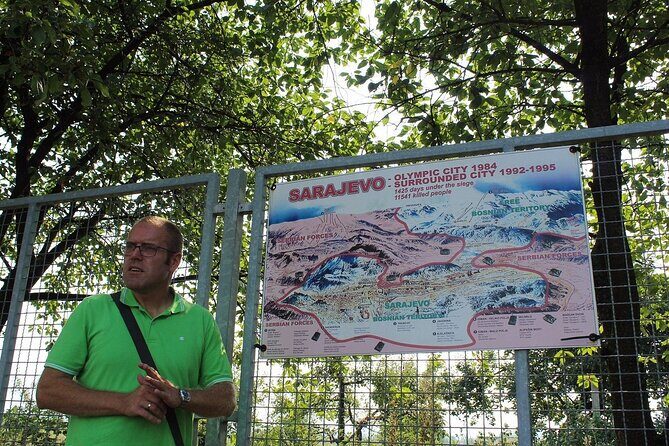
You’ll pass Sniper Alley, the infamous streets where civilians risked their lives crossing open ground. Your guide will explain the tactical positioning—how the surrounding mountains allowed Serbian forces to control sightlines into the city, turning an ordinary boulevard into a gauntlet. Hearing this explanation while actually standing in the geography where it happened creates understanding that no textbook can replicate.
The Markale marketplace massacres receive explanation during this segment. These were two separate bombardments targeting civilians shopping for food. Your guide will explain not just what happened, but why these events shocked the international community and affected the course of the war. You’ll see the actual location and understand how civilians navigating daily life faced sudden, random violence.
The Eternal Flame memorial will also be pointed out—a monument to both World War II and Yugoslav victims. Your guide will explain how Sarajevo’s history of conflict extends beyond the 1990s, providing historical context that helps you understand the city’s complex relationship with warfare and loss.
War Tunnel Museum (1 hour)
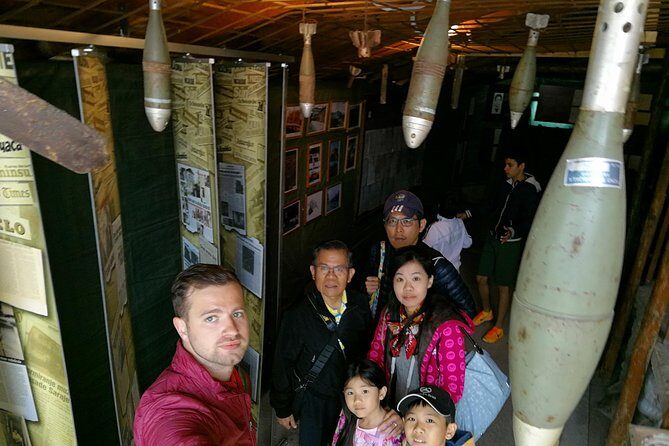
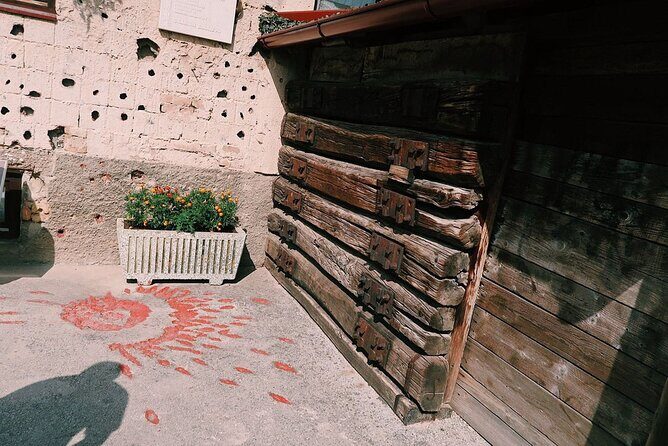
This is the centerpiece of your tour, and it deserves the full hour allocated to it. The museum begins with an explanation of the “Sarajevo Rose”—a distinctive marking at the museum’s entrance that represents something you’ll see throughout the city: the scars of shelling.
Inside, you’ll watch a short documentary film explaining the fall of Yugoslavia, the wars in Slovenia and Croatia, and how those conflicts led to the Bosnian War. Then comes the crucial part: a one-hour presentation explaining the tunnel itself. This isn’t just a structure—it’s an engineering achievement born from desperation. When Serbian forces surrounded Sarajevo, they controlled the airport, cutting off the city from outside supplies and reinforcements.
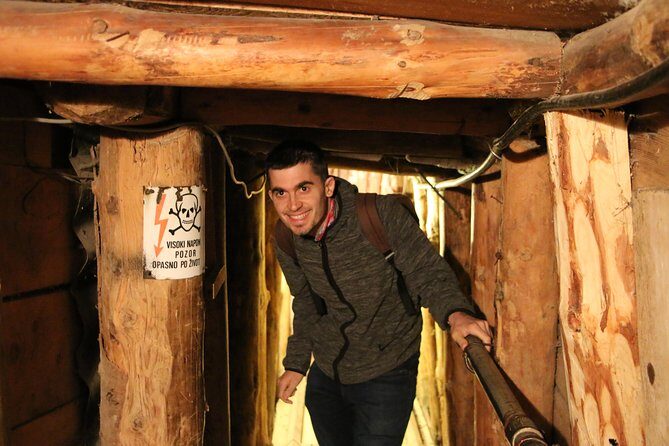
The tunnel, roughly 1,000 meters long and buried beneath the airport runway, became Sarajevo’s lifeline. It was narrow, cramped, and dangerous—shelling could collapse sections at any time. But through this tunnel came weapons, food, medicine, and people. Your guide will explain how civilians and soldiers used it, how it was constructed, and why it represented both the city’s ingenuity and the brutal circumstances that made such measures necessary.
Reviewers consistently highlight this portion as transformative. One visitor wrote: “The story at the Tunnel of Hope is something that every tourist in Sarajevo should see,” while another noted, “I learned a lot about how co-existence of different ethnic and religious groups can work towards peaceful respect for each other.” The museum doesn’t just present facts—it tells a human story about survival and resilience.
Trebević Mountain and the Olympic Sites (30 minutes)
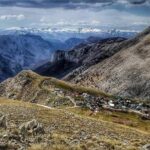
After the tunnel museum, you’ll head to Trebević, the closest mountain to Sarajevo’s center. During the siege, this mountain represented the front line—Serbian forces occupied the high ground, while Bosnian defenders held the city below. You’ll visit a restaurant on the mountain and experience panoramic views that, while beautiful, also illustrate the military reality: whoever controlled this elevation controlled who could move safely in the city below.
The mountain also hosted part of the 1984 Winter Olympics. You’ll see remnants of the bobsled and luge runs, a haunting reminder that just eight years before the war, Sarajevo was celebrating international peace and athletic achievement. The contrast between the Olympics and the subsequent siege encapsulates the tragedy of the conflict—this wasn’t an ancient, intractable dispute, but a sudden rupture in a cosmopolitan city.
Jewish Cemetery (20 minutes)
Under Trebević Mountain lies the second-largest Jewish cemetery in Europe. This stop adds another dimension to understanding Sarajevo’s diversity. The cemetery contains distinctive tombstones shaped in ways you’ll only see in Bosnia and Herzegovina, influenced by medieval Bosnian grave markers called “Stecak.”
This matters because it underscores something the tour emphasizes: Sarajevo was genuinely multicultural. Muslims, Croats, Serbs, Jews, and others lived together for centuries. The war wasn’t inevitable—it was a choice made by political leaders. Seeing the Jewish cemetery reminds you that the city’s diversity extended far beyond the Muslim-Croat-Serb triangle that dominated war narratives.
Yellow Fortress (20 minutes)
Your final stop brings you to the Yellow Fortress in the Ottoman-era Old Town. From here, you can see the Soldiers Cemetery and the burial place of Bosnia’s first president. This location ties together the tour’s themes: you’re standing in the oldest part of the city, looking at memorials to recent conflict, understanding how Sarajevo’s ancient character persists alongside its modern trauma.
You can also read our reviews of more tours and experiences in Sarajevo.
- Fall of Yugoslavia, Sarajevo War Tour with Tunnel of Hope Museum and Frontlines
★ 5.0 · 1,314 reviews

The Guides: Why Personal Experience Matters
The reviews mention guides by name repeatedly—Adis, Ibrahim, Enes, Adnan, Asim, Haris, Enis—and nearly every reviewer emphasizes the same quality: these guides lived through the war. One visitor described their guide as “a Bosnian war vet” who “gave us very personal details about his time during the war.” Another noted that their guide “was in high school when he became part of the Bosnian forces defending Sarajevo.”
This isn’t marketing language. These are actual people who, as teenagers or young adults, found themselves defending their city. One guide, according to reviews, had additional expertise in de-mining operations—the dangerous work of clearing unexploded ordnance from the countryside after the war ended. Another guide pointed out the specific hotel where international television reporters stayed during the siege, demonstrating the kind of granular local knowledge that makes history tangible.
What consistently emerges from reviews is that these guides balance knowledge with humanity. One traveler wrote: “His stories were compelling and made this tour very memorable…really enhanced by a veteran explaining the small details associated with them.” Another noted: “He was very patient with all our questions.” A solo traveler mentioned their guide “was absolutely fantastic and it was one of the best tours I’ve ever had,” despite being the only person on the tour—suggesting the guides maintain enthusiasm regardless of group size.
The guides also manage the emotional weight skillfully. Multiple reviews mention that guides included humor alongside the serious content, and several emphasize that guides were “down to earth” and “friendly.” One reviewer appreciated that the guide “was able to answer every question and joke about everything.” This balance prevents the tour from becoming unbearably heavy while maintaining respect for the subject matter.
Logistics and Practical Details
Transportation and Group Size
You’ll travel in an air-conditioned minivan that typically carries around 8 people, though the tour accommodates a maximum of 20 travelers. This smaller group size means you’re not herded through sites like on a large coach tour. You can actually hear your guide, ask questions, and experience some intimacy with the material.
The air-conditioning matters more than it sounds. Sarajevo can be hot, and you’re spending four hours traveling between multiple outdoor stops. Comfortable transportation lets you focus on learning rather than being distracted by heat or discomfort.
Timing and Pacing
The tour is approximately four hours total, which gives you enough time to actually absorb information rather than rushing through a checklist. One reviewer specifically praised the pacing: “It’s a destination packed tour but we were never hurried up, it’s like touring around with your bestfriend.” Another noted: “we got to explore every destination in a chill way.”
This matters because war history isn’t something you skim. The four-hour duration allows your guide to provide context, answer questions, and let information settle in.
What’s Included and What Isn’t
Admission to the War Tunnel Museum is included in the tour price, which is significant because museum admission isn’t cheap. Your guide, transportation, and hotel pickup (if needed) are all covered. You’ll need to budget separately for food and beverages, and note that hotel drop-off isn’t included—though your guide will return you to the meeting point.
Cancellation Policy
You can cancel free of charge up to 24 hours before the tour starts. This flexibility is valuable if your plans change, though the tour requires a minimum number of participants. If the minimum isn’t met, you’ll be offered an alternative date or a full refund.
What Reviewers Consistently Praise
Beyond the guides themselves, certain themes emerge repeatedly across the 551 reviews. Value for money appears constantly—one reviewer titled their review “Excellent value for money !!” and another called it “Fantastic and very informative trip – well worth it.”
The emotional impact is another consistent theme. Reviewers describe the tour as “moving,” “intense,” and “a can’t-miss tour.” One traveler wrote: “It’s horrendous how Bosnia suffered, and how Sarajevo was destroyed, and I definitely felt a sorrow energy, but it’s good that the locals are thriving and seeing a brighter future.” This suggests the tour doesn’t leave you in despair but rather in appreciation for Sarajevo’s resilience.
The knowledge and approachability of guides appears in nearly every review. Phrases like “very knowledgeable,” “extremely knowledgeable,” “full of information,” and “expert” describe the guides repeatedly. Yet they’re simultaneously described as “friendly,” “personable,” “down to earth,” and “engaging”—not aloof experts, but accessible teachers.
Finally, reviewers appreciate learning details they couldn’t find elsewhere. One visitor noted: “I got to see a lot of the area, as well as learning so much about the history and other small details that you wouldn’t find on the internet.” Another wrote: “The guide brought to life what it was like to live and fight in the war,” suggesting that the personal narrative dimension adds something no guidebook can provide.
Who This Tour Is Best For
This experience serves several traveler profiles particularly well. If you’re interested in 20th-century European history and want to understand how Yugoslavia’s collapse affected ordinary people, this tour provides essential context. If you’ve taught or studied the Bosnian War in an academic setting, visiting with someone who lived through it transforms abstract historical events into human reality.
Travelers who remember watching the war on news coverage in the 1990s often find this tour especially meaningful—it answers questions you had then but couldn’t fully understand. One reviewer noted: “We’re old enough to remember watching the war on TV news, and Adis pointed out the hotel where the TV reporters stayed.”
The tour also appeals to anyone interested in how cities rebuild after conflict. Sarajevo today is vibrant, cosmopolitan, and forward-looking. Understanding what it endured adds layers of appreciation for its present character.
This isn’t the right choice if you prefer lighthearted sightseeing or if discussing war, civilian casualties, and trauma would be emotionally overwhelming. It’s also not ideal if you’re interested in Sarajevo’s Ottoman architecture or medieval history as primary focuses—while those elements appear, the tour’s emphasis is clearly on recent conflict and recovery.
- Fall of Yugoslavia, Sarajevo War Tour with Tunnel of Hope Museum and Frontlines
★ 5.0 · 1,314 reviews
Comparing Value and Alternatives
At $36, this tour costs less than a decent dinner in most European cities. You’re getting four hours of expert guidance, transportation, and museum admission. If you attempted to do this independently—paying for a taxi between sites, buying individual museum admission, and lacking expert interpretation—you’d spend considerably more and learn significantly less.
Other Sarajevo tours exist, certainly. But the distinguishing factor here is the war veteran guides. You can take walking tours of the Old Town, day trips to Mostar, or visits to other historical sites. This tour’s specific value comes from learning directly from someone who was there, who can explain not just what happened but what it felt like, what decisions people made, and how communities are healing.
FAQ: Practical Questions About This Tour
Q: Do I need to be in good physical condition to do this tour?
A: The tour requires moderate physical fitness. You’ll be walking around outdoor sites and climbing slightly to reach viewpoints on Trebević Mountain, but you’re not doing serious hiking. Most travelers of average fitness can manage it comfortably.
Q: How old do children need to be to join?
A: Children are welcome, but they must be accompanied by an adult. Given the subject matter involves discussion of war and civilian casualties, you’ll want to consider whether your specific child is mature enough to process this content meaningfully.
Q: What language is the tour offered in?
A: The tour is offered in English. Your guide will be a native Bosnian speaker who speaks fluent English, so communication isn’t an issue.
Q: Will I have time to eat during the tour?
A: The itinerary doesn’t include a dedicated meal break, though you’ll have time to grab food or beverages if needed. Food and drinks aren’t included in the tour price, so budget separately if you want to eat during the four hours.
Q: Is the War Tunnel Museum admission included in the price?
A: Yes, admission to the War Tunnel Museum is included in the $36 per person price. This is significant because museum admission alone would typically cost extra.
Q: What’s the maximum group size?
A: The tour accommodates a maximum of 20 travelers, though typical groups are smaller (around 8 people). This keeps the experience intimate and allows you to actually hear your guide and ask questions.
Q: Can I arrange hotel pickup?
A: Yes, hotel pickup is available for travelers staying outside Sarajevo’s Old Town. You should request this when booking. Note that hotel drop-off is not included—you’ll return to the meeting point.
Q: How far in advance should I book?
A: On average, this tour books about 8 days in advance, so it’s not typically fully booked far ahead. However, it’s popular enough that booking a week or more in advance is sensible to ensure availability.
Q: What happens if the tour is canceled due to low bookings?
A: If the minimum number of participants isn’t met, the tour operator will offer you an alternative date or a full refund. The tour does require a minimum number of travelers to operate.
Tunnel Museum: Bosnian & Yugoslav Wars Tour with War Veteran
Final Thoughts: Is This Tour Worth Your Time and Money?
This tour delivers exceptional value and a genuinely transformative experience. You’re spending four hours and $36 to learn recent European history from people who lived it, visiting sites that shaped a modern city’s character, and gaining understanding that no documentary or textbook can fully provide. The guides balance expertise with warmth, pacing gives you time to absorb information, and the itinerary thoughtfully connects multiple significant locations. If you’re interested in understanding modern history, appreciating Sarajevo’s resilience, or simply learning from authentic sources rather than tourist scripts, this tour belongs on your Sarajevo itinerary. The only caveat is emotional preparation—this is heavy material about real suffering—but that weight is precisely what makes it meaningful. Travelers consistently describe it as unforgettable, and the near-perfect review scores (551 reviews, nearly all five stars) reflect genuine satisfaction rather than marketing hype.
The Best Of Sarajevo!


More Tours in Sarajevo
- Fall of Yugoslavia, Sarajevo War Tour with Tunnel of Hope Museum and Frontlines
★ 5.0 · 1,314 reviews

More Tour Reviews in Sarajevo
- Fall of Yugoslavia, Sarajevo War Tour with Tunnel of Hope Museum and Frontlines
★ 5.0 · 1,314 reviews