- Exploring Berlin’s LGBTQ+ Past: A Tour You Might Not Want to Miss
- Key Points
- A Detailed Look at the Tour Experience
- Starting Point and First Impressions
- The First Stop: Karl-Heinrich-Ulrichs-Straße 1
- The Heart of Persecution: Nollendorfplatz
- Lesbian Life in 1920s Berlin
- Inspired by Christopher Isherwood
- The Pioneers of LGBTQ+ Rights: Magnus Hirschfeld
- The Legendary Eldorado and Drag Culture
- Post-War Activism & Trans Icons
- The Trans Community & Nightlife Revolution
- The AIDS Crisis and Divided Berlin
- Ending with Berlin’s Nightlife Today
- What Makes This Tour Stand Out?
- Value for the Price
- Who This Tour Is Best For
- FAQs
- Final Thoughts
- The Best Of Berlin!
- More Historical Tours in Berlin
- More Tours in Berlin
- More Tour Reviews in Berlin
- Not for you? Here's more nearby things to do in Berlin we have reviewed
Exploring Berlin’s LGBTQ+ Past: A Tour You Might Not Want to Miss
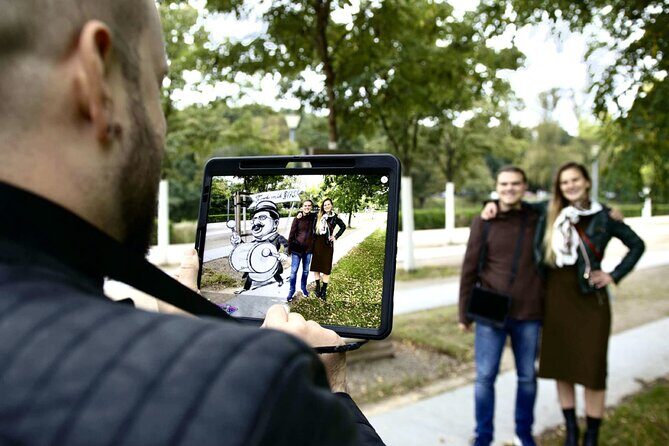
If you’re curious about Berlin’s vibrant and complex LGBTQ+ story, the Where It All Began: Berlins Queer & Trans History Tour offers a thoughtful, well-structured way to learn. This isn’t just a standard walking tour — it’s enhanced with augmented reality and led by a passionate queer activist and gender scholar, making history come alive in a way that’s both educational and deeply personal.
What really caught our eye is how this tour balances historical depth with modern insights, giving you a sense of the city’s evolution while also connecting it to today’s queer scene. We also love how intimate the experience is — capped at just 10 people, so you get plenty of space to ask questions and engage meaningfully.
Wonderful tour – fascinating, funny and really moving, with an immensely knowledgeable tour guide. A real highlight of the holiday!
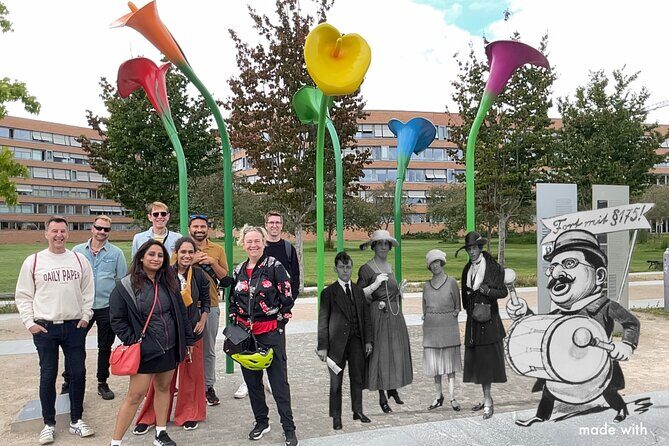
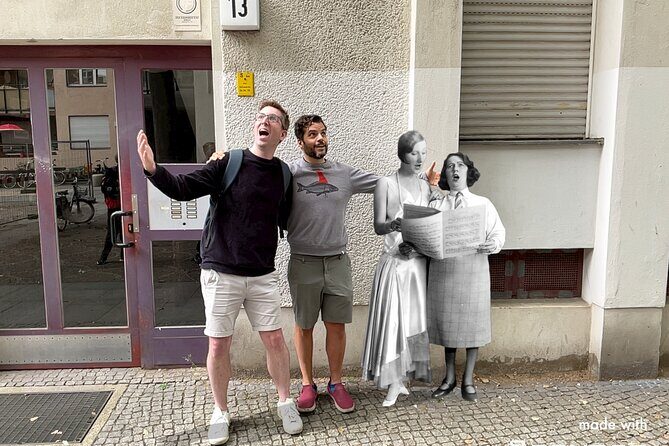
We go on lots of walking tours in different cities and covering different themes, and i can honestly say that this is one of the best i've ever been on. Jeff really knows his subject so well, and brought it to life with an engaging manner and interesting details. The photos, videos, and clever 'augmented reality' feature (where he was able to display historical photographs in the place we were now, and combine them with group photos of the tour group) were really cool, and really added to the experience. I really recommend this tour!
However, if you’re not a fan of tech or don’t want a guided experience, this might not be your ideal fit. Some travelers have noted that the detailed focus on history and activism might feel dense if you prefer lighter sightseeing.
This tour is perfect for anyone interested in LGBTQ+ history, whether you’re a history buff, queer community member, or just curious about how Berlin shaped and was shaped by its queer communities. It’s also a strong pick if you like guided tours that combine storytelling, technology, and activism.

👉 See our pick of the We Rank The 9 Best Wine Tours In Berlin
Key Points
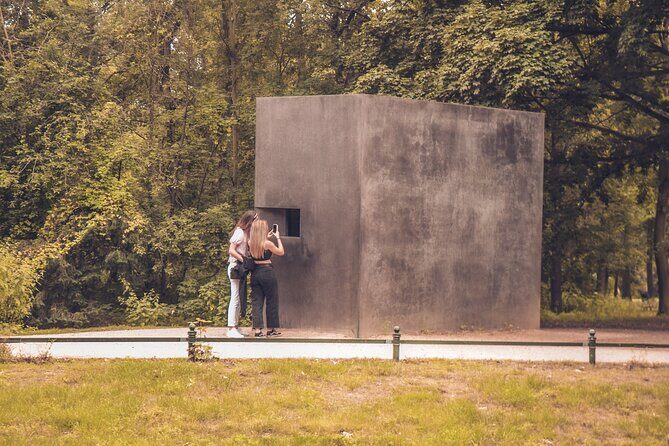
- In-depth LGBTQ+ history: Learn about key figures, movements, and events shaping Berlin’s queer community.
- Augmented reality technology: An innovative way to experience history with a provided iPad, making stories more vivid.
- Small-group experience: With only 10 participants, the tour offers a personal, engaging atmosphere.
- Knowledgeable guides: Led by a queer activist and gender scholar, the stories are authentic and well-informed.
- Rich storytelling: From early activism to nightlife, each stop has compelling stories that are often missed when exploring alone.
- Value for money: At about $81.82, it’s a well-rounded experience considering the depth of content and tech involved.
You can also read our reviews of more historical tours in Berlin


A Detailed Look at the Tour Experience
Starting Point and First Impressions
The tour kicks off at Alnatura Super Natur Markt on Else-Lasker-Schüler-Straße, a convenient location near public transit. From the outset, the small group size feels welcoming, promising an intimate dive into Berlin’s queer past. The tour lasts approximately three and a half hours — a good chunk of time to really absorb the stories without feeling rushed.
The First Stop: Karl-Heinrich-Ulrichs-Straße 1
We begin at a spot named after Karl Heinrich Ulrichs, often called the “world’s first gay rights activist.” This is a fitting start because Ulrichs’ pioneering advocacy in the late 19th century set the stage for later activism worldwide. The story feels personal and inspiring, reminding us how early queer advocates laid foundational ideas long before words like “homosexual” were even in common use.
This stop is free, and with only five minutes at this location, it’s a quick but impactful intro. We loved the way the guide connected Ulrichs’ early ideas to today’s ongoing struggles and successes.
The Heart of Persecution: Nollendorfplatz
Next, we head to Nollendorfplatz, known historically as the heart of Berlin’s LGBTQ+ life. Here, the stories really come alive — covering Adolf Brand and the complex role of openly gay Nazis like Ernst Röhm. The Nazis’ persecution, including the tragic Night of the Long Knives, is explored honestly and compassionately.
This part of the tour is about 20 minutes long and is packed with stories of resilience amid brutality. The pink triangle and its significance in Nazi concentration camps make this a deeply moving stop. Travelers often comment on how the guide’s storytelling makes this history feel immediate, not just distant.



Lesbian Life in 1920s Berlin
At Schwerinstraße 13, the tour highlights lesbian culture in the 1920s. Visiting a site once home to a renowned lesbian bar, the Toppkeller, we learn how these spaces became safe havens for queer women.
The stories of Claire Waldoff, a lesbian cabaret singer, and Josephine Baker, the bisexual performer, reveal how culture and resistance intertwined. This stop, lasting about 20 minutes, offers fascinating insights into how queer women built community through music, nightlife, and defiance.
Inspired by Christopher Isherwood
Moving on to Nollendorfstraße 17, the focus shifts to Christopher Isherwood and his writings about Berlin. His stories directly inspired Cabaret, and his relationship with Heinz Neddermeyer offers a personal lens on queer life during the Weimar Republic.
This stop, also 20 minutes long, explores how Isherwood’s experiences helped shape a cultural narrative that still resonates today. It’s a great reminder of how art and activism can go hand in hand.
The Pioneers of LGBTQ+ Rights: Magnus Hirschfeld
At Magnus-Apotheke, the story of Magnus Hirschfeld and his groundbreaking work in gender and sexual diversity is told. His Institute for Sexual Science and the first gender-affirming surgeries are particularly noteworthy.
This part of the tour — about 20 minutes — sheds light on early efforts to advocate for queer rights and the tragic loss when the Nazis destroyed Hirschfeld’s institute. It’s eye-opening to see how these early pioneers laid groundwork that still influences activism today.
The Legendary Eldorado and Drag Culture
Visiting the site of Eldorado at Denns BioMarkt, the tour explores Berlin’s famous drag scene of the 1920s. The paradox of Nazis like Röhm frequenting the club while also persecuting queer folks adds a layer of complexity.
This stop feels like a cultural bridge — showing how nightlife, gender expression, and queer activism were intertwined. It’s a lively segment that takes around 20 minutes.
Post-War Activism & Trans Icons
At Prinz Eisenherz, the focus is on post-WWII queer activism and figures like Charlotte von Mahlsdorf, a trans woman who helped preserve Berlin’s queer history. The story of SchwuZ, a prominent queer club, and Homosexuelle Aktion West-Berlin illustrates how the community rebuilt itself after devastation.
This 15-minute segment emphasizes resilience and community-building amid adversity.
The Trans Community & Nightlife Revolution
Next, at Chez Romy Haag (or a similar site), the tour highlights West Berlin’s vibrant trans scene of the 1970s and 80s. The legendary nightclub created space for gender-diverse people, influencing Berlin’s lively queer nightlife today.
This short, 15-minute stop captures how nightlife has historically been a form of activism and self-expression, setting the stage for today’s scenes like Berghain.
The AIDS Crisis and Divided Berlin
At Internationale Stele GEGEN DAS VERGESSEN, the tour discusses how Berlin’s queer community faced the AIDS crisis amidst a city divided by the Wall. The stories of activism, including figures like Rita Süssmuth, highlight resilience in the face of tragedy.
This 20-minute segment underscores the community’s strength and the importance of awareness and activism.
Ending with Berlin’s Nightlife Today
Finally, at Metropol, the tour explores the evolution of queer nightlife, Pride events, and ongoing struggles like gentrification. The legendary club’s history and its connection to today’s Berghain demonstrate the city’s ongoing commitment to queer culture.
This short 15-minute stop wraps up the experience on a lively note, blending history with contemporary activism.
What Makes This Tour Stand Out?
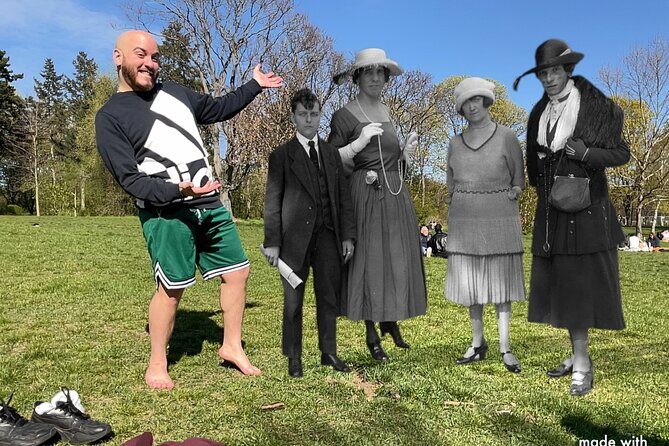
The augmented reality aspect truly sets this tour apart. The iPad provided allows the stories to come to life with rare photos, videos, and archival materials—sometimes even fun, personalized photos with AR elements. It’s a clever way to make history more engaging, especially for those who prefer visual storytelling or tech-driven experiences.
The small group size (max 10 people) means you’re less likely to feel like just another face in the crowd. This setup promotes more interaction with the guide, who is not only knowledgeable but clearly passionate about the subjects they cover.
The expert guide’s background as a queer activist and gender scholar lends credibility and authenticity. Multiple reviews praise this aspect, with one calling the guide “immensely knowledgeable” and another saying it was “fascinating, funny, and really moving.”
Value for the Price
At around $81.82 per person, the tour isn’t the cheapest option but offers a comprehensive, multi-layered experience combining history, tech, and storytelling. Given the depth and quality of content, many find it worthwhile. The inclusion of small-group dynamics and the richness of the stories make it a good investment if you’re genuinely interested in Berlin’s queer past.
Who This Tour Is Best For
This experience is primarily suited for those eager to learn about LGBTQ+ history from a perspective rooted in activism, culture, and resilience. It’s especially good if you appreciate guided storytelling supported by innovative tech like augmented reality.
If you’re interested in social history, cultural shifts, or nightlife evolution, this tour will resonate. However, if you prefer lighter, more superficial sightseeing or are traveling with very young children, it might be less suitable due to the dense historical content.
FAQs
Is the tour suitable for people with mobility issues?
Since it’s a walking tour around Berlin, some stops involve walking and standing, so it’s worth considering your comfort with that. The tour is accessible near public transportation, which helps.
How long is the tour?
It lasts about 3 hours 30 minutes, providing plenty of time to explore each stop thoroughly without feeling rushed.
What’s included in the tour?
You’ll receive a guided experience led by a queer activist and gender scholar, use of an iPad for augmented reality elements, and the chance to take personalized AR photos. You’ll also see over 200 rare photos, videos, and archival materials.
Can I cancel if my plans change?
Yes, free cancellation is available up to 24 hours in advance, which provides some flexibility. If canceled less than 24 hours before, full refunds aren’t available.
Is the tour family-friendly?
The description doesn’t specify age restrictions, but given the serious and historical nature, it’s probably best suited for older teens and adults interested in history and culture.
Where does the tour end?
It concludes at Metropol in Berlin’s Nollendorfplatz, a pivotal site in queer nightlife history.
Where It All Began: Berlins Queer & Trans History Tour
"Wonderful tour - fascinating, funny and really moving, with an immensely knowledgeable tour guide. A real highlight of the holiday!"
Final Thoughts
If you’re looking for a thoughtful, engaging way to understand Berlin’s LGBTQ+ past, this tour offers a lot. It combines expert storytelling, innovative AR tech, and a small-group vibe to create a memorable experience. It’s particularly suited for those who want to dive into activism, history, and nightlife evolution in a city famous for its queer culture.
For everyone from history buffs to cultural explorers, it offers a nuanced view of Berlin’s queer identity — past, present, and future. Just keep in mind that the tour is detailed and emotionally resonant, so a genuine interest in the stories being told will make it even more rewarding.