I’m not surprised this Zagreb small-group walking tour gets near-perfect marks. You cover the city’s big-picture sights in about 2.5 hours, then add the standout WW2-era Gric Tunnel (when open) and classic “Zagreb moments” like the Lotrščak cannon. It’s the kind of tour that helps you plan the rest of your days without feeling like a checklist robot.
What I like most is the mix: you get architecture and neighborhoods, but you also get the lived-in details—like local meeting points at Ban Jelačić Square and the daily rhythm around coffee and people-watching on Tkalčićeva Street. The second win is value: for about $24.20, you’re paying for a licensed local guide and a smart route that hits the main areas rather than making you crisscross the map.
One thing to consider is that two key parts can be affected: the WW2 tunnel may close for events, and the funicular is under renovation until March 2026. If your trip dates fall during closures, you can still enjoy the tour, but the exact experience may shift.
- Key things to know before you go
- Zagreb in 2.5 hours: what this tour really delivers
- Price and logistics: is it worth .20?
- Where the tour starts: Zrinjevac Park and a quick orientation
- Ban Jelačić Square: the locals’ meeting place
- The Cathedral stop: Neo-Gothic details you’ll actually notice
- Dolac Market and Croatian food culture (and why time matters)
- Tkalčićeva Street: coffee culture and people-watching
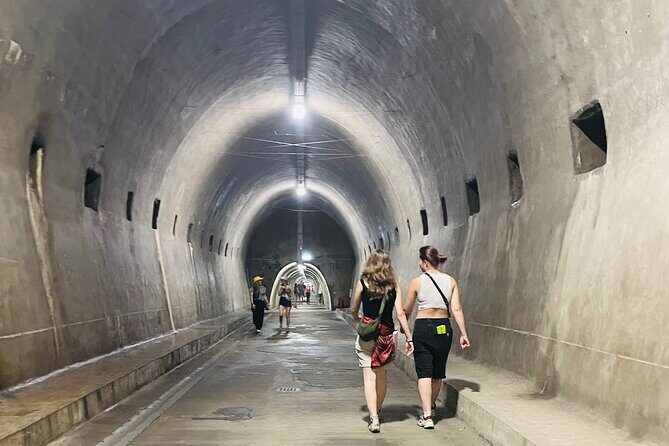
- Gric Tunnel: WWII history you can feel in your bones
- Funicular railway: included, but watch renovation dates
- Lotrščak Tower and the noon cannon moment
- Upper Town (Gornji Grad): Gradec streets and panoramic payoff
- Stone Gate (Petrini Pyli): the last medieval city gate feel
- Ending at Ban Jelačić Square: wrap-up and next steps
- Guides: why this tour feels personal (and not scripted)
- Comfort and pacing: what to expect when you walk a lot
- Accessibility and participation: who this suits best
- Weather and closures: how to protect your plan
- Cancellation policy: flexibility if your schedule changes
- Should you book this Zagreb tour with WW2 tunnels?
- FAQ
- How long is the Zagreb small group guided walking tour with WW2 tunnels?
- Is the tour in English?
- How big is the group?
- What’s the meeting point and where does the tour end?
- Is the funicular ride included?
- Will the WWII tunnel always be open?
- Is Dolac Market included, and when is it open?
- What should I do if the weather is bad?
- What is the cancellation policy?
- The Best Of Zagreb!
- More Walking Tours in Zagreb
- More Tours in Zagreb
- More Tour Reviews in Zagreb
Key things to know before you go
- Small group (max 16) means you can actually ask questions and hear answers.
- WW2 Gric Tunnel is the headline stop, with occasional event-based closures.
- Lotrščak cannon at noon adds a real-time, local tradition to your walking route.
- Dolac Market brings market-life energy, but it’s closed for afternoon tours.
- Funicular status matters: renovation until March 2026 can change how you experience that segment.
- Guides get praised by name (Petra, Tom, Maya, Tomislav, and others) for being engaging and knowledgeable.

👉 See our pick of the 8 Of The Best Shopping & Market Tours In Zagreb
Zagreb in 2.5 hours: what this tour really delivers
This is a great “first day” style walking tour. You start in the greenery around Zrinjevac Park, then work your way through central landmarks, pop into the Upper Town area, and finish back near the main action. The timing is tight enough to feel efficient, but not so rushed that you lose the chance to look closely at details.
Because it’s a small group, the guide can pace the story to your questions. That matters in Zagreb, where the city is compact but the layers are real—medieval streets, Austro-Hungarian-era architecture, and the 20th-century wartime scars.
You also get a mobile ticket setup and an English-speaking guide, which removes a lot of friction on arrival.
You can also read our reviews of more walking tours in Zagreb

Price and logistics: is it worth $24.20?
At around $24.20 per person, the price-to-value ratio is the main reason this tour stays so popular. You’re not just buying a few photos and free time. You’re paying for a licensed local guide, a curated route, and paid/handled access where needed (like the tour’s included elements).
Also, the walk is organized: you’ll move from square to square and landmark to landmark rather than wandering on your own trying to piece the city together. For many visitors, that alone makes the price feel like a shortcut.
Practical notes:
- Duration: about 2 hours 30 minutes (approx.)
- Group size: up to 16 travelers
- Location: Zagreb, Croatia
- Meeting point: Zrinjevac 2, 10000 Zagreb
- End point: Ban Jelačić Square (Trg bana Josipa Jelačića)
Where the tour starts: Zrinjevac Park and a quick orientation
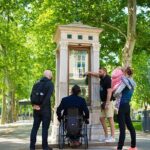
Your tour kicks off at Zrinjevac 2, right in front of the Meteorological station. It’s a small start point, but it’s a smart one. Zrinjevac sits in the heart of the city and sets a calm tone before you dive into the busier squares and the Upper Town.
You also get an immediate “how Zagreb became Zagreb” framing from the guide, which helps you understand what you’re seeing as you move. Several travelers mention that the tours feel like a clean introduction, and this park-and-station opening is part of why.
Ban Jelačić Square: the locals’ meeting place
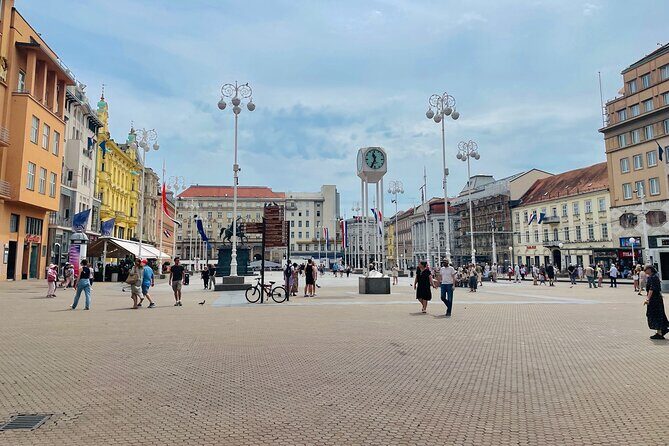
Next you’ll hit Ban Josip Jelačić Square, Zagreb’s central hub. This is the place locals gather, and the guide uses it to explain how the city’s identity shows up in everyday life.
Why it’s valuable: it’s not just a pretty square. It’s where you learn what the city considers important—social flow, civic pride, and the kind of landmarks people orient themselves around.
The Cathedral stop: Neo-Gothic details you’ll actually notice
At the Cathedral of Zagreb, you’re heading into the dramatic “stop and stare” category. This Neo-Gothic building is described as monumental and impressive, and that fits what you’ll feel in person: it’s built to command attention.
A good guide makes this more than just pointing at towers. In past tours, travelers have praised guides for sharing the stories behind what you’re looking at, and the cathedral is one of those sites where context makes the photos more meaningful.

Dolac Market and Croatian food culture (and why time matters)
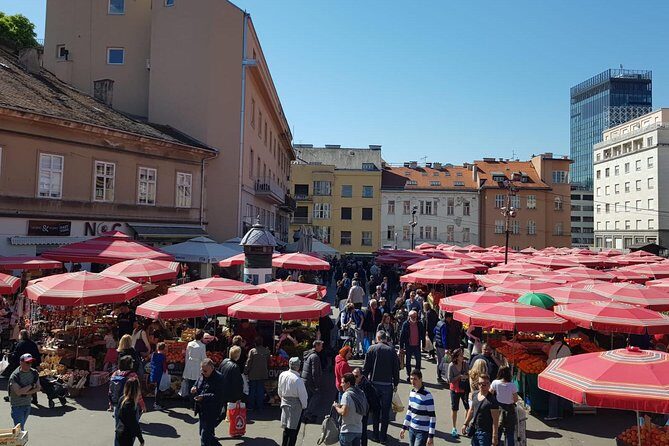
You’ll walk over to Dolac Market, which is known as the largest farmers market in Croatia. Even if you’re not shopping, it’s a sensory lesson in how a city eats and moves.
Two important things:
- You’ll learn about the statue of Kumica and how it connects to Croatian food culture.
- Dolac Market is closed for afternoon tours. So if your tour runs later in the day, you may want to consider that the market segment could be less active than you expected.
In reviews, people repeatedly mention that guides help with food and local recommendations—so think of this stop as a “taste the vibe” moment, even if you don’t buy much.
Tkalčićeva Street: coffee culture and people-watching
Then comes Tkalčićeva Street, Zagreb’s well-known bar and café stretch. The guide talks through the philosophy of lingering—less hurry, more social rhythm. It’s the kind of detail that makes a place feel real, not just historic.
This is also where a lot of visitors decide where they want to return later for an evening. Even if you skip buying anything on the walk, you’ll know which direction to head when the day turns into night.
Gric Tunnel: WWII history you can feel in your bones
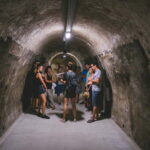
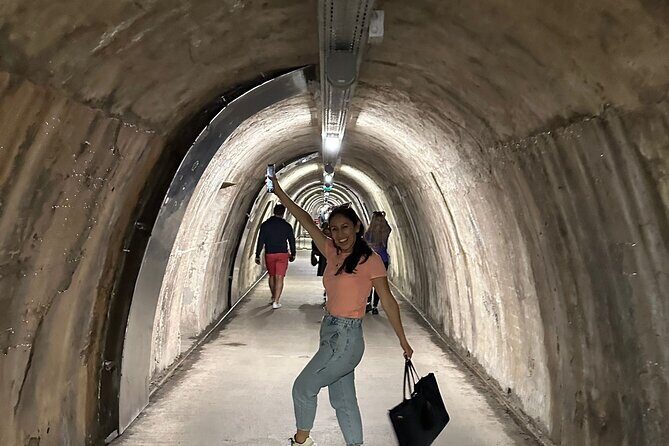
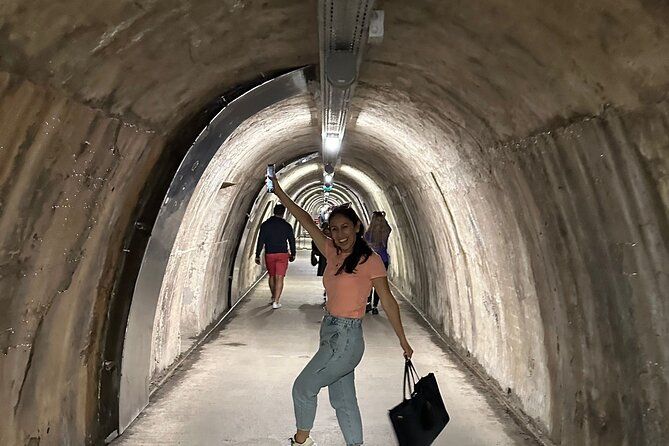
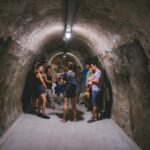
This is the headline stop: Tunel Gric, a WWII-era tunnel. When it’s open, it’s the kind of place where the story turns from facts on a page into something physical.
A couple of practical cautions:
- The tunnel may be closed to visitors if there’s an event (like an exhibition or theatre show). If that happens, you won’t be able to visit the tunnel.
- Sometimes that means your tour experience shifts slightly, even though the rest of the route still works.
Still, people consistently call this the highlight. If you’re the type who likes history that’s grounded in real spaces, this one is worth timing your day around.
Funicular railway: included, but watch renovation dates
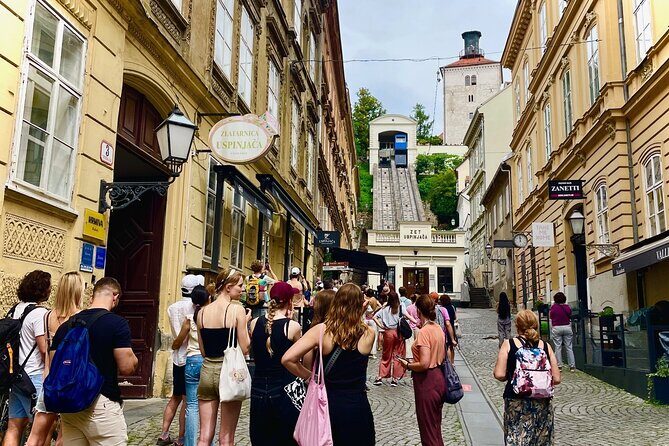
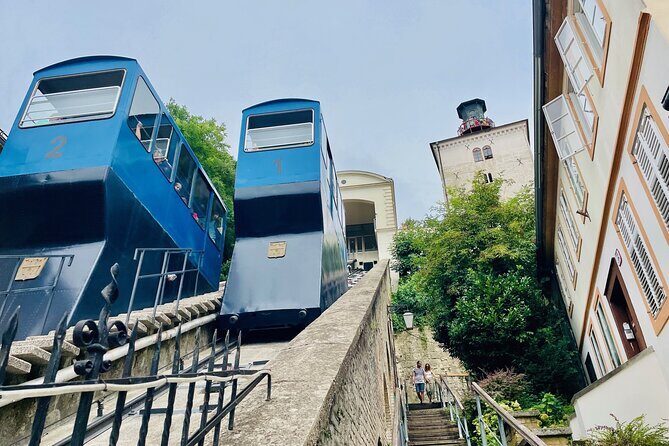
The tour includes a ride on the city funicular, described as the shortest funicular in the world and the oldest public transportation in Zagreb, with a history of nearly 135 years. That’s a fun bit of trivia, but the real traveler question is: will it run?
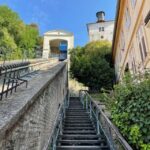
Here’s the issue: the funicular is closed for renovation until March 2026. So if you book while it’s shut, plan for a change to the funicular segment. The good news is that the tour doesn’t collapse without it; you’ll still explore key areas by foot.
Also, one review mentions stairs when the funicular is under maintenance. If you have mobility concerns, it’s smart to keep that in mind and be ready for uphill moments in the Upper Town area.
Lotrščak Tower and the noon cannon moment
Lotrščak Tower brings in a real-time local tradition. The Gric cannon fires at noon, and this stop can be a fun way to “anchor” the tour in city life rather than just museum time.
Even if you don’t catch the cannon at exactly noon, the tower location helps you grasp why Zagreb’s viewpoints feel like the city is designed for looking out.
Upper Town (Gornji Grad): Gradec streets and panoramic payoff
Then you’ll head into Upper Town (Gornji Grad / Gradec), one of the medieval settlements that shaped Zagreb. This is where the walking tour starts to feel like a city inside the city—tight lanes, historic buildings, and the sense that you’re stepping into a different pace.
What you’ll get here:
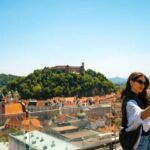
- Strossmayer promenade, noted as one of the best spots for panoramic views
- The Museum of Broken Relationships area (outside view)
- The Croatian Parliament and Government seats
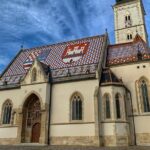
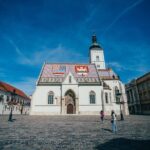
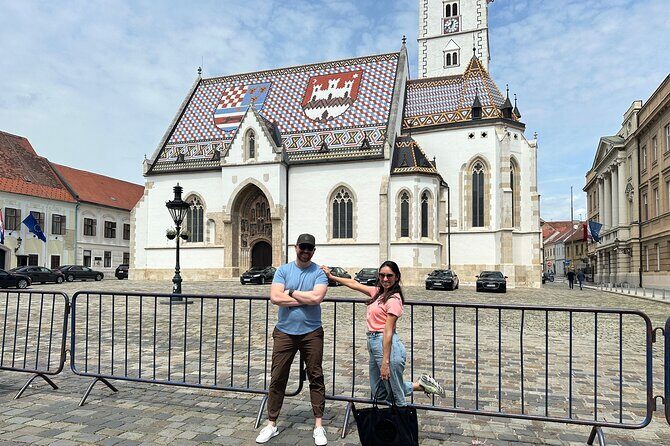
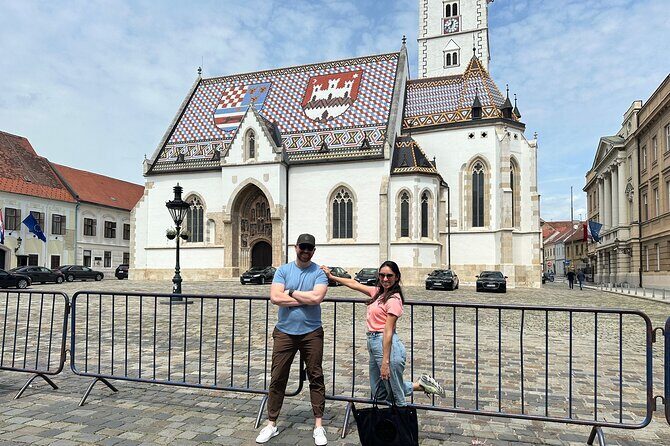
- Saint Mark’s Church, famous for its colorful roof
Why this matters: Upper Town is where Zagreb’s identity becomes visually obvious. You’ll understand why people keep returning for rooftops and viewpoints, not just for “landmarks.”
Stone Gate (Petrini Pyli): the last medieval city gate feel
Your tour continues through Petrini Pyli (Stone Gate), described as the only medieval city gate still surviving. Inside is a small chapel with a depiction of Our Lady, the patron saint of Zagreb.
This is one of those stops that rewards slow attention. The gate doesn’t just represent the past; it frames how the city’s defense lines became today’s pedestrian streets.
Ending at Ban Jelačić Square: wrap-up and next steps
You finish back at the main square area where the city is most lively. This ending location is convenient for continuing your day, grabbing a meal, or heading to other neighborhoods on your own.
Many travelers say the tour helps them get their bearings and plan the rest of their stay. Finishing near a central hub makes that practical.
Guides: why this tour feels personal (and not scripted)
The biggest strength in the feedback is the guides. Travelers repeatedly mention guides who are:
- knowledgeable
- engaging and patient with questions
- professional and friendly
Past groups mention guides such as Petra, Maya, Tom, Tomislav, and Mia. While individual styles vary (one traveler noted a guide who spoke more softly), the overall theme is consistent: the tour doesn’t feel like someone reading off a phone. It feels like a local sharing stories and pointing you to what to notice next.
If you want restaurant or local-life recommendations, you’ll likely appreciate the way guides share practical ideas beyond the big sights.
Comfort and pacing: what to expect when you walk a lot
This is a walking tour, and while the overall time is manageable, you should expect an active route. One traveler specifically flagged stairs as something to be prepared for, especially since the funicular was under maintenance for their dates.
On rain days, comfort can drop. One review mentioned the tour felt less comfortable due to persistent rain. So pack for weather. Zagreb can surprise you, and staying flexible is part of the game.
Most travelers describe the pace as perfect or well planned, but a small number felt delays happened at certain stops and that time control could be better. So if you’re someone who hates running late, consider building buffer time into your schedule.
Accessibility and participation: who this suits best
The tour states that most travelers can participate, and it’s near public transportation, which is helpful if you need an easy return plan.
It’s also aimed at people who like:
- city history that connects to real places
- guided orientation without too much complexity
- small-group interaction
Children must be accompanied by an adult. If you’re traveling with teenagers, multiple reviews mention guides engaging younger groups too.
If you have limited mobility, the note about stairs (especially with funicular changes) is the main reason to take extra care when choosing your day.
Weather and closures: how to protect your plan
This tour requires good weather. If it’s canceled due to poor weather, you’ll be offered a different date or a full refund.
Separately, plan for site-specific closures:
- WW2 Tunnel Gric may close for events.
- Dolac Market is closed for afternoon tours and on public holidays.
- Funicular is closed until March 2026.
Your takeaway: even with adjustments, the rest of the route is strong. But if the tunnel or Dolac Market are your top priorities, check your day/time.
Cancellation policy: flexibility if your schedule changes
You get free cancellation up to 24 hours before the start time for a full refund. If you cancel less than 24 hours before, it’s not refunded.
If weather cancels the tour, you’ll have options: another date or a refund. That’s a nice safety net for planning.
Should you book this Zagreb tour with WW2 tunnels?
Book it if:
- You want a smart first-day orientation to Zagreb.
- You’re interested in the Gric Tunnel and want WWII history in a real setting.
- You like walking tours with small groups and guides who answer questions.
- You want a compact route that includes viewpoint payoff in Upper Town.
Consider booking a different day or checking the closures if:
- Your dates depend on the funicular being available (it’s under renovation until March 2026).
- You’re visiting during times when Dolac Market is likely closed (afternoons and public holidays).
- You want zero risk of missing the tunnel, since it can close for events.
If you want one tour that mixes city highlights with a standout WWII stop—and you don’t mind walking—this is a strong choice.
Zagreb Small Group Guided Walking Tour with WW2 Tunnels
FAQ
How long is the Zagreb small group guided walking tour with WW2 tunnels?
It lasts about 2 hours 30 minutes (approx.).
Is the tour in English?
Yes, it’s offered in English.
How big is the group?
It’s limited to a maximum of 16 travelers.
What’s the meeting point and where does the tour end?
The meeting point is Zrinjevac 2, 10000 Zagreb. The tour ends at Ban Jelačić Square (Trg bana Josipa Jelačića, 10000 Zagreb).
Is the funicular ride included?
The funicular railway ride is listed as included, but the funicular is currently closed due to renovation until March 2026.
Will the WWII tunnel always be open?
No. The WW2 Tunnel (Gric Tunnel) may be closed to visitors if there’s an event inside, like an exhibition or theatre show.
Is Dolac Market included, and when is it open?
The tour includes Dolac Market, but it is closed for afternoon tours and on public holidays.
What should I do if the weather is bad?
This experience requires good weather. If it’s canceled due to poor weather, you’ll be offered a different date or a full refund.
What is the cancellation policy?
You can cancel for a full refund up to 24 hours before the experience start time. If you cancel less than 24 hours before, the amount paid is not refunded.