Based on what travelers consistently report about this semi-private tour, we’re impressed by two things that genuinely set it apart. First, the strict six-person maximum transforms what could be a crowded museum trudge into something that feels like exploring with a knowledgeable friend—you can actually hear the guide, ask questions, and spend meaningful time with the artwork. Second, the guides themselves appear to be genuinely passionate art historians who bring paintings to life through storytelling rather than rote facts, which makes the difference between a forgettable afternoon and a memorable one.
That said, there’s one consideration worth mentioning upfront: this tour isn’t the cheapest way to see the Musée d’Orsay, and the quality of your experience will depend significantly on which guide you get (though reviews suggest most are excellent). You’ll also want to know that the museum occasionally closes unexpectedly, and large bags aren’t permitted inside.
This tour works best for art enthusiasts who want to understand why these paintings mattered, first-time Paris visitors who feel overwhelmed by the museum’s size, and families wanting to keep kids engaged without the chaos of massive tour groups.
- What Makes the Musée d’Orsay Worth Your Time
- The Tour Structure: Maximizing Your Time
- The Masterpieces You’ll Actually See
- Why the Small-Group Size Actually Matters
- The Guides: Your Gateway to Understanding
- Practical Details That Affect Your Experience
- Value for Money: Is It Worth the Price?
- Potential Considerations Before Booking
- Booking Logistics and Cancellation
- Who Should Book This Tour
- The Bottom Line
- Frequently Asked Questions
- The Best Of Paris!
- More Guided Tours in Paris
- More Tours in Paris
- More Tour Reviews in Paris
What Makes the Musée d’Orsay Worth Your Time
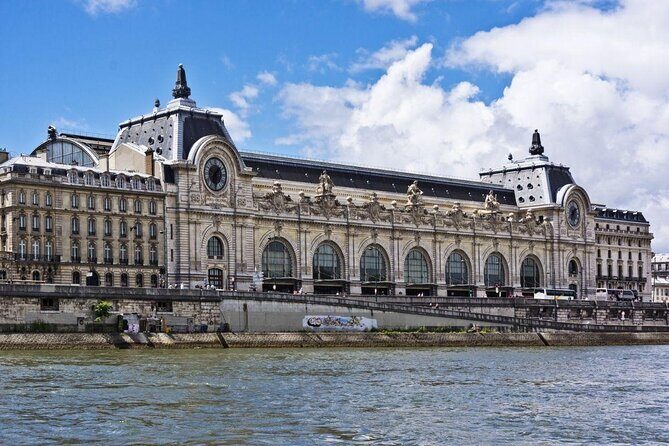
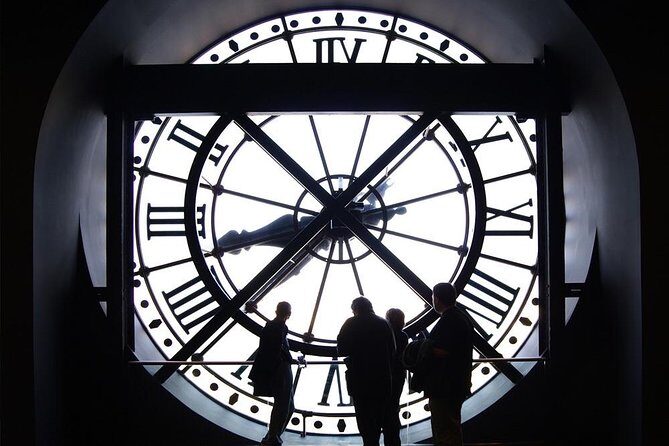
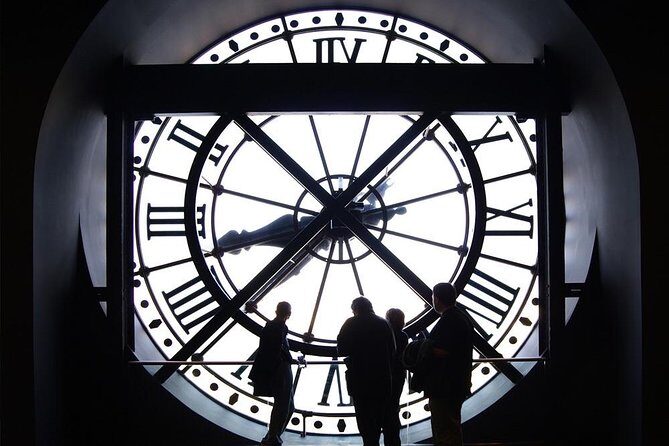
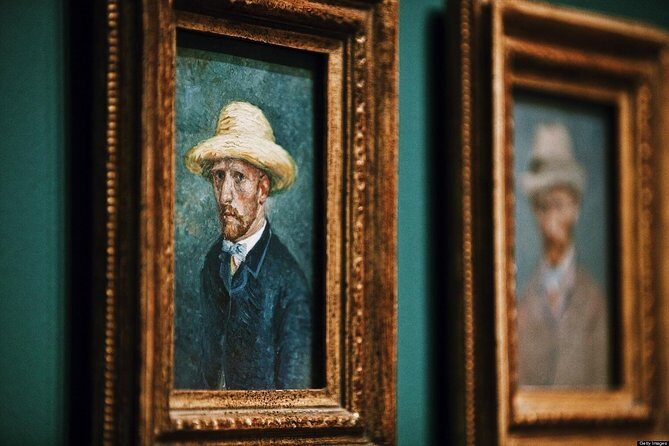
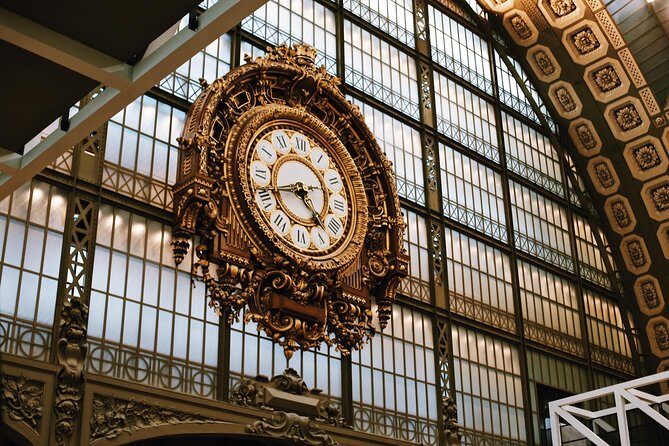
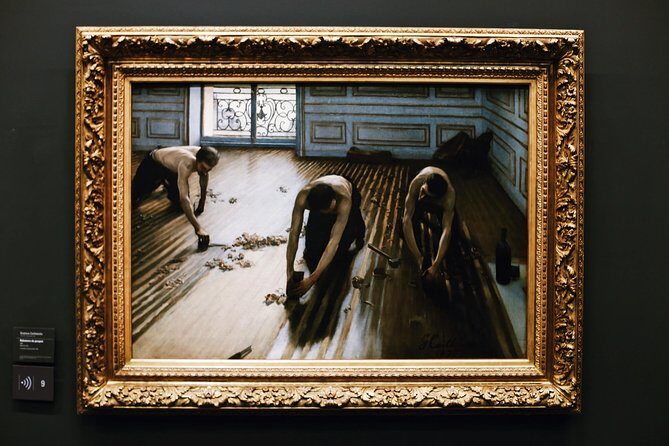
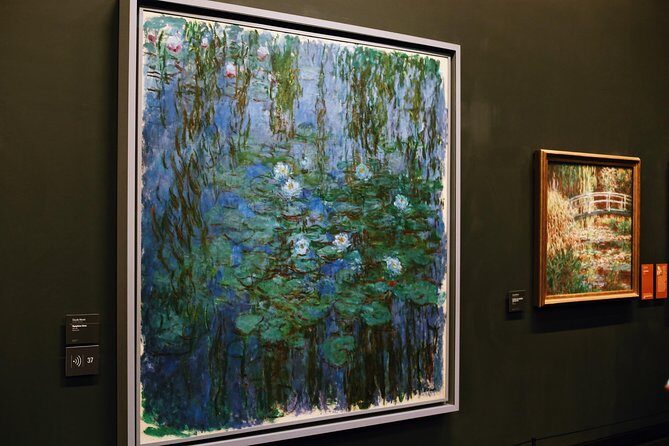
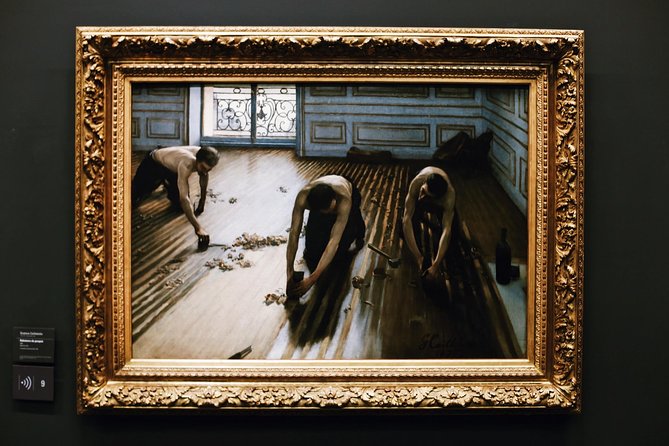
The Musée d’Orsay itself deserves a moment of explanation. This isn’t just another museum—it’s a former Belle Époque railway station that was ingeniously converted into one of the world’s finest art institutions. The building itself, with its ornate Beaux-Arts architecture and soaring skylight, is as much a part of the experience as the paintings inside. When you walk through those doors on this guided tour, you’re entering a space that captures a pivotal moment in art history.
The museum houses the world’s most comprehensive collection of Impressionist and Post-Impressionist art, spanning the 1840s through 1914. For anyone who’s ever wondered why a Monet water lily painting costs millions or what made Van Gogh’s work so revolutionary, this is the place to find answers. The challenge, though, is that the building contains thousands of artworks across multiple floors, and without guidance, many visitors end up either missing the masterpieces or suffering from museum fatigue before they reach them.

👉 See our pick of the 3 Best Shopping & Market Tours In Paris (With Reviews & Prices)
The Tour Structure: Maximizing Your Time
This particular guided experience runs between 2 and 2.5 hours, which might sound short for such a large museum. But that’s actually the strength of having a guide—they’ve mapped out the essential pieces and the chronological progression that helps everything make sense. You’re not wandering aimlessly; you’re following a curated path through art history.
The tour begins at the museum entrance, where you’ll appreciate one of the tour’s key benefits: skip-the-line access. Depending on the day and season, regular visitors might wait 30 minutes to an hour just to get inside. This tour gets you straight in, which means more time actually looking at art rather than standing in queues. The guide will explain what you’re about to see and set the context before you even enter the galleries.
Once inside, you’ll move through the museum’s layout, typically starting with the precursors to Impressionism—artists like Jean-François Millet, whose The Gleaners shows rural workers in a way that scandalized academic art circles. Understanding these earlier movements helps explain why the Impressionists’ approach was so shocking. Your guide will explain the academic traditions that dominated art training and why painting outdoors with visible brushstrokes was considered almost heretical.
You can also read our reviews of more guided tours in Paris



The Masterpieces You’ll Actually See
The tour highlights generally include the famous works that make this museum legendary, though it’s worth noting that occasionally pieces go on loan or enter restoration, so specific availability can vary. Here’s what you’re likely to encounter:
Édouard Manet’s Luncheon on the Grass is typically one of the first stops. This painting caused absolute scandal when it debuted in 1863—not because of its technique, but because it showed a naked woman casually picnicking with clothed men. Your guide will explain how this painting challenged every convention of how the female body should be depicted in art, and why it became a turning point in art history.
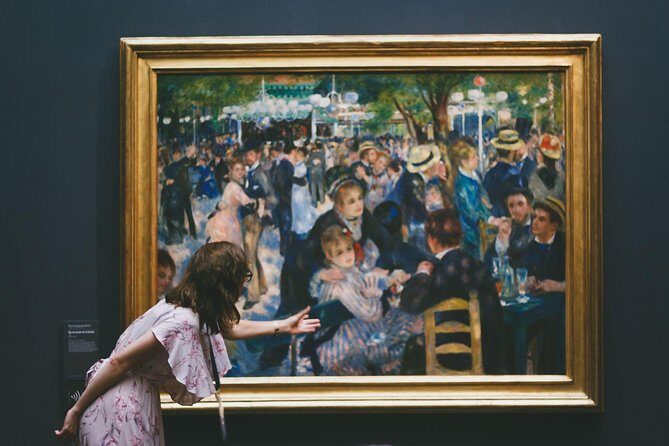
Pierre-Auguste Renoir’s Dance at Le Moulin de la Galette captures a sun-dappled afternoon of Parisians enjoying themselves. One reviewer noted that their guide “taught us the timeline leading up to and including the Impressionist era through his speaking and showing us relevant art,” and this painting is a perfect example of why—it shows the Impressionist obsession with capturing light and movement in everyday moments.
Claude Monet’s water lilies and poppy fields are where many visitors experience their “aha moment” about Impressionism. These paintings aren’t trying to create photographic accuracy; they’re trying to capture the feeling of light on water or the sensory experience of walking through a poppy field. Guides explain Monet’s technique of using dabs of color that optically blend when you step back, which helps explain why these paintings seemed so unfinished to traditional critics.
Vincent van Gogh’s Bedroom in Arles shows the artist’s small room in southern France, rendered in those characteristic bold, expressive brushstrokes and vivid colors. It’s a painting about loneliness and hope simultaneously, and a good guide will help you see both.
Edgar Degas’s ballerina sculptures and paintings show a different approach to Impressionism—Degas cared less about light and more about capturing movement and unusual angles, almost like photographs caught mid-motion.
The tour also covers the evolution beyond pure Impressionism—Post-Impressionists like Van Gogh and Paul Cézanne who took the movement’s innovations in different directions, and even early Cubist works that show where art was heading next.
Why the Small-Group Size Actually Matters
You’ll notice this tour caps out at six people maximum, and that’s not just a marketing angle—it fundamentally changes the experience. One traveler wrote, “With a maximum of six people, it feels less like a tour and more like you’re exploring the museum with a very knowledgeable and passionate friend. You can actually ask questions, hear every fascinating story, and you never feel rushed or lost in a crowd.”
In a typical large museum tour, you’re one of 25 people trying to see over shoulders, straining to hear the guide, and unable to ask follow-up questions. Here, if you want to know more about Monet’s eyesight problems and how they affected his color choices, you can ask. If you’re confused about why Impressionism matters, there’s space for actual conversation. Your guide can adjust the pace based on the group’s interests—spending more time on what captivates you and moving faster through what doesn’t.
Multiple reviewers specifically praised this aspect. One family noted their guide “moved at a good pace, shared really good information and kept it interesting for our kids, always making sure he answered any questions and kept the group involved.” Another mentioned their guide was “flexible” and “let us spend some extra time looking at paintings we enjoyed.”
The Guides: Your Gateway to Understanding
If there’s one consistent theme across the 904 reviews, it’s the quality of the guides. Names appear repeatedly—Eduardo, Christophe, Liliya, Ana, Valerie, Daniel—with travelers specifically requesting them on return visits. These aren’t art history professors reading from scripts; they’re passionate experts who genuinely love the work.
One detailed review captured this perfectly: “She wasn’t just an art expert; she was a fantastic storyteller who genuinely loves what she does. Liliya brought the paintings to life by sharing the incredible stories behind the art—the scandals, the rivalries, and the artists’ personal lives. She made everything so clear and engaging, even for those of us who aren’t art history buffs.”
Another traveler appreciated that their guide “had an in depth knowledge of the periods and special paintings. Not only the history of the period but minute details in each painting.” This matters because you’re not just hearing what a painting depicts; you’re learning why it was painted, what was happening in the artist’s life, what contemporary critics said about it, and how it influenced artists who came after.
Some guides bring additional expertise—one reviewer noted their guide was “also an artist,” which added another layer of insight into technique and artistic choices. Another appreciated that their guide was “considerate” and “went out of her way to help the elderly couple with limited mobility that was in our tour group and got them a chair to rest in when she was explaining different pieces of art.”
Practical Details That Affect Your Experience
Timing and Availability: This tour offers morning, afternoon, and evening slots, giving you flexibility based on your Paris itinerary. Evening tours can be particularly nice because the museum is less crowded. The tour typically books about 49 days in advance on average, suggesting it’s popular enough that you should plan ahead but not so exclusive that you can’t find availability.
What’s Included and What Isn’t: The price of $144.21 per person includes the professional guide, all entrance fees, and reserved entry (that skip-the-line benefit). What it doesn’t include is hotel pickup or drop-off—you’ll need to arrange your own transportation, though the museum is near public transit. Gratuities are optional but encouraged given what travelers consistently praise about the guides.
Group Size Reality: While the maximum is six people, you might occasionally have fewer, which some travelers actually preferred. One person who showed up alone for their time slot wrote, “I greatly appreciate the fact that they went ahead and had the tour even though there was only one person there.” The minimum is two people, so the tour won’t run with just one booking, but if you’re a solo traveler, you might pair up with another person booking independently.
Physical Considerations: The tour requires moderate fitness because you’ll be on your feet for 2.5 hours, moving between floors and through galleries. The museum isn’t accessible for wheelchairs or those with significant mobility limitations—this is stated clearly, so you’ll know upfront if it’s suitable for your group.
What to Bring (and What Not To): Large bags and suitcases aren’t permitted through security—only handbags or small thin backpacks. This is worth planning for, especially if you’re coming from your hotel with luggage. Some areas of the museum have quiet zones with restricted conversation, and your guide will explain these rules before entering.
You can also read our reviews of more museum experiences in Paris



Value for Money: Is It Worth the Price?
At $144.21 per person, this isn’t the cheapest museum experience in Paris, but several reviewers specifically addressed this. One noted, “Not cheap but the information gained is totally worth it.” Another called it “worth every single penny.”
Consider what you’re actually paying for: skip-the-line access (saving 30-60 minutes of waiting), a professional guide with genuine expertise, and curation through a massive museum. If you tried to do this alone, you’d spend time figuring out where to go, might miss key works, and would likely feel overwhelmed by the scale. You could use an audio guide for less money, but you wouldn’t get the storytelling, the ability to ask questions, or the human connection that makes art history come alive.
For families, the value increases because guides specifically mention keeping children engaged and adjusting explanations for different ages. For first-time visitors to Paris, it’s an efficient way to understand one of the city’s most important cultural institutions. For serious art lovers, it’s a chance to learn from knowledgeable people who can answer your specific questions.
Potential Considerations Before Booking
The museum occasionally closes unexpectedly without warning—the tour operator notes they’ll provide alternatives if the delay is more than an hour, but they can’t offer refunds in these cases. This is rare, but worth knowing.
The one negative review in the entire set mentioned that while the small group size was as promised, the reviewer would have preferred a larger group with audio guides. This is subjective—most people love the intimacy, but if you prefer independence and less direct interaction, this might not be your ideal format.
Collections and specific artworks vary throughout the year as pieces travel to exhibitions or enter conservation. The tour operator notes this upfront, so you won’t see every single masterpiece every single day. That said, the core works—Monet, Van Gogh, Renoir, Degas—are typically available.
Booking Logistics and Cancellation
The tour offers free cancellation up to 24 hours before your scheduled time, which provides good flexibility if your Paris plans shift. Confirmation happens immediately upon booking, and you’ll need to provide your mobile phone number including country code (this is how the operator contacts you with final details).
Booking happens through Viator and is managed by Babylon Tours Paris. The operator includes a 100% satisfaction guarantee with the caveat that you contact them within 24 hours of the tour if something didn’t meet expectations, giving them a chance to make it right before you leave negative reviews.
Who Should Book This Tour
Art enthusiasts will obviously appreciate this, but more specifically, people who want to understand art rather than just see it benefit most. If you’ve ever looked at a Monet and wondered why it’s considered great, or if you want to understand the relationship between Impressionism and Post-Impressionism, this tour delivers.
First-time Paris visitors often feel overwhelmed by the city’s museums. This tour efficiently covers one of the most important ones while building your confidence and understanding of French art.
Families with older children and teens can have success here, especially if the kids have any interest in art or history. Multiple reviews mention guides who kept varying ages engaged.
Travelers with limited time benefit from the curated route—you see the essentials in 2.5 hours rather than spending half a day wandering.
The Bottom Line
This semi-private tour of the Musée d’Orsay succeeds because it combines three elements that rarely align: genuine expertise (the guides consistently impress visitors), genuine intimacy (the small group size allows real engagement), and genuine value (skip-the-line access plus high-quality interpretation justify the price). With a 5.0 rating across 904 reviews, this isn’t an outlier—it’s the consistent experience travelers report. You’re paying for more than entry to a museum; you’re paying for someone to help you understand why these paintings changed the course of human creativity. For anyone visiting Paris who cares about art, culture, or simply experiencing the city beyond the surface level, this is one of the best ways to spend a couple of hours.
The Musée d’Orsay Guided Tour Orsay Museum Semi-Private 6ppl Max
Frequently Asked Questions
What’s the actual group size on these tours?
The maximum is six people, though you might occasionally have smaller groups. The tour requires a minimum of two people to run, so you won’t be alone, but you also won’t be herded around with 25 other travelers.
Do I need to be an art expert to enjoy this tour?
Not at all. Multiple reviewers mentioned they weren’t art history buffs but still found the tour engaging and educational. The guides excel at explaining concepts in accessible ways and making art relatable.
Can I see all the famous Impressionist paintings in 2.5 hours?
The tour covers the highlights and most significant works, but the museum contains thousands of pieces. You’ll see the masterpieces—Monet, Van Gogh, Renoir, Degas, etc.—but you could spend days exploring everything. The tour gives you the essential experience and leaves time at the end for your own exploration if you’d like.
Is this tour suitable for children?
It depends on the child’s age and interest level. Multiple families with teens and pre-teens reported good experiences, with guides adjusting their explanations for younger audiences. Very young children might struggle with the length and pace.
What if a painting I want to see is on loan or being restored?
The tour operator acknowledges that collections vary throughout the year. Core works are typically available, but specific pieces may not be. If you have a must-see artwork, it’s worth checking ahead or mentioning it when you book.
Do I need to arrange my own transportation to the museum?
Yes, the tour price doesn’t include hotel pickup or drop-off. However, the museum is near public transportation, and the operator recommends using Uber or taxis. It’s easy to reach independently.
What should I wear and bring?
Wear comfortable walking shoes—you’ll be on your feet for 2.5 hours. Bring only a small handbag or thin backpack, as large bags aren’t permitted through security. Appropriate dress is required (nothing too casual or revealing).
What happens if the museum is closed on my tour date?
The museum occasionally closes unexpectedly. If the delay is more than an hour from your tour start time, the operator will provide an alternative tour or experience. If the delay is less than an hour, the tour may be rescheduled. They cannot offer refunds in these cases, though it’s rare.