Bergen: Past & Present is a smart, small-group walk that turns Bergen into a story you can actually follow, starting at Bergenhus Fortress and ending near the Fishmarket. You get the medieval-to-modern thread, plus the kind of side streets you’d never bother finding on your own.
What I like most is the authorized local guides who connect the big landmarks to daily life, and the way Bryggen’s trade world is explained alongside what Bergen feels like right now. Reviews also call out guides who pace things well and share practical food ideas, even when it rains.
One thing to plan for: this is a cobblestone, uphill walk and it’s not suitable for people with mobility impairments.
- Key highlights you’ll actually feel on the walk
- Bergen Past & Present: who this 2-hour tour is for
- Price and value: for a local-guided story, not just a stroll
- The meeting point options (and why they matter)
- What you’ll learn: the past-to-present storyline
- The first half: medieval power to trade powerhouse
- The second half: everyday Bergen in the neighborhood streets
- Stop-by-stop: what each part of the walk feels like
- Bergenhus Fortress: the 30-minute history foundation
- Bryggen: UNESCO trade lanes and Hanseatic stories
- Wesenbergsmauet 16: one of the quiet “local meaning” moments
- Fjellgaten 2: another small stop with big context potential
- Fløibanen: a photo-and-story pause
- Skostredet: another historic lane moment
- Group size, pace, and what to expect from your guide
- Weather rules: bring an umbrella and wear sturdy shoes
- Where the food advice fits in (and why it’s useful)
- Practical details to plan your day
- Who should choose this tour (and who might skip it)
- Should you book Bergen: Past & Present Small Group Guided Walking Tour?
- FAQ
- Where does the tour start and where does it end?
- How long is the Bergen Past & Present walking tour?
- What language is the tour guide?
- Do I need to buy tickets for museums or buildings?
- What should I bring?
- Is this tour suitable for people with mobility impairments?
- Does the tour run in bad weather?
- The Best Of Bergen!
- More Walking Tours in Bergen
- More Tours in Bergen
- More Tour Reviews in Bergen
Key highlights you’ll actually feel on the walk
 1 / 9
1 / 9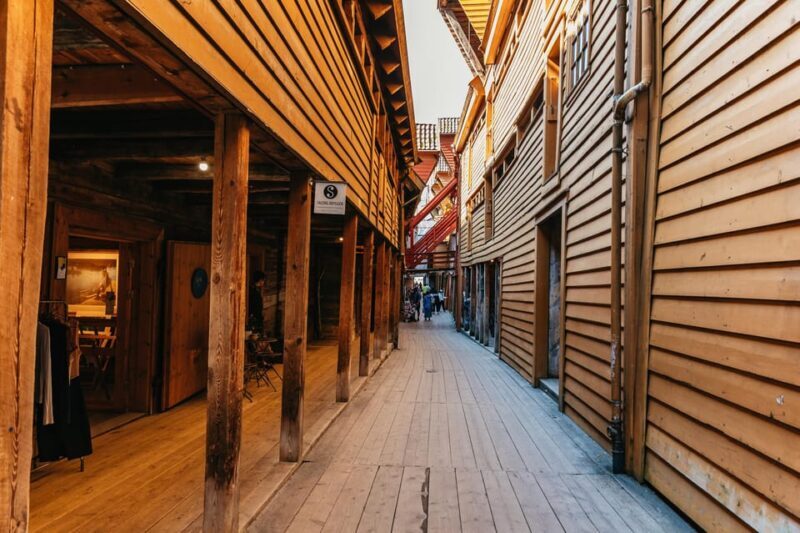 2 / 9
2 / 9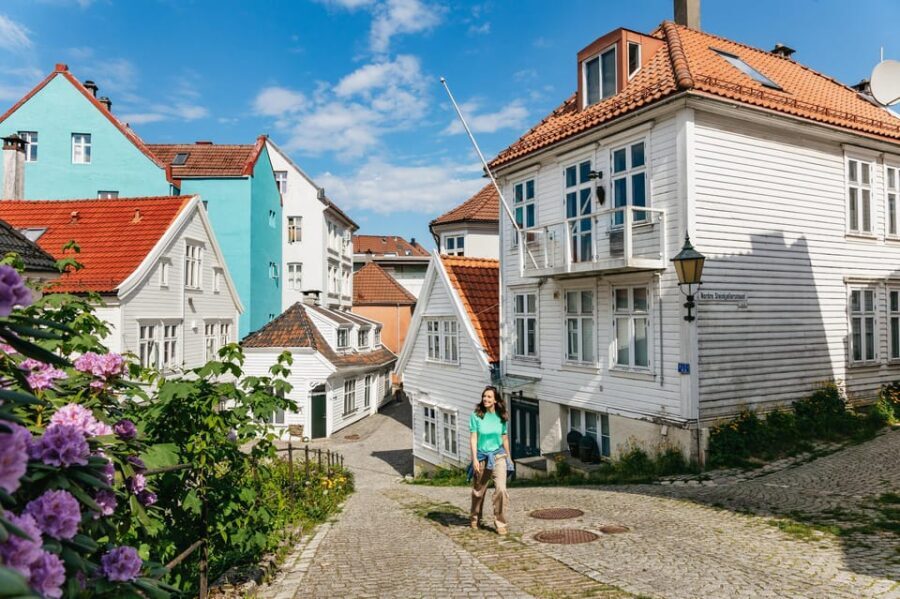 3 / 9
3 / 9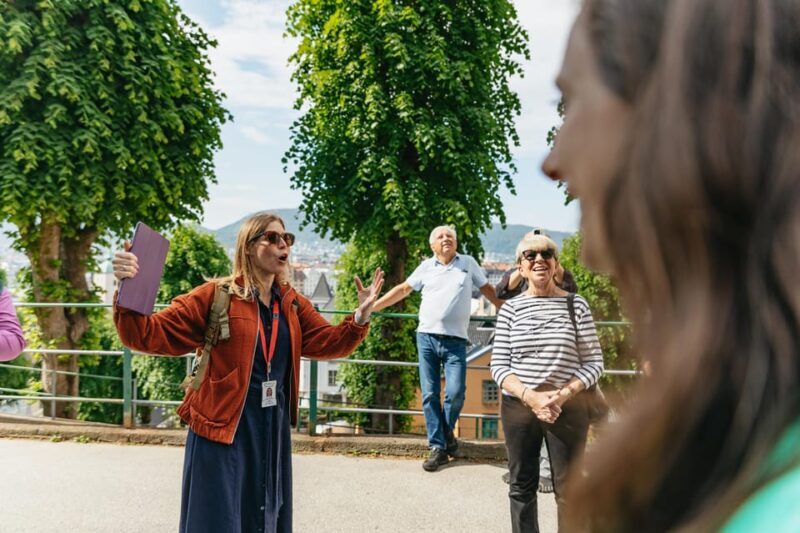 4 / 9
4 / 9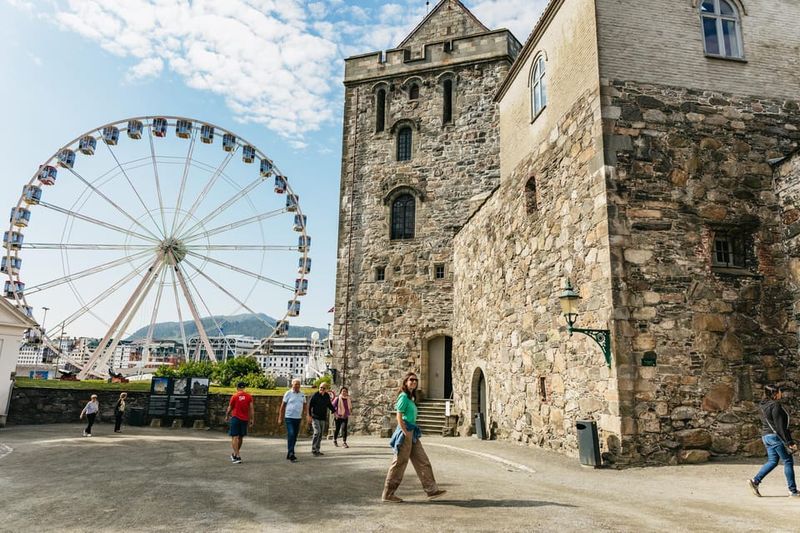 5 / 9
5 / 9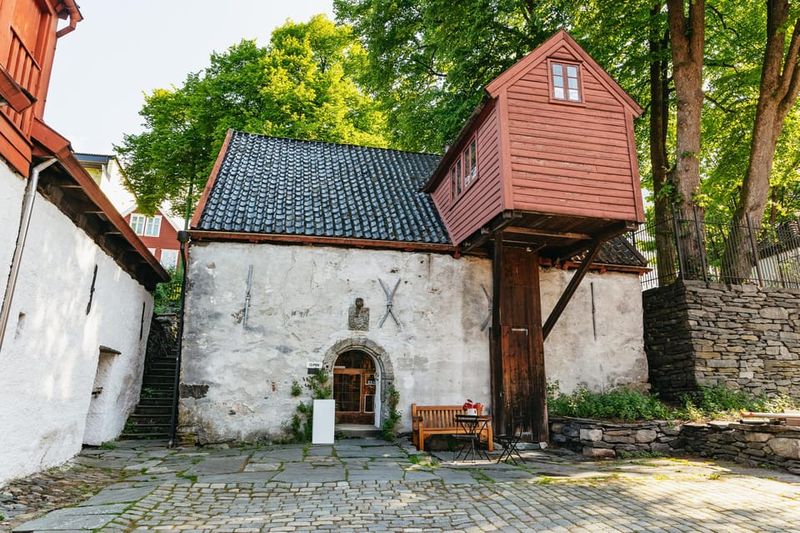 6 / 9
6 / 9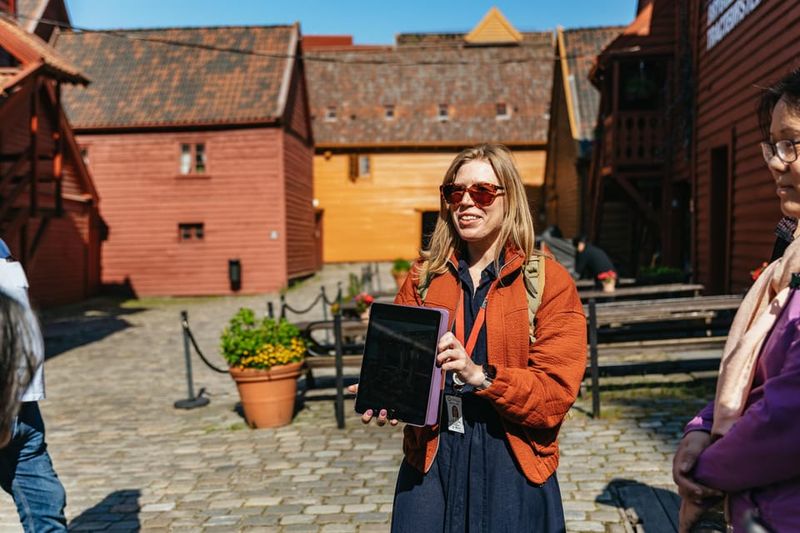 7 / 9
7 / 9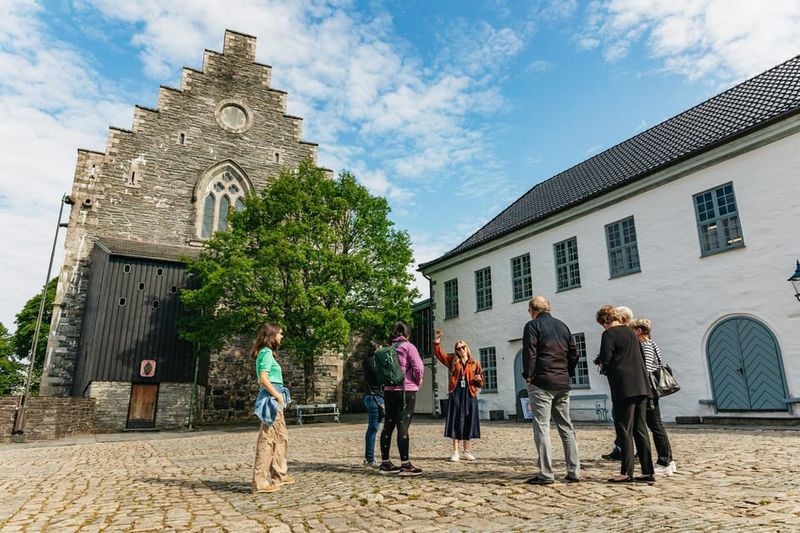 8 / 9
8 / 9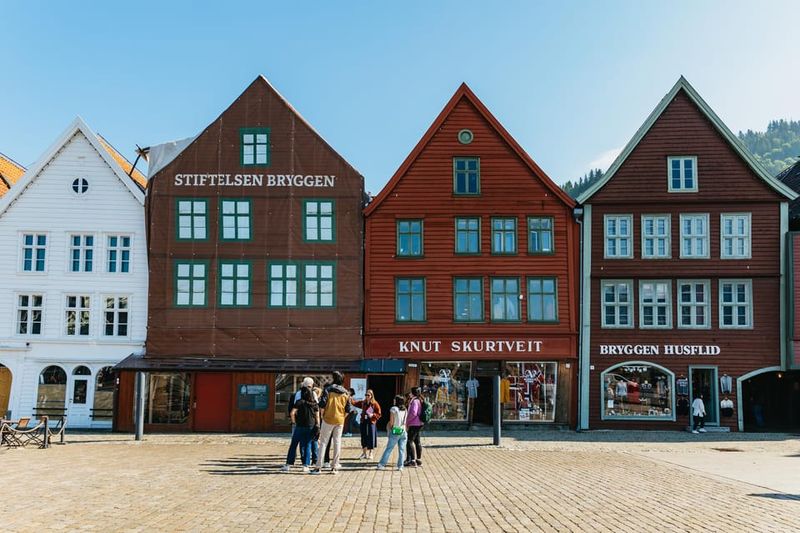 9 / 9
9 / 9- Bergenhus Fortress history in a tight, 30-minute opener that sets up everything else you’ll see
- Bryggen (UNESCO) explained through 1,000 years of trade, with the Hanseatic League brought to life
- Hidden alleys and local paths chosen by your guide, not a cookie-cutter route
- Streets of everyday Bergen: how people live, work, and handle weather
- Photo stops timed for real sightseeing so you’re not constantly stopping and starting
- Practical cafe and meal recommendations from a guide who lives here year-round
👉 See our pick of the Bergen’s 15 Top Walking Tours
Bergen Past & Present: who this 2-hour tour is for
This is for you if you want a quick hit of Bergen with context. Two hours is short enough to fit into almost any itinerary, but long enough to move past the “postcard mode” and start understanding why the city grew where it did.
It’s also a good match if you like guided walking tours for one main reason: you learn better when someone narrates the streets in the order you’re walking them. Here, you get a first half focused on history, then a second half on today in Bergen, including residential areas.
And yes, it works even when the weather is miserable, which matters in Bergen. The tour runs regardless of conditions, and you’re told to bring an umbrella.
You can also read our reviews of more walking tours in Bergen
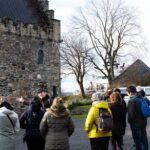
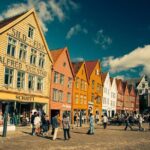

Price and value: $26 for a local-guided story, not just a stroll
At $26 per person for a 2-hour small-group guided walk, you’re paying for three things: an authorized guide, a pre-planned route, and time that saves you from guessing what’s important.
You’re not paying for museum tickets. The tour is built so that entrance fees aren’t needed, which usually keeps it fair for budget travelers. You’re also getting practical value layered in: multiple travelers mention that guides offered strong food and coffee recommendations for continuing your day on your own.
If you’re trying to decide between doing a quick self-guided route or hiring a local, this tour is the “get your bearings fast” option. It won’t replace a deeper day-trip or a museum visit, but it will make everything you see afterward make more sense.
The meeting point options (and why they matter)
You can start at one of two places, depending on what you book:
- Bradbenken 1, Norsildmel AS
- Bergenhus Fortress
The listing also notes that the meeting point may vary. If you’re timing your day around arrival (bus, ship, or trains), pick the start option that minimizes your extra walking. Starting at Bergenhus Fortress is convenient if you want the history segment right away.
The tour ends at one of two drop-off locations, including Strandkaien 1A (Fishmarket), so it’s easy to transition into lunch, especially if you like to wander around the waterfront after.
What you’ll learn: the past-to-present storyline
This tour is built around one clean idea: Bergen’s geography and trade history shaped its layout, and the city has never stopped changing.
More Great Tours NearbyThe first half: medieval power to trade powerhouse
You start with Bergenhus Fortress, where the focus is on Bergen’s medieval story and its early role as capital of Norway. You’ll hear about King Håkon Håkonsson, including his coronation and the way he helped build the fortress and the broader power base in Europe.
Then the narration moves through Norway’s later political shifts, including time under Denmark and Sweden, plus the period of Nazi occupation. It’s not just dates. The guide connects these eras to what the fortress represents today.
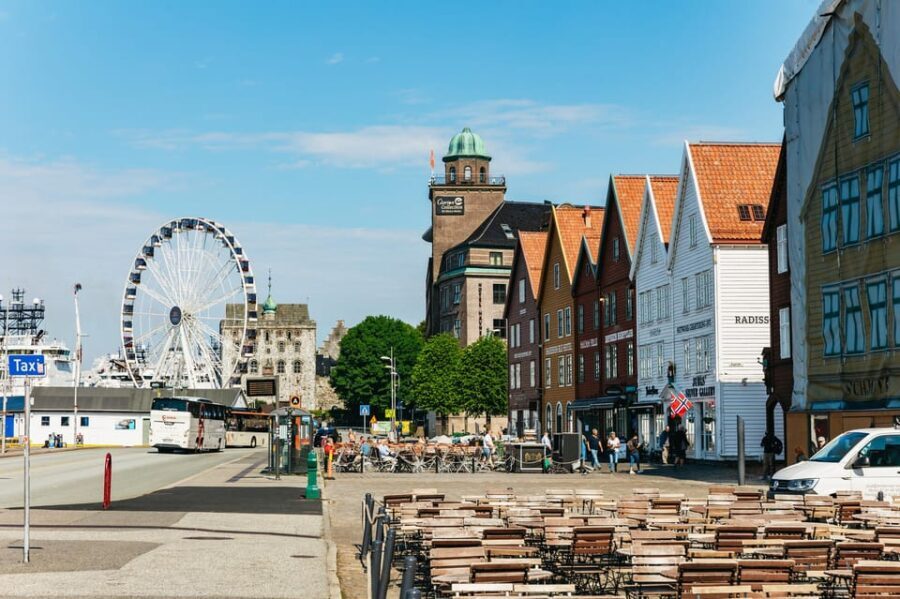
After that, you walk to Bryggen, the UNESCO World Heritage site. This is where the “why Bergen mattered” explanation gets concrete: you learn about trade history spanning about 1,000 years and why the city was founded and grew so strongly.
You also meet the Hanseatic League, described as a German trading organization active here for around 400 years. The tour highlights the feel of the place: walking through older lanes and alleys where you can sense how a trading hub functioned day to day.
The historical segment finishes at St. Mary’s Church, described as the oldest building in Bergen.
You can also read our reviews of more guided tours in Bergen
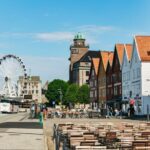


The second half: everyday Bergen in the neighborhood streets
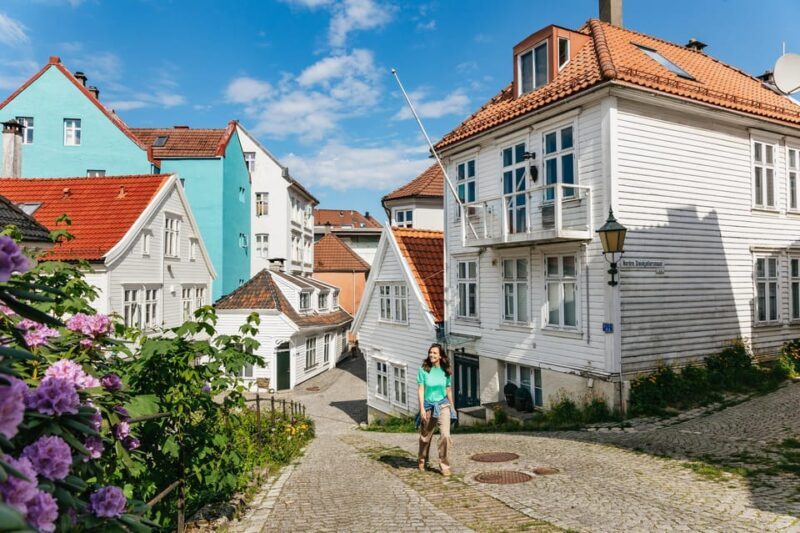
Then the tour changes tone. You move away from the most purely tourist-focused areas and into streets around Bryggen where locals live and move through the day.
This is where guides customize the route based on their interests and local experience. The tour framing is very specific: you learn about everyday life topics like house prices, work, fun, and—very Bergen—how residents handle rain.
Expect a more intimate pace here. The tour also mentions that you’ll pass through areas that are visually beautiful, and you’re encouraged to ask questions. One traveler’s favorite detail was a guide giving extra care for conditions, including finding shelter and managing cold winds.
Stop-by-stop: what each part of the walk feels like
Below is what your walking route is designed to cover, in the order you’ll likely experience it.
Bergenhus Fortress: the 30-minute history foundation
This is your “set the stage” moment. In about 30 minutes, you’ll cover medieval Bergen and its early political importance, anchored at the fortress complex.
Why this matters for your trip: once you understand the fortress as a power center, Bryggen stops being just an attractive waterfront and becomes the economic engine next door. The fortress story explains why Bergen could grow into a major hub, not just why it looks dramatic on a map.
Bryggen: UNESCO trade lanes and Hanseatic stories
You get a photo stop plus a guided walk around Bryggen, roughly 30 minutes total.
Bryggen’s appeal is obvious at first glance. What makes this tour useful is the explanation of how trade worked there across centuries, including the Hanseatic League connection and the idea of old alleys as practical infrastructure—not just scenery.
Even if you’ve seen photos of Bryggen already, hearing the story in motion helps. You’re walking through the rhythm of the trading quarter, not staring at a monument after the fact.
Wesenbergsmauet 16: one of the quiet “local meaning” moments
Next comes Wesenbergsmauet 16 for a photo stop, visit, and guided explanation (about 15 minutes).
Because the tour is designed around hidden context, this kind of stop is where you hear why certain streets and buildings matter. You’re not just ticking off sights. You’re learning how the city’s layers overlap.
Fjellgaten 2: another small stop with big context potential
You’ll have another 15-minute stop at Fjellgaten 2, again with a photo stop plus guided visit.
I’d treat these address-based stops as mini-lesson points. They’re typically where guides share local stories you won’t find in generic guides—exactly the kind of detail travelers praise when they say the tour feels personal and locally lived-in.
Fløibanen: a photo-and-story pause
Then you pause at Fløibanen for about 15 minutes (photo stop plus guided tour).
This stop is positioned so you can shift your perspective during the walk. Expect a guided explanation tied to the broader theme of Bergen’s past and how people move through the city now. The tour description emphasizes that you’ll keep seeing highlights while also learning how locals think about the same places.
Skostredet: another historic lane moment
You finish with Skostredet for around 15 minutes with a photo stop and guided visit.
Again, this supports the walk’s structure: by the time you reach this area, the history you heard at the fortress and Bryggen is supposed to click into place with the street texture around you.
If you like wandering, this is the zone where you can easily extend your own exploration afterward. Your guide typically closes with recommendations so you can turn what you learned into your own plan.
Group size, pace, and what to expect from your guide
The tour limits group size because part of it passes through a residential neighbourhood, and because the organizers want questions and conversation—not a cattle call.
In practice, travelers mention group sizes that feel comfortably small. One review notes a group of about 10 with a perfect pace for photos and questions. Another recurring theme is that guides are friendly and skilled at keeping the story moving without rushing.
It also helps that many reviews mention guides who took extra care with weather. One traveler talked about shelter from cold winds; another mentioned rain throughout and a guide who kept going confidently.
And the guide names you might be lucky enough to get, based on traveler feedback, include Jeff, Janine, Eirik, Emma, Magda, Dane, Maria, Neal, Erik, and Anais. The key point isn’t the name—it’s the consistent pattern: guides who answer questions and connect past and present.
Weather rules: bring an umbrella and wear sturdy shoes
The tour takes place regardless of the weather. You’re told to bring an umbrella.
Also, be realistic about the footing. The tour includes uneven cobblestone paths and some uphill stretches. That’s not a deal-breaker for most travelers, but it’s a deal-breaker for people who struggle with balance or stairs.
If it’s icy or wet, give yourself a little extra time at each stop. A walking tour is only fun when you’re steady.
Where the food advice fits in (and why it’s useful)
The ending section isn’t just a wrap-up—it’s a handoff to your independent time. The tour includes guidance on favorite cafes and restaurants, with recommendations for ways to explore Bergen on your own afterward.
From traveler feedback, this part gets praised a lot. People mention guides suggesting lunch and dinner spots they actually enjoyed, not generic tourist traps. If you’re arriving for the first time and want to eat well within walking distance, these tips can save you an awkward search later.
Note: the tour itself doesn’t promise a meal or tasting. It’s a walking and learning experience, with food recommendations as part of the value.
Practical details to plan your day
- Duration: 2 hours
- Languages: English and German
- Included: walking tour, licensed/certified guide, all fees
- Not included: museum/building entrances (so you’re not paying extra on the spot)
- Cancellation: free cancellation up to 24 hours in advance for a full refund
- Reserve & pay later: available, so you can keep plans flexible
If you like starting tours early in the day, this one works well. It gives you a sense of what matters so you can spend the rest of your time choosing your own stops with less guesswork.
Who should choose this tour (and who might skip it)
You should book if:
- You’re short on time but want real context
- You like guided walking tours more than audio apps
- You want both Bergen history and today’s city life
- You value a local guide’s practical recommendations
You might skip it if:
- You can’t handle uneven cobblestones and uphill sections
- You want long museum-style time rather than a fast, street-based story
- You’re the type who prefers totally unscripted wandering (this tour does have a clear route and timing)
Should you book Bergen: Past & Present Small Group Guided Walking Tour?
Yes, if you want a high-value introduction to Bergen that connects the city’s big landmarks to how people live there now. At $26 for a 2-hour guided walk, it’s hard to beat the combination of strong storytelling, local streets, and practical food and cafe tips.
Book it early in your trip if you can. Do it after you’ve arrived, but before you commit too much time to random wandering—this tour helps you steer the rest of your day.
One last tip: pack the umbrella, wear shoes you trust on cobblestones, and bring questions. This tour is designed for that back-and-forth.
Bergen: Past & Present Small Group Guided Walking Tour
FAQ
Where does the tour start and where does it end?
The tour offers two starting options: Bradbenken 1, Norsildmel AS or Bergenhus Fortress. Drop-off is at Strandkaien 1A (Fishmarket).
How long is the Bergen Past & Present walking tour?
The tour lasts 2 hours.
What language is the tour guide?
The live tour guide speaks English and German.
Do I need to buy tickets for museums or buildings?
No. Entrance into museums and buildings is not included, but the tour is designed so that entrances are not needed.
What should I bring?
You should bring an umbrella.
Is this tour suitable for people with mobility impairments?
No. It is not suitable for people with mobility impairments.
Does the tour run in bad weather?
Yes. The tour takes place regardless of the weather.
You can check availability for your dates here: