Lisbon can feel like a puzzle at first: hills, stairs, viewpoints, and neighborhoods that all seem to start mid-sentence. This 3-hour guided walking tour strings the story together, from Bairro Alto to Alfama, with big skyline moments and an iconic tram ride along the way.
What I like most is how the guide history is practical, not textbook. You’ll hear how places like Bairro Alto changed after the 1755 earthquake, and you’ll get the kind of local context that helps you actually understand what you’re looking at. I also love that the tour includes small “sit and reset” breaks—coffee and cake—so the walking doesn’t feel like punishment.
The main thing to consider is simply the terrain. Lisbon is built on hills, and even with stops, you’ll still be climbing and descending. Add in that the meeting point can vary by option, and you’ll want comfy shoes and a plan to arrive a little early.
- Key highlights to know before you go
- The short version: what kind of tour this is
- Price and value: that actually adds up
- Logistics: meeting point varies, no hotel pickup
- The walking reality: Lisbon hills, frequent stops
- Bairro Alto: 16th-century streets and the story after 1755
- Miradouro São Pedro de Alcântara: the Baixa and Tagus in one glance
- São Roque Church: Jesuit architecture with real visual punch
- Carmo Convent and Church: Gothic, plus a modern turning point
- Santa Justa Elevator and Baixa: the city’s dramatic pivot
- Iconic tram ride to Portas do Sol: fun, practical, and photo-friendly
- Alfama on foot: fado houses, saint festivals, and the real neighborhood feel
- Lisbon Cathedral: finishing where Lisbon’s medieval story begins
- Guides: why this tour often feels better than a script
- Pace, timing, and the weather factor
- Who should book this tour
- Should you book it? My take
- The Best Of Lisbon!
- More Walking Tours in Lisbon
- More Tours in Lisbon
- More Tour Reviews in Lisbon
Key highlights to know before you go
- Bairro Alto into Alfama in one route: two of Lisbon’s most distinctive neighborhoods, connected in a way that makes sense.
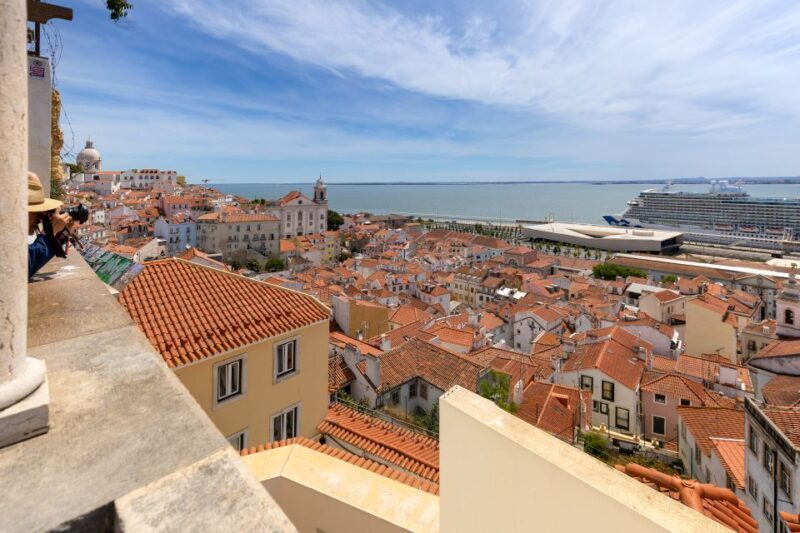
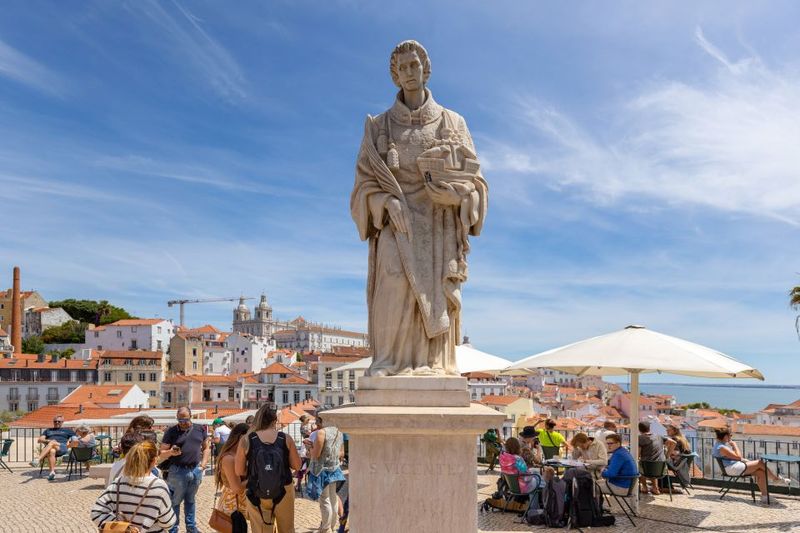
- Miradouro São Pedro de Alcântara views: a classic “wow” moment over Baixa and the Tagus.
- São Roque Church inside-and-out: Jesuit design outside, rich tile-and-paint detail inside.
- Carnation Revolution context at Carmo: history you can feel, not just read about.
- Tram ride to Portas do Sol: a fun, iconic transport break that also moves you uphill.
- Lisbon Cathedral ending: a fitting finish at the city’s medieval roots.

👉 See our pick of the 14 Of The Best Walking Tours In Lisbon
The short version: what kind of tour this is
This isn’t a long museum day. It’s a walking tour with skyline stops, built around viewpoints and neighborhood wandering. The itinerary aims to give you a fast, friendly orientation: you start in the higher districts, work your way down toward the river, then finish at Lisbon Cathedral after exploring Alfama’s winding old streets.
At $29 per person for 3 hours, the value is helped by what’s included. You get a live guide, a tram ride, plus coffee and cake. That combination matters in Lisbon, because the “easy mode” parts (like tram time and viewpoints) are exactly what first-timers tend to spend time figuring out on their own.
You can also read our reviews of more walking tours in Lisbon


Price and value: $29 that actually adds up
On a budget, tours can feel like a markup on what you’d do anyway. Here, the value comes from three things you’d otherwise have to piece together:
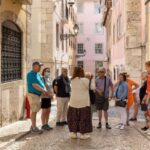
- A local guide who connects architecture, politics, and everyday life (not just dates and names).
- An iconic tram ride included in the experience.
- Coffee and cake baked into the schedule, so you don’t lose momentum hunting for a café.
And the reviews back up the big selling point: many travelers mention guides who are genuinely knowledgeable and fun to listen to. People specifically praised guides like Paulo, Ana, Ricardo, Beatrice, and João for storytelling and helpful local tips.
Logistics: meeting point varies, no hotel pickup
There’s no hotel pickup and drop-off, so you’ll want to plan how you’ll get to the meeting area. The meeting point may vary depending on the option booked, so double-check your exact location before you go.
If you’re trying to minimize stress, arrive a little early. In Lisbon, it’s easy to lose time to stairs, winding lanes, and the sheer pleasure of pausing for photos—there’s usually a good reason.
The walking reality: Lisbon hills, frequent stops
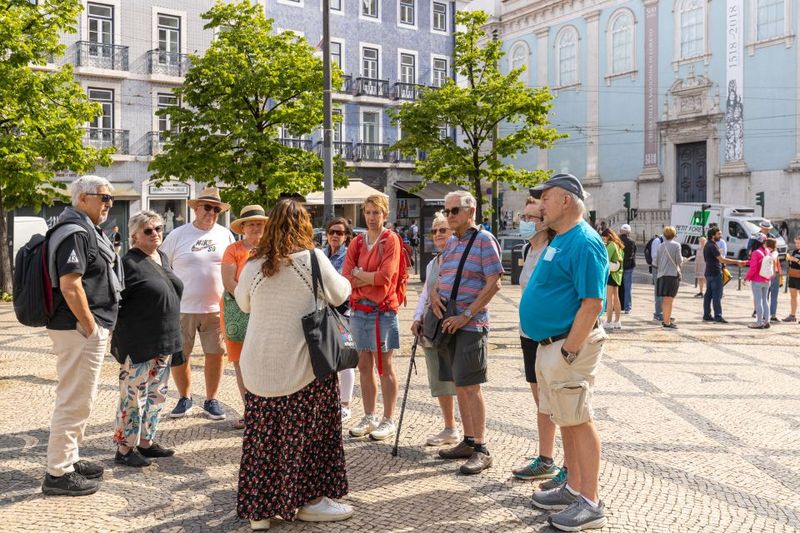
This is a walking tour, and Lisbon is hilly by design. That’s the tradeoff for those legendary views. The good news: multiple reviewers describe the pace as relaxed, with plenty of breaks and photo opportunities.
If you’re not a “walk all day” person, you’ll likely still manage this. The tour structure builds in moments where you stop, look, and let your legs recover.
More Great Tours NearbyBairro Alto: 16th-century streets and the story after 1755
The tour begins in Bairro Alto, a district dating back to the 16th century. Even before you reach the best viewpoints, the guide starts placing Lisbon’s layers in order—how the city evolved, and why certain neighborhoods look the way they do.
One of the most useful details you’ll hear is about the earthquake of 1755. After it struck, people from the Baixa and Bairro districts moved into this area, helping drive renewal. For me, that “why it changed” story is the difference between sightseeing and understanding.
You’ll also get a sense of Bairro Alto as a living district, not just a photo backdrop. It’s the kind of start that helps you read the rest of the city as you go.
You can also read our reviews of more historical tours in Lisbon


Miradouro São Pedro de Alcântara: the Baixa and Tagus in one glance
Next comes one of Lisbon’s classic viewpoint moments: Miradouro São Pedro de Alcântara. This is where you see the city’s layout stop being a mystery.
From here, the guide points out views over Baixa and toward the south bank of the Tagus River. That matters because Lisbon’s geography is the key to everything else—how districts connect, where you’re headed, and why certain landmarks sit where they do.
If you’ve ever looked at Lisbon photos and thought, I could never spot that same angle, this stop is meant to fix that.
São Roque Church: Jesuit architecture with real visual punch
The tour includes a visit to San Roque Church, built by the Jesuits. It’s a great stop because it contrasts beautifully with what you see outside.
Expect an austere façade on the outside, then a much richer interior. The experience here is about the details: gilding, tiles, and paintings that reflect both Mannerist and Baroque styles. Even if you’re not a “church person,” this is the kind of place where you’ll understand why Lisbon’s churches became cultural landmarks.
What I like about including a stop like this is that it slows the tour down. You’re not just moving between viewpoints—you’re stepping into the art Lisbon carried through different eras.
Carmo Convent and Church: Gothic, plus a modern turning point
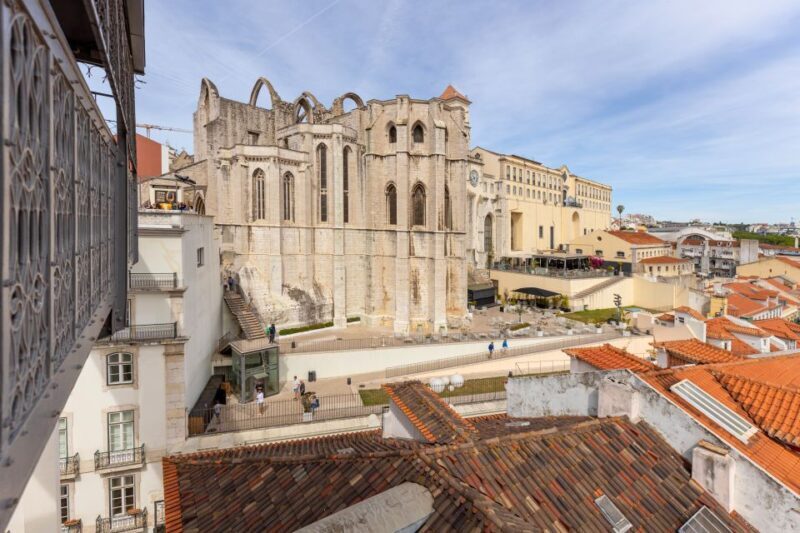
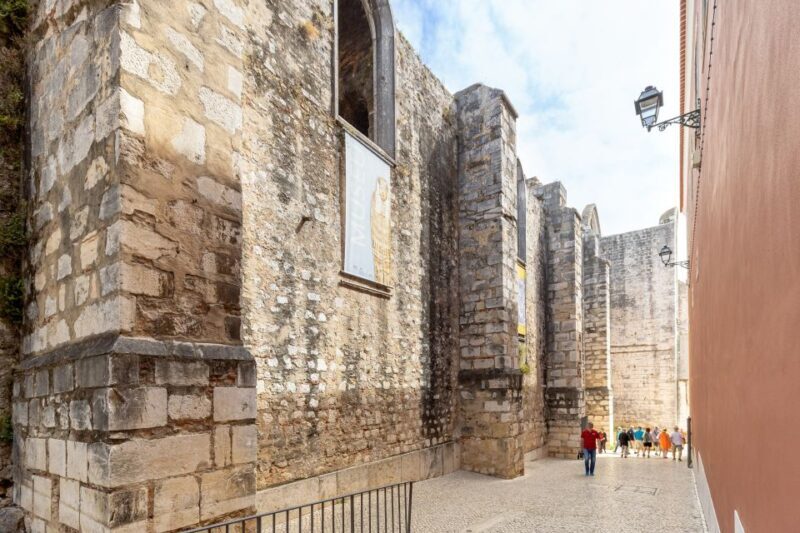
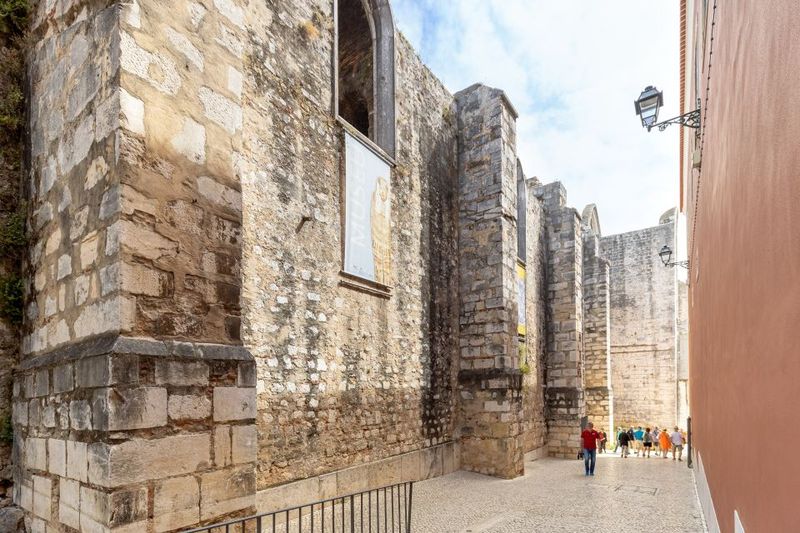
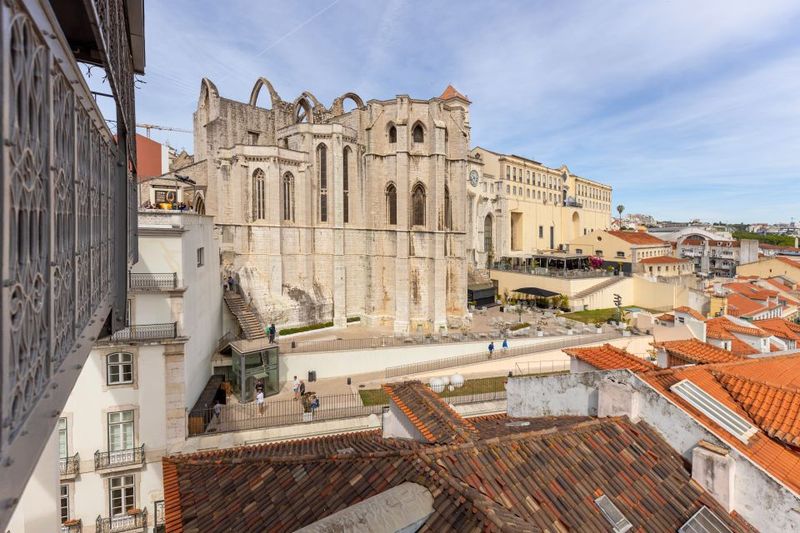
After climbing and viewing, you’ll head down toward Carmo convent and church, known for its Gothic architecture. The structure is described as a fine example of that style, and it’s also a site with modern historical meaning.
This is where the guide brings in the Carnation Revolution in 1974, the moment that helped end nearly five decades of dictatorship. That connection is powerful because it links Lisbon’s “old stone” with something recent enough that many locals still remember the impact.
For travelers, this kind of stop gives depth without getting heavy. You leave with context you can use later—especially when you notice how Portuguese culture references the 20th century.
Santa Justa Elevator and Baixa: the city’s dramatic pivot
You’ll then reach Santa Justa elevator, a prominent monument in the Gothic Revival style. It’s not just a photo moment. The tour frames it as a major viewpoint opportunity, giving you another chance to see how the city’s layers step from street level up into the neighborhoods.
From there, you’ll also spend time in Baixa, described as the heart of central Lisbon. Baixa tends to be where you feel the city’s “plan” the most. After Bairro Alto and the viewpoint climbs, Baixa gives you a sense of Lisbon’s structure—useful when you later try to navigate on your own.
Iconic tram ride to Portas do Sol: fun, practical, and photo-friendly
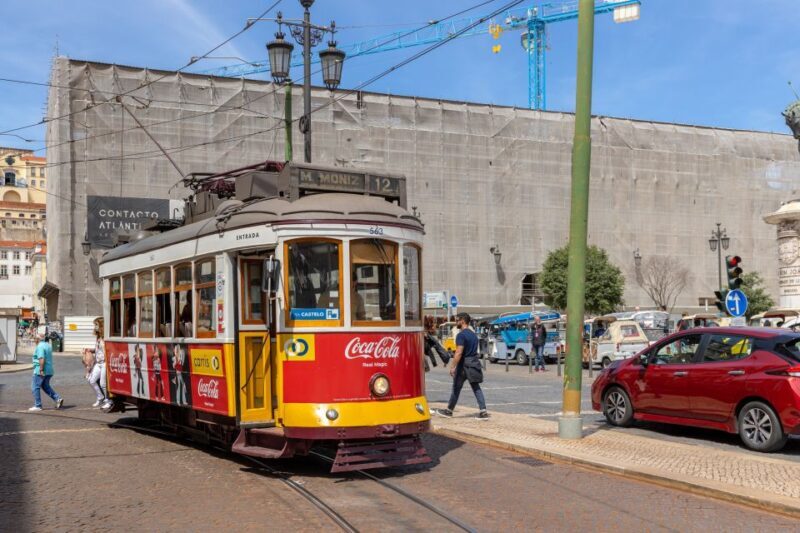
One of the biggest “yes, do this” parts is the included tram ride. You’ll go up from the castle area to Portas do Sol—a classic Lisbon move that saves your legs and replaces some of the steep climbing with something more fun.
Reviews mention the tram experience as a highlight, and a few travelers even specified that they were on tram line 12. Just know the exact line can vary, but the idea is the same: it’s an authentic ride that also helps you hit the right angle for the next views.
At Portas do Sol, you’ll see landmarks including the Monastery of São Vicente de Fora and the National Pantheon. You’ll also get a look at Alfama, whose maze-like streets descend toward the Tagus.
Alfama on foot: fado houses, saint festivals, and the real neighborhood feel
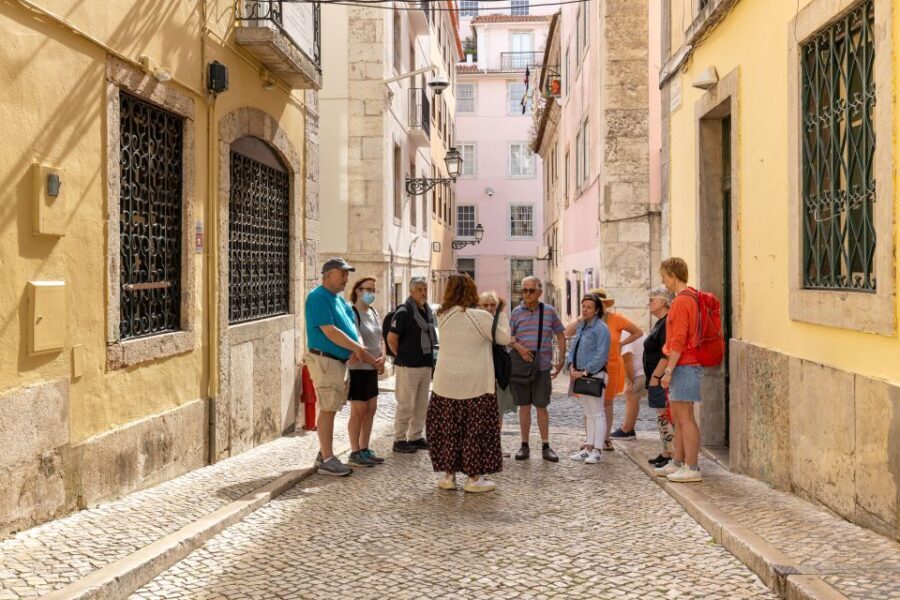
Then you explore Alfama, Lisbon’s oldest and most traditional neighborhood. This is where the tour becomes more about atmosphere than monuments.
Expect narrow streets, old-world texture, and the cultural beats that keep Alfama alive. The tour highlights fado houses—a big clue that music is part of the neighborhood’s identity, not just a tourist activity. It also focuses on local festivals of saints, especially St. Anthony.
In practical terms, this is also where the tour helps you learn what to look for. After walking here with a guide, you’ll be better able to spot the spots that are worth a longer visit later—places that feel lived-in, not just “seen once.”
Lisbon Cathedral: finishing where Lisbon’s medieval story begins
You end at Lisbon Cathedral (Sé de Lisboa), built in 1150, about three years after Lisbon was taken back from the Moors. That timing gives the cathedral a special status: it’s an anchor point for the city’s medieval Christian period.
Over time, the cathedral received multiple architectural changes, so what you see today is a mix of styles. Ending the tour here works well. You’ve spent the afternoon moving through different eras and districts, and this final stop ties it together into one place.
It’s a solid “last chapter” moment—especially if you’re trying to connect Portugal’s story across centuries, not just within one neighborhood.
Guides: why this tour often feels better than a script
A big reason this tour gets such strong feedback is the guides. Travelers repeatedly mention that guides are knowledgeable and that they tell stories with humor and warmth.
Names that come up in reviews include Paulo (praised for storytelling), Ana (called very knowledgeable and entertaining), Ricardo (described as exceptionally knowledgeable and kind), and João (noted for incredible historical knowledge and an easy pace). Others like Beatrice, Lucia, and Raquel are also mentioned for clarity and passion.
What you should take from that: you’re not just paying for sights. You’re paying for the “how does it all fit together” explanation—and that’s the difference between a checklist day and a day that sticks.
Pace, timing, and the weather factor
The tour is set for 3 hours, but a couple of reviewers note it can run a bit long. So I’d keep a little buffer if you have a reservation later that day.
Weather is also a real issue in Lisbon hills. One review mentions pouring rain and a tram issue, with the guide adapting with grace. Translation: if plans get disrupted, the best guides pivot fast. Still, bring the right layer for wind and rain, because you’ll be outside.
Who should book this tour
I’d especially recommend it if:
- You’re visiting Lisbon for the first time and want fast orientation.
- You like history, but you want it told through places you actually walk into.
- You want a route that covers Bairro Alto + Baixa + Alfama without complicated planning.
- You want included comfort breaks like coffee and cake, plus an easy transport win via tram.
If you’re already a Lisbon expert and want only off-the-map sites, this may feel a bit “greatest hits.” But for most travelers, that mix of highlights and context is exactly the point.
Lisbon: History, Stories and Lifestyle Walking Tour
Should you book it? My take
Yes, I think it’s a smart booking for many visitors. The combination of guides, stunning viewpoints, and included extras like the tram ride and coffee/cake makes it hard to beat for the price.
I’d hesitate only if hills and walking are a real problem for you, because the city’s elevation drives this route. Also, if you hate meeting-point uncertainty, confirm your exact start location since it can vary by option.
If you want a confident first impression of Lisbon—one where you understand what you’re seeing and why it matters—this is a strong choice.
You can check availability for your dates here: