
We think this tour deserves serious consideration if you’re heading to Madrid and want to eat the way locals actually do. What really sets this experience apart is the combination of tiny, family-run establishments (some operating for over a century) paired with genuinely guides who explain not just what you’re eating, but why these dishes matter to Spanish culture. The small group size—capped at just 12 people—means you’ll actually get to talk with your guide instead of shouting questions from the back of a crowd.
The main thing to keep in mind is that this isn’t a sit-down dinner replacement; it’s a strategic progression through bars where you’re tasting authentic portions. If you’re someone who gets hungry easily or prefers leisurely, long meals, you might want to grab a bite beforehand or plan to eat again afterward. That said, the tour genuinely delivers enough food that many travelers report canceling their dinner reservations.
This experience works best for food-focused travelers, solo travelers who want to meet people naturally, and anyone wanting to understand Madrid beyond the obvious tourist circuit. Whether you’re a wine enthusiast, someone who loves learning about food history, or just tired of mediocre tourist restaurant food, you’ll find real value here.
- What Makes This Tour Different From the Tourist Trap Alternative
- Breaking Down the 3-Hour Experience
- What You’re Actually Eating (And Drinking)
- The Guides Make This Real
- Value Analysis: Is It Worth ?
- Practical Details That Matter
- The Reality Check
- Who Should Book This Tour
- The Bottom Line
- Frequently Asked Questions
What Makes This Tour Different From the Tourist Trap Alternative
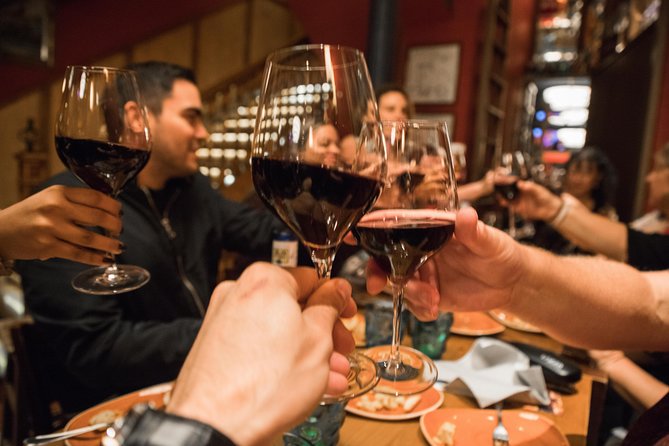
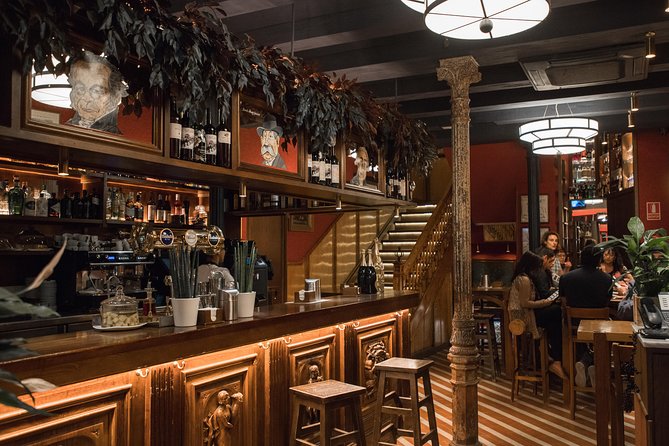
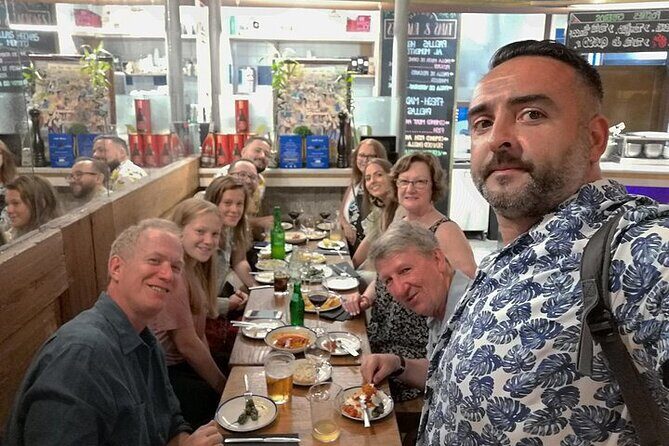
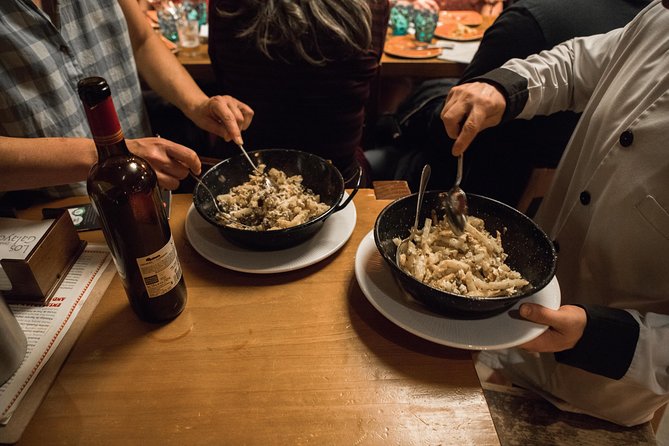
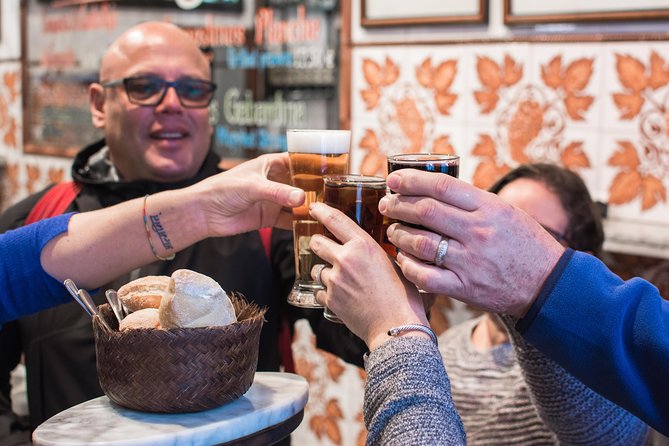
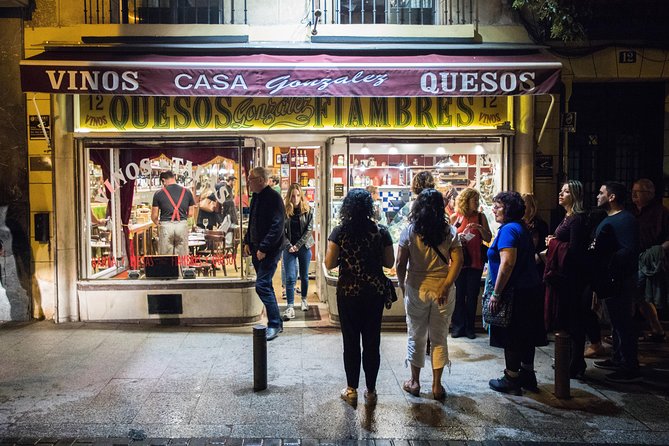
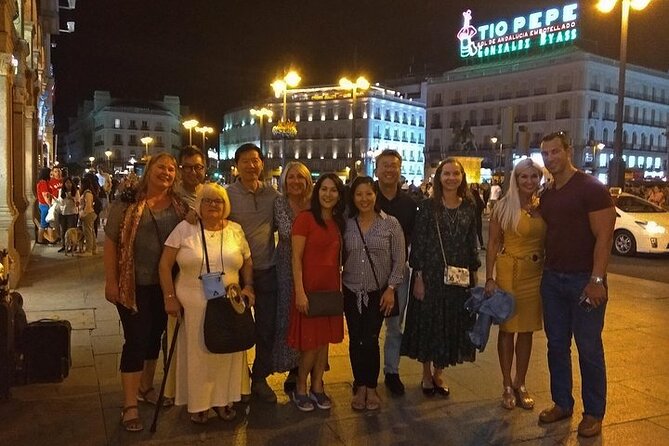
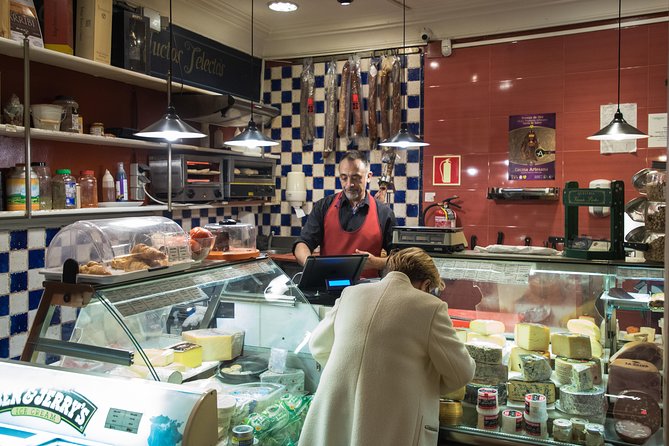
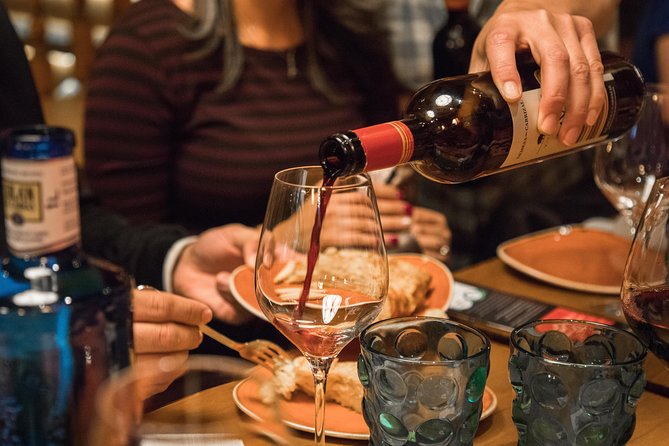
Walk through Madrid’s tourist center on your own, and you’ll find yourself surrounded by restaurants with laminated menus and inflated prices. This tour takes you somewhere else entirely—to places where locals actually spend their evenings. The guide has relationships with these establishments; they know you’re coming, they’re prepared with quality dishes, and you’re not waiting in line or fighting for a table.
The bars themselves tell the story. One is a charming Castilian sherry bar with an old-fashioned interior that looks like it hasn’t changed in decades. Another doubles as a wine shop, where you can actually buy bottles to take home if something catches your fancy. A third has an open kitchen where you can watch chefs prepare dishes in real-time. The final stop is a bohemian tavern that’s been operating for over 100 years—the kind of place where locals actually gather, not where tour groups typically venture.
This matters because you’re not just eating; you’re getting context. You’ll learn why salted cod became such a staple, how regional traditions evolved as people moved to Madrid, and what makes a particular dish worth seeking out. Multiple reviewers mentioned returning to these same bars later in their trips specifically because the experience was so authentic.
Breaking Down the 3-Hour Experience
The Meeting Point and Opening Context
You’ll start at the Federico García Lorca statue in Plaza de Santa Ana, a literary and cultural hub that sets the tone for what’s ahead. Your guide will be bilingual (English and Spanish), which means if you’re traveling with Spanish speakers, everyone’s included. The group will be small—maximum 12 people—which changes the entire dynamic. You’re not herded through; you’re guided with actual attention paid to questions and interests.
From this starting point, you’re walking through Madrid’s Literary Quarter, a neighborhood that’s historically been home to writers, artists, and people who care about good food and wine. As you walk between bars, your guide shares history about the neighborhood itself, the establishments you’re visiting, and the cultural significance of what you’re about to eat.
Bar One: The Sherry Bar Foundation
Your first stop is typically a traditional Castilian sherry bar. This isn’t your average tapas joint; it’s the kind of place that specializes in fortified wines—from crisp finos to aged olorosos. You’ll spend about 35 minutes here, which gives you time to actually absorb the atmosphere rather than just photograph the chalkboard menu.
Here’s what happens: you’re given a glass of wine (or beer or soft drink if that’s your preference) paired with your first tapa. The beauty of sherry is that it’s a category most travelers don’t know much about, so your guide will explain the differences. A fino is light and dry, perfect with seafood. An oloroso is richer and darker, better suited to heavier dishes. You’re learning something that will actually make you a better drinker.
The tapa might be Iberian ham, Spanish omelet, or cod brandade—dishes that seem simple until you taste them. The ham comes from specific black pigs raised in specific regions. The omelet is cooked until the outside is crispy but the inside stays soft. The cod has been prepared in a way that’s been perfected over generations. Your guide walks you through these details, and suddenly you understand why these bars have survived for decades.
Bar Two: The Wine Shop Hybrid
The second location is a wine bar that cleverly doubles as a retail shop. You’re literally surrounded by bottles you could buy. This is the kind of place where wine culture is casual—people pop in, have a glass, grab a bottle, and head home. It’s not pretentious; it’s practical and integrated into daily life.
Here you might taste a different Spanish wine—perhaps a Malvar from the Madrid region, or a Tempranillo from Rioja. Each wine is paired with a tapa selected to complement it. The wine shop concept means your guide can actually recommend bottles to buy if you want to continue this experience at home. Multiple reviewers mentioned this aspect specifically—being able to purchase wines they tasted was a genuine value-add.
Bar Three: The Open Kitchen Experience
The third bar is often one with an open kitchen, which completely changes how you experience the food. You can see the chefs working, watch dishes being prepared, and understand the skill involved. This isn’t food emerging from behind a closed door; it’s a transparent process.
One reviewer described this perfectly: “You experienced local restaurants and bars that were mostly family owned and multi generational.” That’s what you’re seeing here. These aren’t corporate chains; they’re operations where the same family has been cooking the same dishes for years. The consistency comes from knowledge and care, not from standardized recipes shipped from corporate headquarters.
Bar Four: The Century-Old Tavern
Your final stop is often a bohemian tavern that’s been in business for over 100 years. This is where the tour reaches its emotional peak. You’re standing in a space that’s survived wars, economic shifts, and massive changes to Madrid. The full-bodied wine and food here represent something that’s lasted because it’s genuinely good.
One traveler on his anniversary trip said: “By far our leader Juan Felipe was a great guide. He organized and educated us on each dish, swiftly got us in and out of various restaurants quickly. But what made him really fun in our eyes was his historical notes as we walked through the city. He gave a first hand view as someone who grew up meters from the Plaza Mayor of what it was like to live in Madrid.”
That’s the intangible part of this tour—guides who grew up here, who have actual stories about these neighborhoods, who know the owners personally. It’s not scripted; it’s real.
What You’re Actually Eating (And Drinking)
Over the course of three hours, you’ll taste more than 12 authentic tapas. These aren’t arbitrary selections; they’re chosen to represent different aspects of Spanish cuisine and to pair appropriately with the wines you’re drinking.
Common dishes include roasted eggplant with honey (a surprisingly elegant combination of sweet and savory), rich chickpea stew (hearty and warming), Spanish omelet (deceptively simple but perfectly executed), Iberian ham (the real thing, not the mass-produced version), and various preparations of cod. Each dish is a tapa—a small portion designed for tasting, not for filling you up completely, though reviewers consistently mention that the cumulative amount is substantial.
The wines rotate through Spanish regions. You might taste a Tempranillo (the backbone of Rioja wines—earthy and structured), a Malvar (the white wine of Madrid, crisp and local), a Garnacha (fruit-forward and approachable), or a Parellada (typically from Catalonia, lighter and refreshing). Each pairing is intentional. The guide explains why a particular wine works with a particular dish—how the acidity cuts through richness, how the tannins complement texture, how the flavor profile echoes something in the food.
If wine isn’t your thing, you’re not pressured. Beer, vermouth, and soft drinks are all available at each stop. One reviewer mentioned requesting vegetarian options, and the guide accommodated without issue. This is a tour that works with your preferences, not against them.
The Guides Make This Real
Reading through the reviews, one thing becomes immediately clear: the guides are the actual difference between a good tour and an exceptional one. Names like Noemi, Carlos, Juan Felipe, and others appear repeatedly with glowing descriptions.
One solo traveler wrote: “I began the tapas walking tour as a solo traveler; however by the end I made a new group of friends. This was a direct result of my guide Nomi. Not only did she pick the greatest places to eat and drink, she was extremely informative of everything we consumed. In addition, her kind and welcoming demeanor created a lovely and inclusive experience.”
Another reviewer noted: “She created a memorable and delightful experience, truly making us feel welcome. We enjoyed the places visited so much that we went back to them later in our trip.”
This is what separates a tour from an experience. These guides aren’t just moving groups through checkpoints; they’re creating moments where people from different countries naturally connect, where travelers feel genuinely welcomed, and where the food becomes secondary to the human connection.
Value Analysis: Is It Worth $93?
At just over $90 per person, you’re getting a three-hour guided experience that includes four stops at quality establishments, more than 12 food tastings, and a drink at each location. Let’s break this down practically.
If you tried to do this alone, you’d spend time researching bars, possibly waiting for tables, and likely ordering more than you need at each stop (since you wouldn’t know the portion sizes). You’d pay full price for everything. You’d miss the context about what you’re eating and why it matters. You’d probably spend $40-50 on food and drink at minimum, plus your time and the risk of choosing mediocre places.
This tour costs less than many individual restaurant meals in Madrid’s tourist areas and delivers far more value. You’re getting expert guidance, pre-arranged access to places that don’t typically accommodate walk-ins, and education about food and wine. One reviewer put it simply: “Much more food than we expected. We canceled dinner reservation.”
Multiple travelers mentioned returning to these bars independently later in their trips—a sign that the tour actually introduced them to places they genuinely wanted to revisit, not tourist traps they’d never return to.
Practical Details That Matter
Timing and Booking
The tour is approximately three hours, though some travelers report four-hour experiences (likely depending on how engaged the group is and how long you linger at certain stops). It’s offered in both afternoon and evening time slots. Most people book about 33 days in advance, which suggests it fills up—you won’t have unlimited availability if you wait until the last minute.
Meeting and Ending
You’ll meet at the Federico García Lorca statue in Plaza de Santa Ana and the tour concludes near Plaza Mayor, which means you’re starting and ending in central, accessible locations. Both areas are near public transportation, so getting to and from the tour is straightforward.
Group Size and Accessibility
Maximum 12 people is genuinely small. This isn’t a compromise; it’s a genuine advantage. You’ll actually hear your guide, you won’t be lost in a crowd, and the group dynamic tends to be more intimate. Service animals are allowed, and the tour is accessible to most travelers. The minimum age for wine tasting is 18, and children under 4 cannot participate.
Logistics You Should Know
You get a mobile ticket, which means no printing or complicated check-in processes. Cancellation is free up to 24 hours before the tour, giving you flexibility if plans change. The tour operates rain or shine—it’s a walking tour through city streets, not something weather-dependent.
The Reality Check
With 3,644 reviews and a 4.9-5.0 rating, this tour is statistically one of the most reviewed and highest-rated experiences in Madrid. That’s not marketing hyperbole; that’s data. However, one negative review mentioned food poisoning, and the tour operator responded with detailed information about how 27 other people in the same evening ordering the same dishes experienced no issues, plus their track record of 10,000+ satisfied customers annually with no similar reports. It’s worth noting, but statistically, this appears to be an outlier.
One reviewer mentioned the tapas were “average” despite praising the guide and wine. Another noted the food amount wasn’t quite enough for a full dinner (though most disagreed). These are minority opinions in a sea of five-star reviews, but they’re honest feedback worth considering.
Who Should Book This Tour
This tour makes sense if you actually care about food and wine, if you want to understand Madrid beyond the obvious sights, or if you’re tired of the tourist restaurant experience. It works beautifully for solo travelers (you’ll naturally meet people), for couples wanting a shared experience, and for groups of friends who love food.
It’s less ideal if you’re on a strict budget (though the value is good, it’s still an additional cost), if you need a full dinner-replacement meal, or if you’re not interested in learning about food and wine culture. But if any of those first conditions describe you, this is genuinely worth booking.
The Bottom Line
This is one of those tours where the experience genuinely exceeds what you’d expect at the price point. You’re getting access to authentic, family-run establishments where locals actually eat, paired with guides who have real connections to these places and genuine passion for Madrid’s food culture. The small group size ensures you’re not just herded through; you’re actually guided with attention and care. At $93, you’re paying less than you’d spend on a single good dinner in Madrid’s tourist areas, and you’re getting far more value—education, context, and genuine local insight included. Book this if you want to eat like a Madrileño rather than like a tourist, and expect to make new friends in the process.
Madrid Tapas & Wine Tasting Walking Tour – Small Group Local Bars
Frequently Asked Questions
Q: How much food will I actually eat? Is this a full dinner replacement?
A: You’ll taste more than 12 authentic tapas across four bars, with one drink at each location. Most travelers report it’s substantial—several mentioned canceling dinner reservations. However, tapas are designed as small portions for tasting, so while the cumulative amount is significant, it’s not the same as a sit-down three-course meal. If you get hungry easily, eating beforehand won’t hurt, but most people find it plenty.
Q: What if I don’t drink wine or have dietary restrictions?
A: Beer, vermouth, and soft drinks are available at each bar as alternatives to wine. Multiple reviewers mentioned successfully requesting vegetarian options and having those accommodated without issue. It’s worth noting your preferences when booking or contacting the tour operator in advance.
Q: How small is the “small group”?
A: Maximum 12 people per group. This is genuinely small compared to most walking tours, which often run 20-30+ people. This size allows for actual interaction with your guide and a more intimate experience overall.
Q: Will I be walking a lot, and is this physically demanding?
A: You’ll be walking between four bars in the Literary Quarter, typically with short walks (5-35 minutes) between stops. The tour is described as accessible to most travelers. If you have mobility concerns, it’s worth contacting the tour operator to discuss specific needs before booking.
Q: What’s the cancellation policy?
A: You can cancel free of charge up to 24 hours before the tour starts. If you cancel within 24 hours of the start time, you forfeit your payment. This gives you a reasonable window to change plans without penalty.
Q: What languages is the tour offered in?
A: The tour is conducted in English and Spanish, with a bilingual guide. This means mixed-language groups are welcome and everyone gets attention.
Q: Is there a minimum age requirement?
A: The minimum age for wine tasting is 18 years old. Children under 4 cannot participate in the tour at all. Older children (4-17) would need to discuss arrangements with the tour operator, as they could participate but wouldn’t be able to taste wine.
Q: When should I book this tour?
A: Most people book about 33 days in advance, suggesting it fills up regularly. For guaranteed availability, booking at least a few weeks ahead is smart. That said, availability depends on your specific dates and the season, so check directly with the operator.