
I’m reviewing this 4-hour hands-on class in Barcelona where you shop for ingredients, cook like a local, and end up eating a full meal you helped make. It runs from a central address on La Rambla (10:00am start) with a small group (max 12) and a mobile ticket in English.
Two things I really like about it: the way you start in the market with chefs like Juan and Sonia/Sonja, then learn the practical method behind dishes like Spanish tortilla and paella. Second, you’re not just tasting a demo—you’re working at your own station, paired with wine and a PDF recipe pack so you can cook again later.
One thing to consider: it’s a focused morning slot in the most central tourist area. If you want a quiet, off-the-grid Barcelona experience, this may feel lively. Also, like many popular tours, it depends on a minimum number of travelers.
- Key Highlights at a Glance
- First Stop: La Rambla and the Meeting Point Setup
- The Market Walk: Shopping Like a Barceloní (Without the Guesswork)
- Cooking Station Reality: You’re Not Watching, You’re Working
- What You’ll Cook: The Classics That Actually Teach Technique
- Strawberry Gazpacho with Mint and Brie
- Spanish Tortilla
- Tomato Bread
- Paella (Including Wine-Supported Feast Energy)
- Catalan Cream (Crema Catalana)
- The Wine Factor: Why It’s Included and How It Helps
- Views From La Rambla: How the Setting Changes the Mood
- English-Friendly and Chef Personalities That Matter
- How the Timing and Group Size Works for Real Life
- Price and Value: What You’re Really Paying For
- Dietary Needs and Kids: What Guests Report
- What You Get to Bring Home: The PDF Recipe Bonus
- Cancellation Policy: Keep It Low-Stress
- Who This Class Fits Best
- Should You Book: My Decision Guide
- FAQ
- Where is the meeting point for this cooking class?
- What time does the experience start?
- How long does the class last?
- Is the class in English?
- What’s the maximum group size?
- What’s included in the price?
- Is wine included?
- Do you receive recipe instructions to use at home?
- What’s the cancellation policy?
Key Highlights at a Glance
 1 / 8
1 / 8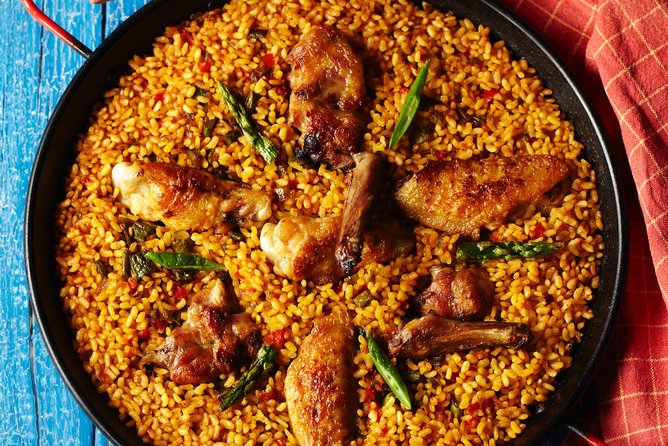 2 / 8
2 / 8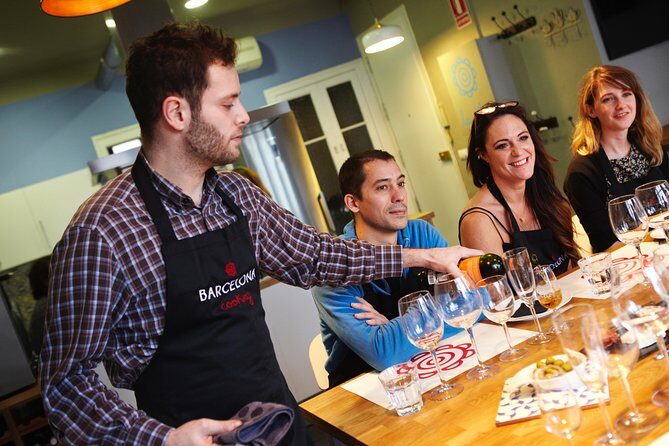 3 / 8
3 / 8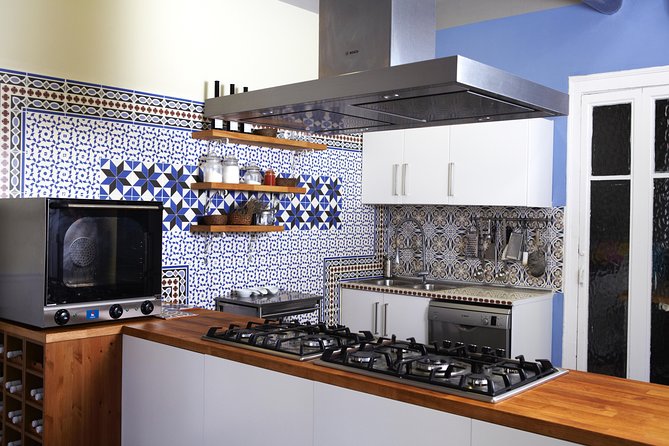 4 / 8
4 / 8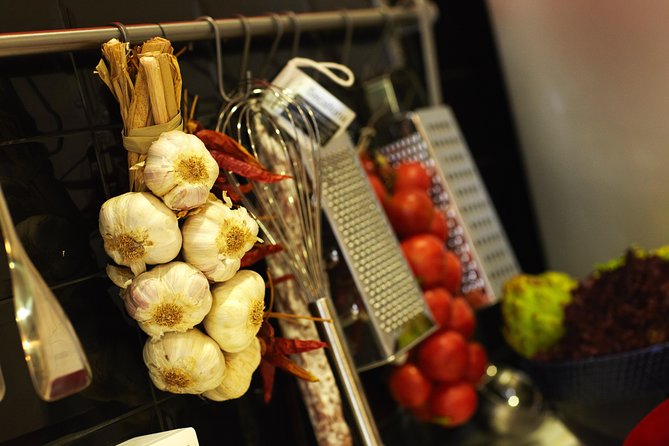 5 / 8
5 / 8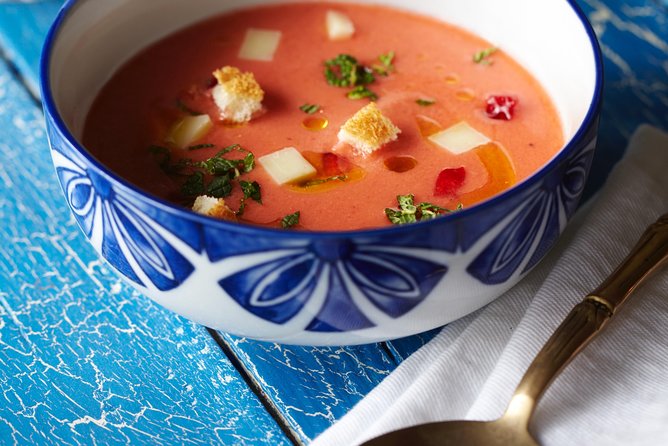 6 / 8
6 / 8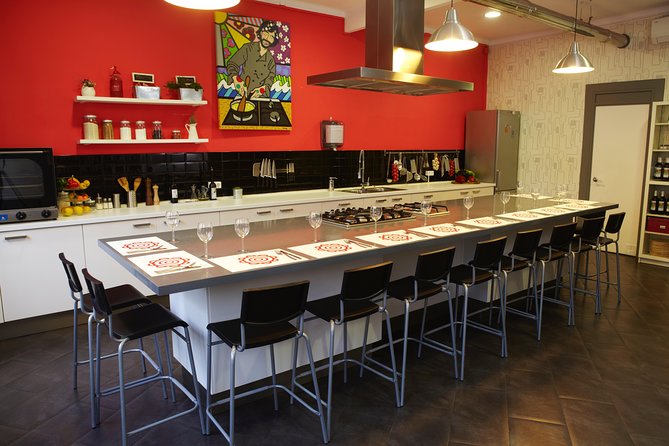 7 / 8
7 / 8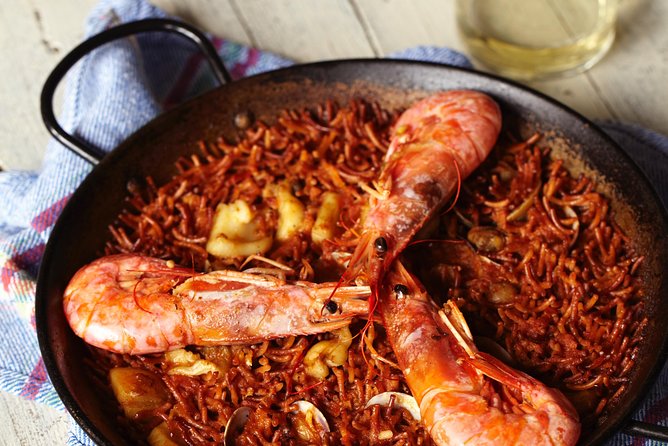 8 / 8
8 / 8- Market-first approach: you buy what you’ll cook, then use it immediately
- Chef-led cooking: skills and technique, not just watching
- Paella + classics: tortilla, gazpacho, tomato bread, and crema catalana
- Wine included: guests consistently mention generous pours with the meal
- Small groups (max 12): easier attention and more time cooking
- Take-home PDF recipes: helpful for recreating dishes at home
First Stop: La Rambla and the Meeting Point Setup
You meet at Barcelona Cooking on La Rambla, 58, ppal 2, in Ciutat Vella (old city). The start time is 10:00am, and the class ends back at the meeting point, so you’re not stuck figuring out a post-class commute.
Because it’s near public transportation, it’s easy to pair this with other central sights before or after. You’ll also want to arrive a few minutes early. The group is small, and once you’re in, everything moves at a comfortable pace.
What’s smart here is the design of the day: you’re not just doing one culinary activity. You’re doing a market walk, then cooking, then eating. That’s why this format works so well for first-time visitors who want real taste of Spain without doing a full-day food tour.
The Market Walk: Shopping Like a Barceloní (Without the Guesswork)
The best part of the experience for food-minded travelers is that you don’t show up in a kitchen and get handed ingredients. You go to the market first, and the chef shows you what to look for.
Guests mention the walk to Mercat de la Boqueria, and the tone is very practical. You’re learning how ingredients differ in quality, and you get pointers like which ham is best for flavor and how to think about “taste discernment” rather than just buying by looks.
One review note I really appreciate: chefs like Juan are described as knowing lots of vendors. That matters because it keeps things moving. You’re not stuck in awkward silence while someone negotiates. You get the fast education you want—plus the little moments where the market feels like a real neighborhood routine, not a stage set.
Also, the market portion helps you connect flavors to ingredients. Later, when you’re cooking gazpacho or tortilla, you’ll remember what you picked and why it mattered.
Cooking Station Reality: You’re Not Watching, You’re Working
Back at the kitchen, you’re given a practical setup: kitchen tools and an apron to use. Reviews repeatedly call the experience hands-on, with everyone taking part.
That’s key for value. If you’ve done cooking classes where you stir for two minutes and then eat, you’ll feel the difference here. You get real tasks and method. One guest even mentioned being able to cook almost like a regular: being assigned jobs, following instruction step by step, and finishing with a table full of food.
The kitchen is also described positively by guests as comfortable and well organized, with good logistics for groups. Since the group max is 12 travelers, you’re less likely to feel lost or pushed aside.
And yes—you’ll still learn even if you’re a total beginner. Several reviews say the class works for first-timers and people who already know how to cook.
What You’ll Cook: The Classics That Actually Teach Technique
This class includes a clear menu, and the dishes are smart picks because they teach more than one skill. Here’s what’s on the sample plan:
Strawberry Gazpacho with Mint and Brie
Gazpacho is a great entry into Spanish cooking because it teaches flavor balance: cold soup, acidity, fruit notes, and herbs. With mint and Brie mentioned in the menu, you’re getting a version that’s not just tomato-on-a-hot-day.
Guests talk about balanced flavors and that it’s something they hadn’t made before. That’s a good sign for recipe value: you’re likely to recreate this at home because it feels new but still Spanish.
Spanish Tortilla
The Spanish omelet (tortilla espanola) is a technique dish: potatoes, eggs, and timing. Reviews mention learning secrets and methods behind it.
If you’re going to one cooking class in Barcelona, tortilla is a solid choice because you can’t fake it. If you learn the method, you’ll have a go-to recipe forever.
Tomato Bread
Also called pan con tomate in many Spanish kitchens, this teaches you how to think about simple ingredients with confidence. Guests mention tomato toast with garlic as a standout—simple, but done right, it tastes like Spain.
Paella (Including Wine-Supported Feast Energy)
Paella is the headline, and the class treats it like more than a photo moment. You learn how to make it from a professional chef, and multiple reviews mention both seafood and chicken paella happening across groups.
Paella also benefits from the market-first approach. You can connect what you chose (or what the chef selected for quality) to the final flavor.
Catalan Cream (Crema Catalana)
This dessert is the finale and a major reason many guests come back smiling. Guests describe it as creamy and perfect and also specifically mention being in charge of it in at least one group.
Crema catalana is another technique lesson: custard texture, heat control, and the final finishing touch. Even if you don’t perfect it the first time, the PDF recipe will give you a repeatable path.
The Wine Factor: Why It’s Included and How It Helps
This experience includes alcoholic beverages, and the tour title highlights bottomless wine. Reviews back up the “generous pours” vibe, with guests mentioning plenty of wine and great tasting selections.
The practical question is: does the wine just add fun, or does it fit the flow? In this format, it does both. It turns a work-and-learn kitchen day into something social. It also makes the meal feel like a proper lunch celebration rather than a class snack.
If you’re sensitive to alcohol, pace yourself. But if you enjoy wine, this inclusion can be a big part of the perceived value—because you’re already buying wine with lunch in most European cities anyway.
Views From La Rambla: How the Setting Changes the Mood
One reason this class gets remembered is that it pairs food with city energy. Guests mention scenery overlooking La Rambla and the general bustle of the area while you’re cooking and sampling wine.
This matters because Barcelona can feel like sensory overload. A class that gives you a structured, guided experience helps you slow down without losing the city’s buzz.
You also don’t have to choose between “food” and “views.” You get both, and the timing stays tight at about 4 hours.
English-Friendly and Chef Personalities That Matter
The experience is offered in English, and that’s not trivial. Food instruction lives in details—how to cut, when to stir, why you season a certain way. Reviews show chefs like Juan, Sonja/Sonia, Renata, and Yohannes are seen as knowledgeable and friendly, with strong teaching styles.
More than one guest said the guide made the group feel at ease. That’s a big deal in a small cooking setting, because confidence affects how much you learn.
If you’re traveling solo or as a couple, this also helps. People talk. The class is social by design, and the small group size keeps it from turning into a factory line.
How the Timing and Group Size Works for Real Life
At about 4 hours, this is the kind of activity you can fit into a travel schedule without losing your whole day. It starts at 10:00am and returns you to the meeting point, which keeps logistics simple.
The group size max of 12 travelers is another practical win. It usually means:
- you have a better chance of getting questions answered
- you aren’t waiting too long between tasks
- you get more real cooking time
One guest even described the group as turning into a little family by the end, which tracks with the small-group format and hands-on workflow.
Price and Value: What You’re Really Paying For
The price is $151.23 per person for around 4 hours, and it includes:
- lunch
- alcoholic beverages
- kitchen tools and an apron to use
- PDF recipes
When you break it down, you’re paying for a package that combines market shopping + guided instruction + a full meal + wine + take-home documentation. Many standalone meals cover lunch and wine, but you’re not learning technique, and you’re not getting a recipe pack that makes repetition at home realistic.
Also, average booking happens about 39 days in advance, which suggests this is a commonly chosen class. That’s often a good sign for consistent quality and staff readiness.
Could it be pricey for a budget traveler? Sure, but it’s also a “do it once, learn for life” type of experience. If you enjoy cooking or you want a memorable souvenir that isn’t just a photo, this tends to land well.
Dietary Needs and Kids: What Guests Report
Several reviews mention that the team can handle dietary requests well. That’s a strong signal, but the details aren’t spelled out in the data you provided—so if you have a serious restriction, you should ask during booking.
For families, reviews also mention kids being included smoothly. One guest specifically praised a chef’s patience and interaction with children. If you’re traveling with a family, this class might be a good fit because it’s interactive and not just a long sitting meal.
What You Get to Bring Home: The PDF Recipe Bonus
The included PDF recipes are one of the most practical parts of the value. You’re not relying on memory for how to make strawberry gazpacho, tortilla, or crema catalana.
This matters because cooking technique is easy to forget. A written guide helps you repeat the steps back home in your kitchen with your ingredients.
If you’ve ever tried to recreate a dish after travel and it came out different, this is the fix. You’ll at least have the structure and proportions that got it right in Barcelona.
Cancellation Policy: Keep It Low-Stress
You can cancel for a full refund up to 24 hours in advance of the start time. Changes inside 24 hours aren’t accepted, and the experience requires a minimum number of travelers.
So if you’re planning a trip with flexible days, it’s relatively safe. Just make sure you check timing based on the local start time.
Who This Class Fits Best
You’ll likely enjoy this most if you:
- want hands-on learning instead of a food demo
- like classic Spanish dishes and want real technique behind them
- enjoy social travel and meeting other people
- want a central activity that still feels local (market + kitchen)
- care about taking recipes home, not just eating once
It may be less ideal if you want total quiet, a long guided walking tour of neighborhoods, or a super “food scene” tour with no cooking.
Should You Book: My Decision Guide
Book this class if you want a practical Spain souvenir: market shopping, chef-led cooking, a real lunch, wine included, and PDF recipes you can actually use. The consistent feedback about knowledgeable chefs (Juan, Sonia/Sonja, Renata, Yohannes) and the steady praise for wine and value makes it a strong bet.
Skip it—or pick another option—if the area and group energy of La Rambla feels like a downside for you, or if you’re looking for a purely sightseeing-focused day rather than a cooking day.
If you’re on the fence, think about this: you’re not just paying to eat paella. You’re paying to learn how to make it—and that’s what makes this type of class earn its place in a trip.
Interactive Paella & Market: Bottomless Wine & Rambla Views
FAQ
Where is the meeting point for this cooking class?
The meeting point is Barcelona Cooking La Rambla, 58, ppal 2, Ciutat Vella, 08002 Barcelona, Spain.
What time does the experience start?
It starts at 10:00am.
How long does the class last?
The duration is about 4 hours.
Is the class in English?
Yes, the experience is offered in English.
What’s the maximum group size?
The class has a maximum of 12 travelers.
What’s included in the price?
The included items are lunch, kitchen tools, an apron to use, alcoholic beverages, and a PDF copy of the recipes.
Is wine included?
Yes. Alcoholic beverages are included, and guests also describe very generous wine portions.
Do you receive recipe instructions to use at home?
Yes. You receive a PDF copy of the recipes after the class.
What’s the cancellation policy?
You can cancel for a full refund up to 24 hours before the experience starts. If you cancel less than 24 hours before, the amount paid is not refunded.