
This full-day tour from Bordeaux is built for travelers who want the big Bordeaux names without doing the planning math. You’ll move from Saint-Émilion to Margaux by van, learn from an English-speaking wine guide, and taste multiple wines across three wineries. It runs about 8 hours 50 minutes, with a picnic lunch in a château and tastings that add up to 8 glasses total.
What I especially like is the mix of village time plus vineyard time. You get a guided walk in UNESCO-listed Saint-Émilion (monuments and historic spots), and then you switch gears to wine-making and blending during winery visits. I also really like the pacing of the tastings: enough to learn and compare, without turning the day into a blur.
One consideration: it’s a full day and you spend real time in transit. You cross from the right bank to the left bank, so if you hate minibus time, you might find the schedule a bit tight.
- What you’ll love most about this tour
- 1) Guides who actually explain the wine
- 2) Small group size
- 3) Three winery experiences with a variety of settings
- 4) Picnic lunch in a château setting
- 5) UNESCO village time before the crowds
- 6) Real value for a first Bordeaux intro
- The “Big Picture” plan: Bordeaux to Saint-Émilion to Margaux
- Getting started in Bordeaux: easy meeting point, clear start rules
- Saint-Émilion by van: landscapes plus vineyard context
- Walking the UNESCO village: what to look for
- Winery picnic lunch inside a château: food, wine, and a convivial lesson
- Tasting at multiple estates: how the day builds your palate
- Margaux transfer: switching banks and changing the wine mood
- Grand Cru Classé in Margaux: the 1855-era gateway stop
- Quick photo stop at Château Margaux: fast, but fun
- Final tasting in Margaux: finishing with comparisons
- Guides, group vibe, and the little details that matter
- Price and logistics: does 7.77 feel worth it?
- Who this tour suits best (and who should pick something else)
- Weather, timing, and what to bring
- Cancellation and flexibility
- Should you book this Saint-Émilion and Margaux day?
- FAQ
- What is the duration of the tour?
- What time does the tour start, and where do we meet?
- How many people are in the group?
- What tastings and meals are included?
- Is the tour only for one language?
- Are there any restrictions on who can join?
What you’ll love most about this tour
 1 / 8
1 / 8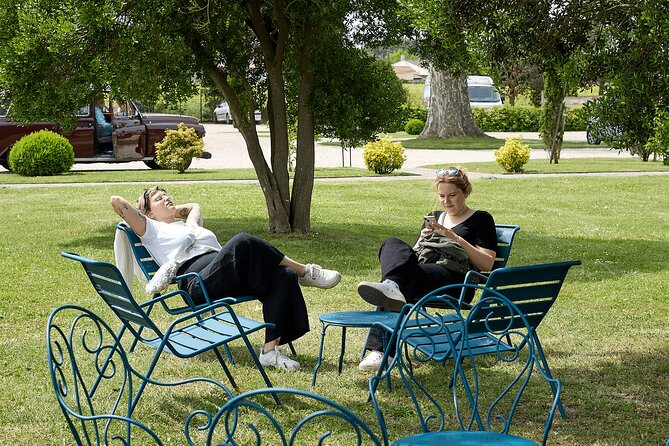 2 / 8
2 / 8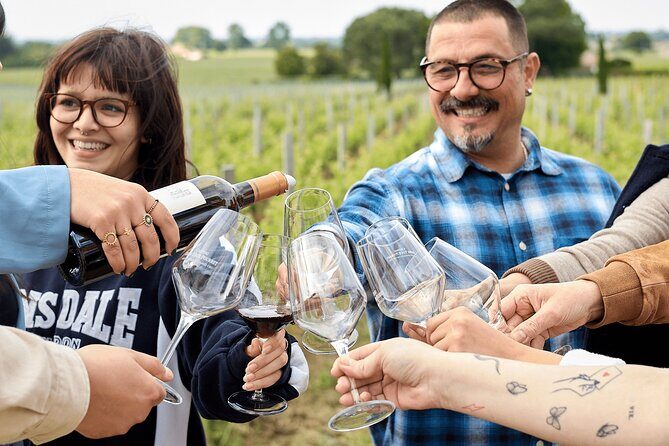 3 / 8
3 / 8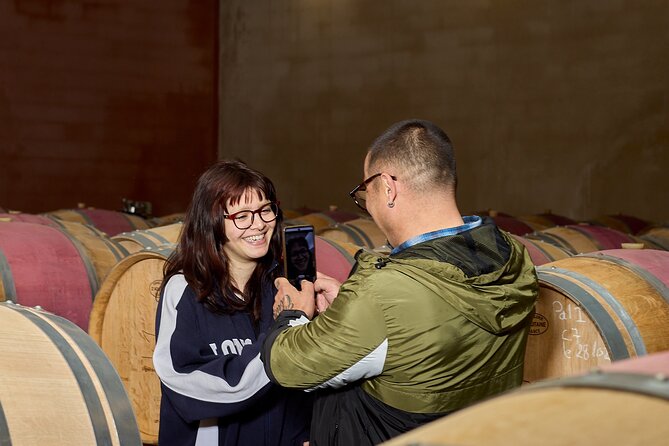 4 / 8
4 / 8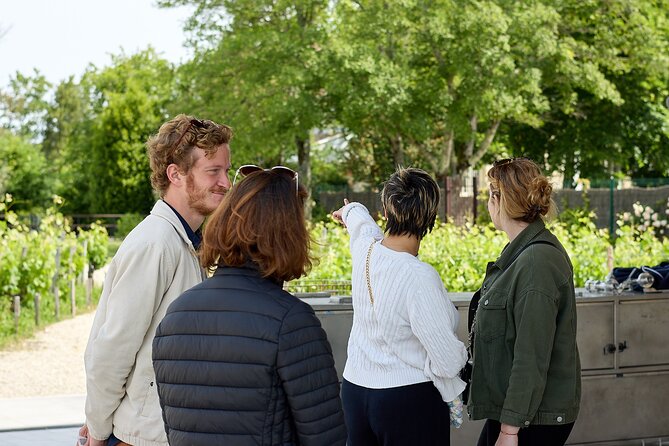 5 / 8
5 / 8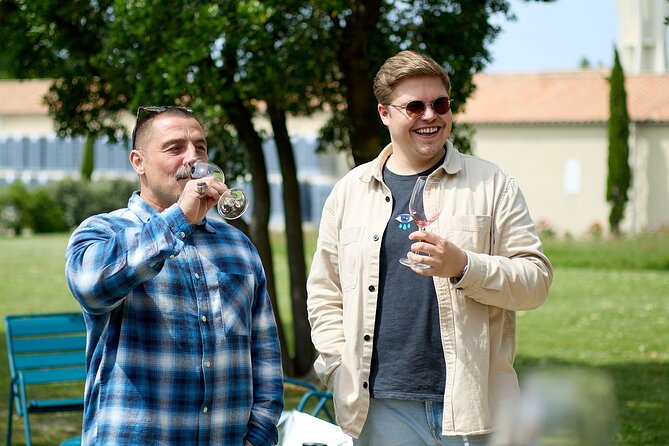 6 / 8
6 / 8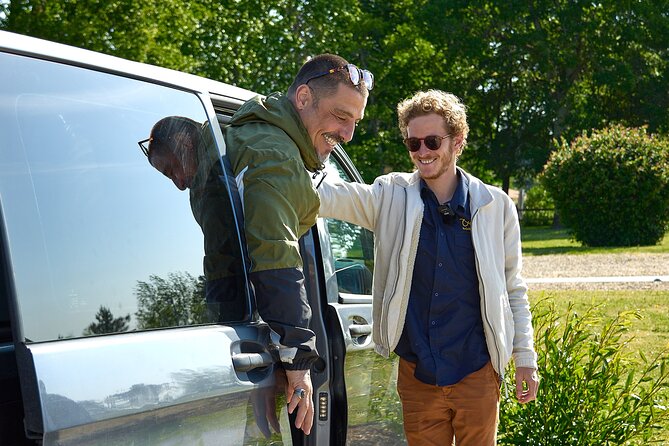 7 / 8
7 / 8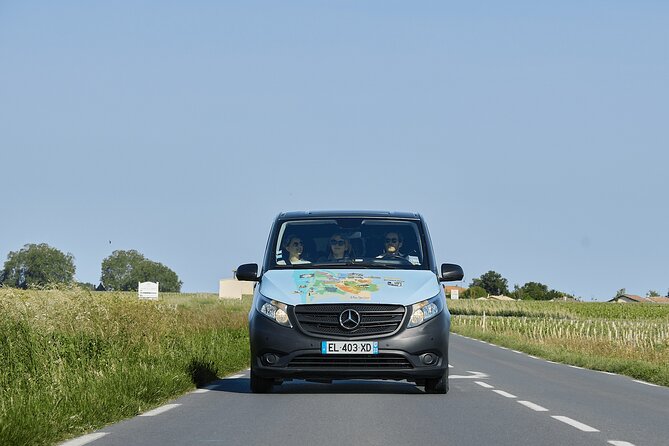 8 / 8
8 / 81) Guides who actually explain the wine
Multiple travelers mention guides with strong knowledge and clear English. Names that come up in traveler feedback include Remy, Xavier, Gaspard, Emmanuel, Nicole, Margot, René, and Margaux. That matters because Bordeaux can feel like alphabet soup until someone turns terroir, grapes, and blending into human terms.
2) Small group size
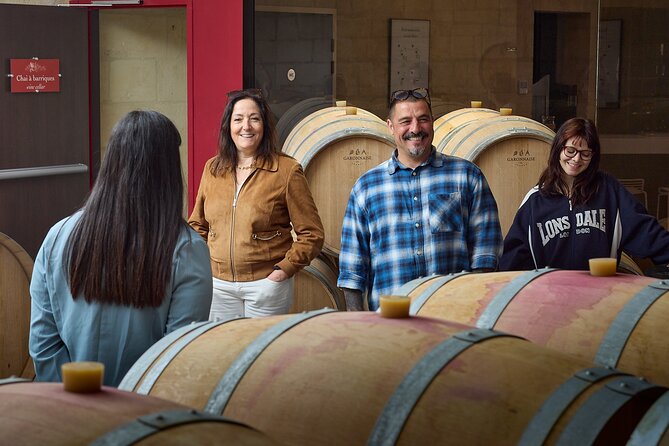
The group caps at 8 travelers. That tends to create a better vibe at tastings and on village walks. You’re more likely to get your questions answered and less likely to feel like a passenger.
3) Three winery experiences with a variety of settings
You visit three wineries (plus a photo stop at Château Margaux). Travelers highlight friendly, well-run tastings, and that each estate has its own angle on how wine is made.
4) Picnic lunch in a château setting
Lunch isn’t just food on a bench. It’s a picnic in a château with local cheeses and charcuterie, plus a basque-style recipe in a jar, fruit compote, and a glass of the estate wine. Even reviews that focus on wine still call out the lunch as a highlight.
5) UNESCO village time before the crowds
Saint-Émilion is famous and can get busy. Travelers note the morning timing helps you see the village when shops and crowds are calmer, so you can actually take your time at the monuments.
6) Real value for a first Bordeaux intro
At $217.77 per person for a full day, you’re not just paying for bus transport. You’re paying for guided village time, tastings (8 glasses), winery visits, and lunch. Reviews repeatedly frame it as an efficient way to learn and taste across two appellations.
The “Big Picture” plan: Bordeaux to Saint-Émilion to Margaux
You start in Bordeaux downtown at 2ter Rue Mably. The meeting point is near public transportation, which helps if you’re staying in the city center and don’t want to depend on taxis. The tour begins at 9:10 am, and you’ll need to arrive 15 minutes early because delays aren’t possible once the group is moving.
The day is essentially two halves. First you do Saint-Émilion on the right bank, with a village walk and a winery lunch/tasting. Then you cross to Margaux on the left bank for a Grand Cru Classé stop and additional tastings. Expect a “see and taste” itinerary that leans strongly toward learning wine and comparing styles.
Getting started in Bordeaux: easy meeting point, clear start rules
Your guide meets you at OLALA Bordeaux on 2ter Rue Mably. This is one of those practical details that makes a difference. No long commutes from the edge of town, and you’re starting where you can orient fast before the vans depart.
The tour uses a mobile ticket, which keeps things simple. Also, it runs in all weather conditions, so dress like a local: layers help because winery days can shift from cool mornings to warmer afternoons.
If you’re doing this as a cruise shore day or tightly scheduled trip, plan around that no-late arrival rule. Arrive early, get settled, and you’ll keep the day stress-free.
Saint-Émilion by van: landscapes plus vineyard context
Before you’re walking, you get a van ride into Saint-Émilion with explanations about Bordeaux vineyards. This is a smart way to start because it gives you a mental map before you hit cobblestones and stone churches.
If you’ve never heard terms like terroir or blending explained, this segment helps you ask better questions later. You’ll also pick up “where we are and why it matters” context, which makes the UNESCO village walk feel more meaningful.
Walking the UNESCO village: what to look for
Saint-Émilion village is not just pretty. It’s a UNESCO World Heritage site, and the guide-led walk is where you learn to see the place with wine eyes. The walk covers famous monuments and historic corners of the village, guided by someone who can connect the built landscape to the winemaking tradition around it.
Travelers specifically mention the village as picturesque and a must-see. What I like about the walking time is that it’s not rushed for photo ops only. Reviews also highlight that the timing helps reduce crowd pressure, so you can slow down and actually enjoy the streets.
Winery picnic lunch inside a château: food, wine, and a convivial lesson
Lunch happens in a Saint-Émilion appellation château. This is one of the best “value” parts of the day because it bundles several things at once: a setting change, a break from car time, and a wine lesson in a relaxed format.
The picnic includes:
- Fresh lunch plus local cheeses and artisanal charcuterie
- A basque-style recipe in a jar
- Fruit compote
- One glass of wine from the estate
You’ll also learn about terroir, the history around the vineyards, and the art of blending. The key word here is convivial. This isn’t just a lecture while you eat. It’s designed to help you understand what you’re tasting later and what you should notice when the guide puts the wines in front of you.
One practical tip: if it’s warm, the picnic area can feel sunny and hot. October travelers have mentioned full sun conditions, so pack sunscreen and plan for a bit of heat.
Tasting at multiple estates: how the day builds your palate
Across the day, you’ll taste wines in different winery formats. You get a guided visit and tasting at the first château lunch stop, and later in Margaux you’ll have tastings designed to help you compare styles and understand why Bordeaux is so famous.
Included tastings are 8 glasses total, and you’ll taste across three wineries. That’s a big deal if you want more than one “random sip.” You’re learning by contrast: village + terroir talk in the morning, then structured tastings as the day goes on.
A note from one traveler: while the overall experience was excellent, they found the exact wine selections for tasting somewhat disappointing. That doesn’t mean the tour is weak—just that wine preferences are personal. If you’re a super picky wine nerd, know that tastings are curated to teach and represent regions, not to satisfy every single palate.
Margaux transfer: switching banks and changing the wine mood
After Saint-Émilion, you ride from the region toward Margaux, about an hour. This transit time is part of the tradeoff of doing both regions in one day. Saint-Émilion and Margaux are on opposite sides of the Garonne, so it takes time to make the connection.
Still, it’s also the point. You’re not just collecting wineries—you’re comparing two of Bordeaux’s famous worlds. The van ride gives you continuity: you arrive with a sense of what to pay attention to, so the Margaux stops don’t feel like a totally separate day.
Grand Cru Classé in Margaux: the 1855-era gateway stop
In Margaux, you visit a Grand Cru Classé château from the 1855 classification. This is a classic Bordeaux entry point because it ties the modern wine scene back to a historical label system many people use as a reference.
Travelers describe this as a great opportunity to understand what makes Bordeaux wines so well-known. I agree with that angle. When you taste and hear explanations at an estate with historical weight, you get a clearer sense of why people care about places like Margaux.
This is also where the guide’s role matters. You’ll get context about the grapes and style, and you’ll learn the kind of details you can use when you’re shopping later.
Quick photo stop at Château Margaux: fast, but fun
You’ll pause in front of the famous Château Margaux for a souvenir picture. It’s brief, and you’re not going to see a full visit from the gate. But it’s a low-effort moment that feels satisfying, especially if you’ve already been learning about classification and regional identity.
It’s the kind of stop that keeps the day light between tastings. Think of it as a bookmark in the story you’re learning.
Final tasting in Margaux: finishing with comparisons
The day ends with a final tasting of 3 wines at a wine estate in the Margaux appellation. This last tasting is important because it lets you “lock in” what you learned. Earlier you had tasting moments tied to Saint-Émilion’s approach and blending ideas; now you’re seeing how Margaux expresses itself in the glass.
Reviews often praise the overall balance and the guide’s ability to connect the dots. If you’re a first-timer, the end tastings are where you start to understand what you liked and why, not just that the wine tasted good.
Afterward, you return to Bordeaux city center and drop back near the meeting point.
Guides, group vibe, and the little details that matter
This tour shines when the guide brings the region to life, and traveler feedback strongly supports that. Names repeatedly praised include Remy, Xavier, Gaspard, Emmanuel, Nicole, Margot, René, and Jeremy. Common praise themes are:
- Extremely knowledgeable wine guidance
- Friendly handling of questions
- Good pacing so you don’t feel rushed
- Care and attentiveness to group dynamics
Some travelers also note accommodations for dietary needs, including a vegetarian-friendly setup without hassle. That’s a nice sign if you travel with food restrictions and want less friction.
Also, it’s worth paying attention to sustainability and logistics. You’re encouraged to bring a water bottle to refill in the morning at OLALA Bordeaux to limit plastic waste.
Price and logistics: does $217.77 feel worth it?
Let’s be practical. At $217.77 per person for a near-9-hour day, you’re paying for:
- Round-trip transportation by air-conditioned vehicle
- Guided UNESCO village walk in Saint-Émilion
- Visits and tastings totaling 8 glasses across three wineries
- A picnic lunch in a château with cheese/charcuterie and a wine glass
- A group cap of 8 travelers, which usually improves the experience
If you were to book wineries separately plus add transport plus hire a guide, the price usually starts to look more reasonable. The best value is for travelers who want a curated learning day rather than self-driving with a clipboard of winery addresses.
If you dislike spending the day in transit, then the price won’t feel as great—because time becomes your main cost.
Who this tour suits best (and who should pick something else)
This tour is a great fit if you:
- Want a first Bordeaux intro that teaches you how to think about wine
- Enjoy red wine and want structured tastings rather than random sips
- Like a mix of sightseeing and wine education
- Prefer small groups over big bus tours
It may feel less ideal if you:
- Want a lot of free time inside Saint-Émilion (some reviewers note it’s not enough time if your focus is the village)
- Really dislike long travel segments between regions
- Travel with kids or pets, since children under 16 and pets aren’t allowed for group comfort (a private tour would be better)
Weather, timing, and what to bring
The tour runs in all weather. Dress appropriately and expect to move between van and walking. Bring:
- A water bottle (you can refill)
- Sunscreen and a hat if the picnic area gets sun
- Layers for comfort when mornings start cool
- Comfortable shoes for the UNESCO village walk
Also, arrive early. That on-time requirement keeps the day smooth for everyone.
Cancellation and flexibility
You get free cancellation up to 24 hours before the start time for a full refund. That’s helpful if your Bordeaux plans are still shifting. If the tour is canceled due to minimum traveler requirements, you’ll be offered another date/experience or a full refund.
Should you book this Saint-Émilion and Margaux day?
In my view, you should book this tour if you want maximum Bordeaux learning in one day. The biggest strength is the combination of knowledgeable English-speaking guides and structured tastings paired with a real break for a château picnic lunch. Add in the small group size and the UNESCO village walk, and it’s a strong “learn and taste” value play.
Skip it or consider an alternative if you want either fewer moving parts or a slower pace. The day is full, and the transit between right and left bank is part of the deal. If you’re sensitive to travel time, look for a plan that focuses on just one side.
Full-Day tour to Saint-Emilion and Margaux, from Bordeaux
FAQ
What is the duration of the tour?
The tour runs about 8 hours 50 minutes.
What time does the tour start, and where do we meet?
It starts at 9:10 am. You meet at OLALA Bordeaux, 2ter rue Mably, 33000 Bordeaux.
How many people are in the group?
The group size is capped at 8 travelers.
What tastings and meals are included?
You get wine tastings totaling 8 glasses across three winery visits, plus a picnic lunch in a château that includes local cheeses and charcuterie, a basque-style recipe in a jar, fruit compote, and 1 glass of wine.
Is the tour only for one language?
Yes, the tour is offered in English.
Are there any restrictions on who can join?
Children under 16 and pets are not allowed for comfort of the group.