
Our take on Sealife Sea Safari in Lagos is simple: you get a professional wildlife outing with a real marine biologist aboard, and you’re not stuck on some giant cattle-boat. The vibe feels more like a guided ocean hunt for dolphins than a loud sightseeing chore.
I like that Sealife aims for respectful distance and animal-first behavior. You’ll hear the science behind what you’re seeing, and guides like Daniela take time with questions (even for guests who are deaf, according to traveler notes). That human touch matters when you’re bouncing on an Atlantic boat.
One thing to plan for: this is weather-dependent. If the sea is rough, you’ll still go out if conditions allow, but it can get chilly outside peak season and the ride can be choppy.
- Key Things You Should Know Before You Go
- Lagos Dolphin Watching With Marine Biologists: What You’re Really Buying
- Where to Meet: Lagos Marina, Loja 10 (And Why That Matters)
- The Boats: Fast, Safe, and Built for Atlantic Conditions
- What Happens on the Water: A Wildlife Search, Not a Theme-Show
- Meet the Dolphins (and Other Sea Life) in Real Time
- The Marine Biologist Advantage: Learning Without Being Bored
- Group Size and Boat Choice: Why Small Feels Better
- Timing, Duration, and When It’s Most Comfortable
- Safety and Animal Welfare: How They Try to Keep Encounters Respectful
- Price and Value: Is .39 Worth It?
- Weather and Cancellations: The Practical Stuff
- Who This Tour Fits Best
- What To Bring (So the Ocean Doesn’t Win)
- Should You Book Sealife Sea Safari in Lagos?
- FAQ
- How long is the Sealife dolphin watching trip?
- Where do we meet for the tour?
- Is the tour offered in English?
- What is the maximum group size?
- What should I bring if I’m going outside high season?
- What is the cancellation policy?
Key Things You Should Know Before You Go
- Marine biologists on every trip means you’re not just watching—you’re learning as you go.
- Small group size (max 20) helps everyone hear and see, and it’s easier for the crew to respond to sightings.
- Certified, environmentally licensed and insured operations are a comfort check you don’t always get with cheaper tours.
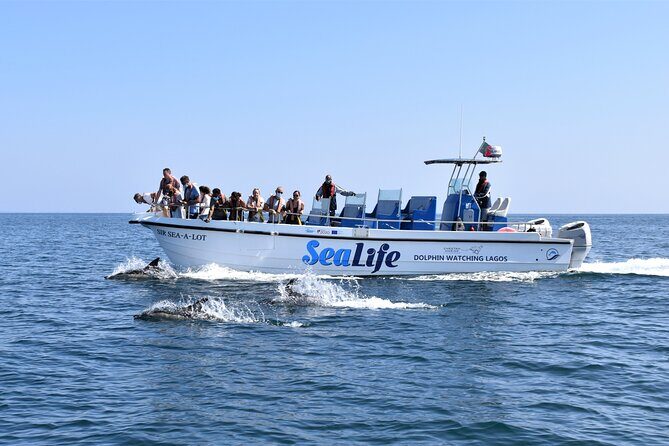
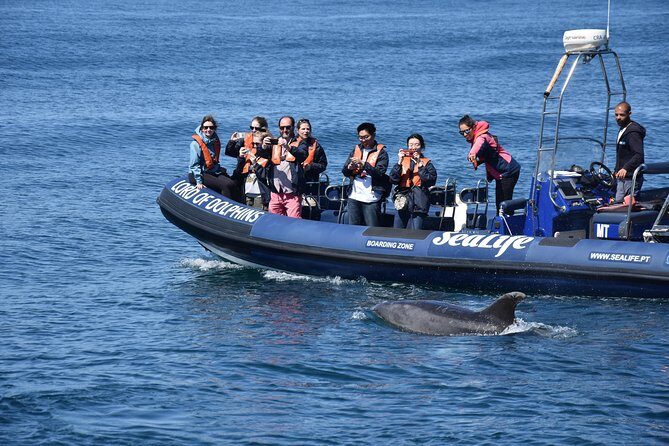
- Multiple boat types (including rigid inflatables and a catamaran) mean different speeds and ride styles.
- Dolphin-first behavior: crews may reduce boat activity to let dolphins approach on their own.
- Pack for the Atlantic: a jacket is smart, especially outside high season when the wind bites.
Lagos Dolphin Watching With Marine Biologists: What You’re Really Buying
This is dolphin watching in Lagos, Portugal, out on the Atlantic Ocean. The big selling point isn’t that you’ll definitely see dolphins. Wild dolphins are wild dolphins. The real value is the setup: a small group, a certified operation, and marine biologists aboard to guide you toward sightings and explain what’s happening once you’re there.
At $48.39 per person for about 1 hour 30 minutes, the price sits in the “worth it if you care about the wildlife” zone. You’re paying for expertise and for a trip designed to avoid the typical big-tour chaos. In a place like the Algarve, that difference can be the whole experience.
Where to Meet: Lagos Marina, Loja 10 (And Why That Matters)
You start at Sealife Dolphin Watching, Marina de Lagos, Loja 10, 8600-315 Lagos. The good news: it’s near public transportation, so you’re not stuck hunting for taxis at the last minute.
This matters because dolphin trips can be time-sensitive. If you’re late, you’re not getting a redo. Get there early enough to park your jacket, find your crew, and settle in before the boat leaves.
The Boats: Fast, Safe, and Built for Atlantic Conditions
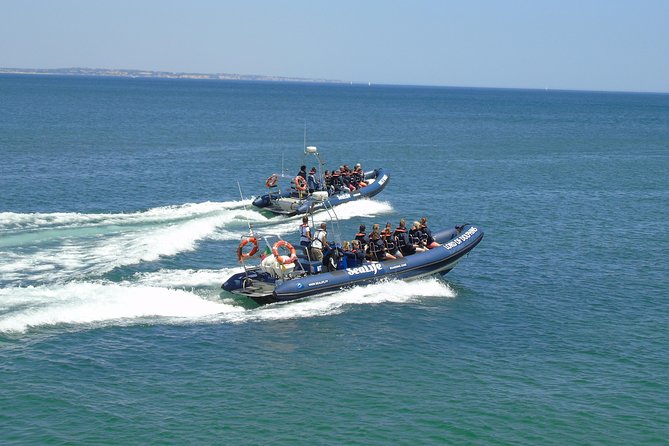
Sealife lists a few boat options, and travelers mention the ride can be fun—but also choppy. Expect a “real ocean” feel rather than a smooth lake cruise.
Here’s what they operate:
- Rigid inflatables (named Lord of Dolphins and Prince of Whales) for speed and agility
- A catamaran called Sir Sea-a-Lot if conditions call for it
So what should you do with that info? If you’re prone to motion sickness, you’ll want to think about whether a fast inflatable ride sounds like your idea of a good time. If you’re more interested in comfort and stability, you might find the catamaran option easier.
What Happens on the Water: A Wildlife Search, Not a Theme-Show
The outing is straightforward: you head out from Lagos, the crew looks for dolphins, and then you watch them up close in a way that tries to keep stress low.
A few notes from traveler experiences that help set expectations:
- The captain and crew may slow things down—one traveler described the captain turning off the boat to let dolphins approach naturally.
- Sometimes dolphins are right there and you get immediate action. Other times, you travel a bit farther while the crew searches.
- When the group finds a pod, you’ll typically stay for a good stretch—one trip described about 30 minutes with dolphins before heading back.
That “search then settle in” rhythm is normal for wildlife. The difference here is that you’re with people who keep scanning and who explain what you’re seeing as it changes.
Meet the Dolphins (and Other Sea Life) in Real Time
Most trips focus on dolphins, and that’s what you should plan for. But the Atlantic can throw extras your way.
Travelers specifically mentioned:
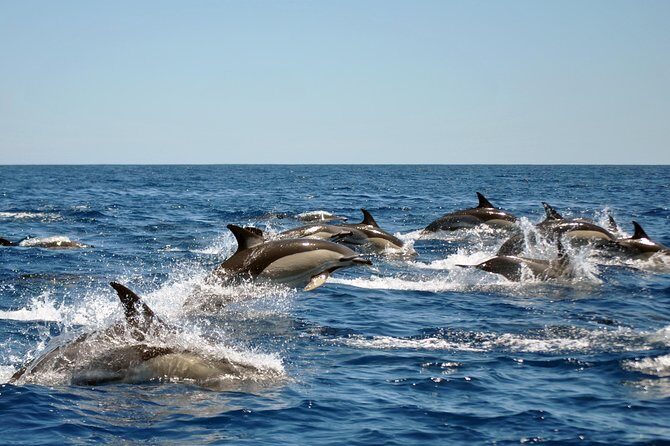
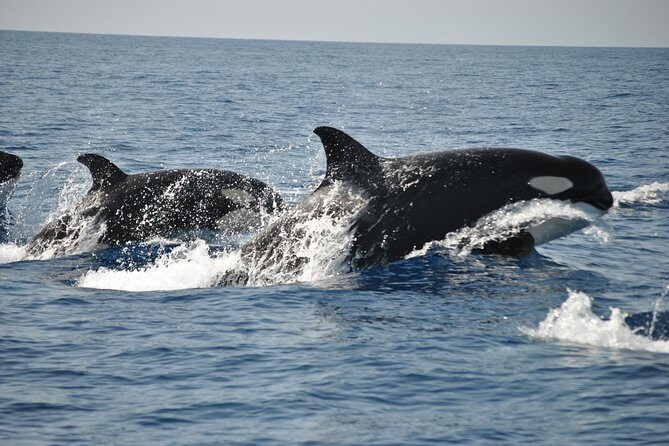
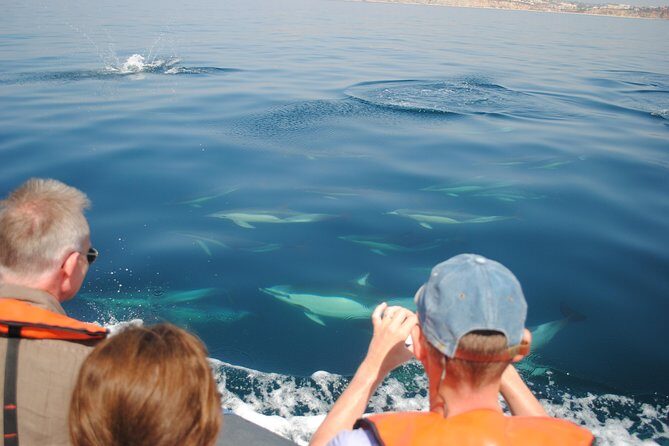
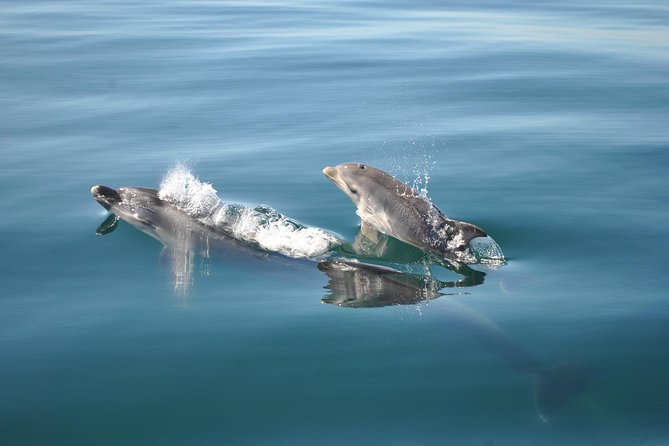
- Common dolphins and bottlenose dolphins
- Groups ranging from around a dozen to pods of 30+
- Dolphins swimming near or alongside the boat, including playful circling behavior
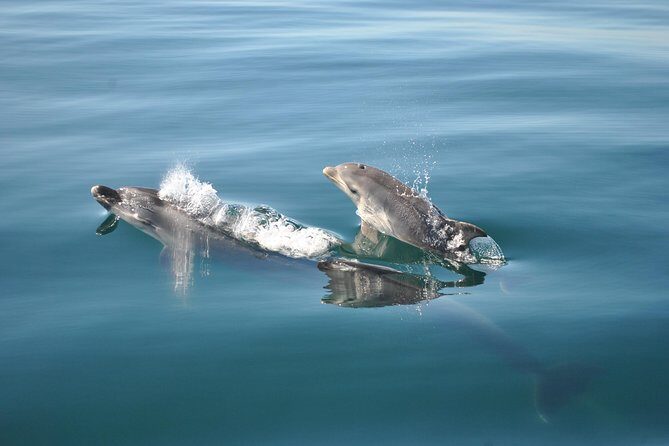
- A pod with babies and even a mother/newborn highlight
- A loggerhead turtle spotted briefly on at least one trip
- One mention of a minke whale
Will you see the same things? Not guaranteed. But the pattern is clear: when the crew finds dolphins, you don’t get a quick wave and a goodbye. You get time to watch their behavior—feeding, resting, and social interactions.
The Marine Biologist Advantage: Learning Without Being Bored
This is where Sealife earns its repeat praise. The company emphasizes that it uses fully certified marine biologists on every trip, and travelers consistently mention how attentive and knowledgeable the guides are.
What that looks like in practice:
- You get clear explanations while you’re actually watching the animals, not just before you board.
- Guides answer questions in a way that feels personal, not scripted—one traveler noted the biologist took time to explain things to a deaf partner.
- Topics mentioned in traveler notes included dolphin sleeping behavior, including the idea that dolphins can sleep with one eye open.
If you’ve ever done a tour where you spend the whole time squinting silently at the horizon, this format is better. You leave with facts you can remember, not just a vague wow.
Group Size and Boat Choice: Why Small Feels Better
Your max group size is 20 travelers. That’s not a huge crowd, and it shows up in how the crew can manage the experience.
Smaller groups tend to mean:
- Better conversation and less shouting over the sea
- More flexibility when dolphins appear suddenly
- A more “everyone gets a turn to see” feel
One traveler even described a very small group—around four people—so the trip felt close to private. That’s not something you can bank on, but the small cap makes it possible.
Timing, Duration, and When It’s Most Comfortable
The trip runs about 1 hour 30 minutes total. Within that window, the crew needs enough time to search, find, watch, and then head back to Lagos.
Outside of high season, travelers warned it can get chilly. If you’re going in cooler months, pack a jacket and something warm to wear on the way out. You’ll be on the water longer than you think once wind and mist factor in.
One practical tip from travelers: if the day is windy and you want extra spray/mist, sit nearer the front. If you’d rather stay drier, choose a seat closer to where the boat feels less exposed.
Safety and Animal Welfare: How They Try to Keep Encounters Respectful
Dolphin watching can go bad when boats treat wildlife like a ride. Sealife repeatedly emphasizes getting close without compromising well-being, and traveler comments back that up.
You’ll hear and notice respectful behaviors like:
- Boats stopping or changing approach when dolphins come close
- Allowing dolphins to approach on their own rather than chasing them like targets
- Spending time observing instead of forcing constant movement
If you care about wildlife ethics, this is the part you should pay attention to. It also tends to make sightings more natural, which usually means more interesting behavior.
Price and Value: Is $48.39 Worth It?
Let’s be real: some dolphin tours are cheaper, and some are more expensive. The question is what you’re paying for.
At $48.39, you’re paying for:
- Marine biologists (not just a driver with a few facts)
- A smaller group rather than a boat full of strangers all arguing over who has the best view
- An operation described as environmentally licensed and insured
- Boats built for the Atlantic, including fast options
So the value case is strongest if you fall into one of these camps:
- You want learning and explanations, not only photos
- You care about responsible wildlife viewing
- You’d rather pay a bit more than roll the dice on a crowd-heavy tour
If you only care about a quick dolphin glimpse and don’t care about biology, you might find cheaper options. But you’d likely be trading away exactly what people rave about here: knowledgeable guidance and respectful behavior.
Weather and Cancellations: The Practical Stuff
This experience requires good weather. If it’s canceled due to poor conditions, you’ll be offered a different date or a full refund.
Cancellation policy is also clear:
- Free cancellation up to 24 hours in advance for a full refund
- Cancel less than 24 hours before start time and you won’t get your money back
- Changes within 24 hours aren’t accepted
They also mention there’s a minimum number of travelers. If that minimum isn’t met, you’ll get a different date or a full refund.
For planning: if you’re booking this as one of your only ocean activities, try not to stack it back-to-back with another weather-sensitive plan the same day.
Who This Tour Fits Best
This trip is a strong match for:
- Families who want an active outing that’s still guided and controlled
- Adults who want actual biology, not just dolphin spotting
- Travelers who hate overcrowded boats and prefer a more personal group size
- Anyone celebrating a special day (one traveler noted it as a treat and highlight moment)
If you’re very sensitive to rough seas, consider your comfort with choppy water before booking. Also, bring warm layers in shoulder season.
What To Bring (So the Ocean Doesn’t Win)
The tour notes say most travelers can participate, and that confirmation comes at booking. For comfort, pack the basics:
- A jacket (especially outside high season)
- Sunglasses and sun protection if the day is bright
- Layered clothing so you can adjust when wind hits
- If you get motion sick, bring your usual remedy in advance
You’ll be out there for long enough that “I’m fine without a jacket” can turn into “why didn’t I listen to common sense.”
Should You Book Sealife Sea Safari in Lagos?
I’d book it if you want dolphin watching with marine biologists, a small group, and a crew that prioritizes the animals. The consistent theme is knowledgeable guidance and respectful encounters, and the sights travelers reported—pods of dolphins, babies, and even turtle sightings—make this a solid Algarve ocean experience.
I’d think twice if:
- You’re booking on a day with very questionable weather and you won’t be able to shift dates
- You hate cold wind and rough water and don’t plan to dress for it
Otherwise, this is exactly the kind of trip that turns a simple day out on the water into a story you’ll remember.
Sealife Sea Safari, Dolphin Watching with Marine Biologist’s Lagos
FAQ
How long is the Sealife dolphin watching trip?
It runs for about 1 hour 30 minutes (approx.).
Where do we meet for the tour?
You meet at Sealife Dolphin Watching, Marina de Lagos, Loja 10, 8600-315 Lagos, Portugal. The tour ends back at the same meeting point.
Is the tour offered in English?
Yes, the tour is offered in English.
What is the maximum group size?
The maximum group size is 20 travelers.
What should I bring if I’m going outside high season?
It can get chilly outside high season. Bring a jacket.
What is the cancellation policy?
You can cancel for a full refund up to 24 hours in advance. If you cancel less than 24 hours before the start time, the amount paid is not refunded. The tour may also be canceled due to poor weather, in which case you’ll be offered a different date or a full refund.