
I’m reviewing this Lisbon Essential Walking Tour as a great first-day option: you’ll cover major neighborhoods, hit key landmarks, and get the stories that make Lisbon feel less like a postcard and more like a living city. Expect about 3 hours on foot, plus a tram ride, with plenty of stops for photos and questions.
You’ll start in Bairro Alto, move through viewpoints and famous churches, and finish at Lisbon Cathedral after a route that connects Lisbon’s layers fast.
Two things I really like about it are the guide-led storytelling and the practical “you can use this tomorrow” orientation. Guides like Paolo, Beatrice, and Ricardo (plus others guests mention, like Ana, Sofia, Joao, and Lucie) show up as knowledgeable and genuinely engaging, not just reciting dates. And you’re rewarded with classic viewpoints like São Pedro de Alcântara, where the city and the Tagus suddenly make sense.
One drawback to think about: this is a walking tour with hills, steps, and uneven city terrain, so it’s not the best fit if you struggle with mobility or long stints.
- Key highlights if you love strong context and great views
- A 3-Hour Lisbon Primer That Helps You Navigate Fast
- Meet the Guides and the Stories That Make Lisbon Click
- How the Route Works: Hills, Churches, Viewpoints, and One Revolution Stop
- Bairro Alto Hills: Lisbon’s Post-1755 Comeback Story
- Miradouro São Pedro de Alcântara: Classic Views Without the Guesswork
- Igreja de São Roque: Jesuits, Tiles, and an Interior That Surprises
- Igreja do Carmo and the Carnation Revolution Connection
- Santa Justa Elevator: A Great Viewpoint, But Check What’s Included
- Baixa Café Break: Coffee and Cake as a Recharge Point
- Praca da Figueira and the Tram Ride That Changes the Pace
- Alfama: Narrow Streets, Fado Houses, and Saints Festivals
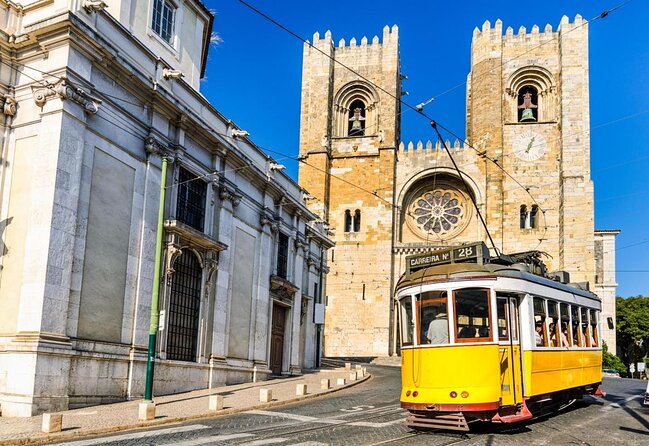
- Lisbon Cathedral Finish: A 12th-Century Anchor for the Whole Walk
- Price and What You Actually Get for It
- Pace, Steps, and Who This Tour Suits Best
- Logistics: Mobile Tickets, Language, and Meeting Reality Checks
- What to Do Before and After This Tour
- Should You Book This Lisbon Essential Walking Tour?
- FAQ
- How long is the Lisbon Essential Walking Tour?
- How much does the tour cost?
- Is the tram ride included?
- What food is included?
- Is the Santa Justa elevator included?
- What languages is the tour available in?
- How big is the group?
- Is the tour accessible for most travelers?
- What is the cancellation policy?
Key highlights if you love strong context and great views
- Small group (max 15): easier questions, less crowding at viewpoints
- Three-hour history route: churches, revolutions, and neighborhood changes in one logical loop
- Iconic photo stops: Bairro Alto viewpoints through Alfama toward the Tagus
- Included café break: coffee and cake help you reset mid-walk
- Tram time plus extra optional views: Santa Justa is close, but not included
- Travel-ready logistics: mobile ticket, service animals allowed, near public transportation
A 3-Hour Lisbon Primer That Helps You Navigate Fast
If you’re doing Lisbon for the first time, one problem hits quickly: the city is built on hills, and the neighborhoods feel disconnected until someone explains the pattern. This tour does that job. You get a guided walk that strings together history, geography, and everyday lifestyle so you can move around on your own later with confidence.
It’s also a good “energy match.” Three hours is long enough to feel like you saw the important stuff, but short enough that you’re not stuck sightseeing all day. The route includes viewpoints, major churches, a café stop, and a tram ride, so it doesn’t feel like a nonstop lecture.
Meet the Guides and the Stories That Make Lisbon Click
The most consistent praise is about the guides. Travelers call out guides such as Paulo for passion and clear context, Ana for an excellent mix of facts and alleyway knowledge, and Ricardo for being both personable and extremely knowledgeable. Others mention Beatrice and her caring, attentive style, including lots of practical navigation tips.
What makes this more than a checklist tour is how the stories connect the stops. You’re not only told what you’re seeing; you learn why it developed there. That matters in Lisbon, where churches, districts, and viewpoints are tied to major moments in Portugal’s history and to the city’s constant rebuilding.
How the Route Works: Hills, Churches, Viewpoints, and One Revolution Stop
The itinerary is designed like a loop through central Lisbon’s “story places.” You start high in Bairro Alto, move down toward landmarks like São Roque and Carmo, and then reconnect to the city’s classic panorama points via the Santa Justa area and tram route. Along the way you also land in Baixa and Alfama, which helps you feel the shift from civic Lisbon to traditional Lisbon.
Even if you don’t remember every date, you’ll leave with a mental map:
- where you get skyline views
- where the “old Lisbon” streets begin
- where the city’s big historical turning points show up
- how the hill-and-valley layout changes how people lived and moved
That is the real value of a “first introduction” tour.
Bairro Alto Hills: Lisbon’s Post-1755 Comeback Story
Your walking tour starts in Bairro Alto, a neighborhood known for its dramatic hill setting and sweeping city views. This is where you’ll learn how Lisbon evolved, including the impact of the 1755 earthquake. After the disaster, people began shifting and rebuilding, and areas like Bairro Alto became attractive again, especially as families moved from other districts during the renewal process.
What I like about starting here is that the guide’s explanation matches what you see. Lisbon’s topography is not background scenery—it drives the city’s layout, walking routes, and even the way neighborhoods feel. If you start your visit in Baixa or by the river first, you often miss that “why” later.
Miradouro São Pedro de Alcântara: Classic Views Without the Guesswork
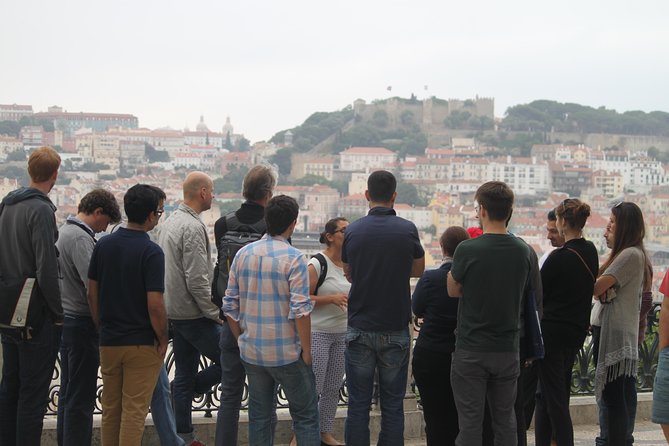
Next comes Miradouro São Pedro de Alcântara, reached through the garden approach. This is one of those Lisbon spots that looks simple on a map but feels huge in real life once you’re standing there.
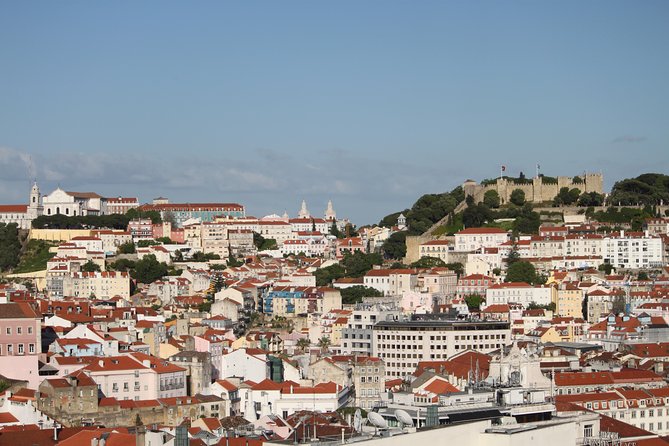
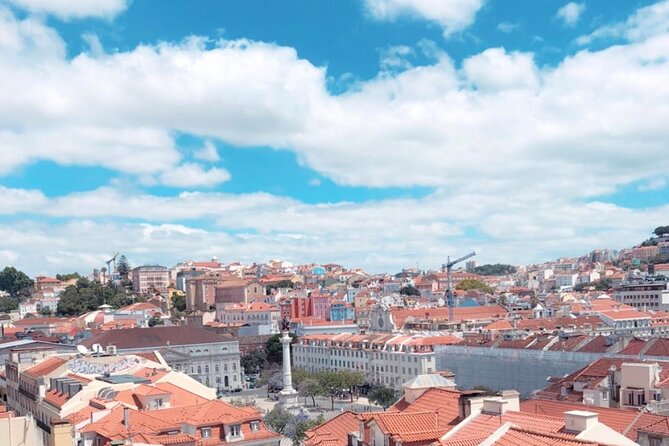
You’ll get stunning views toward Baixa and the south bank of the Tagus River. The guide helps you connect the scenery to what you just walked through, so you can recognize where you are in the bigger city. It’s a short stop, but it’s one that changes your mental picture immediately.
Igreja de São Roque: Jesuits, Tiles, and an Interior That Surprises
Then it’s time for a major culture stop: Igreja de São Roque (church and museum of San Roque). From the outside, it’s described as having an austere façade. Inside, it’s the opposite—gilding, detailed tilework, and paintings that turn the space into a kind of open-air museum experience.
This is a Jesuit church, and the tour notes that San Roque was among the first Jesuit churches in Portugal, and also among the first worldwide. If you only know Lisbon for streets and tram rides, this stop adds a deep cultural layer. You’ll spend a bit here looking at Mannerist and Baroque features and learning what makes the interior such a draw.
A quick caution: churches can be crowded depending on the day. If you’re sensitive to tight spaces, arrive with patience and use the guide to help you find the most interesting angles.
Igreja do Carmo and the Carnation Revolution Connection
Heading down the hill, you’ll reach the Igreja do Carmo area, including the convent and church with strong Gothic architecture. This isn’t only an architectural stop. It’s also tied to modern Portuguese history.
The tour highlights the role of this site in the events that began the Carnation Revolution in 1974, ending nearly five decades of dictatorship. That’s a big jump from medieval building styles to 20th-century political change, and it’s done in a way that helps you see Lisbon as both old and current.
If you’re the type of traveler who likes history but hates being stuck in a museum room for hours, this is a smart compromise. You’re learning while you walk through real places.
Santa Justa Elevator: A Great Viewpoint, But Check What’s Included
You’ll arrive near Elevador de Santa Justa, an impressive structure known for its Gothic Revival style and for offering one of the city’s best viewpoints. The key practical detail: the elevator ticket is not included.
That means you have a choice. If you love views and think you’ll use the elevator payoff, you can add it. If you’re view-tired or on a tight budget, you can still enjoy the surrounding area and keep the focus on the tour’s built-in stops.
The good news is that the tour already covers multiple viewpoint moments, so you won’t feel like you missed the main event if you skip Santa Justa.
Baixa Café Break: Coffee and Cake as a Recharge Point
When the route hits Baixa de Lisboa, there’s a coffee and pastry stop that’s included. This is one of those small inclusions that travel companies often skip, and it genuinely helps. You get a short break before heading deeper toward the tram and Alfama side of the walk.
It’s also a chance to slow down and just watch the city. Lisbon café time can be as much about people-watching as it is about the snack itself. This break gives you energy for the next streets and steps.
Praca da Figueira and the Tram Ride That Changes the Pace
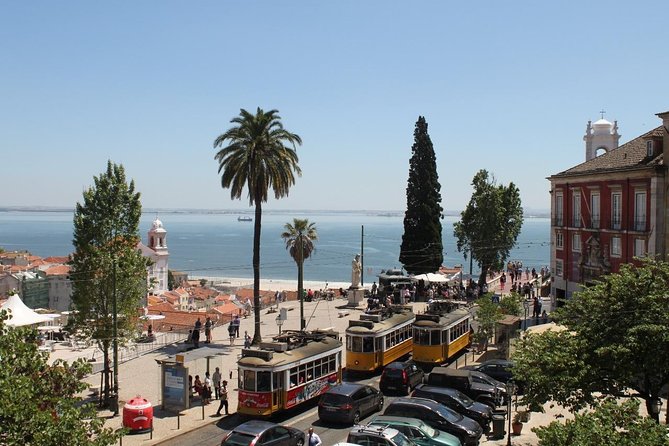
After the Baixa café stop, you’ll see Praca Da Figueira in the heart of the city. Then you’ll take a tram ride that helps you get up from the lower area toward the route leading toward Portas do Sol.
This isn’t just a “transport moment.” It’s part of what makes Lisbon feel like Lisbon. Travelers consistently appreciate the blend of on-foot exploring plus a classic ride, and this segment fits that idea well.
If you’ve never ridden a Lisbon tram before, this is also a great way to do it with guidance. You’ll know where to look and what to watch for as the city shifts outside your window.
Alfama: Narrow Streets, Fado Houses, and Saints Festivals
At Portas do Sol, the tour opens up into the Alfama neighborhood, which is where you go for traditional Lisbon vibes. You’ll also pass sights such as the Monastery of São Vicente de Fora and the National Pantheon.
Alfama is described as one of the oldest and most traditional areas, famous for fado houses and saint festivals—especially St. Anthony. Even if your visit doesn’t line up with a major festival day, the guide’s context helps you understand why people love this district so much.
Practical note: Alfama’s streets are narrow and walking can feel slower. This is part of the charm, but it can also be a lot of uneven pavement and stairs. Wear shoes you trust.
Lisbon Cathedral Finish: A 12th-Century Anchor for the Whole Walk
The tour ends at Lisbon Cathedral, built in 1150, described as three years after the city was taken back from the Moors. Over time, it’s been subject to different architectural changes, so it’s a mix of styles rather than a single uniform look.
Finishing here works well because it gives you a historical anchor. You start in neighborhoods shaped by renewal after major disaster and end at a site that connects Lisbon’s medieval timeline to later changes. It’s a satisfying wrap-up if you want your first day to feel coherent.
Price and What You Actually Get for It
The tour costs $30.25 per person and runs about 3 hours with an included guide, tram trip, and the coffee and cake break. There’s also liability and personal accident insurance included, plus you get a mobile ticket.
For value, what matters is not just the low price—it’s what’s built in:
- a guide who can explain context at speed
- multiple landmark stops that you might not connect on your own
- a real break (coffee and pastry)
- at least one transit component (tram) so it feels varied
One extra cost to plan for: Santa Justa elevator is not included. If you think you’ll want that ride, budget accordingly. Otherwise, you can keep costs controlled and still get a great “essential sights” loop.
Also, this tour is booked in advance regularly (often around a month ahead), so if your dates are tight, booking early is smart.
Pace, Steps, and Who This Tour Suits Best
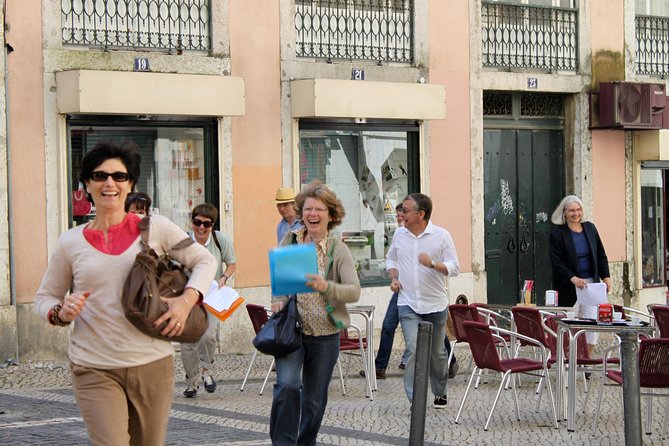
Most travelers can participate, and groups are kept small (up to 15). That helps with comfort and makes it easier to ask questions at stops. Still, this is a walking tour with hills and steps, and at least one traveler specifically warns it may not suit those who have trouble walking.
If you’re comfortable walking around central Lisbon, you’ll likely find the pace enjoyable. If you’re dealing with knee issues, mobility limitations, or you tire quickly on uneven surfaces, you may want to consider a gentler option.
My advice: treat comfortable footwear as mandatory, not optional.
Logistics: Mobile Tickets, Language, and Meeting Reality Checks
You’ll use a mobile ticket, and the tour is offered in English (and other languages are available if you select during booking). Service animals are allowed, and the meeting area is described as near public transportation.
One practical tip from a less-positive review: occasionally, booking details and the meeting location can get miscommunicated. It doesn’t seem to be the norm, but I’d still recommend you double-check your meeting info right before you go. If you’re unsure, arrive a bit early and confirm with the operator.
What to Do Before and After This Tour
Before: plan to bring water and wear comfortable shoes. Lisbon days can move fast once you start climbing, and this route stacks several viewpoints and church interiors.
After: use what you learned to choose follow-up plans. You’ll have neighborhoods “mapped” in your head now—so you can decide whether to linger in Alfama for fado atmosphere, return to Baixa for shopping and cafés, or keep exploring the cathedral and surrounding historic core.
If you like a smooth first day, this tour works as your launch pad. Several travelers say it set the stage for the rest of their Lisbon plans.
Should You Book This Lisbon Essential Walking Tour?
Book it if:
- it’s your first time in Lisbon and you want the city explained fast
- you love guides who make history feel human
- you want stunning viewpoints plus major churches in one organized walk
- you appreciate included value like the tram trip and café break
- you want a small-group experience (max 15)
Skip or adjust expectations if:
- you have trouble with walking, hills, or lots of stairs
- you don’t want any optional add-ons like Santa Justa (since that ticket isn’t included)
- you prefer a quieter, slower pace with fewer stop-and-start segments
This is one of those tours that seems to work best when you treat it as orientation. If you do, you’ll leave with a stronger sense of where you are and why Lisbon looks the way it does.
Lisbon Essential Walking Tour: History, Stories and Lifestyle
FAQ
How long is the Lisbon Essential Walking Tour?
It runs for about 3 hours (approx.).
How much does the tour cost?
The price is $30.25 per person.
Is the tram ride included?
Yes. The tour includes a tram trip as part of the experience.
What food is included?
The tour includes a coffee and cake break with a local café stop.
Is the Santa Justa elevator included?
No. Elevador de Santa Justa admission is not included.
What languages is the tour available in?
The tour is offered in English, and multiple languages are available if you select at booking.
How big is the group?
The tour has a maximum of 15 travelers.
Is the tour accessible for most travelers?
Most travelers can participate, but it involves walking in Lisbon’s hill areas and steps.
What is the cancellation policy?
Free cancellation is available up to 24 hours in advance for a full refund.