
I’m into tours that actually teach you something, without turning into a bus lecture. This one sends you from Madrid into Ribera del Duero, where you visit three different wineries and taste multiple wines along the way.
What I like most is the combo of a strong, guide (travelers mention names like Ismael, Muna, Antonio, Alfonso) and the way the day mixes wine with place—vineyards, villages, and even underground cellar history. You’ll also get real tasting time: at each winery, you try at least three wines, plus there are snacks so you’re not drinking on an empty stomach.
One thing to consider: it’s a long day (about 10–11 hours) and it’s not cheap for a day trip. Add in a 2-hour drive each way and you’ll want good energy going in—and you definitely need to be on time at the meeting point.
- Key Things to Know Before You Go
- Ribera del Duero in One Big Day From Madrid
- Price and What You’re Actually Paying For
- Timing: A 10–11 Hour Day With Real Travel Time
- The Meeting Point in Madrid: Get There Early
- What the Drive Teaches You (Not Just What You See)
- Stop 1: Madrid to Ribera del Duero (The Duero Context)
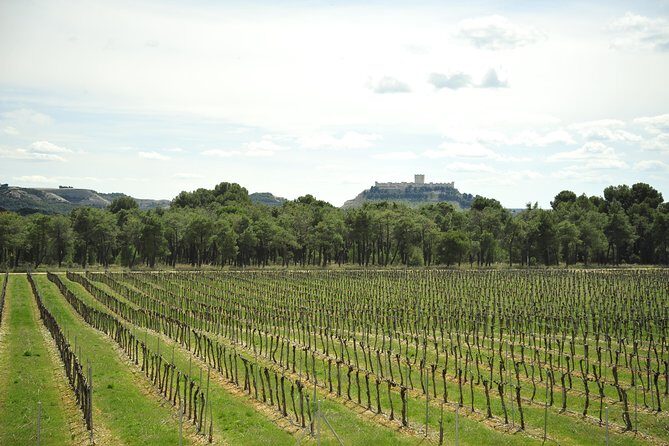
- Stop 2: Ribera del Duero Landscapes and Wine Culture
- Winery Stop in Aranda de Duero: From Grape to Bottle
- Winery Stop in Sotillo de la Ribera: Modern Architecture Meets Vines
- The Big Signature Moment: Curiel de Duero’s Medieval Underground Cellar
- Lunch in Roa: Flexible, Not Forced
- What You’ll Taste: Multiple Wines, Real Snacking Support
- Group Size and Comfort: Small Enough to Feel Personal
- Guides Matter Here: Expect Expertise and Personality
- What If the Itinerary Changes?
- Accessibility and Comfort Tips
- Who This Tour Is Best For
- Should You Book the Ribera del Duero Wine Tour?
- FAQ
- Where does the tour start in Madrid?
- Do I need to be at the meeting point early?
- How long is the tour?
- What wineries and towns are included?
- Is lunch included?
- How many wines will I taste?
- Is the guide available in English?
- Can children join?
- What should I wear or pack?
- What if the tour cancels due to too few participants?
Key Things to Know Before You Go
 1 / 8
1 / 8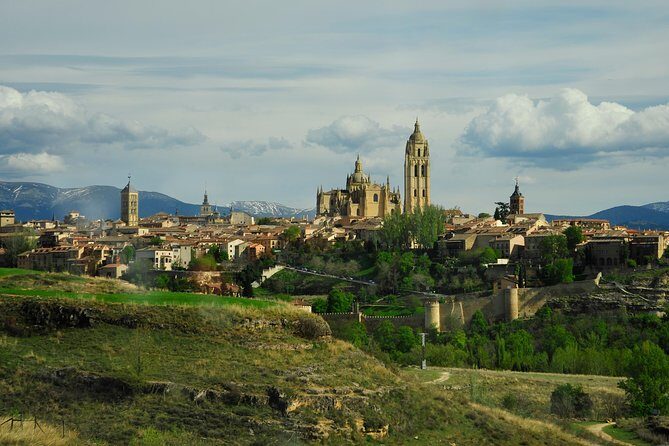 2 / 8
2 / 8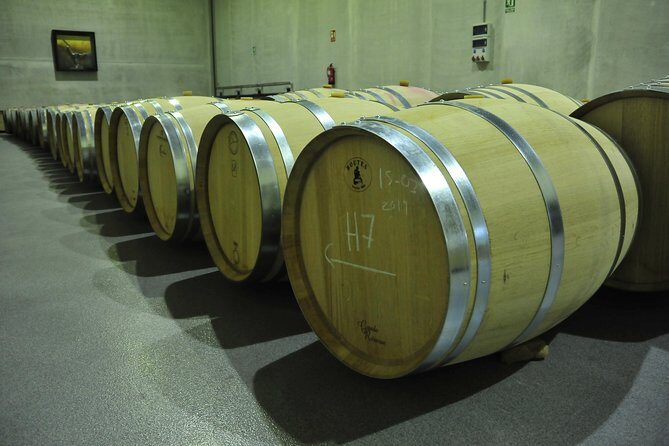 3 / 8
3 / 8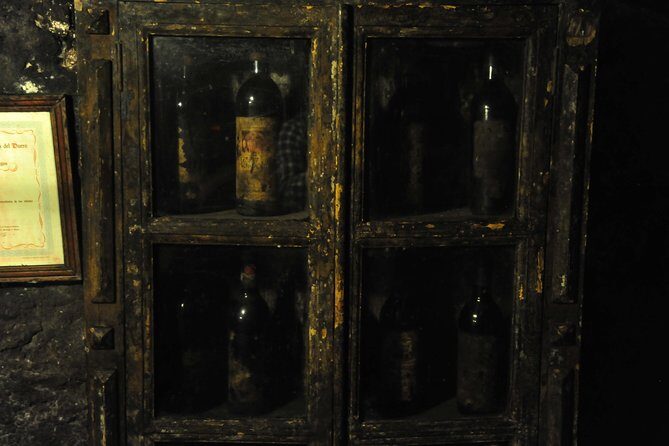 4 / 8
4 / 8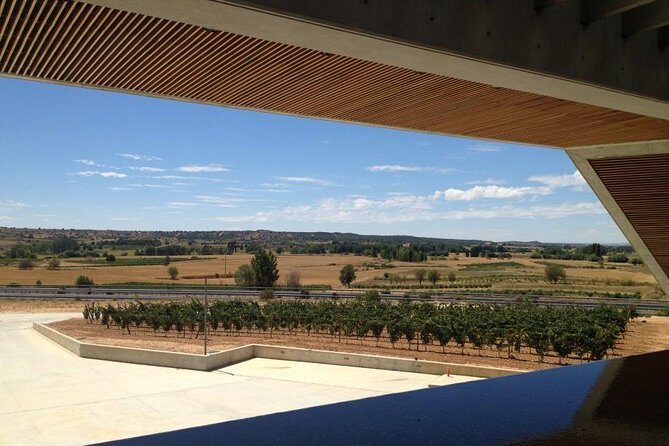 5 / 8
5 / 8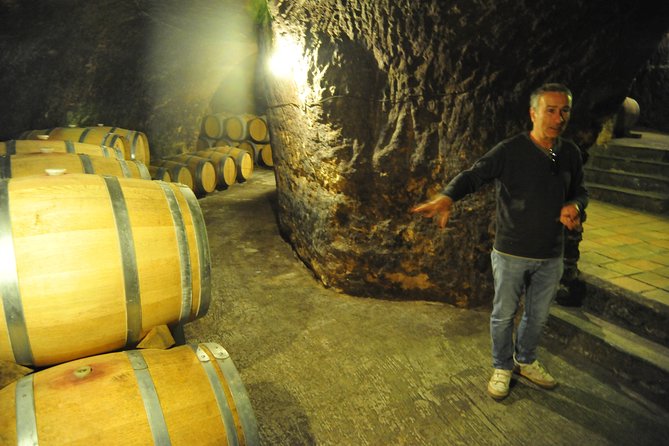 6 / 8
6 / 8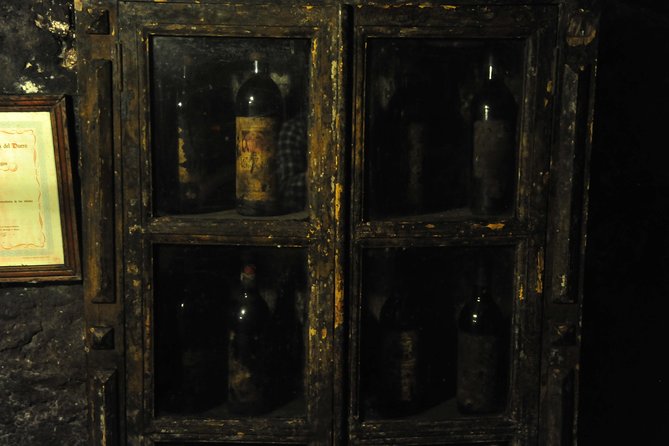 7 / 8
7 / 8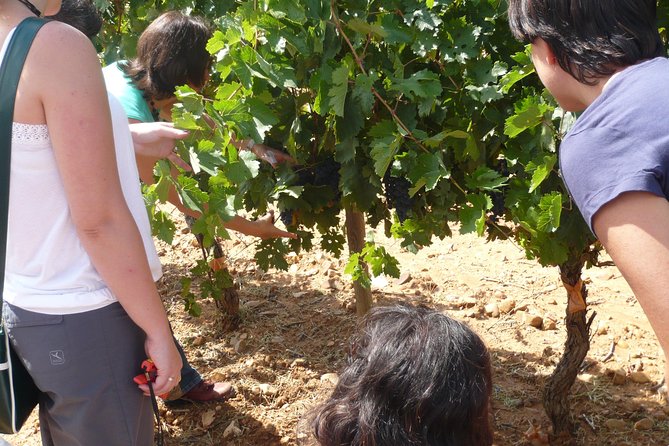 8 / 8
8 / 8- Small-group feel with a maximum of 20 travelers, plus firsthand accounts of guides who keep things smooth and organized.
- Three wineries, three styles—from more traditional approaches to modern facilities and a medieval underground cellar stop.
- Tasting is the focus: minimum of three wines per winery, and travelers report generous pours.
- Snacks included at wineries, so you can taste without feeling wrecked.
- Cold inside cellars: bring a layer for the underground visits (it can feel chilly).
- Meet on time: the departure is timed, and late arrivals are your problem to fix (no guarantee you’ll catch up).
Ribera del Duero in One Big Day From Madrid
This is the kind of day trip that makes sense if you’re using Madrid as your base but still want a real wine region experience. You leave in the morning (pickup at 9:15am), ride out into Castilla y León, and spend the day seeing how Tempranillo-based wines are made and why this region tastes the way it does.
Ribera del Duero is often described as a “river of wine” area because of the Duero river—the landscapes and the climate shape the grapes. And since you’re not just stopping at one spot, you get a better sense of how winemaking decisions vary from winery to winery.
Price and What You’re Actually Paying For
At $223.82 per person, this tour sits in the mid-to-upper tier for day trips. The value angle is pretty clear, though: you’re paying for transportation, a local bilingual guide (English and Spanish), and structured winery access that includes tastings.
Instead of one quick visit, you get three winery stops with a minimum of three wines tasted at each one. Travelers also mention tasting multiple pours that add up fast (one review mentioned nine wines sampled). That changes the math versus a “light tasting” style tour.
Timing: A 10–11 Hour Day With Real Travel Time
Plan for about 10 to 11 hours total depending on traffic. The van/coach ride out from Madrid takes around two hours, and you’ll do additional road time as the route shifts between towns and wineries.
This is not a casual morning stroll. If you’re the type who likes to sleep in and move at your own pace, you’ll probably feel the day’s structure. If you like a plan, a guide, and a glass in hand, you’ll likely find this pace satisfying.
The Meeting Point in Madrid: Get There Early
You’ll start at Plaza del Conde de Casal, 6 near Hotel Claridge—specifically at the front door of the cafeteria at the hotel. The closest Metro is Conde de Casal (Line 6).
Two practical tips that matter:
1) The cafeteria facilities are only for hotel customers, so don’t count on hanging out inside waiting.
2) Give yourself extra slack. You’re told to expect 10–20 minutes longer than maps and to route to the meeting point the night before. Late arrivals may need to handle catching up at their own cost.
What the Drive Teaches You (Not Just What You See)
On the way to Ribera del Duero, the guide uses the road time to set the context. You’ll hear about the region and wine production history during the transfer, which makes the winery visits land better once you’re actually there.
If you’re hoping to use the ride as rest time, you can. Many travelers mention that the guide fills you in without turning the whole trip into a nonstop talk session.
Stop 1: Madrid to Ribera del Duero (The Duero Context)
Before you reach wineries, you get the geographic framing. You’re riding toward the Duero river, and the region is known for Tempranillo—typically full-bodied reds with noticeable fruit character.
This matters because Ribera del Duero is not just “a place with good wine.” It’s a winemaking region with a specific grape and conditions that shape flavor. When you understand that first, the tastings later won’t feel random.
Stop 2: Ribera del Duero Landscapes and Wine Culture
This part of the day is about meeting the region where it lives. You’ll have around two hours in Ribera del Duero, with a focus on how the area blends older traditions and newer production approaches.
You also get the idea of extreme conditions affecting the vineyards—because here, you don’t just hear wine talk, you see why it’s complicated. The landscapes can shift in color and mood as the day goes on, and that contrast helps you understand why wineries choose different styles.
Winery Stop in Aranda de Duero: From Grape to Bottle
At the Aranda de Duero winery visit, you’ll get a full guided experience focused on winemaking—from grape to bottle. This is one of the key stops because it’s the “how it all fits together” segment.
Travelers often mention that the wineries are run by people who care about details, and you can feel that in the way guides explain what you’re tasting. Many tastings here focus on the freshness and elegance you can find even within aged wine expressions.
Winery Stop in Sotillo de la Ribera: Modern Architecture Meets Vines
The Sotillo de la Ribera winery stop is where you get a different viewpoint. This stop is described as being in harmonious modernity with the landscape, with design that links interior spaces to the vineyards outside.
For you, the value is not just pretty buildings. It’s a reminder that wine culture is evolving. This winery visit tends to highlight the idea of functionality in winemaking spaces and how modern design can still respect the land and its history.
The Big Signature Moment: Curiel de Duero’s Medieval Underground Cellar
If you remember only one part of the day, this is likely it. The Curiel de Duero stop centers on a medieval underground cellar system.
The tour details are specific: about 4 miles of underground networks and roughly 40 feet deep, with tunnels excavated for the preservation of wines made since the Middle Age. Even if you’re not a history nerd, it’s the kind of place that makes wine feel physical. The cool air, the structure underground, and the age of the space give you a strong sense of time—without needing a lecture.
Practical note: you’ll be inside cellars where it’s a bit cold, so bring something warm even if Madrid feels mild.
Lunch in Roa: Flexible, Not Forced
You’ll have free time in Roa for lunch, and the important detail is that lunch is not included. You pick your own place, with options ranging from tapas to full meals.
A helpful ballpark is given:
- tapas around 12–15€
- a full 3-course lunch around 30€
This flexibility is a real win. After tasting for hours, you’ll want control over what you eat and how heavy it is. Just remember: you’re still on a schedule, so don’t disappear into a long siesta.
What You’ll Taste: Multiple Wines, Real Snacking Support
This is a tasting tour, not a showroom. Across the three winery visits, you’ll do tastings of minimum three wines in each winery. Travelers often mention generous pours, and the snacks at wineries help keep the experience comfortable.
One review noted that crackers, cheese, and salami were offered at wineries so nobody was tasting on empty stomachs. That’s exactly the kind of detail that makes a difference on a long day.
Also note the tasting rules: minimum age is 18 for tasting at the wineries. The tour itself may include travelers of different ages, but tasting has this clear limit.
Group Size and Comfort: Small Enough to Feel Personal
The tour allows up to 20 travelers. In practice, some groups may feel compact depending on the vehicle used that day, and one traveler mentioned the van seating felt tight even though it had capacity for fewer people than the full group number.
Still, the overall pattern in feedback is positive: groups are small enough to interact, and guides keep everyone together without chaos.
Guides Matter Here: Expect Expertise and Personality
This is one of the tour’s strongest selling points. Travelers repeatedly named guides such as Ismael, Muna, Antonio, Alfonso, and drivers like Cos and CoSmin, often praising their English and their knowledge of the region and winemaking process.
You’ll feel the difference between a guide who recites facts and one who can explain why the wine tastes the way it does. Here, the guidance shows up in both the education and the pace, with guides communicating the schedule clearly and helping people stay comfortable.
What If the Itinerary Changes?
You’re told the route and order can change depending on the day. That’s normal for regional tours where wineries and access can vary.
The good part: the core format stays consistent—three winery visits, structured tastings, and the blend of tradition and modernity across the day.
Accessibility and Comfort Tips
A few practical notes you’ll want to take seriously:
- No hotel pickup or drop-off. You meet at the set location in Madrid.
- It’s recommended not to use Uber, and instead take a regular taxi to get to the meeting point on time.
- Inside cellars, it’s colder than you expect. Pack a warm layer.
- Children under 12 can’t participate (unless a private tour is arranged, if available).
If you’re traveling as a group or you hate strict timing, this is not the tour to wing. It’s best with a steady, follow-the-leader mindset.
Who This Tour Is Best For
This tour fits you if:
- You want a guided wine day without guessing logistics.
- You like learning while you taste, especially around Tempranillo and regional production.
- You want variety: older styles, modern design, and the underground cellar experience.
It may not fit you if:
- You want a short, relaxed outing. This is long.
- You dislike guided pacing or traveling by bus/van all day.
- You’re traveling with kids who aren’t eligible for tastings (and especially not under 12).
Should You Book the Ribera del Duero Wine Tour?
My take: yes, if you want the best chance of getting an enjoyable, educational day trip out of Madrid, this is a strong bet.
The value comes from the combination of three winery visits, minimum tastings per stop, and the fact that guides are repeatedly praised for expertise and clarity. The underground cellar stop also has real wow power.
The main reason to hesitate is the day length and price. If you’re short on time or you want a cheaper, slower wine experience, look for alternatives.
If you can commit to being on time, bring a warm layer for the cellars, and enjoy structured tastings, you’ll likely leave with better wine context and at least a few bottles worth remembering.
Ribera del Duero Wineries Guided Tour & Wine Tasting from Madrid
FAQ
Where does the tour start in Madrid?
It starts at Pl. del Conde de Casal, 6, 28007 Madrid, at the front door of the cafeteria of hotel Claridge. The tour departs at 9:15am.
Do I need to be at the meeting point early?
Yes. You’re asked not to be late, and to plan for travel time taking 10–20 minutes longer than maps suggest. It’s best to plan your route the night before.
How long is the tour?
The duration is between 10 and 11 hours, depending on traffic.
What wineries and towns are included?
The day includes three winery visits in the Ribera del Duero area, with stops that can include Aranda de Duero, Sotillo de la Ribera, and Curiel de Duero, plus free time in Roa for lunch.
Is lunch included?
No. Lunch is free time on your own in Roa. Lunch is not included in the tour price.
How many wines will I taste?
You’ll do wine tasting with a minimum of three wines in each winery stop.
Is the guide available in English?
Yes. The tour includes a bilingual expert guide in English and Spanish, and you can join the English-language tour.
Can children join?
Children under 12 cannot take part in the tour. Also, the minimum age is 18 for tasting at the wineries.
What should I wear or pack?
Cellars can be cold, so it’s recommended to bring some warm clothes. Comfortable clothing for a long day also helps.
What if the tour cancels due to too few participants?
There’s a minimum number of participants required (4). If it doesn’t meet the minimum, you’ll be offered an alternative or a full refund, and you’ll be notified about a week in advance.