
If you’re tired of running between sights, this is a smart change of pace: you’ll roll dough, shape ravioli, and build a classic tiramisù from scratch, then sit down to eat what you made in central Rome. The class runs about 3 hours, in English, and caps at 18 travelers.
Two things I really like here are the hands-on fresh pasta focus (you’re not just watching), and the fact that the meal includes drinks—wine or a soft drink, plus your choice of limoncello or hot coffee. You’ll also get a small, guided group experience, which keeps the pace friendly and the questions flowing.
One drawback to keep in mind: like any small operation, logistics can occasionally glitch. One traveler reported showing up before class time and finding the instructor wasn’t there yet. Plan to arrive a little early, and double-check your confirmation details so you’re not stuck outside waiting.
- Key things to know before you go
- A 3-hour pasta-and-tiramisu reset in central Rome
- Getting started at Via Giuseppe Zanardelli (and why arrival timing matters)
- Your class format: teach, practice, and then eat together
- Tiramù first: layering the classics the hands-on way
- Fettuccine: rolling fresh dough and learning what matters
- Ravioli in Rome: stuffed dumplings with ricotta and Parmigiano
- Sauce choices: what’s included (and what isn’t)
- The dinner part: wine, limoncello, and eating your own work
- The guides: coaching you can feel (names travelers mentioned)
- Family-friendly pacing for kids and adults
- What it costs—and why it’s usually worth it
- Timing and booking: when it sells out and how to plan
- Small-group reality: the upside and the only real “watch-outs”
- Food and drink expectations: delicious, classic, and fairly straightforward
- Who should book this cooking class?
- Should you book Fettuccine, Ravioli and Tiramisu in Rome?
- FAQ
- How long is the cooking class in Rome?
- What dishes will I make and eat?
- Are drinks included?
- Do I get a mobile ticket?
- How large is the group?
- Is there free cancellation?
Key things to know before you go
 1 / 7
1 / 7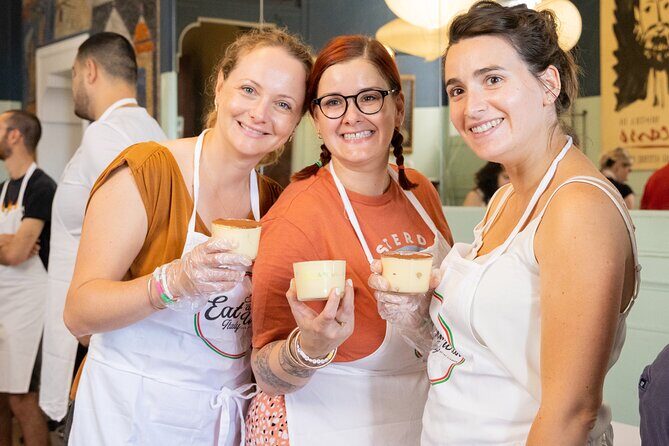 2 / 7
2 / 7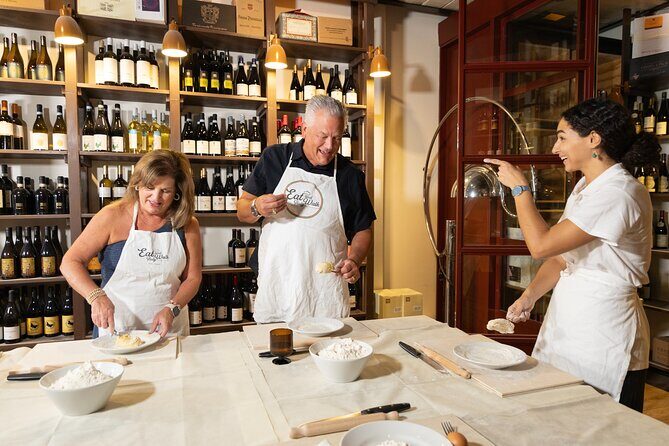 3 / 7
3 / 7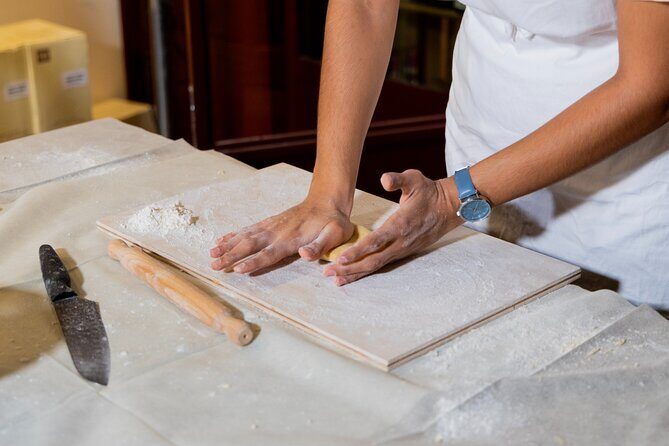 4 / 7
4 / 7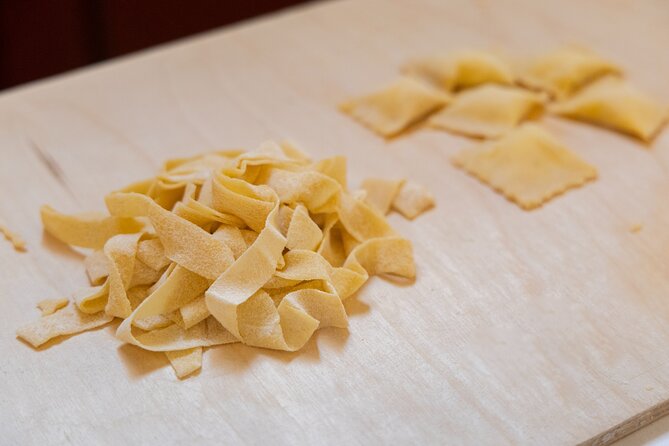 5 / 7
5 / 7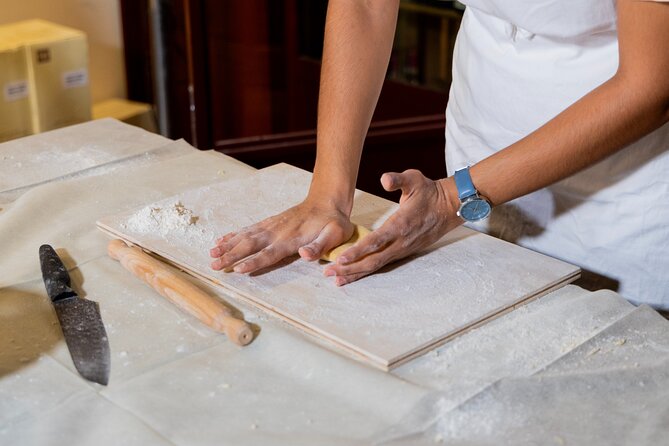 6 / 7
6 / 7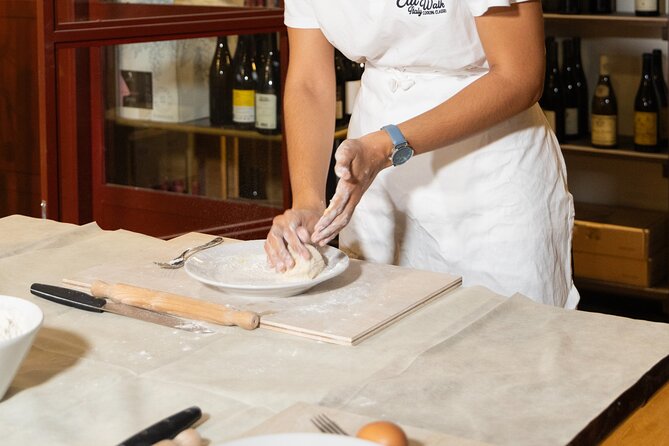 7 / 7
7 / 7- Hands-on menu: You make fettuccine, ricotta ravioli, and tiramisù.
- Sauce choices but no sauce-making: You pick from options like amatriciana or cacio e pepe.
- Drinks are included: A glass of wine (or soft drink) plus limoncello or hot coffee.
- Small groups (up to 18): Easier teaching and more time to get your hands right.
- Good for families: Multiple reviews mention kids staying engaged.
- Watch the start point: One outlier review mentioned a mismatch with the instructor showing up on time.
A 3-hour pasta-and-tiramisu reset in central Rome
This is one of those Rome experiences that doesn’t ask you to stand in line, squint at tickets, or time your day around another museum. Instead, you get a real kitchen lesson with a clear outcome: fresh pasta shapes you made yourself, plus dessert you layered yourself. It’s a fun way to slow down and do something practical with your hands.
At $84.69 per person for about 3 hours, the value comes from the full combo: cooking + eating + drinks. You’re not paying just for entertainment; you leave with skills you can repeat at home, even if you don’t recreate every step perfectly the first time.
Getting started at Via Giuseppe Zanardelli (and why arrival timing matters)
Your meeting point is Via Giuseppe Zanardelli, 14, 00186 Roma RM. The activity ends back at the meeting point, so you don’t have to worry about a complicated route or getting stranded across town.
It’s also described as near public transportation, which helps a lot in Rome. If your day is already packed, you can usually plug this in without needing a car or a long taxi ride.
One practical note: because this is a smaller setup, timing matters. One guest said they arrived early and the site door was down, and later a chef indicated a different class time. That’s an outlier, but it’s a good reminder to:
- aim to arrive a few minutes early,
- keep your mobile ticket handy,
- and use your confirmation instructions if anything looks off.
Your class format: teach, practice, and then eat together
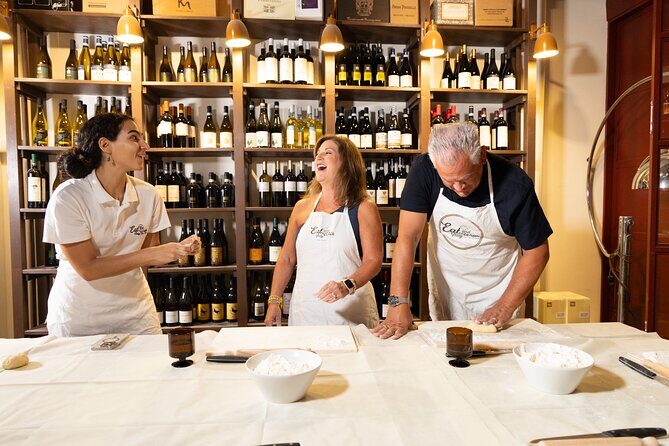
This isn’t a “sit and watch” workshop. You knead, roll, and shape dough with guidance from a professional chef. Reviews repeatedly mention that instructors keep things lighthearted but also stay on top of each station so people don’t fall behind.
What you’ll feel in the room is a mix of friendly chatter and real coaching. Several travelers specifically praised instructors for being patient and precise—helping everyone get their dough right, not just the fast learners.
English is offered, and the group size is capped at 18, which usually means you won’t be lost in a crowd.
Tiramù first: layering the classics the hands-on way
The class begins with traditional tiramisù: layering savoiardi biscuits, creamy mascarpone, and rich cocoa. Even if you’ve made tiramisù at home before, this part is useful because you’ll see how the layers should look before it’s time to chill.
This is also a great “confidence builder.” Dough can feel intimidating the first time. Dessert usually feels more forgiving, and getting that early win helps you stay relaxed for the pasta steps.
You’ll make your own tiramisù, then later you’ll eat the meal as a group—so it’s not a separate “demo dessert.” It’s part of the same final plate you helped create.
Fettuccine: rolling fresh dough and learning what matters
After tiramisù, it’s time for fresh pasta dough. You’ll knead, roll, and shape pasta so you can make fettuccine the proper way—using techniques guided by the chef.
The payoff here is more than the noodles. Learning pasta dough basics teaches you how to judge the feel of the dough. That’s the difference between a good homemade pasta experience and a sticky, frustrating one.
From what travelers shared, the best instructors focus on the details that keep everyone moving—checking thickness, guiding shaping, and correcting problems before the dough turns into a sad science experiment.
Ravioli in Rome: stuffed dumplings with ricotta and Parmigiano
Next comes the stuffed pasta step: you’ll shape ravioli filled with ricotta and Parmigiano. You’ll also get it cooked in butter and sage.
Ravioli is where a cooking class can either go smoothly or turn stressful. Here’s why this one earns good marks: multiple reviews mention chefs who took the time to make sure everyone’s dough and filling were on track, not just in theory.
Also, ravioli teaches a skill you can use later. Even if you don’t make ravioli often at home, learning portioning and sealing helps you understand pasta texture and cooking results.
Sauce choices: what’s included (and what isn’t)
You’ll enjoy fettuccine with a sauce selection: cacio e pepe, tomatoes and basil, or amatriciana. For ravioli, the menu notes butter and sage.
What’s key for expectations: the information here says making the sauce isn’t part of the class. In other words, you’re learning pasta and dessert from scratch, while the sauces are handled in a way that keeps the class on time.
That’s usually a good trade. You still get the hands-on core skills, and you don’t lose 45 minutes battling pots while other stations pile up behind you.
The dinner part: wine, limoncello, and eating your own work
After the cooking, you’ll be seated in a charming restaurant to enjoy a complete meal featuring what you made: fettuccine (with your chosen sauce), ricotta ravioli with butter and sage, and your tiramisù.
Drinks are included:
- a glass of wine or soft drink,
- plus either a shot of limoncello or hot coffee.
This is where the experience becomes extra satisfying. You’re not just producing food; you’re tasting it at the end, with the whole group together. Reviews often mention this drink pairing as a high point—wine to settle in, then limoncello to end on a bright note.
One thing to set expectations: this isn’t a tapas crawl. It’s a full seated meal built around your pasta and dessert, with drinks included.
The guides: coaching you can feel (names travelers mentioned)
A big reason people rave about this class is the instruction quality. Travelers mentioned chefs and instructors including:
- Chef Lori (praised for keeping a young nephew engaged),
- Chef Dani (supportive and checking in to help everyone),
- Tommo (clear instructions with a lighthearted style),
- Carlotta (fun and educational),
- Maria (enthusiastic and helpful),
- Furio (energetic and passionate),
- Chef Mimi,
- and Alessia (making pasta-making feel approachable).
Even without the exact same chef each day, the consistent theme is similar: the instructor pays attention to your dough and your progress. That’s what turns “I tried” into “I actually learned something.”
Family-friendly pacing for kids and adults
If you’re traveling with children, this is a standout type of activity because it’s hands-on. One review described a family with kids around ages 7, 10, and 12, saying the instructor kept them engaged and the class stayed low stress.
Another traveler mentioned being able to handle the experience without stepping away too often. The point: the teaching style seems built to keep people involved, not just watching an adult cook.
Still, keep expectations realistic. Kids will get flour on their clothes. That’s part of the charm, but you’ll want to dress for it.
What it costs—and why it’s usually worth it
At $84.69 per person, you’re paying for three things at once:
1) hands-on cooking time with guided technique,
2) ingredients and equipment used for pasta and dessert,
3) a seated meal with drinks.
Many Rome food experiences charge for tasting only. Here, the cost is tied to making and eating. If you’re the type of traveler who likes leaving with a skill, not just a photo, this is strong value.
Also, group size stays small (up to 18). That matters. In a big class, you can feel rushed. In this setup, people in reviews repeatedly mention the instructor checking and helping.
Timing and booking: when it sells out and how to plan
The tour info notes it’s commonly booked about 41 days in advance on average. That doesn’t guarantee sellout, but it does suggest it’s a popular slot.
If you’re visiting during peak season or you have a tight schedule, it’s smart to book early. If you wait, you might end up with fewer time options.
Small-group reality: the upside and the only real “watch-outs”
Because it’s capped at 18, the upside is more attention. The watch-out is that everything has to run like clockwork. If you arrive late, you may miss a key step—especially around rolling and shaping.
Also, remember that this is an activity with a defined meeting point. If you get turned around, you won’t have a huge window to solve it.
The single negative experience reported involved a mismatch at the start location (door down, instructor apparently for a different class time). While that sounds unusual, the best defense is simple: arrive early, keep your confirmation details, and don’t assume the door will be open exactly at the minute.
Food and drink expectations: delicious, classic, and fairly straightforward
This class focuses on classic Roman-leaning flavors and easy-to-follow building blocks:
- fettuccine paired with choice sauces like cacio e pepe or amatriciana,
- ricotta ravioli with butter and sage,
- tiramù with savoiardi, mascarpone, and cocoa.
The drinks round it out: wine or soft drink, then limoncello or coffee. If you like the idea of a relaxed “culinary hangout” that ends with a proper meal, this fits well.
If you’re someone who wants a cooking class to include explanations of local food history for hours, you might find this more hands-on than lecture-heavy. The structure is built around making and eating.
Who should book this cooking class?
You’ll probably love it if you:
- want a hands-on Rome activity that breaks up museum time,
- enjoy learning by doing, not just tasting,
- like the idea of making a full dinner plus dessert,
- are traveling with a partner, friends, or even kids (based on multiple positive family mentions),
- want good English instruction and real guidance.
You might skip it if you:
- only want to sample food and prefer watching over participating,
- need a very strict dietary plan (nothing specific is stated here),
- hate the idea of getting messy with flour (it’s part of pasta-making).
Should you book Fettuccine, Ravioli and Tiramisu in Rome?
If your goal is a practical, satisfying Rome food experience—one that ends with you eating what you made—this is an easy yes. The combination of fresh pasta skills, tiramù, and included drinks makes the price feel reasonable, not just a tourist premium.
The biggest decision factor is your comfort with participation. If you’re game to knead dough, roll it out, and shape ravioli, you’ll likely come away feeling proud and slightly smug in the best way. And if you choose it for family travel, the repeated praise for keeping kids engaged is a strong signal.
Just be smart at the start: arrive early at Via Giuseppe Zanardelli, 14, keep your mobile ticket ready, and rely on your confirmation details.
Fettuccine, Ravioli and Tiramisu Pasta Making in Rome
FAQ
How long is the cooking class in Rome?
It’s listed as about 3 hours (approx.), including the cooking and the sit-down meal afterward.
What dishes will I make and eat?
You’ll make fettuccine, ricotta-filled ravioli, and tiramisu, and then you’ll eat the full meal featuring what you made.
Are drinks included?
Yes. You get a glass of wine or a soft drink, plus your choice of a shot of limoncello or hot coffee.
Do I get a mobile ticket?
Yes. The booking includes a mobile ticket.
How large is the group?
The experience has a maximum of 18 travelers.
Is there free cancellation?
Yes. You can cancel for a full refund up to 24 hours before the experience start time.
If you want, tell me your travel dates and whether you’re going solo, as a couple, or with kids—and I’ll suggest the best way to slot this into a day in Rome.