
This private Rome Highlights and Hidden Gems tour is built for travelers who want a local’s route, not a cookie-cutter stampede. You’ll typically start in the city center, enjoy a mix of classic icons and lesser-known spots, and finish around the core—plus you get one local drink or snack to keep the pace human.
What I like most is the strong focus on guides who actually tailor the walk (and sometimes detour for your interests). The other big win is the way you get stunning views and iconic landmarks early, without needing to plan a complicated day on your own.
One thing to consider: the tour visits major sites from the outside. If your must-do is going inside the Pantheon or Colosseum, you’ll likely need separate tickets.
- Key things to know before you go
- How the tour works: walking or Vespa (and why that changes everything)
- Meeting points and timing: don’t let logistics steal your trip
- Stop 1: Trastevere-style neighborhood energy and a local feel
- Piazza Navona: the square that always looks like a postcard
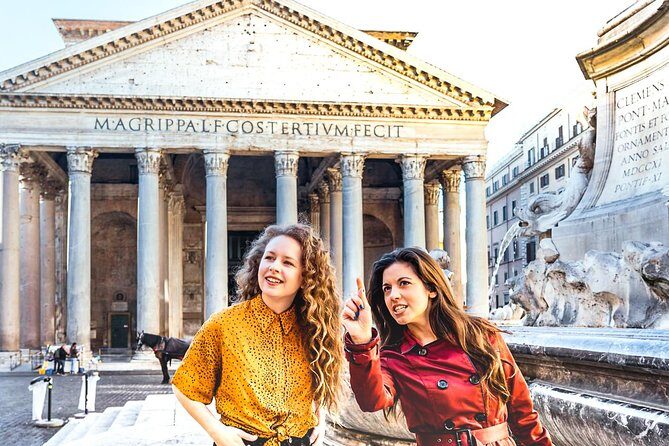
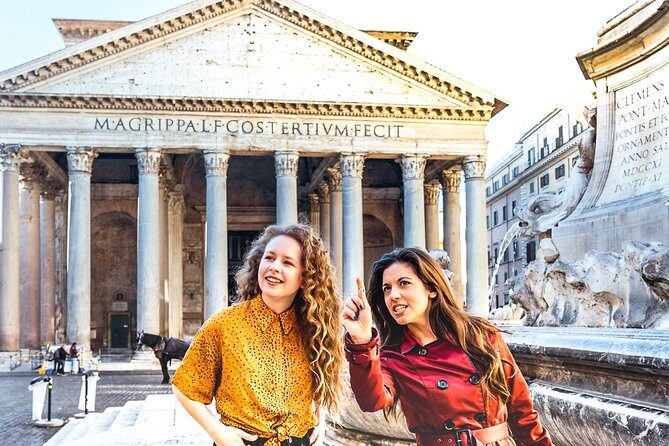
- The Pantheon: a wow-factor stop, but plan for outside views
- Campo de’ Fiori: a small square with a big atmosphere
- Spanish Steps: a photo classic, plus smart timing
- Colosseum area: see it, frame it, then decide about tickets
- The “hidden gems” part: how you actually get off the beaten path
- The drink or snack: a small inclusion with big pacing value
- How long is enough? 3 hours for orientation, not everything
- Price and value: what you’re paying for
- Getting around Rome: scooter vs. walking realities
- What the best guides seem to do (and why people rave about them)
- Occasional hiccups: late guides, meeting-point confusion, and one serious conduct issue
- Who should book this tour?
- Should you choose walking or Vespa?
- FAQ
- Where does the walking tour start?
- Where does the Vespa tour start?
- How long is the tour?
- Is the Pantheon or Colosseum entrance included?
- Is a drink or snack included?
- Is the tour private?
- What language is the tour offered in?
- Do I get a mobile ticket?
- What is the cancellation policy?
- Final call: book it or skip it
Key things to know before you go





- Private guide means your pace: only you and your local, with flexibility to match what you’ve already seen.
- Outside-only landmarks: great for orientation and photos, but not the full interior experience.
- Two options, two starts: walking starts at Piazza di Sant’Apollinare; the Vespa option starts near Cavour Metro.
- A built-in break: the route includes a drink or snack, often where you’d actually want to pause in real Rome.
- Guides can be a standout: many travelers mention engaging, very informed guides like Simona/Simone, Daniele, Nico, and others.
- Meet-up details matter: a few reports mention late guides or confusing meeting-point directions, so arrive early and use your booking app if provided.
How the tour works: walking or Vespa (and why that changes everything)
This experience comes in two modes: private walking or a Vespa tour. Both aim for the same goal—seeing Rome through a local lens—but the feel is different.
With the walking option, you meet your guide at Piazza Sant’Apollinaire (Piazza di Sant’Apollinare, 46, 00186 Roma). You start exploring on foot, moving between neighborhood corners, lively squares, and big-name landmarks.
With the Vespa option, the meeting point is Via in Selci near the Cavour Metro Station. You’ll put on your helmet and ride a scooter. This usually means you can cover more ground in the same time window, which can be a lifesaver if your schedule is tight.
If you’re unsure which to choose, think about your priorities:
- Want calmer pacing and more street-level time? Choose walking.
- Want to see a lot efficiently with neighborhood variety? Choose Vespa.
Meeting points and timing: don’t let logistics steal your trip
The tour lasts about 3 hours and ends in the city center area of Rome. There’s no hotel pickup or drop-off, so you’ll want to plan your arrival to the meeting point.
Walking meeting point: Piazza di Sant’Apollinare, 46 (near public transportation)
Vespa meeting point: Via in Selci near Cavour Metro Station
A few travelers mentioned delays or meeting-point confusion. The practical fix is simple:
- Get there a little early.
- Have your phone ready for contact.
- Use the booking app or messaging method your provider uses (several comments stressed that app-based communication matters when plans shift).
Stop 1: Trastevere-style neighborhood energy and a local feel
Early on, you’ll typically pass through a distinct neighborhood with a bohemian, working-class vibe—often described around Trastevere. This is where Rome starts to feel like a real place, not a checklist.
Why this stop matters: Rome’s famous sites can be overwhelming on day one. Starting in a lived-in neighborhood gives you context. You’ll see streets, shops, and the kind of everyday rhythm that helps the rest of the city click into place.
Also, this tour tends to include neighborhood-scale details that big group tours skip. Travelers often mention guides who seem to “know everyone you pass,” and who can point you toward places to eat later—useful when you’re trying to avoid tourist traps.
Piazza Navona: the square that always looks like a postcard
You’ll likely spend time at Piazza Navona, one of Rome’s most lively squares. Expect the classic visual anchors—churches and monuments—along with the famous Bernini river fountains.
This stop works for two reasons:
1. It’s a high-energy “Rome in one glance” moment.
2. It’s a natural place for a pause, especially since the tour includes a drink or snack somewhere along the route.
One practical note: it’s popular and can feel crowded, so the value of having a guide is not just the sights—it’s helping you notice details and understand what you’re looking at without stopping every two minutes to figure it out.
The Pantheon: a wow-factor stop, but plan for outside views
A major highlight on the route is the Pantheon. You’ll have the chance to see it in person and appreciate why it’s considered such a standout structure.
That said, this tour does not include entrance tickets. So you’ll be taking in the Pantheon from the outside rather than walking through the interior.
If your goal is the architecture and the setting, this still can be satisfying—especially when a guide shares how to read what you’re seeing. Many travelers emphasize that guides on this kind of tour add clarity you wouldn’t pick up from a phone screen alone.
If your priority is inside-the-building time, you’ll need to add separate tickets. But as an orientation stop, it’s a strong anchor.
Campo de’ Fiori: a small square with a big atmosphere
The route often includes Campo de’ Fiori, a rectangular square south of Piazza Navona. It’s a border between different Roman districts, so it’s a nice “transition” location—one where the neighborhood energy changes slightly as you move.
Even if you’re not there for a specific market event, this is a good area for your bearings. You can connect it mentally to nearby landmarks you’re seeing elsewhere on the tour.
Spanish Steps: a photo classic, plus smart timing
Another common stop is the Spanish Steps, with the slope connecting Piazza di Spagna to the top at Piazza Trinità dei Monti.
Why include it on a hidden gems tour? Because even famous stops can become useful once you understand the surrounding geography. Seeing the Steps in context helps you navigate later days when you’re wandering on your own.
Also, guides can help you find angles and nearby streets that feel less “photo-only.” That kind of help is where a private tour often earns its cost.
Colosseum area: see it, frame it, then decide about tickets
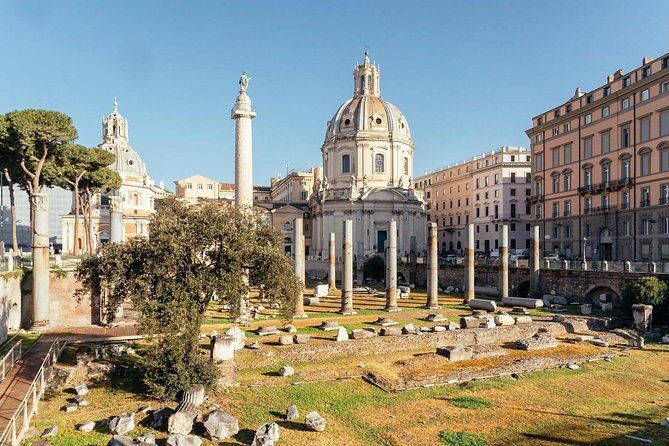
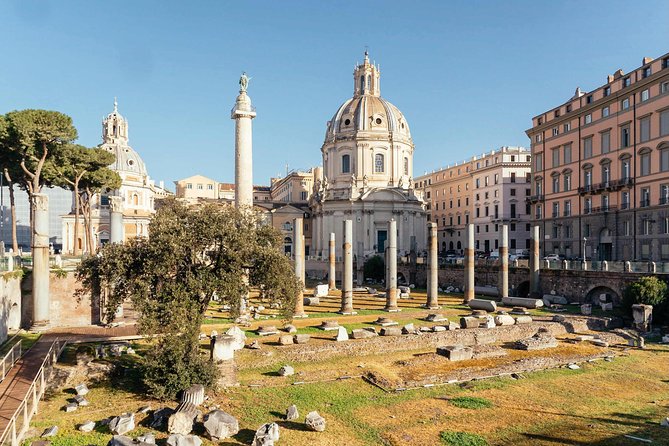
The itinerary commonly ends up at the Colosseum area. You’ll see the landmark in its central position and get oriented relative to the Roman Forum region.
Just like the Pantheon, the tour focuses on outside viewing. Entrance tickets aren’t included, so you won’t do an inside visit as part of this 3-hour plan.
Still, this is a powerful stop if:
- It’s your first or second day in Rome.
- You want to understand where everything sits.
- You’d rather spend time later planning a longer, ticketed visit at your own pace.
Many travelers say this private format beats the big group bus tour for exactly this reason: you can absorb the place without feeling rushed.
The “hidden gems” part: how you actually get off the beaten path
Here’s the thing about Rome: the best hidden gems aren’t usually secret. They’re just not on the standard routes.
In this kind of tour, the hidden gem feel comes from:
- Detours and smaller squares you’d walk past without noticing.
- Guide-led picks for what to focus on and what to skip.
- Stops that show local routines (where people gather, snack, and unwind).
Travelers repeatedly mention that guides like Simone/Simona, Daniele, Nico, Eleonora, John, Stefan, Frank, Paula, and Paola made the tour feel personal—by tailoring it to what the group already saw and where they wanted to go next.
One very practical bonus: if your guide leaves you with restaurant recommendations, you may end up saving time and money later. In Rome, that can matter more than one extra photo.
The drink or snack: a small inclusion with big pacing value
You’ll get one local drink or snack during the tour. It’s not just a perk. It’s a strategy.
Three hours of nonstop walking (or fast scooter riding) can turn tiring quickly, especially with Rome’s heat and crowds. A planned break keeps momentum without killing your schedule.
Many travelers mention using the snack/drink pause to learn what to order and where locals go. Even if you’ve never been to Rome before, it’s a good way to start eating like you belong there.
How long is enough? 3 hours for orientation, not everything
Three hours is a workable window for a first taste of Rome. It’s long enough to hit major icons and still feel like you’re seeing real neighborhoods. It’s short enough to keep your energy for the rest of your trip.
But be honest about what you’re choosing:
- This is not a full museum day.
- It’s not an inside-ticket deep dive.
- It’s best thought of as a high-quality first-day (or second-day) framework.
If you already know you want multiple inside visits (Vatican museums, churches, Pantheon interior, Colosseum guided entry), this tour still helps, but it won’t replace those plans.
Price and value: what you’re paying for
At $318.19 per person (private, 3 hours), this is not a budget tour. So the question is value, not cost.
Here’s where it can feel worth it:
- You’re paying for privacy—only you and a guide—so you get faster decisions and better tailoring.
- You’re paying for guidance at the point you need it most: figuring out Rome’s layout, history context, and where to go next.
- You’re getting a drink or snack included.
- The experience is described as carbon neutral and linked to a B-Corp sustainability approach.
Where it might not feel worth it:
- If you expected to go inside the main attractions, this tour’s outside-only approach changes the math.
- If your expectations are for a slow, linger-in-every-church day, 3 hours may feel tight.
In other words: this costs more than group tours, but it can save you money later by helping you choose better food and ticket plans.
Getting around Rome: scooter vs. walking realities
If you choose the Vespa option, expect speed and coverage. A Vespa route can make the itinerary feel more “complete” in a single sitting.
If you choose walking, expect slower, more photo-friendly pacing and more time to notice small details. It also tends to give you more chances to stop for shade or quick photos without feeling like you’re holding up the ride.
Your choice should match your comfort level:
- If crowds and long walks wear you out, Vespa may be easier.
- If you want street-level conversation and frequent stops, walking is the better fit.
One small but important detail: for the Vespa option, you’ll be wearing a helmet and getting on a scooter. If you’re not comfortable with that, stick with walking.
What the best guides seem to do (and why people rave about them)
The consistent theme from travelers is that the guides don’t just recite facts. They guide you through Rome like they’re showing a friend around.
Common praise points include:
- They’re engaging and extremely knowledgeable.
- They give recommendations for what to eat and where to go next.
- They tailor the route if you’ve already seen some sights.
- They can handle real conditions. One comment specifically mentioned a very hot day and how the guide stayed mindful about shade.
Even the most critical comments often acknowledge that the guide was interesting and that they did see the described areas. The main complaint patterns were usually about communication, arrival timing, or meeting point clarity.
So the quality of your day will likely hinge on guide professionalism and logistics. That’s why confirming meeting points and using the app if messages are sent is worth your attention.
Occasional hiccups: late guides, meeting-point confusion, and one serious conduct issue
Most experiences sound smooth. Still, it’s smart to go in with eyes open.
Some travelers reported:
- A guide not showing up on time and the delay changing repeatedly.
- Confusion about where to meet, leading to extra walking.
- English fluency challenges for one guide.
There was also a report of a guide being rude and laughing at safety concerns. The provider responded with an apology and asked the customer to email them with a booking ID so they could investigate. That response matters, but your practical takeaway is simple: if something feels off, document it and contact the provider promptly.
This isn’t about scaring you. It’s about helping you protect your time in Rome, where a few lost minutes can ripple into your whole day.
Who should book this tour?
This experience fits travelers who:
- Want a first-day orientation with both classics and lesser-known stops.
- Prefer a private guide and a flexible route.
- Like getting restaurant and local tips as part of the experience.
- Value a guide more than ticking off interior ticket attractions.
It may be less ideal if you:
- Only care about inside visits at major landmarks.
- Want a strict checklist with zero conversation and zero detours.
- Don’t want any potential communication hiccups at the meeting point (because a small number of people reported those issues).
Should you choose walking or Vespa?
Quick decision guide:
- Choose walking if you want calmer pacing, more street-level time, and a natural snack/drink stop rhythm.
- Choose Vespa if you want to cover more in 3 hours and you’re comfortable on a scooter.
Either way, you still get the big anchors like Pantheon and Colosseum from the outside and the neighborhood texture that makes Rome feel like a real city.
Rome Private Tour: Highlights and Hidden Gems
FAQ
Where does the walking tour start?
The walking tour meets at Piazza di Sant’Apollinare, 46, 00186 Roma.
Where does the Vespa tour start?
The Vespa tour meets at Via in Selci near the Cavour Metro Station.
How long is the tour?
The tour is about 3 hours.
Is the Pantheon or Colosseum entrance included?
No. Entrance tickets to the landmarks are not included, and you’ll visit them from the outside.
Is a drink or snack included?
Yes. The tour includes 1 local drink or snack.
Is the tour private?
Yes. It’s a private tour with only you and your local guide.
What language is the tour offered in?
The tour is offered in English.
Do I get a mobile ticket?
Yes. The tour includes a mobile ticket.
What is the cancellation policy?
You can cancel for a full refund up to 24 hours before the experience’s start time.
Final call: book it or skip it
If you want a smart introduction to Rome with private pacing, a guide who can add real context, and a route that mixes big sights with smaller, more local stops, this is a strong pick. The included drink or snack and the outside-only approach make it ideal for orientation and photos, not for replacing ticketed interior visits.
If you’re the type who wants to go inside major landmarks during your guided time, then look at adding separate tickets for the places you care about most. Otherwise, for many travelers, this tour becomes the best “setup day” for the rest of the trip.